


- 12 Classic Board Games That Secretly Taught Us Life Lessons and Strategic Thinking - August 24, 2026
- These Unsung Heroes of History Made Profound Impacts Without Seeking the Limelight. - August 24, 2026
- The Most Dramatic Plot Twists in Literary History That Still Leave Readers Stunned. - August 24, 2026
Music does something nothing else can do. It does not just soundtrack our lives – it rewires them. A single song, a single performance, a single moment in a crowded field or a television studio can flip a cultural switch that never, ever flips back. History is full of these moments, and honestly, the more you look, the more astonishing they become.
Think about it. Fashion changes, architecture evolves, film trends come and go. Yet certain musical events linger inside civilization like a splinter under the skin – permanent, influential, and impossible to ignore. They reset what audiences expect, what artists dare to attempt, and what the world believes music is actually capable of. From a snowy New York night in 1964 to the digital chaos of the early internet age, these milestones did not just change music. They changed everything. Let’s dive in.
The Beatles on The Ed Sullivan Show: The Night America Was Never the Same
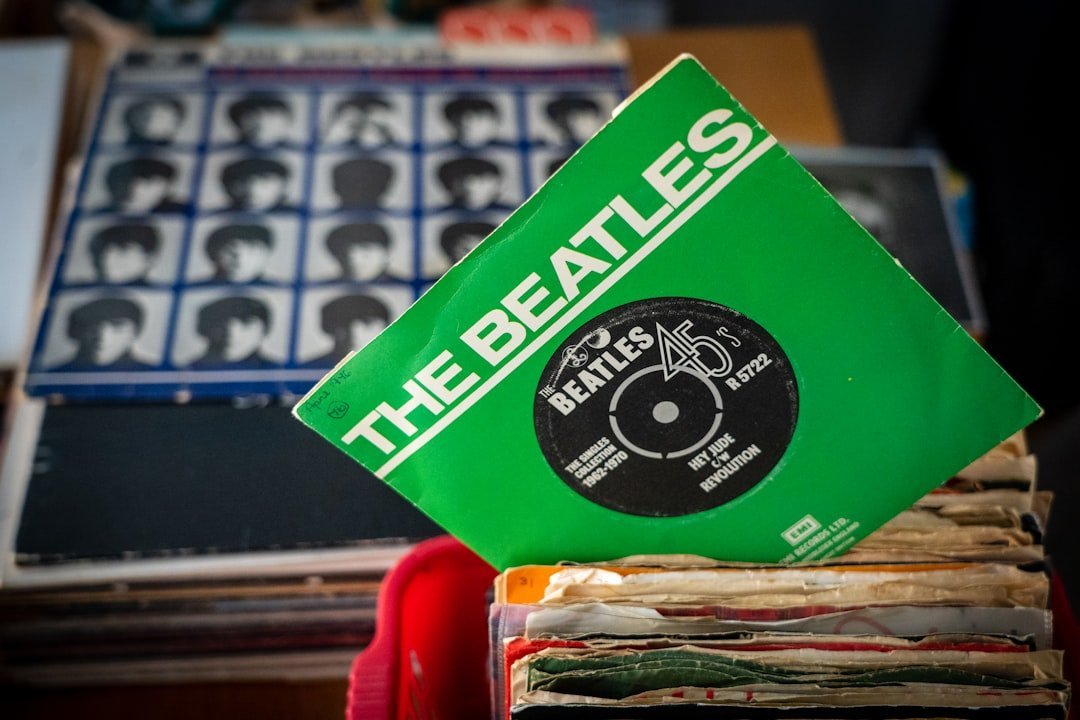
Picture this: it is February 9, 1964. The country is still raw from the assassination of President Kennedy just seventy-seven days earlier. There was still an air of gloom across America, and the country was ready for a much-needed diversion – and it arrived in the form of four young lads from Liverpool. What followed was not just entertainment. It was a rupture in the cultural fabric of an entire nation.
Their first appearance, on February 9, was seen by over 73 million viewers and came to be regarded as a cultural watershed that launched American Beatlemania, as well as the wider British Invasion of American pop music, and inspired many young viewers to become rock musicians. That is not a small number. That is roughly three out of every eight Americans alive at the time, all huddled around their television sets at the exact same moment.
Rock and roll, which had largely vanished from the American scene in the early 1960s, was back – but it was different. Rock had been a driving musical idiom; what The Beatles instead presented was an alternate musical world of chords and chord changes that created a unique sense of the euphonic. The ripple effects spread like wildfire through an entire generation of future musicians.
When the Beatles performed on The Ed Sullivan Show, they completely changed the trajectory of music and culture. More than 73 million Americans watched the Beatles that night, roughly 38% of the country’s population at the time. Among the legions of adoring viewers were future rock stars, many of whom were significantly impacted by the legendary performance. The likes of Bruce Springsteen, Billy Joel, and Gene Simmons all credit that one television appearance as the reason they picked up an instrument. That, if you ask me, is one of the most remarkable chain reactions in the history of art.
Woodstock 1969: When Peace, Music, and Mud Changed the World
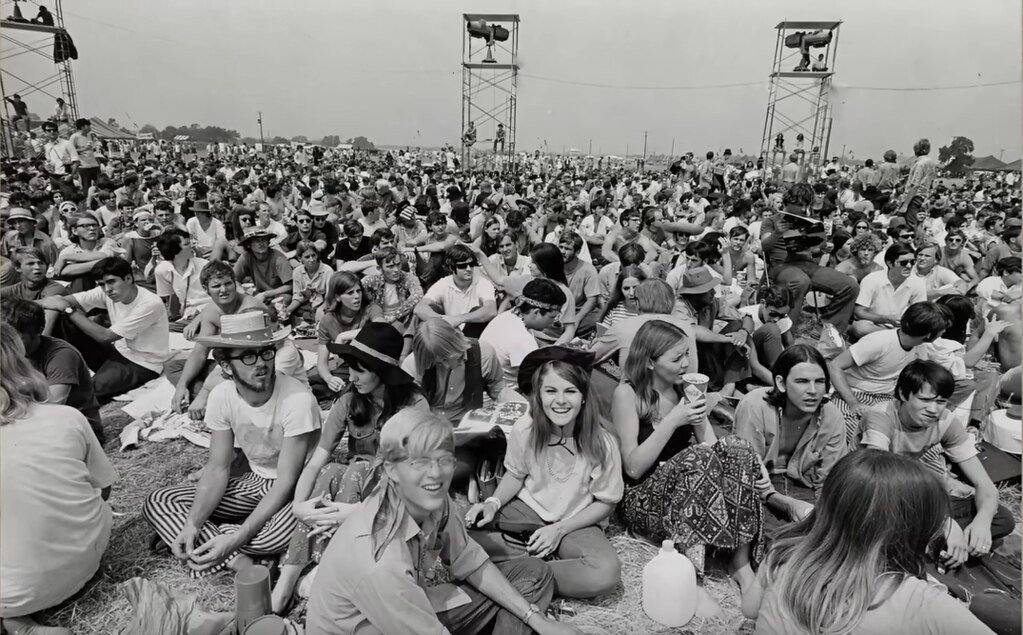
The summer of 1969 was marked by extraordinary cultural events, and in August, the Woodstock Music Festival brought together a gathering of approximately 450,000 people on Max Yasgur’s dairy farm and became a symbol of fellowship and faith of a generation. Nobody planned for it to be this important. Nobody could have.
The Woodstock Music Festival is often regarded as the pinnacle of 1960s youth culture, symbolizing a generation’s quest for freedom, peace, and social change amidst a backdrop of political upheaval. Originally inspired by the success of the Monterey Pop Festival two years earlier, Woodstock attracted an estimated 400,000 attendees, far exceeding initial expectations. What began as a ticketed concert became, almost accidentally, one of the most powerful social statements ever made.
The festival served as the spiritual epicenter of the 1960s counterculture, capturing the essence of a generation disillusioned by war, systemic injustice, and materialism. At a time when the Vietnam War was raging and civil unrest echoed in city streets, Woodstock became a living, breathing protest – a peaceful revolution set to music. There is something almost surreal about the idea that music, mud, and community could speak louder than any political speech of the era.
Listed on the National Register of Historic Places, Woodstock is nationally significant under Social History and Performing Arts/Music as one of the most important cultural and social events of the second half of the twentieth century. The festival was the definitive expression of the musical, cultural, and political idealism of the 1960s and was recognized almost immediately as a watershed event in the transformation of American culture. It still feels that way decades on.
The Birth of Hip-Hop: A Revolution That Started in the Bronx
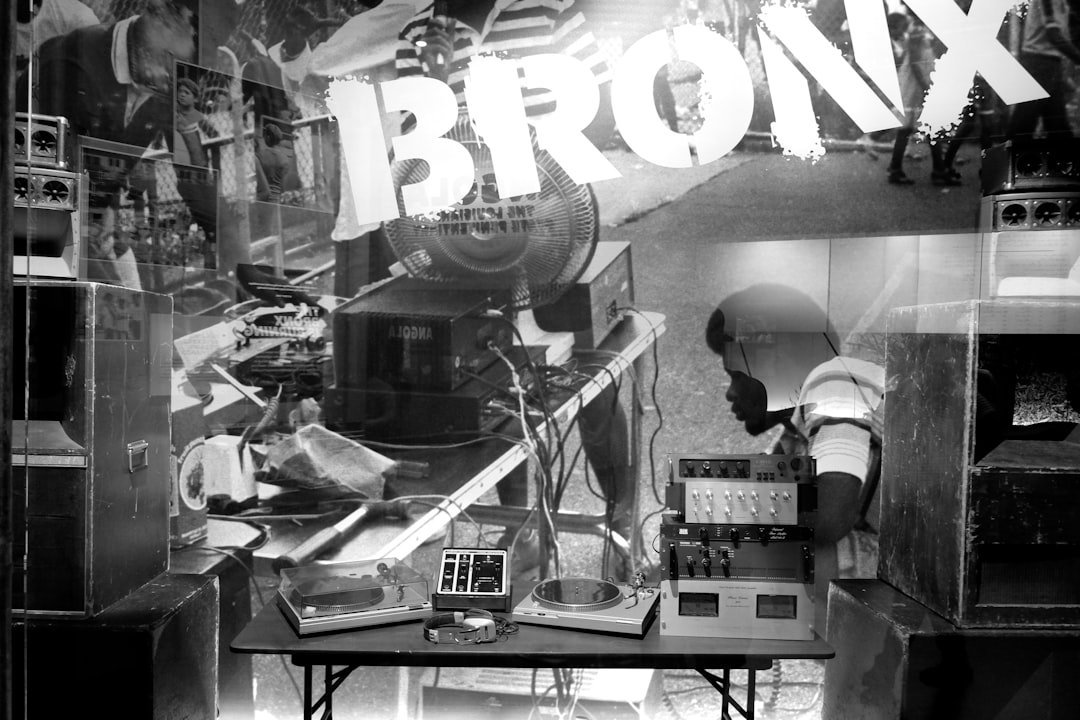
Here is the thing about revolutions – they rarely start in places of power. They start in the margins. Hip-hop is possibly the most compelling example of this truth in the entire history of popular music. Nobody in 1973 could have predicted that a block party in the South Bronx would eventually become the dominant global music genre of the twenty-first century.
The early 1970s block parties in the Bronx gave rise to a new genre: hip hop. Pioneers like DJ Kool Herc, Grandmaster Flash, and Afrika Bambaataa transformed these gatherings into cultural milestones, blending DJing, MCing, breakdancing and graffiti. Hip hop’s emergence brought a new voice to marginalized communities and reshaped the musical landscape with its innovative sounds and social commentary.
I think it is genuinely hard to overstate how radical this was. Hip-hop did not just introduce a new sound. It introduced a new philosophy of what music could and should do. It was journalism, therapy, protest art, and community documentation all at once – delivered over a beat. The format democratized storytelling in music in a way that had never been seen before.
From those Bronx block parties, hip-hop grew to infiltrate every corner of global culture – fashion, film, advertising, politics, and language. From Beyoncé incorporating African rhythms into her work to Bad Bunny popularizing reggaeton, the music scene continues to showcase an exciting synergy that amplifies the voices of diverse cultures. Much of that cross-cultural conversation traces a direct line back to those original Bronx innovations.
The Launch of MTV: When Music Became Something You Watched

Before MTV, music was mostly something you heard. The radio was king. The occasional concert special was as good as it got. Then, on August 1, 1981, something shifted permanently. MTV made its debut with the words, “Ladies and gentlemen, rock and roll.” The first music video to play was “Video Killed the Radio Star” by The Buggles – a fitting choice for a network that would forever change how people experienced music.
The genesis of MTV was a marked shift in how audiences could experience music. No longer was it an exclusively auditory experience. With MTV, music turned into a multi-sensory spectacle that involved not only the ears but also the eyes, dramatically changing the dynamics of music consumption and creation. Suddenly, a musician’s look, movement, and visual storytelling mattered as much as the song itself. That was a seismic shift in the very nature of the art form.
MTV didn’t just reflect the 1980s – it helped define them. The channel turned ambitious musicians into global icons almost overnight. Michael Jackson’s “Thriller” raised the bar for what a music video could be, blending story, dance, and cinematic scale. Jackson’s achievement with “Thriller” still feels almost incomprehensible in its ambition and execution for its time.
In 1988, Yo! MTV Raps gave hip-hop its first major national platform, introducing acts like Run-D.M.C., LL Cool J, and Public Enemy to a mainstream audience. MTV changed the game by pushing the music industry into the visual realm. It became a cultural powerhouse that shaped not just the music industry, but fashion, film, and TV. The artists who thrived on MTV did not just sell records. They became cultural institutions.
Elvis Presley and the Birth of Rock and Roll’s Mainstream Identity
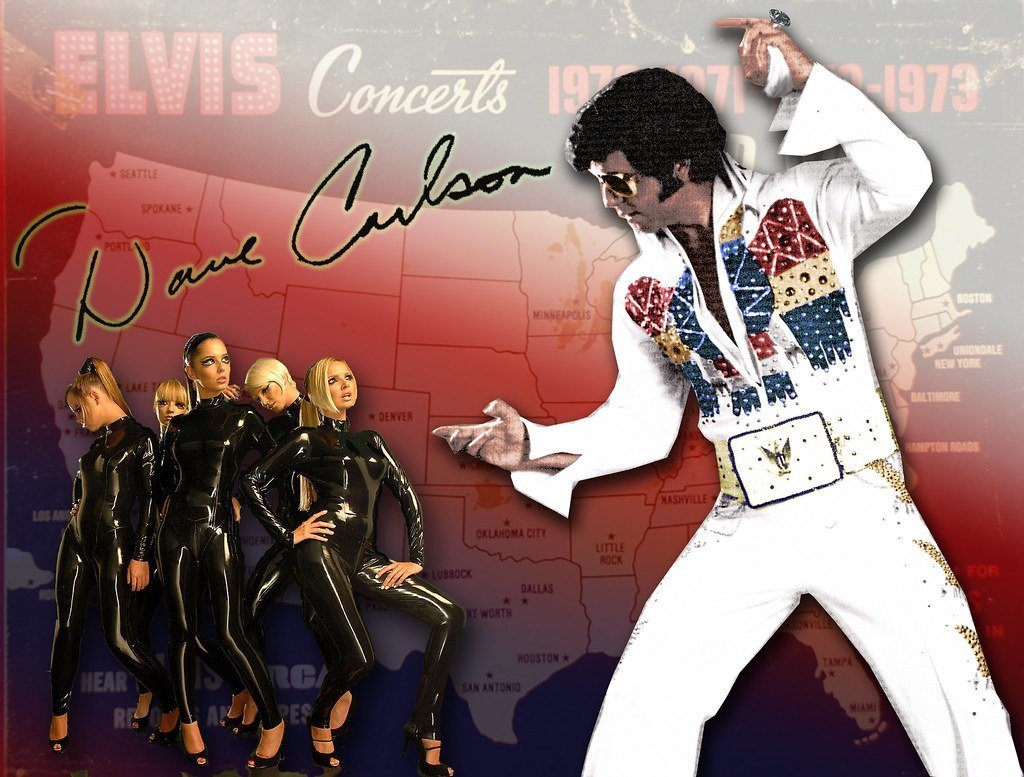
Long before the Beatles arrived on those Ed Sullivan stages, a young man from Tupelo, Mississippi had already begun to shake the foundations. While early rock drew inspiration from blues, jazz, and country, it quickly developed into a distinct genre with amplified instruments, strong rhythms, and powerful lyrics. Pioneers like Chuck Berry, Elvis Presley, and Little Richard introduced an electrifying energy that captivated audiences. But Elvis, in particular, did something uniquely disruptive.
He was the first major artist to make the blues and similar styles originating from Black musicians palpable for white audiences. This was controversial, complicated, and culturally loaded – and it remains so. The debate about appropriation versus appreciation is still very much alive. But the impact on the mainstream trajectory of popular music is undeniable.
What Elvis represented on a cultural level was explosive. A young white man moving his hips to Black-rooted music on national television broke a thousand unspoken rules simultaneously. Parents were horrified. Teenagers were electrified. There are those unforgettable shows – like Elvis’ hip thrusts on “The Milton Berle Show” – that became indelible markers of cultural disruption. Rock and roll would never be a polite affair again.
Bob Dylan and the Invention of the Modern Rock Song
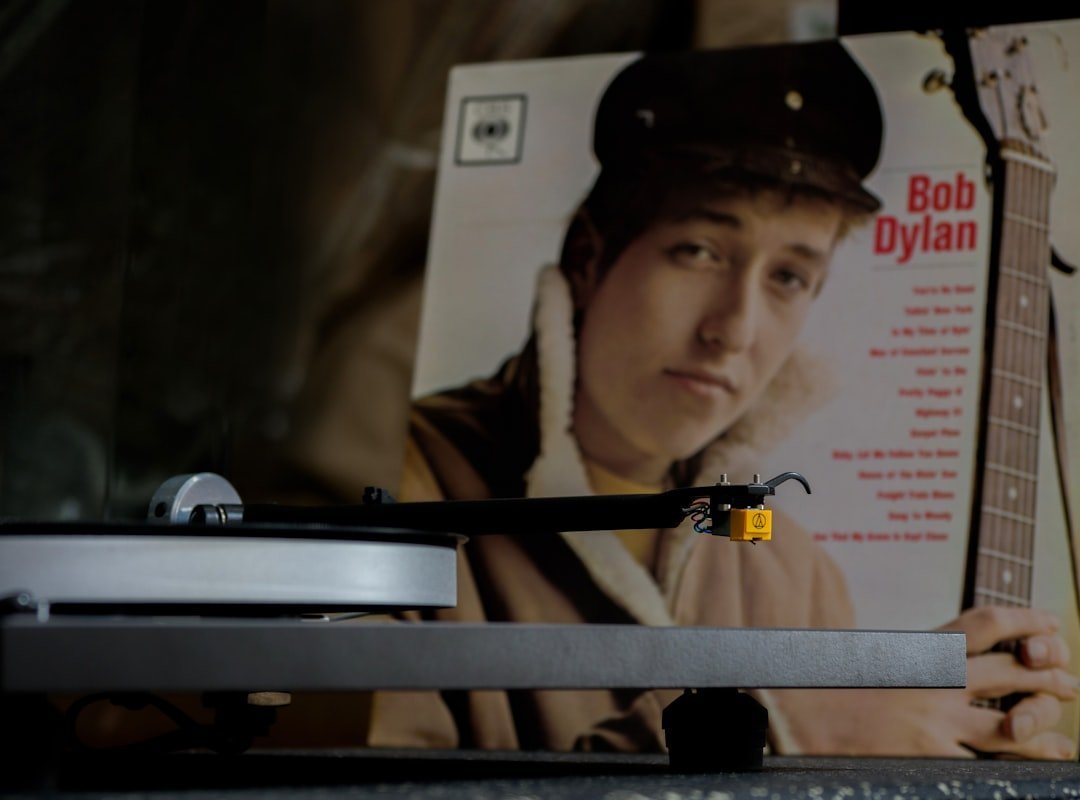
In a world of radio-friendly two-minute pop songs, Bob Dylan did something genuinely audacious. He took the song format and blew it open like a man kicking in a locked door. The result was a piece of music that permanently expanded what popular song was even allowed to be.
Bob Dylan’s stream-of-consciousness song “Like a Rolling Stone” was released in 1965. The six-minute song was a change from formulaic pop songs that typically clocked in at under three minutes and is credited as giving birth to the modern rock song. Six minutes. In 1965. That took a particular kind of nerve that is hard to fully appreciate from where we stand today.
Dylan’s impact rippled outward in almost every direction. He legitimized the singer-songwriter as a serious artistic figure. He made poetry an acceptable ingredient in pop music. He showed artists that a song could be a manifesto, a novel, a protest, a prayer – all at once. Music has continuously shaped human history, connecting cultures and emotions across generations. Music transformed from simple rhythms into complex compositions, and each era introduced new styles, instruments, and technologies that influenced artistic expression, social movements, and cultural identity. Dylan, perhaps more than any other single artist, accelerated that transformation.
The Digital Revolution: Napster, Streaming, and the Complete Reinvention of the Music Industry
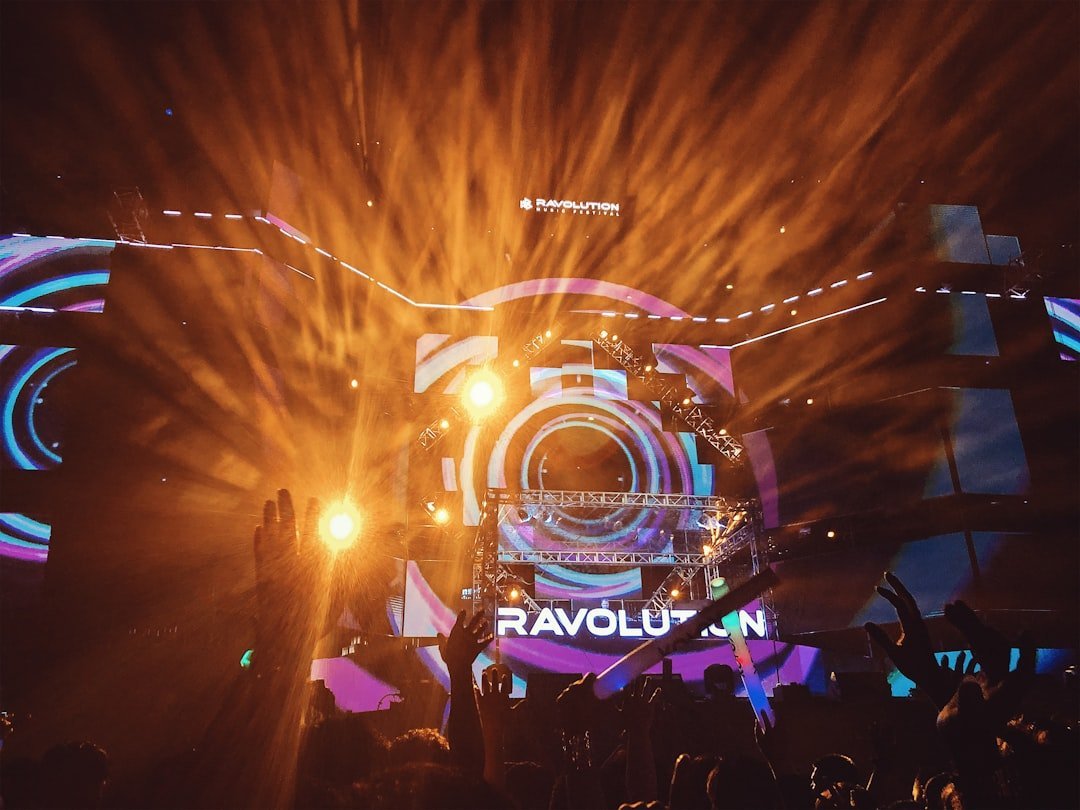
If the Beatles changed who listened to music, and MTV changed how people watched it, then the internet completely demolished the entire business model that had governed music for nearly a century. It is hard to think of any technological shift – outside of the phonograph itself – that reorganized the music world so thoroughly and so fast.
The advent of Napster in 1999 marked the beginning of the digital music revolution. Napster’s peer-to-peer file-sharing service disrupted the traditional music industry, making music more accessible but also challenging established business models. Labels, executives, and lawyers scrambled in a panic as millions of teenagers downloaded entire albums without paying a cent. It was chaotic. It was also, in many ways, inevitable.
Digital streaming platforms like Spotify and Apple Music have fundamentally changed the landscape, allowing instant access to an infinite library of songs. With a few clicks, entire genres are at our fingertips, introducing listeners to global sounds and styles previously unattainable. Think about what that means. A teenager in rural Estonia can now discover a jazz musician from 1950s New York as easily as breathing. A grandmother in rural Brazil can stumble across K-pop. That kind of instant access has no historical precedent.
The rise of social media has provided musicians a platform to connect directly with their audiences, democratizing fame and enabling indie artists to thrive alongside mainstream hits. That democratization is real, and it is still unfolding. Today in 2026, we are still living inside the cultural consequences of that early digital upheaval.
Beyoncé’s “Lemonade”: When a Visual Album Became a Cultural Earthquake
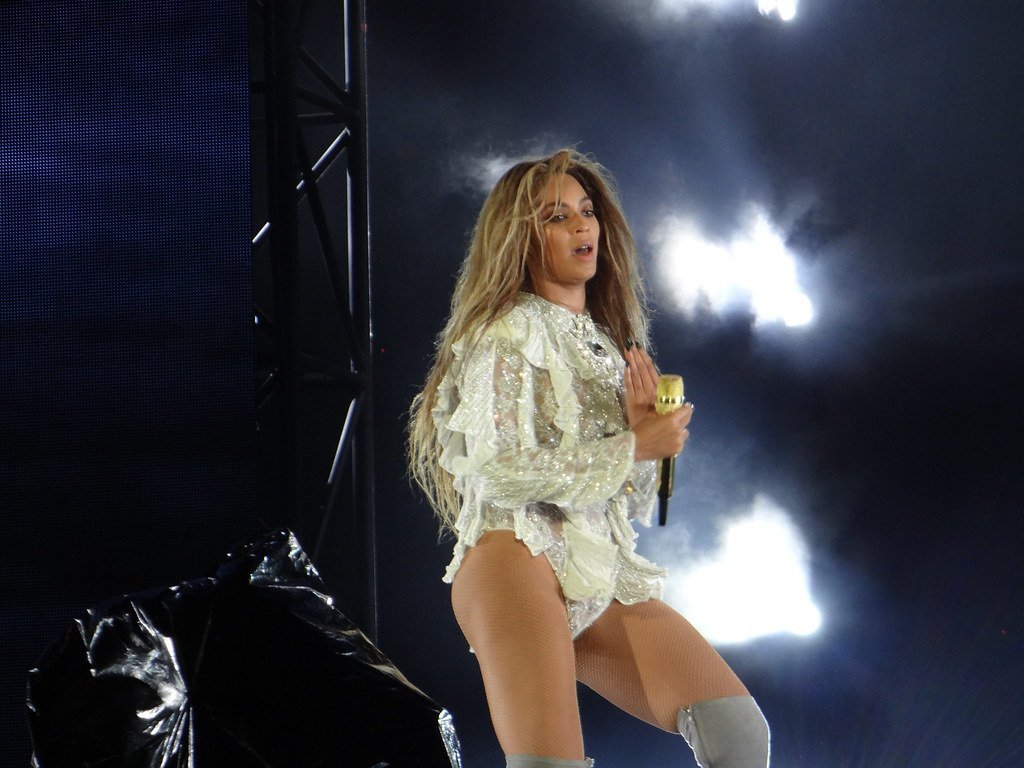
Every generation or so, an artist arrives who makes you reconsider what music is even for. With “Lemonade,” Beyoncé did not just release an album in 2016. She issued a statement so layered in art, politics, history, and personal truth that the culture is still processing it nearly a decade later.
Beyoncé’s 2016 album “Lemonade” was more than just music; it was a cultural and political statement. The album, accompanied by a visually stunning film, addressed themes of infidelity, race, and feminism. “Lemonade” received critical acclaim and sparked important conversations about identity and empowerment, cementing Beyoncé’s status as a cultural icon. The precision with which she merged personal narrative with collective experience was something genuinely new.
Beyoncé dropped “Lemonade” with no advance notice – as both an HBO film and an album. The record sold 485,000 copies in its first week and debuted at the top of the charts. It made her the first artist to have six consecutive studio albums debut at number one. The surprise drop itself was a statement – a rejection of traditional music industry timelines and promotional machinery.
What “Lemonade” proved, definitively, is that popular music can still be genuinely radical even in an era of algorithmic playlists and streaming metrics. It reminded the world that the most powerful thing an artist can do is refuse to simplify themselves. Beyoncé’s visual album format has since influenced countless artists, reframing the album not as a collection of songs but as a total immersive experience. That is a lasting innovation.
Edison’s Phonograph: The Moment Music Escaped the Room
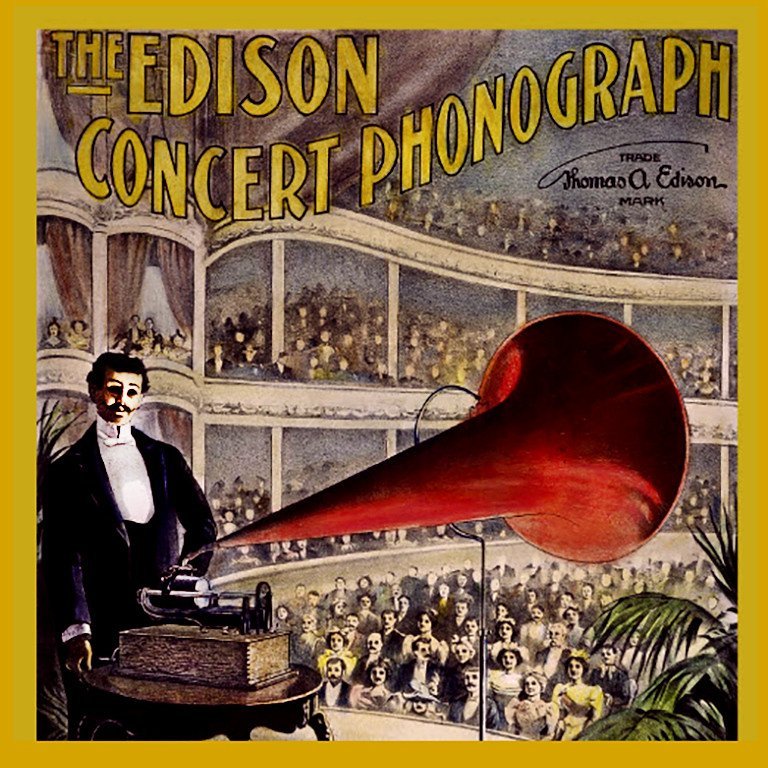
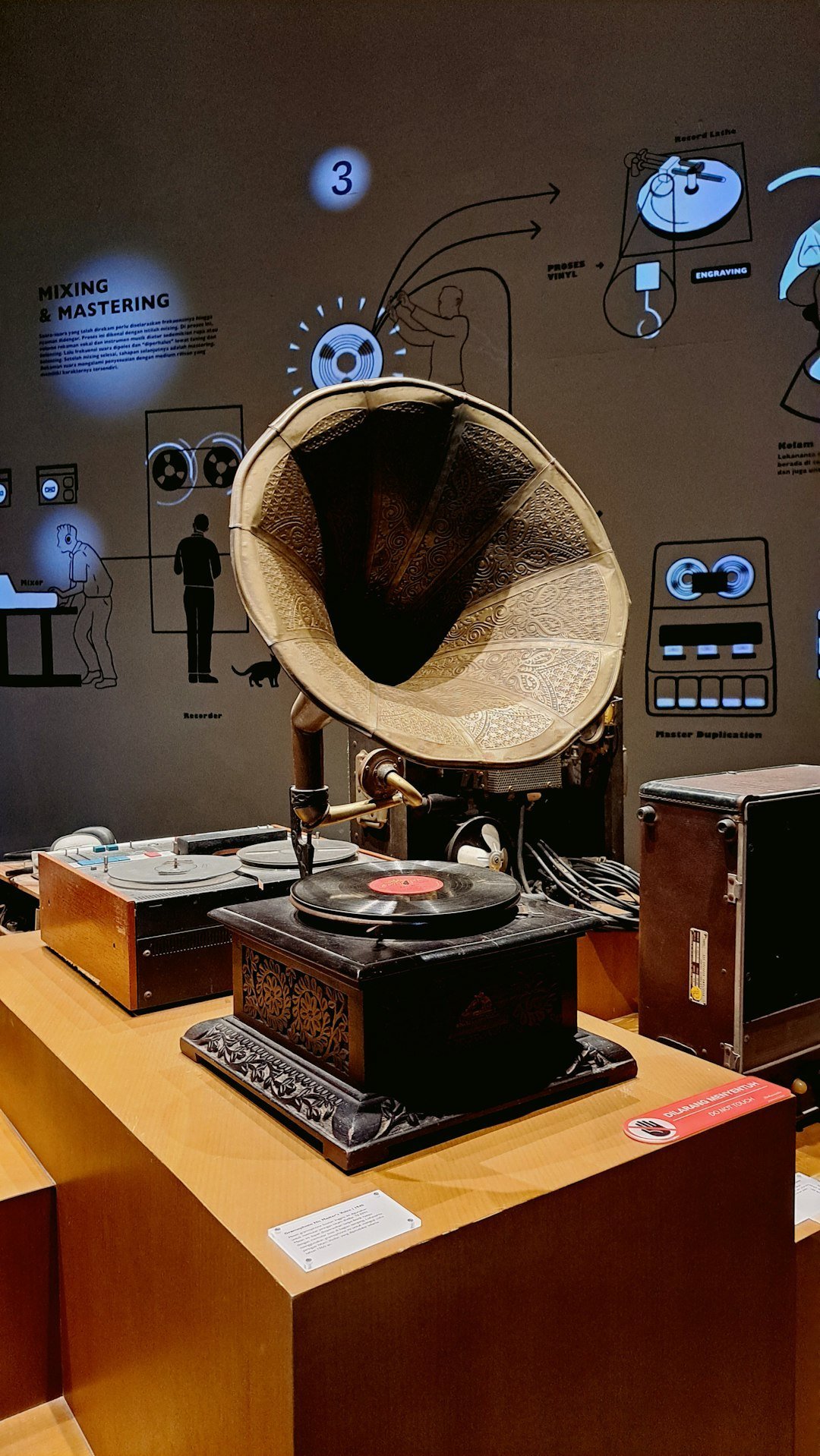
It feels almost quaint to mention it in the same breath as Woodstock or hip-hop, but without this invention, none of the others would exist in the same form. Thomas Edison’s phonograph, introduced in 1877, changed the fundamental relationship between human beings and music forever. Before it, you had to be physically present to hear music. After it, music could follow you anywhere.
Thomas Edison revealed his latest creation, the phonograph, in 1877. While there had been other devices that could record and play audio, the phonograph was far more reliable, making music accessible to the masses. The implications were staggering. A symphony no longer required a concert hall. A blues singer’s voice could travel across an ocean, across a century, to reach ears that the singer would never know existed.
The introduction of the phonograph in the late 19th century marked a turning point, allowing music to be recorded and played back. This revolution not only preserved the sound of the era but also gave rise to new genres, such as blues and rock and roll, that would define the cultural landscape of the 20th century. Every genre on this entire list, every milestone discussed here, was built on the foundation that Edison’s invention laid down. It is hard to overestimate that kind of structural importance.
The Conclusion: Music Does Not Just Reflect Culture – It Creates It
What links all of these milestones, from a nineteenth-century invention to a surprise album drop in the streaming era, is something simple and profound. Music does not wait for culture to arrive. It runs ahead of it, carving paths that civilization eventually follows. Every moment on this list was, at the time, either celebrated or feared precisely because it demanded a new kind of listening.
Honestly, I think that is what makes music so uniquely powerful among all the art forms. A painting is silent. A novel requires time and literacy. But music reaches straight past the rational mind and grabs something deeper. It can change what a generation believes about itself in the space of a three-minute song, or a three-day festival in a muddy field.
Ultimately, the journey through historical milestones has illuminated how music serves as an ever-evolving reflection of society. Each significant event contributes to the diverse soundscape we cherish today, and as new challenges and inspirations arise, it is certain that music will adapt, evolve, and resonate in ways we cannot yet imagine. The next milestone is already forming somewhere, in some basement or on some phone screen, in a language we haven’t learned to speak yet.
Which of these milestones surprised you most? Tell us what you think in the comments.

Besides founding Festivaltopia, Luca is the co founder of trib, an art and fashion collectiv you find on several regional events and online. Also he is part of the management board at HORiZONTE, a group travel provider in Germany.
