


- 12 Rock Bands Whose Side Projects Were Even Better Than Their Main Acts - August 12, 2026
- 10 World’s Most Beautiful Libraries That Are Marvels of Architecture. - August 12, 2026
- The True Stories Behind 8 Famous Movie Scenes You Thought Were Fiction - August 12, 2026
Every story ever written carries fingerprints from someone who came before. That is not a poetic exaggeration. It is simply how literature works, like a river fed by a thousand tributaries, each generation of writers drinking from waters made deeper by the last. The books that line our shelves today, from psychological thrillers to sprawling fantasy epics, are in debt to voices that rang out centuries, even millennia, ago.
Classic literature has left an indelible mark on contemporary works, serving as both a foundation and a source of inspiration for modern storytelling. From timeless themes to iconic characters, the echoes of classic novels resonate in today’s books, films, and even digital media. Honestly, I think the most underrated thing about being a reader in 2026 is realizing that the stories you love most are never entirely new. They are built from something older, something brilliant. Let’s dive in.
William Shakespeare: The Architect of the Modern Story
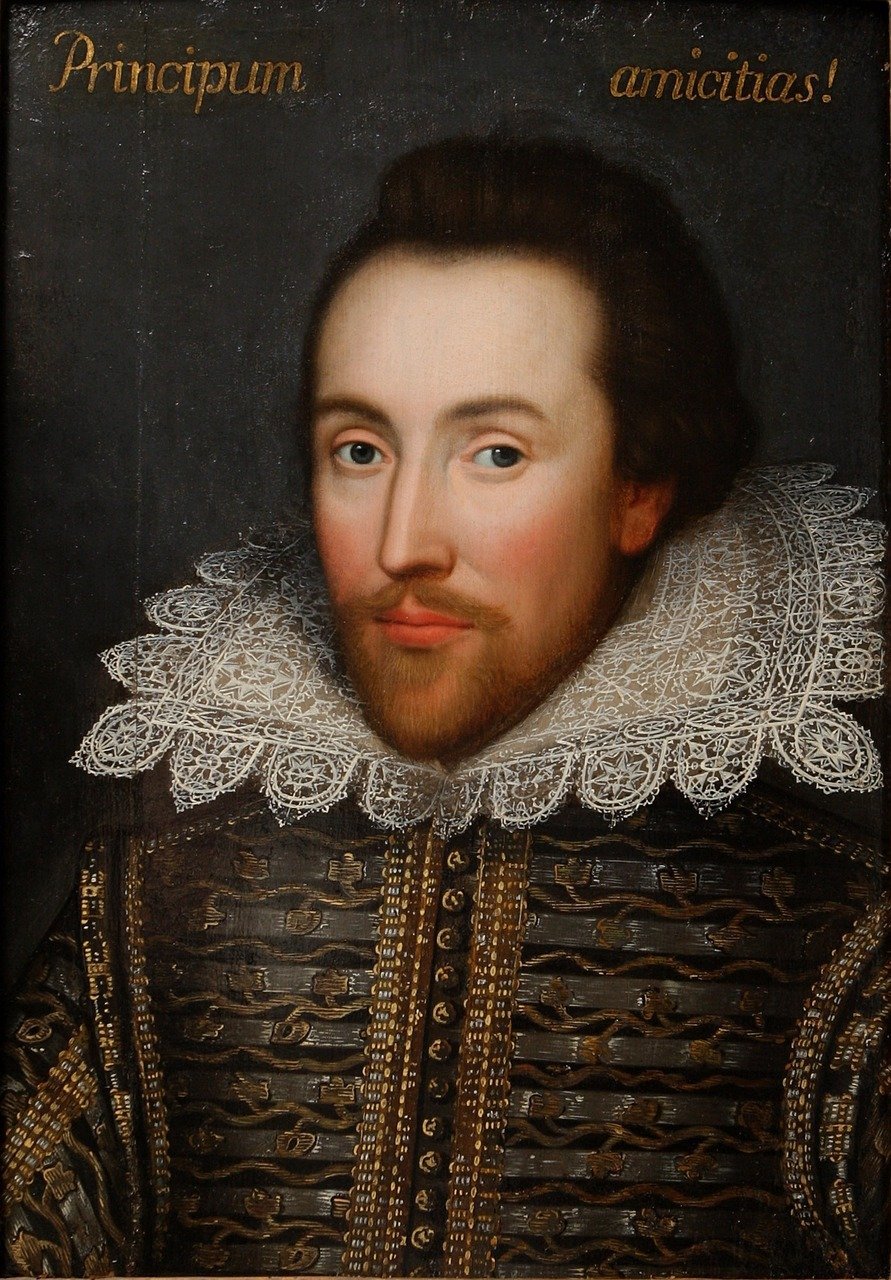
There is a reason we keep coming back to Shakespeare. Not out of obligation or academic habit, but because the man fundamentally rewired how stories are told. When we think about the stories that move us today, from novels to blockbuster films, we often overlook one of the greatest architects behind their structure: William Shakespeare. His influence on narrative structure is so profound that many of the techniques we now take for granted, like deeply layered characters and intertwined plots, first found their full expression on his stage.
He made character-driven storytelling central. Instead of relying only on external events, Shakespeare focused on inner struggles, personal ambition, and moral conflict. Characters like Hamlet and Macbeth were not just acting – they were thinking, doubting, and feeling. Think about how almost every prestige TV drama today builds its tension not through car chases or explosions, but through a character’s internal collapse. That is Shakespeare’s architecture.
Shakespeare established the foundation for modern narrative with his ability to create complex characters and tackle universal themes like love, power, and deceit. He transformed European theatre by expanding expectations about what could be accomplished through innovation in characterization, plot, language and genre. His thematic DNA runs through everything from Disney’s The Lion King (a barely disguised Hamlet) to the morally fractured antiheroes of contemporary crime fiction.
The emotional complexity and moral ambiguity in Shakespeare’s plays provide a blueprint for modern writers who wish to depict real-world struggles and dilemmas. In addition to themes, Shakespeare’s works often center around intricate plots and structures, which have continued to influence the narrative techniques of modern authors. Shakespeare’s use of subplots, mistaken identities, and dramatic irony can be found in many contemporary works of literature. Here’s the thing: even writers who have never read a word of Shakespeare are still writing in a world he shaped.
Jane Austen: The Queen of Social Observation and the Inner Life

Jane Austen wrote about drawing rooms and marriage proposals. So why do her books feel startlingly modern? Because underneath those bonnets and afternoon teas, she was dissecting social performance, self-deception, and the quiet violence of class. Jane Austen is one of the most beloved authors in English literature, celebrated for her keen social observations and nuanced character studies. Her novels, including Pride and Prejudice and Emma, explore the intricacies of class, gender, and relationships within the confines of early 19th-century English society.
Readers are still drawn to her work, in part, because her characters feel so realistic. This stems from one of her primary writing techniques, which is weaving characters’ thoughts into the narrative. While common today, this was unusual for the time. Austen was essentially pioneering what we now call free indirect discourse, a technique that lets readers slip inside a character’s perspective without a formal narrative handover. It is everywhere in modern fiction.
Jane Austen’s sharp-witted heroines, like Elizabeth Bennet in “Pride and Prejudice,” have paved the way for creating strong, independent female protagonists in modern literature. Jane Austen’s Mr. Darcy inspired the brooding romantic hero archetype, a character trope found in countless romance novels today. Think of every complicated love interest who is emotionally guarded but secretly devoted. That is Darcy. That has always been Darcy.
Austen had a striking theme in all her novels, something which was controversial for the time: promoting the idea that women should marry for love, rather than the traditional view of marrying for financial security. This is a sentiment which is echoed not only in Sense and Sensibility, but amongst her other famous novels, Pride and Prejudice, Emma, and Persuasion. As such, her wildly ground-breaking views of the time still resonate with us today, making her stories ultimately timeless.
Charles Dickens: The Voice That Made Society Look at Itself
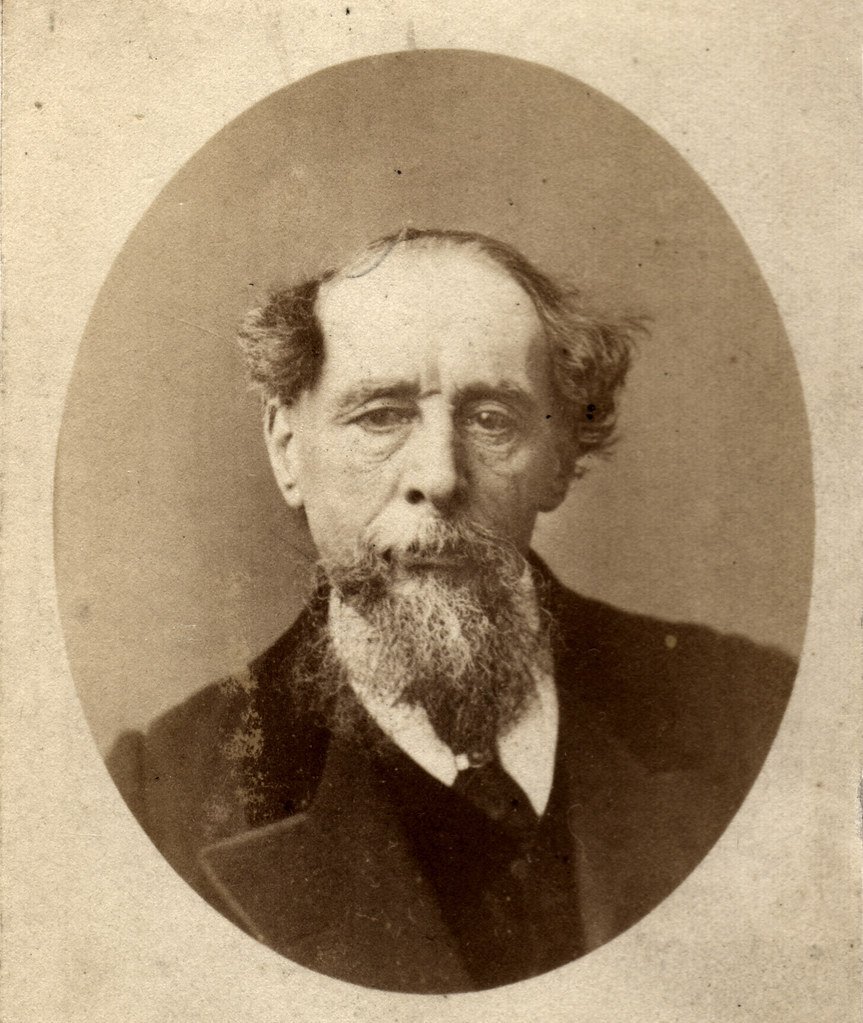
Charles Dickens is, without question, one of the greatest social novelists who ever lived. He had a gift for turning injustice into story. Charles Dickens is one of the greatest novelists of the Victorian era, known for his vivid characters and critiques of social inequality. Through novels such as A Tale of Two Cities, Great Expectations, and Oliver Twist, Dickens depicted the struggles of the poor and the injustices of the industrial age, all while creating unforgettable characters that have become cultural icons. His storytelling combined humor, social criticism, and compassion, making his works both entertaining and deeply reflective of the human condition.
Many classic works are not just timeless stories but also serve as social and political commentaries. Charles Dickens, for example, used his novels like “Oliver Twist” and “Great Expectations” to shed light on the injustices of Victorian society. Modern writers often follow suit by addressing pressing social issues, drawing inspiration from classic literature’s ability to blend storytelling with commentary. The tradition of embedding systemic critique inside compelling narrative? That is Dickens. You see it in Colson Whitehead, in Chimamanda Ngozi Adichie, in every novelist who refuses to separate story from social truth.
It is due to this frequent exploration of poverty and other social ills that similarly themed works are now referred to as “Dickensian.” Let’s be real: that is an extraordinary legacy. When a writer’s name becomes an adjective, they have permanently entered the bloodstream of storytelling. From the intricate plot structures of Charles Dickens to the poetic language of Emily Dickinson, classic authors pushed the boundaries of storytelling and language, leaving an indelible mark on the literary landscape.
Mary Shelley: The Mother of a Genre That Never Stopped Growing
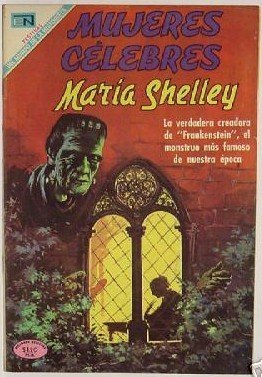
Mary Shelley was barely nineteen when she wrote Frankenstein. Let that settle for a moment. At an age when most people are figuring out who they are, she was essentially inventing modern science fiction and raising questions that we are still desperately trying to answer. Widely regarded as one of the pioneers of science fiction, Mary Shelley achieved lasting fame with her groundbreaking novel Frankenstein, a work that questioned the moral implications of scientific experimentation and the nature of humanity. Shelley’s work was revolutionary for its time, combining gothic elements with philosophical depth, and her legacy as one of the most important female authors in literary history endures to this day.
Frankenstein continues to captivate readers because it raises profound questions about humanity, responsibility, and the boundaries of scientific exploration. With today’s conversations about AI ethics and genetic engineering, Mary Shelley seems downright prophetic. I honestly find it breathtaking that a novel written over two hundred years ago is more relevant than ever in 2026, precisely because we are now the scientists playing at creation.
The Gothic novel, for instance, owes much of its atmospheric tension and exploration of the supernatural to works like Mary Shelley’s “Frankenstein” and Bram Stoker’s “Dracula.” Capturing the still-relevant fear that modern science could usher in destructive forces, Frankenstein delved into the potentially horrific consequences of humans playing god. The novel’s writing style was also unique as an epistolary form, featuring a series of letters that functioned as narrative. That epistolary technique has influenced everything from the modern psychological thriller to epistolary novels and found-footage films.
Fyodor Dostoevsky: The Cartographer of the Human Soul
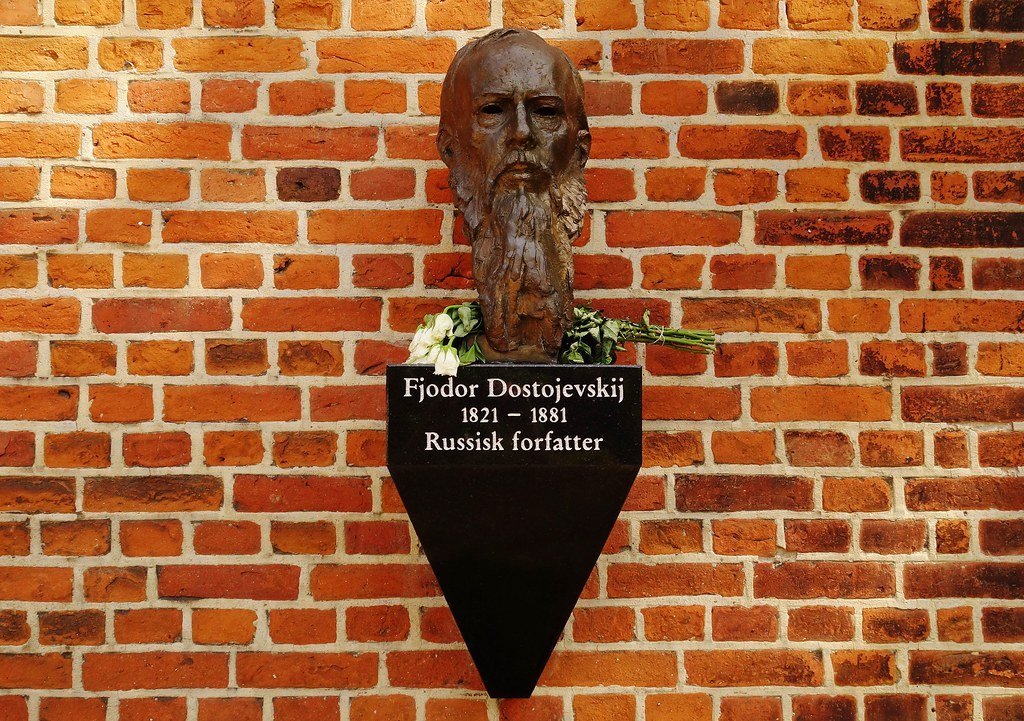
If you want to understand why modern literary fiction is so obsessed with guilt, conscience, and the fractured psyche, look no further than Fyodor Dostoevsky. He was writing about the kinds of interior moral crises that most writers still struggle to put into words. In the 19th century, there was a growing interest in understanding the complexities of human psychology. Many writers, such as Fyodor Dostoevsky, explored the inner workings of the human mind, delving into themes of morality, guilt, and existentialism.
The moral dilemmas explored in Fyodor Dostoevsky’s Crime and Punishment have inspired countless psychological thrillers. Think about any novel where a character commits a dark act and spends the rest of the book unraveling from the inside out. That is Dostoevsky’s formula, and it is endlessly repeatable because it mirrors something so deeply real about human conscience. The tension between what we do and what we can live with never gets old.
The existential themes explored by Kafka in “The Metamorphosis” and Camus in “The Stranger” laid the groundwork for existentialist literature in the 20th century, and much of that tradition traces its roots to Dostoevsky’s earlier excavations of suffering and faith. The faces of these literary periods made great strides in the progression of world literature and simultaneously contributed to the advancement of social systems. These generations of great authors proved that literature is about more than just telling stories; it is about navigating the human condition and every diverse form that it comes in.
Virginia Woolf: The Pioneer Who Taught Fiction to Think
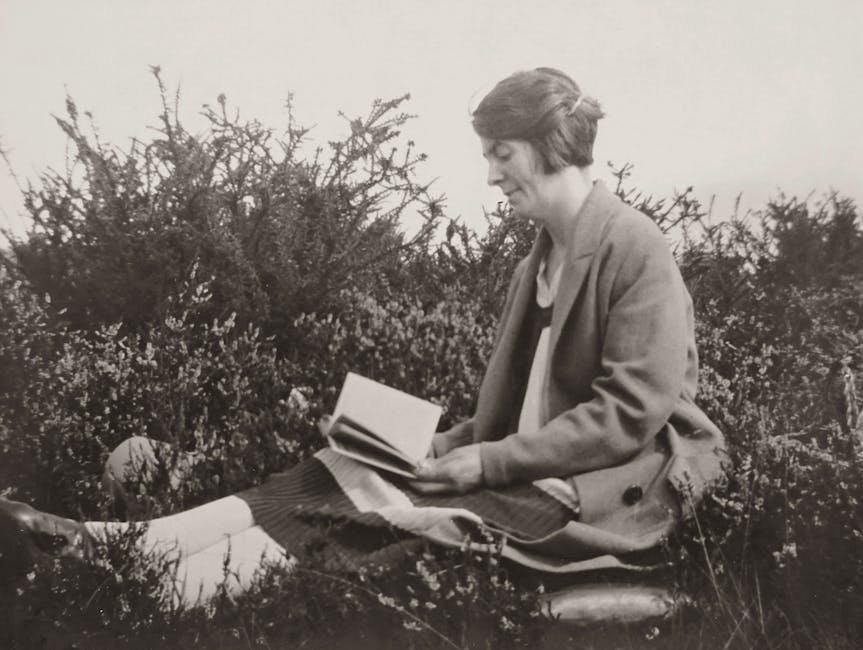
Virginia Woolf did something radical. She decided that the outside world was only half the story. The real story, she believed, was what happened inside a person’s mind, the flickering, contradictory, time-bending flow of consciousness. Virginia Woolf is responsible for novels like Mrs. Dalloway (1925) and To The Lighthouse (1927). Woolf incorporated stream of consciousness style into her texts, infusing the character’s interior monologue with emotion and complexity.
Virginia Woolf, a prominent figure in the modernist movement, was renowned for her avant-garde writing style and feminist perspectives. Woolf’s writing style explores the intricacies of human consciousness and the impermanence of time. Her writing frequently conveys how subjective and transient perception is, mirroring the fractured realities of the modern world. Every contemporary novel that dips into a character’s unreliable internal narration owes her a debt. It is hard to imagine writers like Kazuo Ishiguro or Sally Rooney without Woolf’s innovations laying the foundation.
Modernist literature had a profound influence on the literary landscape, shaping the trajectory of literature in the 20th century and beyond. Its impact can be seen in various aspects, including experimental techniques: modernist writers paved the way for experimentation in literature. Their bold use of innovative techniques and forms inspired future generations of writers to push the boundaries of storytelling and explore new artistic possibilities. Woolf was at the very center of that revolution, and the ripples she created are still visible in literary fiction today.
Franz Kafka: The Writer Who Named Our Modern Anxiety
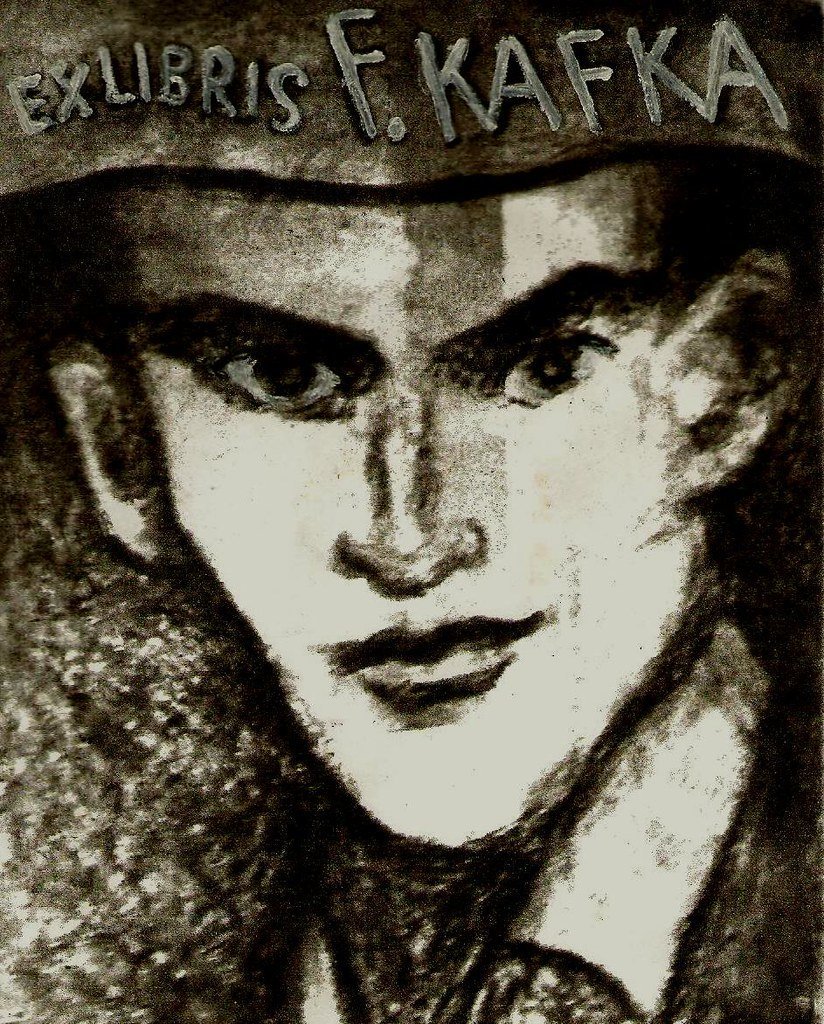
There is a reason we invented the word “Kafkaesque.” When something is absurd, dehumanizing, and inexplicably bureaucratic all at once, we reach for his name. That alone tells you everything about his reach. Franz Kafka’s work is often grounded in reality and takes fantastical or surrealist terms. One of his most famous works, The Metamorphosis, follows an ordinary man who transforms into a beetle. Yet somehow, you feel it is about something profoundly real. That gap between the absurd surface and the devastating truth beneath it is his signature move.
Literary Modernism frequently critiques established traditions and authority figures. Writers like Eliot and Kafka used their works to challenge prevailing societal norms and question the legitimacy of traditional institutions. In a world where algorithms make decisions, systems deny claims without explanation, and individuals feel powerless against invisible bureaucracies, Kafka’s warnings feel less like fiction and more like a manual. His work taught modern writers that the most terrifying horror is often the most mundane.
You can find great examples of the Madman type of unreliable narrator in Franz Kafka’s works. Literary modernism rejected many of the established writing norms, paving the way for experimentation with the form. The surrealist tradition, absurdist fiction, and even contemporary speculative writing all carry his influence. Both Woolf and Kafka challenge conventional ideas about literature and are successful in their individual methods of fictional experimentation. Together, they represent the radical heart of 20th century literary thought.
The Living Inheritance: How These Giants Echo Across Generations
Classic literature is like the source code running beneath all our modern storytelling. That is perhaps the most accurate description I have come across. You do not always see the code. You do not always know it is there. Yet it determines everything: the structure, the character logic, the moral stakes, the emotional resonance. Authors, both past and present, draw inspiration from classic works to create new narratives, explore universal themes, and provide readers with a sense of continuity across generations.
Novels that engage with themes of race, gender, and class structure resonate profoundly with today’s audiences, drawing direct parallels between past injustices and current movements. This shared focus illustrates how classic works continue to inform and inspire modern storytelling, helping us understand the roots of today’s challenges. It is not simply nostalgia or academic habit that keeps these works alive. It is that the human problems they address have not been solved, only repackaged.
By drawing from timeless themes, iconic characters, and innovative techniques, modern writers breathe new life into age-old tales. Retellings, archetypal characters, and intertextual connections ensure that classics remain a vital part of literary culture. The best modern stories do not copy the past. They are in genuine conversation with it, pushing back, reinterpreting, and sometimes subverting what came before in ways that only strengthen the whole tradition.
Conclusion: Stories Without End
Storytelling does not reset with each new generation. It accumulates. Every great author who ever sat down to write was both student and teacher, inheriting a language shaped by others and passing it forward slightly transformed. Shakespeare, Austen, Dickens, Shelley, Dostoevsky, Woolf, Kafka: none of them wrote in a vacuum, and none of them have ever truly left.
The influence of classic literature on modern writing is profound and enduring. From themes and characters to narrative techniques and cultural context, classic works serve as a wellspring of inspiration and literary guidance for contemporary authors. Honestly, the more I think about it, the more I believe that a writer’s true longevity is not measured in sales figures or awards. It is measured in how deeply their voice becomes part of every voice that follows.
As readers, delving into the relationship between classic and modern literature enriches our understanding of storytelling and its profound ability to connect us across time. By revisiting the classics, we not only honor the past but also gain a deeper appreciation for the stories shaping our present and future. The narrative is ongoing. It always has been. Which of these legendary authors do you think casts the longest shadow over the stories being told today? Tell us in the comments.
CEO-Co-Founder
