


For any feedback please reach out to info@festivalinside.com
- 12 Unexpected Ways Classic Literature Influenced Modern Pop Culture - April 6, 2026
- 15 Literary Hoaxes So Clever, They Fooled the Entire Publishing World - April 6, 2026
- 12 Masterpieces of Architecture That Were Nearly Lost to History - April 6, 2026
There is something almost surreal about pressing play on a record and suddenly feeling transported. Not just to a sound, but to a whole era, a mood, a political moment, a generation’s heartbreak or rage. Albums, at their best, are not simply organized sound. An album is more than just a collection of songs; it’s a cohesive work that represents an artist’s vision and emotions over a certain period, and while singles can become popular quickly, it’s albums that have the power to shape a cultural moment.
Think about it this way: cracking open a great album is a bit like opening a diary left behind by an entire civilization. Albums are more than collections of songs; they are cultural artifacts, reflecting the eras in which they were created while simultaneously transcending time to remain relevant and influential. The fifteen albums ahead didn’t just top charts. They changed the way people think, feel, protest, love, and see the world. Let’s dive in.
1. Sgt. Pepper’s Lonely Hearts Club Band – The Beatles (1967)
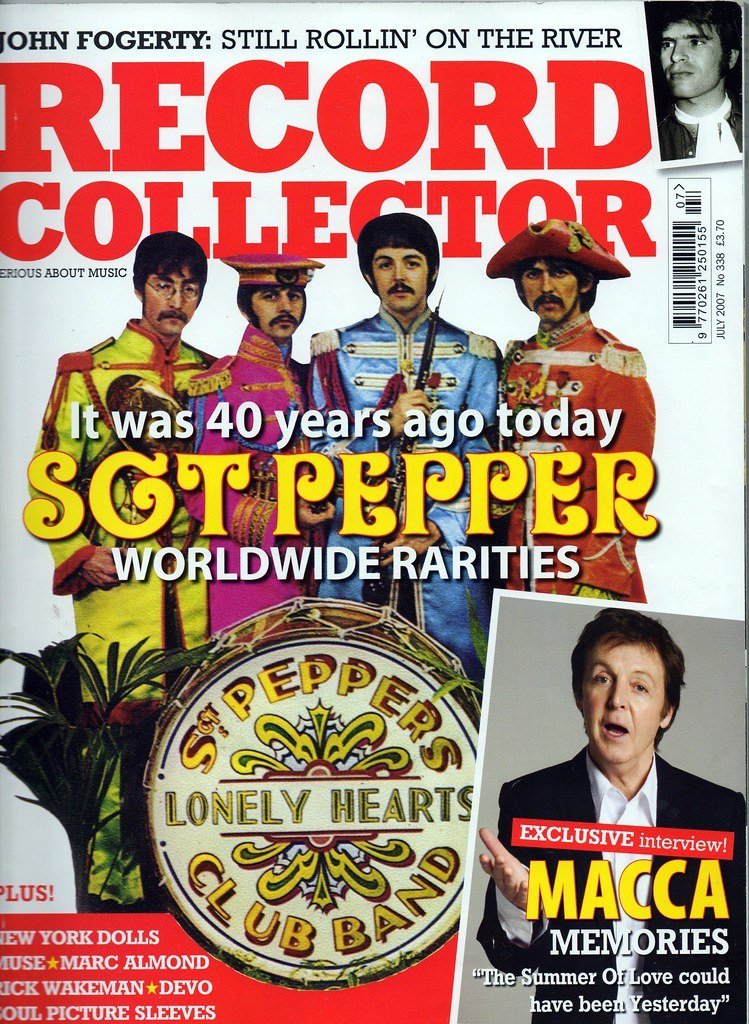
Few moments in recorded history hit as hard as the summer of 1967, when The Beatles dropped this psychedelic bombshell on an unsuspecting world. Released in the tumultuous summer of 1967, Sgt. Pepper’s Lonely Hearts Club Band by The Beatles was not merely an album; it was a cultural phenomenon, a sonic explosion that redefined what a music album could be, blurring the lines between popular music and art. It was the moment pop music grew up.
The Beatles released this groundbreaking album in May 1967, and it immediately became associated with the era’s youth culture. The production took over 700 hours to complete, a revolutionary amount of time that helped redefine the studio as an instrument, and the album introduced the concept album format to mainstream rock with innovative recording techniques that influenced countless artists. Within months of its release, bands like Jefferson Airplane and The Moody Blues were already adapting their sound in response to what the Beatles had created.
2. What’s Going On – Marvin Gaye (1971)
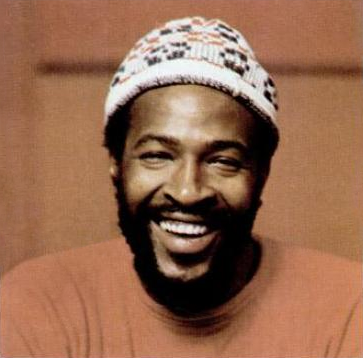
Honestly, it’s hard to think of a more perfectly timed album in the entire history of recorded music. In 1971, amidst the Vietnam War, social unrest, and environmental concerns, Marvin Gaye released What’s Going On, a deeply personal and politically charged album that broke free from the Motown hit-making formula to deliver a powerful message. This wasn’t just music. It was a public letter to a suffering nation.
Gaye’s 1971 concept album tackled social issues like poverty, drug abuse, and the Vietnam War with unprecedented sophistication for popular music. He fought Motown Records for creative control and won, creating an album that blended soul, jazz, and classical influences, and proved that popular music could address serious topics without sacrificing commercial appeal, reaching number six on the Billboard charts. Songs like “Mercy Mercy Me (The Ecology)” highlighted concerns about environmental pollution, showcasing Gaye’s commitment to addressing multiple societal issues.
3. Thriller – Michael Jackson (1982)
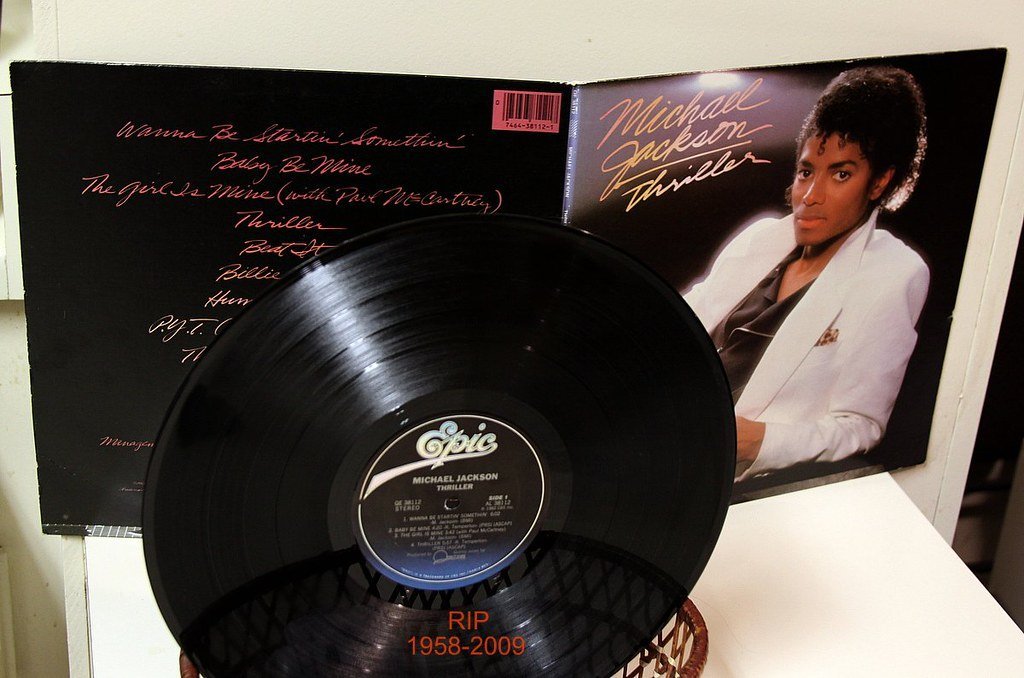
Released in 1982, Michael Jackson’s Thriller wasn’t just an album; it was a global phenomenon that shattered sales records, broke down racial barriers, and redefined the music industry’s approach to visual storytelling. It became the best-selling album of all time, and produced by Quincy Jones, it seamlessly blended pop, rock, R&B, and funk, creating an irresistible sound that appealed to an unprecedentedly broad audience.
The accompanying music videos were revolutionary cinematic short films, meticulously choreographed and visually stunning, transforming MTV from a fledgling music channel into a cultural powerhouse. It’s hard to imagine the present-day musical landscape without Thriller, which changed the game both sonically and marketwise, as the album’s nervy, outsized blend of pop, rock, and soul sent seismic waves throughout radio, inviting marquee crossovers like Eddie Van Halen’s guitar solo on “Beat It.”
4. The Dark Side of the Moon – Pink Floyd (1973)
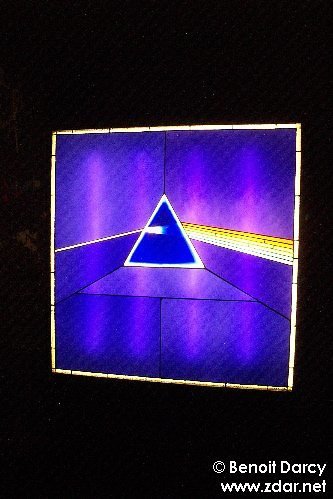
Some albums you listen to. Others you survive. The Dark Side of the Moon falls firmly in the second category. Pink Floyd’s Dark Side of the Moon is one of the best-selling albums of all time that helped make progressive rock mainstream, and its iconic prism spectrum cover art represents the themes of an album that has become one of the most critically acclaimed records in history, with its cultural impact worldwide making it one of the most influential albums of all time.
Pink Floyd’s 1973 masterpiece spent nearly 19 years on the Billboard 200 chart, and the band recorded it at Abbey Road Studios in approximately 60 days, using advanced 16-track recording equipment and incorporating synthesizers, tape loops, and sound effects. The album addressed anxieties about technology and modern life, resonating with listeners navigating an era of rapid technological change. It still sounds urgent today, which is saying something.
5. Kind of Blue – Miles Davis (1959)
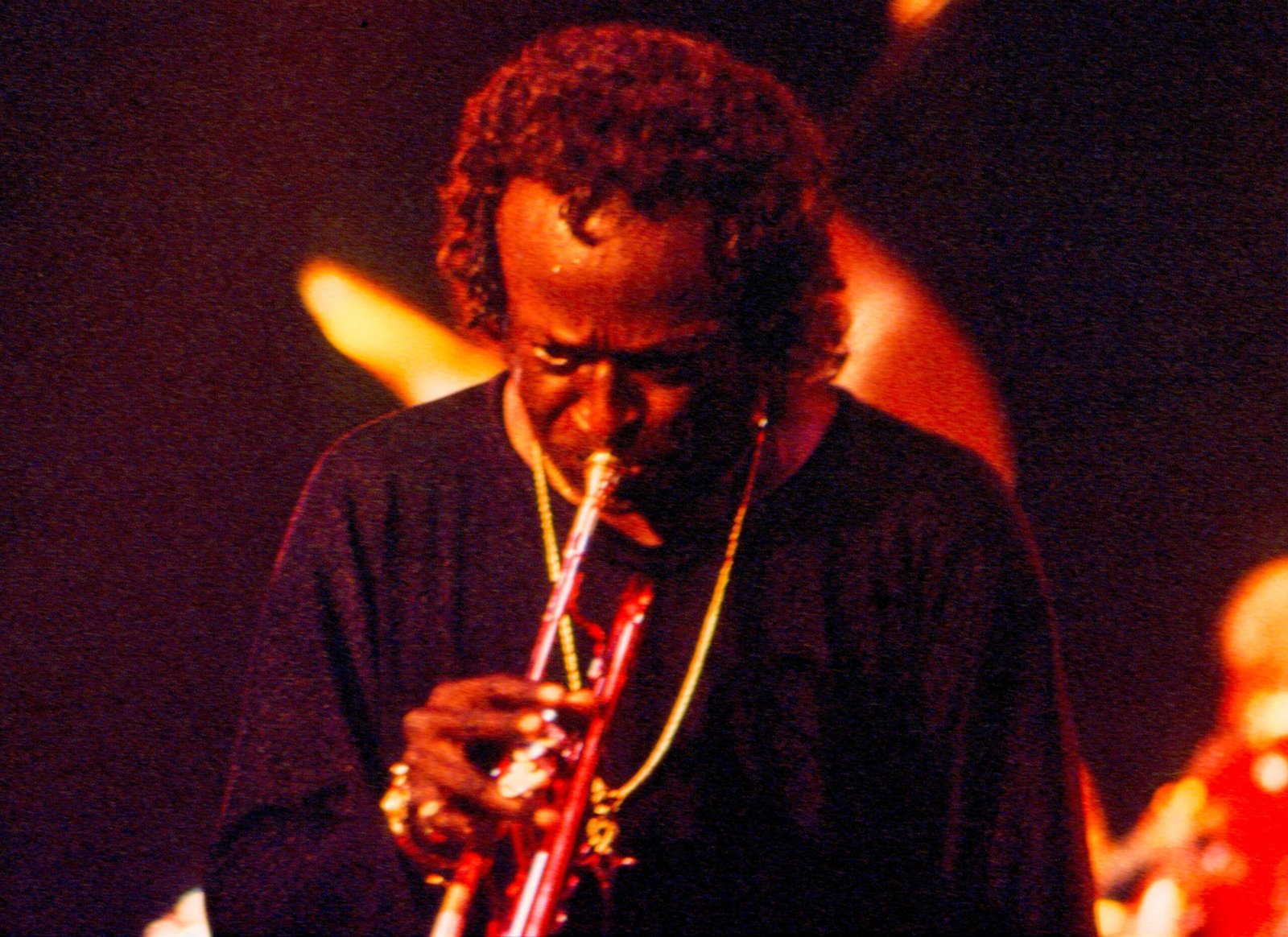
Before this record, jazz moved differently. After it, everything changed. Miles Davis recorded this jazz masterpiece in 1959, and it remains one of the best-selling jazz albums ever made. The album pioneered modal jazz, moving away from complex chord progressions to allow musicians more improvisational freedom, and Davis assembled an all-star lineup that included John Coltrane and Bill Evans, with the entire album recorded in just two sessions.
Its influence extended far beyond jazz, affecting rock, hip-hop, and electronic music for decades. Kind of Blue is the kind of album that makes you feel smarter just for listening to it, even if you can’t quite explain why. It’s meditative, electric, and still shockingly modern. It’s proof that one recording session can quietly rewire music history.
6. Pet Sounds – The Beach Boys (1966)
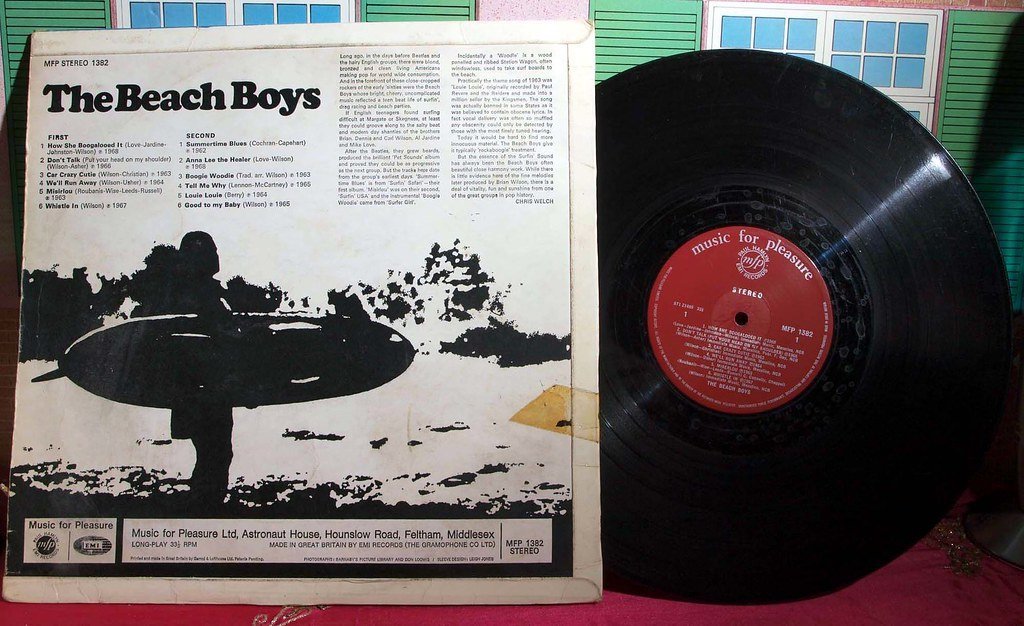
When Pet Sounds landed in 1966, people genuinely didn’t know what to do with it. The Beach Boys had been making sunny pop for years. Then Brian Wilson essentially locked himself in the studio and invented something entirely new. Pet Sounds’ emotional ambiguities and rich arrangements brought a through-line of maturity to the adolescent fun, fun, fun of early rock.
The influence of Pet Sounds’ huge palette of strings, horns, accordions, mandolins, vibraphones, and harmonies could be heard almost instantly, not least via Beach Boys super-fan Paul McCartney, who said that “God Only Knows” spurred the Beatles’ Sgt. Pepper’s, framing Brian Wilson as rock’s premier singer, songwriter, arranger, producer, and musician. It became a primo reference point for Radiohead, Nick Drake, My Bloody Valentine and anyone else looking to evoke the eternal teenage bedroom of the mind.
7. It Takes a Nation of Millions to Hold Us Back – Public Enemy (1988)
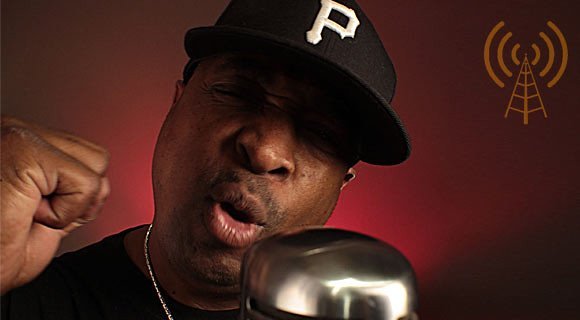
This album arrived like a siren going off in the middle of a quiet room. Public Enemy’s 1988 album served as a cornerstone in hip-hop history, with Chuck D and Flavor Flav, along with the Bomb Squad, crafting an album that fused politically charged lyrics with an innovative sound, delivering critiques on racism and social injustice while the intricate layering of samples and beats created a sonic assault that was both revolutionary and exhilarating.
Public Enemy brought a militant edge that resonated with a generation seeking to challenge the status quo, and their music wasn’t just entertainment – it was a call to arms, with the Bomb Squad’s production techniques setting a new standard by using dense collages of funk, soul, and rock samples. The recognition afforded to this album alongside the expected classics from the 1960s and 1970s cemented its place among truly transformative works in recorded music history.
8. Nevermind – Nirvana (1991)
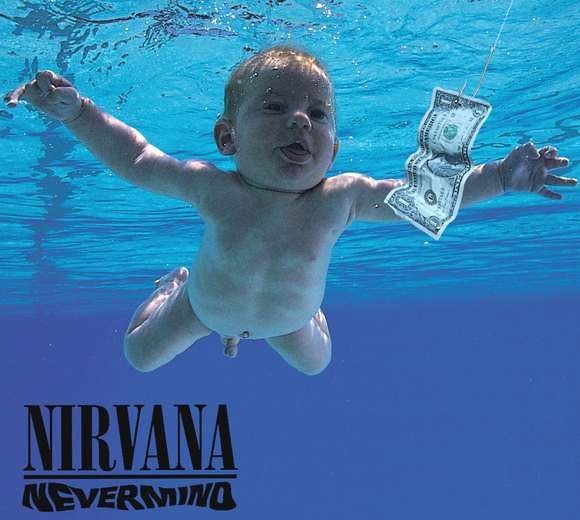
Here’s the thing: no one really predicted this one. Nirvana were a scrappy underground band from Aberdeen, Washington, and then suddenly, almost overnight, they swallowed mainstream culture whole. Grunge’s mainstream breakthrough brought the underground Seattle sound to mass audiences, displacing hair metal as the dominant rock style, and “Smells Like Teen Spirit” captured Gen X alienation and disillusionment, becoming shorthand for 90s youth culture.
Recorded with producer Butch Vig, the album featured a more polished sound than their previous work, and by Christmas 1991 it was selling 400,000 copies a week in the US, eventually displacing Michael Jackson’s Dangerous at number one on the Billboard charts. The record ended up selling over 30 million copies worldwide and gave voice to Generation X. It wasn’t just an album. It was a generation screaming back at the world.
9. The Velvet Underground & Nico (1967)
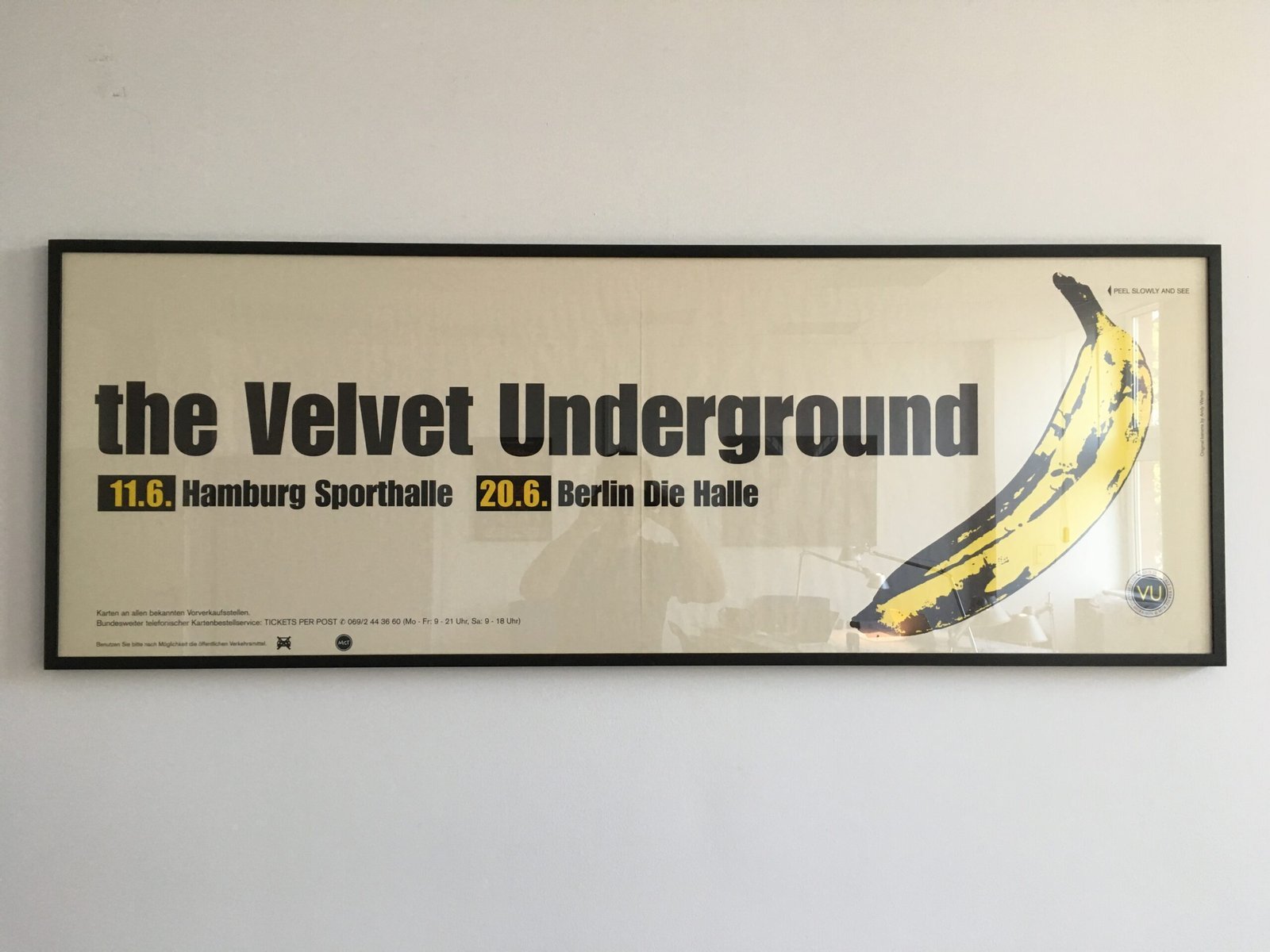
Almost nobody bought this album when it first came out. Almost everybody who did, started a band. That’s probably the most perfect measure of cultural influence that exists. The Velvet Underground were the first rock band to be artfully abstruse on purpose: defined as much by John Cale’s sonic abrasion as Lou Reed’s gutter-junk poetry, this album bridged the gap between high and low culture, and it’s a bridge countless bookishly sexy rock bands walk to this day.
This 1967 album with its recognizable Warhol cover art proved that rock could be artistic and influenced countless artists including David Bowie. This self-titled album is undoubtedly one of the most influential rock albums of all time, with songs that are gritty yet soft, making listeners both uncomfortable and comfortable in an unfamiliar way. Lou Reed and company basically invented the idea that a rock record could be art, not commerce.
10. The Miseducation of Lauryn Hill (1998)
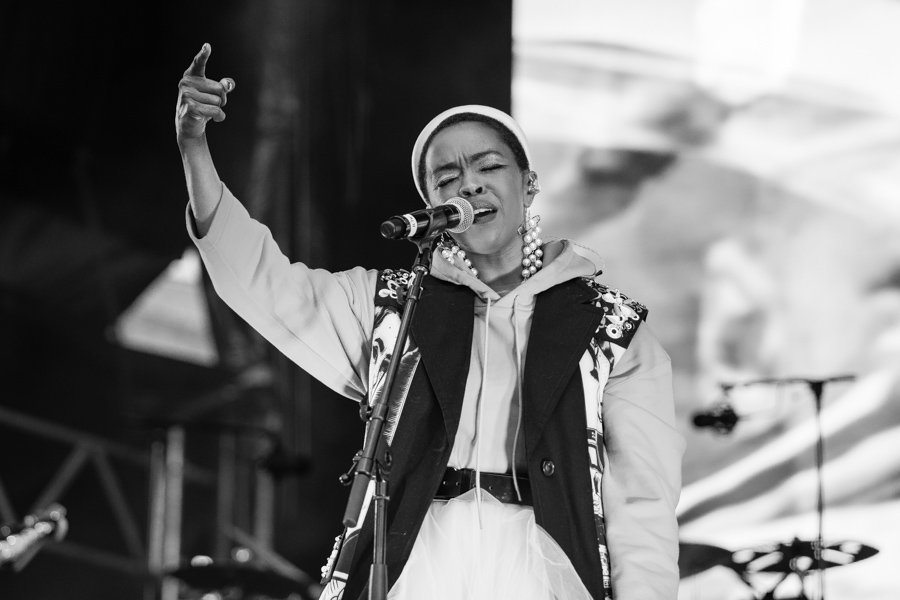
There are albums that influence a genre. Then there are albums that reconstruct one from the inside out. Lauryn Hill’s debut solo effort belongs firmly in the second category. Fusing R&B, hip-hop, and soul, Lauryn Hill’s solo debut reshaped hip-hop and inspired a new wave of female artists in the genre. It was raw, personal, and unlike anything the industry had produced before.
The album arrived at a moment when hip-hop was still dominated by a very specific kind of voice, and Hill simply refused to fit the mold. She wrote about heartbreak, faith, identity, and motherhood with a clarity that felt almost uncomfortable in its honesty. Nearly three decades later, it still sounds like nothing else. I think it remains one of the few albums where every single track earns its place.
11. Rumours – Fleetwood Mac (1977)
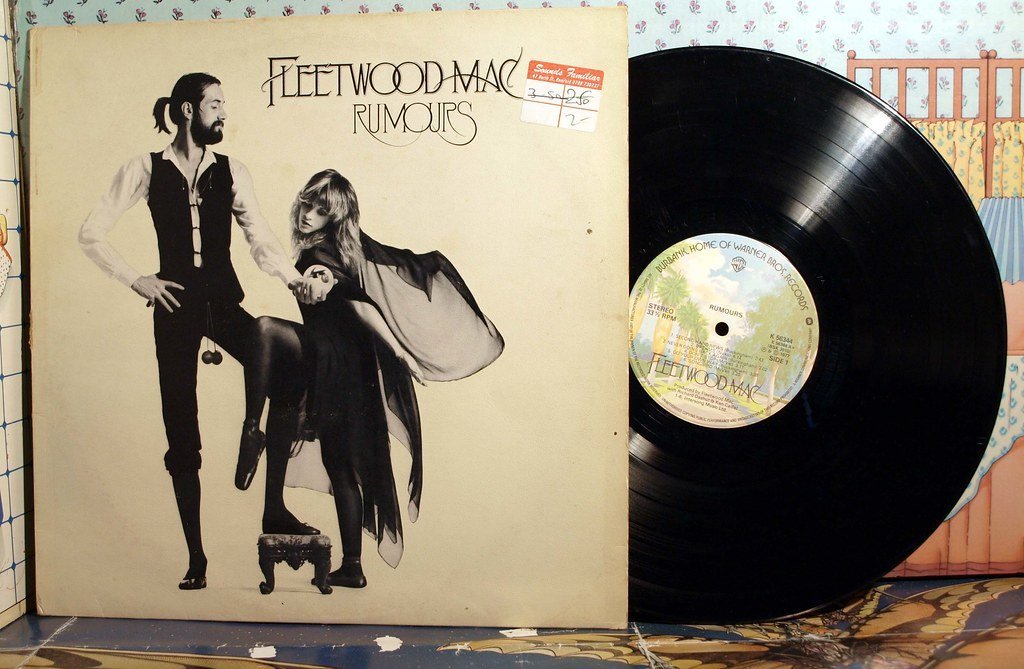
Rumours was one of the first testaments to the power of turning personal pain into art. The album originated from the complicated relationships between members of Fleetwood Mac, including several romances and breakups, and rather than letting the turmoil tear them apart, the band transformed their troubles into deeply emotional and relatable music. While much of the mainstream music at the time was shallow and bubbly, the success of Rumours proved that emotional music could be popular too.
It sold tens of millions of copies and became one of the most commercially successful albums ever made, which was almost baffling given how deeply personal its origins were. The idea of transmuting private collapse into public art is now considered standard practice for musicians. Fleetwood Mac didn’t invent it, but they arguably perfected it. That’s a legacy worth sitting with.
12. Purple Rain – Prince (1984)
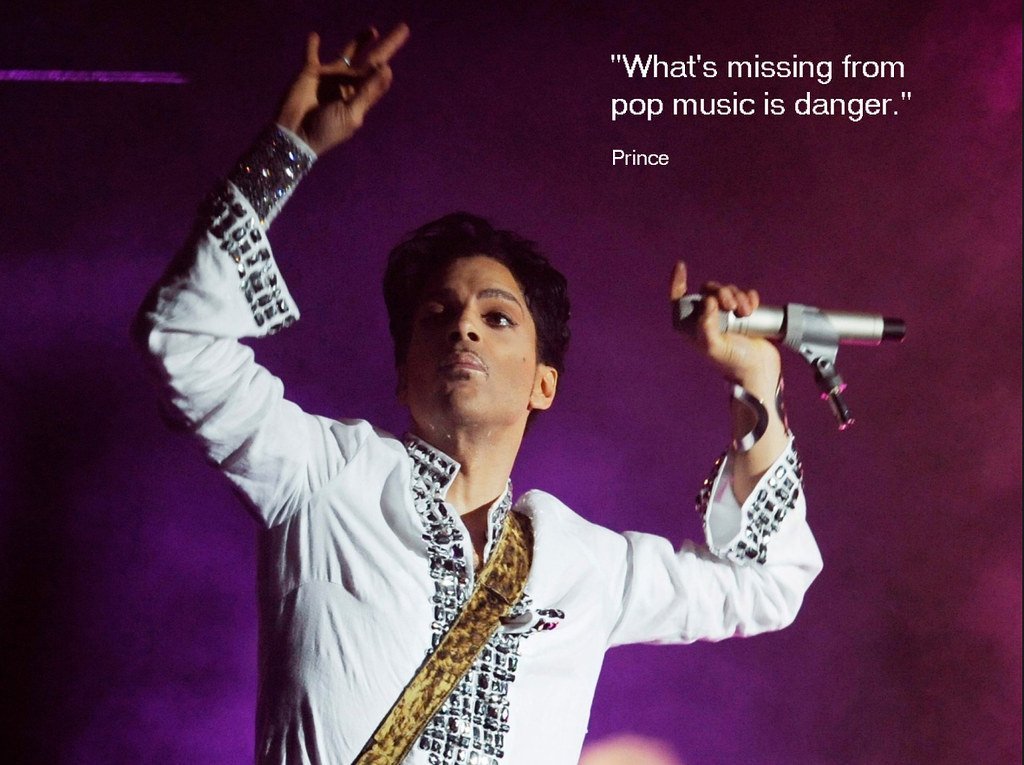
If you want a single album that encapsulates the contradictions, the electricity, and the raw ambition of the 1980s, Purple Rain is probably it. Prince showcased his ability to transcend musical and cultural boundaries by fusing rock, R&B, pop, and funk while rejecting typical genre and gender expectations. Released in 1984 as the soundtrack to his film of the same name, it demonstrated Prince’s virtuosity as a multi-instrumentalist and producer, and the title track became one of rock’s most iconic anthems, proving that Black artists could dominate rock music just as powerfully as any genre.
In his most iconic album, Prince showcased his ability to transcend both musical and cultural boundaries through the rejection of typical genre and gender expectations, and fusing rock, R&B, pop, and funk, Purple Rain is a sonic journey through its use of psychedelic grooves, electric guitar solos, and soul-stirring lyrics. The conversation it opened around Black artistry in rock spaces was long overdue and deeply necessary.
13. OK Computer – Radiohead (1997)
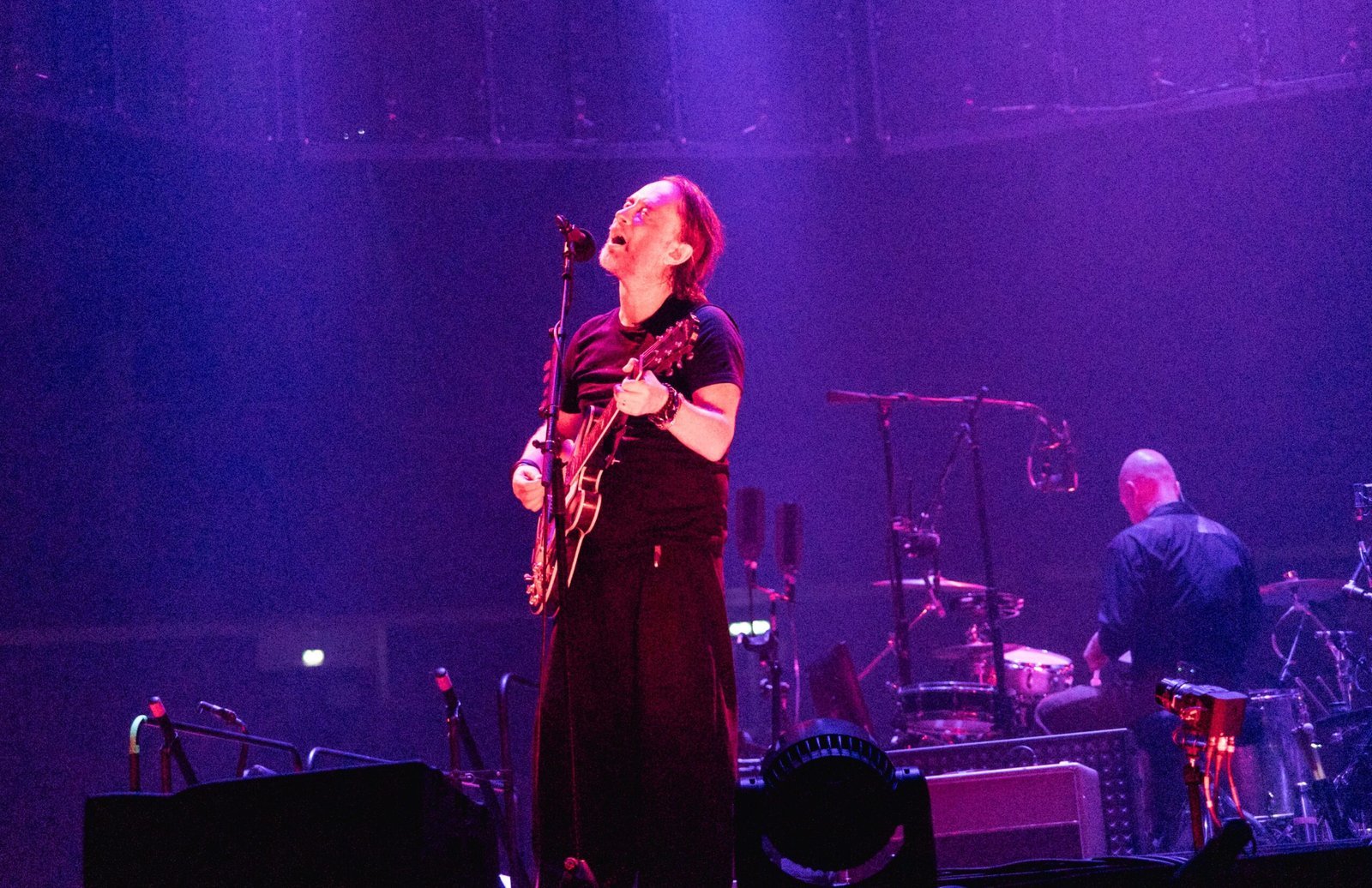
Released in 1997, this album arrived like a warning from the future. Let’s be real: very few records have captured the creeping dread of modern technological life as precisely as OK Computer did, and it did so before most people even owned a mobile phone. Radiohead’s embracement of contradiction, demonstrated by thoughtful lyrics set against an electronic background, embodies a cornerstone of modern music, and the use of unconventional time signatures, innovative production techniques, and Thom Yorke’s haunting vocals contribute to the album’s experimental nature, with themes that resonate with the anxieties of the late 20th century, making it a cultural anthem for a generation dealing with rapid changes brought by technology.
Radiohead brings experimentation right to alternative crowds with OK Computer, using ambient noises and traditional rock instruments to deliver abstract lyrics with multiple layers in each track, showing artists that experimental music can indeed be successful. In 2026, with AI reshaping daily life and privacy eroding by the minute, the album feels more relevant than ever. It’s almost eerie how right Radiohead got it.
14. The Chronic – Dr. Dre (1992)
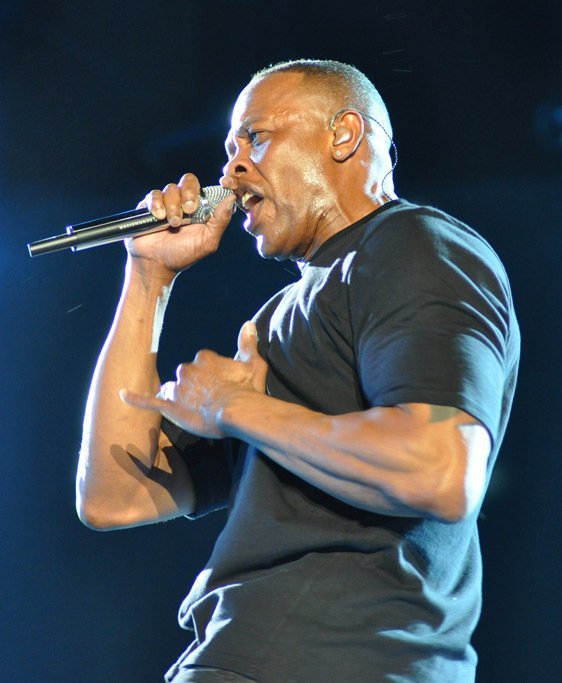
West Coast hip-hop had voices before 1992. It just didn’t have this voice, this sound, this level of commercial and cultural detonation. When Dr. Dre released this album, hip-hop was still in a relatively nascent stage, and the record proved that the genre had mass commercial appeal and limitless sonic potential. Released in 1992, it introduced G-funk to the mainstream and launched the careers of Snoop Dogg and other West Coast rappers.
The album’s production style, featuring live instrumentation, funk samples, and laid-back grooves, influenced hip-hop production for the next two decades. The Chronic is a defining hip-hop album that influenced countless producers and artists, solidified the West Coast’s dominance in hip-hop, and remains a pivotal work in modern music history, forever associated with the rise of G-funk and the cultural impact of hip-hop. Without The Chronic, the sonic landscape of the 1990s and 2000s looks completely different.
15. To Pimp a Butterfly – Kendrick Lamar (2015)

Some albums feel like a mirror held up to society. To Pimp a Butterfly feels like the mirror fighting back. It arrived during a particularly charged moment in American race relations, and it did not flinch. To Pimp a Butterfly may be the best hip-hop album of the 2010s, combining elements of jazz, funk, and traditional music while dealing with subjects like Black culture, race, and discrimination, and with his number one debut on the Billboard 200, Kendrick Lamar also received 11 Grammy nominations for his album in 2016, winning for Best Rap Album, making it one of the most critically acclaimed albums of its decade.
Artists such as Kendrick Lamar tackled America’s struggle with race relations head on, with songs ranging from the tormented self-examination of “The Blacker The Berry” to the defiant anthem “Alright,” which became a bona fide movement anthem. Kendrick built upon the tradition of narrative-driven albums that artists like David Bowie and The Who pioneered decades earlier. It wasn’t just a record. It was testimony.
The Unbreakable Bond Between Albums and History

Looking back across these fifteen records, what strikes you isn’t just their musical brilliance. It’s how completely they capture their moments in time. These albums aren’t just commercial successes, they’re inflection points where pop music fundamentally changed direction, and each represents a specific shift: the emergence of the concept album, genre hybridization, social commentary in mainstream music, and the construction of artist personas.
Whether through groundbreaking experimentation, profound social commentary, or sheer commercial dominance, these iconic albums have not only entertained but also informed, challenged, and united generations, proving that music truly is a universal language capable of altering the course of history. The studio becomes a kind of time machine when the right artist enters it at the right moment in history.
There is something deeply human about the album format. It demands commitment, patience, and attention – all the things that define how we actually experience life. A great album tells a story or explores a theme that resonates deeply with listeners, and it’s the carefully crafted structure, the flow between tracks, and the overall atmosphere that makes an album unforgettable. Long after the headlines fade and the politics shift, the music remains. Perhaps the most honest archive of who we were is not found in any library. It’s pressed into vinyl, still spinning. What does it say about us that a three-minute song sometimes explains a decade better than any history book ever could?

Christian Wiedeck, all the way from Germany, loves music festivals, especially in the USA. His articles bring the excitement of these events to readers worldwide.
For any feedback please reach out to info@festivalinside.com
