
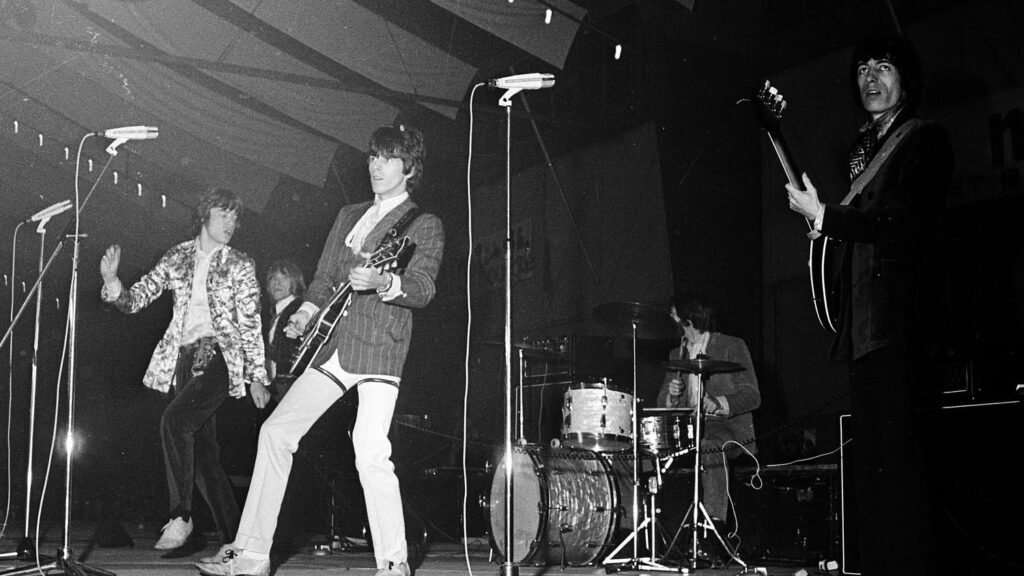
Classic rock anthems dominate radio playlists and playlists alike. Yet the spotlight rarely reaches the producers, session players, and engineers who crafted their magic. These contributors shaped the sound without grabbing headlines.
From iconic guitar riffs to layered harmonies, their work turned good songs into timeless hits. Digging into their stories reveals how much went on behind the studio doors.
Roy Thomas Baker: Architect of Queen’s Bohemian Rhapsody
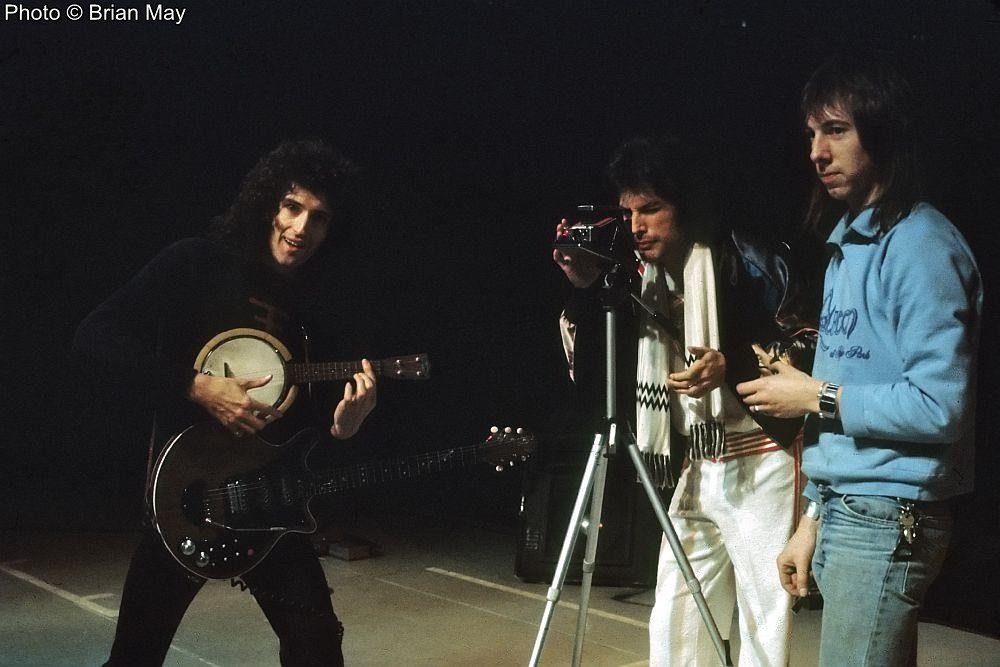
Roy Thomas Baker produced several Queen albums in the 1970s, including the groundbreaking A Night at the Opera.[1] He guided the band through the complex recording of Bohemian Rhapsody, layering over 180 vocal overdubs to create its operatic middle section. Baker’s innovative techniques with 24-track tape helped capture the song’s dramatic shifts from ballad to hard rock.[2]
His ear for detail ensured the six-minute epic felt cohesive despite its wild structure. Without Baker’s production savvy, the track might never have become the stadium staple it is today. He passed away in 2025, leaving a legacy in rock production.[3]
Glyn Johns: Engineer for The Who and Eagles Classics

Glyn Johns engineered and produced key albums for The Who, including Who’s Next with anthems like Baba O’Riley and Won’t Get Fooled Again.[4] His live-room techniques captured the band’s raw energy while polishing the sound for radio. Johns also worked on the Eagles’ debut, shaping Hotel California precursors like Take It Easy.
He mixed the Beatles’ Get Back sessions, salvaging footage into the Let It Be film audio. Johns’ minimalist approach let the musicians shine, influencing countless rock records. His book Sound Man shares insider stories from these sessions.[5]
Over decades, he touched Led Zeppelin and the Rolling Stones too.
Jimmy Miller: Driving the Rolling Stones’ Golden Era
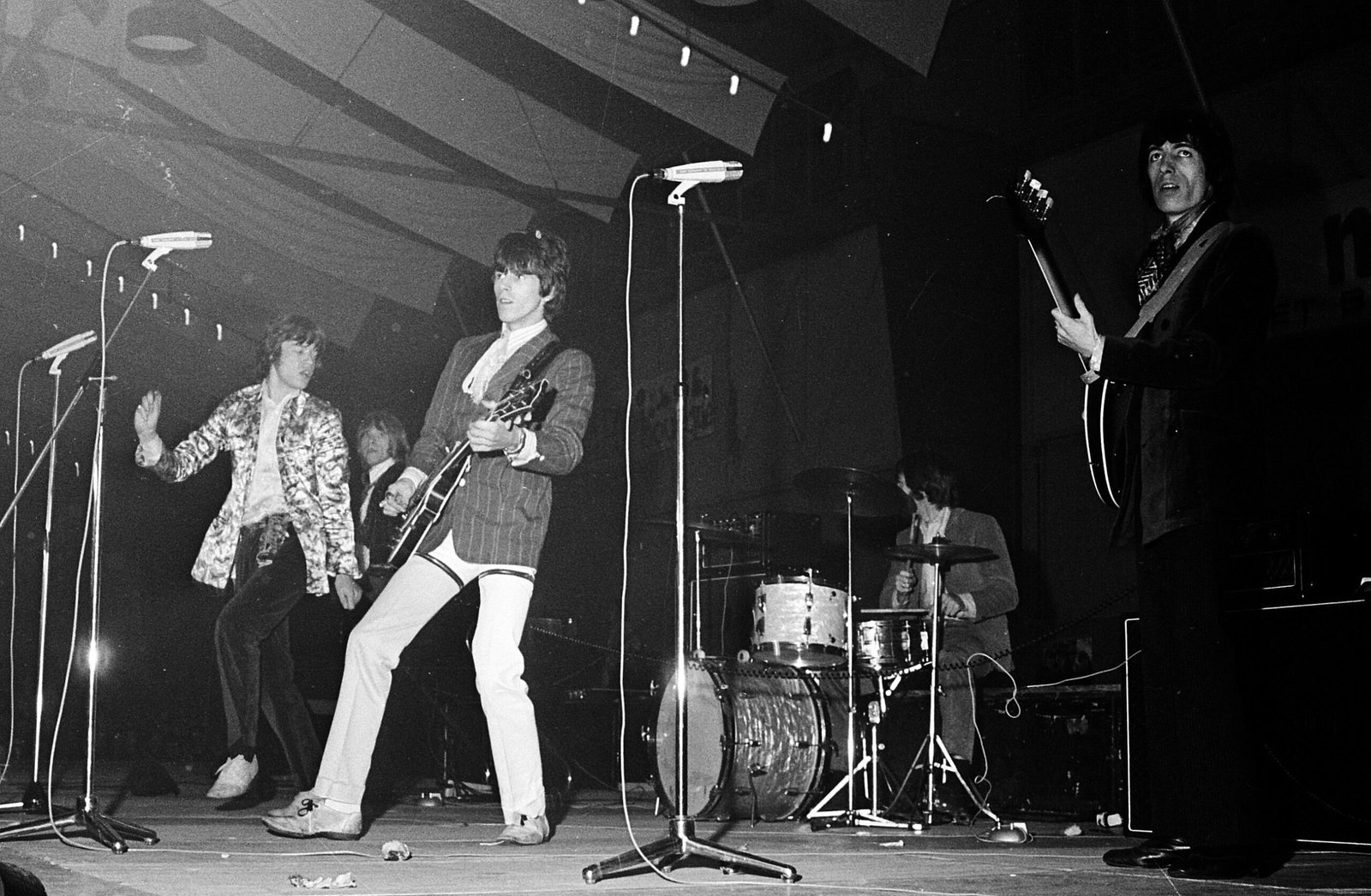
Jimmy Miller produced the Rolling Stones’ late-1960s run, from Beggars Banquet to Exile on Main St.[6] He brought rhythmic groove to tracks like Gimme Shelter and Brown Sugar, often playing percussion himself. Miller’s sessions in Muscle Shoals and London infused the band with bluesy fire.
His work with Traffic on albums like John Barleycorn Must Die showed similar magic. Miller kept the Stones focused amid chaos, turning raw jams into hits. Tragically, his own struggles mirrored the era’s excesses.
Raphael Ravenscroft: The Sax That Defined Baker Street
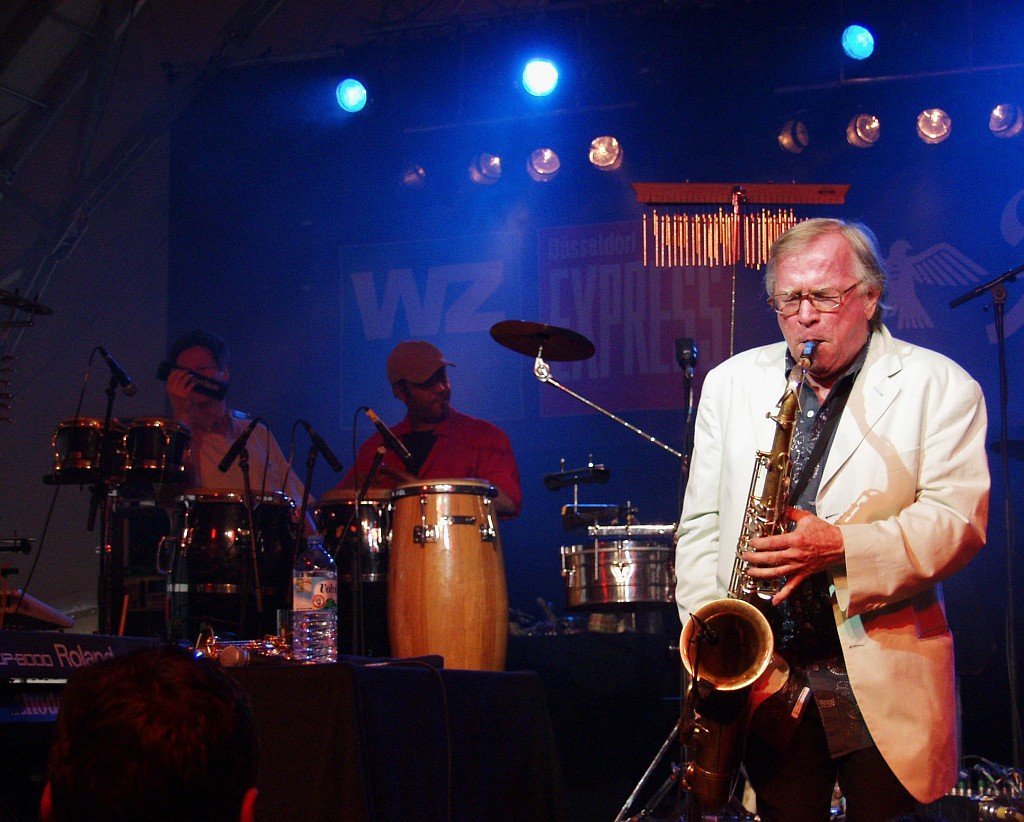
Session saxophonist Raphael Ravenscroft delivered the unforgettable riff on Gerry Rafferty’s Baker Street.[7] Hired last-minute, he improvised the line that overshadowed the song’s guitar solo. That piercing sax hooked listeners and made the 1978 hit a classic rock staple.
Ravenscroft played on tracks for Pink Floyd and Dire Straits too. His brief appearance transformed a solid tune into an anthem. He remained a go-to player for atmospheric solos.
Carol Kaye: Basslines in Beach Boys Hits
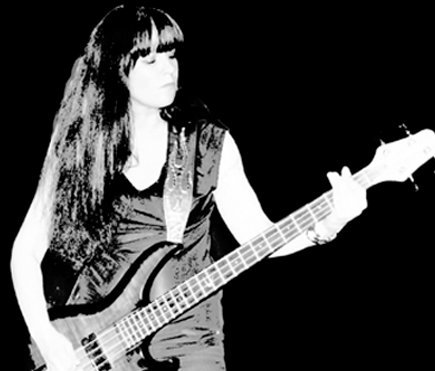
Carol Kaye, part of the Wrecking Crew, laid down bass for the Beach Boys’ Good Vibrations.[8] Her innovative electric bass runs drove the psychedelic track’s shifts. Kaye also contributed to Pet Sounds, underpinning God Only Knows with subtle grooves.[9]
She played on hundreds of sessions, including Simon & Garfunkel’s You’ve Lost That Lovin’ Feeling. Kaye’s lines often stole the show without credit. Her story highlights women in studio shadows.
Hal Blaine: Drums Powering 60s Rock
Drummer Hal Blaine anchored countless hits as a Wrecking Crew mainstay. He powered the Beach Boys’ Good Vibrations and Simon & Garfunkel’s Mrs. Robinson.[10]) Blaine’s massive fills defined the Wall of Sound era.
His work touched Frank Sinatra and the Monkees too. Blaine claimed over 40 number ones, more than Elvis. Reliability made him the go-to beat for anthems.
His style influenced rock drumming for generations.
Tom Dowd: Shaping Layla and Southern Rock
Producer Tom Dowd pioneered multitrack at Atlantic, editing Derek and the Dominos’ Layla from raw takes.[8] He spliced the piano coda onto the guitar riff, birthing the epic. Dowd also helmed the Allman Brothers’ At Fillmore East, capturing live fire.
His engineering elevated Cream and Lynyrd Skynyrd. Dowd’s calm presence steadied volatile sessions. Techniques he developed endure in modern recording.
Hidden Figures Shaping Music History
These talents remind us that anthems emerge from collaboration. Producers like Baker and Miller, players like Kaye and Ravenscroft built the backbone. Their choices echo in every arena chant.
Rock thrives on such quiet forces. Next time a riff hits, think of the hands behind it. The music’s richer for their mark.

- 37 Songs From the ’60s and ’70s With Meanings No One Caught the First Time - August 31, 2026
- 12 Legendary Concert Venues That Witnessed Unforgettable Musical Moments - August 31, 2026
- 10 Iconic Speeches That Dramatically Shaped Modern History - August 31, 2026

