
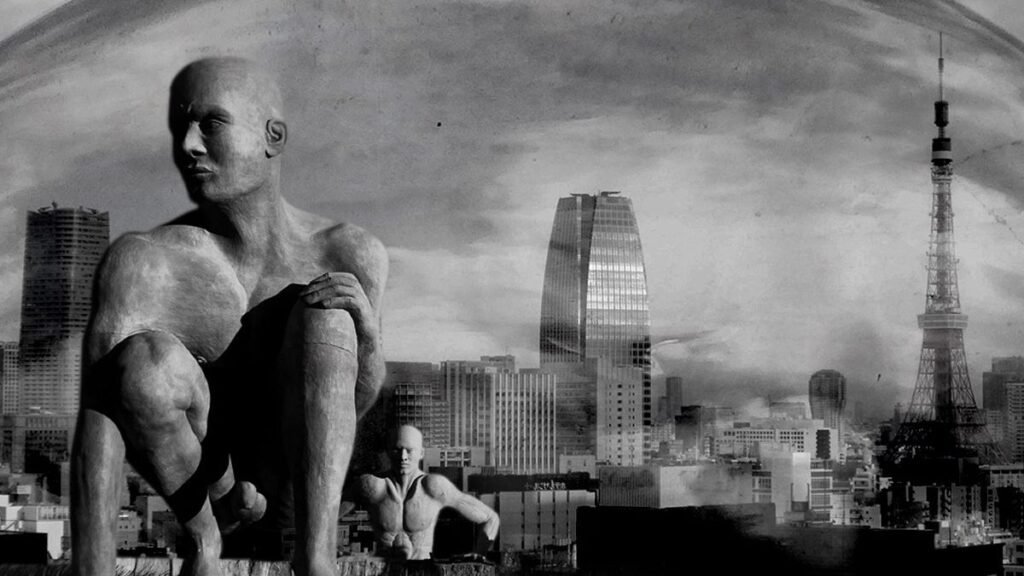
Dystopian fiction has long served as a mirror to society’s vulnerabilities. In 2026, with AI reshaping daily life, surveillance cameras on every corner, and climate disasters making headlines, these stories feel less like fantasy and more like cautionary forecasts.[1]
Authors plumb the extremes of human behavior under pressure from technology and power. Their visions remind us how fragile progress can be when unchecked.
1. 1984 by George Orwell
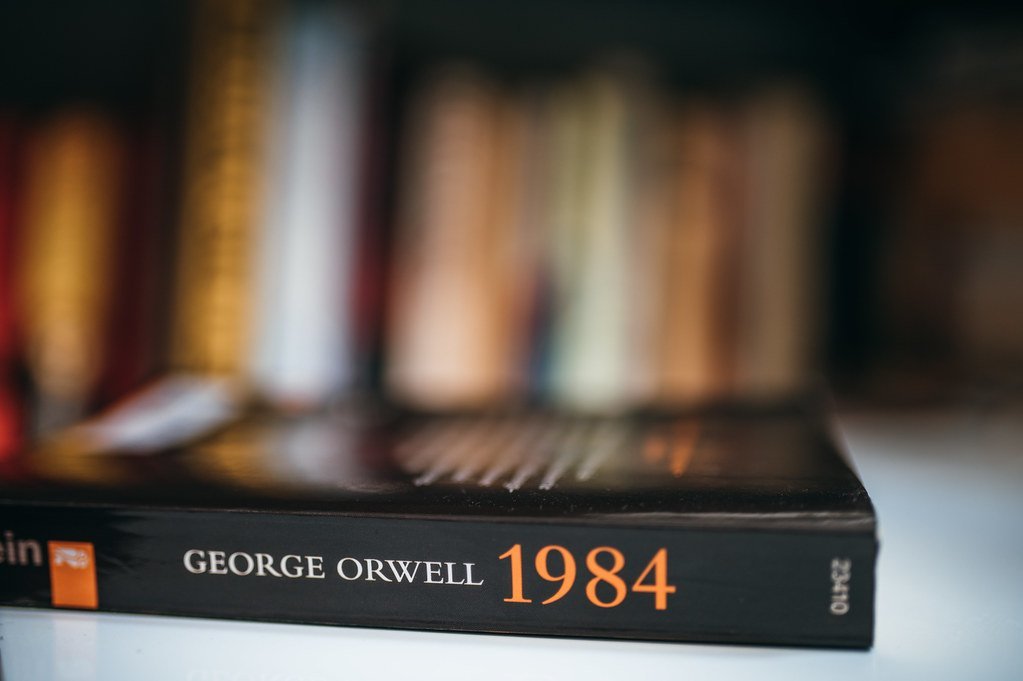
In George Orwell’s 1984, Oceania operates as a totalitarian superstate where Big Brother’s face looms everywhere. Telescreens monitor citizens around the clock. Thoughtcrime invites torture and erasure from history through Newspeak and doublethink.
Constant surveillance echoes today’s facial recognition and data tracking by governments and tech giants. Debates over misinformation parallel the Ministry of Truth’s reality rewriting. Orwell’s warnings about eroded privacy hit harder amid global data scandals.[2]
2. Brave New World by Aldous Huxley
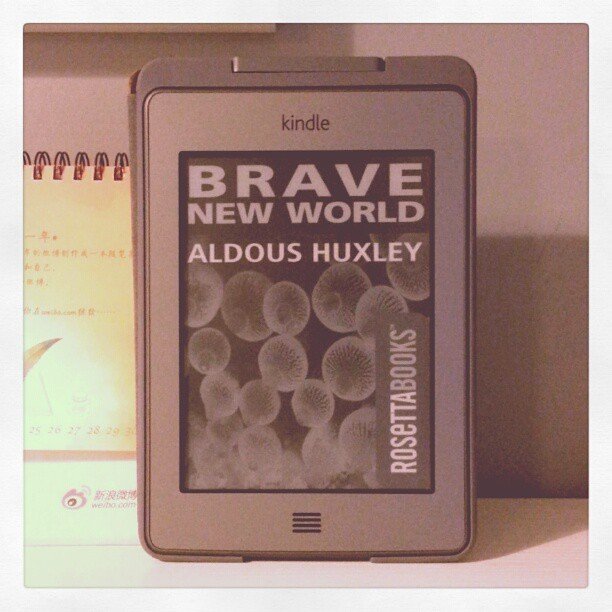
Aldous Huxley’s Brave New World presents a World State divided into castes from birth via genetic manipulation. Soma pills ensure perpetual happiness. Sex and consumption replace deep relationships or intellectual pursuits.
Genetic editing tools like CRISPR bring Huxley’s engineered humans closer to possibility. Widespread antidepressant use and social media dopamine hits mimic soma-induced complacency. Consumer culture’s dominance makes the novel’s shallow hedonism uncomfortably familiar.[1]
The erasure of family bonds foreshadows declining birth rates in affluent societies.
3. Fahrenheit 451 by Ray Bradbury
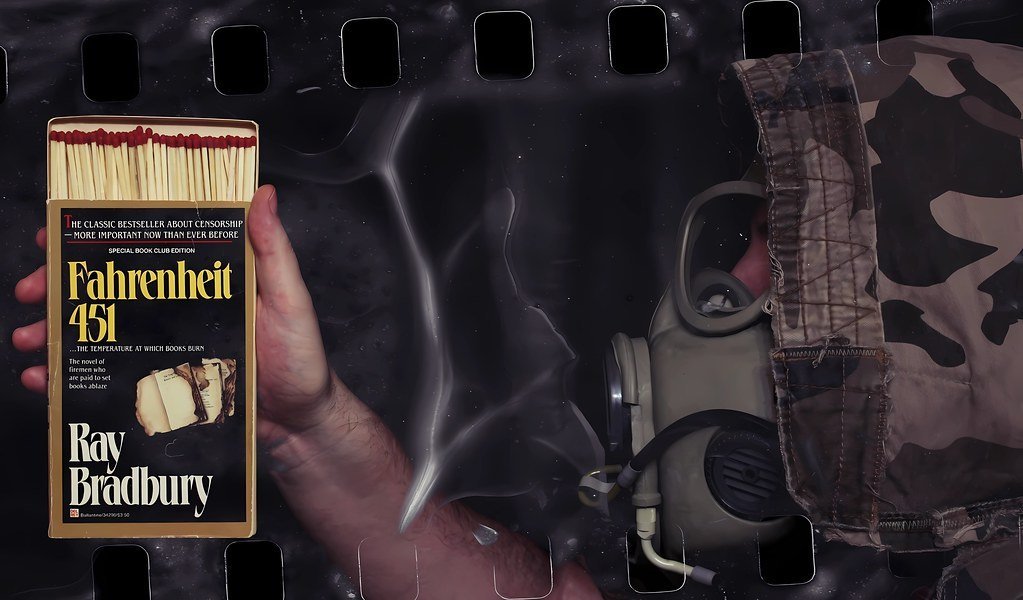
Ray Bradbury’s Fahrenheit 451 flips firemen’s roles to book burners in a society hooked on wall-sized interactive TVs. Intellectuals hide in shadows. Seashell earbuds drown out reflection with noise.
Recent surges in book challenges evoke Bradbury’s fire squads. Short-form video platforms fragment attention spans much like parlor walls. Anti-intellectual currents in politics amplify the novel’s urgency today.[3]
4. The Handmaid’s Tale by Margaret Atwood
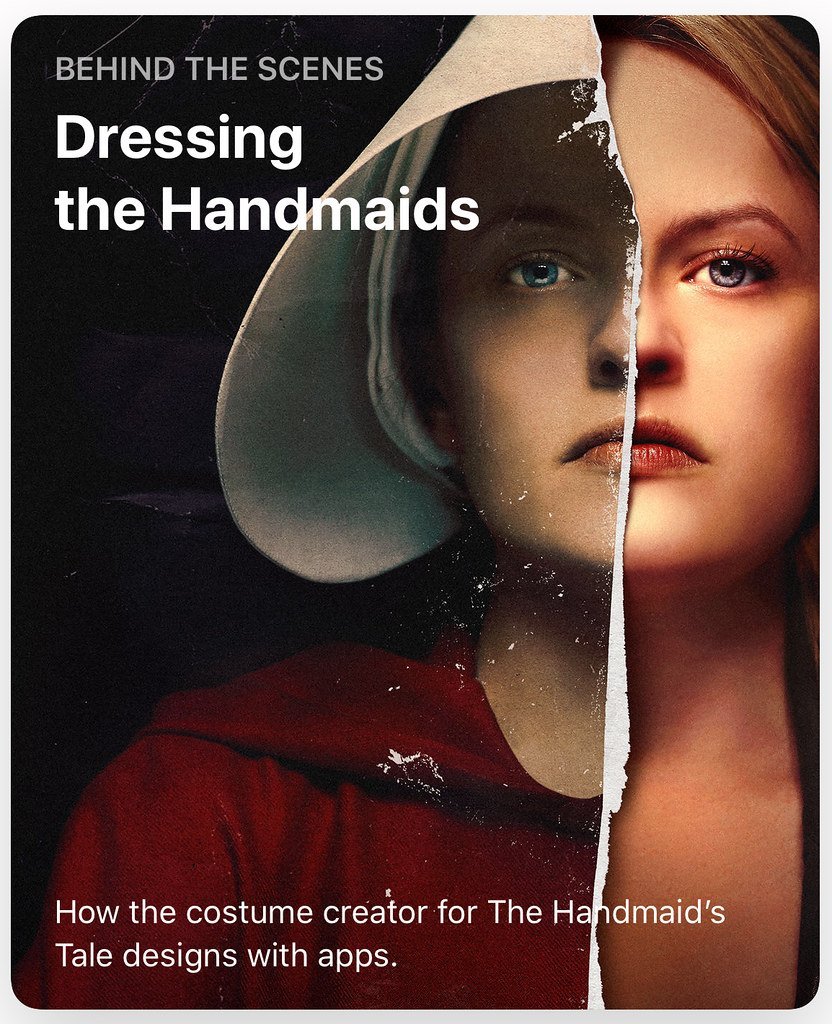
Margaret Atwood’s The Handmaid’s Tale unfolds in Gilead, a theocratic regime born from fertility collapse. Fertile women become handmaids for elite reproduction. Dissenters face public executions or exile.
Ongoing battles over reproductive rights mirror Gilead’s control. Authoritarian backsliding in various nations lends credence to swift societal shifts. Atwood drew from historical precedents, making the terror plausible.[3]
Environmental toxins as infertility cause align with current pollution concerns.
5. We by Yevgeny Zamyatin
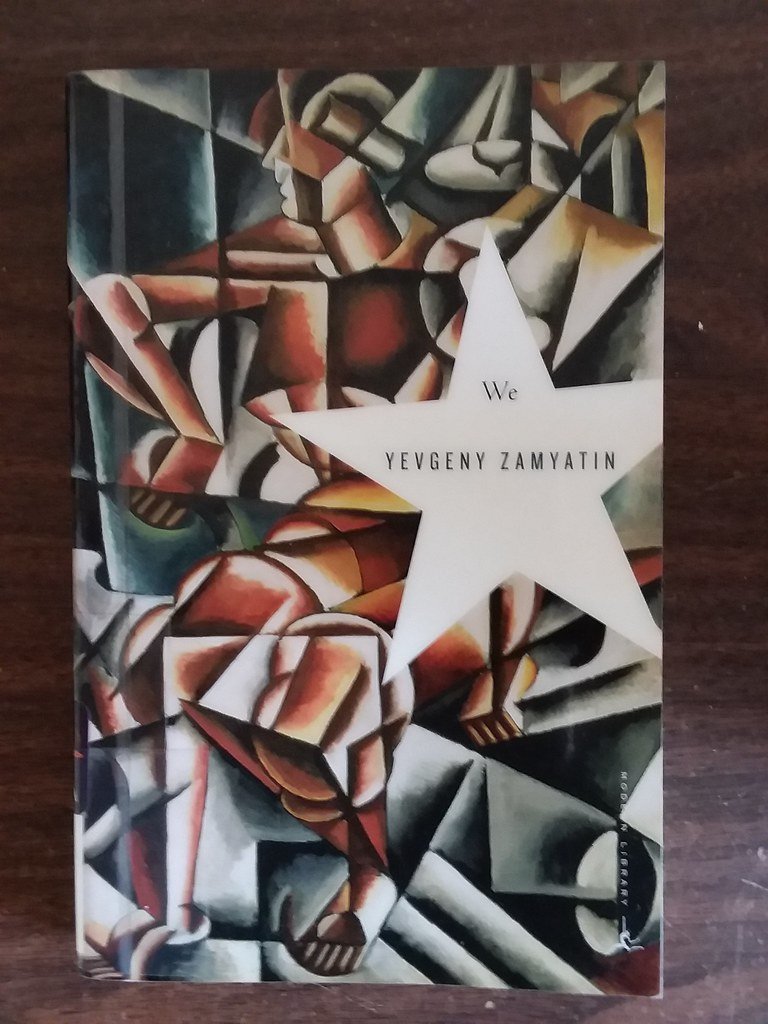
Yevgeny Zamyatin’s We depicts the One State, a glass-walled utopia of mathematical perfection. The Benefactor rules via Table of Hours dictating every minute. Imagination marks one as diseased.
Smart city initiatives with constant monitoring recall the transparent walls. Algorithm-driven lives limit spontaneity much like Zamyatin’s schedules. As the influence for 1984, its totalitarian blueprint feels evergreen.[4]
6. The Road by Cormac McCarthy
Cormac McCarthy’s The Road portrays a gray, ash-choked world after unspecified catastrophe. A father and son scavenge amid cannibals. Trust erodes into brutal survivalism.
Escalating wildfires and floods paint similar endscapes. Resource wars over water and food loom large. McCarthy’s sparse prose captures the quiet horror of irreversible loss.[5]
The bond amid desolation offers faint humanity against the void.
7. Parable of the Sower by Octavia E. Butler
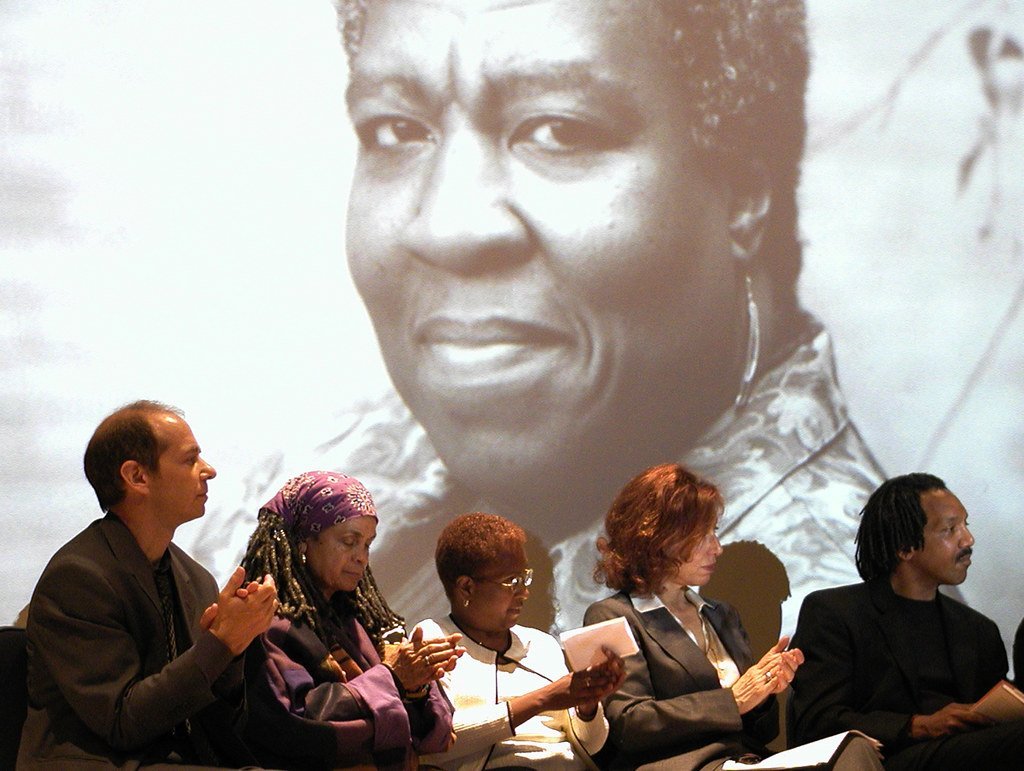
Octavia E. Butler’s Parable of the Sower follows Lauren Olamina in a 2020s California of walled enclaves and pyromaniac gangs. Climate collapse fuels corporate fiefdoms. Hyperempathy syndrome torments the protagonist.
Butler foresaw gated communities amid inequality spikes. Droughts and migrations match her walled Americas. Published in 1993, its near-future setting now reads as prophetic.[6]
8. Never Let Me Go by Kazuo Ishiguro
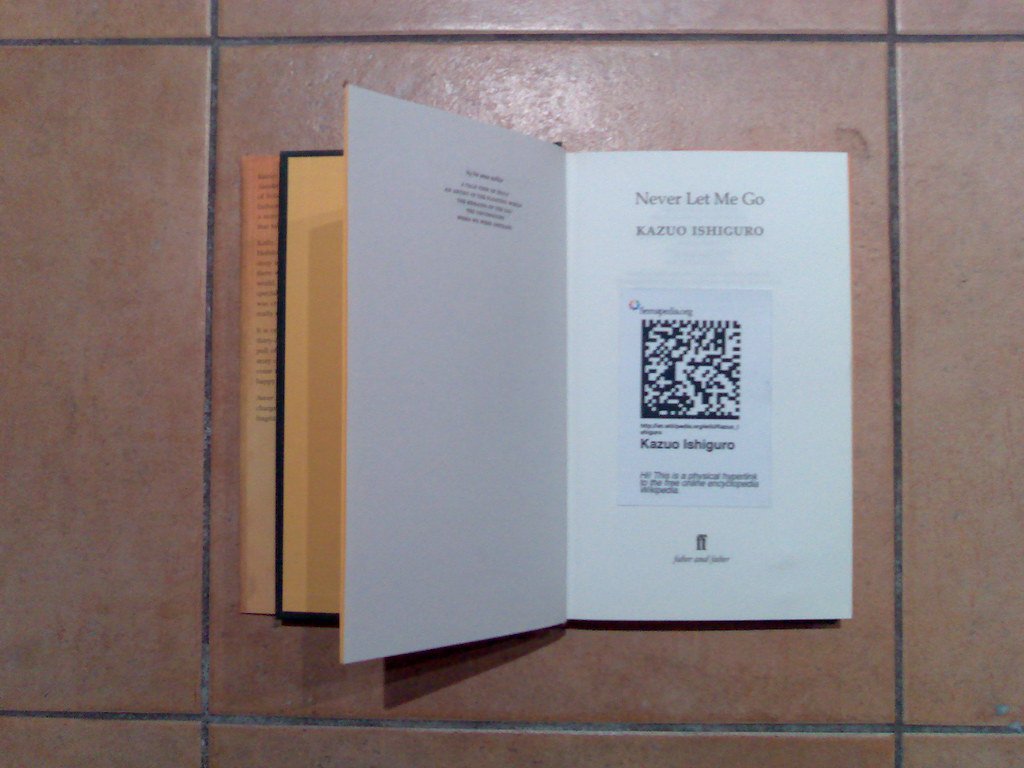
Kazuo Ishiguro’s Never Let Me Go reveals clones schooled at Hailsham for organ donations. “Carers” delay their completions. Society accepts this quietly.
Advances in cloning and gene therapy raise ethical shadows. Organ waitlists grow as biotech races forward. Ishiguro’s subtle dread builds from normalized exploitation.[7]
The clones’ resignation mirrors passive acceptance of systemic wrongs.
9. Oryx and Crake by Margaret Atwood
Margaret Atwood’s Oryx and Crake traces biotech playgrounds to apocalypse. Jimmy survives amid Crakers, post-human hybrids. Corps engineer pigoons and pleasure products unchecked.
CRISPR babies and lab-grown meat echo the novel’s hubris. Pandemic fears post-COVID validate engineered plagues. Atwood’s MaddAddam trilogy probes genetic overreach.[8]
10. Feed by M.T. Anderson
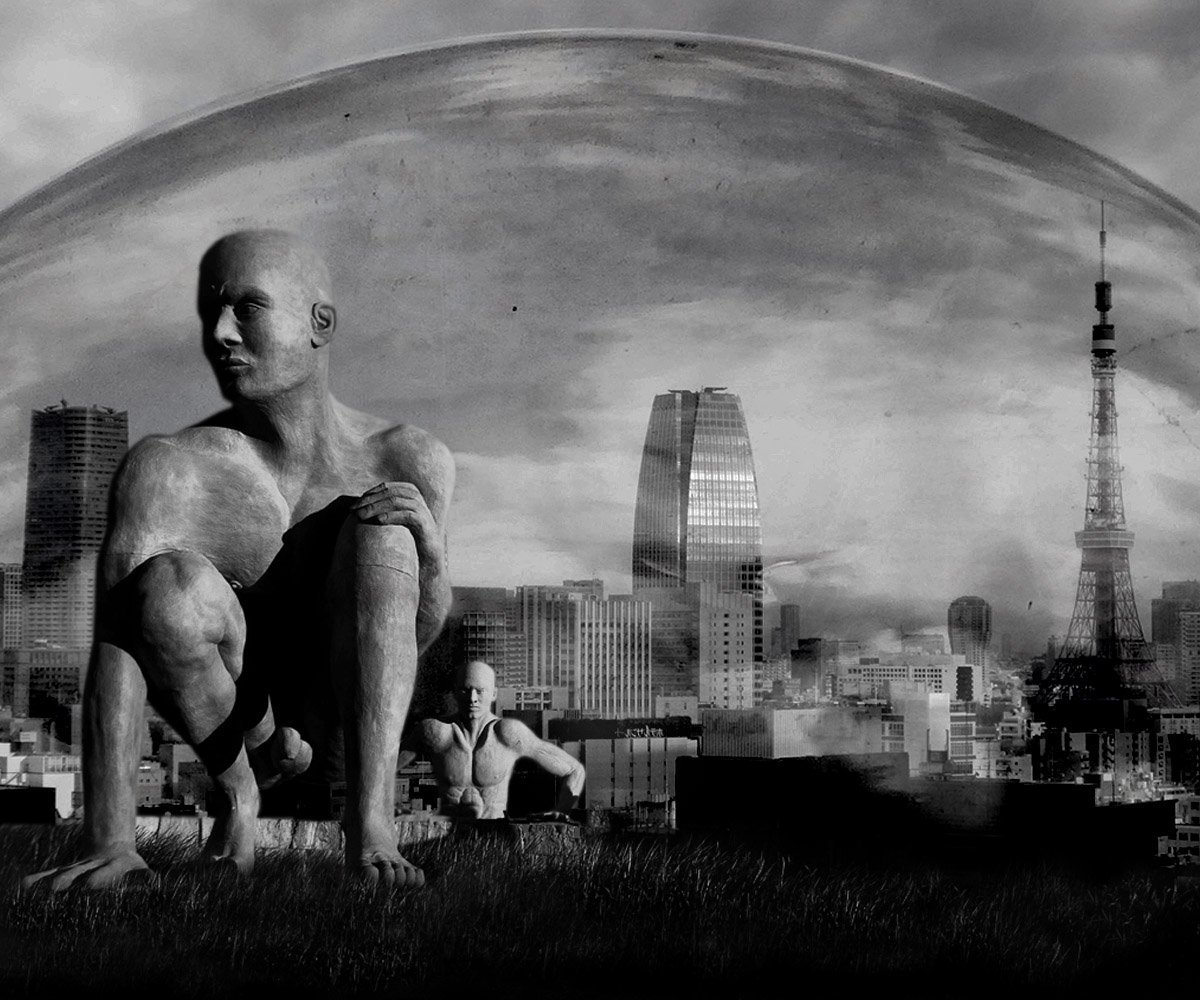
M.T. Anderson’s Feed implants direct-to-brain internet streams bombarding with ads. Malfunctions expose corporate puppeteering. Oceans turn to foam from pollution.
Algorithmic feeds dictate feeds today. Personalized ads invade thoughts via data profiles. Environmental decay parallels our plastics-choked seas.[9]
Titus’s awakening against the feed hints at resistance possibilities.
Fears Reflected Through Fiction
These novels expose timeless dreads: overreach by power, technology’s double edge, nature’s revenge. They thrive because real threats persist, from data overlords to warming poles.
Fiction sharpens vigilance. In reading these dark visions, we glimpse paths to avoid them, holding onto choice amid the gathering storm.

- 37 Songs From the ’60s and ’70s With Meanings No One Caught the First Time - August 31, 2026
- 12 Legendary Concert Venues That Witnessed Unforgettable Musical Moments - August 31, 2026
- 10 Iconic Speeches That Dramatically Shaped Modern History - August 31, 2026

