

- 8 Gardening Hacks That Will Make Your Roses Bloom Like Never Before - August 11, 2026
- 8 Incredible Beaches Around the World You Won’t Believe Are Real - August 11, 2026
- 10 Classical Music Masterpieces That Will Transport You Through Time - August 11, 2026
Unexpected narrative turns have long shaped the way stories captivate audiences. They shatter assumptions built over pages of careful setup, forcing readers to revisit earlier clues with fresh eyes. This redefinition of expectations turns passive reading into an active puzzle.
In literature, these moments linger because they expose the fragility of perception. A well-placed twist not only surprises but elevates the entire narrative, making the work resonate long after the final page. Such devices remind us that truth in fiction often hides in plain sight.
The Murder of Roger Ackroyd by Agatha Christie

Dr. James Sheppard narrates the investigation into Roger Ackroyd’s murder in this 1926 novel. Readers follow his close observations of suspects in the village, trusting his account as impartial. The revelation hits when Sheppard himself emerges as the killer, having manipulated the entire story.
This twist revolutionized detective fiction by breaking the unspoken rule of an unreliable narrator in the genre. Christie’s bold choice challenged readers’ faith in the storyteller, influencing countless mysteries that play with narrative perspective. It cemented her reputation for outsmarting audiences while sparking debates on fair play in whodunits.
And Then There Were None by Agatha Christie
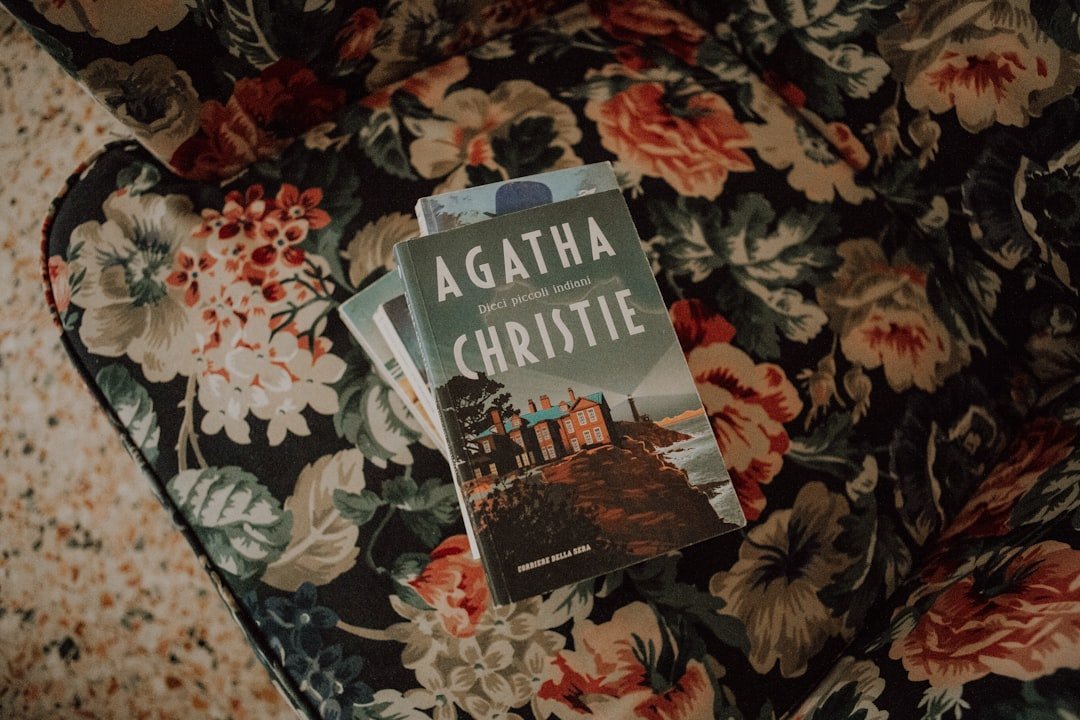
Ten strangers gather on a remote island, accused of past crimes via a eerie nursery rhyme recording. One by one, they die matching the rhyme’s predictions, with suspicions flying among survivors. The final twist unfolds through a confession: Justice Wargrave orchestrated everything, faking his own death to complete the judgments.
Christie’s 1939 masterpiece redefined suspense by withholding the killer’s identity until a posthumous letter. The closed-circle setup amplified paranoia, proving isolated settings heighten tension in thrillers. Its impact endures in adaptations and echoes in modern locked-room tales.
Fight Club by Chuck Palahniuk

The unnamed narrator forms an underground fight club with the charismatic Tyler Durden to escape consumerist ennui. As chaos escalates with Project Mayhem’s anarchy, the narrator confronts Tyler’s growing dominance. The gut-punch revelation: Tyler is a split personality of the narrator himself.
Published in 1996, this twist dissected identity and masculinity, mirroring psychological thrillers that blur reality. Palahniuk’s unreliable first-person voice forced rereads for foreshadowing, like shared habits. It shaped cult fiction, influencing explorations of mental fracture in contemporary novels.
Gone Girl by Gillian Flynn
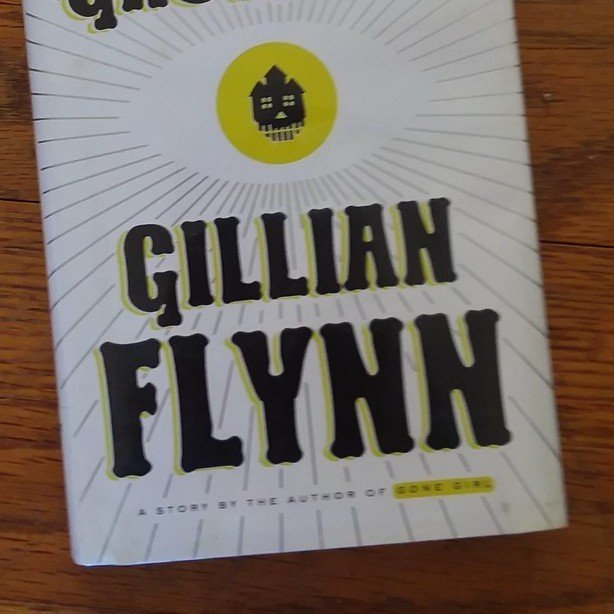
Nick Dunne’s wife Amy vanishes on their anniversary, painting him as the prime suspect. Flashbacks from Amy’s diary build a picture of marital strife and her perfectionism. Midway, the diary proves fabricated; Amy faked her death for revenge, staging clues to frame Nick.
Flynn’s 2012 hit twisted domestic noir by flipping victim tropes, exposing media manipulation. The dual narratives heightened distrust, impacting psychological suspense with empowered antagonists. Readers grappled with sympathy shifts, a technique now common in unreliable marriage thrillers.
Atonement by Ian McEwan
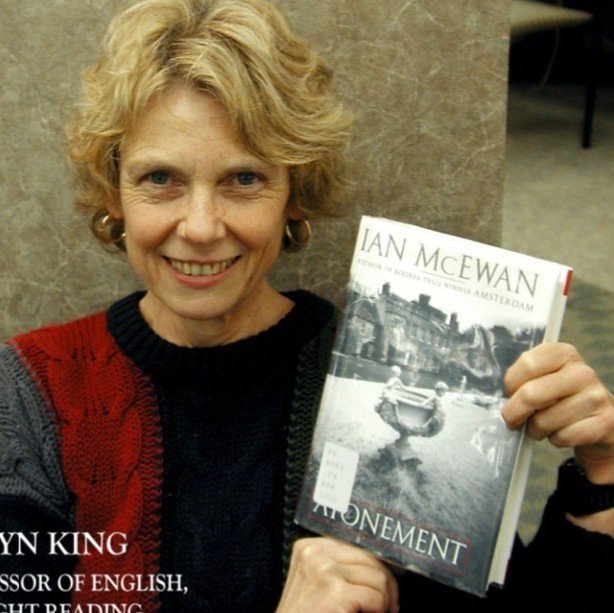
Young Briony Tallis witnesses a charged encounter between her sister Cecilia and Robbie Turner, misinterpreting it amid a family gathering. Her false accusation derails lives, leading to wartime separation and tragedy. The late reveal: Briony fabricated the entire tale as an elderly novelist seeking atonement for her lie.
McEwan’s 2001 novel layered metafiction atop romance, questioning narrative truth. This framing device intensified guilt themes, altering perceptions of innocence in literary drama. It inspired reflections on authorship’s power in historical fiction.
Shutter Island by Dennis Lehane
U.S. Marshal Teddy Daniels investigates a patient’s disappearance at Ashecliffe Hospital for the criminally insane. Nightmares and clues suggest a conspiracy cover-up. The shattering truth: Teddy is Andrew Laeddis, the hospital’s violent patient, with the investigation as role-play therapy.
Lehane’s 2003 work mastered psychological horror through escalating delusions. The twist reframed every prior event, showcasing mental illness portrayals in crime fiction. Its depth influenced genre blends of investigation and introspection.
Fingersmith by Sarah Waters

Sue Trinder, a petty thief, aids a con to marry heiress Maud Lilly for her fortune. Twists pile as Sue enters Maud’s gothic household, uncovering dark secrets. First flip: Maud conspires with Sue’s partner; counter-twist: Sue plotted against Maud all along, with roles reversed in a pornographic manuscript scheme.
Waters’s 2002 Victorian saga doubled down on deception, mirroring Dickensian plots with queer undertones. Multiple reversals redefined trust in historical suspense, enriching character arcs. It highlighted narrative layering’s potency in period fiction.
Rebecca by Daphne du Maurier
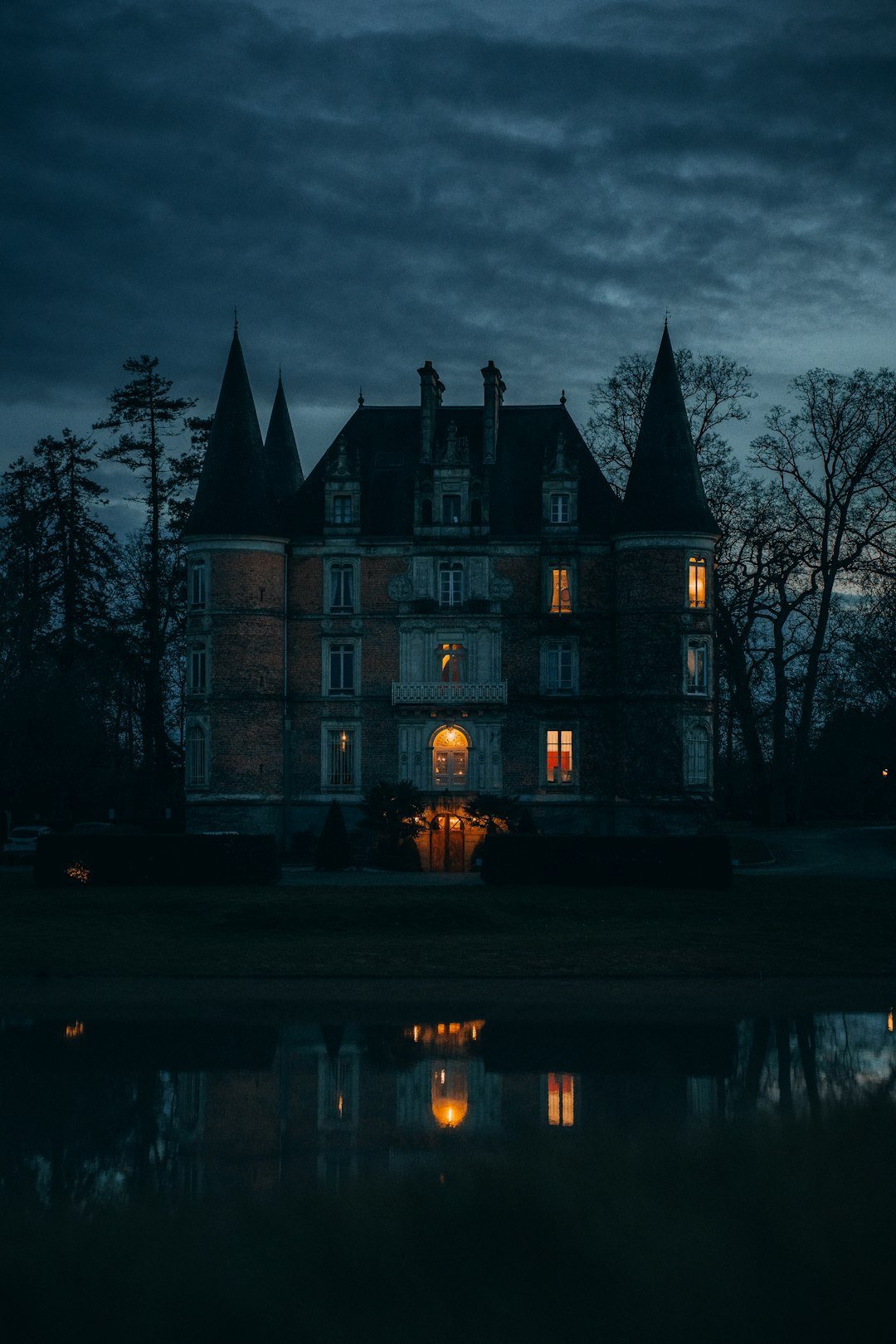
The nameless narrator marries wealthy Maxim de Winter and moves to Manderley, haunted by his late wife Rebecca. Mrs. Danvers stokes insecurities with tales of Rebecca’s perfection. Climax reveals Maxim shot Rebecca after discovering her infidelity and pregnancy by another man.
Du Maurier’s 1938 gothic flipped romance conventions, centering the dead wife’s shadow. This empowered the protagonist’s growth amid gaslighting, shaping psychological gothics. Its atmospheric dread sustains influence on haunted estate stories.
Conclusion
Suspense thrives as a narrative tool because it mirrors life’s unpredictability. These twists prove that withholding revelation builds investment, rewarding attentive readers with profound shifts. Literature’s power lies in such jolts, inviting endless reinterpretation.
Yet restraint defines the best ones, planting seeds early without cheap shocks. They remind us stories evolve with our understanding, a timeless draw amid constant narratives.

Besides founding Festivaltopia, Luca is the co founder of trib, an art and fashion collectiv you find on several regional events and online. Also he is part of the management board at HORiZONTE, a group travel provider in Germany.
