

For any feedback please reach out to info@festivalinside.com
- 12 Literary Feuds So Intense, They Changed the Course of Literature - August 11, 2026
- 10 Mysterious Disappearances of Famous Figures That Still Puzzle Experts - August 11, 2026
- 10 Foods We Thought Were American But Were Actually Invented Somewhere Else. - August 11, 2026
The Golden Age of Hollywood stretched from the late 1920s through the early 1960s. This era marked the peak of the studio system, where giants like MGM, Warner Bros., and Paramount controlled every aspect of filmmaking from script to screen. Sound films took off after The Jazz Singer in 1927, bringing dialogue, music, and richer storytelling to life.[1]
Studios signed stars to long-term contracts, churning out polished productions in genres from screwball comedies to lavish musicals. Technicolor added vivid hues to fantasies and epics. Audiences flocked to theaters during the Great Depression and World War II, finding escape in these grand spectacles.[2][3]
Gone with the Wind (1939)
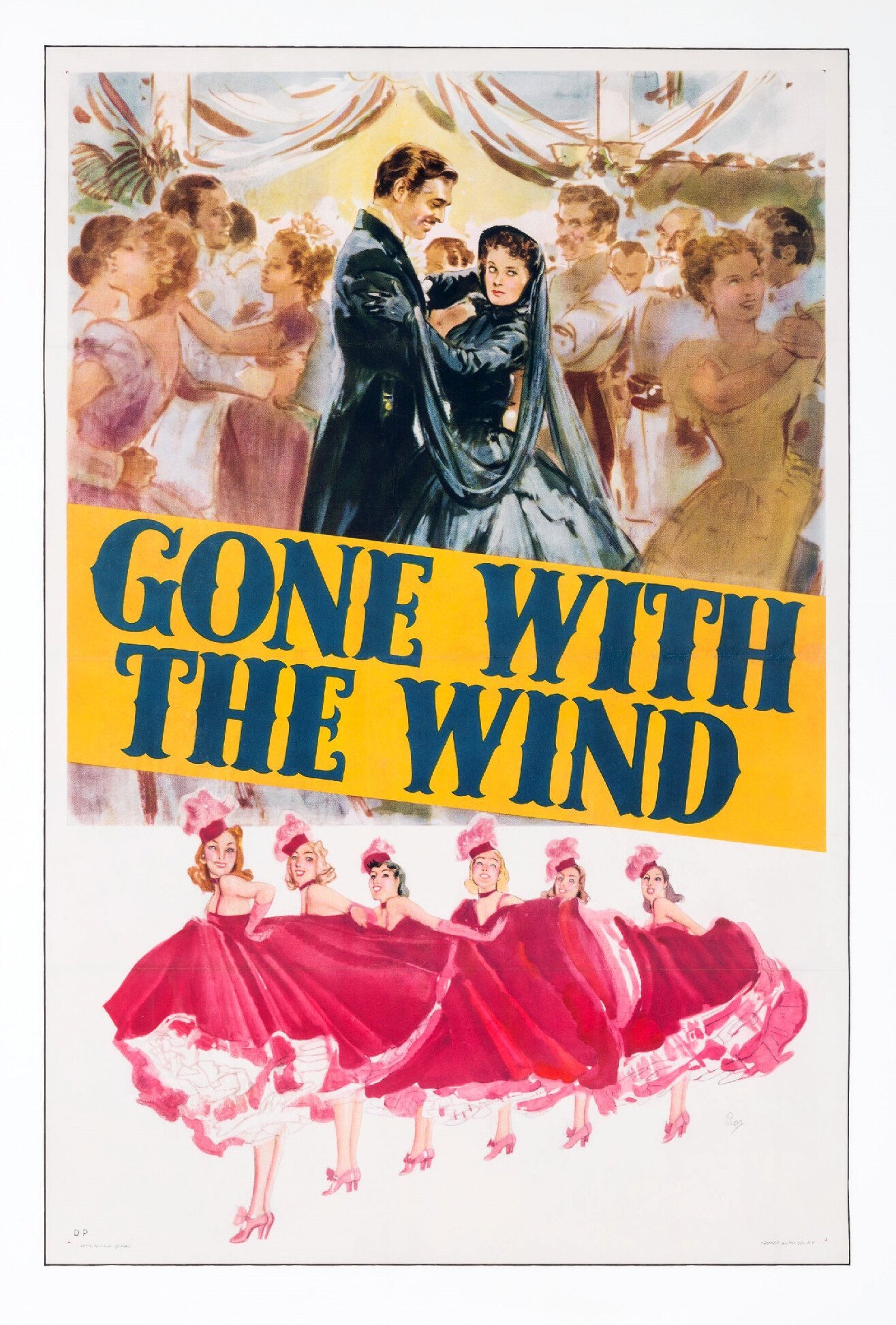
David O. Selznick’s epic adaptation of Margaret Mitchell’s novel became the highest-grossing film of its time, adjusted for inflation. It showcased the studio system’s ability to mount massive productions with thousands of extras and groundbreaking Technicolor. Vivien Leigh’s Scarlett O’Hara and Clark Gable’s Rhett Butler turned into enduring icons of glamour and grit.[4]
The film’s sweeping Civil War backdrop captured Hollywood’s knack for blending history with melodrama. Its eight Oscars highlighted the era’s technical prowess and star power. Even today, it embodies the lavish scale that defined studio filmmaking.[2]
The Wizard of Oz (1939)
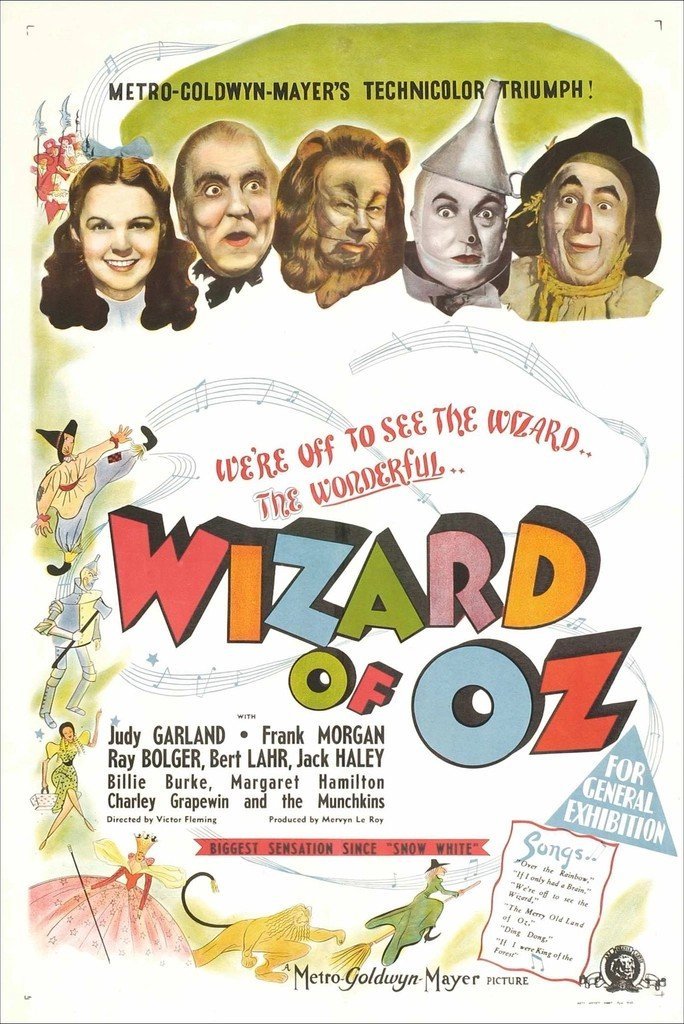
MGM poured resources into this fairy tale turned spectacle, featuring Judy Garland’s heartfelt Dorothy. The transition from sepia-toned Kansas to the vibrant Munchkinland burst forth in full Technicolor, a hallmark of Golden Age innovation. Special effects like the tornado sequence pushed boundaries for fantasy on screen.[4]
Its memorable songs and characters reflected the musical boom of the period. Though not a box-office smash initially, it grew into a cultural touchstone. The film illustrated how studios blended technology, talent, and whimsy to enchant global audiences.[5]
Casablanca (1942)
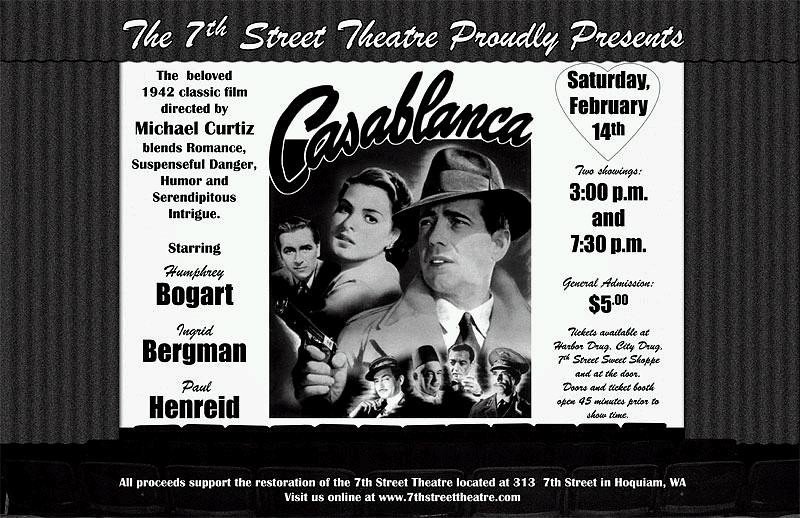
Michael Curtiz directed this Warner Bros. romance amid World War II, starring Humphrey Bogart and Ingrid Bergman. Tight scripting and iconic lines emerged from the studio’s efficient workshop. It captured wartime longing and moral complexity, resonating deeply with viewers.[4]
Three Oscars, including Best Picture, cemented its status. The black-and-white cinematography and ensemble cast exemplified the era’s polished craftsmanship. Casablanca showed how Hollywood wove current events into timeless drama.[6]
Its enduring appeal lies in that perfect mix of stars, story, and timing.
Citizen Kane (1941)
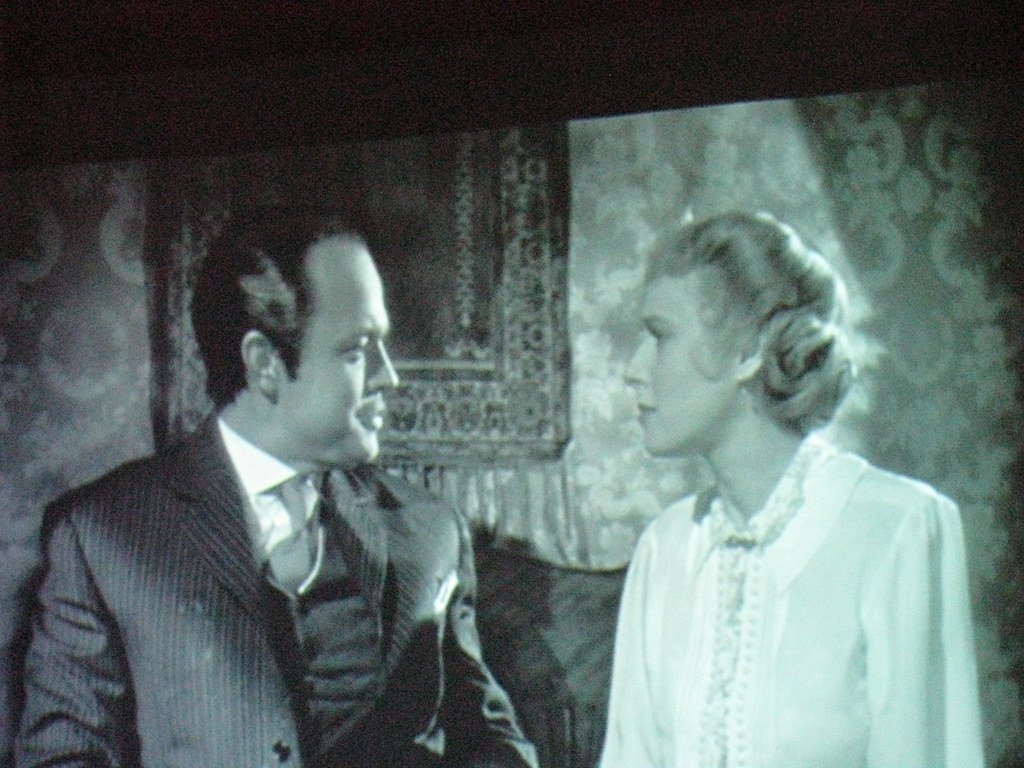
Orson Welles’s debut for RKO revolutionized narrative with deep-focus shots and non-linear storytelling. The film dissected power and loss through Charles Foster Kane, loosely inspired by real tycoons. Innovative camera work and lighting set new standards for visual flair.[6]
Though it flopped commercially, critics hailed it as a masterpiece. Welles’s control challenged the studio mold, hinting at changes ahead. It defined the era’s artistic ambitions amid commercial pressures.[6]
It’s a Wonderful Life (1946)
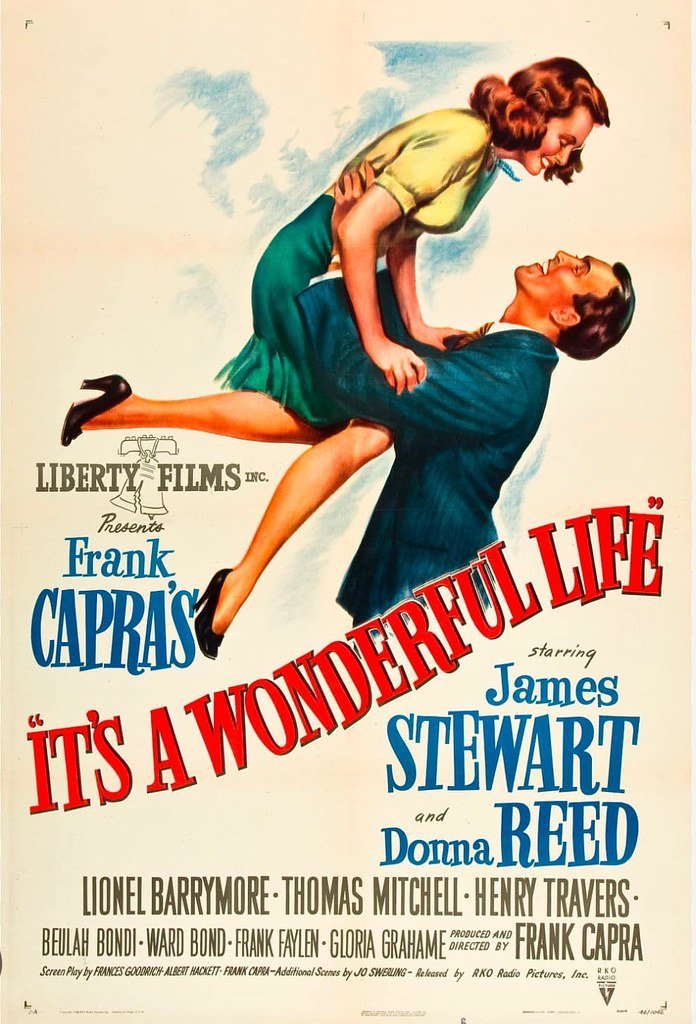
Frank Capra’s RKO holiday classic starred James Stewart as a man questioning his worth. Released post-war, it tapped into themes of community and redemption. Stewart’s everyman appeal shone through the studio’s heartfelt production values.[4]
Though overlooked at first, television reruns made it a staple. The film’s optimistic message mirrored Hollywood’s role in uplifting spirits. It highlighted the era’s focus on moral tales wrapped in stellar performances.[6]
Singin’ in the Rain (1952)
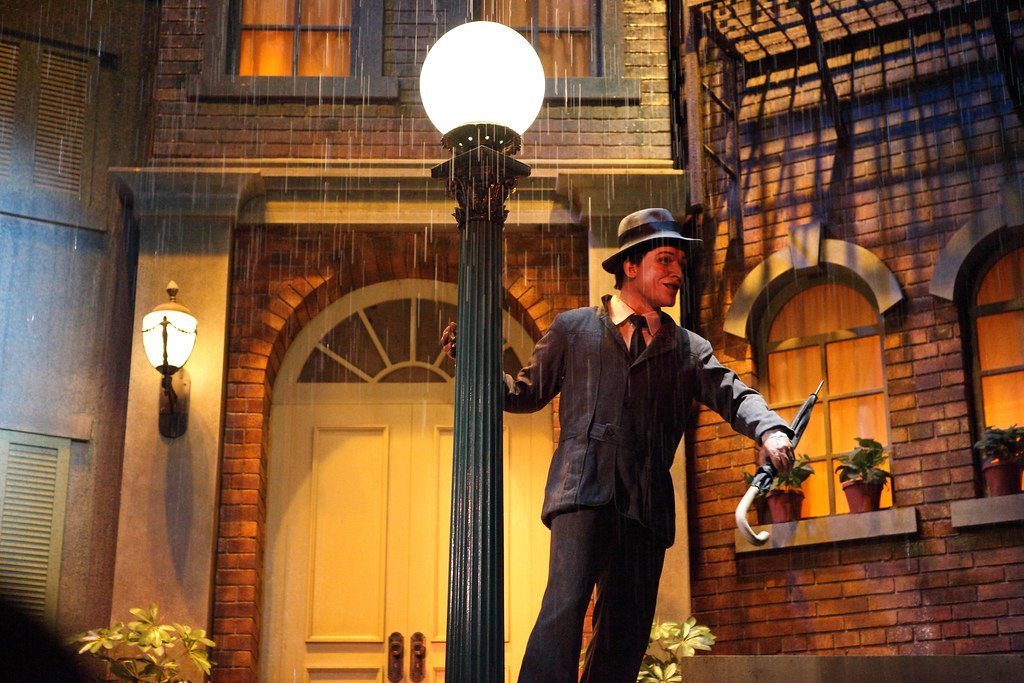
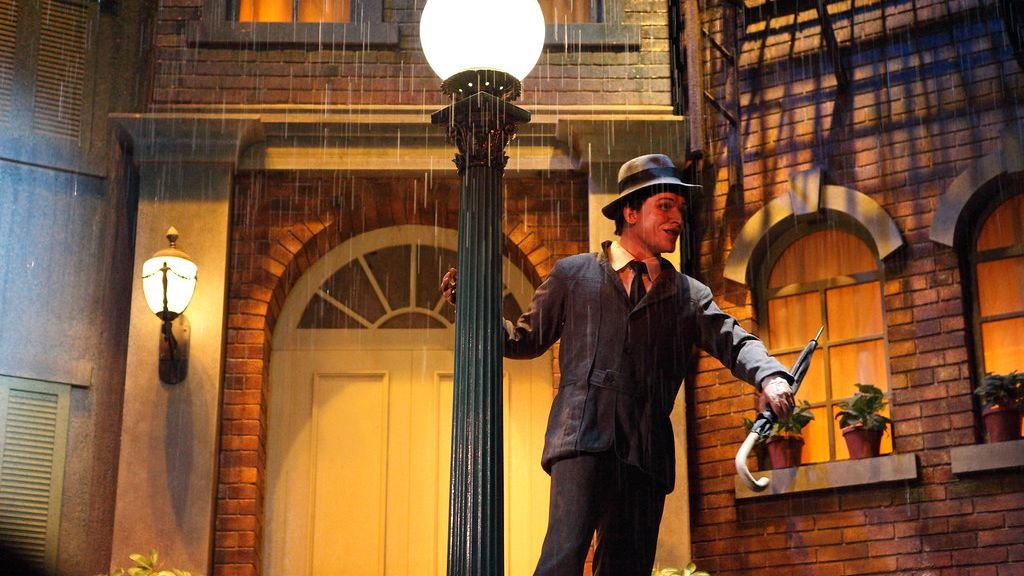
MGM’s musical joyride poked fun at the transition from silents to talkies. Gene Kelly’s exuberant dance in the rain became legendary. Debbie Reynolds and Donald O’Connor rounded out a cast that celebrated the industry’s evolution.[5]
Choreography and lavish sets showcased the studio’s musical expertise. It captured the glamour and behind-the-scenes magic of Hollywood itself. This film stands as a love letter to the Golden Age’s peak creativity.[5]
Some Like It Hot (1959)
Billy Wilder’s United Artists comedy featured Marilyn Monroe, Tony Curtis, and Jack Lemmon in drag. Sharp wit and cross-dressing hijinks pushed boundaries under the fading Hays Code. Monroe’s vulnerability amid farce defined her stardom.[6]
Box-office success and critical acclaim marked a high note for the era. It blended screwball energy with modern edge. The film signaled the studio system’s witty farewell.[6]
Vertigo (1958)
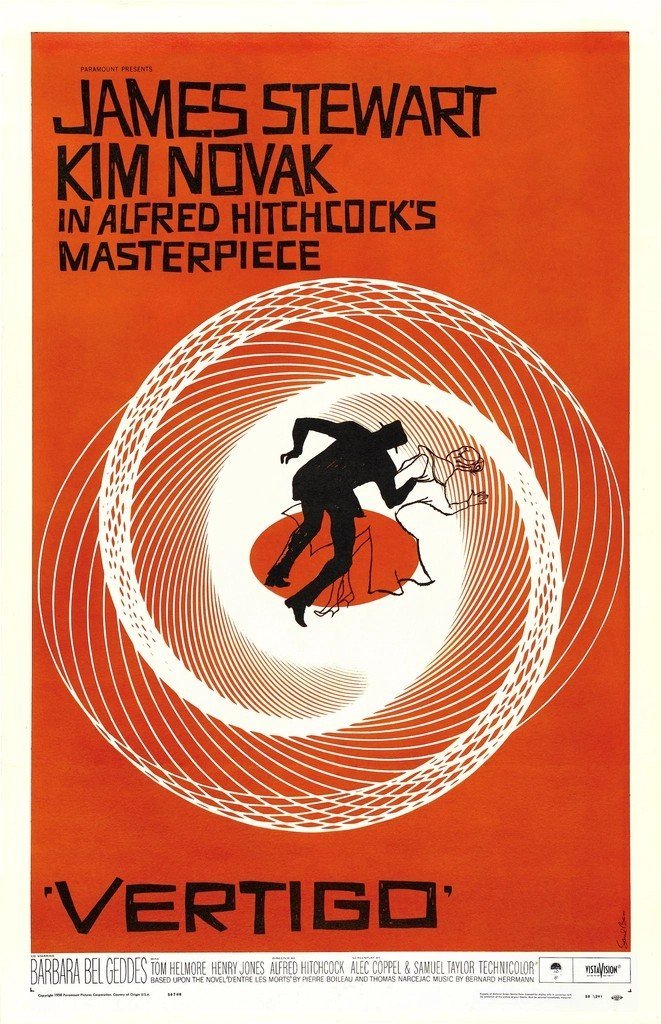
Alfred Hitchcock’s Paramount psychological thriller starred James Stewart in obsession’s grip. Innovative effects like the vertigo-inducing zoom became cinematic staples. San Francisco’s moody visuals amplified the suspense.[7]
Though underappreciated then, it later topped polls for mastery. Hitchcock’s precision reflected the era’s directorial craft. Vertigo captured Hollywood’s late push into deeper emotions.[7]
Legacy of Studio-Era Filmmaking
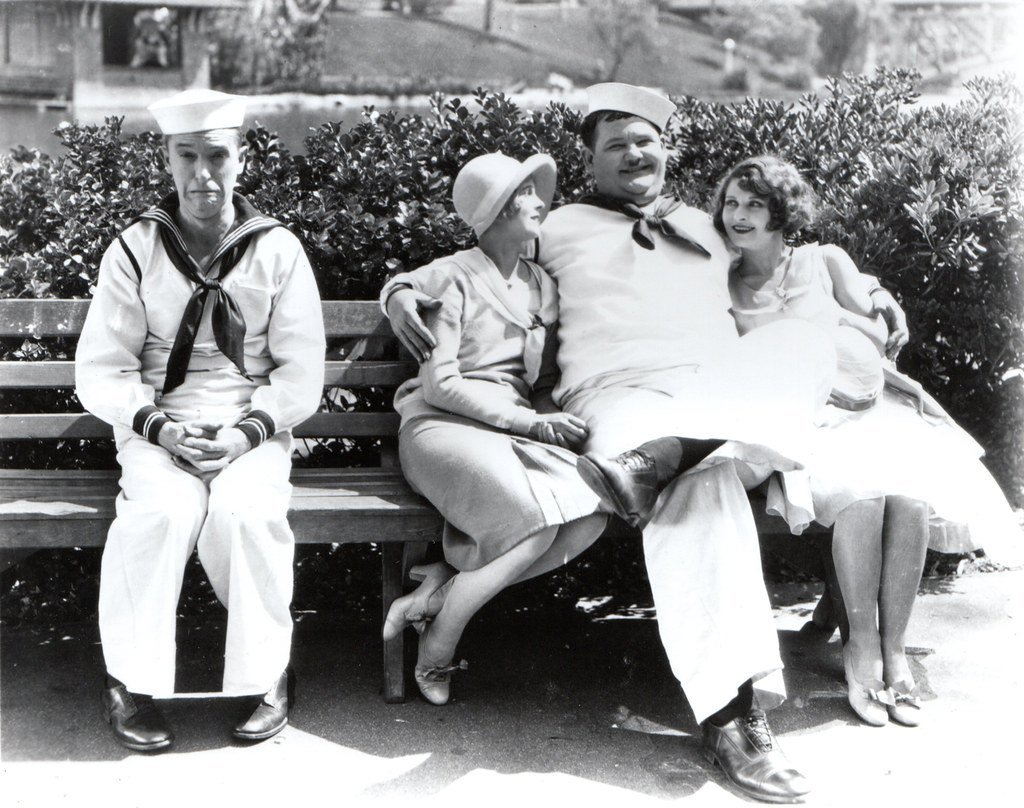
The studio system built an assembly line of stars and stories that shaped global cinema. Its collapse in the 1950s from TV competition and antitrust rulings ended the monopoly. Yet techniques like three-act structure and genre formulas persist.[8][9]
These films trained generations of filmmakers and audiences alike. Their polish and escapism remain benchmarks. In a fragmented industry today, that unified vision feels like a distant, dazzling dream.[10]

Christian Wiedeck, all the way from Germany, loves music festivals, especially in the USA. His articles bring the excitement of these events to readers worldwide.
For any feedback please reach out to info@festivalinside.com
