

- 8 Gardening Hacks That Will Make Your Roses Bloom Like Never Before - August 11, 2026
- 8 Incredible Beaches Around the World You Won’t Believe Are Real - August 11, 2026
- 10 Classical Music Masterpieces That Will Transport You Through Time - August 11, 2026
Music often finds its spark in collaboration. Two artists, each with a unique voice, can create something greater than the sum of their parts. These moments push boundaries and leave lasting marks on the industry.
From Motown soul to rock anthems, duets have topped charts and defined eras. They blend styles in ways solo tracks rarely do. The following twelve stand out for their innovation and influence.
“Endless Love” by Diana Ross and Lionel Richie (1981)
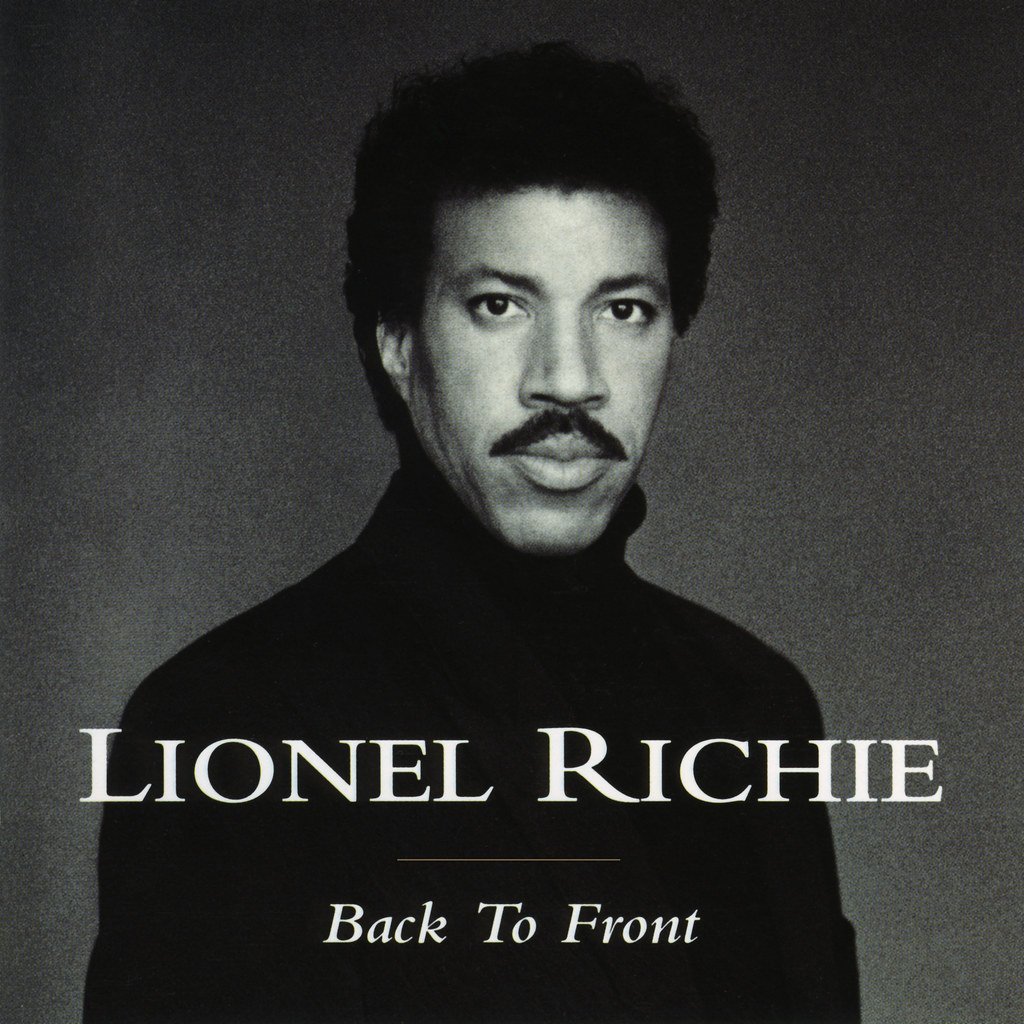
The ballad emerged from the Brooke Shields film soundtrack. Lionel Richie wrote it with Diana Ross in mind, capturing raw emotion through their intertwined vocals. It held the top spot on the Billboard Hot 100 for nine weeks, the longest run for either artist.[1]
Staying on the chart for 27 weeks, the track earned Oscar and Grammy nominations. Its multi-platinum sales set a standard for movie tie-ins. Romantic duets rarely matched its commercial and emotional grip.[2]
“Islands in the Stream” by Kenny Rogers and Dolly Parton (1983)
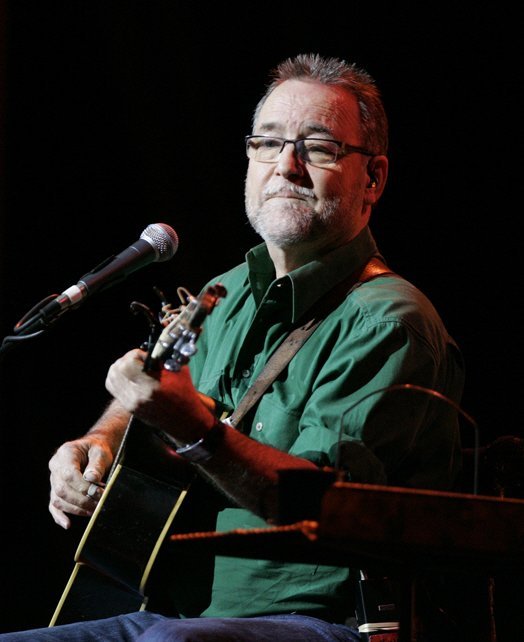
Bee Gees penned this smooth country-pop crossover for Rogers’ album. Parton’s warm harmonies elevated it to number one on pop, country, and adult contemporary charts. Over two million copies sold worldwide.[1]
The duet bridged genres, appealing to broad audiences. It became a karaoke staple and inspired later hits borrowing its melody. Country stars rarely achieved such pop dominance.[2]
Parton and Rogers’ chemistry shone through effortless phrasing. Their partnership highlighted Nashville’s growing reach.
“Don’t Go Breaking My Heart” by Elton John and Kiki Dee (1976)
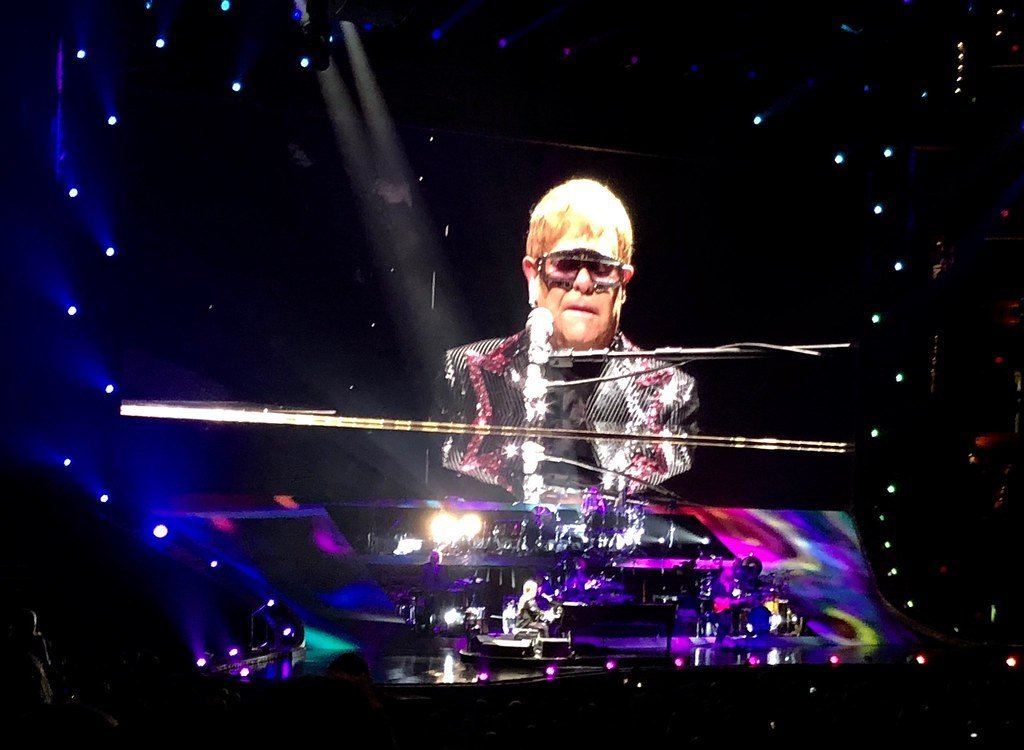
Elton John crafted this playful Motown-inspired track as his first UK number one. Kiki Dee’s spirited responses created a call-and-response joyride. It topped charts in the US and UK alike.[3]
The duet revived duets in pop after a lull. John’s later Duets album echoed its success. Fans still cherish its upbeat energy.
Dee stepped out from backup roles into stardom. The pairing showed rock icons embracing soul flair.
“Under Pressure” by Queen and David Bowie (1981)
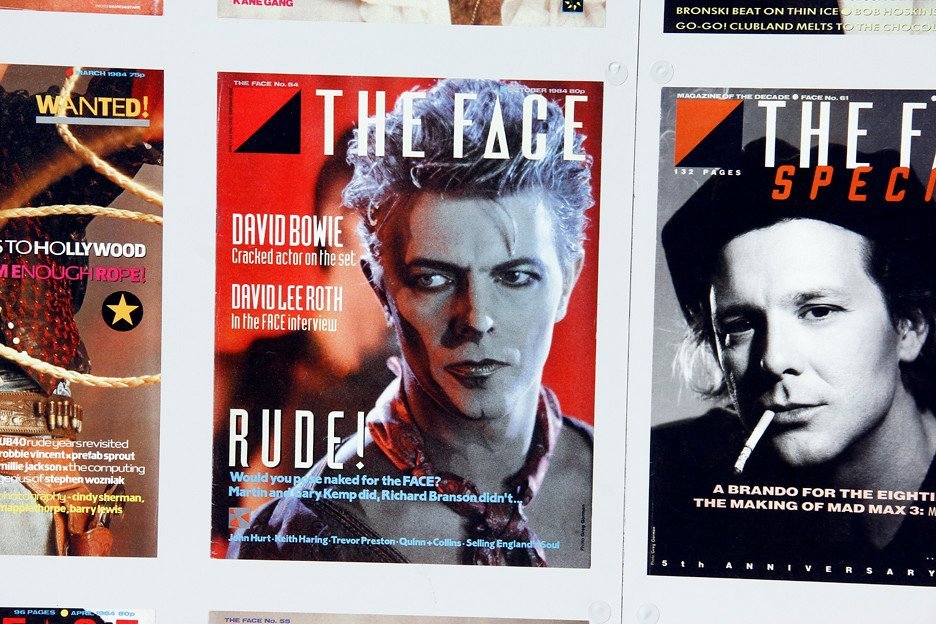
An impromptu jam at Mountain Studios birthed this rock staple. Freddie Mercury and Bowie’s vocals clashed and soared over that unforgettable bassline. It hit number one in the UK and Canada.[2]
The track influenced countless artists, from hip-hop samples to rock covers. Live Aid teased a joint performance that never happened. Pressure became shorthand for creative tension yielding brilliance.
Bowie joined after scrapping another song. Their styles fused rock opera with glam edge.
“Ain’t No Mountain High Enough” by Marvin Gaye and Tammi Terrell (1967)
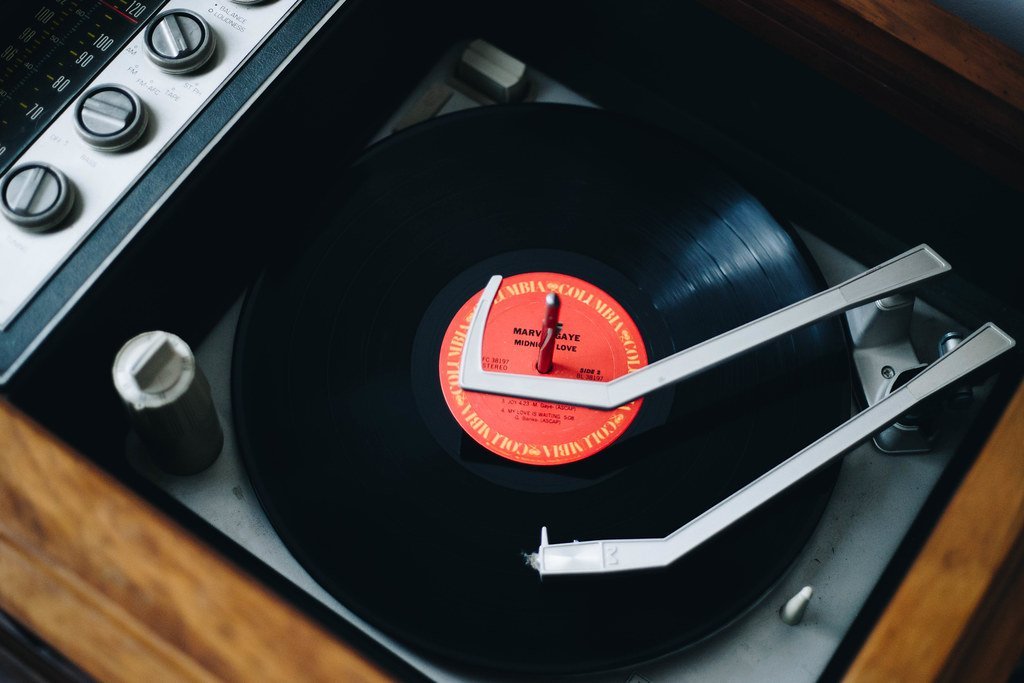
Ashford and Simpson wrote this Motown gem for the duo. Backed by the Funk Brothers, it reached number three on R&B charts. The Grammy Hall of Fame inducted it in 1999.[2]
Terrell’s illness cut their run short, but the song endured. Diana Ross later soloed it to her first number one. It defined Motown’s duet formula.
Gaye’s tenderness met Terrell’s fire perfectly. Soul rarely felt so urgent and devoted.
“I Got You Babe” by Sonny and Cher (1965)
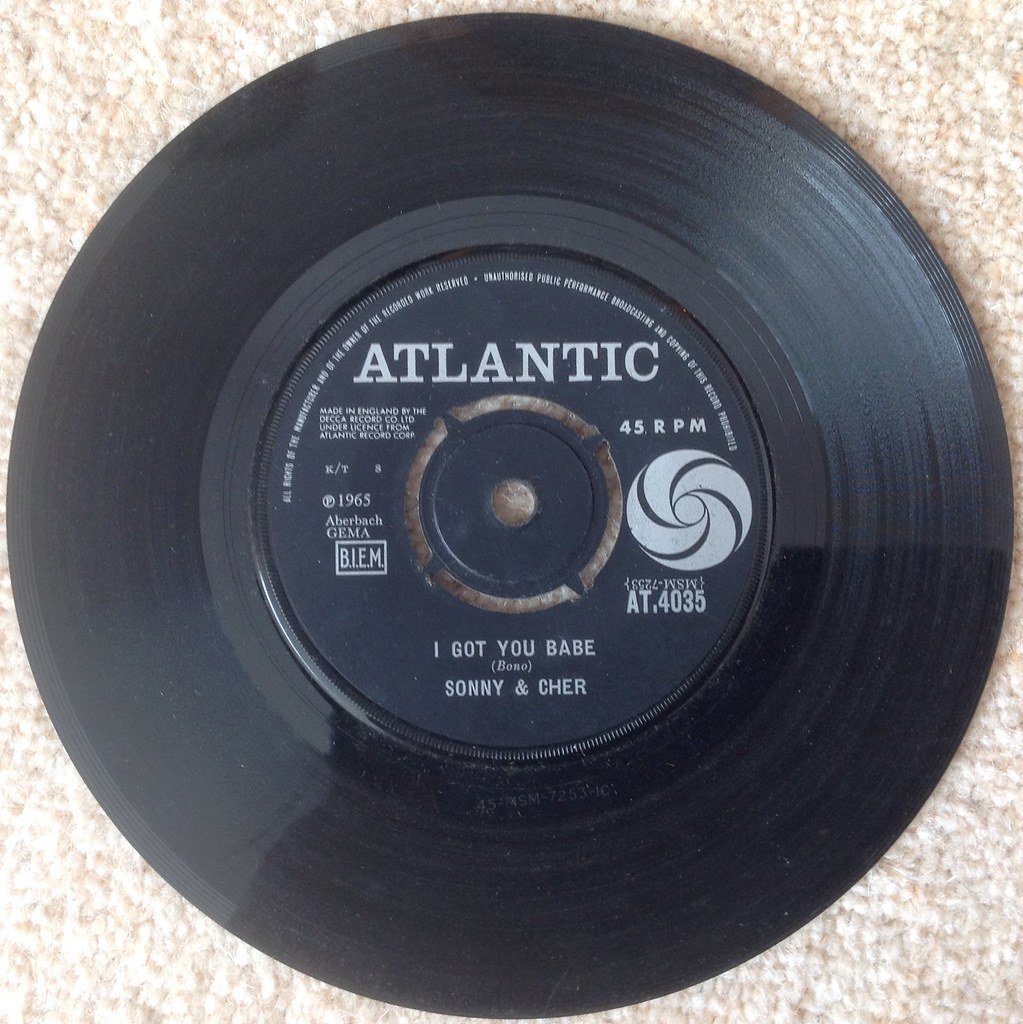
Sonny Bono responded to Bob Dylan with this folk-pop hit. The husband-wife duo traded lines in perfect sync. Three weeks at number one defined their career.[1]
It captured the hippie era’s free love vibe. Films like Groundhog Day revived it. Cher continued virtual duets on tour.
Their TV fame followed the single’s buzz. Pop embraced counterculture through their charm.
“You’ve Lost That Lovin’ Feelin'” by The Righteous Brothers (1964)
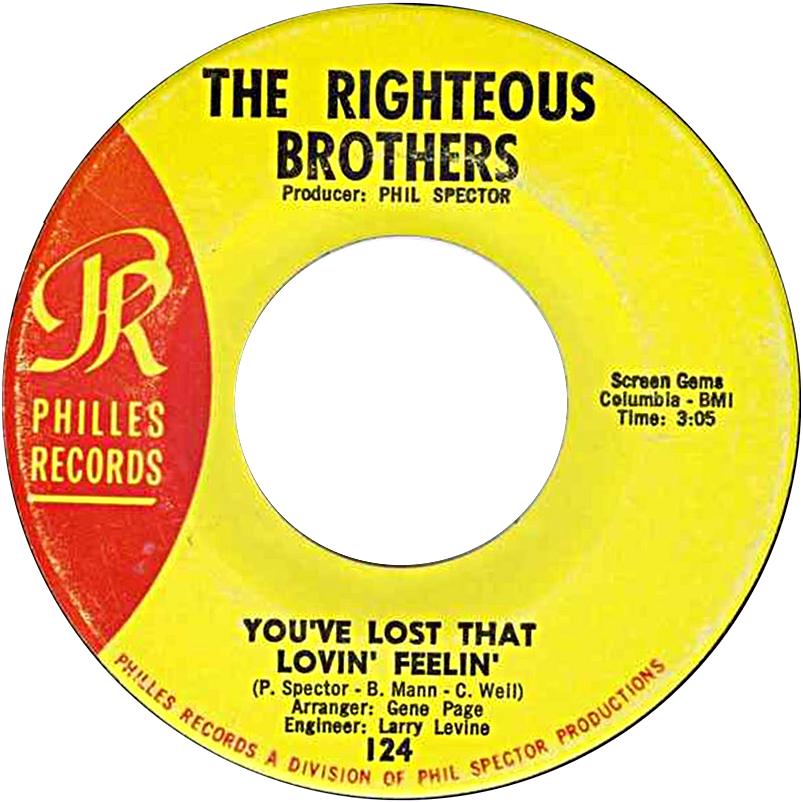
Phil Spector’s Wall of Sound enveloped Bill Medley and Bobby Hatfield’s vocals. It became the duo’s signature number one smash. Thrilling interplay set it apart.[3]
The production technique influenced generations of records. Covers abound, but none matched the original drama. Blue-eyed soul gained legitimacy.
Medley’s baritone anchored Hatfield’s highs. Heartbreak never sounded so grand.
“Up Where We Belong” by Joe Cocker and Jennifer Warnes (1982)
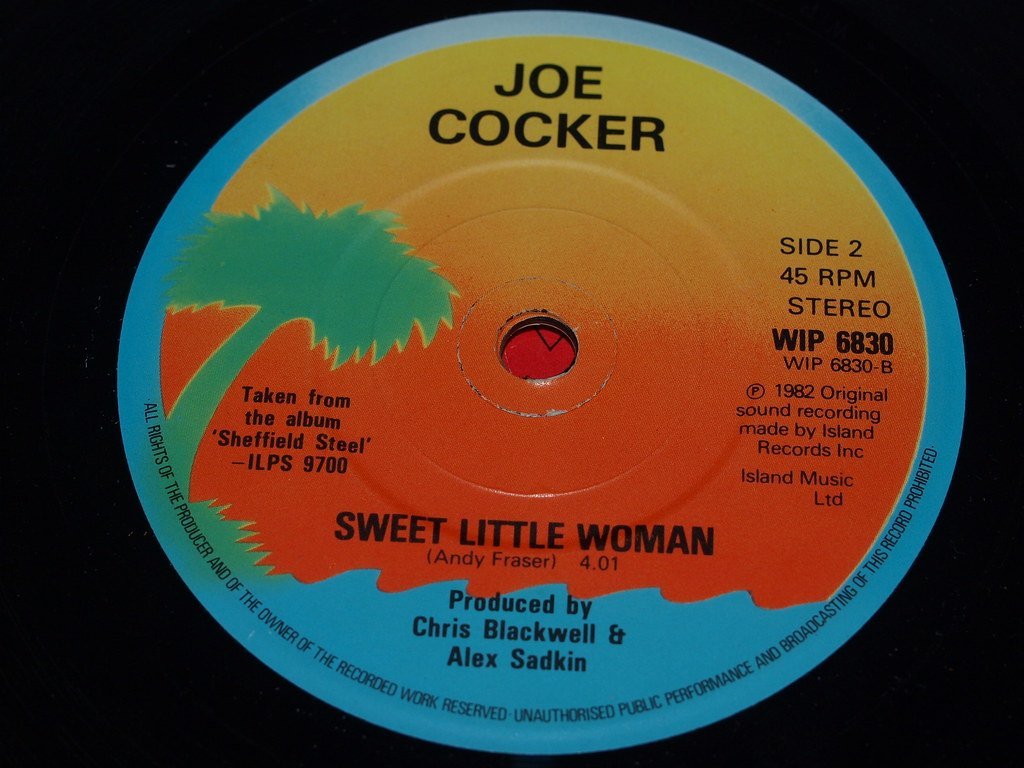
From An Officer and a Gentleman, this ballad won the Oscar for Best Original Song. Three weeks at number one followed. It blended gravelly soul with clear purity.[1]
The film cemented its romance anthem status. Grammy and Golden Globe nods affirmed its power. Soundtrack duets hit new peaks.
Cocker’s rasp met Warnes’ lift seamlessly. Inspiration soared beyond the screen.
“The Boy Is Mine” by Brandy and Monica (1998)
Rivalry rumors fueled this R&B drama. Thirteen weeks at number one tied a record. Teen stars traded verses over a shared crush.[1]
It dominated 1998 sales and won Grammys. The format influenced future feuds in song. Girl power took a territorial turn.
Brandy and Monica proved tension sells. Hip-hop soul evolved through their spat.
“Ebony and Ivory” by Paul McCartney and Stevie Wonder (1982)
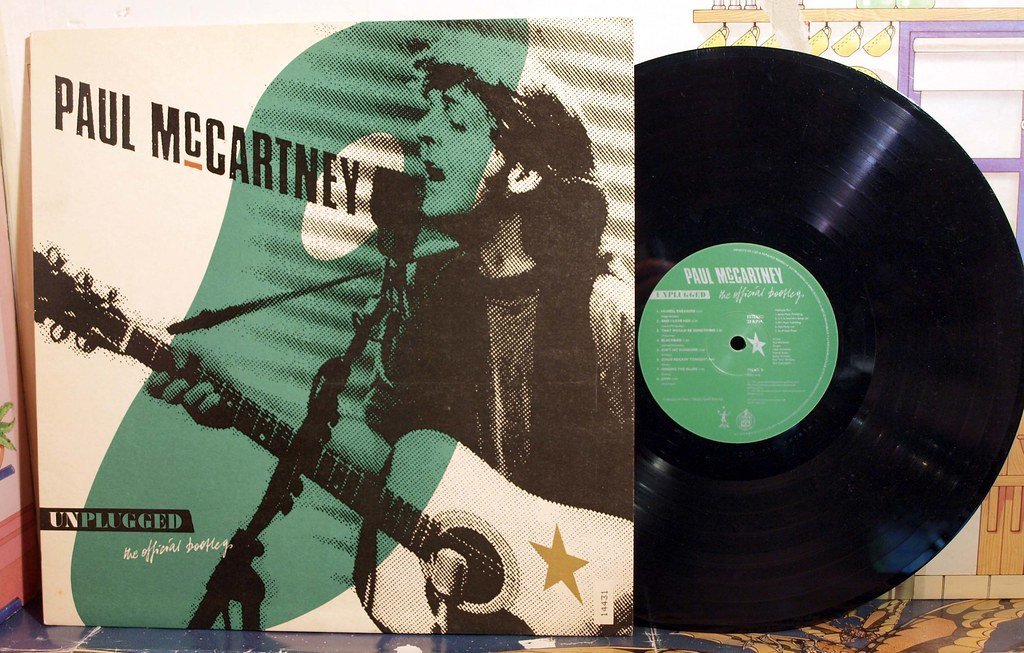
Lyrics preached racial harmony on piano keys. Seven weeks at number one for both solo careers. The message resonated amid 80s tensions.[1]
McCartney and Wonder’s keys intertwined like their voices. Pop addressed social issues directly. Unity anthems gained traction.
Filmed at the piano, it visualized coexistence. Optimism rang true for many.
“Shallow” by Lady Gaga and Bradley Cooper (2018)
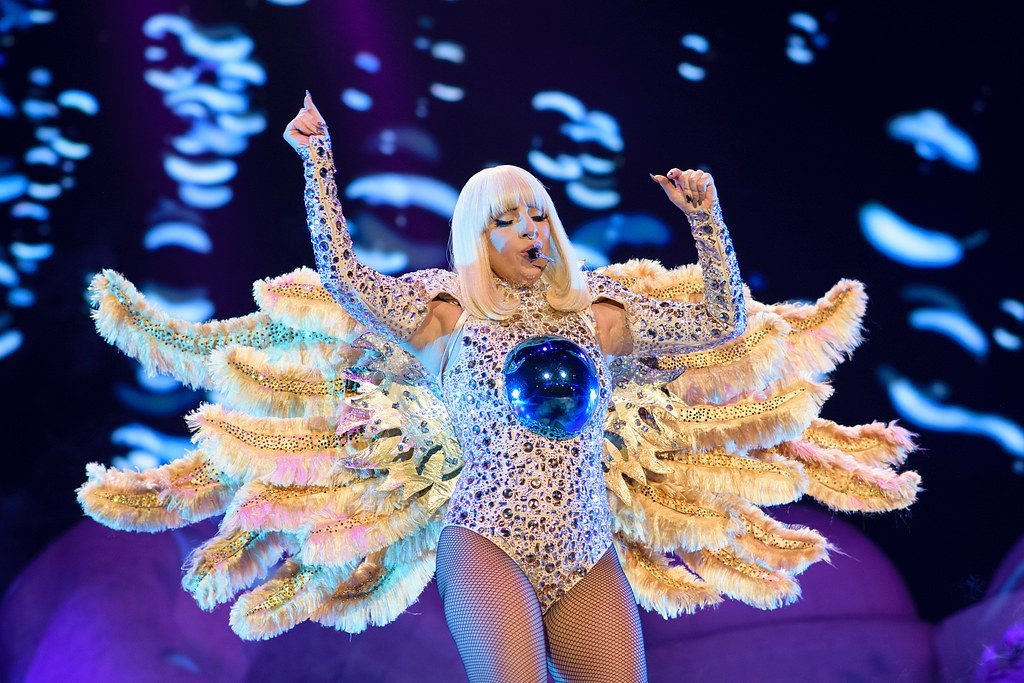
A Star Is Born soundtrack birthed this raw plea. Gaga and Cooper’s chemistry won the Oscar. Four Grammys followed, including Best Pop Duo.[2]
The build from whisper to wail captivated. Covers by country stars expanded reach. Film duets reclaimed relevance.
Cooper’s grit surprised alongside Gaga’s belts. Vulnerability hooked a new generation.
“Empire State of Mind” by Jay-Z and Alicia Keys (2009)

New York anthem captured urban hustle. Five weeks at number one closed the 2000s. Keys’ piano riff became instant classic.[3]
Two Grammys for rap categories celebrated hip-hop pop fusion. Glee covers spread it further. City pride found global voice.
Jay-Z’s bars met Keys’ chorus perfectly. Rap crossed fully into mainstream anthems.
The Enduring Magic of Duets
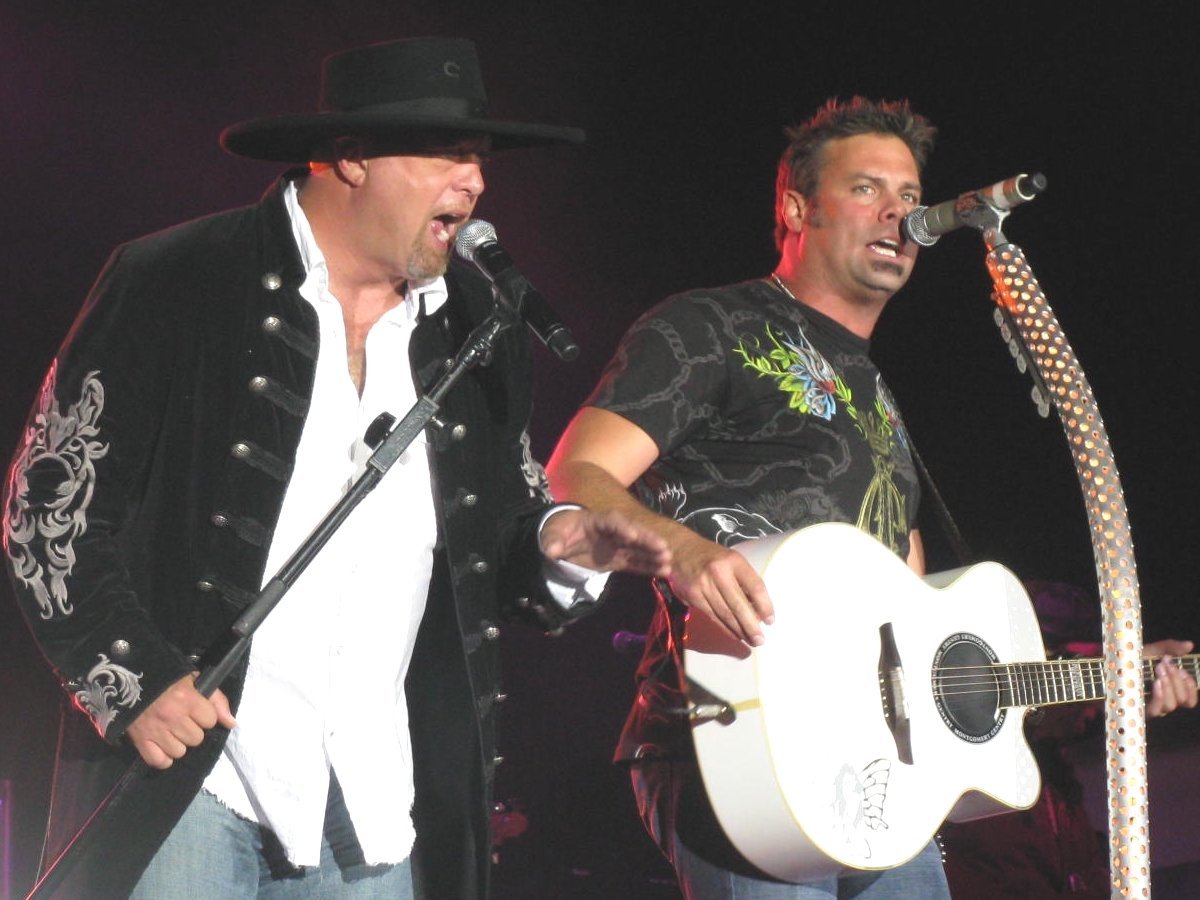
These pairings remind us how voices entwine to spark change. They toppled charts, won awards, and shifted sounds across decades. Collaboration keeps music evolving.
From soul to hip-hop, duets prove synergy trumps solo shine. Their echoes linger in today’s tracks. True icons blend and endure.

Besides founding Festivaltopia, Luca is the co founder of trib, an art and fashion collectiv you find on several regional events and online. Also he is part of the management board at HORiZONTE, a group travel provider in Germany.
