

- 8 Gardening Hacks That Will Make Your Roses Bloom Like Never Before - August 11, 2026
- 8 Incredible Beaches Around the World You Won’t Believe Are Real - August 11, 2026
- 10 Classical Music Masterpieces That Will Transport You Through Time - August 11, 2026
Television comedy in the 1980s and 1990s captured the pulse of changing times. The 80s brought feel-good family stories amid economic recovery and conservative values, often centering on relatable households or tight-knit groups. Shows emphasized warmth and moral lessons, reflecting a desire for stability after turbulent decades.
By the 90s, humor grew sharper with irony, diversity, and everyday absurdities. This shift mirrored grunge culture, rising multiculturalism, and a move toward self-aware laughs. These programs not only entertained but shaped how generations viewed relationships and social norms.[1][2]
Cheers (1982-1993)
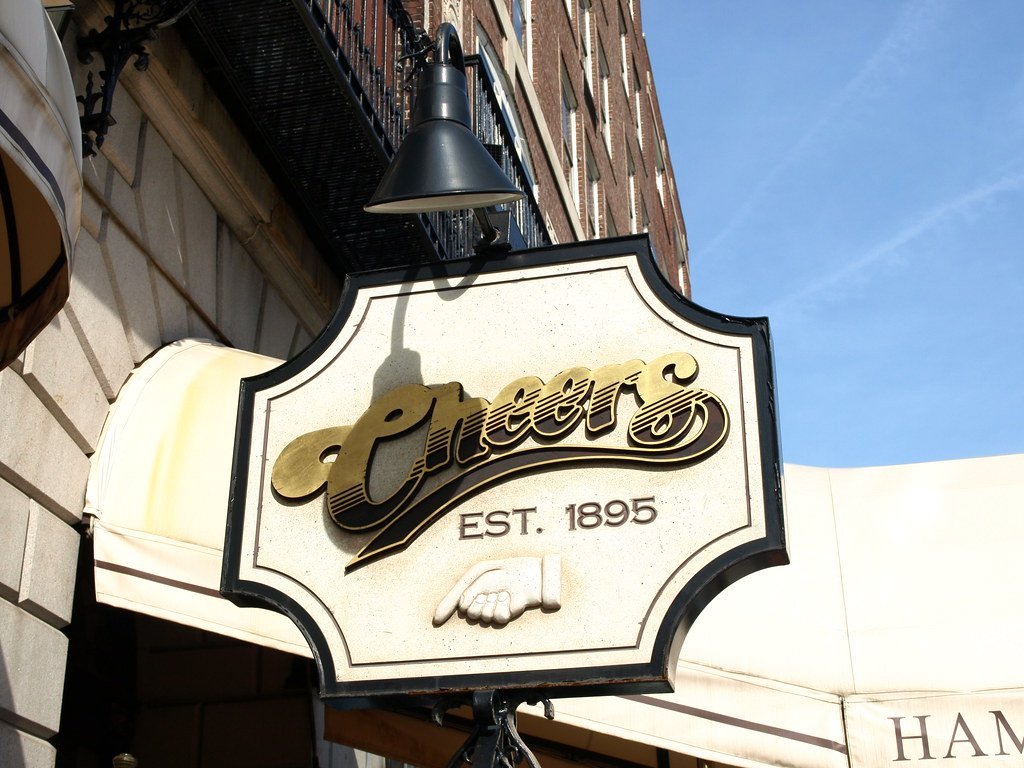
Cheers aired from 1982 to 1993 on NBC. Its humor relied on quick-witted banter among bar patrons and staff, turning a Boston tavern into a second home. Ensemble dynamics drove the laughs, with characters like Sam Malone and Norm Peterson delivering timeless one-liners.[1]
The show normalized the bar as a family substitute, influencing workplace comedies for years. It tackled friendships and romance with charm, peaking as a top-rated series. Cheers set standards for character-driven stories that felt genuine and enduring.[3]
The Golden Girls (1985-1992)
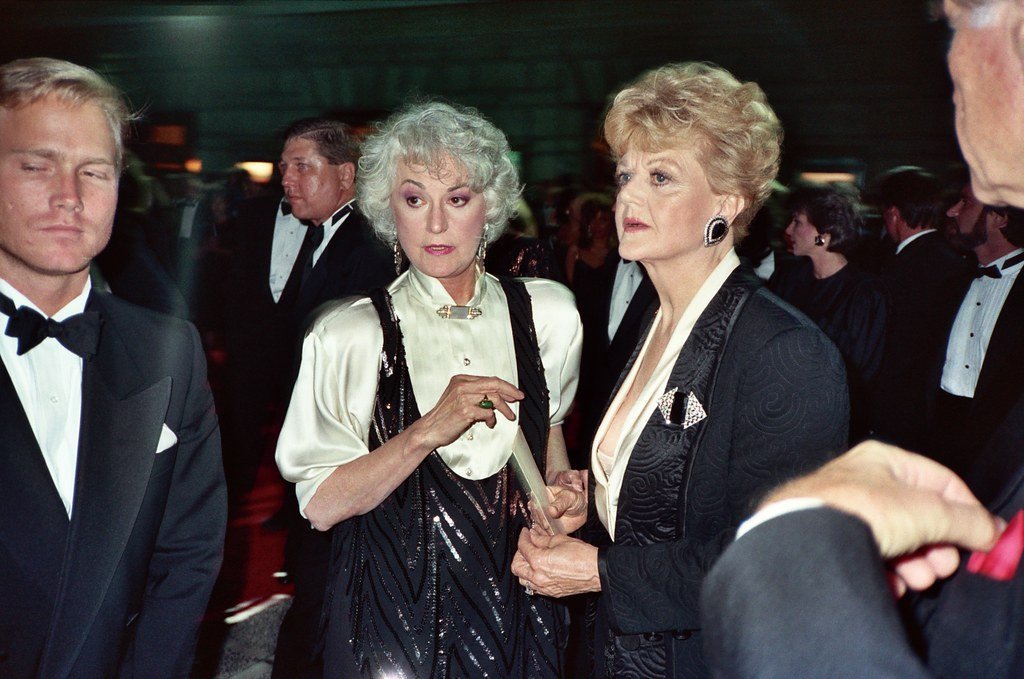
The Golden Girls ran from 1985 to 1992. Humor stemmed from four elderly women’s bold, unfiltered takes on life in Miami, blending slapstick with sharp observations. Dorothy’s sarcasm, Blanche’s flirtations, Rose’s naivety, and Sophia’s wisecracks created perfect contrasts.[1]
It broke ground by portraying seniors as vibrant and sexual, challenging age stereotypes. The series boosted visibility for older women in comedy, spawning spin-offs and syndication success. Its frank discussions on aging and friendship resonated across demographics.[4]
Family Ties (1982-1989)
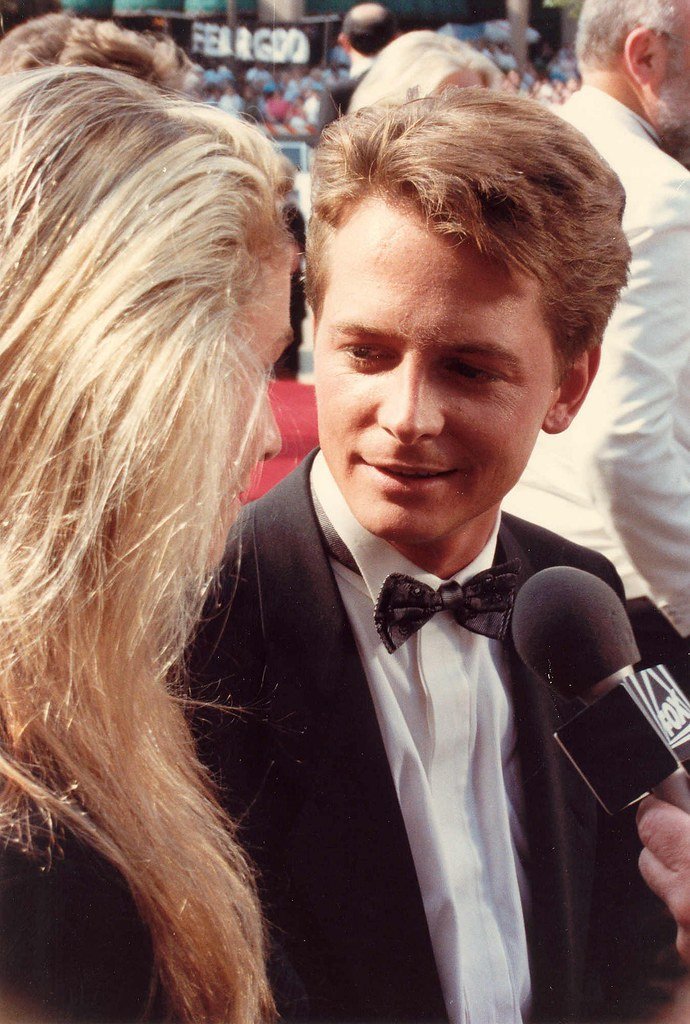
Family Ties aired from 1982 to 1989. The Keaton family’s generational clashes fueled its style, pitting hippie parents against young conservative Alex P. Keaton. Light-hearted debates mixed with heartfelt moments defined the laughs.
This show captured 80s Reagan-era divides, making politics accessible through family lenses. It humanized ideological differences, influencing hybrid family sitcoms. Michael J. Fox’s star turn amplified its cultural footprint.[5]
Full House (1987-1995)
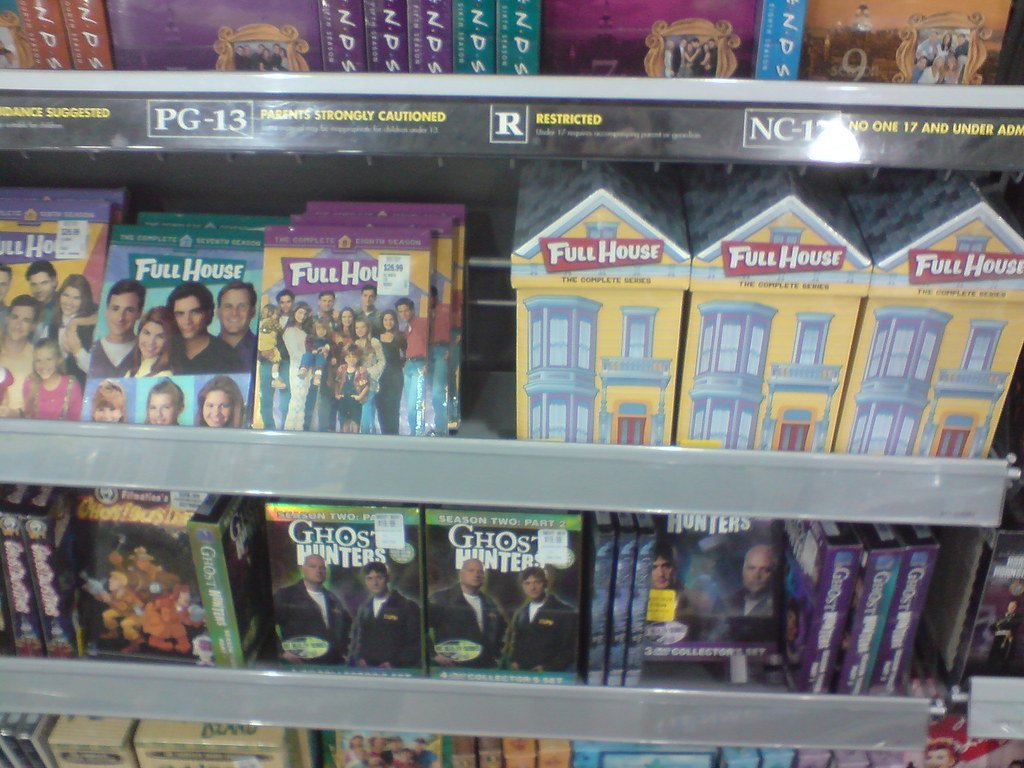
Full House spanned 1987 to 1995. Its wholesome, hug-filled humor revolved around three men raising three girls after a tragedy. Sentimental gags and life lessons wrapped in tidy resolutions appealed to broad audiences.[1]
The Tanner home became a symbol of extended family support, mirroring blended households. It dominated syndication, shaping feel-good TV tropes still seen today. Emotional depth alongside comedy made it a staple for kids and parents alike.[6]
Roseanne (1988-1997)

Roseanne ran from 1988 to 1997. Blue-collar realism powered its humor, with the Conners’ sarcastic takes on working-class struggles. Domestic chaos and social commentary delivered raw, relatable laughs.[2]
It portrayed imperfect families honestly, shifting sitcoms toward grit over gloss. Tackling jobs, money woes, and politics, it spoke to everyday Americans. The show’s revival underscored its lasting relevance in depicting economic realities.[3]
Seinfeld (1989-1998)
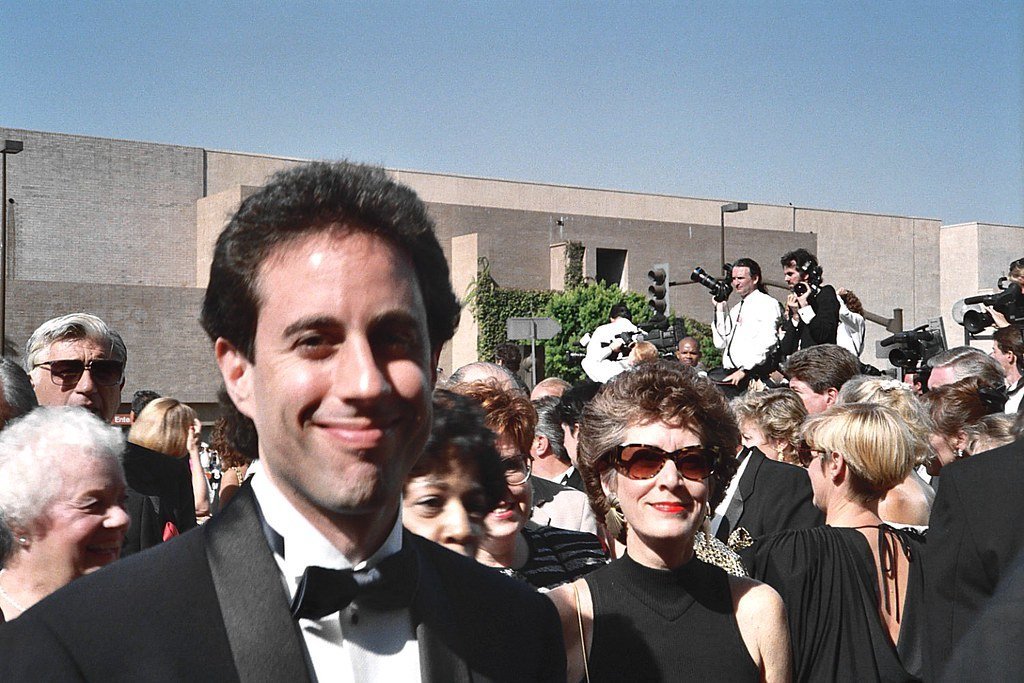
Seinfeld aired from 1989 to 1998. Known as the “show about nothing,” it thrived on observational humor from petty annoyances and social faux pas. Jerry, George, Elaine, and Kramer’s misadventures turned mundane into hilarious.[7]
This redefined sitcoms by ditching traditional plots for slice-of-life absurdity. Catchphrases and schemes permeated pop culture, influencing ironic comedy waves. Its syndication success proved everyday quirks universal.[3]
The Fresh Prince of Bel-Air (1990-1996)
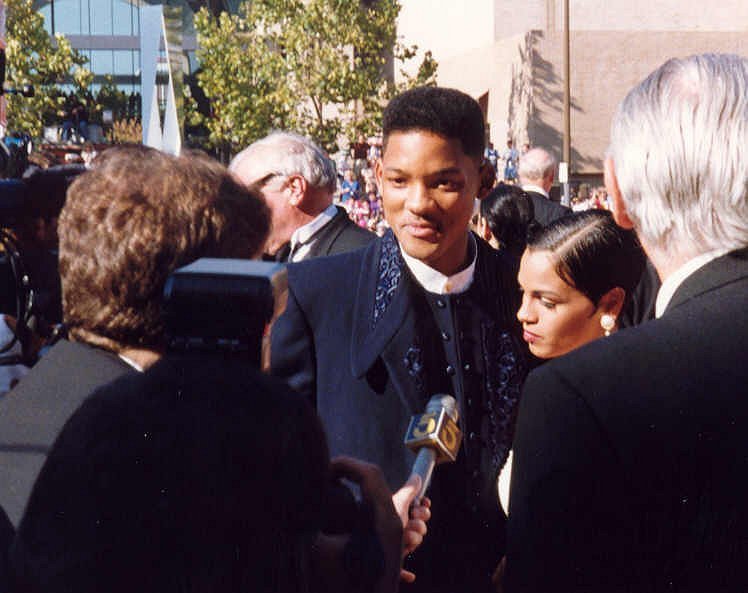
The Fresh Prince of Bel-Air ran from 1990 to 1996. Will Smith’s street-smart fish-out-of-water antics clashed with Philly wealth, blending rap-infused energy and family warmth. Physical comedy met clever wordplay.[6]
It bridged urban and suburban worlds, boosting Black representation positively. Themes of adaptation and kinship resonated widely. Will’s charisma launched a career and shaped multicultural TV humor.[8]
Home Improvement (1991-1999)

Home Improvement aired from 1991 to 1999. Tim Taylor’s macho mishaps on Tool Time, paired with family life, drove slapstick and dad-joke humor. Grunts and gadget fails became signatures.
The show celebrated 90s suburban masculinity while poking fun at it. It highlighted father-son bonds amid chaos, topping ratings charts. Tim Allen’s persona defined everyman comedy for the era.[9]
Frasier (1993-2004)
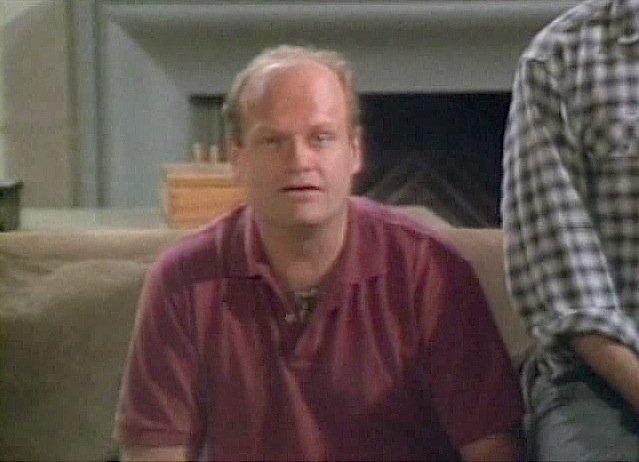
Frasier spanned 1993 to 2004. Sophisticated wordplay and sibling rivalry highlighted psychiatrist Frasier Crane’s Seattle life. Highbrow references mixed with physical gags for broad appeal.[3]
As a Cheers spin-off, it sustained classy ensemble humor into the 90s. Radio show segments added meta layers to the laughs. Multiple Emmys affirmed its polish and character depth.[8]
Friends (1994-2004)
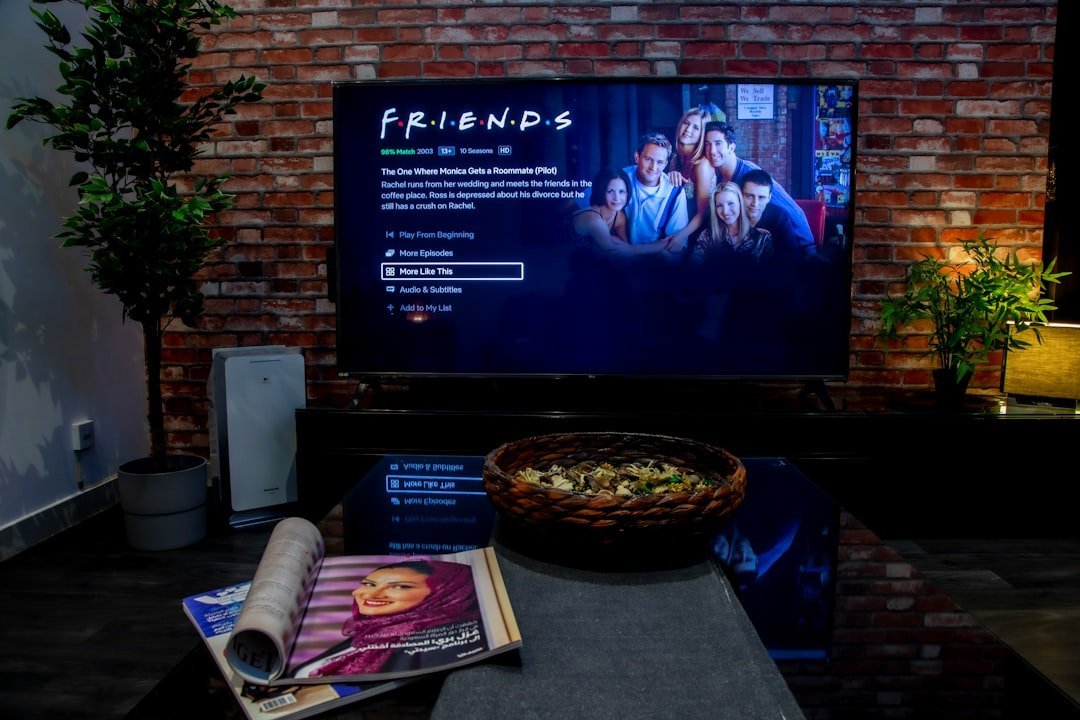
Friends aired from 1994 to 2004. Apartment-dwelling twentysomethings’ quirky bonds fueled relationship-driven humor. Will-they-won’t-they tensions and group antics defined 90s laughs.[7]
It captured urban friendship as chosen family, exploding into global phenomenon. Central Perk and catchphrases entered lexicon. The show’s format influenced ensemble casts in modern sitcoms.[8]
Why These Shows Still Influence Comedy Today
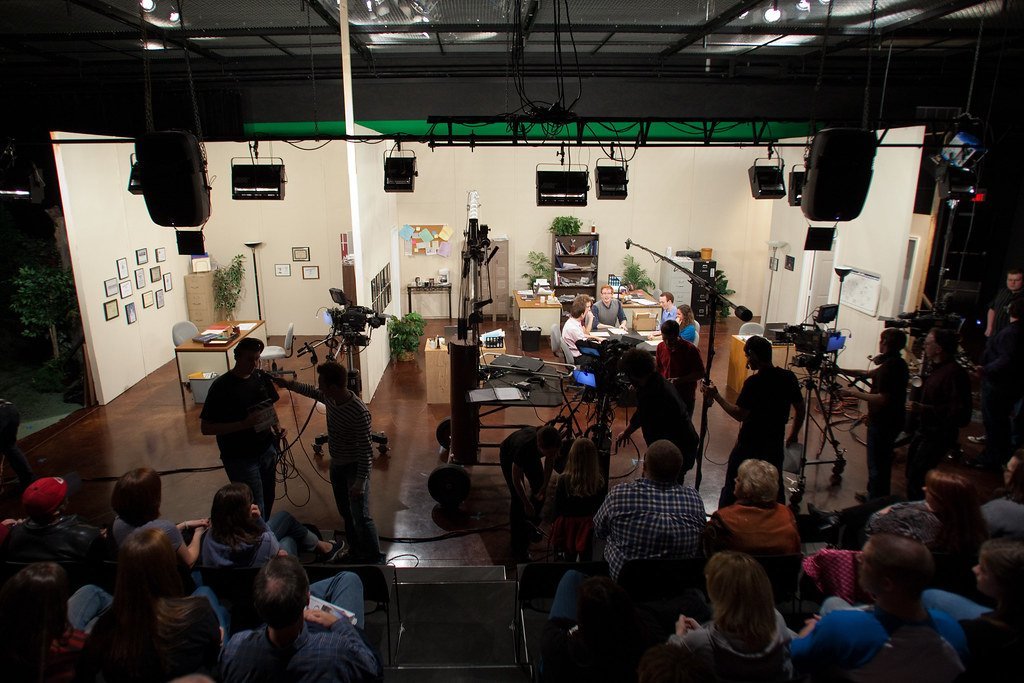
These series laid blueprints for humor that persists in streaming hits. Archetypes like the wise-cracking barfly or ironic friend group echo everywhere. Their balance of heart and hilarity keeps reruns fresh for new viewers.
Cultural shifts they mirrored, from family focus to social satire, inform current creators. Syndication and reboots prove enduring appeal. In a fragmented TV world, their communal laughs remind us of comedy’s unifying power.

Besides founding Festivaltopia, Luca is the co founder of trib, an art and fashion collectiv you find on several regional events and online. Also he is part of the management board at HORiZONTE, a group travel provider in Germany.
