

- 10 Legendary Summer Anthems That Defined a Generation of Festival-Goers - August 31, 2026
- True Art Transcends Generations, Speaking to Every Soul That Encounters It. - August 31, 2026
- 10 Fashion Trends From the Past That Deserve a Dramatic Comeback - August 31, 2026
Music festivals trace their roots back thousands of years. In ancient Greece around 582 BC, the Pythian Games at Delphi featured competitions in music, poetry, and athletics to honor Apollo, blending performance with celebration.[1][2]
Medieval gatherings often included music and dance during fairs and religious events. By the 18th century, festivals like England’s Three Choirs Festival emerged, focusing on classical works and choral music.[3] These early forms laid groundwork for communal experiences centered on sound.
The 1950s: Jazz and Folk Take Center Stage
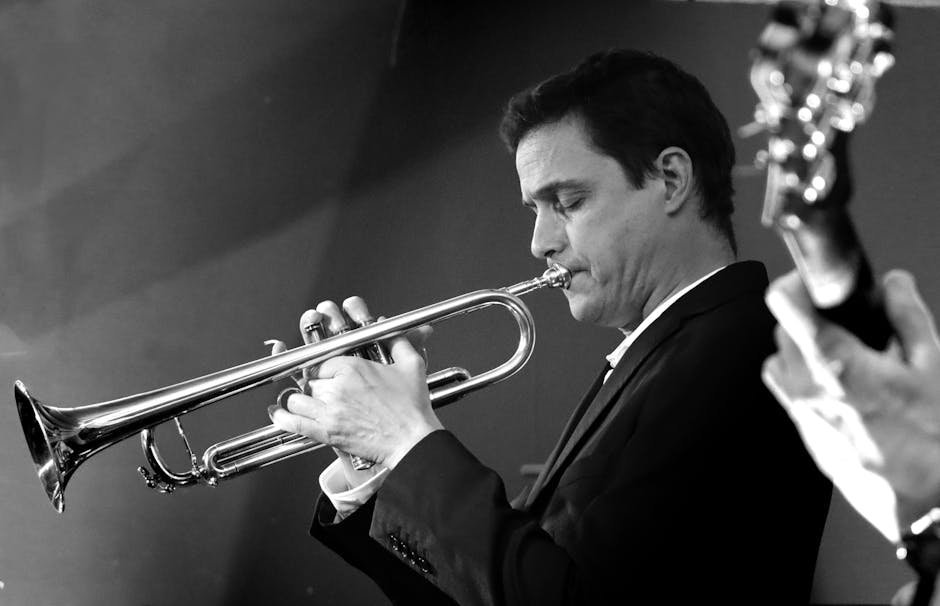
The mid-20th century saw music festivals shift toward popular genres. The Newport Jazz Festival launched in 1954, drawing crowds to Rhode Island for performances blending blues, country, and emerging jazz acts.[4][1] It marked a move from elite classical events to broader audiences.
The Newport Folk Festival followed in 1959, highlighting acoustic traditions and social themes. These gatherings introduced a cultural pivot, emphasizing live music as a platform for community and artistic expression amid post-war optimism. Attendance grew steadily, setting patterns for future mass events.
The 1960s: Rock Ignites the Counterculture
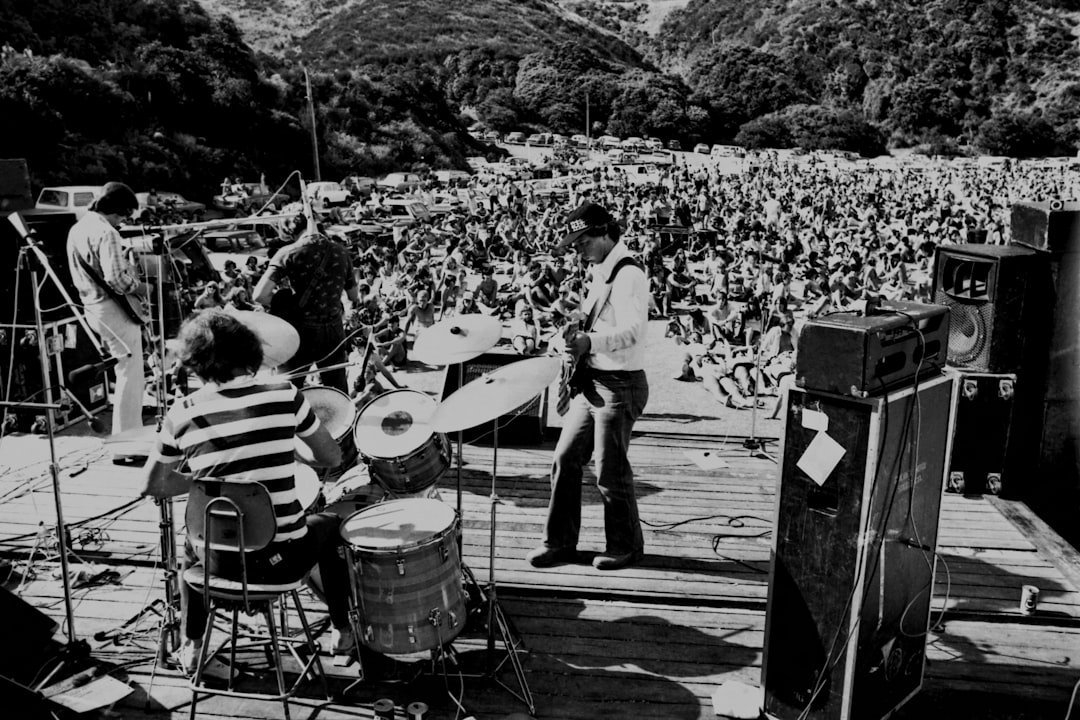
Rock music exploded onto the festival scene in the late 1960s. The Monterey Pop Festival in 1967 became America’s first major rock event, showcasing Jimi Hendrix, Janis Joplin, and The Who to electrified crowds.[5][1]
This era introduced a profound cultural shift toward youth rebellion and free expression. Festivals evolved from structured performances to immersive escapes, fostering peace, love, and anti-establishment vibes. By decade’s end, they symbolized generational change.
The Late 1960s Boom: Woodstock’s Lasting Legacy
Woodstock in 1969 near Bethel, New York, drew nearly 500,000 people despite logistical chaos. Rain-soaked fields turned into a symbol of unity, with sets from Hendrix, The Who, and others defining the hippie ethos.[2]
The event spurred a cultural revolution, blending music with activism against the Vietnam War. It transformed festivals into temporary utopias, influencing global perceptions of communal living. Woodstock’s mud and music became etched in collective memory.
Glastonbury kicked off in 1970 in England, starting small with folk and rock acts amid free milk from the farm.[3] This bridged continents, exporting the vibe.
The 1970s: Global Expansion and Genre Diversification
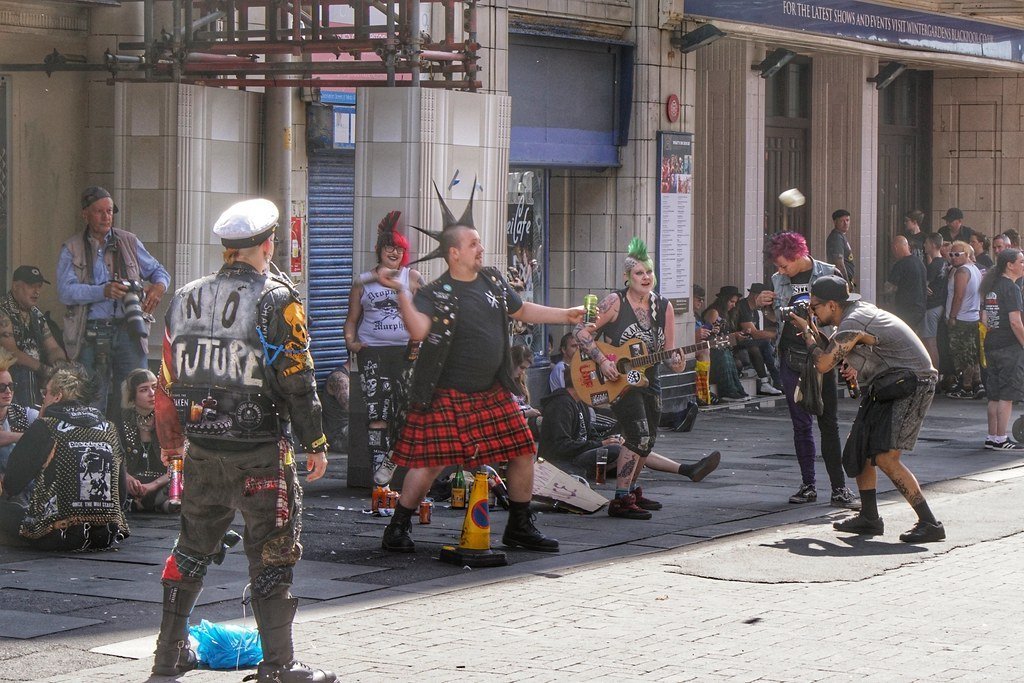
Festivals proliferated worldwide in the 1970s. Glastonbury grew from its hippie roots, while events like California’s Jam in 1974 packed stadiums with hard rock giants.
Cultural shifts leaned into experimentation, with progressive rock and early punk testing boundaries. These gatherings reflected economic booms and social fragmentation, offering solace through shared sounds. Attendance swelled, professionalizing the scene.
The 1980s: Resilience Amid Challenges
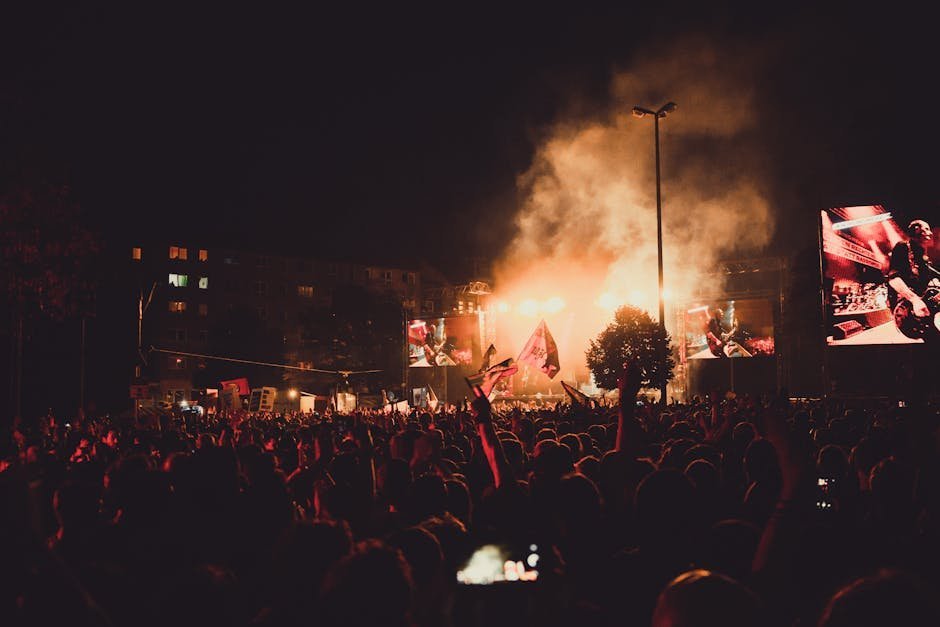
The 1980s faced economic hurdles, yet spectacles endured. Live Aid in 1985 linked global audiences via TV for famine relief, featuring stars like Queen and U2.[6]
Underground electronic scenes brewed in Berlin’s abandoned spaces post-Wall fall precursors. Festivals introduced charity and tech, shifting from pure hedonism to purpose-driven events. Drug culture peaked, but so did community bonds.
The 1990s: Alternative Waves and Raves
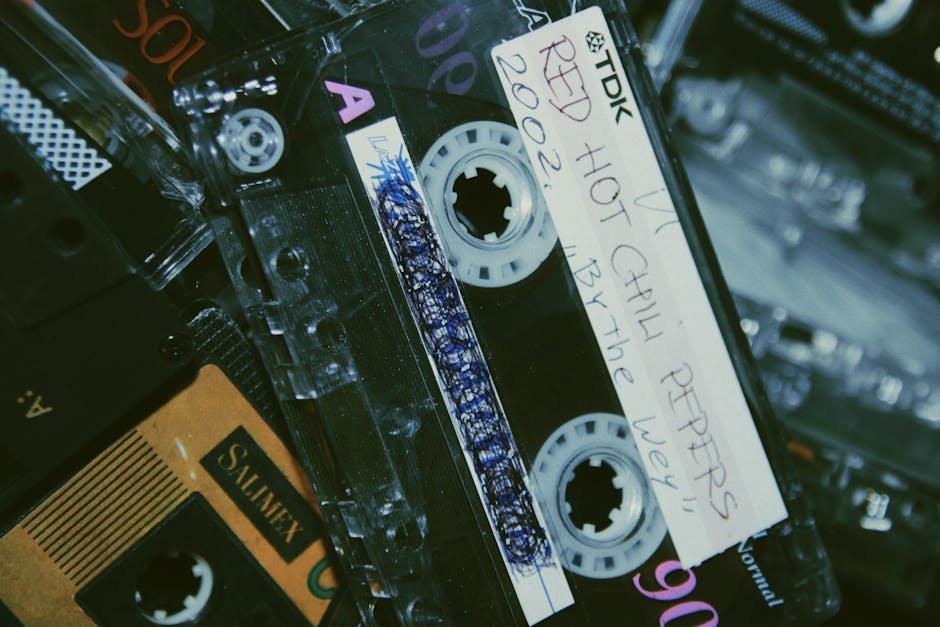
Lollapalooza debuted in 1991, touring alternative rock like Nirvana and Pearl Jam. It captured grunge’s raw energy and youth angst.[7]
Rave culture surged with electronic beats in warehouses and fields. This decade marked commercialization’s rise, blending rebellion with marketing. Festivals became lifestyle statements, diversifying genres and crowds.
The 2000s and 2010s: Megafests and Digital Fusion
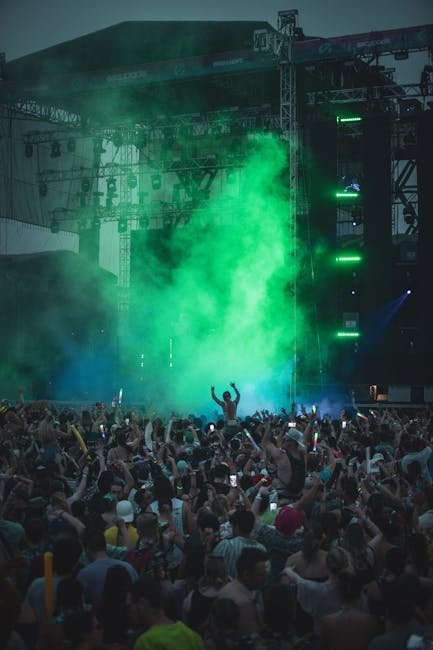
Coachella started in 1999, evolving into a desert icon by the 2000s with multi-genre lineups. Bonnaroo in 2002 and EDC emphasized EDM’s euphoric pulses.[6]
The 2010s brought social media amplification and immersive tech. Sustainability concerns grew alongside massive scales like Tomorrowland. Cultural impact deepened, turning festivals into branded escapes with art and activism.
Festivals as Social Milestones
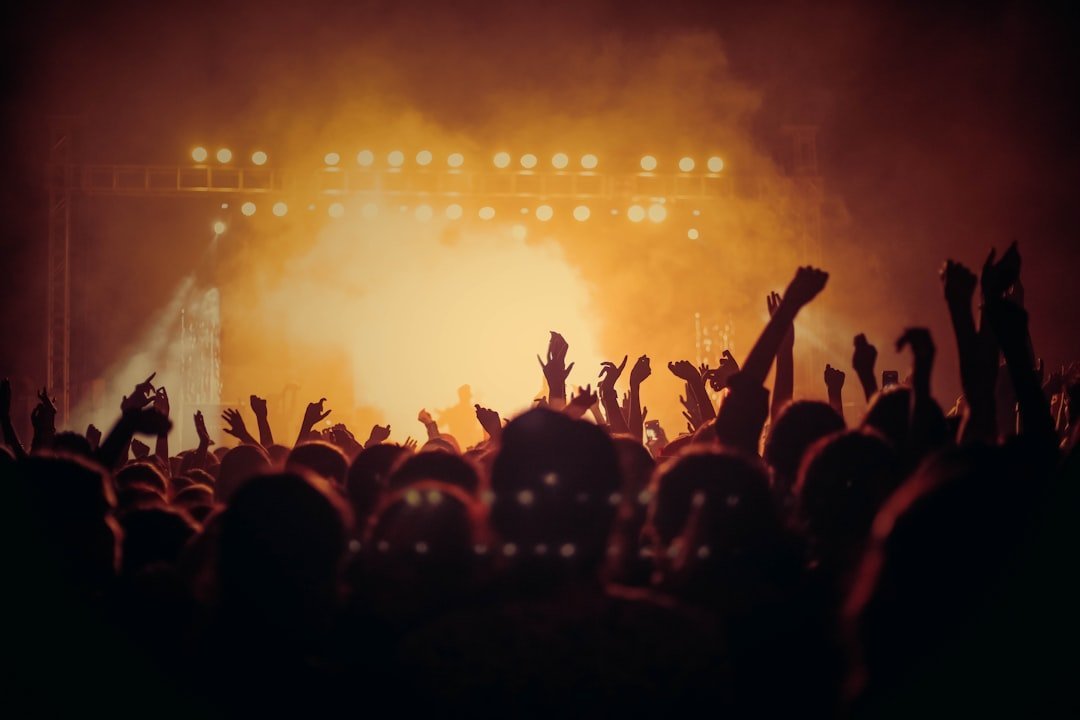
From Delphi’s hymns to Coachella’s lights, music festivals mirror societal pulses. They unite strangers, spark trends, and challenge norms across eras.[2]
Today, they stand as vital social anchors, fostering belonging in fragmented times. Their evolution underscores music’s timeless power to gather and transform.
CEO-Co-Founder
