


- 10 Legendary Summer Anthems That Defined a Generation of Festival-Goers - August 31, 2026
- True Art Transcends Generations, Speaking to Every Soul That Encounters It. - August 31, 2026
- 10 Fashion Trends From the Past That Deserve a Dramatic Comeback - August 31, 2026
Classic novels endure because they mirror the complexities of human experience. Over time, readers bring fresh perspectives shaped by cultural shifts, uncovering layers that earlier generations overlooked.
These evolving interpretations reveal hidden themes around identity, power, and otherness. Today, lenses like queer theory, postcolonialism, and trauma studies illuminate subtleties in works once seen through narrower views.
The Picture of Dorian Gray by Oscar Wilde
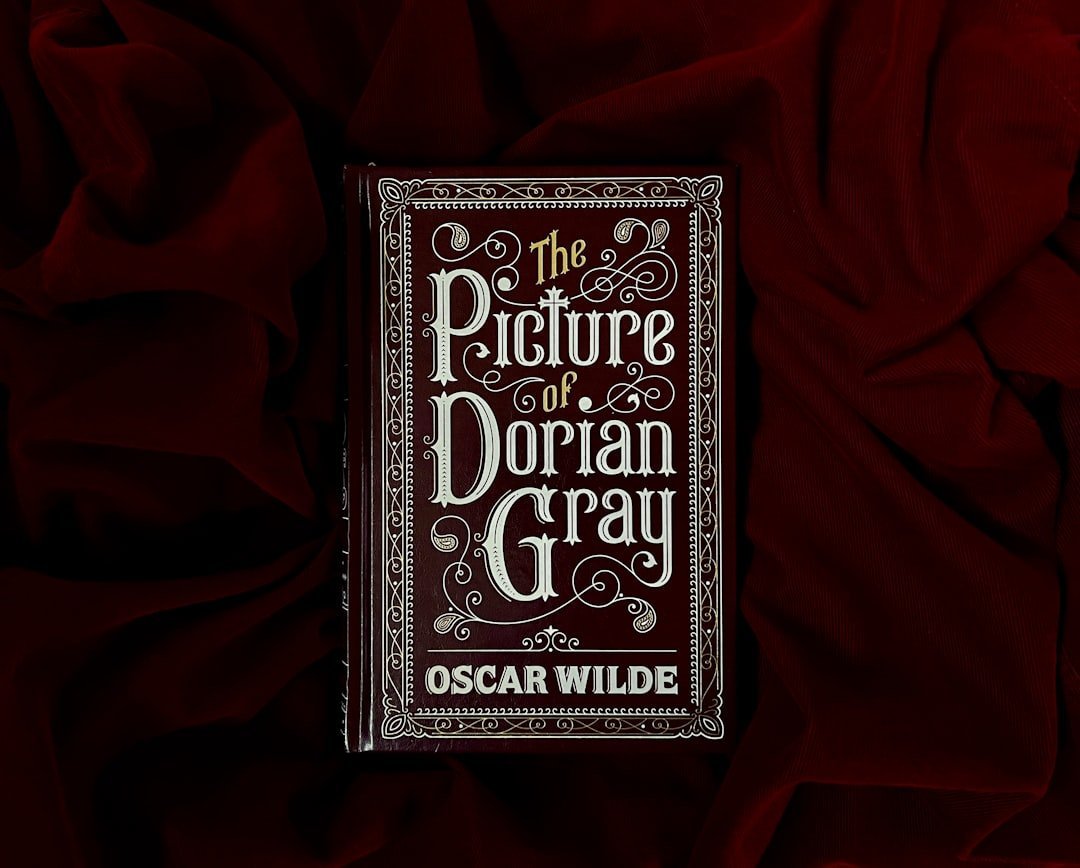
Oscar Wilde’s tale of eternal youth and moral decay pulses with homoerotic tension and coded explorations of desire.[1] Dorian’s hedonistic pursuits challenge Victorian repression, hinting at fluid attractions suppressed by societal norms. Modern readers spot these queer undercurrents more readily, viewing the novel as a defiant portrait of hidden identities.
In an era of greater LGBTQ+ visibility, the book’s scandalous edge resonates anew. It underscores ongoing struggles against judgment, making Wilde’s critique feel urgent even now.[2]
Orlando by Virginia Woolf
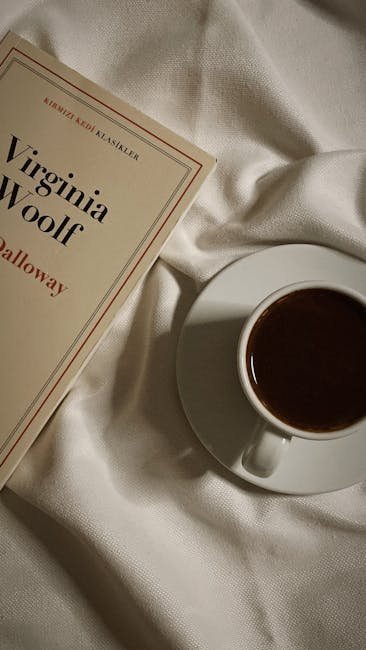
Virginia Woolf crafts a protagonist who shifts from man to woman across centuries, blending biography with fantasy. Inspired by her lover Vita Sackville-West, the story exposes gender as performative rather than fixed.[1] What read as whimsical adventure now reveals bold queer and feminist rebellion against rigid roles.
Contemporary audiences celebrate its fluidity, tying it to transgender narratives and identity debates. Orlando’s timeless journey highlights how literature anticipates cultural evolutions.[2]
Jane Eyre by Charlotte Brontë
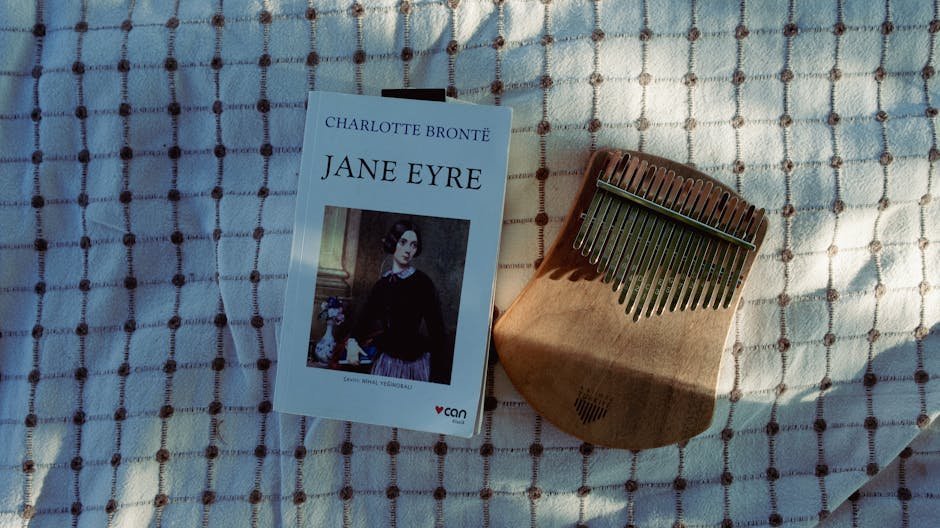
Bertha Mason, the “madwoman in the attic,” emerges as a symbol of colonial oppression in postcolonial readings. Locked away by Rochester, her Creole heritage marks her as the racialized Other, sacrificed for Jane’s British self-realization.[3] This layer critiques empire’s shadows lurking in domestic drama.
Today, it sparks discussions on race, madness, and power imbalances. Bertha’s plight mirrors global inequalities, urging reevaluation of Gothic tropes through justice-focused eyes.[4]
Scholars note how Brontë’s narrative doubles Jane and Bertha, complicating victimhood.
The Great Gatsby by F. Scott Fitzgerald
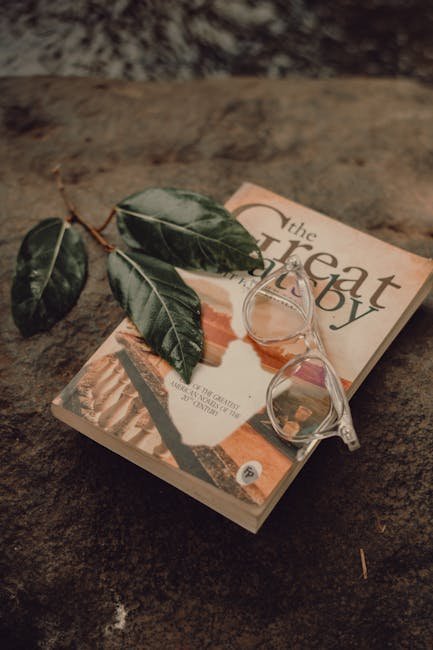
Nick Carraway’s narration brims with queer subtext, from his fixation on Gatsby to intimate male bonds amid Jazz Age excess. Once dismissed as romantic longing, these hints now signal unspoken desires in a heteronormative world.[5]
Modern readers connect this to broader LGBTQ+ invisibility in early 20th-century America. The novel’s glamour veils personal alienation, echoing today’s identity conversations.
Moby-Dick by Herman Melville
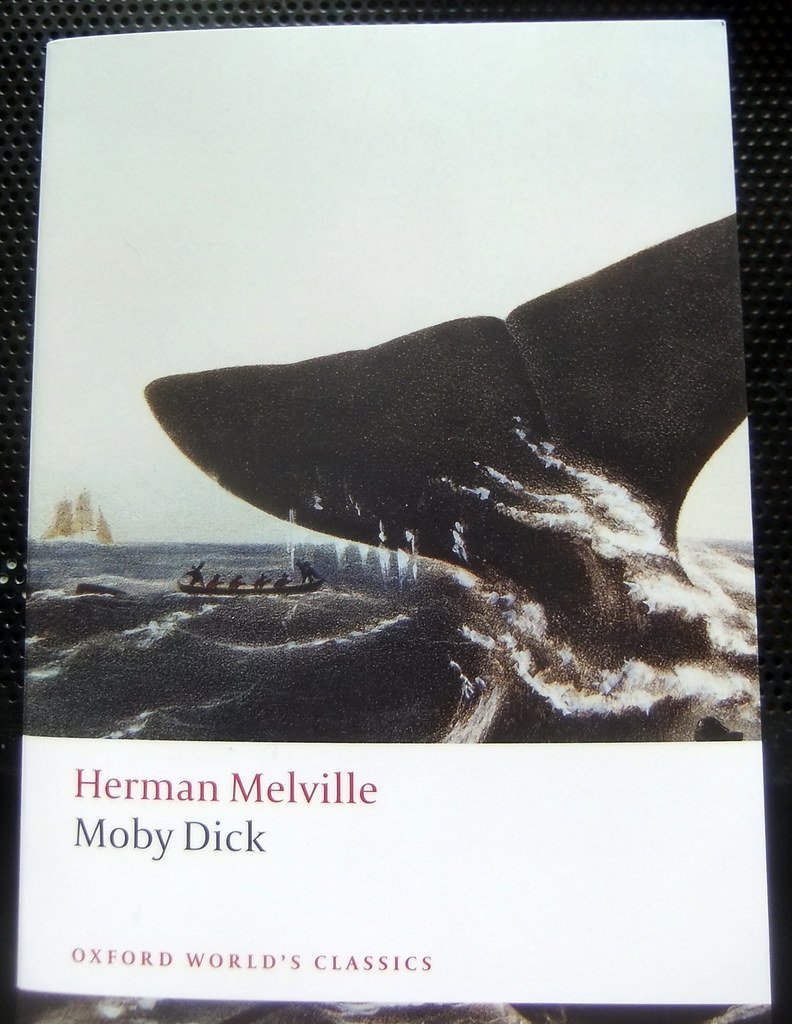
Ishmael and Queequeg’s intense companionship defies convention, blending racial and erotic intimacy on the whaling ship. Their “marriage” bed-sharing and tattoos speak to subversive bonds overlooked in adventure tales.[6] Melville’s epic now reads as queer exploration amid obsession.
In current times, it reflects interracial solidarity and non-normative love. The white whale pursuit parallels destructive pursuits of conformity.[7]
Wuthering Heights by Emily Brontë

Heathcliff and Catherine’s passion reveals cycles of abuse, cruelty, and revenge once romanticized as wild love. Modern views recast Heathcliff’s violence toward Isabella as domestic trauma, not passion.[8] Class and racial tensions amplify the toxicity.
Readers today grapple with its portrayal of narcissism and harm, linking to mental health awareness. The moors’ isolation underscores generational wounds still relevant in relationship dynamics.[9]
Changing Perspectives on Classics

These rediscoveries show classics as living texts, adapting to reader contexts. Scholarly tools peel back era-bound blinders, revealing universal struggles.
Such shifts enrich understanding without erasing origins. They remind us literature evolves with us, offering fresh insights into enduring human truths.
CEO-Co-Founder
