

- 10 Legendary Summer Anthems That Defined a Generation of Festival-Goers - August 31, 2026
- True Art Transcends Generations, Speaking to Every Soul That Encounters It. - August 31, 2026
- 10 Fashion Trends From the Past That Deserve a Dramatic Comeback - August 31, 2026
History brims with tales that unfold like blockbuster films, complete with dramatic rises, narrow escapes, and world-shaking turns. Real people stepped into roles of mystic advisor, pirate commander, or fossil-hunting pioneer, their paths twisting through betrayal and triumph.
These lives challenge the line between fact and fantasy. They draw us in with raw human grit and unexpected plot shifts that no novelist could fully dream up.[1]
Grigori Rasputin

A Siberian peasant born around 1869, Rasputin emerged in the late Russian Empire as a self-proclaimed mystic and faith healer. He gained the trust of Tsar Nicholas II’s family by easing the hemophiliac tsarevich Alexei’s suffering, which seemed almost miraculous at the time.[2][3]
His influence over Tsarina Alexandra sparked scandals through wild parties and rumored affairs with nobles. Nobles plotted his end in 1916, poisoning, shooting, and drowning him, yet rumors swirled he survived multiple attempts. Rasputin’s sway eroded the monarchy’s credibility, fueling discontent that hastened the 1917 Russian Revolution.[4]
Catherine the Great
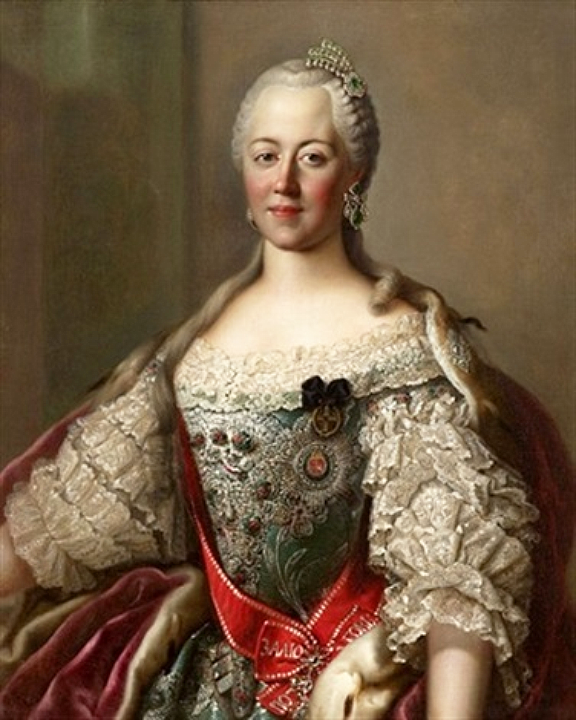
Born Sophie of Anhalt-Zerbst in 1729 in Prussia, she arrived in Russia as a teenager to wed the future Peter III. Unhappy in her arranged marriage, she orchestrated a coup in 1762, deposing her husband who died shortly after, seizing the throne at age 33.[5][6]
She ruled for 34 years, expanding Russia’s borders through wars and annexations, while fostering Enlightenment ideals in education and arts. Catherine modernized administration and corresponded with philosophers like Voltaire. Her reign marked Russia’s emergence as a major European power, blending autocracy with cultural flourishing.[7]
Ching Shih
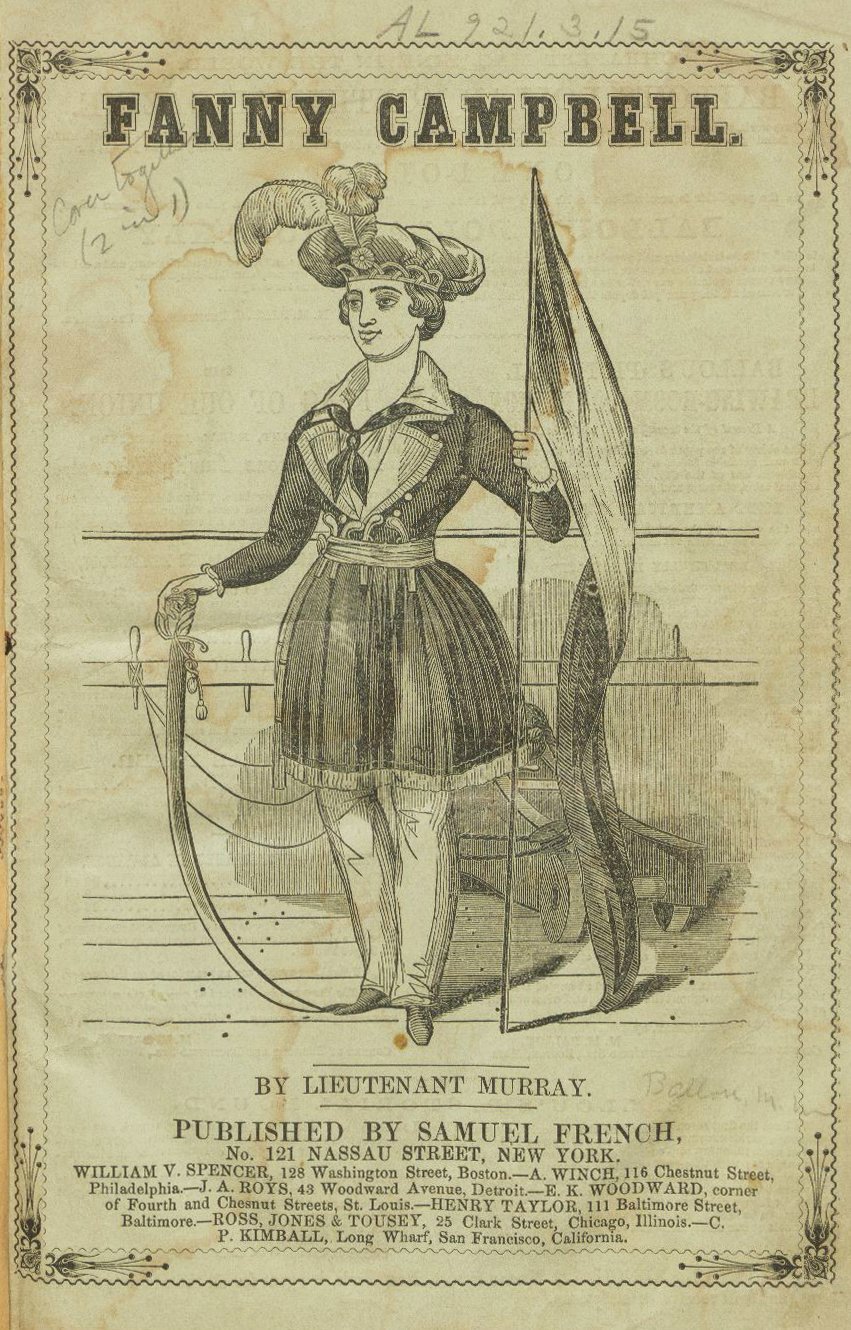
In late 18th-century Qing Dynasty China, Ching Shih started as a prostitute before marrying pirate Zheng Yi. After his death in 1807, she took command of his Red Flag Fleet, growing it to 1,800 ships and 40,000 to 60,000 pirates who terrorized the China Sea.[8]
She enforced strict codes, including rules on plunder sharing and treatment of captives, outmaneuvering the Chinese navy and British East India Company. In 1810, she negotiated amnesty from the Qing government, retiring wealthy to run a gambling house. Ching Shih shattered gender norms, proving one of history’s most successful pirate leaders.[8]
Her disciplined command turned a ragtag fleet into a formidable force that challenged empires.
Hugh Glass
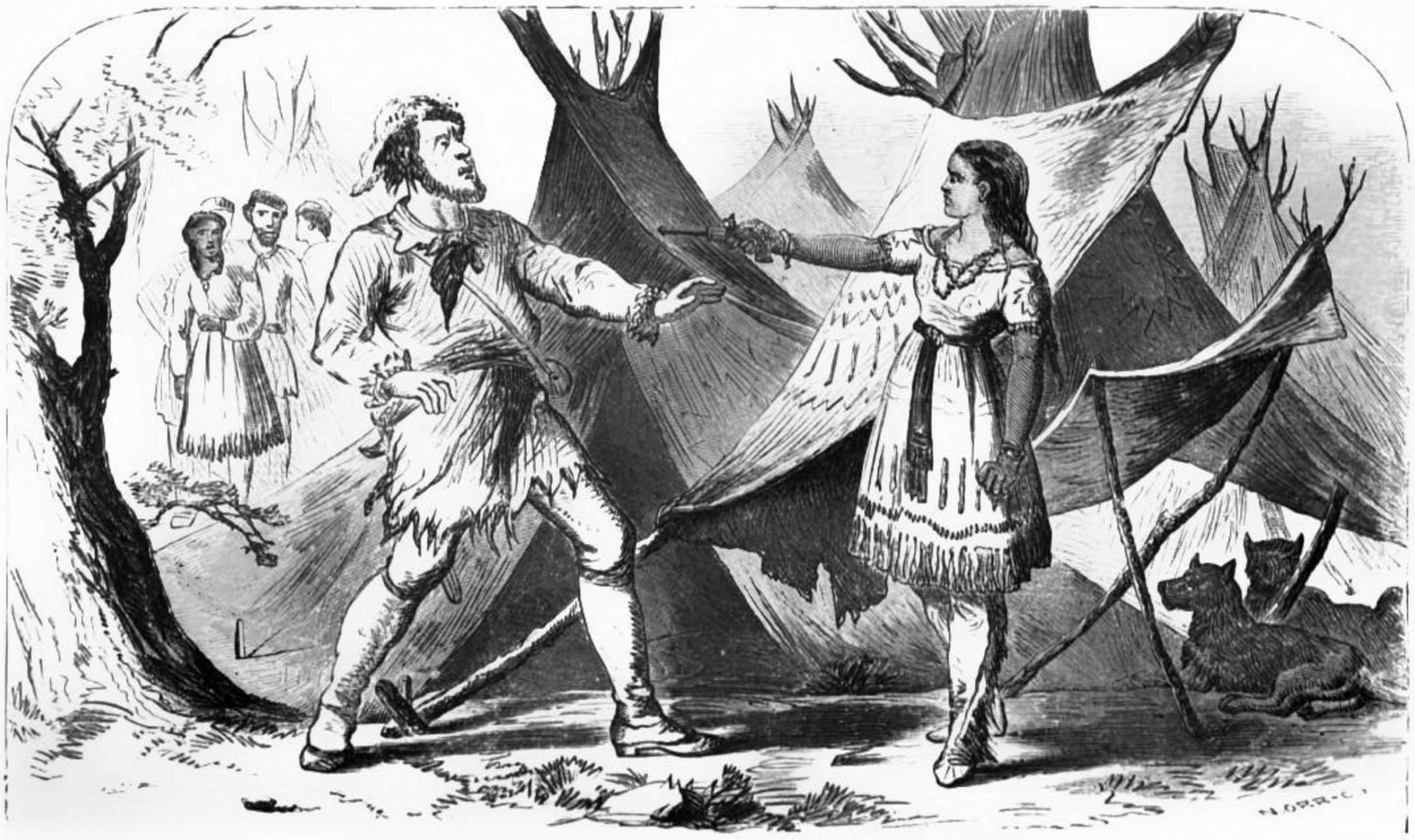
During the 1820s American frontier era, Hugh Glass joined a fur-trapping expedition up the Missouri River. A grizzly bear mauled him badly, and his companions left him for dead, taking his gear, yet he clawed back from the brink over weeks of crawling and foraging.[1]
He tracked down those who abandoned him, choosing forgiveness over revenge. His epic survival became frontier legend, inspiring tales like the film The Revenant. Glass highlighted the raw perils of westward expansion and human endurance against nature’s fury.
Mary Anning
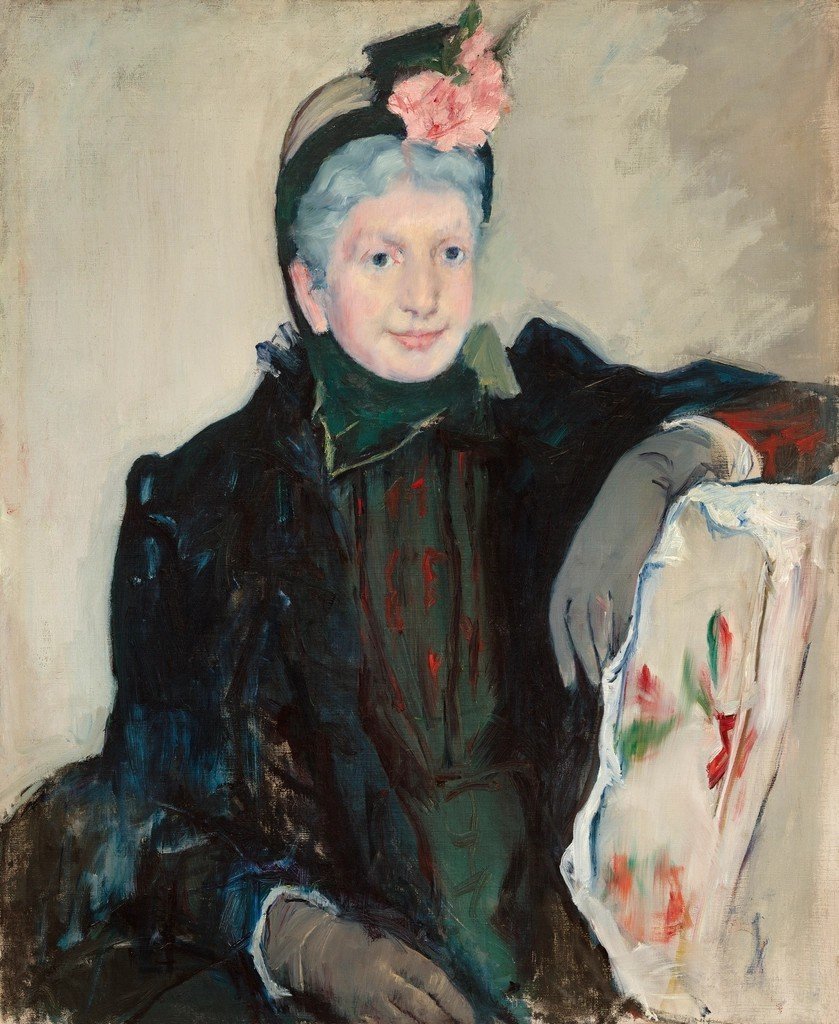
Born in 1799 in England amid the Napoleonic Wars, Mary Anning grew up poor on the Lyme Regis coast, hunting fossils as a child. At 12, she unearthed the first complete ichthyosaur skeleton, followed by a plesiosaur in 1823, shaking scientific views on extinction.[8]
Men dominated paleontology then, often claiming her finds, but she taught herself anatomy and geology. Her discoveries fueled the dinosaur era’s dawn and Charles Darwin’s later theories. Anning paved the way for women in science, her legacy etched in Jurassic Coast cliffs.
Irena Sendler
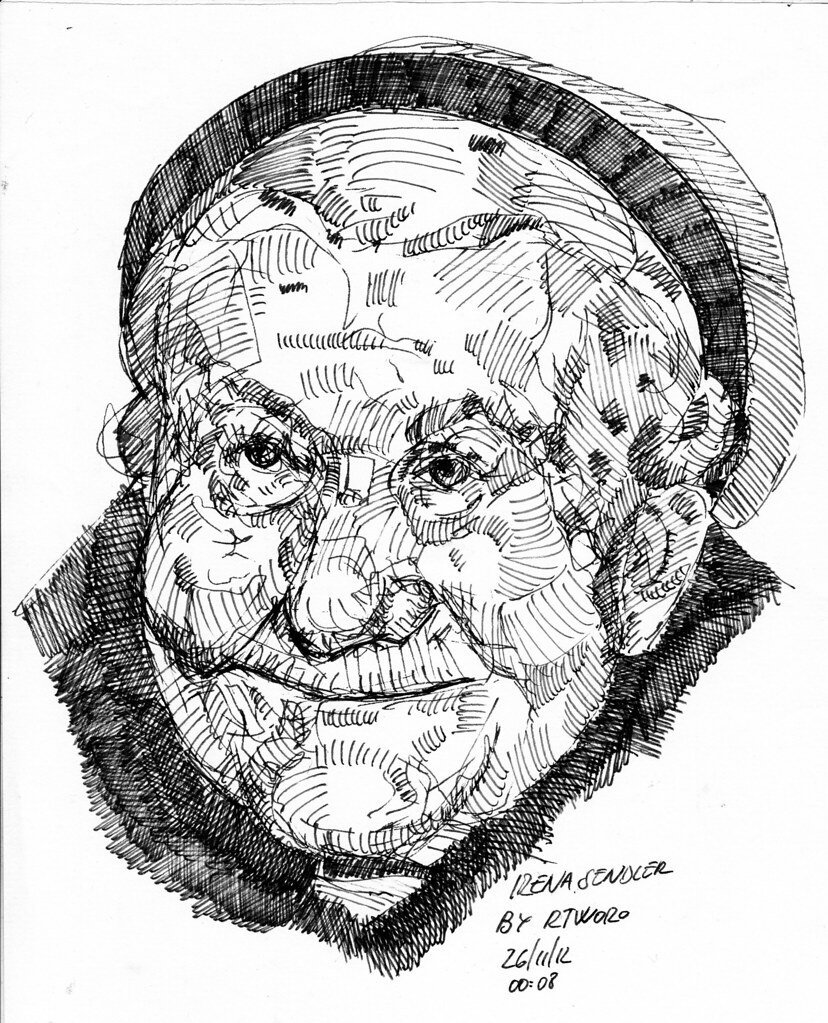
In World War II Poland, Irena Sendler worked as a social worker in Warsaw during the 1940s Nazi occupation. She smuggled about 2,500 Jewish children out of the ghetto using ambulances, sewers, and coffins, hiding them with Polish families and recording names for postwar reunion.[1]
The Gestapo caught and tortured her, breaking her legs, but she never betrayed her network. Postwar, she lived quietly, honored late in life as a Righteous Among the Nations. Sendler’s quiet heroism saved a generation, embodying resistance amid genocide.
Her forged documents and daring rescues turned ordinary risks into lifelines.
Conclusion
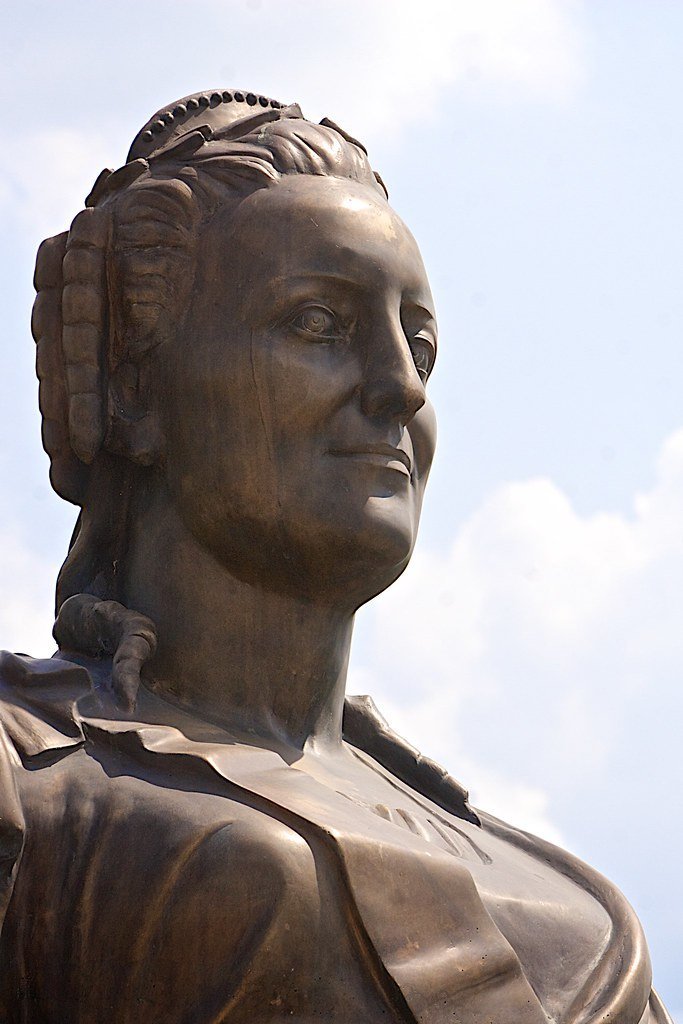
These figures prove truth crafts bolder arcs than any script. From Siberian wilds to pirate decks, their choices rippled across eras.
Reality’s unpolished edges often eclipse fiction’s polish, leaving us to marvel at lives that reshaped the world.
CEO-Co-Founder
