
- Iconic Cultural Moments Are Not Planned; They Simply Erupt and Resonate. - August 31, 2026
- 10 Classic TV Commercials That Are More Memorable Than the Products They Sold - August 31, 2026
- The Echoes of Past Eras Resurface in Our Modern World in Surprising Ways. - August 30, 2026
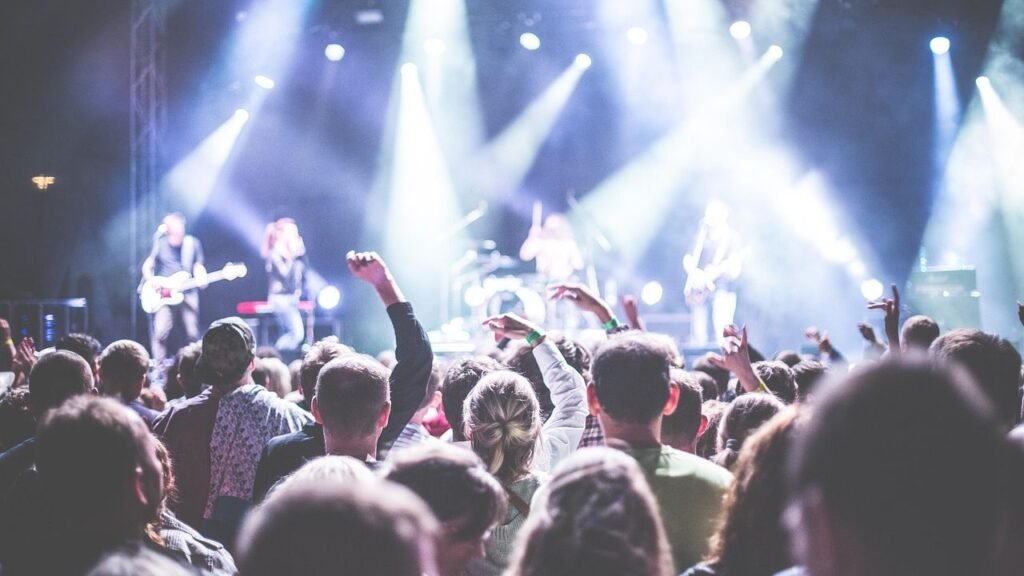
Music festivals started as modest community events. They brought together locals to celebrate folk tunes or jazz improvisations. Over decades, these gatherings swelled into massive spectacles that draw millions worldwide.
Simple stages in parks or halls gave way to sprawling fields and arenas. Crowds grew from hundreds to hundreds of thousands. Today, they shape global culture in ways their founders could scarcely imagine.[1][2]
Early Folk and Jazz Gatherings (1950s to Early 1960s)
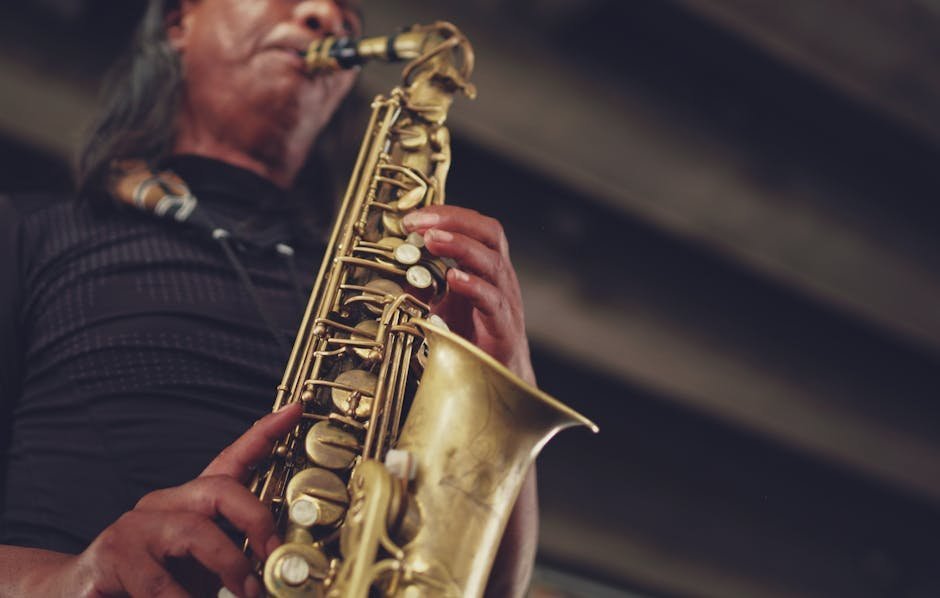
The Newport Jazz Festival launched in 1954. It drew crowds to Rhode Island for performances by legends like Ella Fitzgerald. The Newport Folk Festival followed in 1959, spotlighting emerging singer-songwriters.[3][4]
These events differed from prior concerts by spanning multiple days and genres. Organizers focused on preserving traditions while nurturing new talent. Their impact rippled through music scenes, proving festivals could sustain niche audiences and influence mainstream tastes.[5]
Woodstock-Era Counterculture Festivals (Late 1960s)
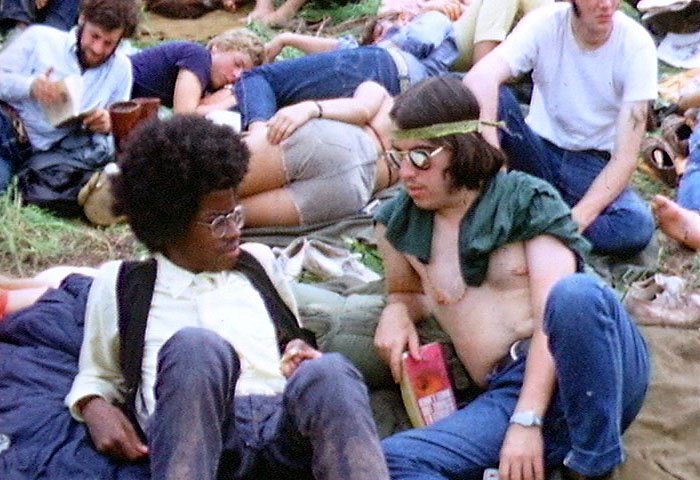
Woodstock in 1969 defined this period. Held on a farm in Bethel, New York, it hosted acts like Jimi Hendrix amid rain-soaked fields. The Isle of Wight Festival that same year pulled similar massive turnouts across the Atlantic.[6]
Unlike earlier jazz and folk events, these embraced rock, psychedelia, and free-spirited chaos. Half a million attendees symbolized anti-war sentiment and communal living. They shifted festivals toward youth rebellion, embedding counterculture into popular memory.[7]
Stadium-Scale Rock Festivals (1970s to 1980s)
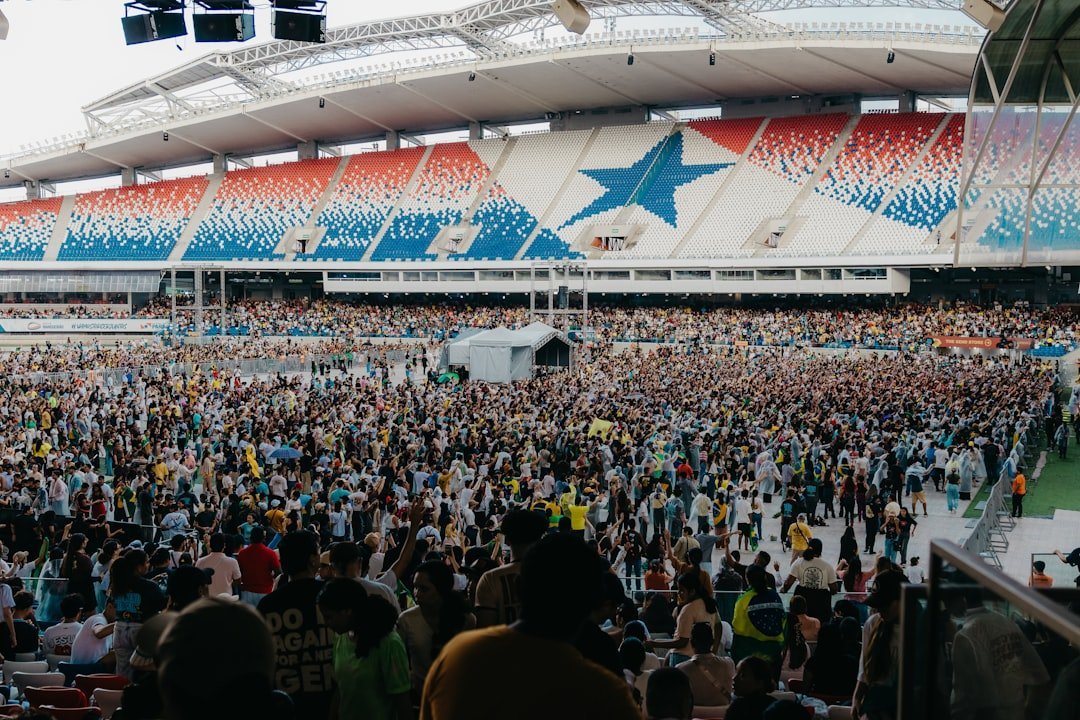
California Jam in 1974 packed 250,000 into Ontario Motor Speedway for bands like Deep Purple. Live Aid in 1985 linked stadiums worldwide, from Wembley to Philadelphia, for famine relief. These marked a professional pivot with advanced sound and lights.
Prior eras favored fields; stadiums brought structure and safety after Woodstock’s messes. Corporate backing ensured bigger lineups and broadcasts. Their reach amplified rock’s dominance and sparked global charity drives through music.[8]
Electronic Music Festival Expansion (1990s to 2000s)
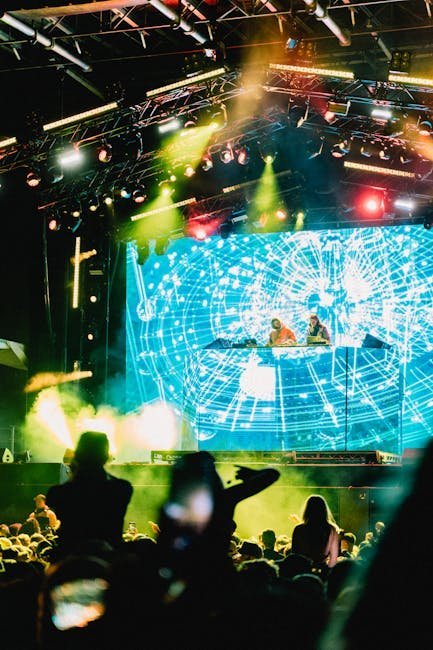
Raves evolved into events like Love Parade, starting in 1989 Berlin with millions dancing in streets. Mayday in 1991 and Street Parade in 1992 followed, fueling techno waves. By the 2000s, Electric Daisy Carnival began in 1997 as a rave but grew massive.[9]
These broke from rock’s guitar focus with relentless beats and light shows. Underground origins stressed unity and all-night vibes, differing from structured rock sets. They mainstreamed EDM, birthing a subculture that blended fashion, tech, and escapism for new generations.[10]
Modern Global Mega-Festivals (2010s to Present)
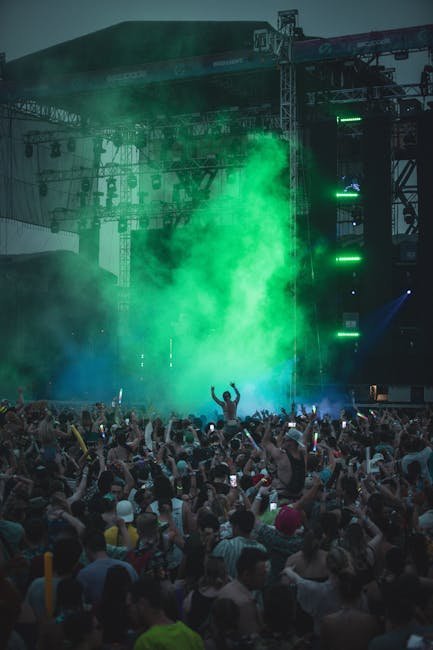
Coachella exploded with celebrity appeal and Instagram glamour. Tomorrowland in Belgium dazzles with themed stages and international crowds. Glastonbury endures in England, mixing headliners with activism.[11]
Earlier festivals felt raw; these prioritize production, art installations, and VIP perks. Multi-genre bills span EDM to hip-hop across continents. They drive economies, tourism, and social trends, turning music into a lifestyle empire.[12]
Why Music Festivals Endure Today
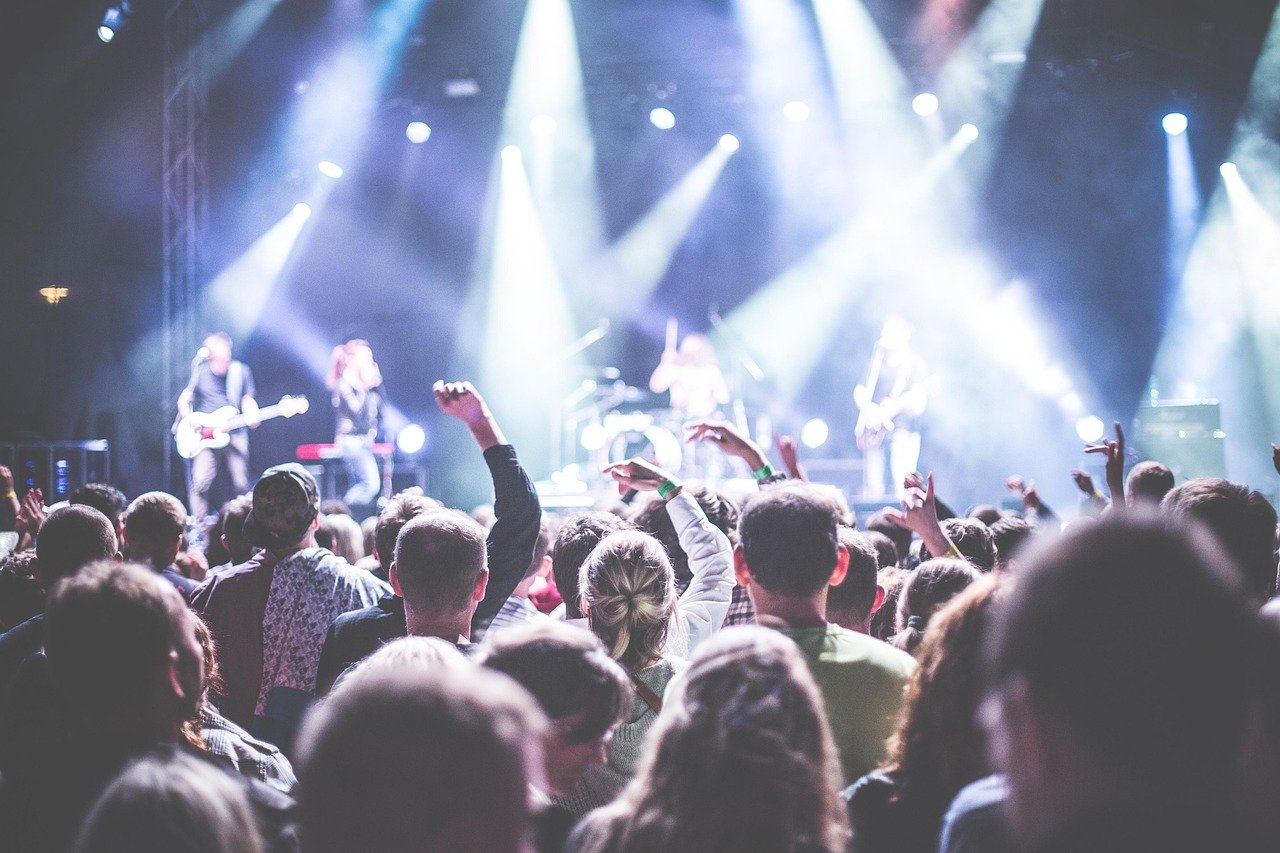
Festivals offer escape and connection in a digital age. They unite strangers through shared rhythms and spectacles. Shared experiences foster belonging that screens cannot match.
From folk roots to mega-events, they adapt yet preserve live music’s magic. Crowds still chase that electric hum of possibility. In a fragmented world, they remind us why gathering matters.[13]

Besides founding Festivaltopia, Luca is the co founder of trib, an art and fashion collectiv you find on several regional events and online. Also he is part of the management board at HORiZONTE, a group travel provider in Germany.
