

- Iconic Cultural Moments Are Not Planned; They Simply Erupt and Resonate. - August 31, 2026
- 10 Classic TV Commercials That Are More Memorable Than the Products They Sold - August 31, 2026
- The Echoes of Past Eras Resurface in Our Modern World in Surprising Ways. - August 30, 2026
Speeches have long served as turning points in major events, rallying people around shared causes or reframing national crises. Leaders facing war, injustice, or division have used words to forge unity and drive action. These moments often mark shifts in public sentiment that echo through generations.[1][2]
From battlefields to marches, oratory has ignited revolutions and healed divides. Consider how a single address can mobilize millions or redefine a nation’s purpose. Their power lies in timing and authenticity, capturing the spirit of the age.
Martin Luther King Jr.’s “I Have a Dream” (1963)
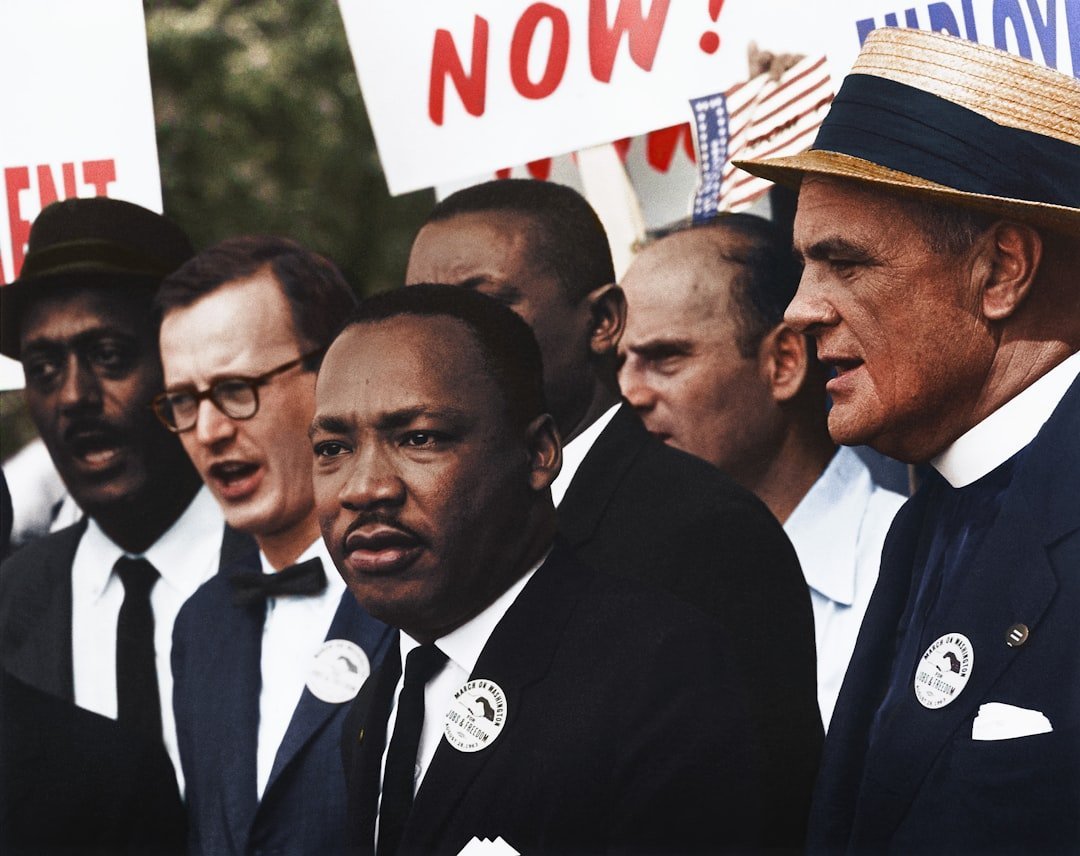
Martin Luther King Jr. delivered this speech at the March on Washington for Jobs and Freedom, amid escalating civil rights tensions. Over 250,000 people gathered, pressing for economic opportunity and an end to segregation. The address painted a vision of racial harmony rooted in American ideals.[1]
It topped rankings of 20th-century speeches for its eloquence and urgency. The words spurred federal legislation like the Civil Rights Act of 1964. King’s message continues to inspire global fights against discrimination, proving rhetoric’s lasting force.[1]
Winston Churchill’s “We Shall Fight on the Beaches” (1940)
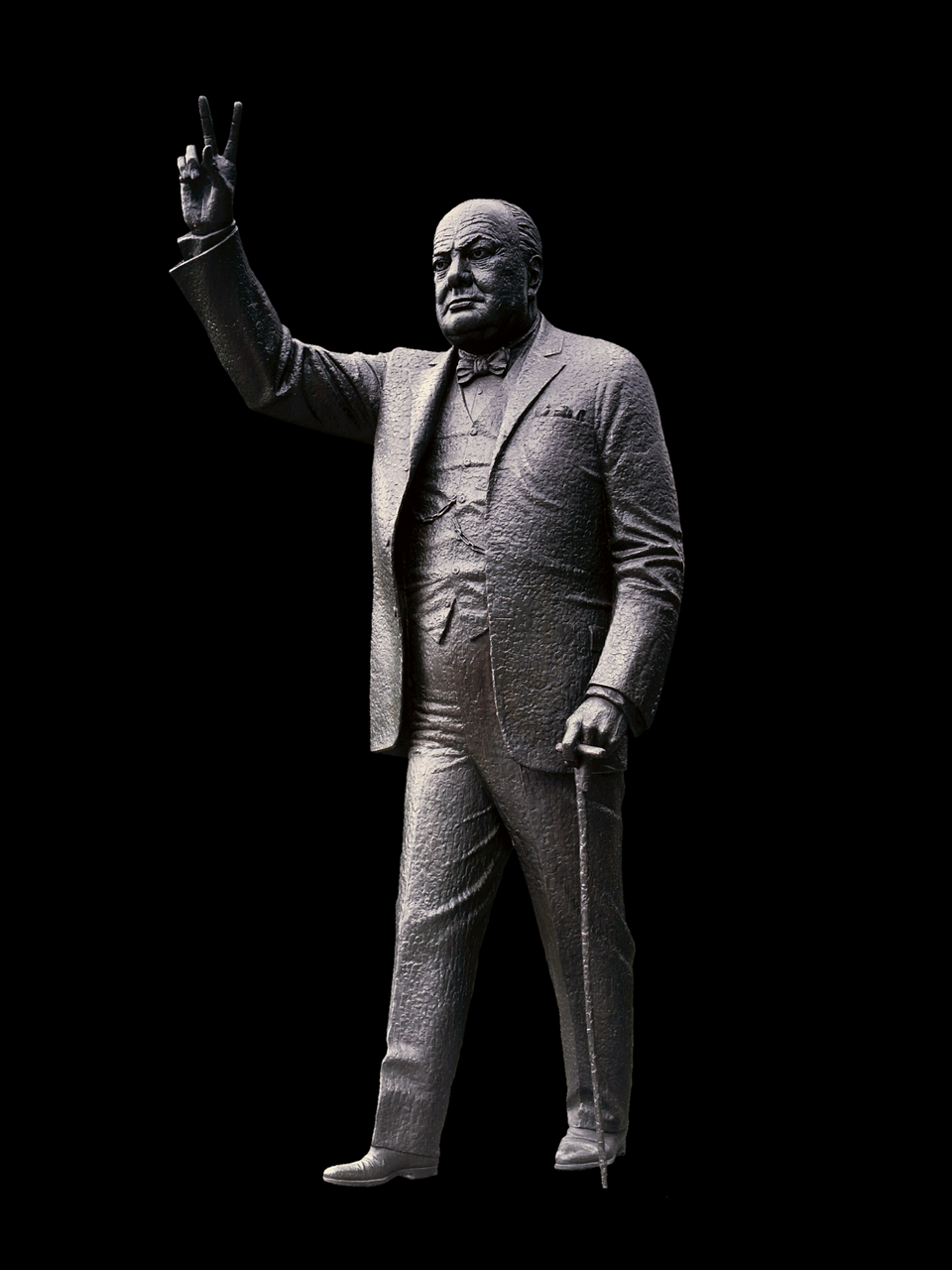
Winston Churchill spoke to the House of Commons shortly after the Dunkirk evacuation during World War II. Britain faced imminent invasion by Nazi forces, with morale hanging by a thread. He outlined the miraculous rescue while vowing unyielding resistance on every front.[2]
The speech stiffened British resolve, turning potential despair into defiance. It helped sustain the war effort through dark years. Churchill’s delivery cemented his role as a symbol of perseverance, influencing Allied unity.[3]
Abraham Lincoln’s Gettysburg Address (1863)
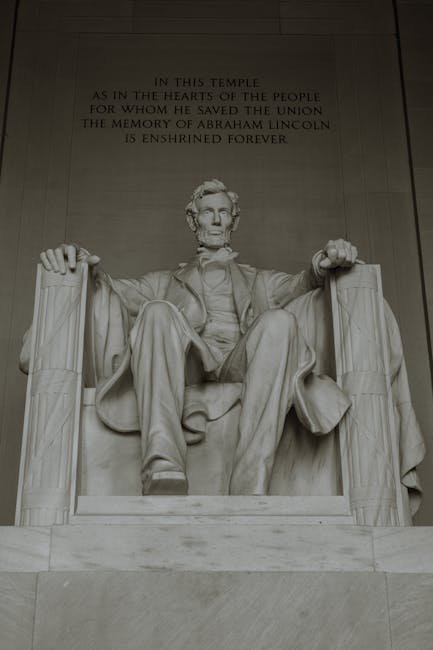
Abraham Lincoln gave this brief remarks at the dedication of a cemetery following the Battle of Gettysburg in the Civil War. The Union had suffered massive losses, testing the young republic’s survival. He redefined the conflict as a test of democracy and equality for all.[3]
Though short, it reshaped public understanding of the war’s stakes. The address elevated national ideals, aiding post-war reconciliation. Its principles underpin ongoing debates about governance and freedom.[2]
Lincoln’s words shifted focus from mere preservation to renewal.
John F. Kennedy’s Inaugural Address (1961)
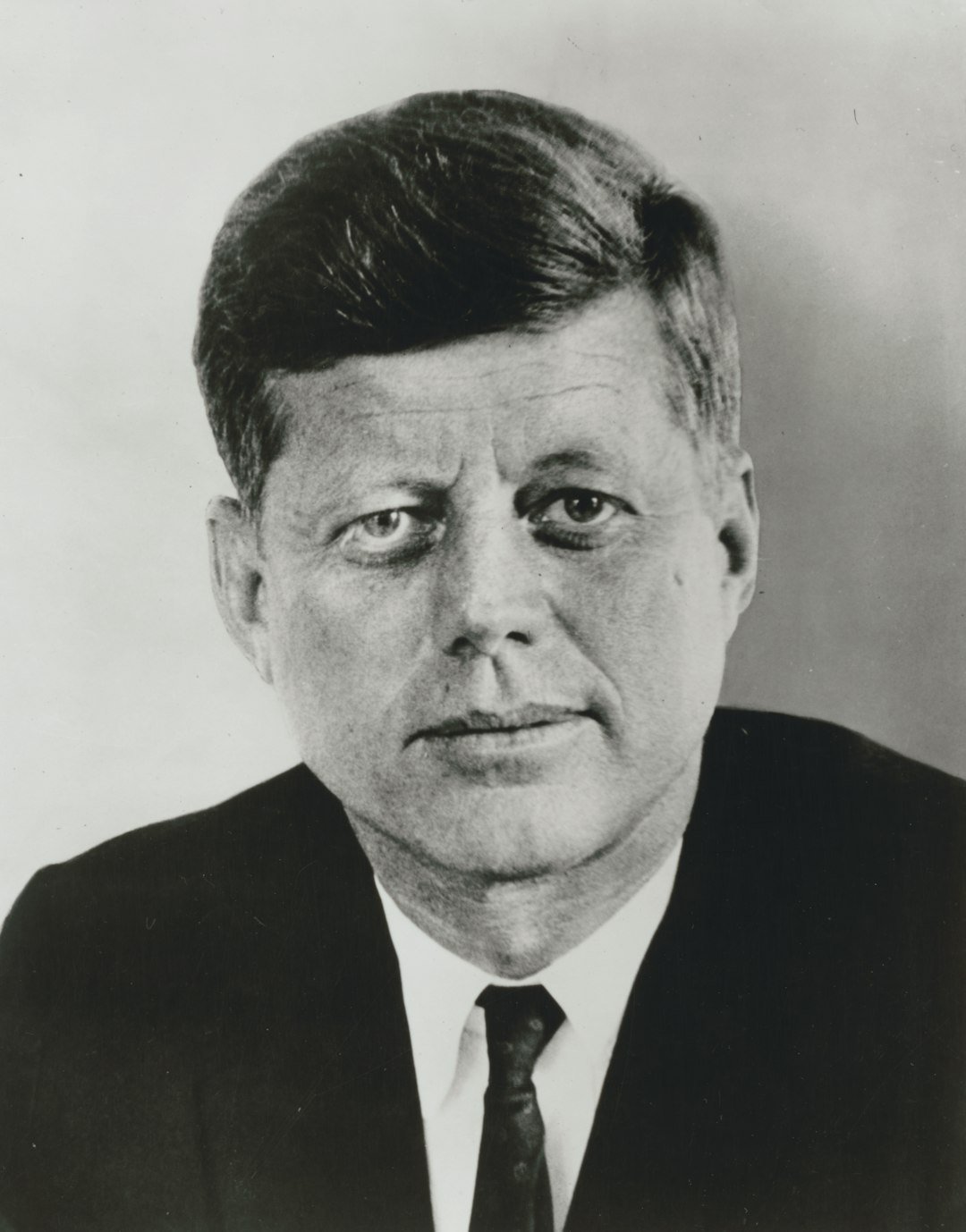
John F. Kennedy addressed the nation on his first day as president amid Cold War anxieties. The U.S. grappled with Soviet threats and calls for global leadership. He urged citizens to prioritize service over self-interest in defending liberty.[1]
The speech launched his New Frontier agenda, inspiring youth involvement. It fostered a sense of shared sacrifice during turbulent times. Kennedy’s call echoed in Peace Corps efforts and space race ambitions.[2]
Franklin D. Roosevelt’s Pearl Harbor Address (1941)
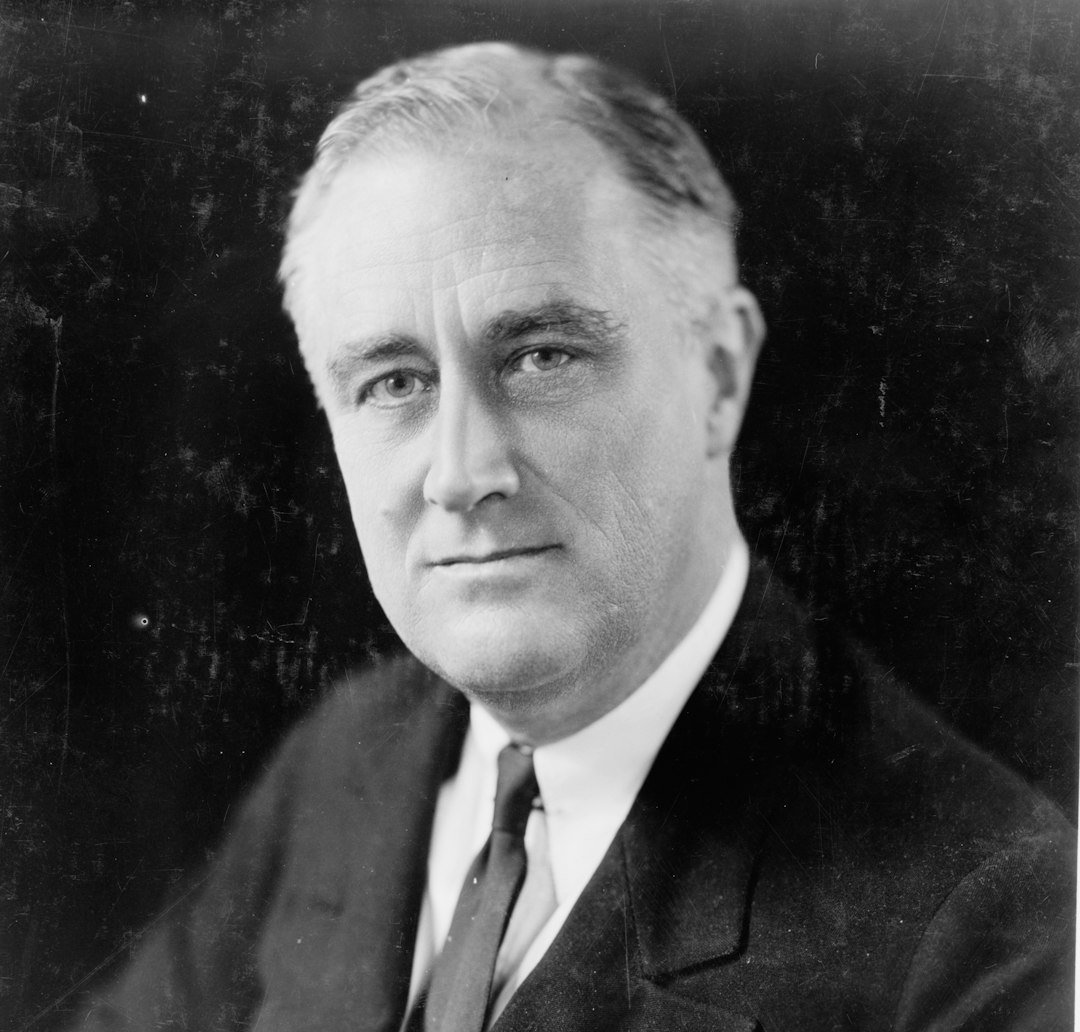
Franklin D. Roosevelt spoke to Congress the day after Japan’s attack on Pearl Harbor. The assault killed thousands and shattered U.S. isolationism. He sought a declaration of war, labeling the event a date of infamy.[1]
America united swiftly behind the effort, entering World War II fully committed. The address marked a pivot from neutrality to global engagement. It solidified FDR’s fireside chat style in crisis leadership.[4]
Patrick Henry’s “Give Me Liberty or Give Me Death” (1775)
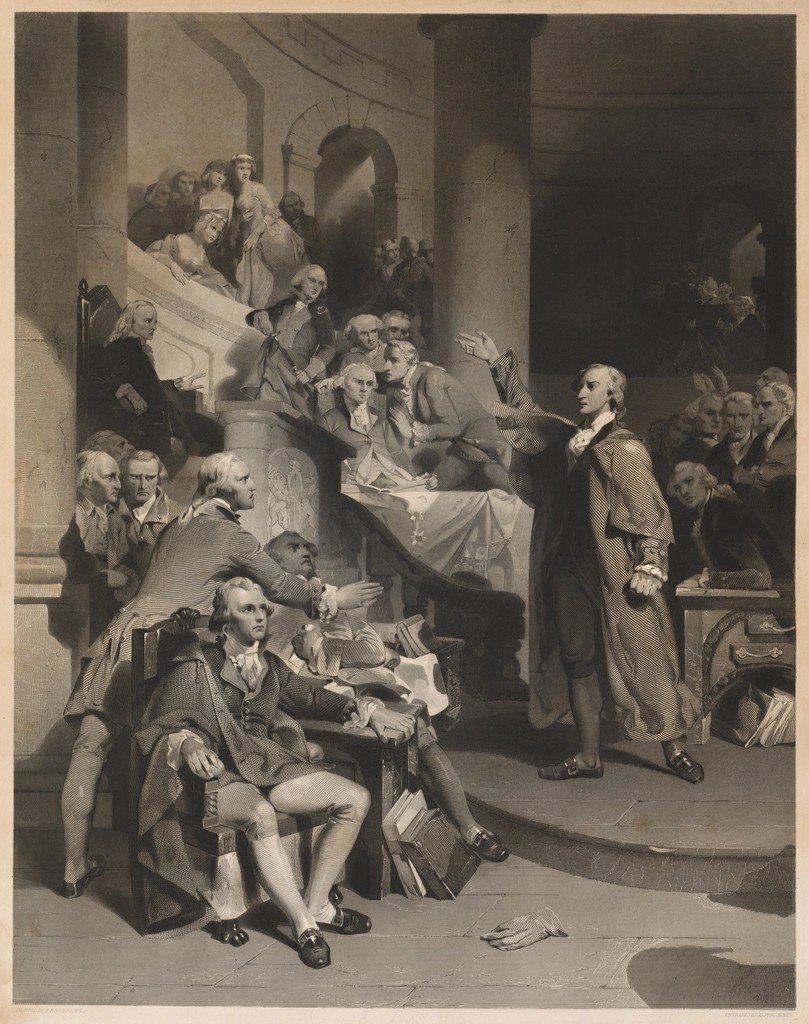
Patrick Henry addressed the Second Virginia Convention as colonists debated British rule. Tensions boiled over taxes and troops, with independence on the horizon. He argued for armed resistance over submission.[3]
The speech galvanized delegates toward revolution. It fueled the push for the Declaration of Independence. Henry’s passion captured colonial defiance, shaping the American founding ethos.[5]
Its urgency propelled events toward open conflict.
Susan B. Anthony’s “On Women’s Right to Vote” (1873)
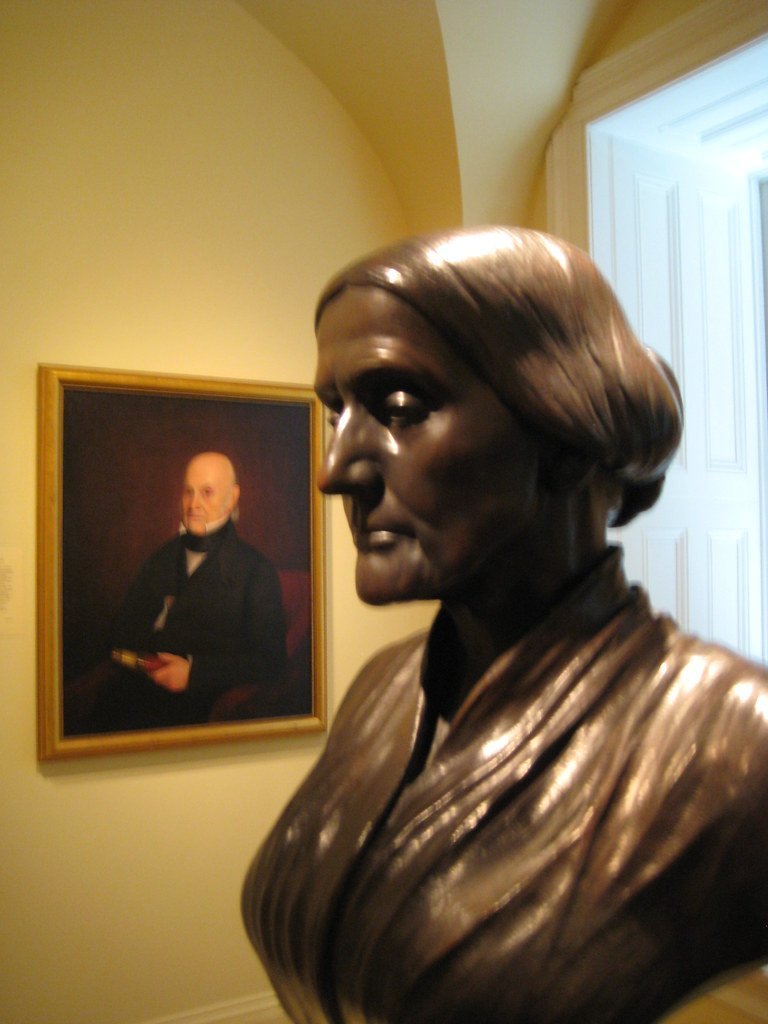
Susan B. Anthony spoke after her arrest for illegally voting in a federal election. Women lacked suffrage amid post-Civil War reforms favoring men. She defended her action as a constitutional right for all citizens.[6]
The address spotlighted gender inequality, advancing the suffrage campaign. It contributed to the 19th Amendment decades later. Anthony’s stand empowered women’s activism across causes.[6]
Malcolm X’s “The Ballot or the Bullet” (1964)
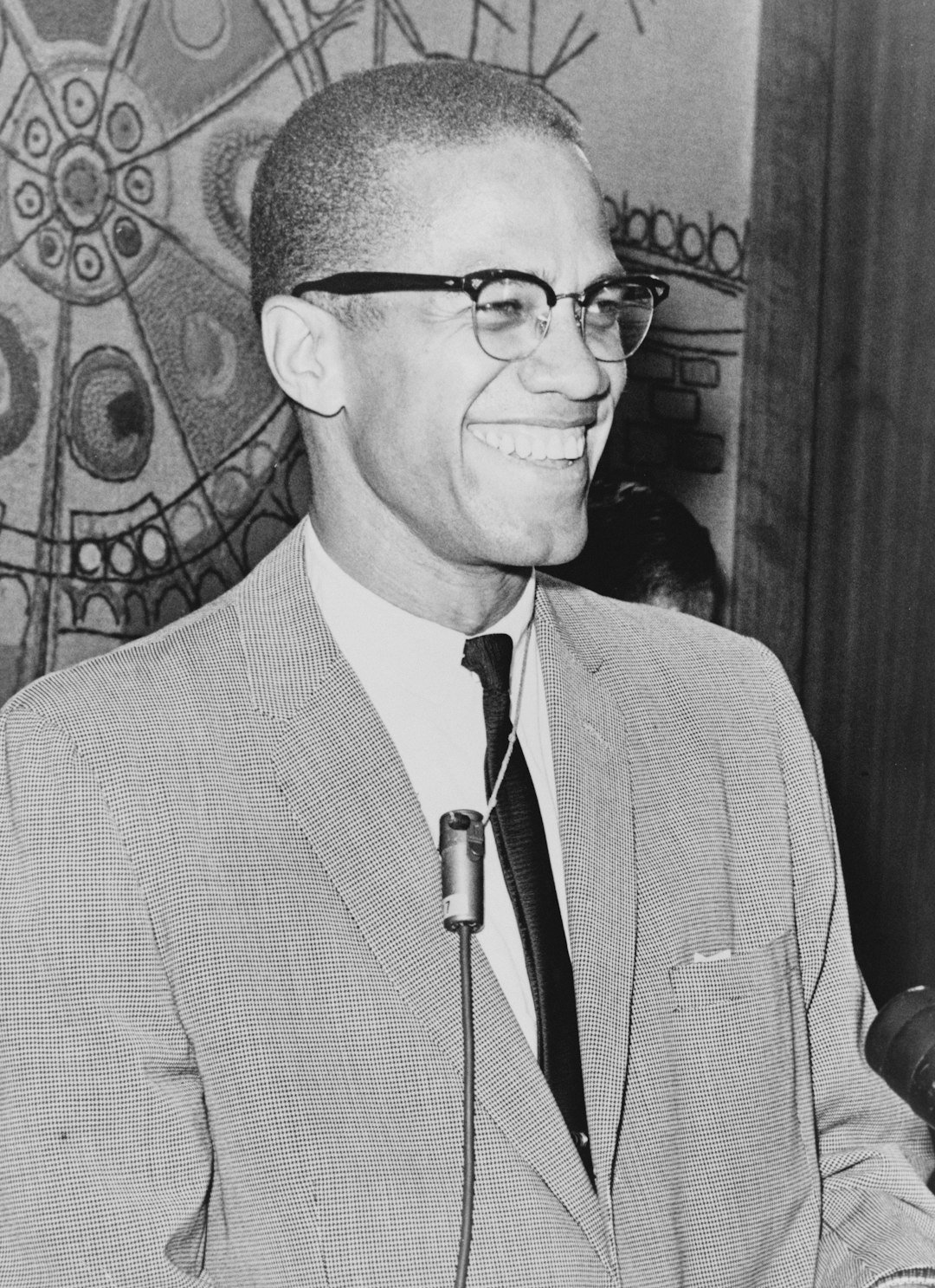
Malcolm X delivered this in Detroit during heightened civil rights struggles. Black Americans faced voter suppression and violence. He stressed political power through voting or self-defense if needed.[1]
The speech highlighted black nationalism amid nonviolent debates. It pressured reforms and broadened movement tactics. Malcolm’s directness influenced later empowerment narratives.[4]
The Enduring Influence of Public Rhetoric

These speeches remind us how words can bend the arc of history when timed right. They expose vulnerabilities, summon courage, and plant seeds for change. Public rhetoric thrives in democracy, holding leaders accountable while uniting diverse voices.
Today, echoes persist in addresses tackling division or crisis. Skillful oratory still sways opinion and sparks progress. In an era of fleeting messages, their depth offers a timeless model for impact.[2]

Besides founding Festivaltopia, Luca is the co founder of trib, an art and fashion collectiv you find on several regional events and online. Also he is part of the management board at HORiZONTE, a group travel provider in Germany.
