

- 8 Gardening Hacks That Will Make Your Roses Bloom Like Never Before - August 11, 2026
- 8 Incredible Beaches Around the World You Won’t Believe Are Real - August 11, 2026
- 10 Classical Music Masterpieces That Will Transport You Through Time - August 11, 2026
Rock music emerged as a powerful voice for the post-war generation, capturing the raw energy of youth breaking free from rigid norms. Artists channeled political unrest through anthems that questioned authority, while crafting identities rooted in rebellion and self-expression. Cultural transformations, from civil rights struggles to anti-war sentiments, found vivid expression in the genre’s evolving sounds.
This mirror to society grew sharper over decades, as guitars amplified not just notes but entire movements. Classic rock became a soundtrack to change, blending innovation with the pulse of the times.
The 1950s: Rock ‘n’ Roll Roots in Post-War Youth Rebellion
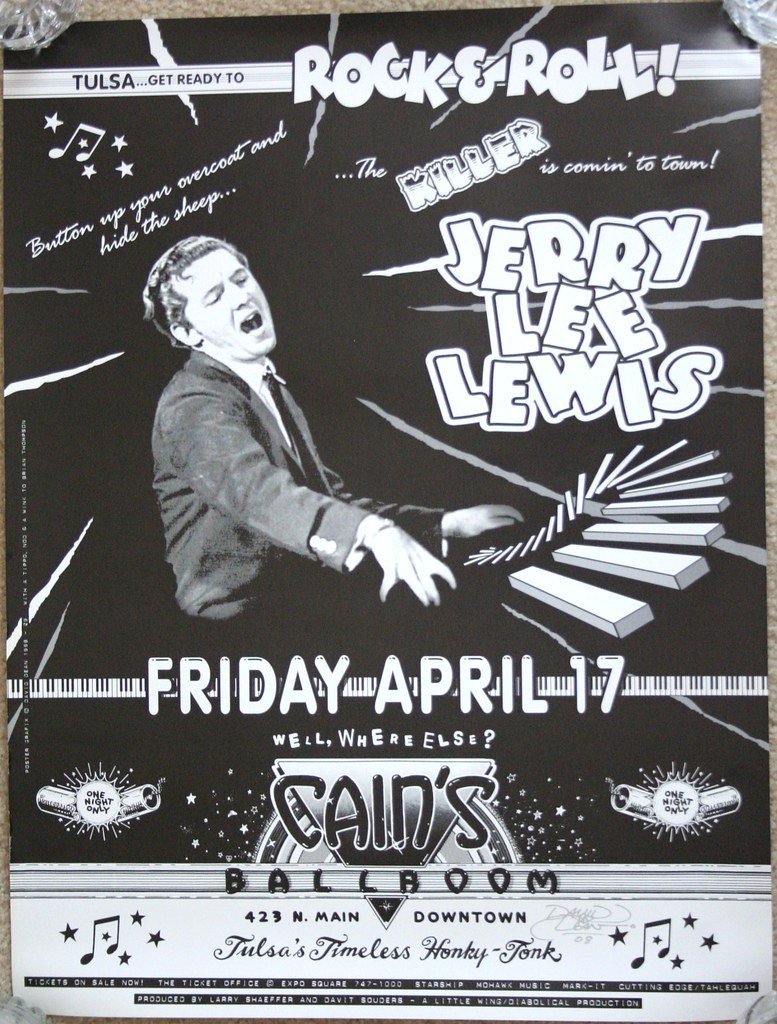
Elvis Presley and Chuck Berry fused rhythm and blues with country, creating a sound that electrified teenagers nationwide. This raw energy clashed with conservative values, symbolizing a break from the conformity of the Eisenhower era. Radio play and early TV shows spread the music, fueling dance crazes and parental panic over its sensual rhythms.
Socially, rock ‘n’ roll hinted at racial integration, with Black artists influencing white audiences amid civil rights stirrings. Youth culture solidified around jukeboxes and sock hops, marking the birth of a consumer-driven teen identity. The genre’s simple, driving beats captured optimism laced with defiance after World War II.
The Mid-1960s: British Invasion and Transatlantic Cultural Exchange
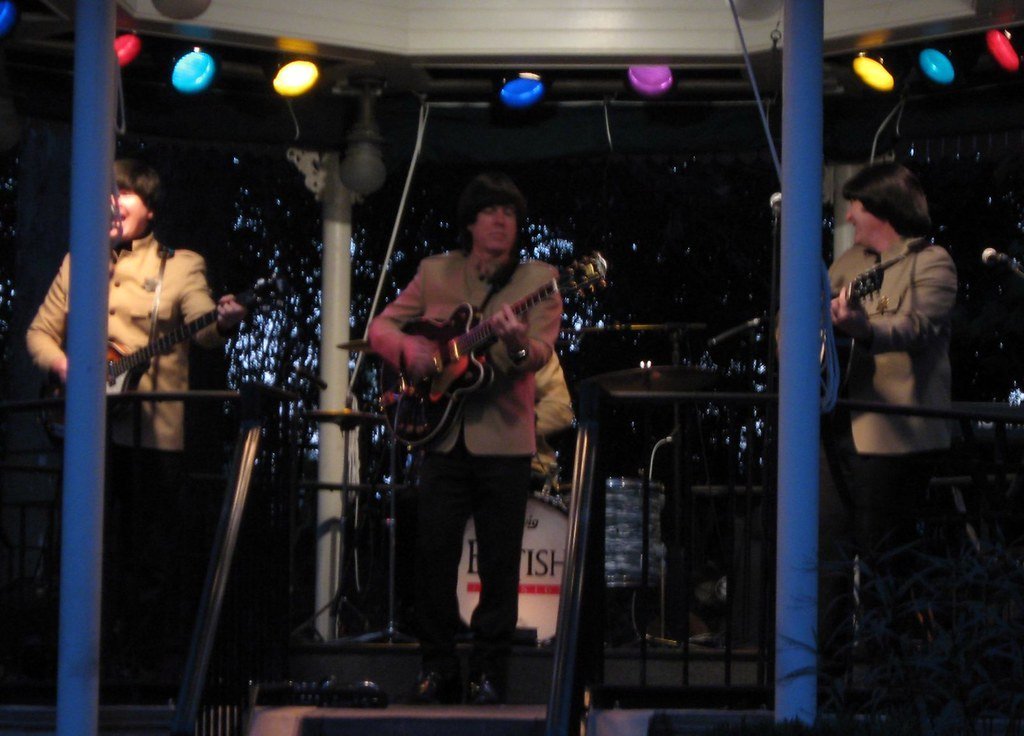
The Beatles arrived with mop-top hair and harmonious pop-rock, conquering charts and reshaping global youth fashion. Bands like the Rolling Stones added gritty blues edges, contrasting the clean-cut Invasion sound. This era saw shorter songs dominate, perfect for AM radio and the rise of fan hysteria at live shows.
Civil rights marches and early Vietnam doubts echoed in the music’s exuberant yet questioning tone. British acts Americanized their sound, bridging class divides back home while empowering U.S. teens to demand more from life. The Invasion democratized fame, turning music into a shared language of liberation.
Late 1960s: Psychedelic Rock and Counterculture Awakening
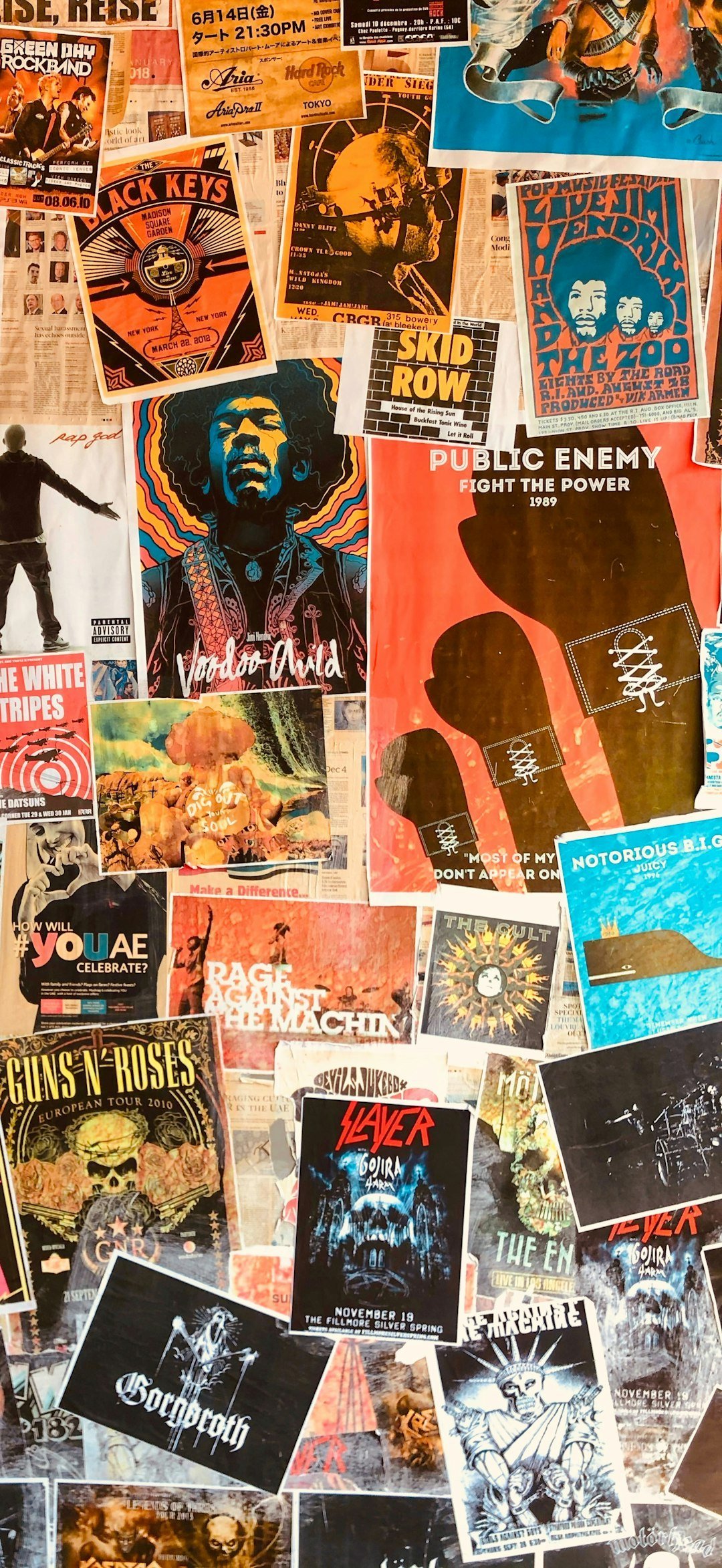
Jimi Hendrix and the Doors pushed boundaries with distorted guitars and surreal lyrics, fueled by acid tests and festivals like Woodstock. Extended jams replaced tight pop structures, mirroring expanded consciousness from drug experimentation. Album-oriented rock gained traction, with sleeves becoming art statements.
Anti-war protests intensified as songs decried the draft and napalm, uniting hippies against the establishment. Sexual revolution vibes pulsed through free-love themes, challenging traditional morality. Psychedelia reflected a society fracturing under assassinations and urban riots, offering escape through sonic exploration.
Early 1970s: Hard Rock Power and Blue-Collar Grit
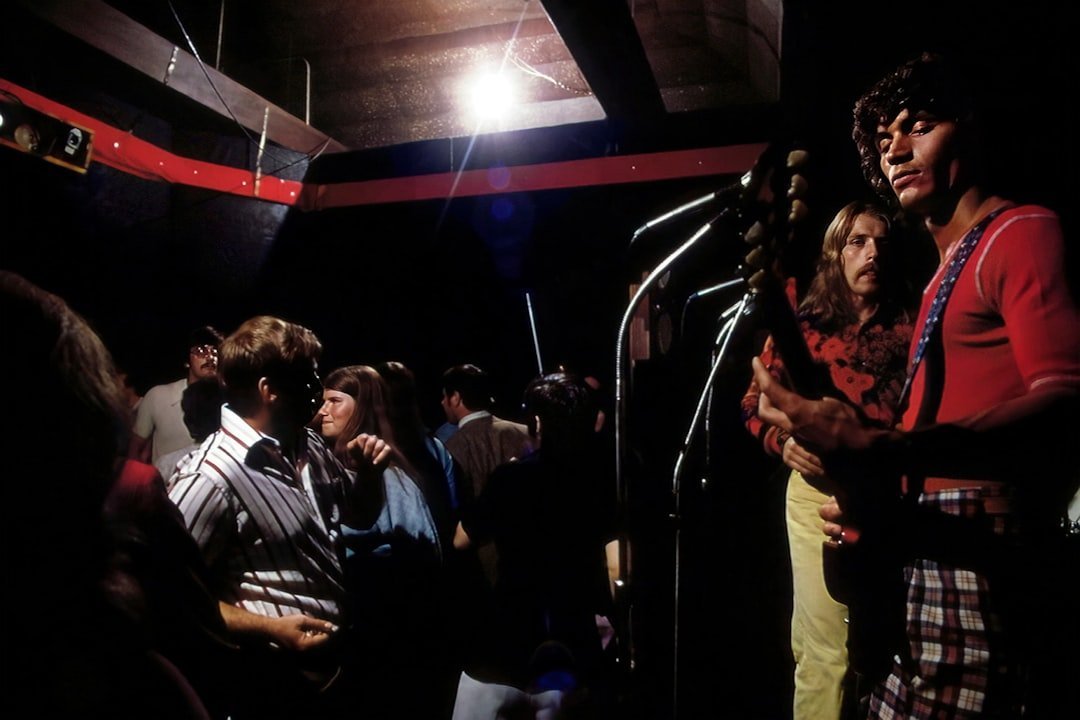
Led Zeppelin and Black Sabbath cranked amplifiers to eleven, birthing heavy riffs that thundered through stadiums. Blues roots deepened into occult-tinged anthems, with drummers like John Bonham setting new power standards. Vinyl sales soared as fans craved the raw physicality of live performances.
Oil crises and inflation bred working-class frustration, which the music channeled into fist-pumping escapism. Women’s lib influences appeared subtly in stronger female fan presence and band dynamics. Hard rock solidified male-dominated arenas, yet spoke to economic anxieties gripping the middle class.
Mid-1970s: Arena Rock and Progressive Excess
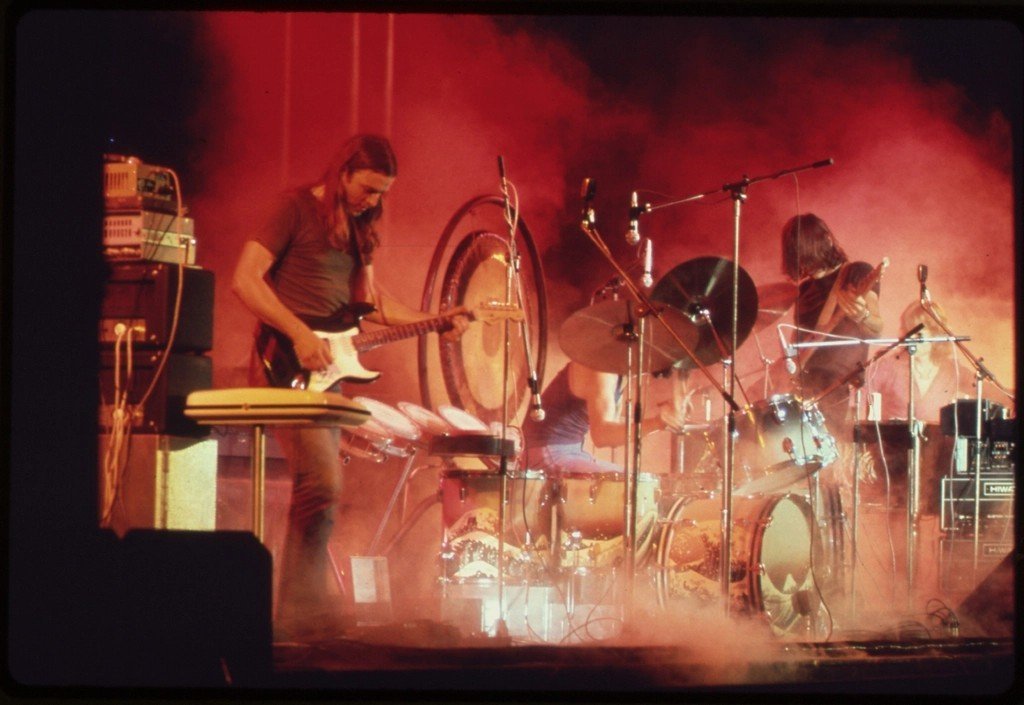
Pink Floyd and Yes layered synthesizers over complex time signatures, creating immersive concept albums like Dark Side of the Moon. Stadium tours with pyrotechnics turned concerts into spectacles, demanding massive production budgets. Prog rock prized virtuosity, with flash solos showcasing technical prowess.
Watergate disillusionment and stagflation fueled introspective lyrics on madness and isolation. Disco’s rise challenged rock’s dominance, prompting bands to double down on authenticity. This era captured a culture grappling with lost innocence, seeking meaning in elaborate sonic worlds.
Late 1970s to 1980s: Stadium Anthems Amid Reagan-Era Polarization
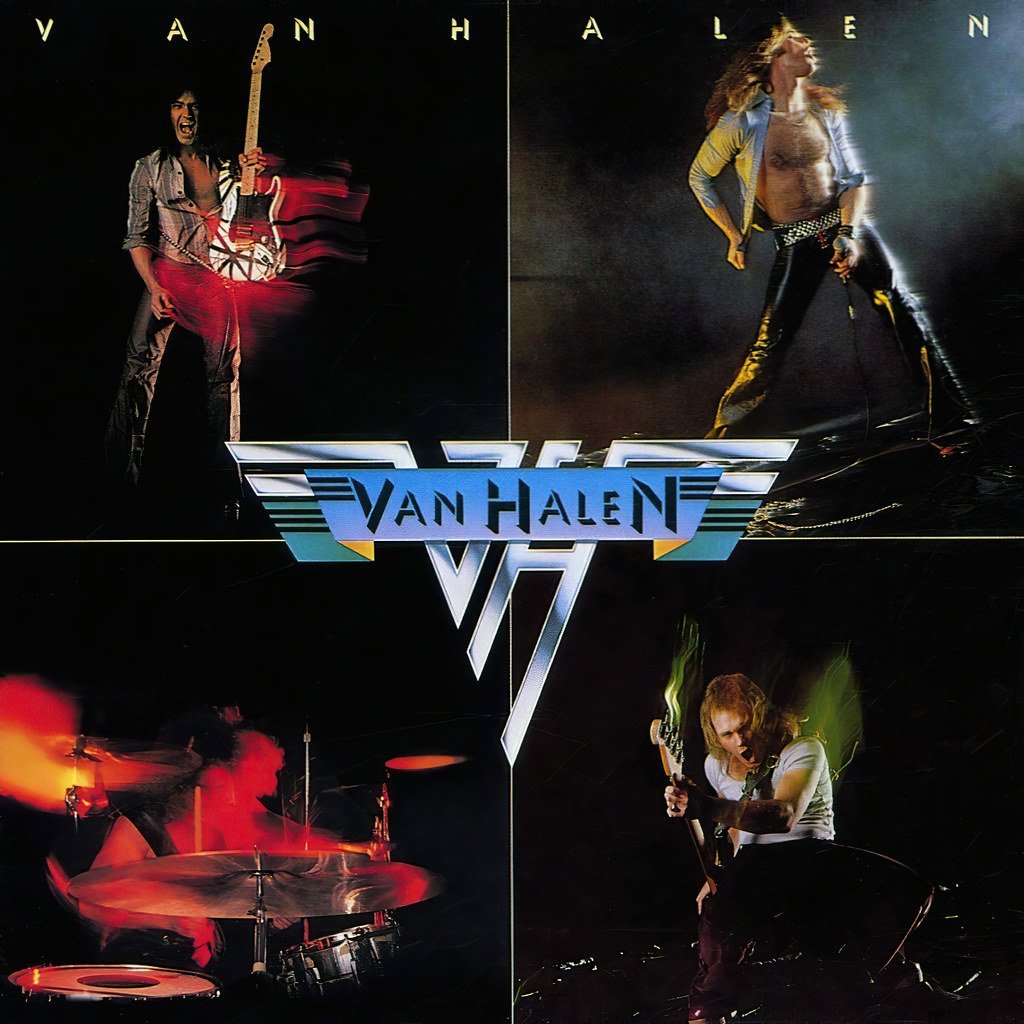
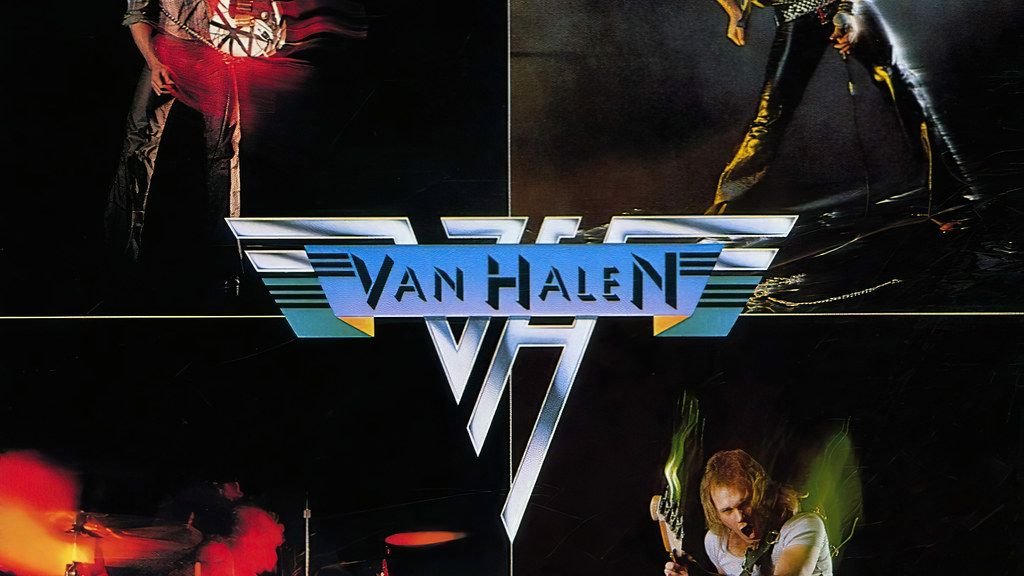
Van Halen and Journey polished hard rock into radio-friendly hooks, with Eddie Van Halen’s tapping revolutionizing guitar tones. Power ballads softened edges, appealing to broader audiences via MTV’s visual revolution. Synthesizers crept in, blending with guitars for anthemic choruses.
Cold War tensions and yuppie ascent inspired themes of excess and resilience. Punk’s raw backlash influenced edges, but classic rock held firm as nostalgic comfort. The genre mirrored a society balancing materialism with lingering counterculture echoes.
Classic Rock’s Enduring Legacy as Societal Mirror
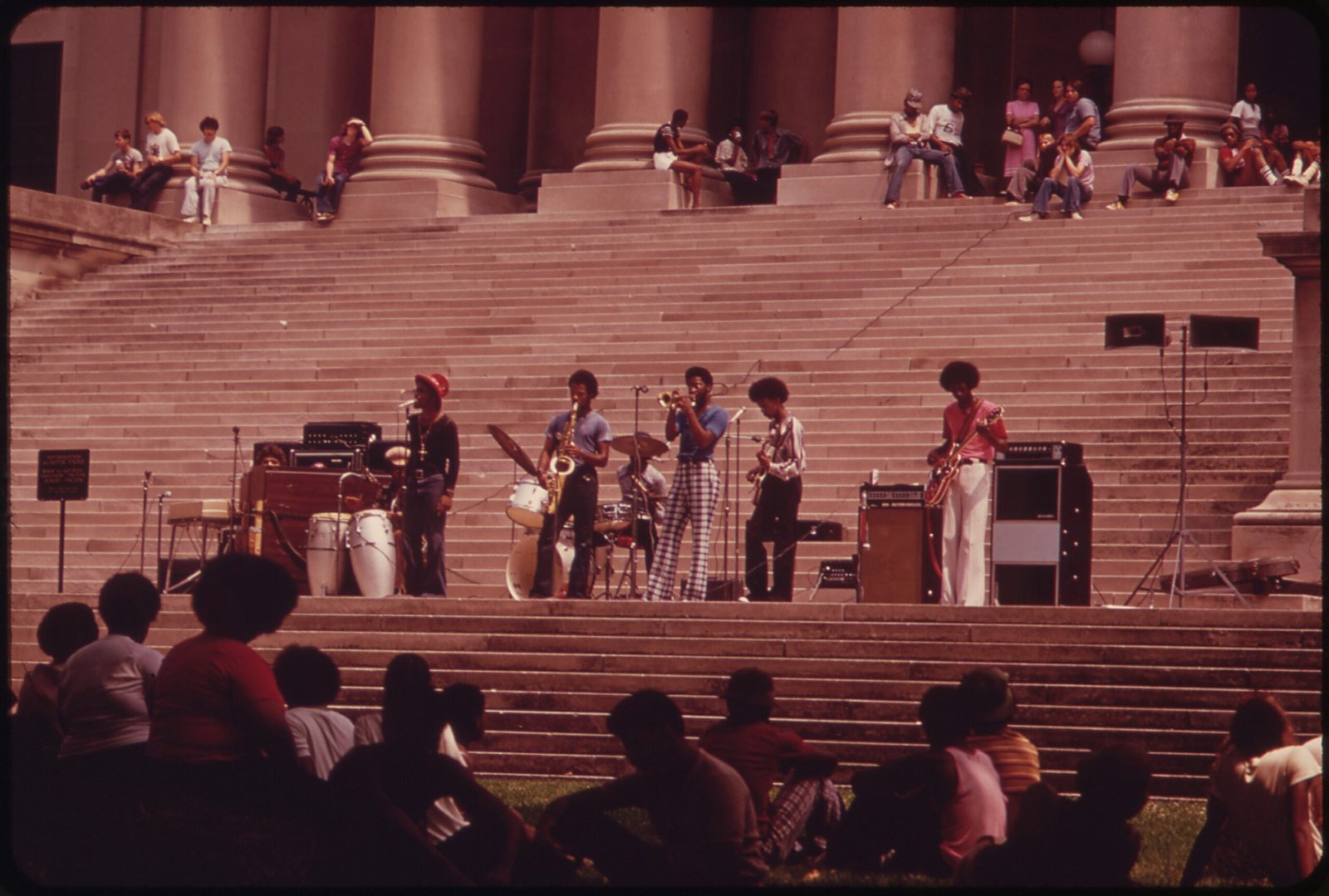
From sock hops to stadiums, classic rock chronicled America’s turbulent ride through conformity, rebellion, and disillusionment. Its evolution tracked how youth voices grew from whispers to roars, influencing fashion, politics, and values along the way.
Today, these songs still resonate, reminding us how music distills the chaos of change into something timeless. Rock did not just play in the background; it defined the foreground of history.

Besides founding Festivaltopia, Luca is the co founder of trib, an art and fashion collectiv you find on several regional events and online. Also he is part of the management board at HORiZONTE, a group travel provider in Germany.
