

- 15 Rock Anthems That Defined a Generation and Still Sound Amazing Today - August 11, 2026
- 12 Unforgettable Movie Quotes You Can Still Use in Everyday Conversation. - August 11, 2026
- 10 Music Festivals That Changed the World - August 11, 2026
Animated tales from our childhood often layered simple fun with deeper messages aimed at grown-ups watching along. Creators slipped in subtle nods to real-world issues, knowing parents might catch them while kids chased the colors and songs.
These elements added richness without scaring off young viewers. On rewatch, they transform familiar stories into something far more complex.
Beauty and the Beast
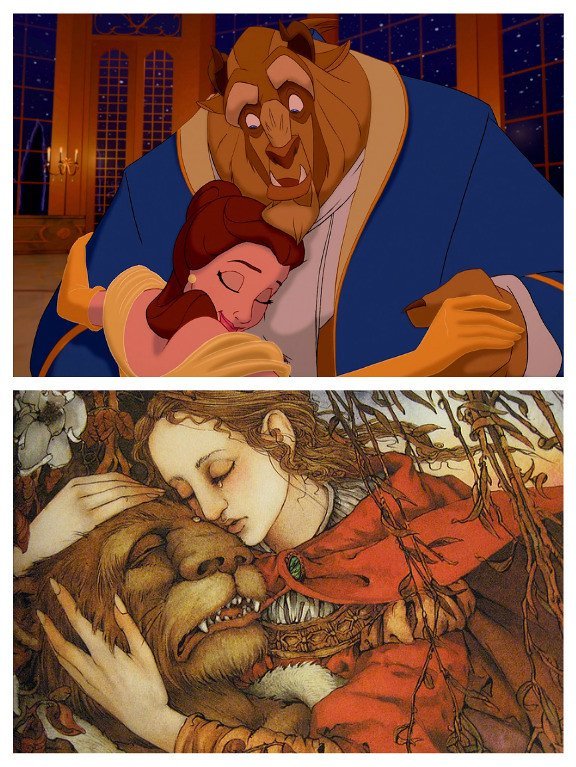
Children cheered the beast’s transformation into a prince after Belle’s kindness. Yet the setup shows a spoiled man holding her prisoner in his castle, complete with threats and isolation.[1]
Adults later saw this as textbook Stockholm syndrome, where captivity breeds affection. The original fairy tale pushed arranged marriages between young girls and older men, a custom the story normalized rather than questioned.[1]
Lady and the Tramp
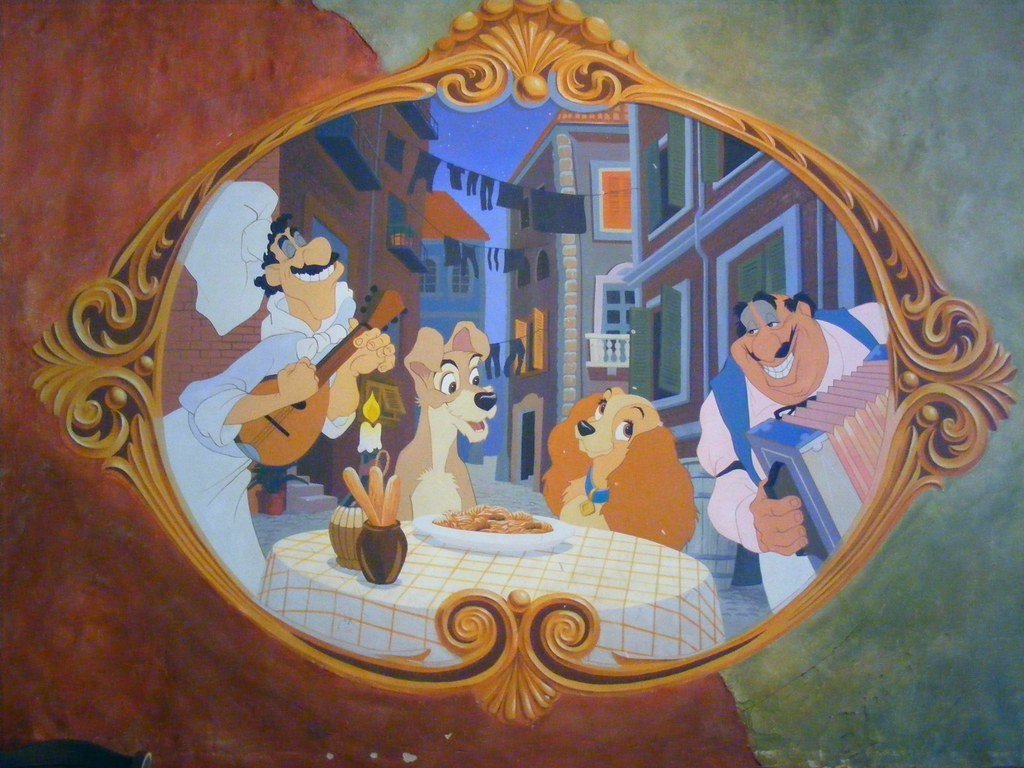
The romance between two dogs charmed kids with spaghetti scenes and adventure. Those Siamese cats, though, slinked in with slanted eyes, broken accents, and gong chimes straight out of wartime stereotypes.[1]
Post-World War II audiences recognized the fear-mongering against Asian traits. Reexaminations highlight how it taught subtle racism through caricature, embedding prejudice in a family-friendly package.
Snow White and the Seven Dwarfs
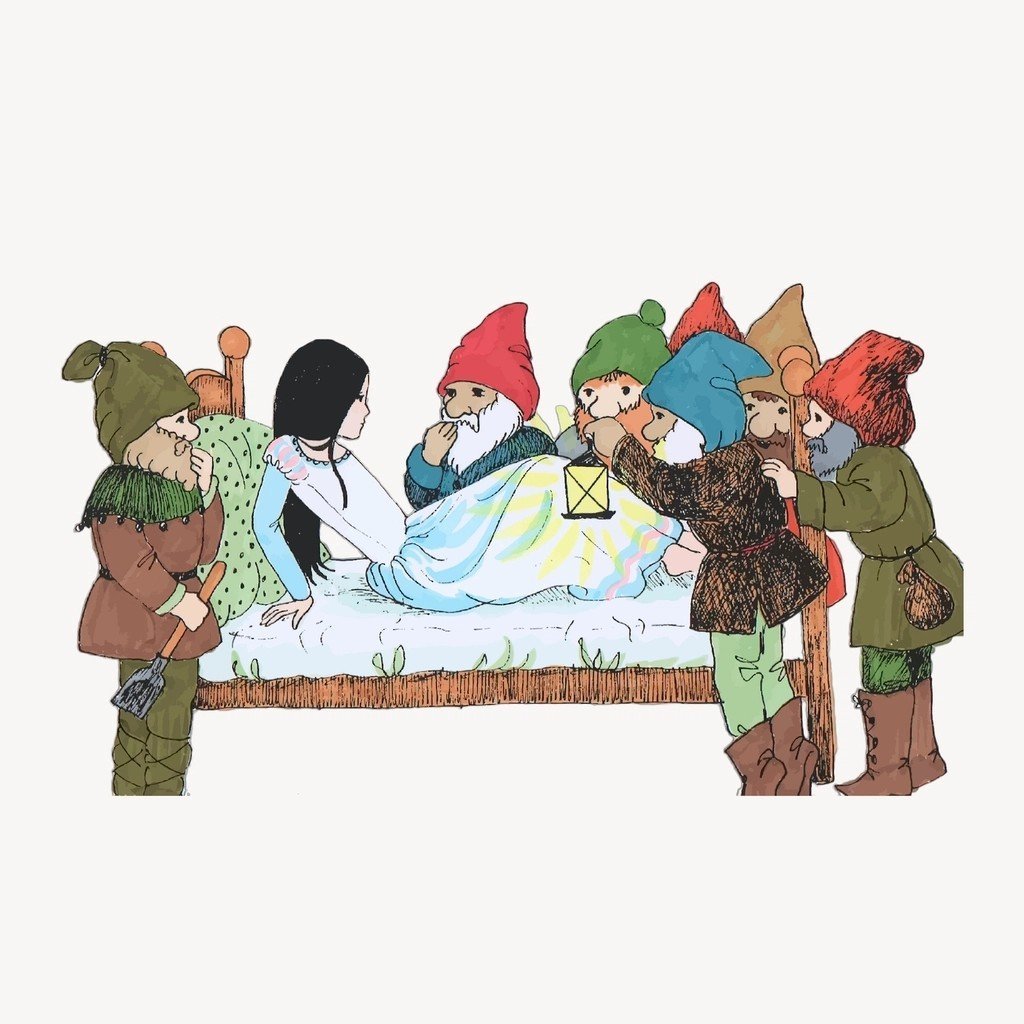
Snow White’s housekeeping invasion seemed helpful to young eyes. She barged into the dwarves’ home, tidied up, and claimed their beds without a word.
The prince’s kiss on her seemingly lifeless body sparked necrophilia debates among adults. Later views frame it as a troubling tale of trespass and objectification, far from innocent charity.[1]
The Lion King
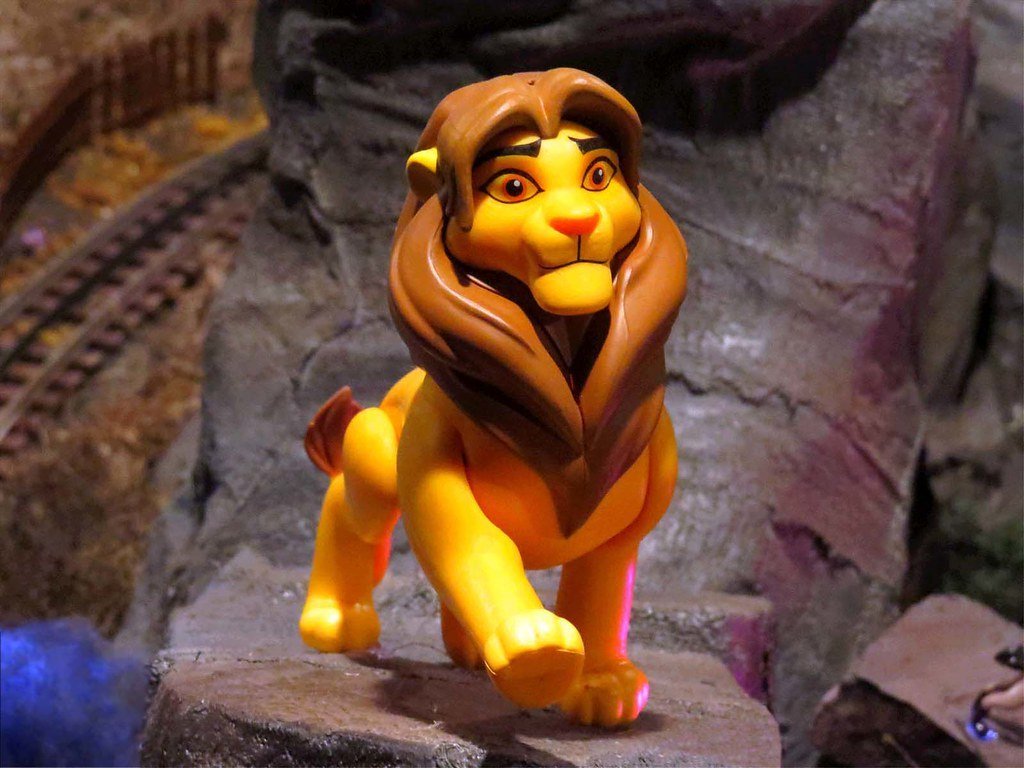
Simba’s journey from cub to king felt epic and heroic. The lionesses as Mufasa’s harem made Nala his half-sister, turning their romance uncomfortably close.
Scar’s dark fur and mannerisms played into homophobic and colorist tropes. Grown-up analyses unpack the incest hint and villain coding, darkening the savanna saga.[1]
Dumbo
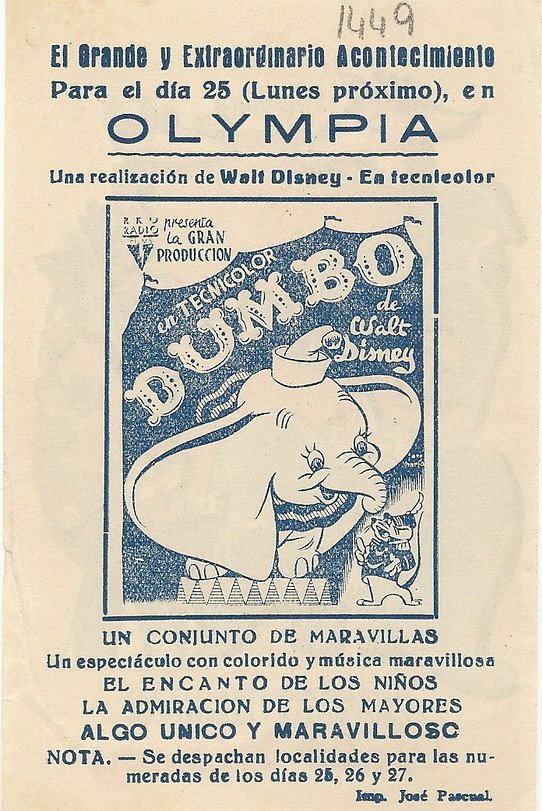
Dumbo’s big ears led to triumphant flight for kids. The roustabouts song glorified nameless black laborers toiling near death, a grim nod to exploitation.
Jim Crow, the sassy crow leader, evoked segregation laws directly. Adults revisit it as a mirror to racism in circuses and society, stripping the whimsy.[1]
Johnny Bravo
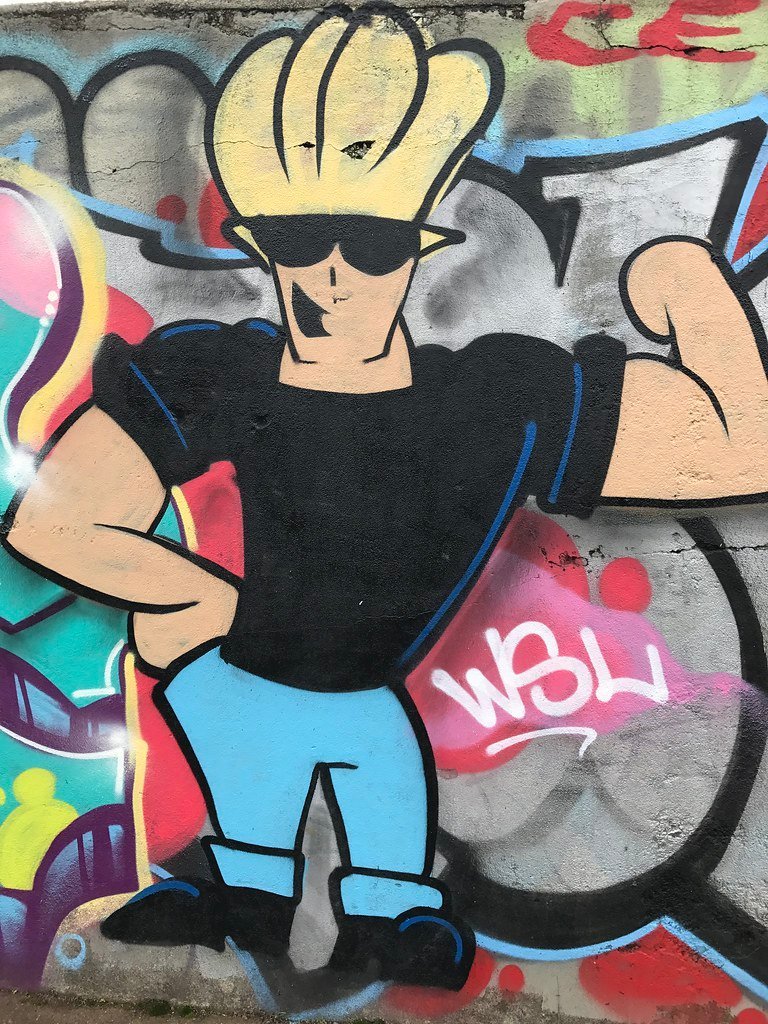
Johnny’s muscle flexing and pick-up lines landed laughs from afar. His relentless pursuit normalized cat-calling and ignored consent signals.
The humor flipped women’s rejections into punchlines, seeding toxic masculinity ideas. Later takes call out how it trivialized harassment, reshaping the buffoon as cautionary.[1]
The Powerpuff Girls
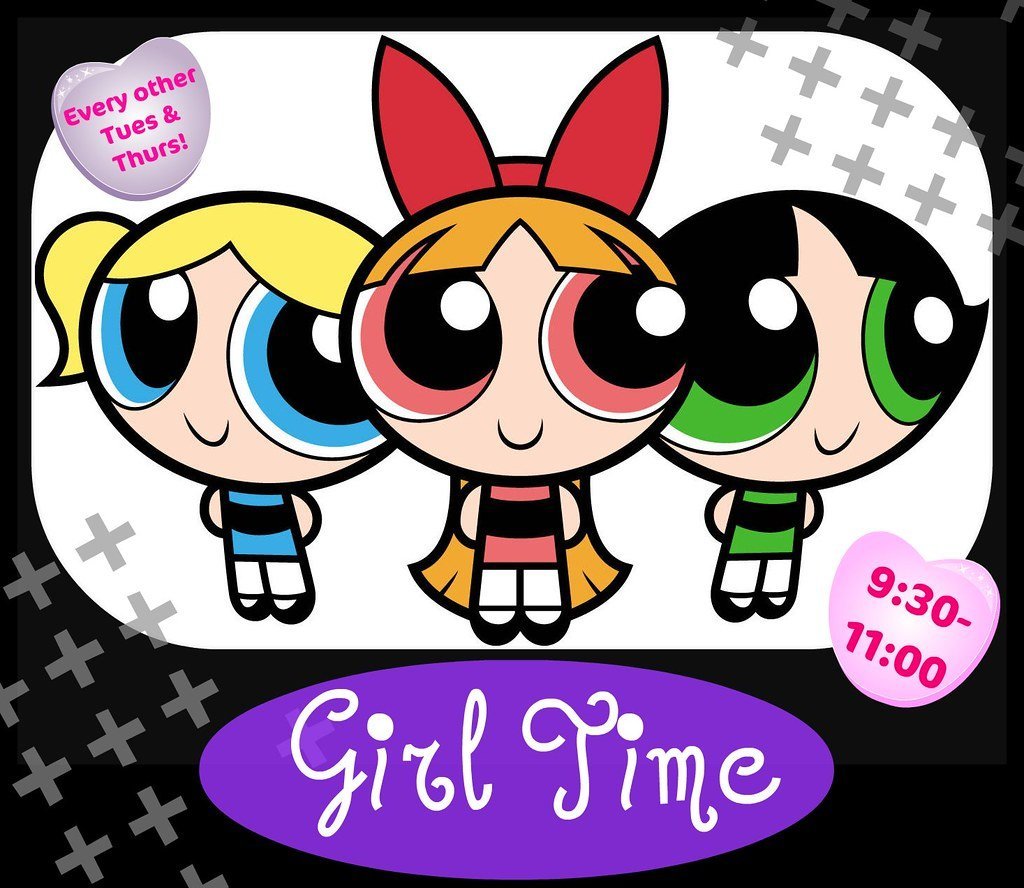
The superhero sisters fought crime with sugar-spice power. Miss Sara Bellum appeared only from the neck down, pure sexualized eye candy.
Him, the flamboyant villain, coded queer traits as evil. Reinterpretations critique the objectification and homophobia, turning girl power bittersweet.[1]
The Replacements
Kids dreamed of swapping out annoyances via agency magic. It encouraged ditching family or friends when inconvenient, pure escapism gone extreme.
Adults spotted the dark push to avoid life’s tough parts entirely. Modern views see it promoting disposability in relationships, less fun than first glance.
Courage the Cowardly Dog
Courage’s bravery against monsters thrilled brave viewers. Episodes featured Sweeney Todd-like cannibals and possessions that haunted dreams.
The horror elements questioned kid-appropriate scares altogether. Later reflections frame it as psychological terror disguised as comedy, far too intense.[1]
SpongeBob SquarePants
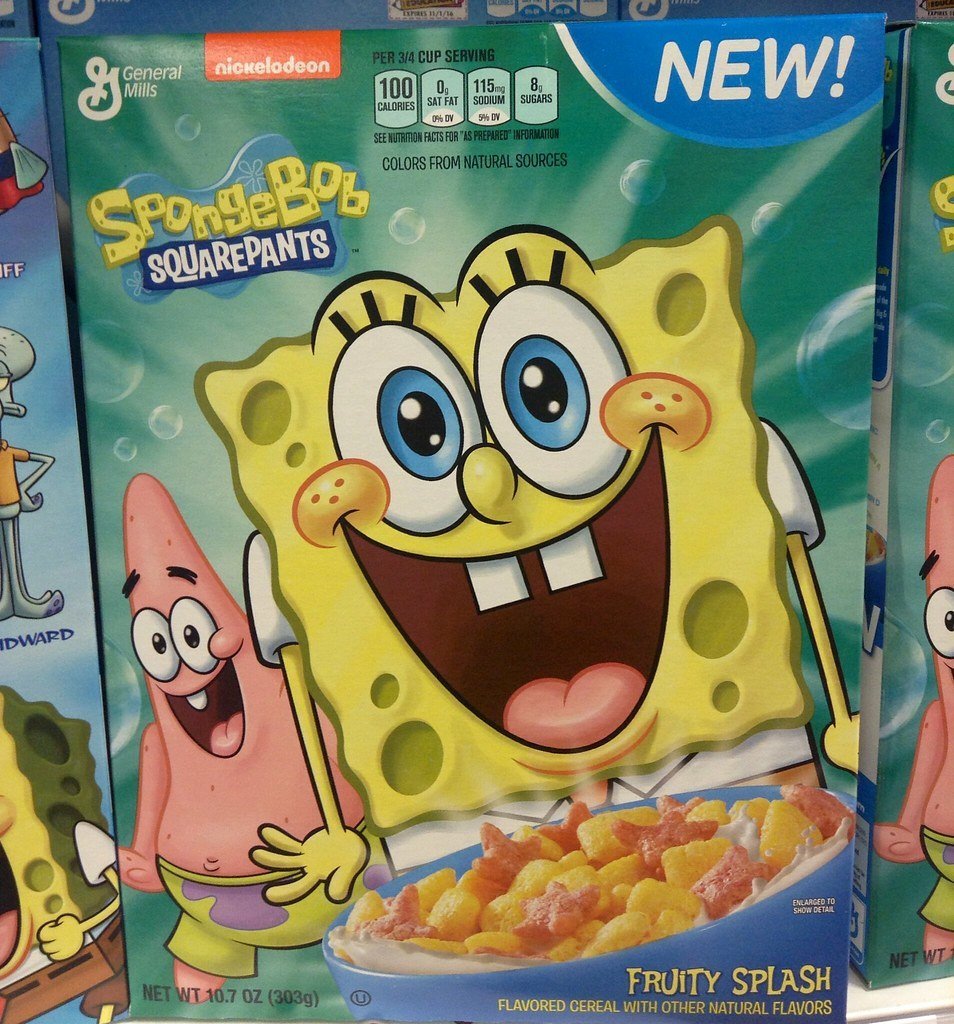
Bikini Bottom’s absurdity kept everyone giggling. Plots buried health inspectors alive or broke Squidward mentally in void dimensions.
Plankton’s torture sessions pushed cruelty limits. Grown analyses reveal casual violence and breakdowns beneath the sponge, unsettling the sea floor.[1]
Pinocchio
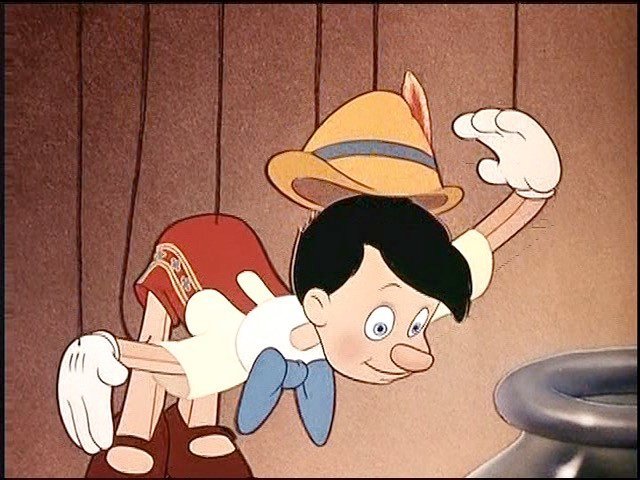
The puppet’s nose-growing moral seemed straightforward. Strangers lured him to Stromboli’s slave show, classic trafficking setup.
Pleasure Island turned naughty boys into donkeys for mines, a fate worse than lies. Adults decode it as warnings on abduction and labor horrors.[1]
The Magic School Bus
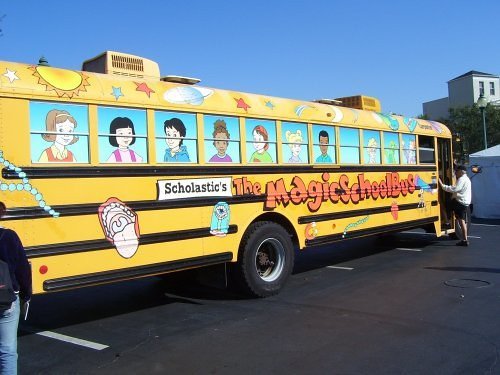
Educational field trips inside bodies excited learners. Ralphie’s immune invasion or Arnold’s frozen head felt like science fun.
The scenarios veered into body horror and punishment extremes. Reinterpretations question the teacher’s risky methods, blending learning with dread.[1]
Animation’s Narrative Complexity
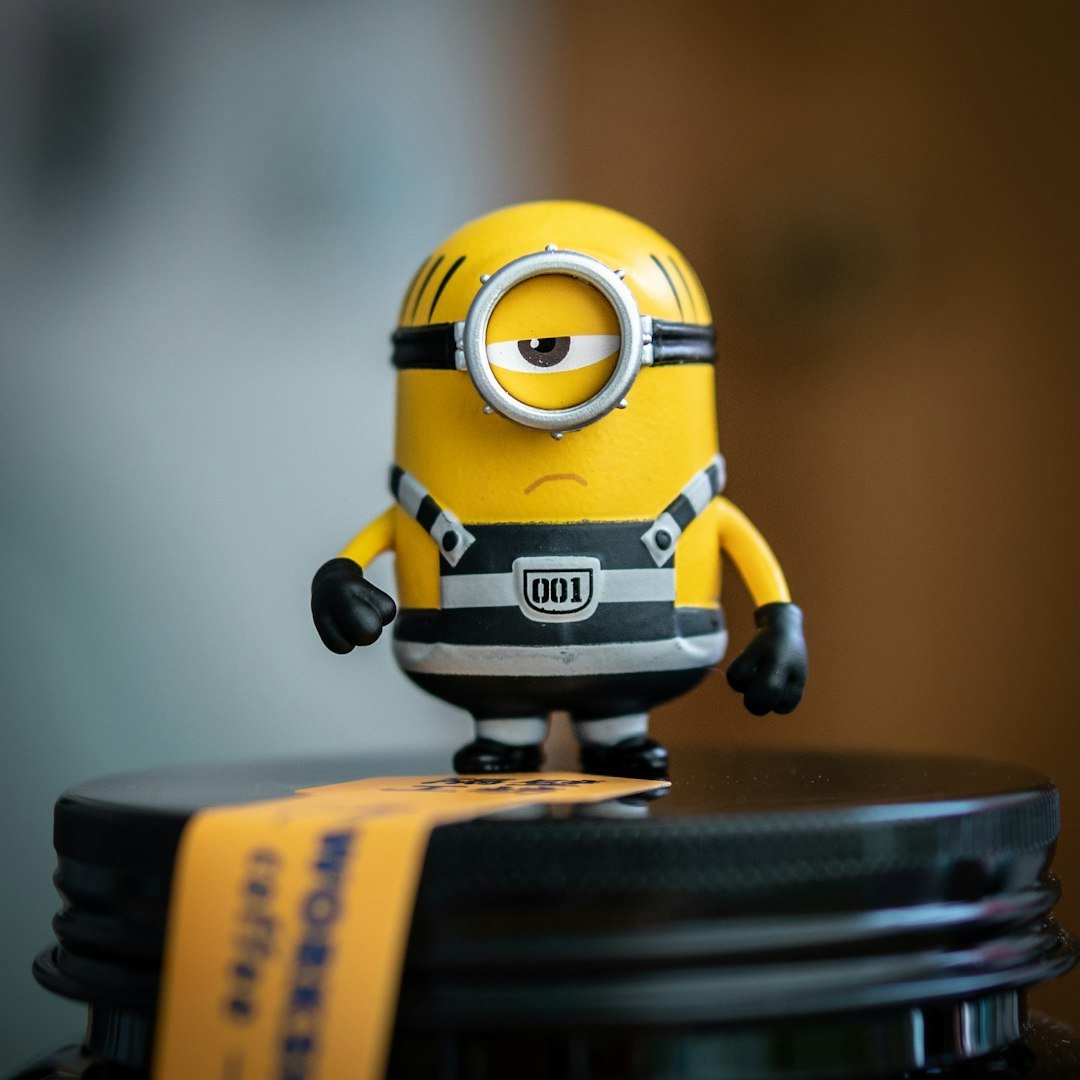
These cartoons wove adult insights into kid entertainment seamlessly. Rewatches uncover social critiques and cautions that endure.
Animation thrives on such depths, bridging generations with stories that grow alongside us. What seemed lighthearted often carried weight worth pondering now.
CEO-Co-Founder
