
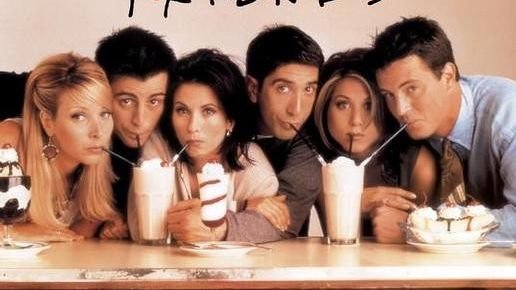
Classic television shows capture the essence of human experience through simple, everyday stories. Families gather around the screen to laugh at mishaps or nod in recognition at familiar struggles. These programs thrive on relatable moments that transcend decades.
Timeless storytelling keeps them alive. Characters face universal challenges like friendship, love, and minor disasters. Generations find pieces of themselves in these narratives, ensuring cultural staying power.
I Love Lucy
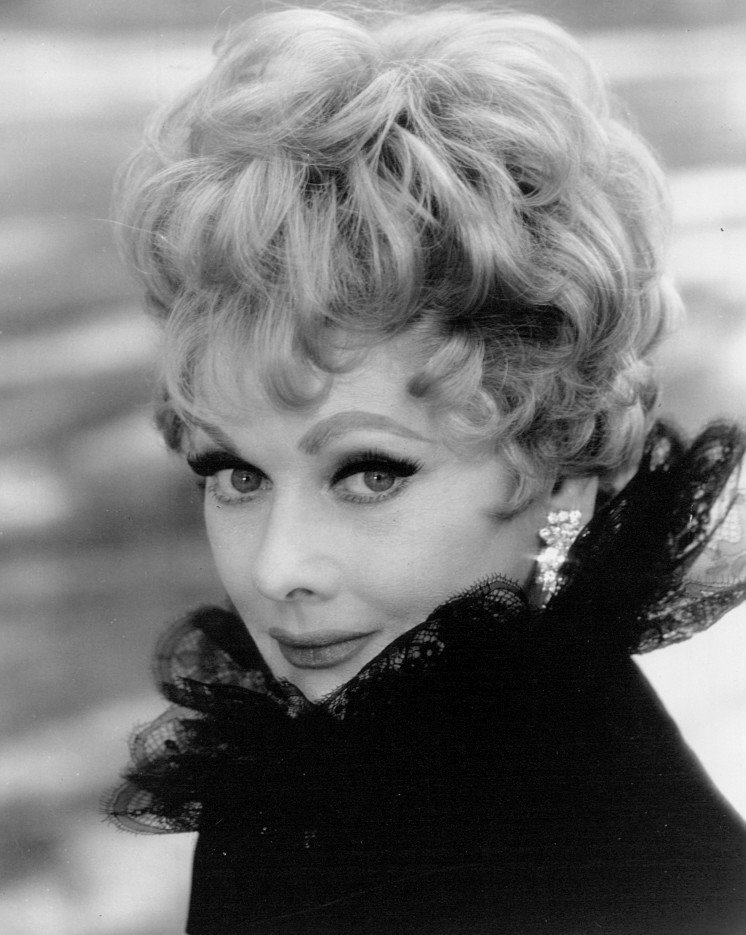
Lucy Ricardo embodies the spirited dreamer chasing adventure amid domestic life. Her schemes often spiral into chaos, pulling husband Ricky and friends Ethel and Fred into the fray. Viewers connect because everyone knows the thrill of a bold idea gone wrong.
Themes of marriage and friendship ring true today. Lucy’s impulsive nature mirrors our own temptations to bend rules for fun. Families still chuckle at her antics, seeing echoes of their holiday mishaps or neighborly bonds.
The Andy Griffith Show
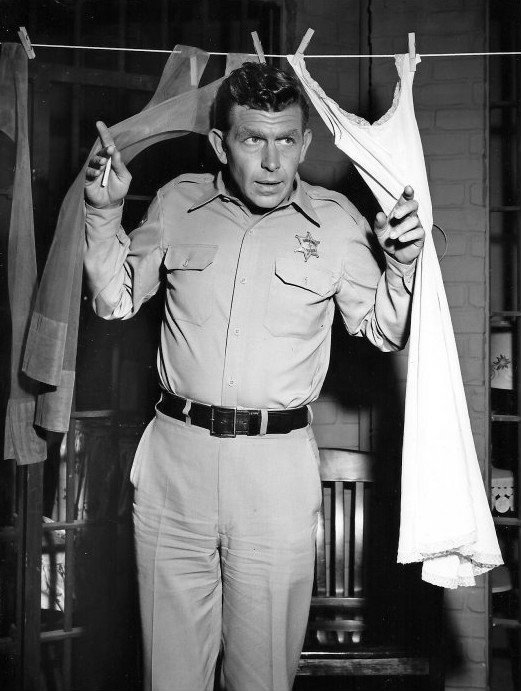
Andy Taylor navigates small-town life with quiet wisdom and a touch of humor. His son Opie learns life’s lessons through innocent questions, while Deputy Barney Fife adds comic relief with earnest blunders. The show’s gentle pace reflects real community ties that many miss in modern rush.
Moral dilemmas and neighborly kindness form its core. People appreciate Andy’s fair approach to conflicts, much like handling workplace spats or family feuds now. Its warmth draws new fans seeking comfort in straightforward goodness.
Cheers

The Boston bar serves as a cozy hub where patrons unload daily woes. Sam Malone, the charming ex-ballplayer, flirts and manages with easy charisma. Norm and Cliff deliver reliable laughs through their deadpan routines and barstool wisdom.
Belonging and camaraderie drive the appeal. Everyone craves that spot where friends listen without judgment, just like today’s coffee meetups or group chats. Characters evolve through heartaches and triumphs, mirroring personal growth across ages.
Seinfeld
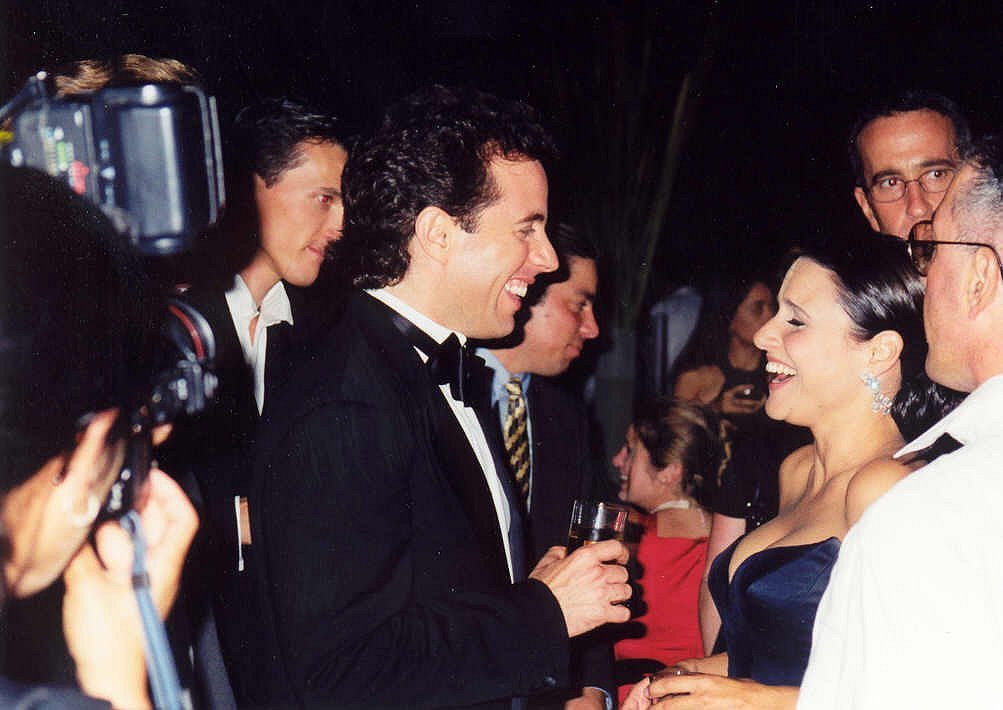
Jerry, George, Elaine, and Kramer tackle absurd everyday irritations with sharp wit. A misplaced shirt or awkward date becomes epic comedy. Their self-absorbed banter captures the petty frustrations of urban life.
Nothingness turned into relatability defines it. Audiences laugh at George’s schemes or Kramer’s wild entrances because they echo our own minor obsessions. The show nails social faux pas that still plague dinners and offices today.
Friends
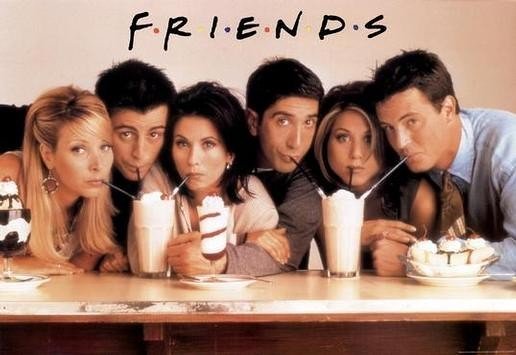
Six New Yorkers navigate adulthood in a tight-knit circle. Ross and Rachel’s on-again romance highlights love’s messiness, while Chandler’s sarcasm hides vulnerability. Monica’s perfectionism clashes with Phoebe’s free spirit in hilarious ways.
Loyalty amid change keeps it fresh. Young adults see their roommate dynamics and career pivots reflected here. The group’s unwavering support offers a blueprint for enduring friendships in a transient world.
The Simpsons
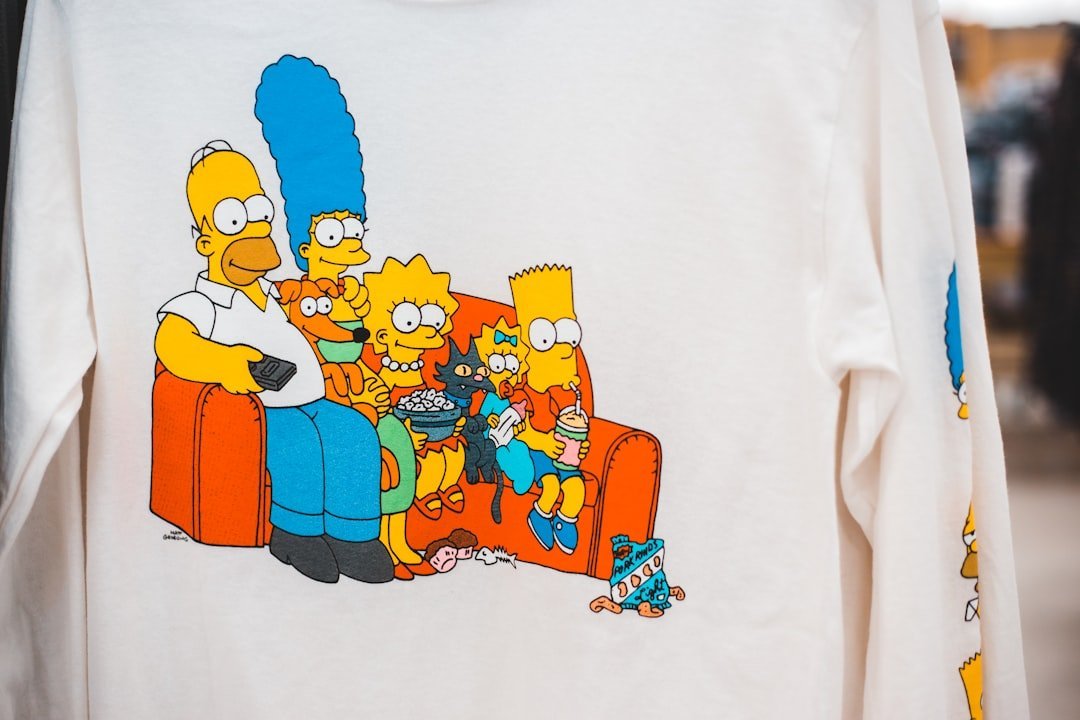
Homer Simpson embodies the flawed everyman juggling family and folly. Marge holds the household with patient love, as Bart rebels and Lisa dreams big. Springfield’s quirky residents amplify ordinary suburban quirks.
Satire on family life endures. Homer’s lazy genius moments resonate with tired parents everywhere. The show’s prescient jabs at society keep it relevant, pulling in kids who spot their own home chaos.
The Office (US)

Dunder Mifflin’s Scranton branch buzzes with awkward office dynamics. Michael Scott craves approval through misguided antics, while Jim pranks Dwight amid quiet romance with Pam. The mockumentary style exposes raw workplace truths.
Boredom and ambition clash in familiar ways. Fans relive micromanagers and team-building disasters from their jobs. Subtle growth in characters like Pam pursuing dreams inspires those stuck in routines.
Conclusion

Character-driven tales outlast flashy trends. These shows build worlds around people we recognize in ourselves. Relatability ensures reruns draw crowds decades later.
Storytelling rooted in human quirks proves timeless. As life evolves, the comfort of familiar struggles persists. Classic TV reminds us connection trumps spectacle every time.


