

For any feedback please reach out to info@festivalinside.com
- 12 Literary Feuds So Intense, They Changed the Course of Literature - August 11, 2026
- 10 Mysterious Disappearances of Famous Figures That Still Puzzle Experts - August 11, 2026
- 10 Foods We Thought Were American But Were Actually Invented Somewhere Else. - August 11, 2026
American architecture stands as a testament to the nation’s drive for progress, blending bold engineering with a sense of identity that evolves through time. From the industrial boom of the 19th century to the resilient designs of the 21st, these structures capture moments when technology pushed boundaries and reflected the American spirit of ambition.[1]
Each era brought new challenges, met with innovative solutions that not only solved practical problems but also symbolized national aspirations. Bridges spanning vast waters, towers piercing the sky, and arches defying gravity all tell this ongoing story.
The Brooklyn Bridge
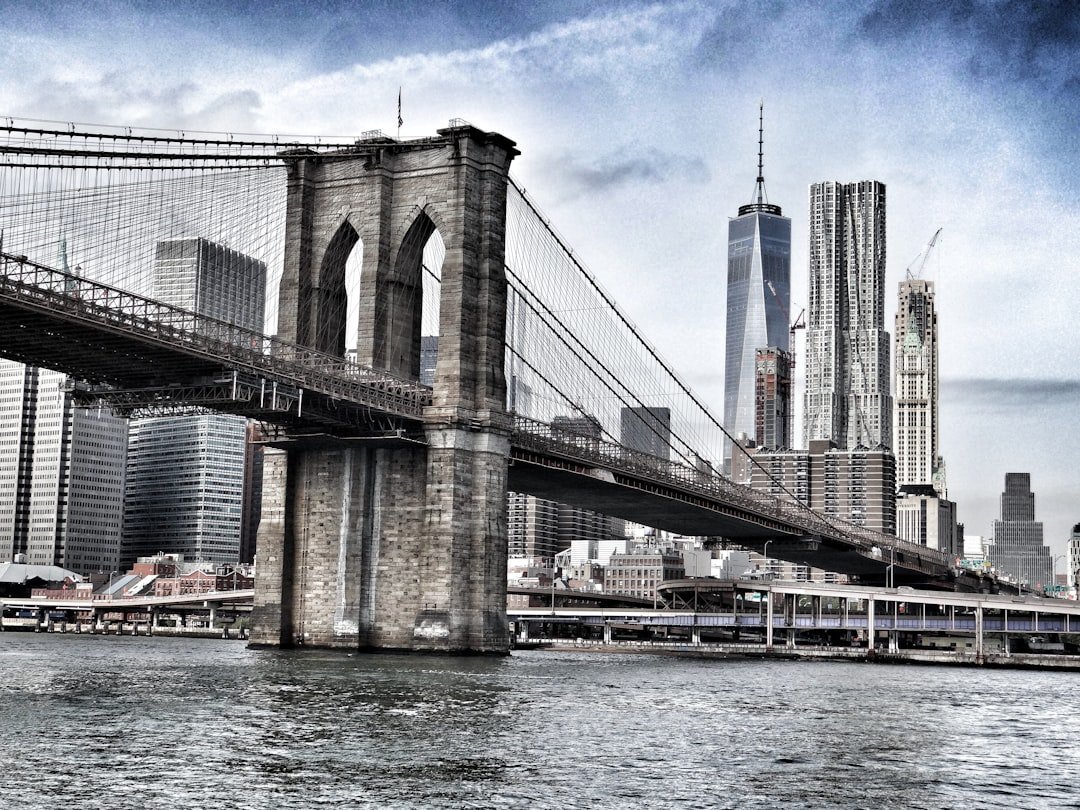
Completed in 1883, the Brooklyn Bridge marked a pivotal engineering achievement as the first suspension bridge to use steel-wire cables, allowing for unprecedented strength and span.[2] Engineers John Roebling and his son Washington employed pneumatic caissons for the foundations, a novel technique that enabled work deep underwater despite the risks of decompression sickness. This structure stretched 1,595 feet between towers, the longest span of its time, showcasing early mastery of materials like galvanized steel to combat corrosion.
Culturally, the bridge united Brooklyn and Manhattan, fostering economic growth and urban expansion in New York City. It became an enduring icon of industrial progress, inspiring poetry and art that celebrated human triumph over nature. Today, it draws millions, reminding visitors of America’s Gilded Age ingenuity.[1]
The Empire State Building
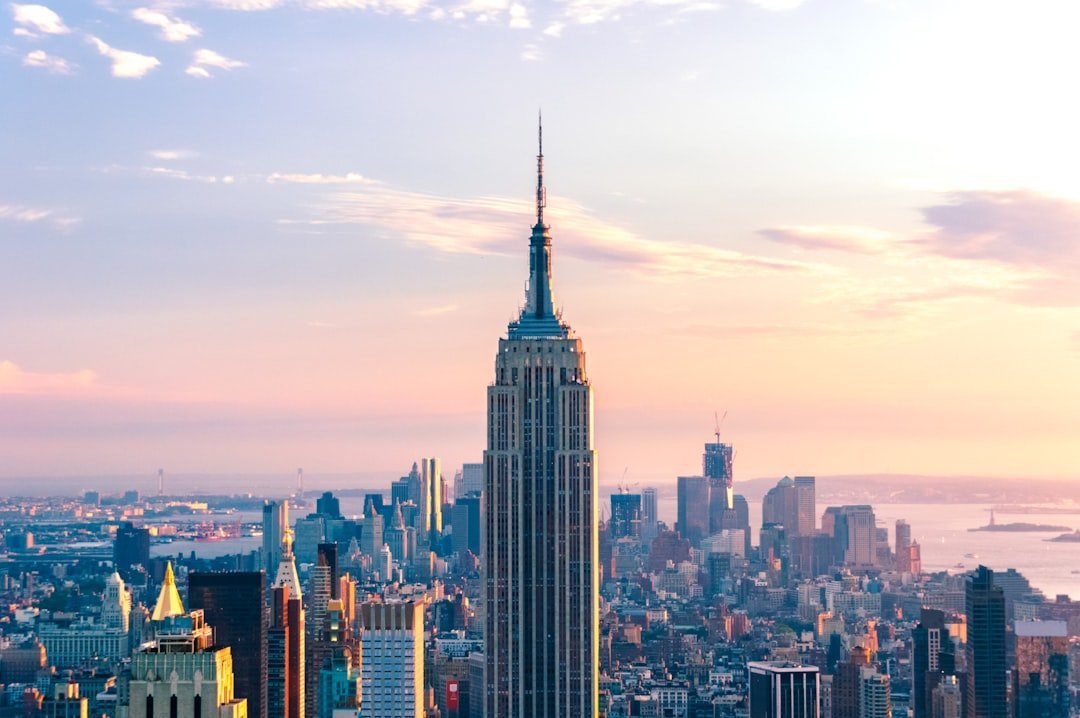
Rising in just 410 days during the Great Depression, the Empire State Building pioneered rapid construction techniques with its riveted steel frame and masonry cladding.[3] At 1,250 feet, it held the title of world’s tallest building for nearly four decades, thanks to innovations like aluminum spandrels and efficient assembly lines for materials. Workers set records by placing four and a half steel beams per day, a feat of coordinated labor and prefabrication.
The building embodied New York City’s resilience and ambition, serving as a beacon of hope amid economic hardship. Its Art Deco styling influenced global skyscraper aesthetics, while mooring dirigibles from its spire highlighted early aviation dreams. It remains a cultural landmark, featured in countless films and symbolizing enduring American optimism.[4]
The Golden Gate Bridge
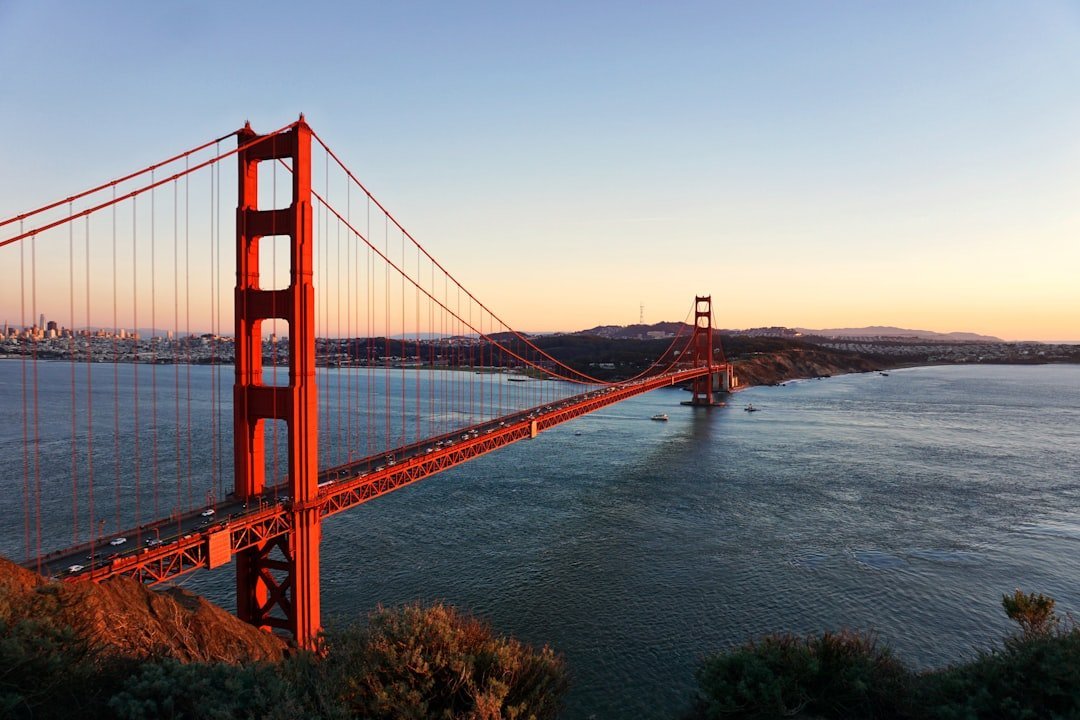
Opened in 1937, the Golden Gate Bridge featured the longest suspension span ever at 4,200 feet, achieved through massive anchorages and a flexible yet rigid roadway deck to withstand winds and earthquakes.[5] Chief engineer Joseph Strauss incorporated Art Deco towers and corrosion-resistant paint, while innovative cable-spinning techniques laid 80,000 miles of wire in months. The bridge’s international orange hue improved visibility in fog, a practical design choice born from safety studies.
As a gateway to the Pacific, it symbolized California’s growth and the West Coast’s emergence as an economic powerhouse. The structure connected San Francisco to Marin County, spurring suburban development and trade. Its graceful form has made it one of the most photographed bridges worldwide, representing bold exploration and engineering prowess.[1]
The Gateway Arch
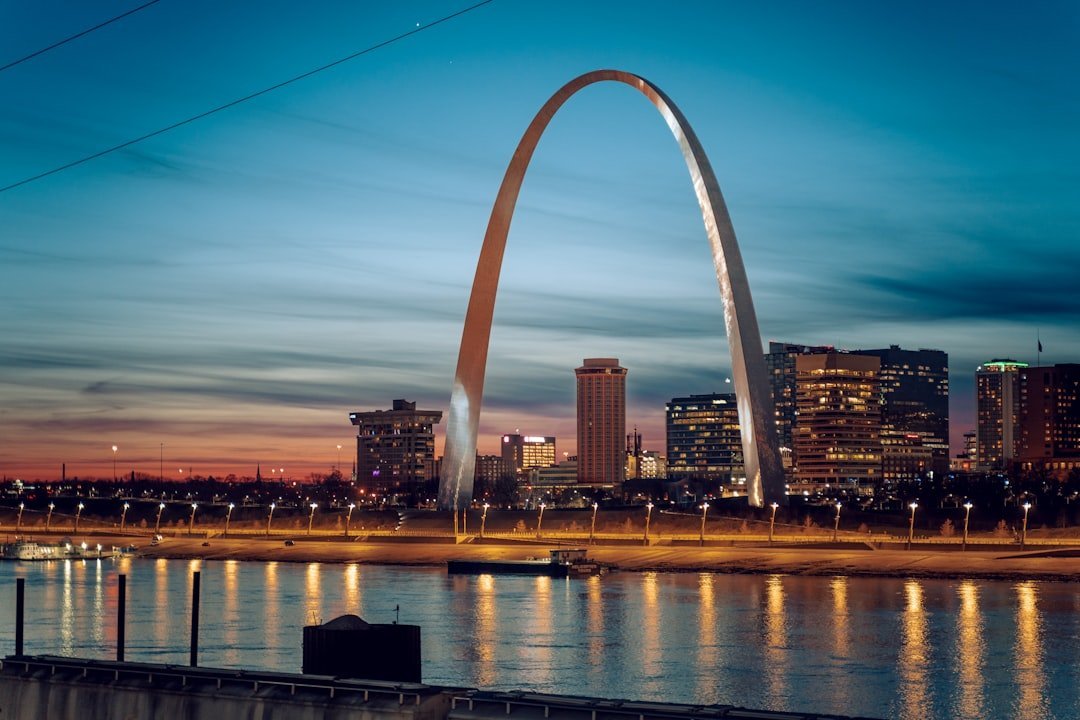
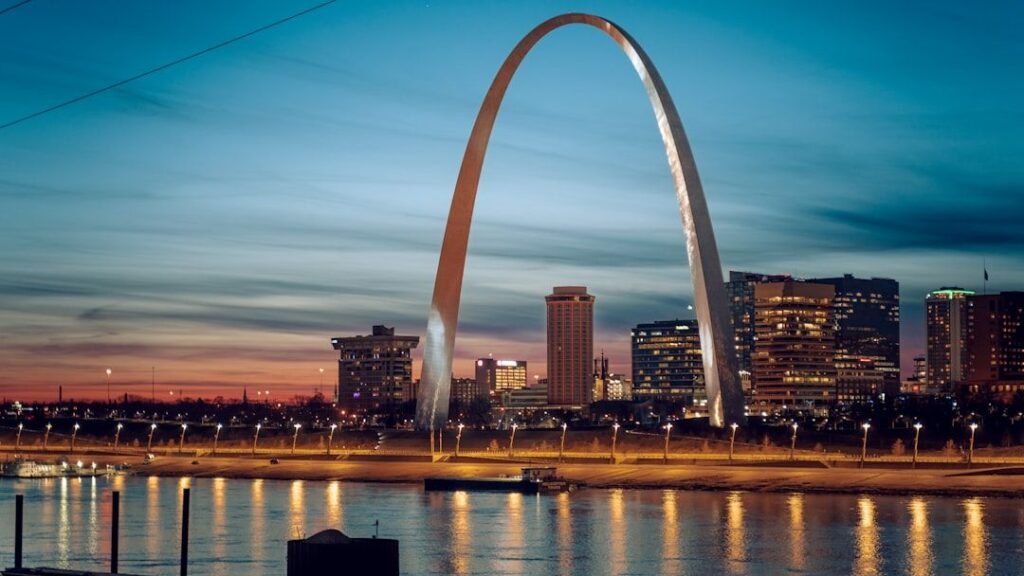
Dedicated in 1965, the Gateway Arch in St. Louis stands 630 feet tall as the tallest man-made monument in the U.S., constructed from stainless steel in a weighted catenary curve for perfect stability.[6] Architect Eero Saarinen’s design used innovative leg construction, where triangular sections were pieced together on-site with hydraulic jacks to form the equilateral parabola. This method overcame gravity’s pull, creating a seamless, gleaming surface without internal supports.
The Arch commemorates westward expansion and the Louisiana Purchase, anchoring Jefferson National Expansion Memorial. It reflects mid-century modernism’s optimism, blending monumentality with futuristic form. Tram rides to the top offer panoramic views, reinforcing its role as a living symbol of American manifest destiny.[7]
Willis Tower (Formerly Sears Tower)
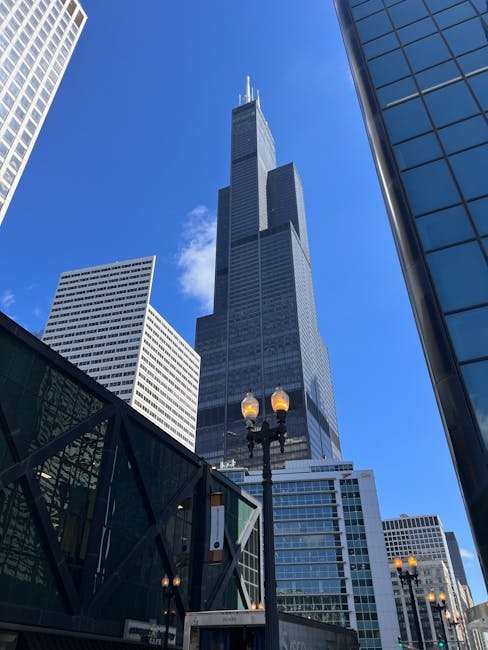
Completed in 1973, the Willis Tower introduced the bundled tube structural system, nine square tubes clustered for superior strength and wind resistance, allowing it to reach 1,450 feet as the world’s tallest building then.[1] Architect Bruce Graham and engineer Fazlur Khan’s innovation reduced material use by 30 percent compared to traditional frames, enabling slimmer profiles and sky decks. The design withstood Chicago’s fierce winds through tapered forms and tuned mass dampers.
It defined Chicago’s skyline and the skyscraper race, housing Sears’ headquarters and boosting the city’s commerce hub status. The tower’s glass box aesthetic influenced supertall designs globally, emphasizing efficiency and height. Its Skydeck with glass ledges draws thrill-seekers, underscoring American daring in vertical living.[1]
One World Trade Center
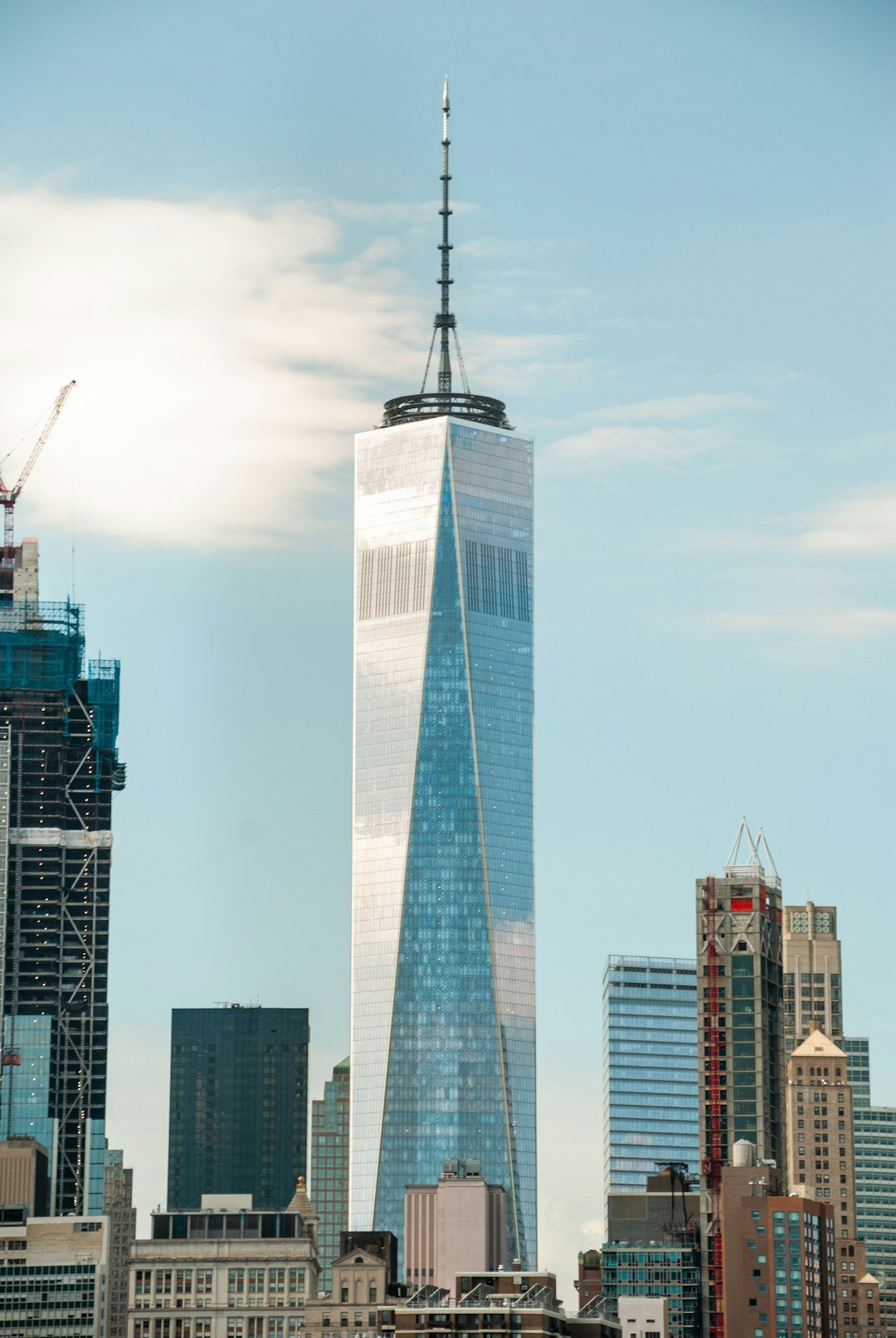
Topping out in 2014 at 1,776 feet, One World Trade Center features a fortified concrete core and blast-resistant glass, innovations born from post-9/11 security needs while achieving LEED Gold status.[1] Architect David Childs incorporated a crystalline facade that narrows upward, with a spire reaching symbolic height tied to 1776. Advanced damping systems and redundant structural paths ensure resilience against impacts and storms.
Rising from the original World Trade Center site, it honors 9/11 victims while reclaiming Lower Manhattan’s prominence. The building anchors a revitalized neighborhood with transit hubs, symbolizing recovery and unity. Its presence reaffirms New York’s unyielding spirit and commitment to sustainable urban futures.[1]
A Record of Innovation
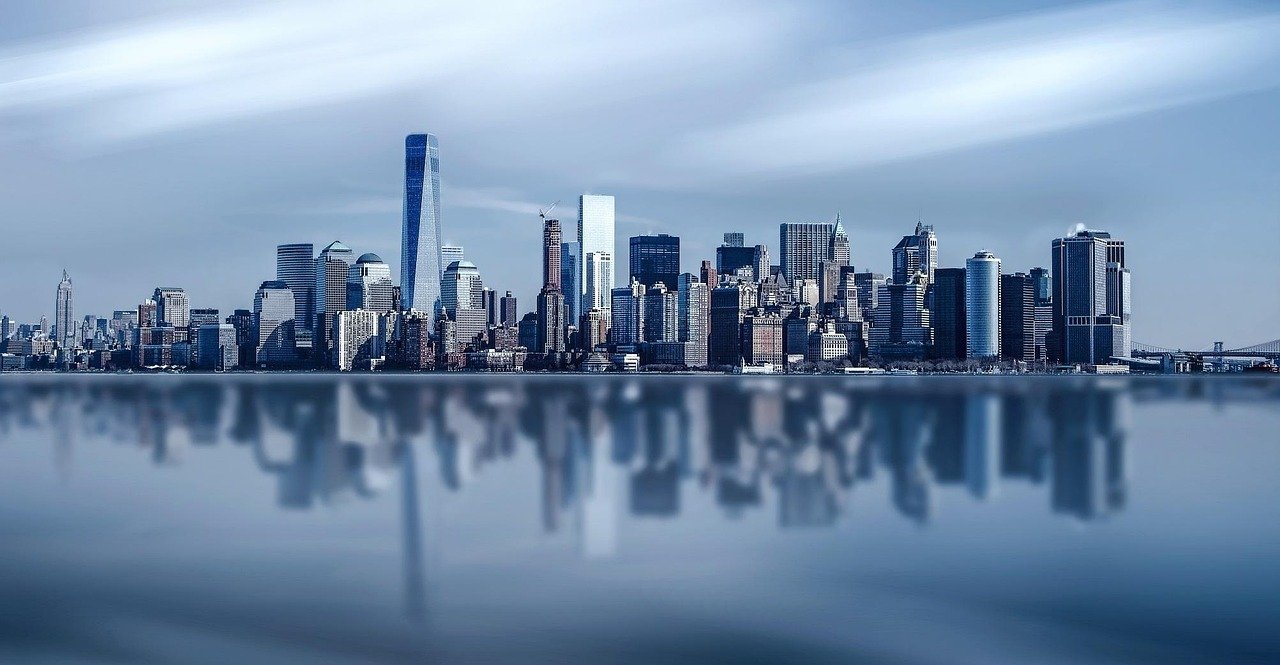
These masterpieces trace American ingenuity from steel cables to smart materials, each responding to its era’s demands with forward-thinking solutions. They stand not just as functional spaces but as narratives of overcoming obstacles, from treacherous waters to turbulent skies.
Architecture preserves this legacy, inviting reflection on how past breakthroughs inform tomorrow’s designs. In a nation built on reinvention, these structures quietly affirm that progress endures through careful craft and collective will.

Christian Wiedeck, all the way from Germany, loves music festivals, especially in the USA. His articles bring the excitement of these events to readers worldwide.
For any feedback please reach out to info@festivalinside.com
