
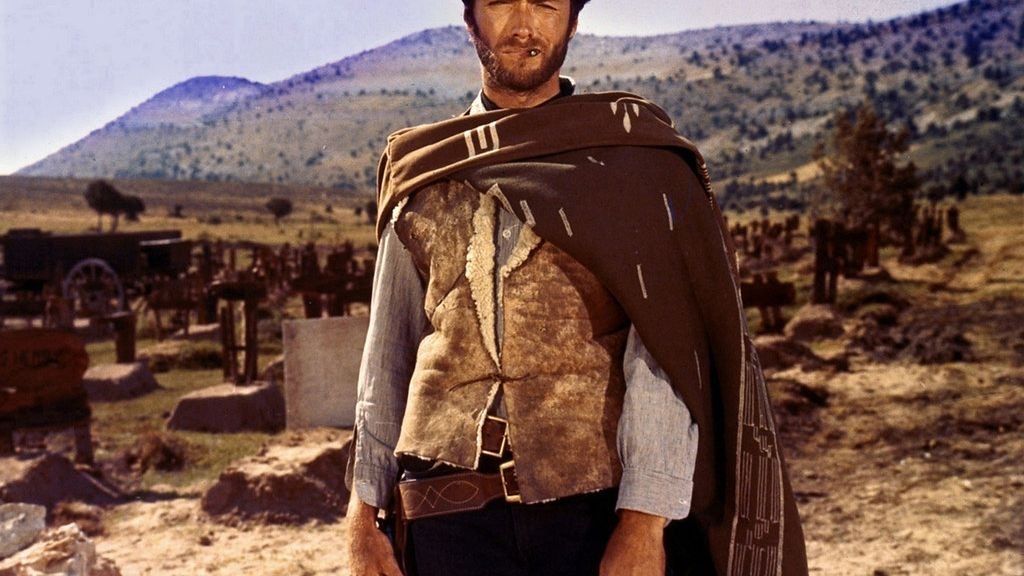
Music in cinema does more than fill silence. It shapes how viewers feel, often deepening the story’s impact without a single word. A well-crafted score can turn tension into terror or joy into something transcendent.
Film scores, composed specifically for movies, act as an invisible guide. They underscore character arcs, heighten drama, and linger long after the credits roll. Composers like John Williams have mastered this art, threading emotions through sound that make narratives unforgettable.[1][2]
Star Wars (1977)
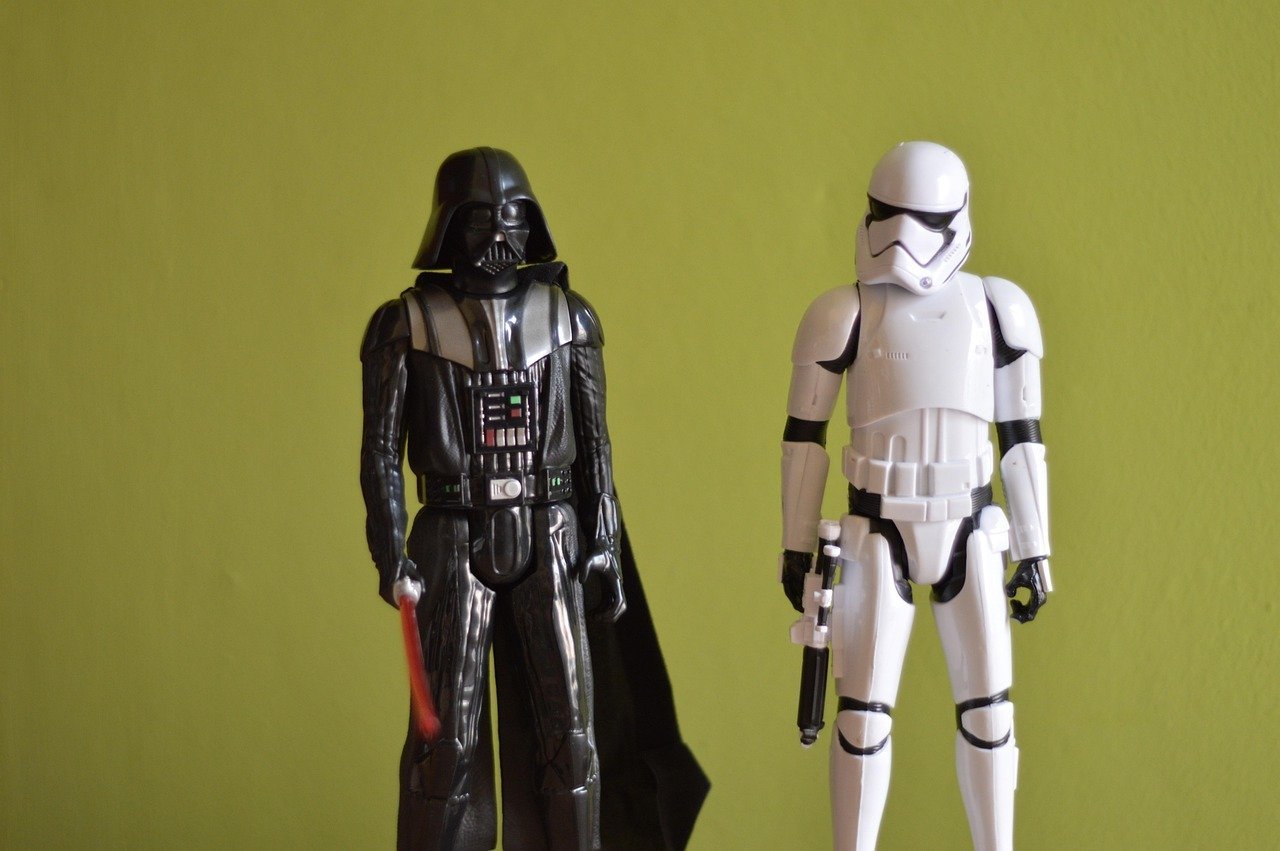
John Williams crafted the score for Star Wars. His soaring brass and triumphant fanfares capture the thrill of space adventure. The Force Theme swells with hope, pulling audiences into a galaxy of heroism.
Every lightsaber clash gains weight from those urgent strings. Williams builds epic scale, making viewers feel the weight of destiny. The music transforms spectacle into something profoundly stirring.[2][3]
Jaws (1975)

John Williams composed the chilling score for Jaws. Those two-note motifs on bass create relentless dread. The simplicity amplifies fear, mimicking the shark’s approach.
As the shark nears, the tempo quickens, hearts race in sync. Williams turns ocean waves into omens. The score lingers, making beaches feel forever haunted.[3]
Viewers tense up even in calm scenes. This primal pulse elevates suspense to pure instinct.
E.T. the Extra-Terrestrial (1982)

John Williams scored E.T., blending whimsy with deep tenderness. The flying theme lifts with glowing strings and harp. It evokes childhood wonder and bittersweet farewell.
Friendship blooms through gentle woodwinds. As the bike chase unfolds, music surges with pure joy. Williams captures innocence lost and found, touching universal longing.[4][3]
Schindler’s List (1993)
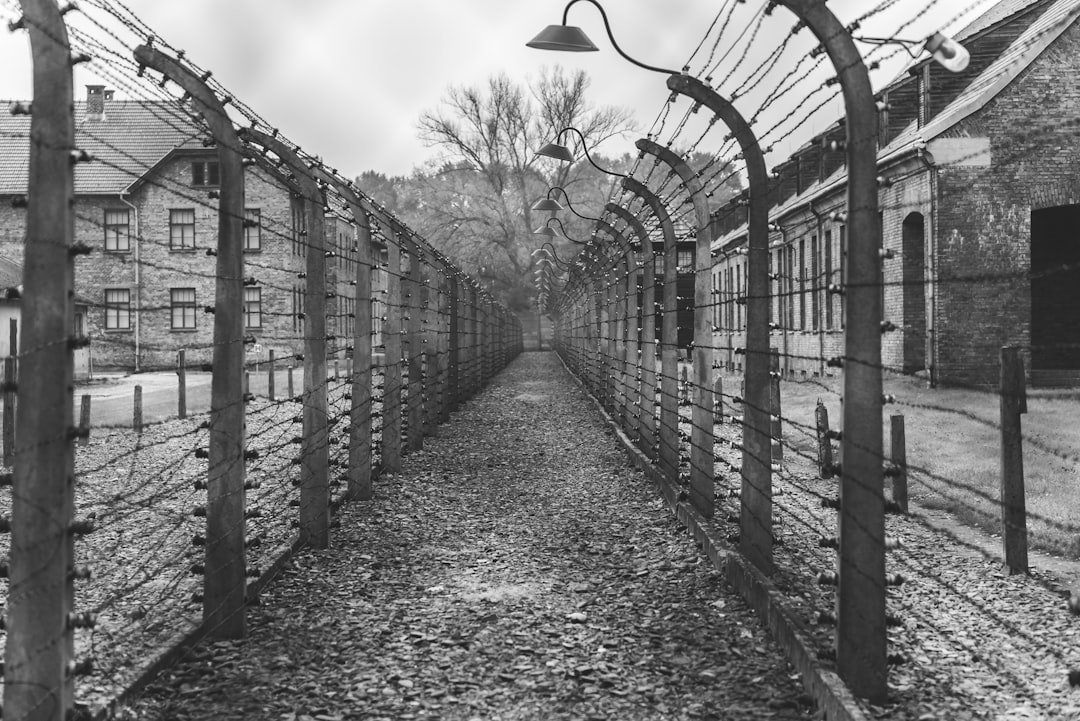
John Williams created the haunting violin solo for Schindler’s List. Its mournful wail conveys unimaginable loss. The music pierces the black-and-white visuals with raw humanity.
Quiet moments swell with quiet despair. Survival hangs on fragile notes. Williams honors quiet heroism amid horror, leaving a lasting ache.[5]
The Good, the Bad and the Ugly (1966)
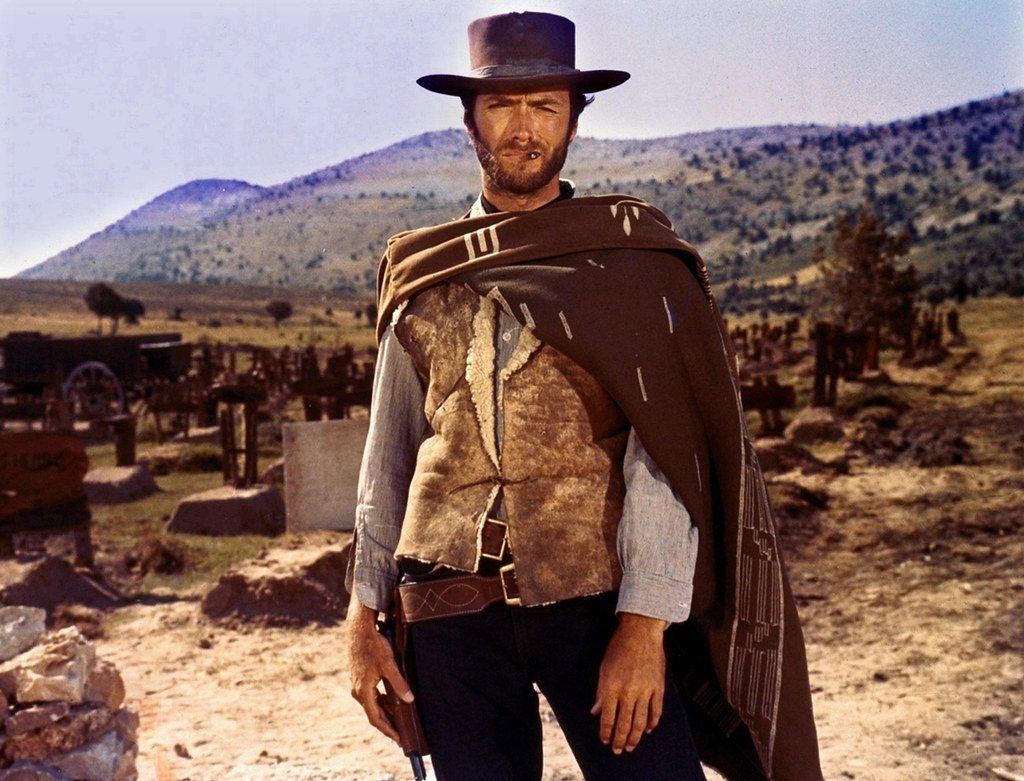
Ennio Morricone composed the iconic western score. Whistles and electric guitar build standoff tension. The main theme coils like a rattlesnake, raw and unforgiving.
Dusty landscapes pulse with danger. Morricone mixes coyote howls and tolling bells for isolation. It turns gunfights into mythic clashes, etching moral ambiguity in sound.[1][6]
Greed and revenge simmer in every cue. The finale explodes in cathartic release.
Psycho (1960)
Bernard Herrmann scored Alfred Hitchcock’s Psycho. Shrill strings slash during the shower scene. No melody, just stabbing chaos that mirrors panic.
Every shadow hides threat through dissonant swells. Herrmann strips comfort away, fueling paranoia. The score makes ordinary motels nightmarish.[7]
Lawrence of Arabia (1962)
Maurice Jarre wrote the sweeping score for Lawrence of Arabia. Oboe themes stretch across deserts, evoking solitude. Vast orchestrations match the endless sands.
Inner conflict brews in subtle percussion. Triumph and tragedy blend in the finale. Jarre captures a man’s epic unraveling.[2]
Interstellar (2014)
Hans Zimmer composed Interstellar’s cosmic score. Pipe organs rumble with time’s weight. Themes build slowly, mirroring loss and discovery.
Wormhole crossings pulse with awe. Zimmer layers ticking clocks into grief. It elevates exploration to heartbreaking scale.[8]
The Lasting Power of Film Music
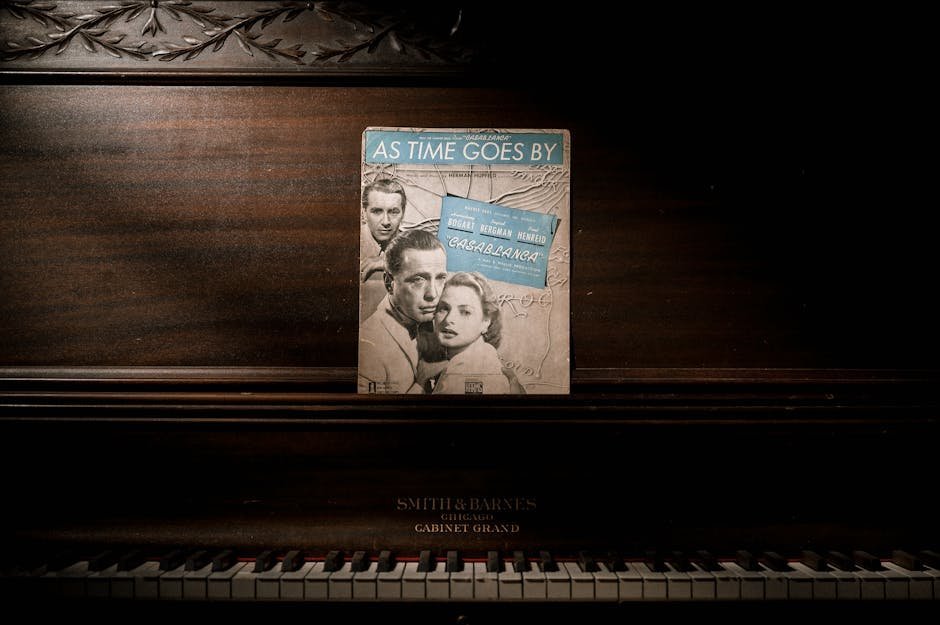
Film scores bind emotion to image, often outliving the story. They cue tears, chills, or cheers precisely when needed. Composers weave these threads, making cinema resonate deeper.
Without them, scenes flatten. Music proves stories thrive on feeling. Next time a theme swells, notice how it pulls you in completely.

- 37 Songs From the ’60s and ’70s With Meanings No One Caught the First Time - August 31, 2026
- 12 Legendary Concert Venues That Witnessed Unforgettable Musical Moments - August 31, 2026
- 10 Iconic Speeches That Dramatically Shaped Modern History - August 31, 2026

