
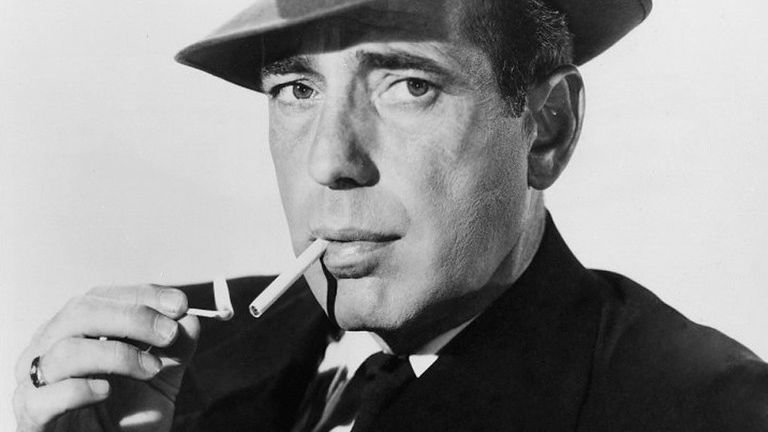
Film history brims with performers whose images linger long after the credits roll. These actors embody the tensions, dreams, and styles of their times, turning personal charisma into cultural shorthand. Their presence on screen often outshines the plots they inhabit.
From silent slapstick to gritty realism, a select few captured shifting moods in society. They influenced fashion, attitudes, and even acting techniques. This piece explores eight such icons, each tied to a defining period.[1][2]
Charlie Chaplin
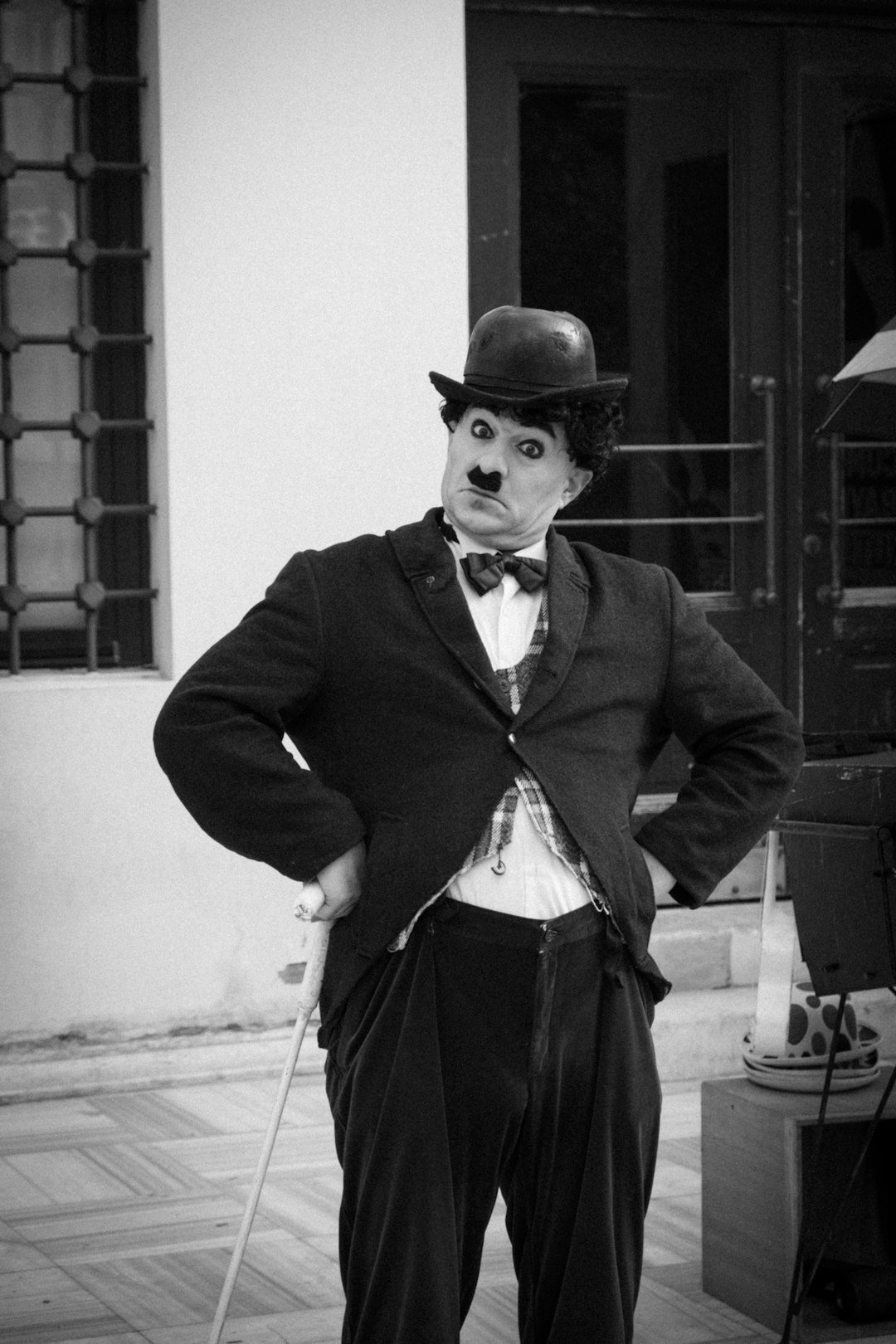
The silent film era of the 1920s found its perfect emblem in Charlie Chaplin. His Tramp character, seen in films like The Kid and The Circus, mixed comedy with quiet pathos. Chaplin controlled every aspect of his work, from directing to scoring, setting a new standard for filmmakers.[1]
This era prized visual storytelling without words. Chaplin’s silhouette became a global symbol of resilience amid hardship. His influence shaped comedy and inspired generations to see film as personal expression.[3]
Humphrey Bogart
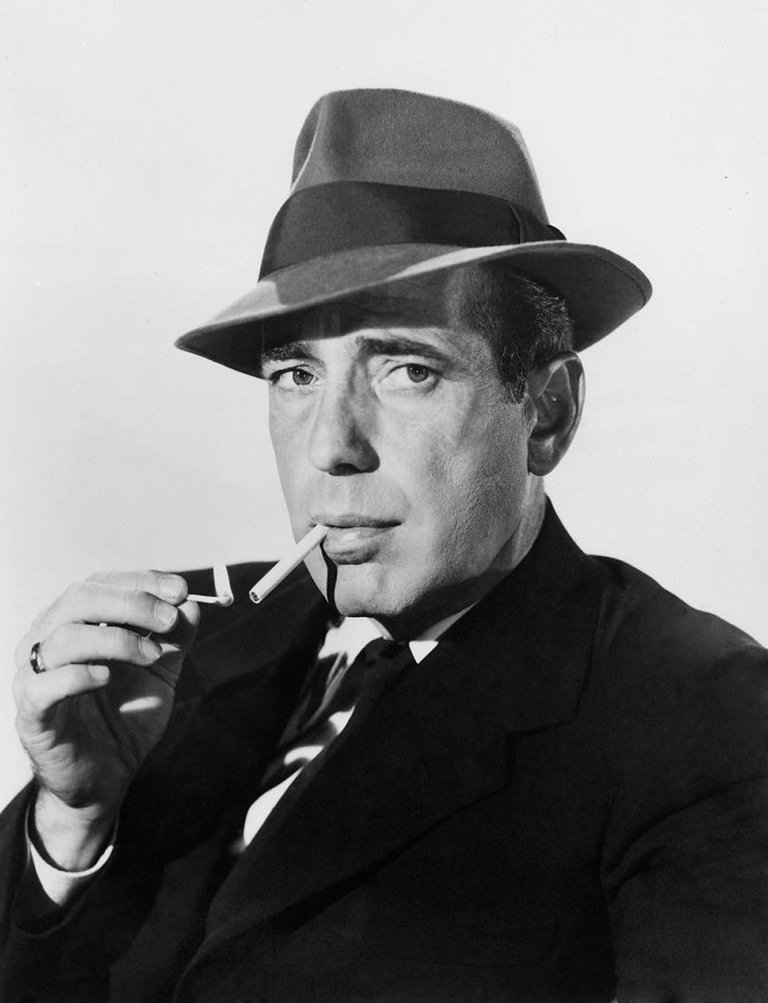
Humphrey Bogart defined the 1940s film noir period with his weary, principled tough guys. Roles in Casablanca as Rick Blaine and The Maltese Falcon as Sam Spade showcased cynical heroes navigating moral gray areas. His laconic delivery and fedora became noir essentials.[1]
Post-war audiences craved his brand of stoic masculinity. Bogart topped the AFI’s list of male screen legends for good reason. He shifted leading men from clean-cut ideals to flawed realists, echoing a disillusioned world.[4]
Marilyn Monroe
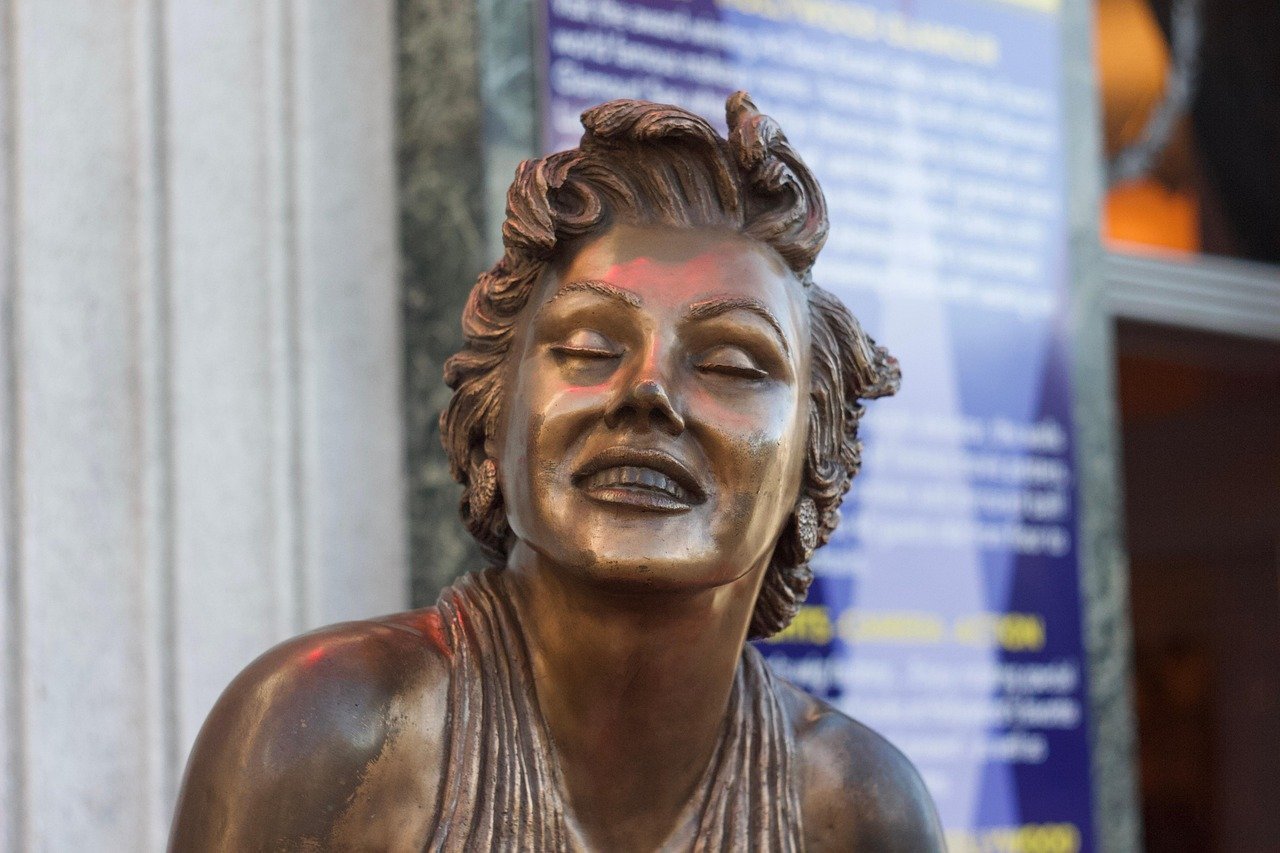
Marilyn Monroe lit up the 1950s as Hollywood’s ultimate bombshell. She shone in Gentlemen Prefer Blondes and Some Like It Hot, blending vulnerability with playful allure. Her breathy voice and curves defined post-war glamour.[1]
This decade celebrated feminine icons amid rising consumerism. Monroe’s image permeated fashion and ads, making her a cultural force beyond films. She challenged views on sexuality while remaining a symbol of the era’s optimism and excess.[5]
Marlon Brando
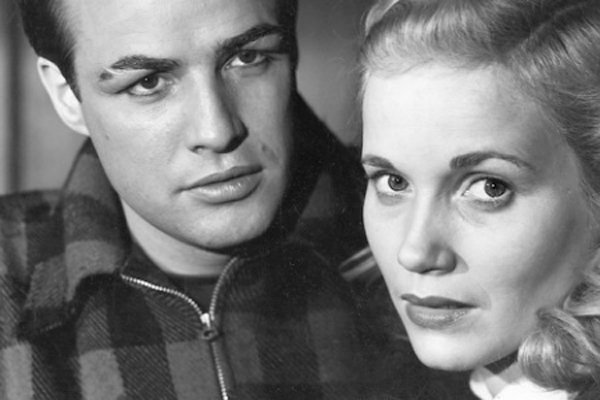
Marlon Brando revolutionized the 1950s with method acting’s raw intensity. Stanley Kowalski in A Streetcar Named Desire and Terry Malloy in On the Waterfront brought psychological depth to the screen. His mumbling naturalism broke from stagey traditions.[1]
The post-war youth rebellion found voice in his brooding rebels. Brando influenced actors toward emotional truth over polish. His presence marked cinema’s shift to more authentic, gritty narratives.[2]
Paul Newman
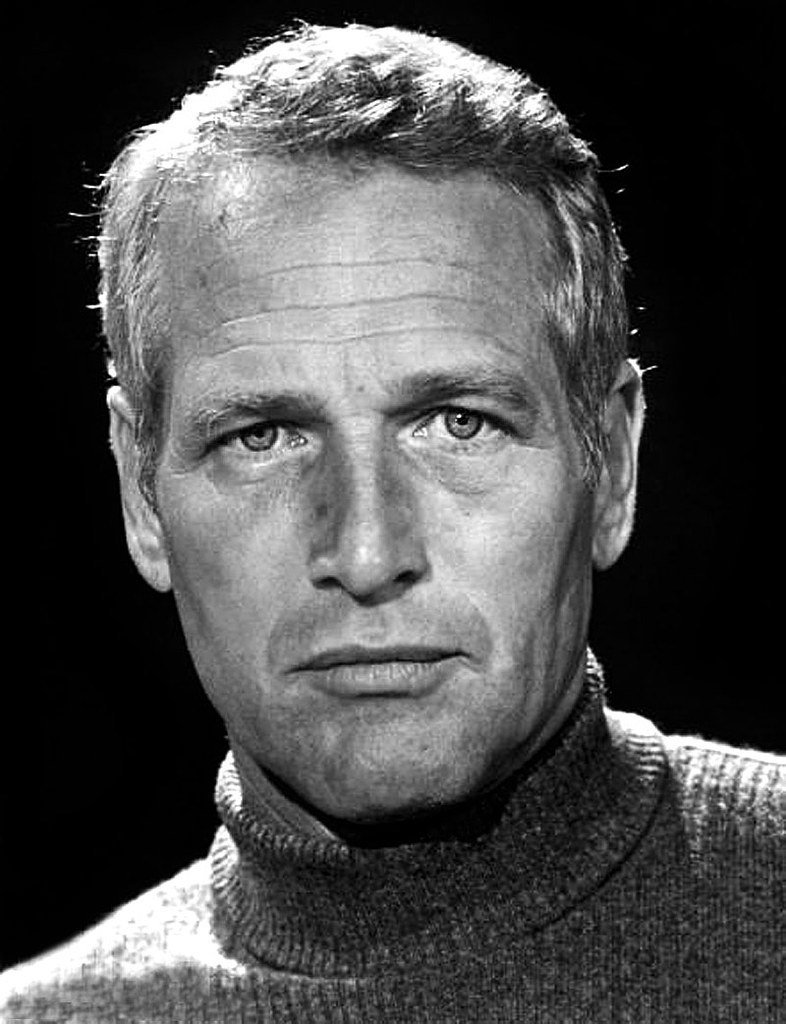
Paul Newman captured 1960s cool in anti-hero roles like Fast Eddie Felson in The Hustler and Luke Jackson in Cool Hand Luke. His piercing blue eyes and understated charm fit the era’s skeptical vibe. He blended toughness with quiet integrity.[2]
As counterculture rose, Newman’s rebels resonated widely. He extended his impact through directing and philanthropy. Newman embodied classic masculinity evolving into something more nuanced and relatable.[5]
Clint Eastwood
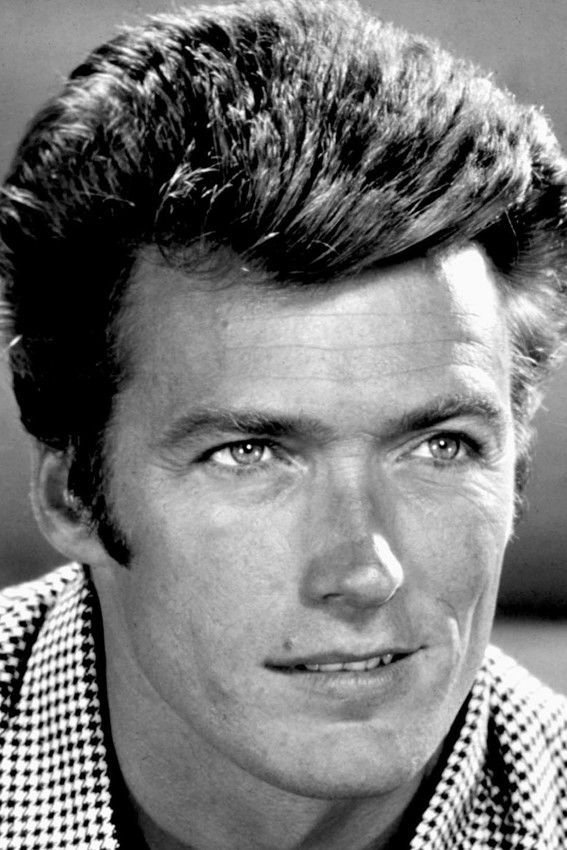
Clint Eastwood owned the 1960s spaghetti western revival as the Man with No Name in the Dollars Trilogy. His squint and minimal dialogue redefined the genre’s hero. Later, Dirty Harry added gritty cop intensity.[1]
This period favored anti-establishment figures amid social upheaval. Eastwood’s persona symbolized rugged individualism. He bridged eras, becoming a director and lasting icon of American resolve.[2]
Robert De Niro
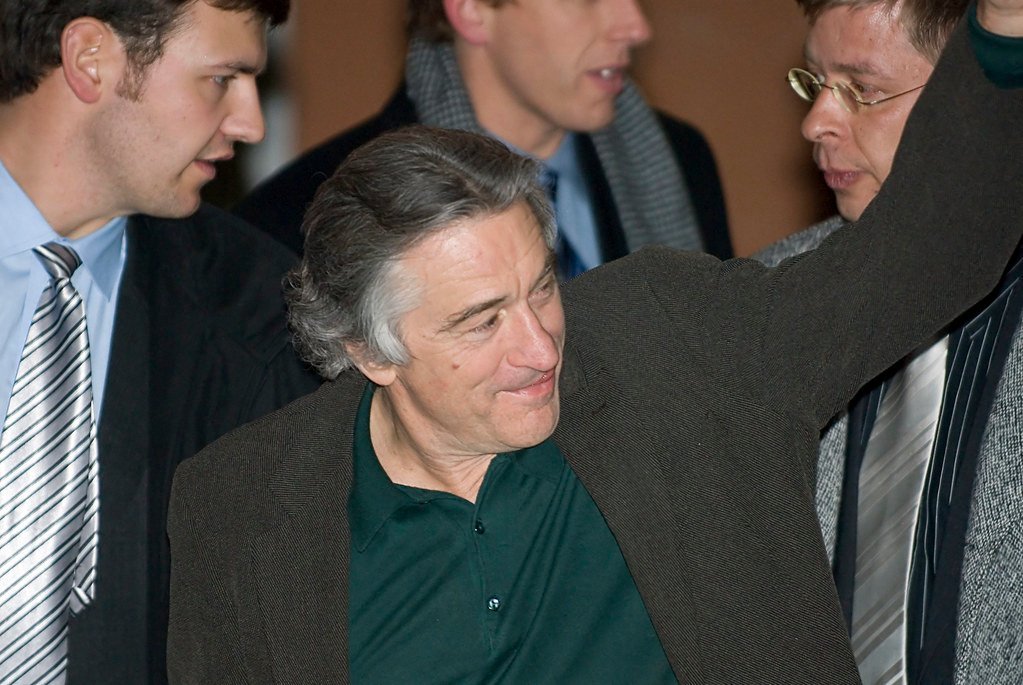
Robert De Niro fueled 1970s New Hollywood with immersive intensity. Travis Bickle in Taxi Driver and Jake LaMotta in Raging Bull exposed urban alienation and personal torment. His collaborations with Scorsese amplified the era’s edge.[1]
Amid Watergate cynicism, De Niro’s outsiders mirrored societal fractures. He transformed into roles physically and emotionally, raising acting standards. His work captured a raw, unfiltered America in flux.[5]
Jack Nicholson
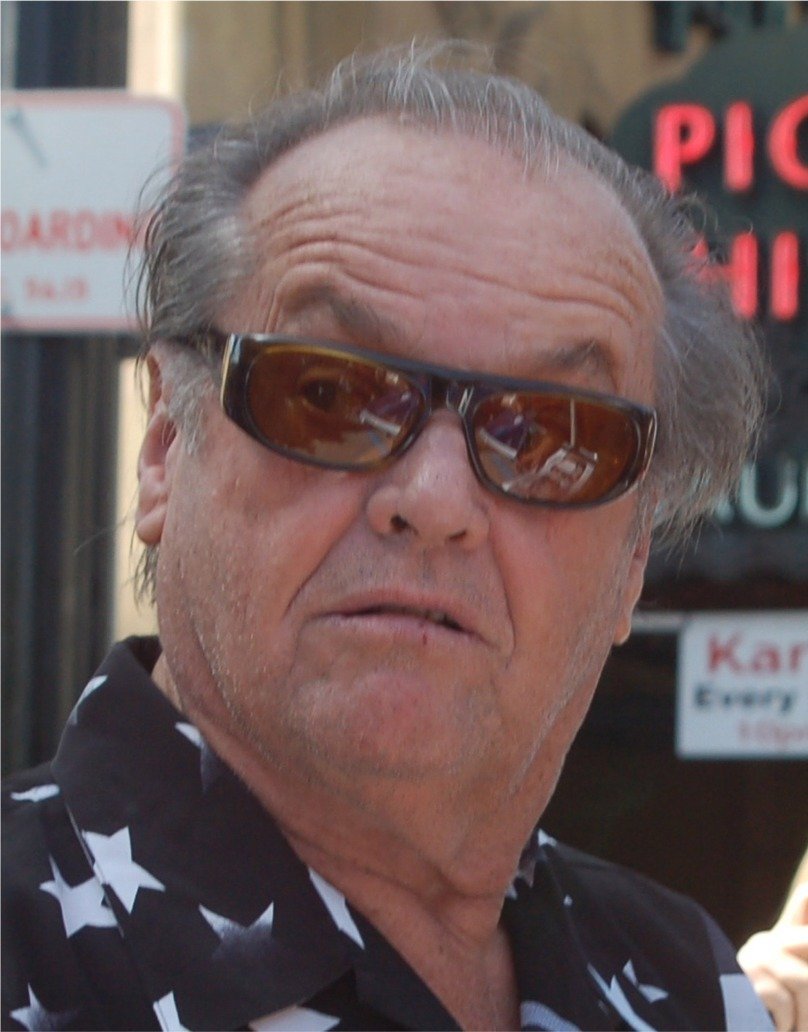
Jack Nicholson disrupted the 1970s as the ultimate outsider in One Flew Over the Cuckoo’s Nest. His manic grin and defiance suited the decade’s institutional distrust. Roles in Chinatown added sly menace.[1]
New Hollywood prized his uncomfortable rebels. Nicholson’s 12 Oscar nods reflect his dominance. He brought devilish energy to an era questioning authority, leaving a grin etched in memory.[5]
The Lasting Power of Screen Presence
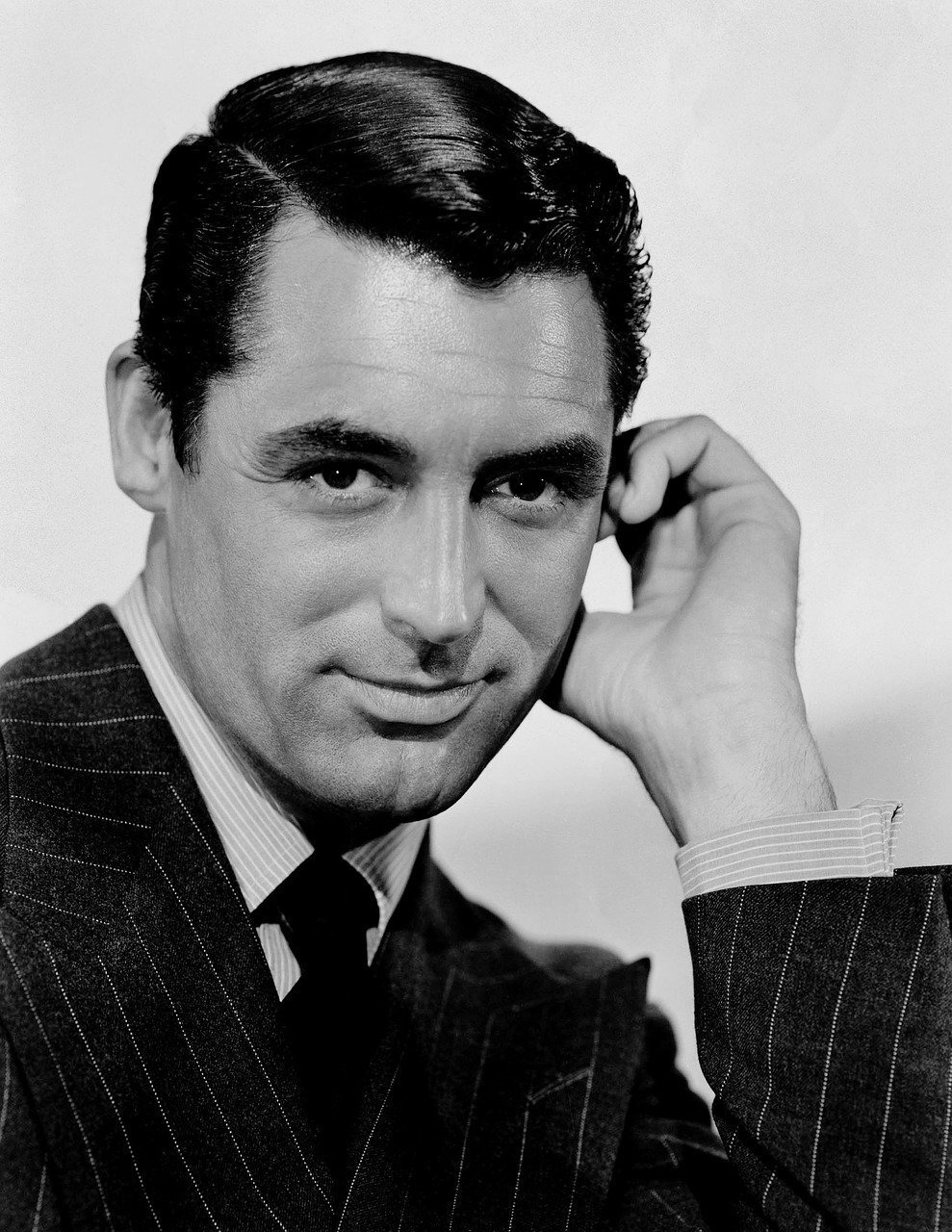
Screen presence ties actors to their eras like no script can. It distills complex cultural shifts into a glance or gesture. These icons remind us how one face can hold a decade’s weight.
Even in 2026, their shadows shape new stars. Film endures because such presences bridge generations. They prove cinema thrives on the irreplaceable spark of the human form.


