

For any feedback please reach out to info@festivalinside.com
- 12 Literary Feuds So Intense, They Changed the Course of Literature - August 11, 2026
- 10 Mysterious Disappearances of Famous Figures That Still Puzzle Experts - August 11, 2026
- 10 Foods We Thought Were American But Were Actually Invented Somewhere Else. - August 11, 2026
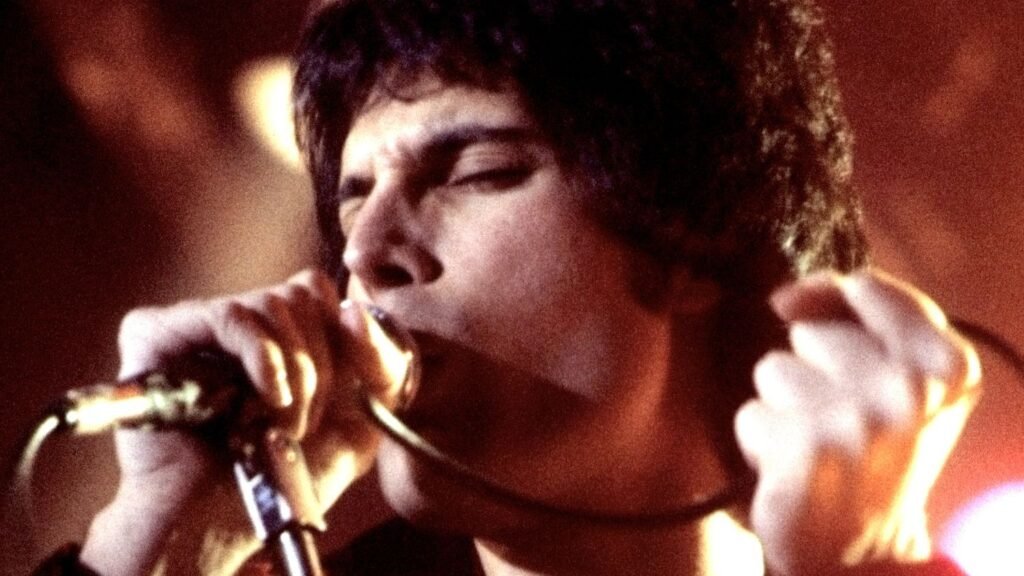
Songs stick with us because their words tap into the raw edges of feeling. A line heard at just the right moment can anchor a memory, replaying years later with the same pull. Lyrics shape emotional memory by distilling complex experiences into simple phrases that echo personal struggles or joys.
These fragments become touchstones, passed down through families and friends. They offer comfort in tough times or spark reflection during quiet ones. Certain lines endure because they speak to universal truths, bridging gaps between eras.
“How does it feel to be on your own, with no direction home?”
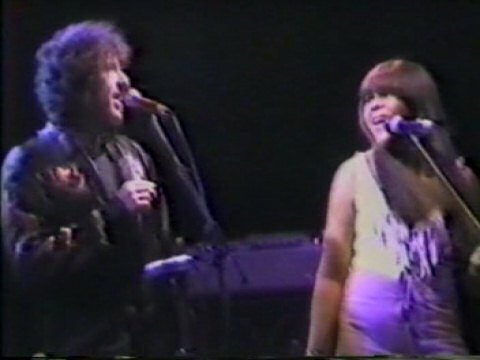
This line comes from “Like a Rolling Stone” by Bob Dylan, released in 1965. It captures the disorientation of sudden change, stripping away privilege to reveal vulnerability.[1][2]
Dylan’s raw delivery made it a anthem for the 1960s youth questioning norms. People still quote it during personal upheavals, like job losses or breakups. Its power lies in evoking that lonely freedom, a feeling timeless across lives.
Generations later, covers and references keep it alive in playlists and films. The lyric reminds us that reinvention often starts in uncertainty.
“Mama, just killed a man, put a bullet through his head”
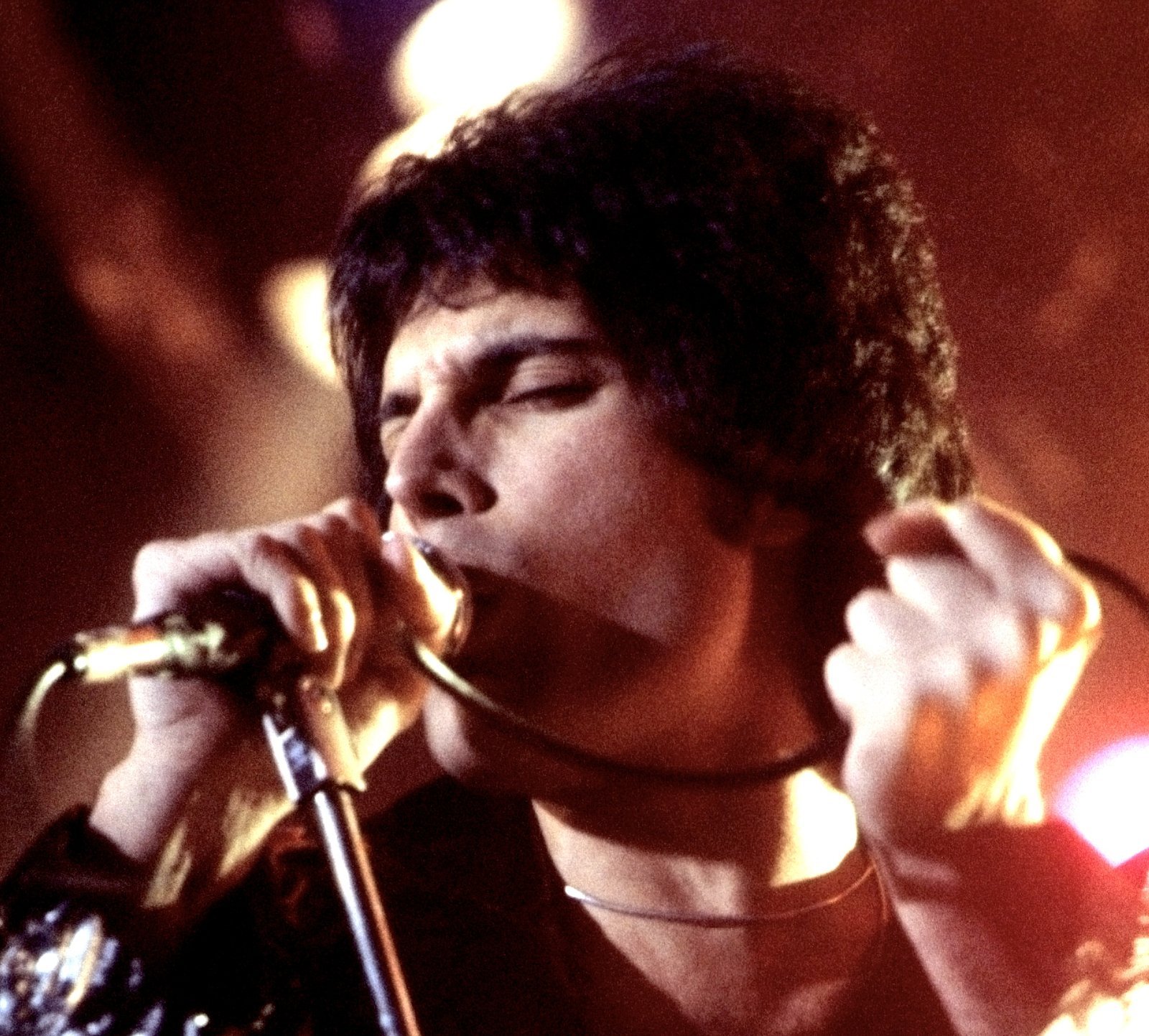
Queen’s “Bohemian Rhapsody,” from 1975, opens with this shocking confession. Freddie Mercury crafted it as a dramatic narrative of guilt and turmoil.[3][2]
The opera-rock structure turns personal anguish into something operatic and shared. Listeners connect through its blend of regret and defiance, mirroring inner conflicts.
Revived by films like Wayne’s World, it spans from boomers to Gen Z. That raw admission hits hard, validating hidden burdens we all carry.
“You can’t always get what you want, but if you try sometimes, you just might find you get what you need”
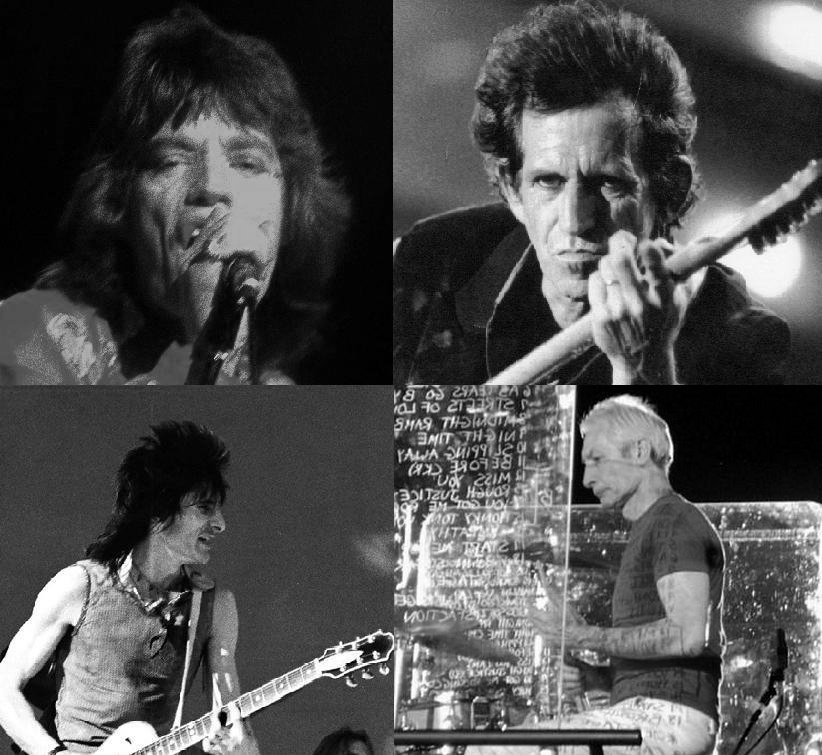
The Rolling Stones delivered this in “You Can’t Always Get What You Want” in 1969. Mick Jagger’s words offer gritty wisdom on life’s compromises.[4]
It resonates as a mantra for resilience, especially in pursuit of dreams. Parents pass it to kids facing rejection, turning disappointment into perspective.
The gospel choir backing adds soulful hope. Decades on, it surfaces in therapy sessions and motivational talks, proving its practical depth.
“There’s a crack in everything, that’s how the light gets in”
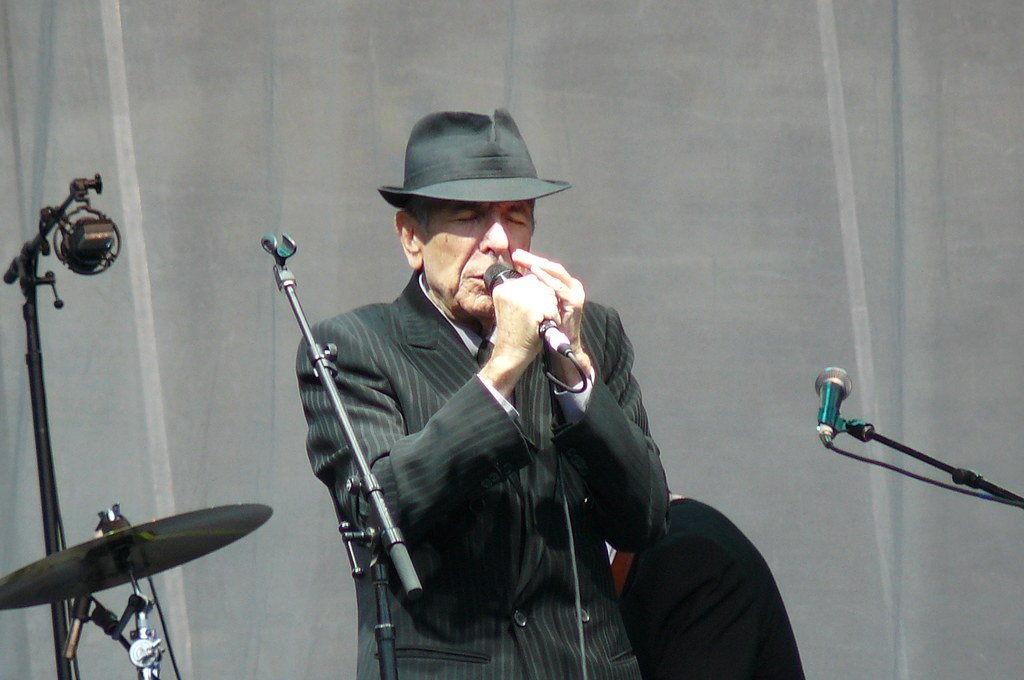
Leonard Cohen’s “Anthem,” from 1992, holds this line as its quiet revelation. Cohen explored brokenness with poetic grace throughout his career.[5]
Imperfection becomes a source of beauty here, comforting those feeling flawed. It speaks to healing after loss, a theme Cohen lived through his own trials.
Covers by artists like k.d. lang extend its reach. In 2026, it still consoles amid global fractures, a reminder that flaws allow growth.
Its subtlety invites repeated listens, each revealing more layers.
“Is this the real life? Is this just fantasy?”
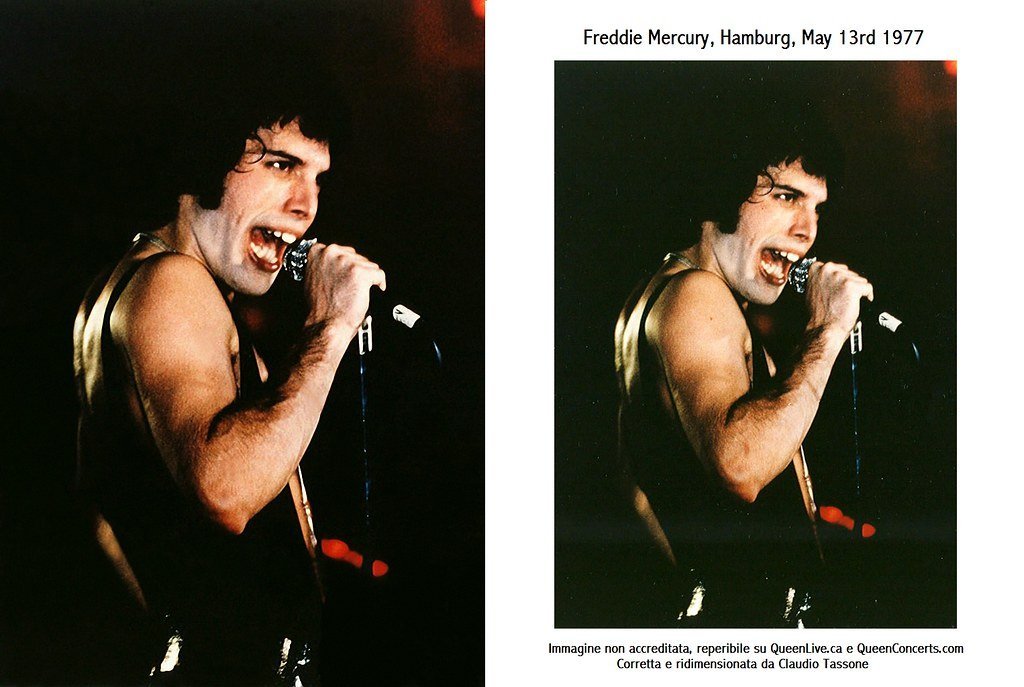
Queen returns with “Bohemian Rhapsody’s” opening query, blurring reality’s edges. This 1975 epic challenges perceptions from the start.[3]
Mercury’s existential doubt mirrors dreams versus daily grind. Fans sing it at karaoke, lost in its theatrical escape.
Its endurance shows in streaming records and school choirs. The line questions identity, a puzzle every generation wrestles with.
“Here we are now, entertain us”
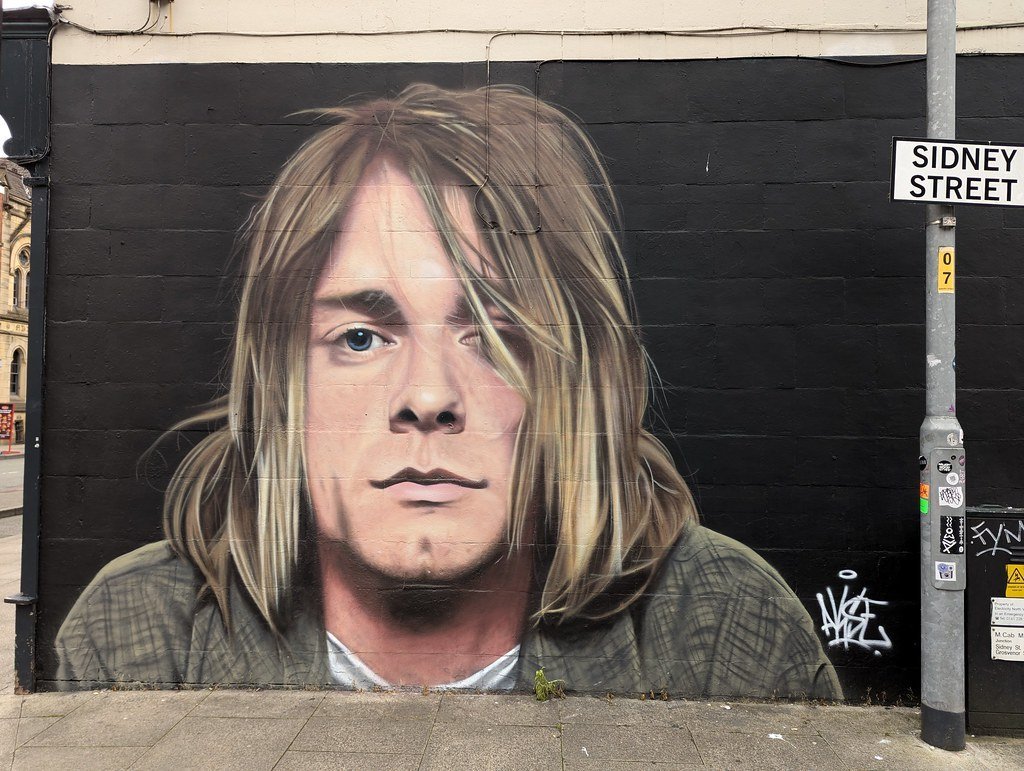
Kurt Cobain snarled this in Nirvana’s “Smells Like Teen Spirit” from 1991. It defined grunge’s sarcastic rebellion against conformity.[2]
Gen X apathy found voice here, mocking consumer culture. Younger listeners now hear echoes in their own disillusionment.
The raw energy amplifies its boredom-fueled rage. It lingers in memes and festivals, proving youthful angst never fades.
“Mother, mother, there’s too many of you crying”
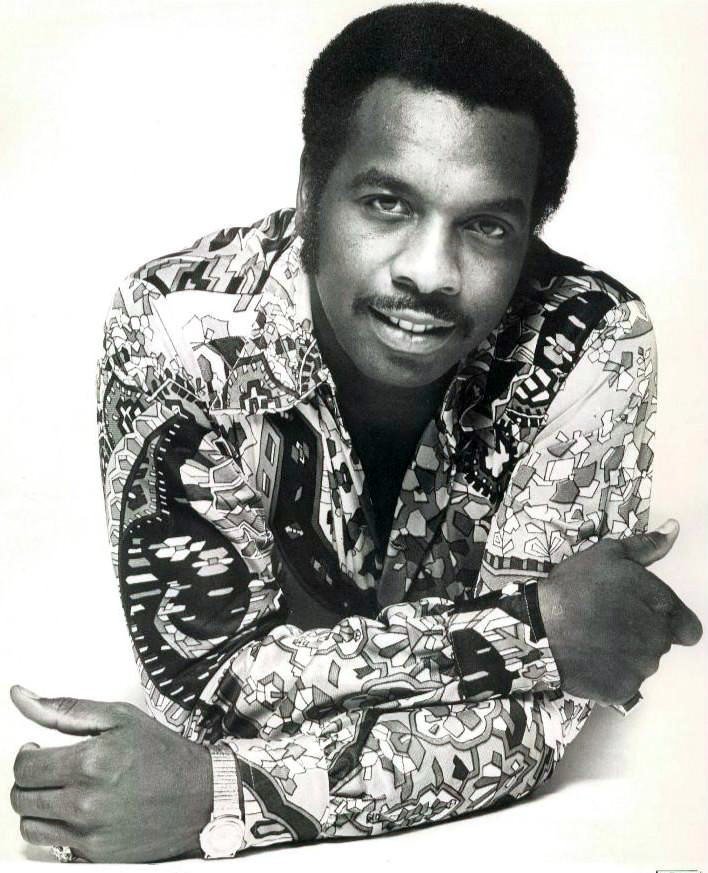
Marvin Gaye’s “What’s Going On,” 1971, pleads with this heartfelt cry. It addressed war, poverty, and division head-on.[6]
Gaye’s soulful urgency sparked social awareness in Motown. The line evokes empathy for suffering, timeless in turbulent times.
Revived in protests, it unites voices across eras. Its compassion cuts through noise, urging action over indifference.
The Lasting Influence of Songwriting
These lyrics prove songwriters wield quiet power, embedding emotions that outlast trends. They weave into life’s fabric, offering solace or spark when needed most.
From Dylan’s highways to Cobain’s mosh pits, words evolve yet stay rooted. Songwriting’s true gift lies in that bridge between hearts, generation after generation.
In a fast world, such lines slow us down, inviting pause and connection.

Christian Wiedeck, all the way from Germany, loves music festivals, especially in the USA. His articles bring the excitement of these events to readers worldwide.
For any feedback please reach out to info@festivalinside.com
