
- 8 Gardening Hacks That Will Make Your Roses Bloom Like Never Before - August 11, 2026
- 8 Incredible Beaches Around the World You Won’t Believe Are Real - August 11, 2026
- 10 Classical Music Masterpieces That Will Transport You Through Time - August 11, 2026
History often credits grand strategies for shaping culture. Yet some of the most enduring images and phrases spring from pure impulse, catching the world off guard.
These flashes of humanity, captured in a photo or a few unscripted words, ripple outward. They embed themselves in collective memory because they feel raw and real, defying the polish of preparation.[1][2]
The V-J Day Kiss in Times Square
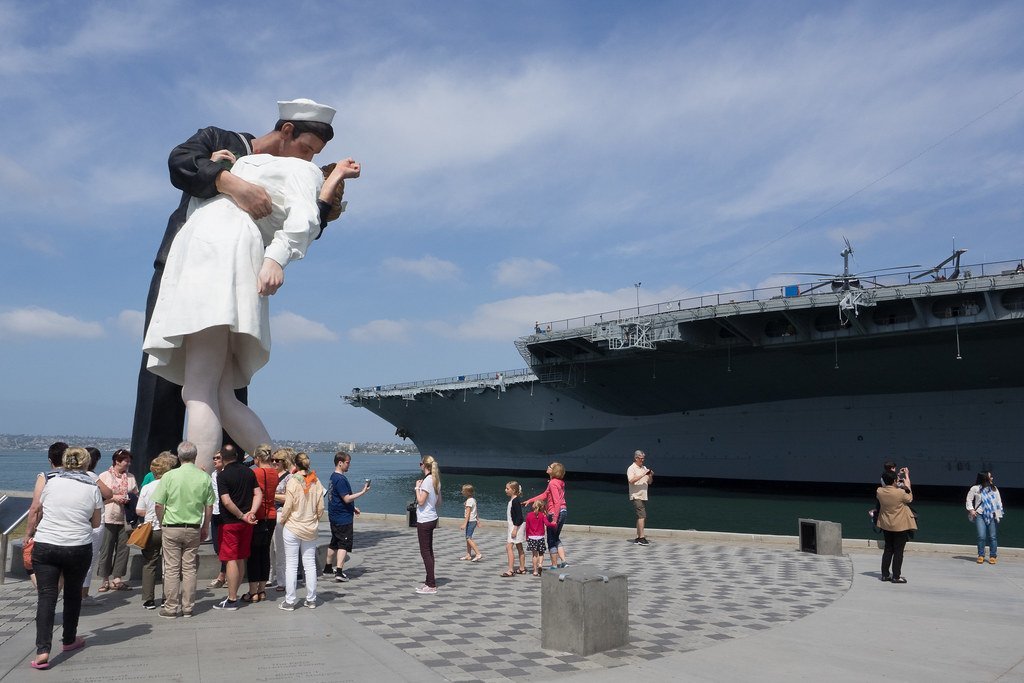
A U.S. Navy sailor grabbed a dental assistant in a white dress amid the chaos of Victory over Japan Day celebrations. On August 14, 1945, Alfred Eisenstaedt snapped the photo as the stranger kissed her passionately in New York City’s Times Square.[3]
The image exploded as a symbol of wartime relief and joy. It resonated across generations, appearing on magazine covers and inspiring art, though debates later arose over consent. Still, its spontaneous energy captured a nation’s exhale after years of tension.[4]
Tank Man Stands Alone
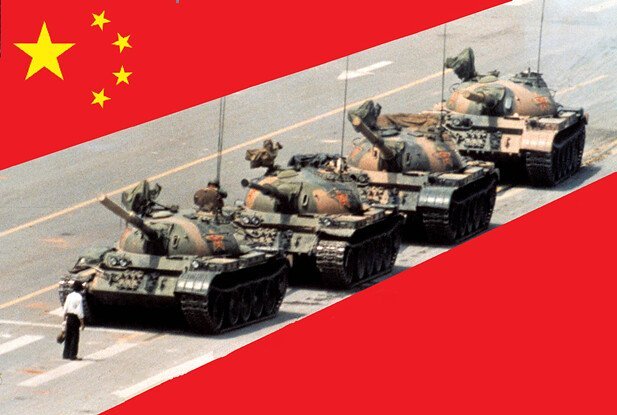
In Beijing’s Chang’an Avenue on June 5, 1989, an unidentified man in a white shirt stepped into the path of a column of tanks. He repeatedly repositioned himself to block their advance, gesturing defiantly after the Tiananmen Square protests.
Jeff Widener’s photograph from the balcony of a hotel turned the lone figure into a global emblem of courage against oppression. Broadcast worldwide, it challenged authoritarian silence and inspired dissidents everywhere. The man’s fate remains unknown, amplifying the moment’s haunting power.[5]
Martin Luther King Jr.’s “I Have a Dream”
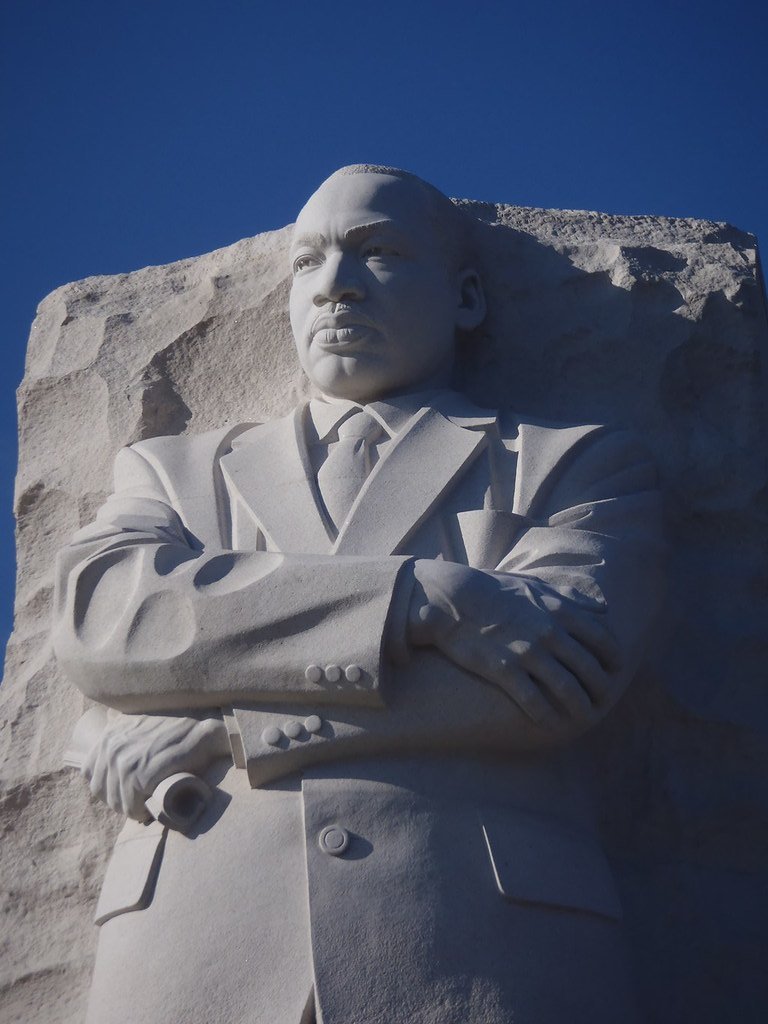
During the March on Washington in 1963, Mahalia Jackson urged Martin Luther King Jr. from the crowd to tell the people about his dream. He set aside his prepared text and improvised the soaring refrain envisioning racial harmony.
That unscripted section electrified over 250,000 listeners and television audiences. It became the speech’s heart, fueling the Civil Rights Movement and echoing in laws like the 1964 Civil Rights Act. King’s raw passion made it timeless.[6][1]
The improvisation stemmed from King’s preacher roots, where sermons often flowed freely. Witnesses noted the crowd’s energy pulled it from him, proving spontaneity’s pull in pivotal history.
Cab Calloway’s “Hi-De-Hi-De-Ho” Scat
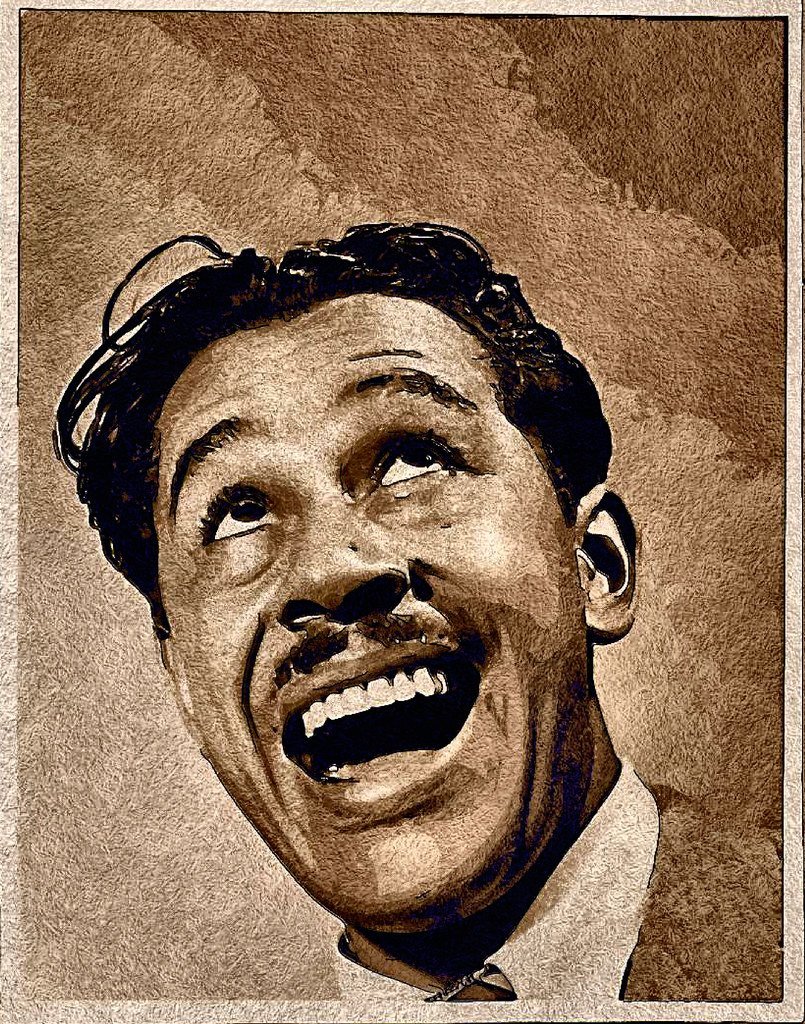
In 1932, Cab Calloway forgot the lyrics to “Minnie the Moocher” during a live performance. He filled the gap with nonsense syllables like “hi-de-hi-de-ho,” turning mishap into melody.
The scat style caught fire, defining jazz vocals and landing the song in the Grammy Hall of Fame. Films preserved the moment, influencing generations of singers from Louis Armstrong onward. Calloway’s quick thinking birthed a cornerstone of American music.[1]
Ella Fitzgerald Forgets “Mack the Knife”
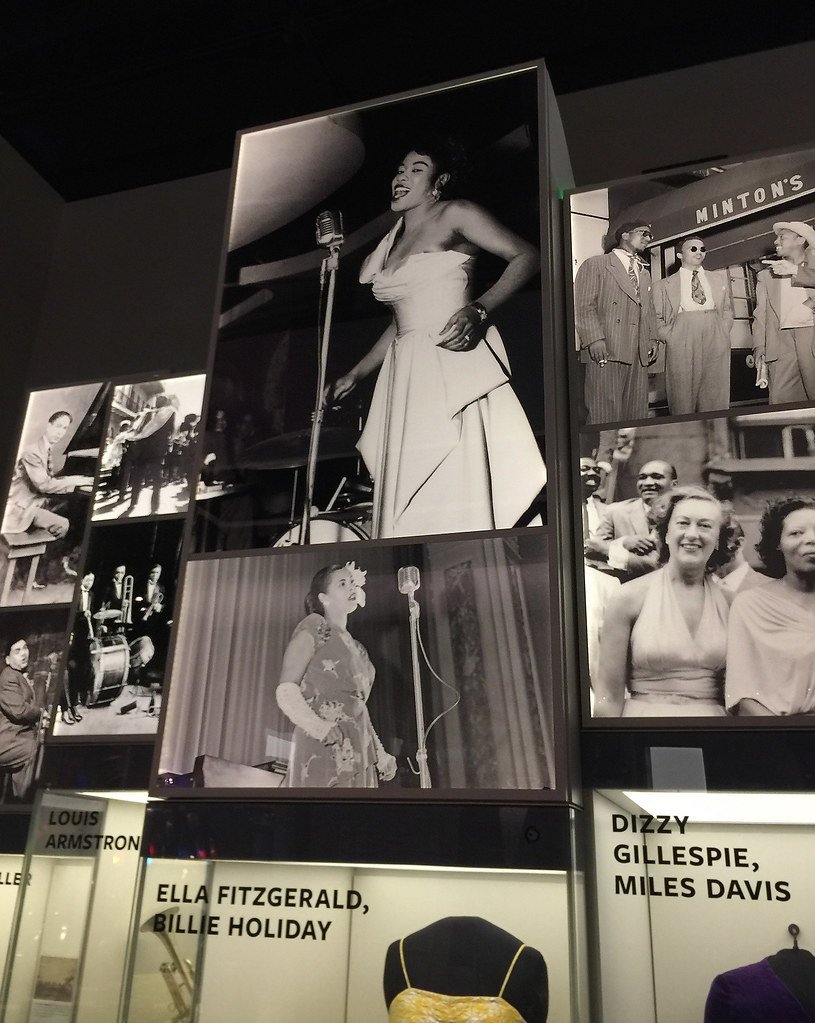
At a 1958 Newport Jazz Festival concert, Ella Fitzgerald lost the lyrics midway through “Mack the Knife.” She riffed new words, joked about her lapse, and channeled Louis Armstrong’s gravelly voice.
The ad-libbed version won her two Grammys and showcased jazz’s improvisational soul. Audiences loved the vulnerability, making it a highlight of her career. It proved flaws could forge legends.[2]
The Beatles’ Rooftop Concert
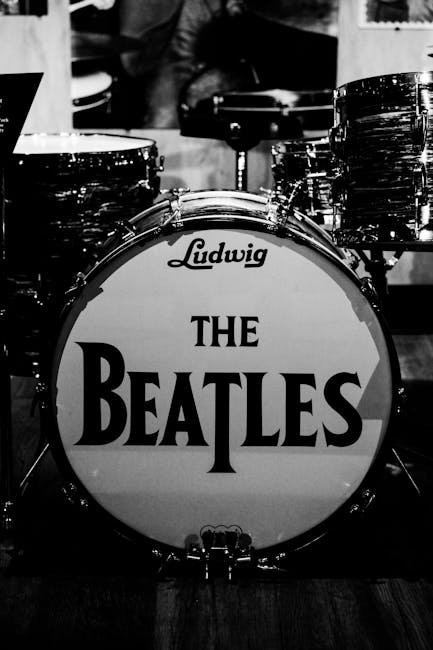
On January 30, 1969, The Beatles surprised Londoners with an impromptu 42-minute set from their Apple Corps rooftop. It marked their first live performance in over two years, drawing cheers and police intervention.
Filmed for the Let It Be documentary, songs like “Get Back” rang out over Savile Row. The event captured the band’s fraying unity yet joyful spirit, becoming a farewell etched in rock history. Its urban eruption mirrored their cultural dominance.[2]
Passersby from office workers to cabbies gathered spontaneously below. That raw connection with the street revived their live legacy amid studio isolation.
Robin Williams as the Genie in Aladdin
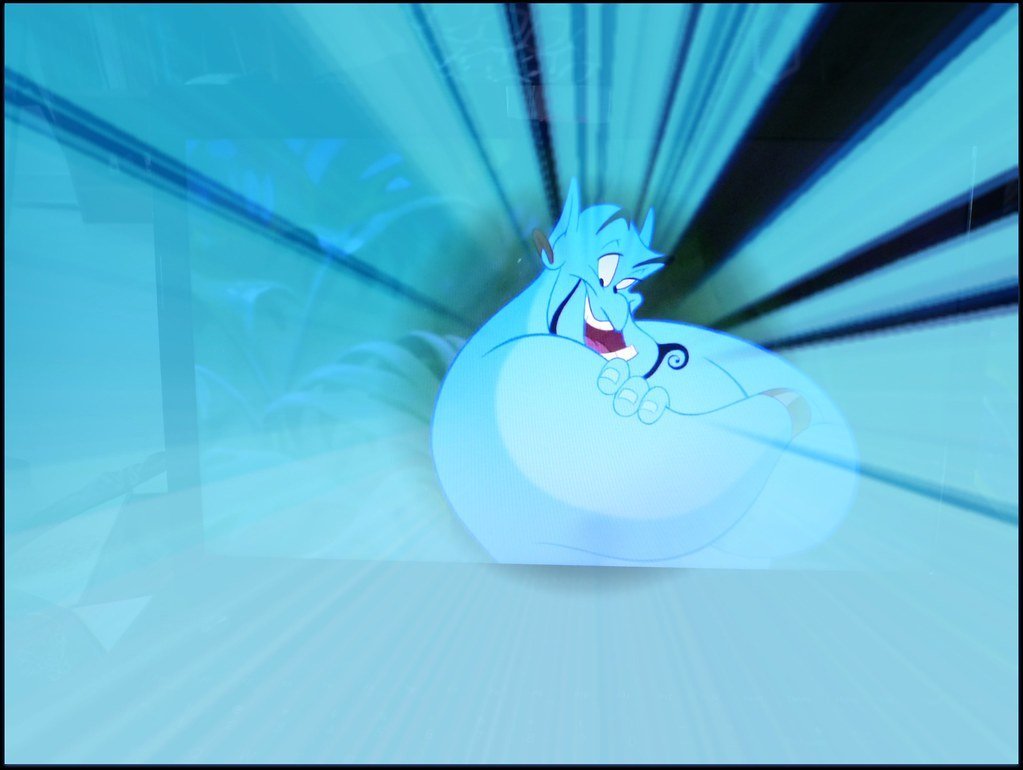
During 1991 recording sessions for Disney’s Aladdin, Robin Williams ad-libbed wild voices, impressions, and rants for the Genie role. Director Ron Clements called it a torrent of creativity across hundreds of pages.
His unbridled energy made the character unforgettable, boosting the film’s success and Williams’ voice-acting fame. Lines like the narrator’s bombastic flair entered pop culture lexicon. The improv injected live-wire magic into animation.[1]
Kanye West Interrupts Taylor Swift
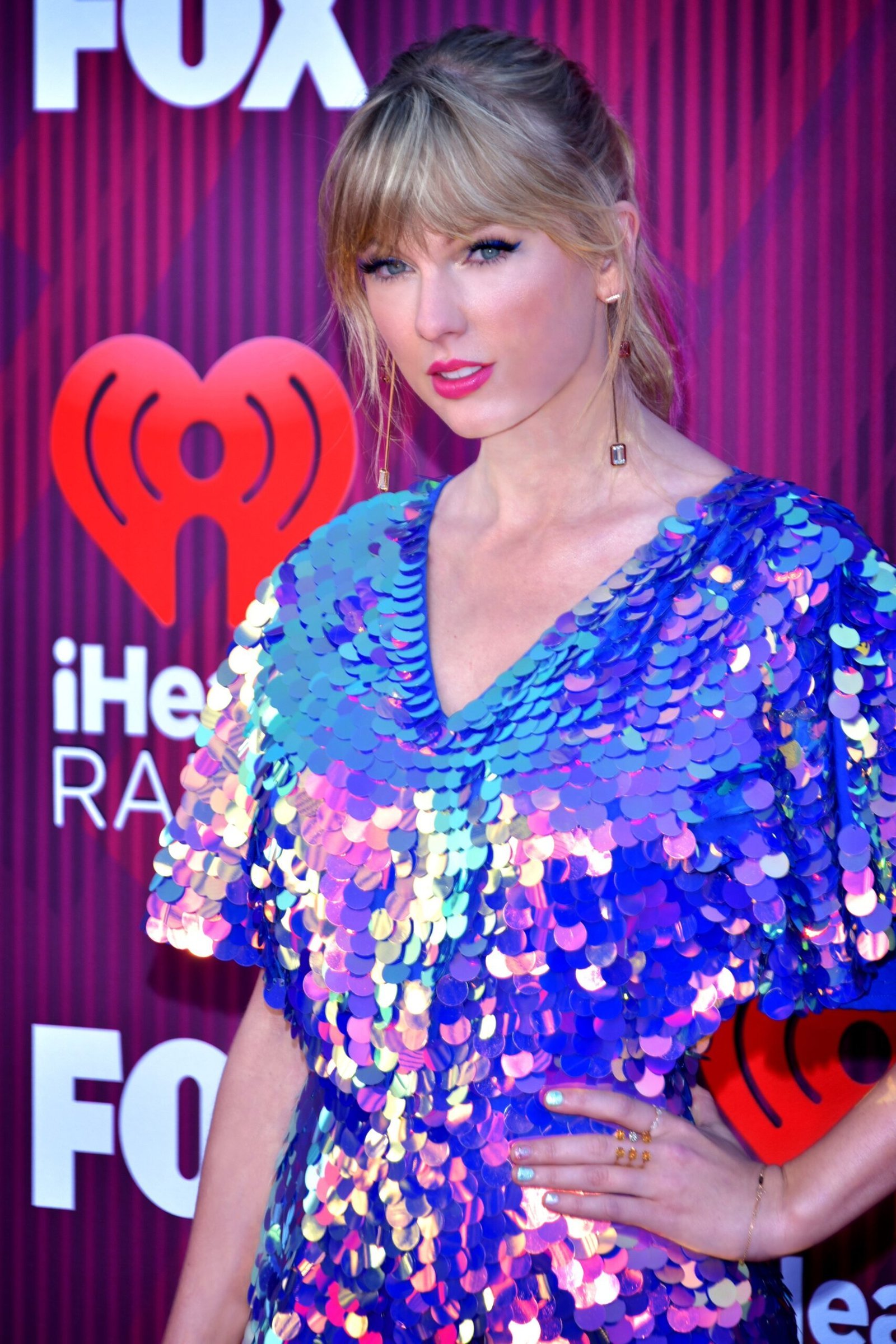
At the 2009 MTV Video Music Awards, Kanye West rushed onstage as Taylor Swift accepted Best Female Video. He grabbed the mic to declare Beyoncé deserved it, stunning the audience.
The outburst ignited endless media frenzy, memes, and debates on celebrity entitlement. It redefined award show drama and propelled Swift’s narrative arc. West’s impulse reshaped pop culture discourse overnight.[2]
The Unpredictability of Cultural Sparks
What ties these eruptions together lies in their chaos. No script or strategy could replicate the sailor’s grab, King’s dream, or West’s mic snatch.
They thrive on timing and human unpredictability, slipping past planners into permanence. Culture favors the unforeseen, reminding us that true resonance often hides in the unplanned.[1][2]

Besides founding Festivaltopia, Luca is the co founder of trib, an art and fashion collectiv you find on several regional events and online. Also he is part of the management board at HORiZONTE, a group travel provider in Germany.
