

For any feedback please reach out to info@festivalinside.com
- 10 Easy Ways to Add More Adventure to Your Everyday Life - September 17, 2026
- The Science Behind Why We Dream and What It Means - September 17, 2026
- How to Turn Your Hobbies Into a Side Hustle - September 17, 2026
Great works of art, literature, and music rarely spring from smooth sailing. Many emerge amid personal turmoil, physical agony, or societal chaos. These hidden struggles often infuse the creations with raw depth that resonates across generations.
Artists channel hardship into something transcendent. From asylum walls to wartime fury, the backstories reveal how pressure forges brilliance.
The Starry Night by Vincent van Gogh
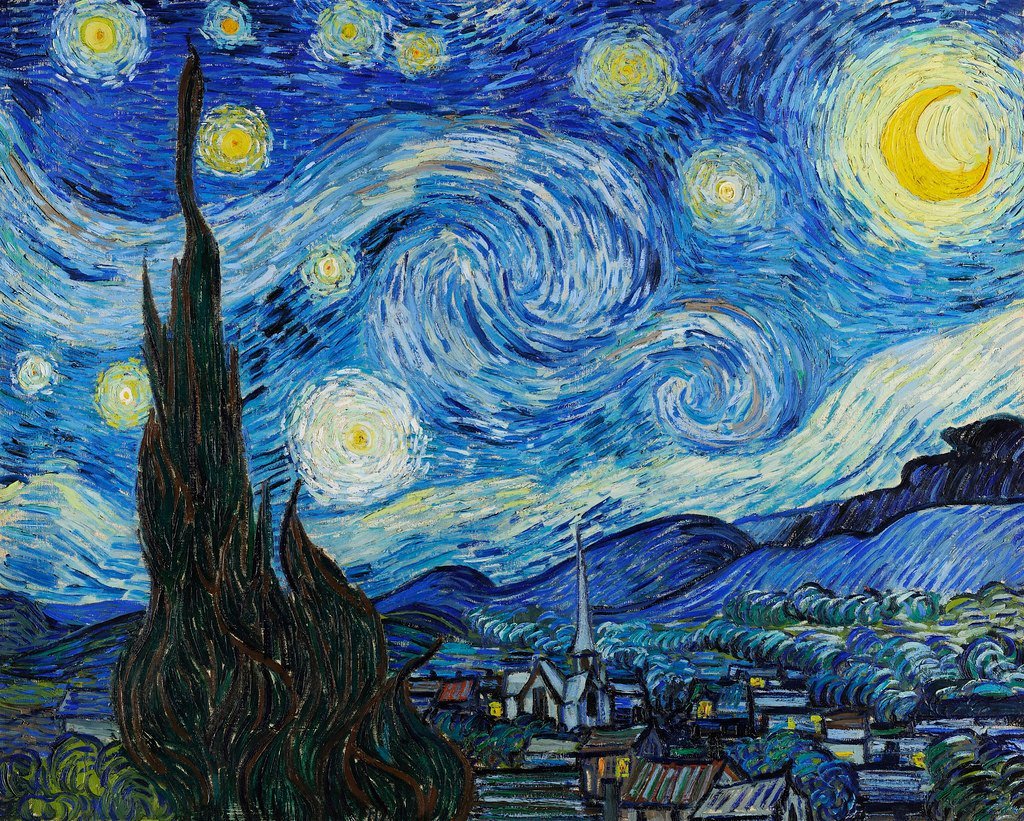
Vincent van Gogh created The Starry Night in June 1889.[1][2] He painted it from his room in the Saint-Paul-de-Mausole asylum in Saint-Rémy-de-Provence, France, where he had voluntarily committed himself after severe mental health episodes, including the infamous ear-cutting incident.
Despite his fragile state, van Gogh produced over 150 pieces during his year there, turning isolation into swirling visions of the night sky. This work matters because it captures inner turbulence as cosmic energy, proving even profound distress can yield universal beauty that comforts viewers today.[3]
Symphony No. 9 by Ludwig van Beethoven
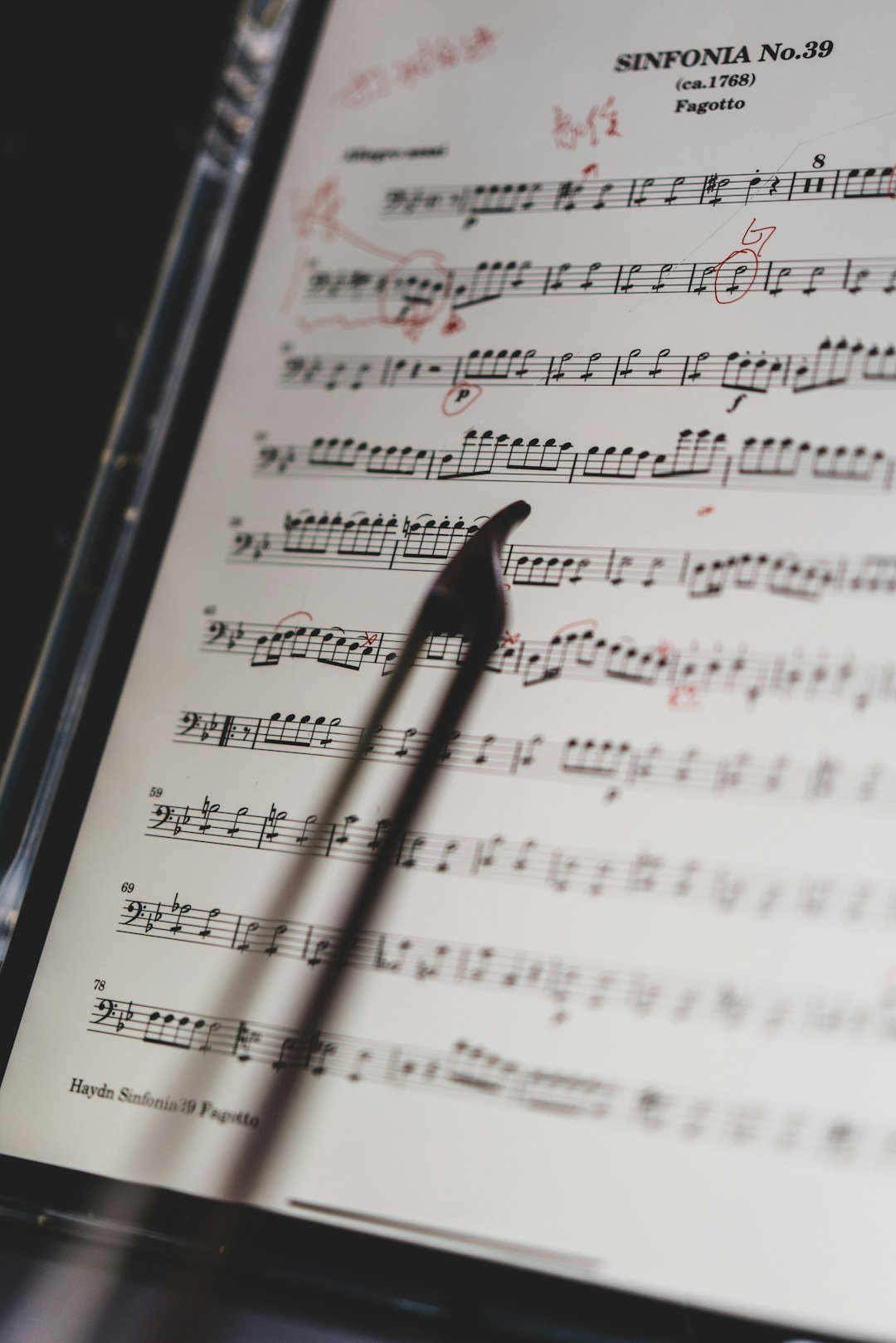
Ludwig van Beethoven composed his Symphony No. 9 between 1822 and 1824.[4]) By then, progressive deafness had robbed him of hearing, yet he crafted this choral masterpiece, including the “Ode to Joy” finale, relying on memory and sketches.
He conducted its 1824 premiere in Vienna, standing on stage oblivious to the applause until someone turned him around. The symphony stands as a testament to unyielding spirit, showing how sensory loss sharpened his emotional vision and expanded symphonic form forever.[5]
The Broken Column by Frida Kahlo
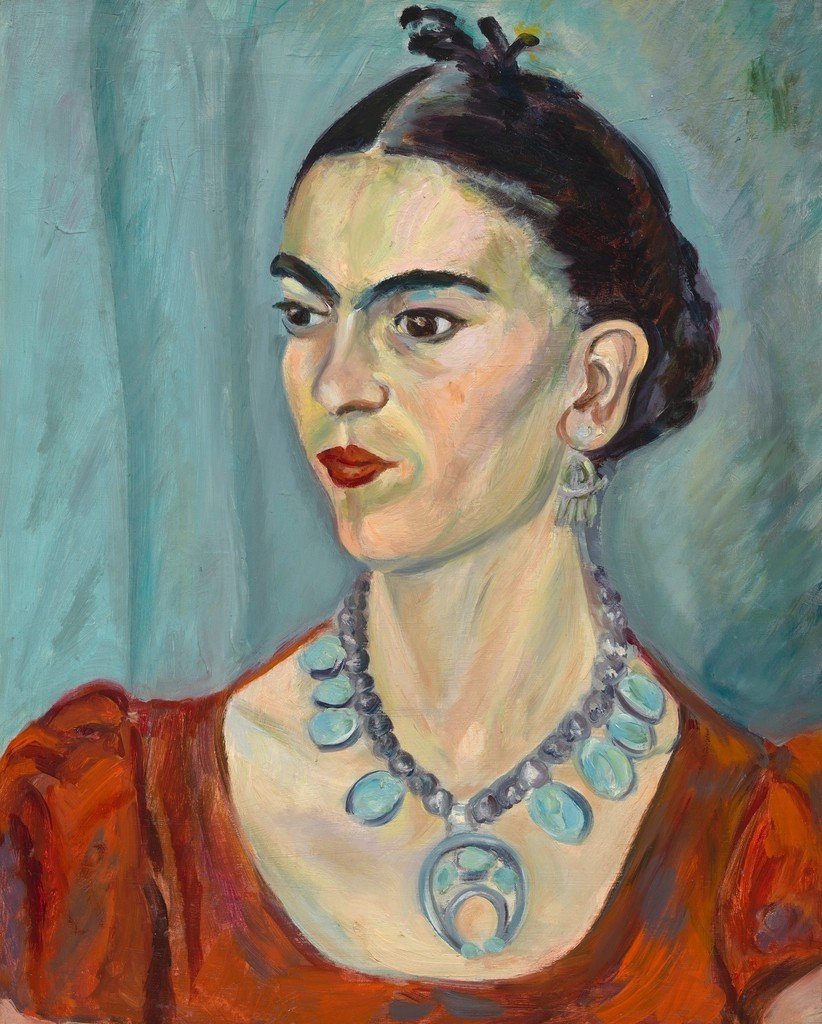
Frida Kahlo painted The Broken Column in 1944.[6] It stemmed from a 1925 bus accident that shattered her spine, pelvis, and foot, leaving her in chronic pain and bedridden for long stretches; she underwent over 30 surgeries.
Strapped in a metal corset, she depicted herself with an Ionic column splitting her torso, tears streaming, nails piercing skin. This raw self-portrait matters for transforming bodily betrayal into defiant symbolism, inspiring those facing invisible suffering to claim their narrative through art.[7]
Harry Potter and the Philosopher’s Stone by J.K. Rowling
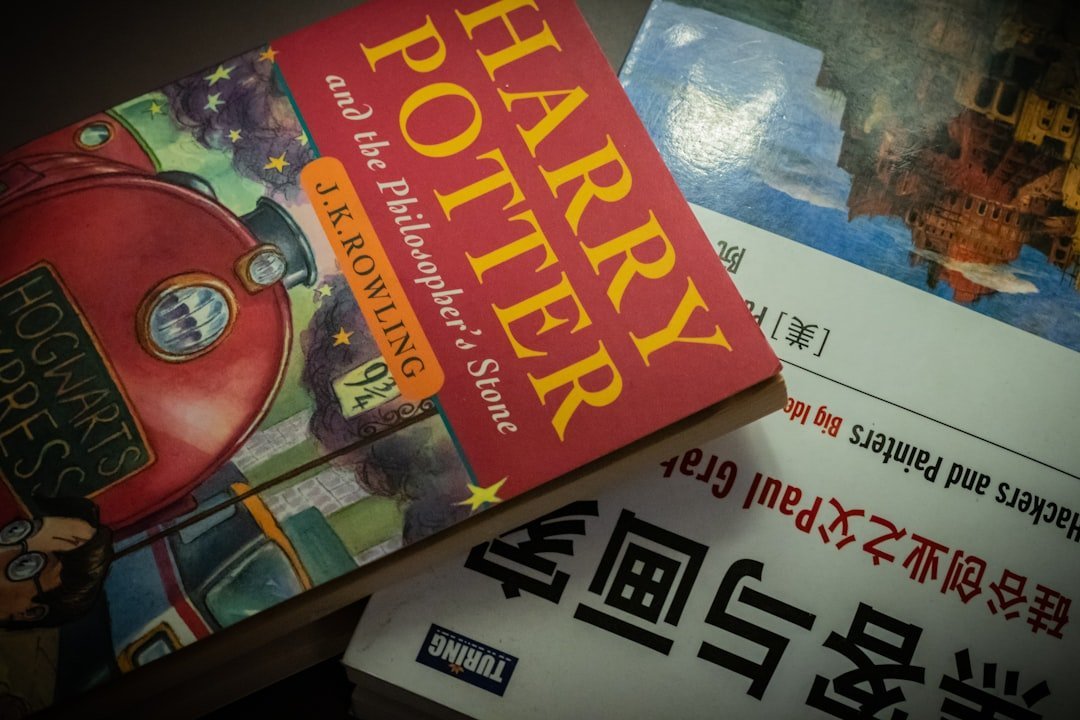
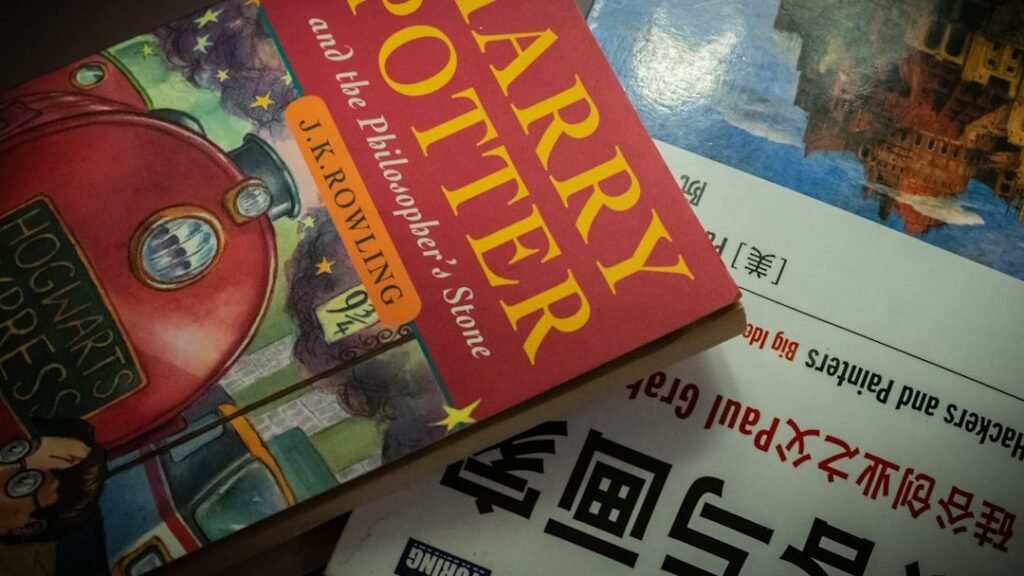
J.K. Rowling penned the first Harry Potter book in the mid-1990s. As a single mother living on state benefits in Edinburgh, she battled clinical depression after her baby’s birth and her mother’s death from multiple sclerosis.
She scribbled early drafts in cafes to escape her cold flat, facing publisher rejections. Its triumph highlights welfare as a lifeline for creativity, turning personal isolation into a magical world that fosters resilience and wonder for millions.[8][9]
Guernica by Pablo Picasso
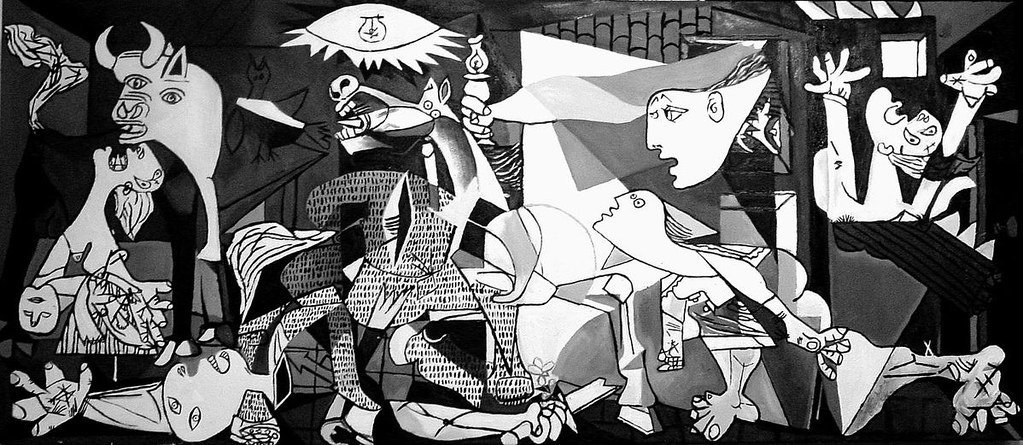
Pablo Picasso completed Guernica in 1937. News of the April 26 Nazi-Italian bombing of the Basque town during the Spanish Civil War spurred him; over three weeks in Paris, he unleashed this massive mural of agony.[10]
Monstrous figures wail amid shattered light, no color to heighten horror. It endures as an anti-war icon, channeling collective outrage into a call against violence that still demands attention in conflict zones.[11])
Rumours by Fleetwood Mac
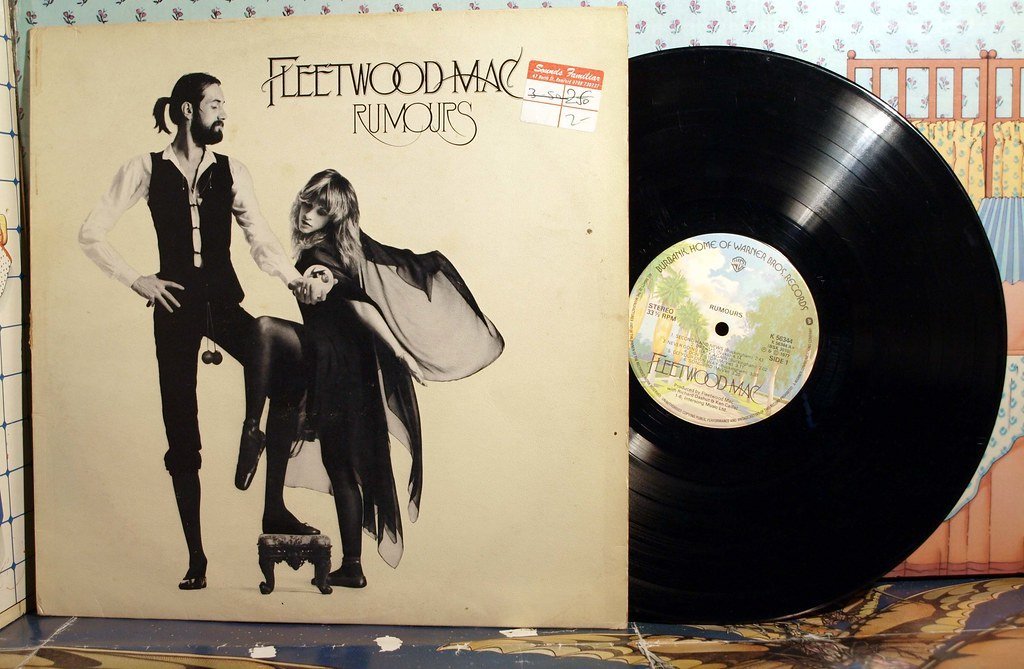
Fleetwood Mac recorded Rumours in 1976 at Record Plant Studios. Band members navigated simultaneous breakups: Mick Fleetwood’s marriage crumbled, Lindsey Buckingham and Stevie Nicks split, John and Christine McVie divorced amid cocaine haze.[12]
They captured raw emotion in hits like “Go Your Own Way” and “Dreams,” therapy through tracks. This album proves relational wreckage can birth harmony, its honesty fueling sales over 40 million and timeless appeal in fractured times.[13])
The Creative Forge of Adversity
These tales span centuries and mediums, yet share a thread: adversity as catalyst. Creators like van Gogh and Kahlo alchemized pain into permanence.
Such struggles remind us genius thrives not despite hardship, but often because of it. Next time a masterpiece moves you, sense the unseen fire that shaped it.

Christian Wiedeck, all the way from Germany, loves music festivals, especially in the USA. His articles bring the excitement of these events to readers worldwide.
For any feedback please reach out to info@festivalinside.com
