
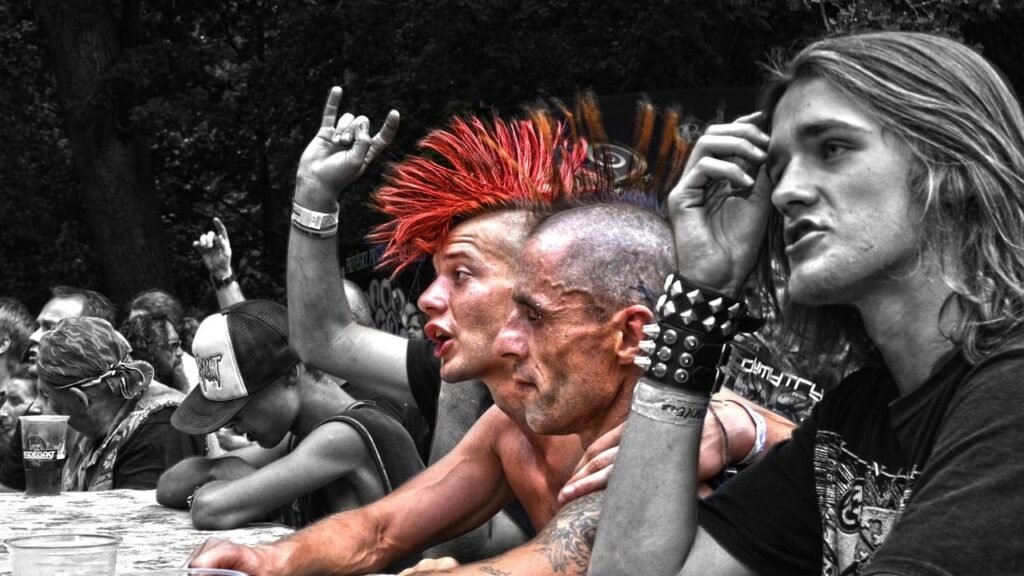
Festival clothing once served as a bold rejection of societal norms. Attendees at early events draped themselves in makeshift, nature-inspired layers to signal peace and freedom. Over decades, these looks shifted from fringe rebellion to polished statements that dictate high-street trends worldwide.[1][2]
This transformation mirrors broader cultural swings. What began in muddy fields evolved into Instagram-ready spectacles. Today, festival style influences runways and retail racks alike.
Woodstock Aesthetics
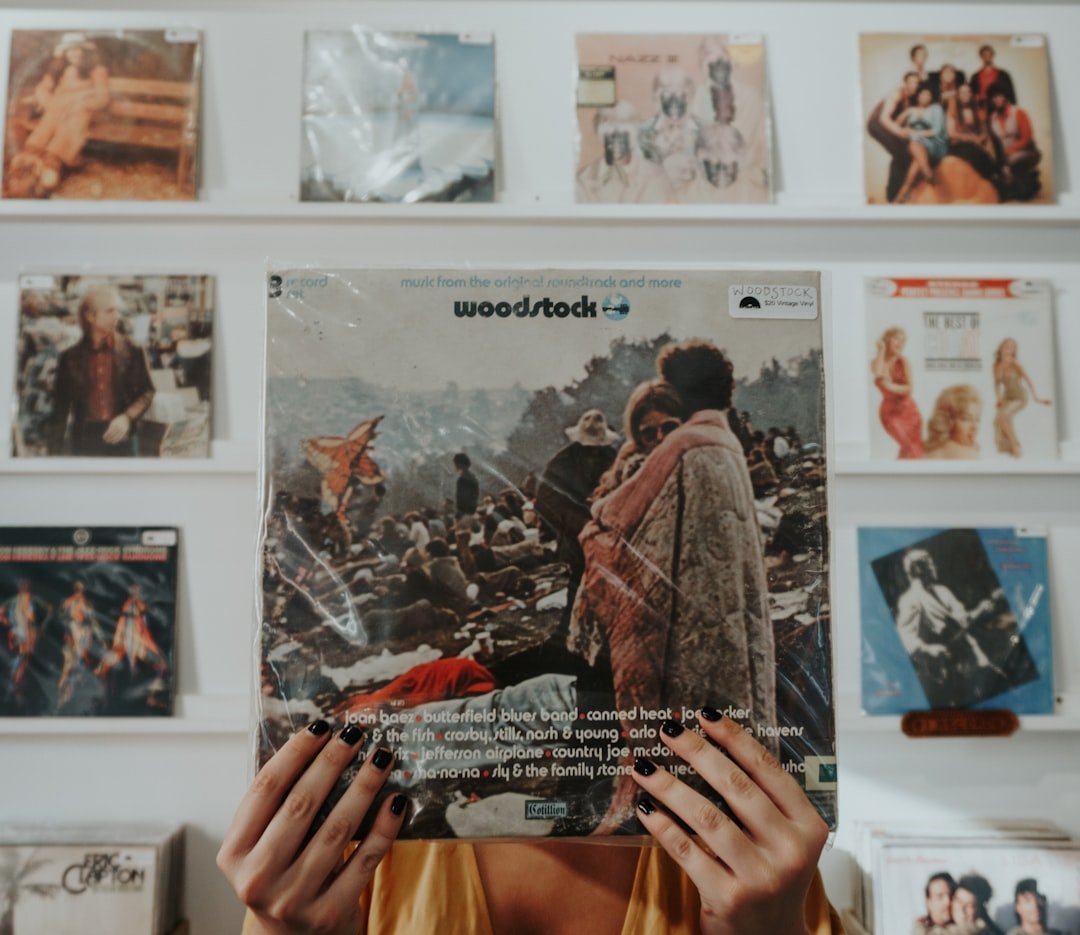
The 1969 Woodstock festival birthed hippie fashion rooted in counterculture. Attendees favored tie-dye shirts, bell-bottom pants, and flower crowns, often paired with vests and fringe details. These choices emphasized comfort, self-expression, and a break from rigid 1960s tailoring.[3]
DIY elements like painted denim and beaded necklaces dominated the scene. Long, flowing maxi dresses and psychedelic patterns captured the era’s free-spirited vibe. This aesthetic rejected consumerism, prioritizing mud-soaked authenticity over perfection.[4]
Punk-Era Festival Identity
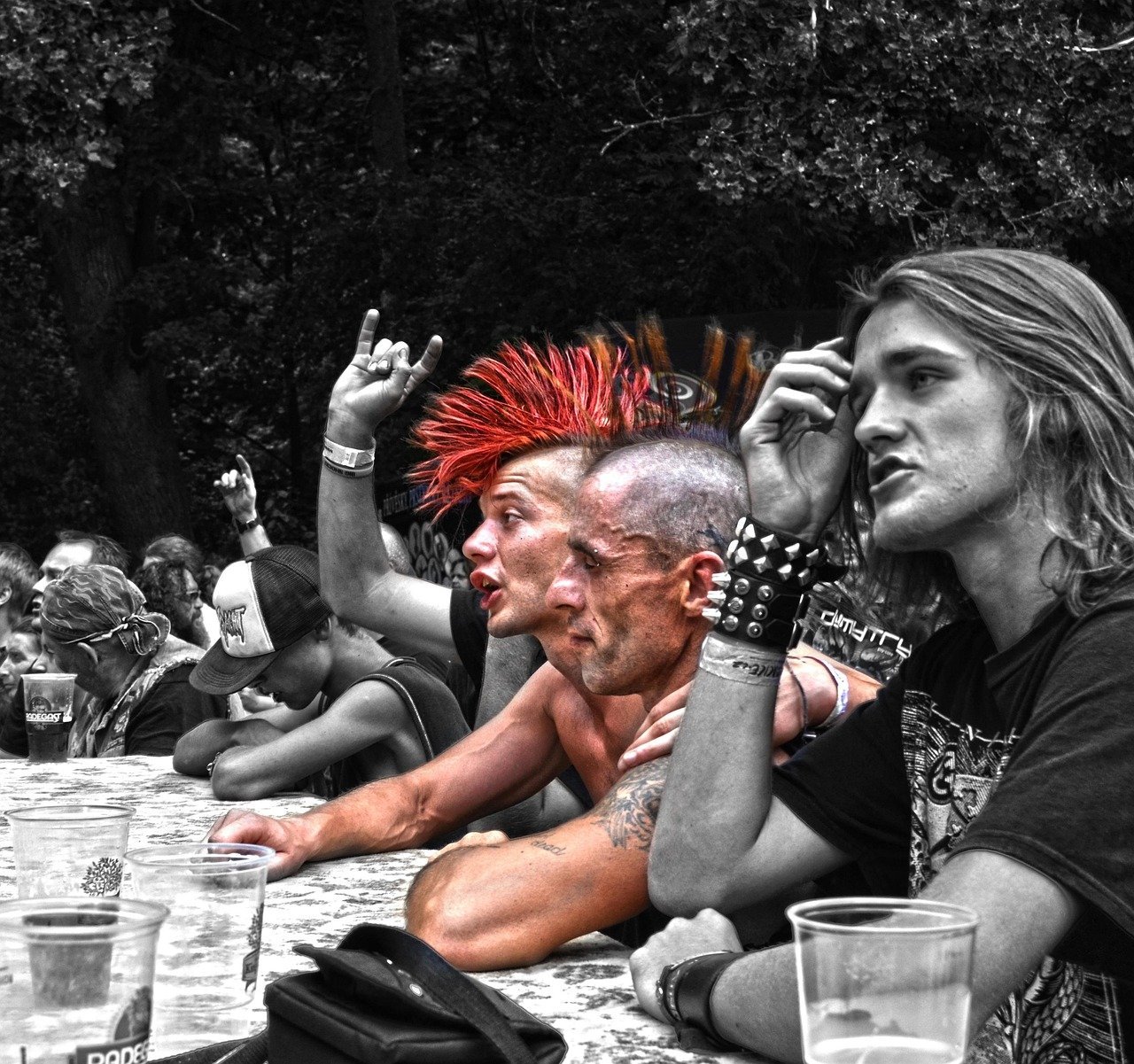
Punk injected raw aggression into festival wardrobes during the late 1970s and 1980s. Ripped clothing, leather jackets, and safety pins became staples at events like early Glastonbury gatherings. This shift marked a departure from hippie’s softness toward deliberate disruption and anti-fashion statements.
Festival-goers layered studded accessories with combat boots for a tough edge. Vibrant hair colors and graphic tees amplified the rebellious spirit. Though less polished than later styles, punk’s influence lingered, blending with festival mud for an unapologetic grit.[5]
Rave Culture Fashion
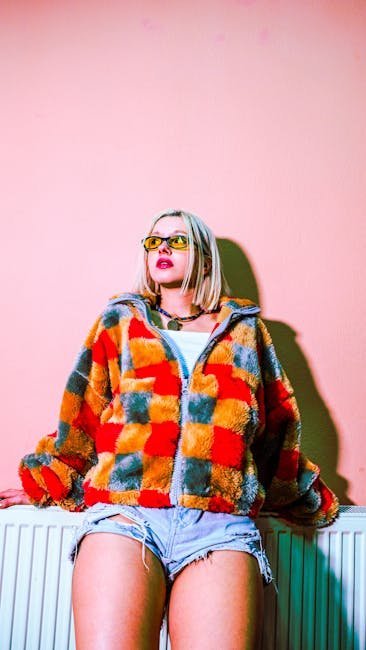
The 1990s rave scene exploded with bold, functional attire suited for all-night dancing. Baggy cargo pants, neon crop tops, and fishnet layers defined the look at underground gatherings that spilled into festivals. Trippy prints and phat pants prioritized movement and glow-in-the-dark flair.[6]
Accessories like bucket hats and fluffy leg warmers added playful excess. This era’s clothing celebrated inclusivity and sensory overload. Rave style bridged club and festival worlds, laying groundwork for electronic music events’ visual spectacle.
Indie Festival Styling
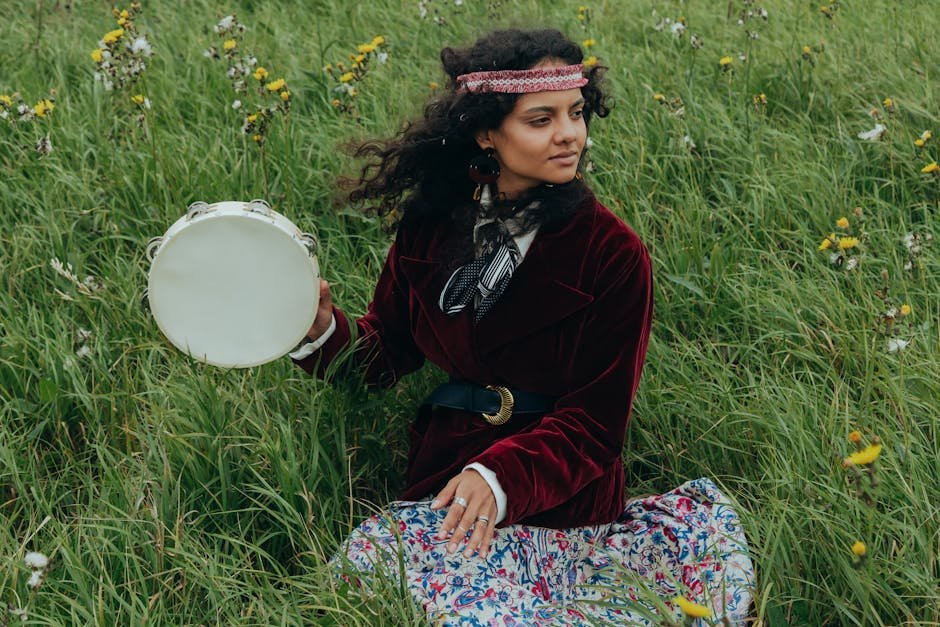
Into the 2000s, indie festivals like Coachella and Glastonbury embraced boho revival with effortless cool. Denim cut-offs, fringe jackets, and layered flannels captured a grunge-tinged wanderlust. Thigh-high socks and breton stripes nodded to British festival heritage while feeling fresh.[7]
Flower crowns returned alongside fur vests and oversized scarves for muddy fields. This styling blended vintage finds with modern ease, appealing to a generation craving authenticity amid rising commercialization. Indie looks set the template for festival chic’s widespread appeal.
Influencer-Driven Festival Branding
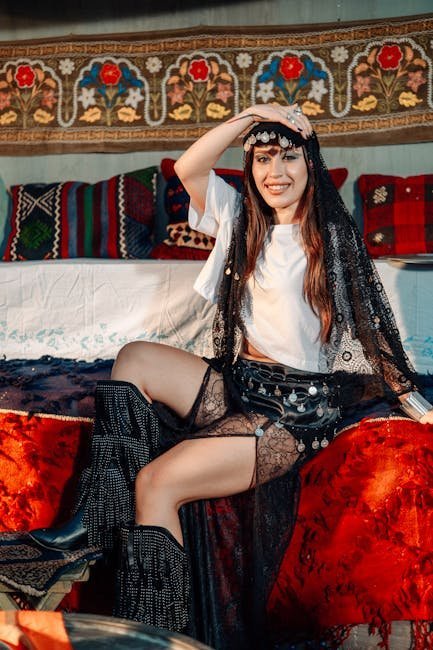
Modern festivals, especially Coachella, now revolve around influencer curation and brand partnerships. Polished boho ensembles mix with designer pieces, amplified by sponsored trips from labels like Revolve. Social media turns attendees into walking billboards, prioritizing photogenic coordination over pure rebellion.[8][9]
Events host “influencer Olympics” with VIP activations that blend music and marketing. Sheer fabrics, metallic accents, and matching sets dominate feeds. This era cements festival fashion as a trendsetter, where personal style fuels global commerce.
Festival Fashion as a Mirror of Cultural Change
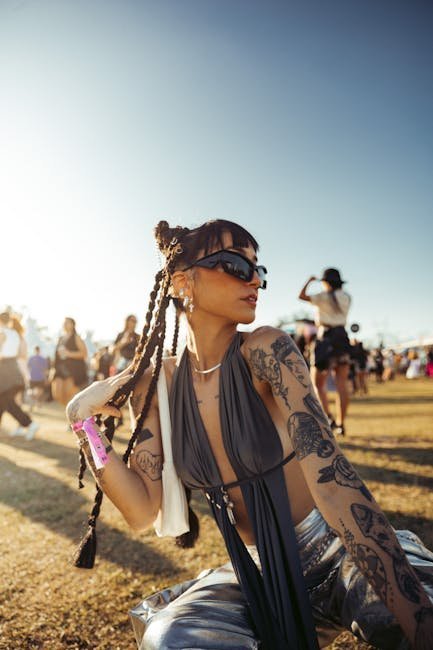
Festival attire has always echoed society’s pulse, from Woodstock’s peace pleas to today’s branded escapism. Each phase reveals shifting values, whether through punk’s fury or raves’ unity. These evolutions highlight fashion’s power to capture fleeting moments.
Looking ahead, festivals will likely continue reshaping style amid digital and environmental pressures. The journey from subculture to icon underscores adaptability. In the end, what we wear in the fields says more about our world than the music alone.


