
Fashion often clings to rigid norms, from color codes to gender boundaries. Yet certain bold choices shattered those expectations, sparking outrage and eventually reshaping what designers and wearers deemed possible.
These moments did more than turn heads. They forced society to confront its own rules, paving the way for greater freedom in style and self-expression.[1][2]
Coco Chanel’s Little Black Dress in 1926
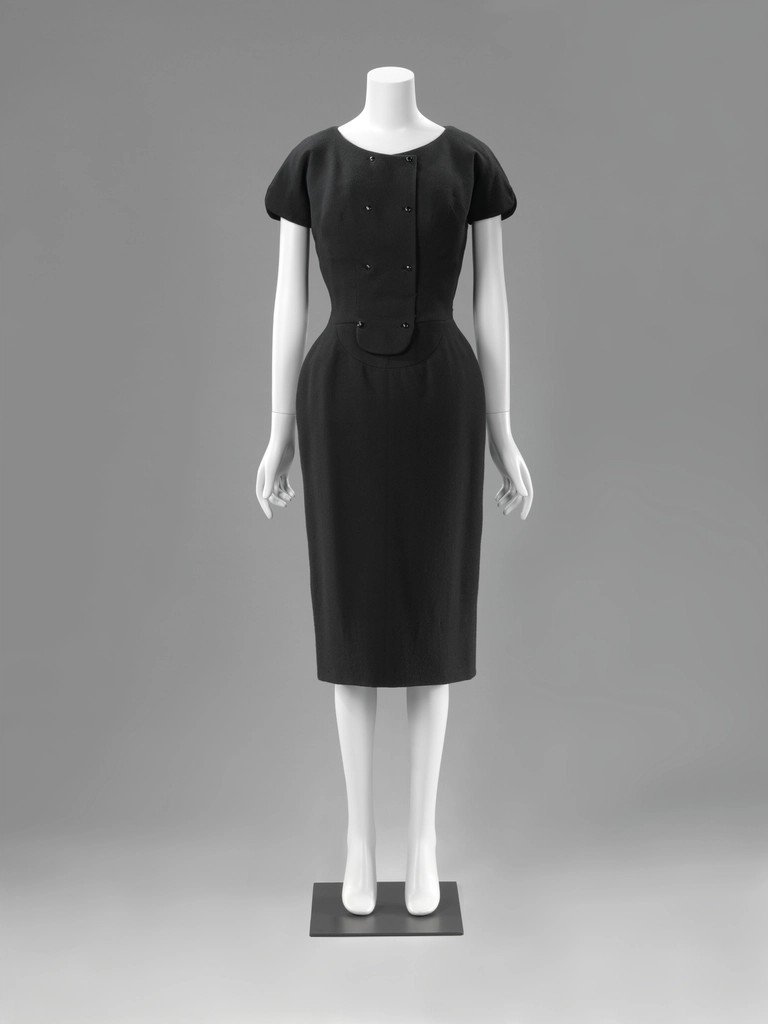
Coco Chanel unveiled her little black dress in Vogue that year, transforming a color long reserved for mourning into a sleek evening staple. The simple, bias-cut silhouette ditched heavy embellishments and corsets, embracing comfort over constriction. Critics gasped at the audacity of black for glamour.[3]
Public shock quickly gave way to obsession, with women snapping up copies. This shift normalized versatile black wardrobes. Designers still draw from its minimalist power today, proving elegance need not follow tradition.
Marlene Dietrich’s Tuxedo Suit in 1930
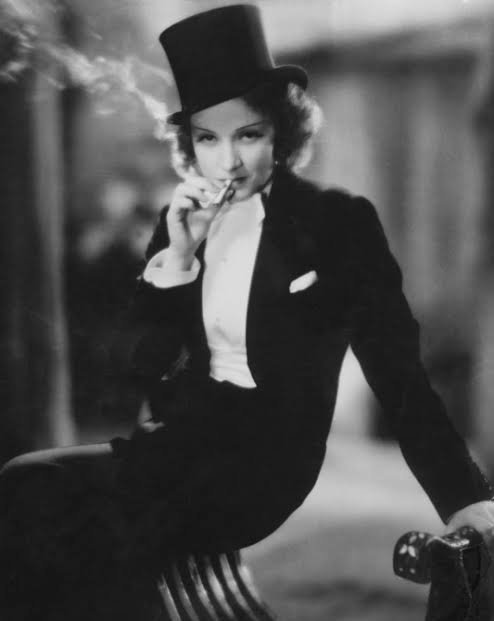
Actress Marlene Dietrich stunned in a tailored tuxedo and top hat for a Hollywood premiere, flipping menswear norms for women on their head. Pants and sharp shoulders defied the era’s feminine frills and skirts. Audiences and moralists alike decried it as unfeminine.[4]
The backlash only amplified its reach, inspiring androgynous trends. It challenged rigid gender dress codes, influencing power dressing for decades. Modern suits for women trace roots to this defiant pose.
Yves Saint Laurent’s Le Smoking Tuxedo in 1966
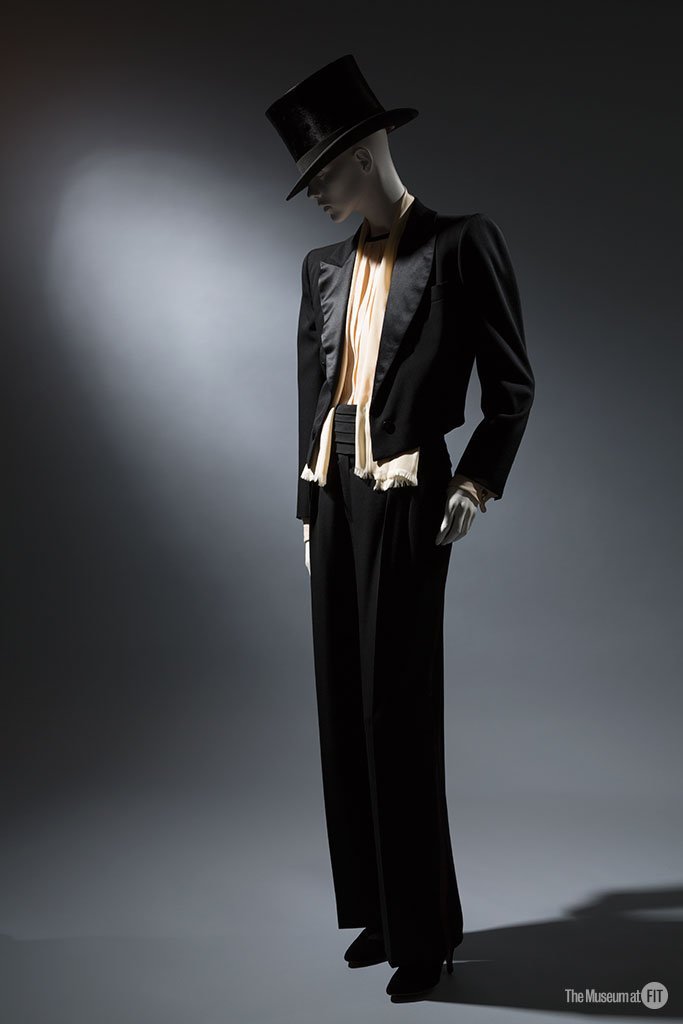
Yves Saint Laurent sent women down the runway in his Le Smoking tuxedo, a full evening tailcoat borrowed straight from men’s formalwear. This debut at his Rive Gauche show blurred gender lines in high fashion. Paris society reeled from the provocative equality.[5]
Though initially banned from some venues, it sold out fast. The look empowered women in masculine silhouettes. Tailored evening suits remain a staple, echoing its boundary-breaking legacy.
Mary Quant’s Mini Skirt Revolution in 1965
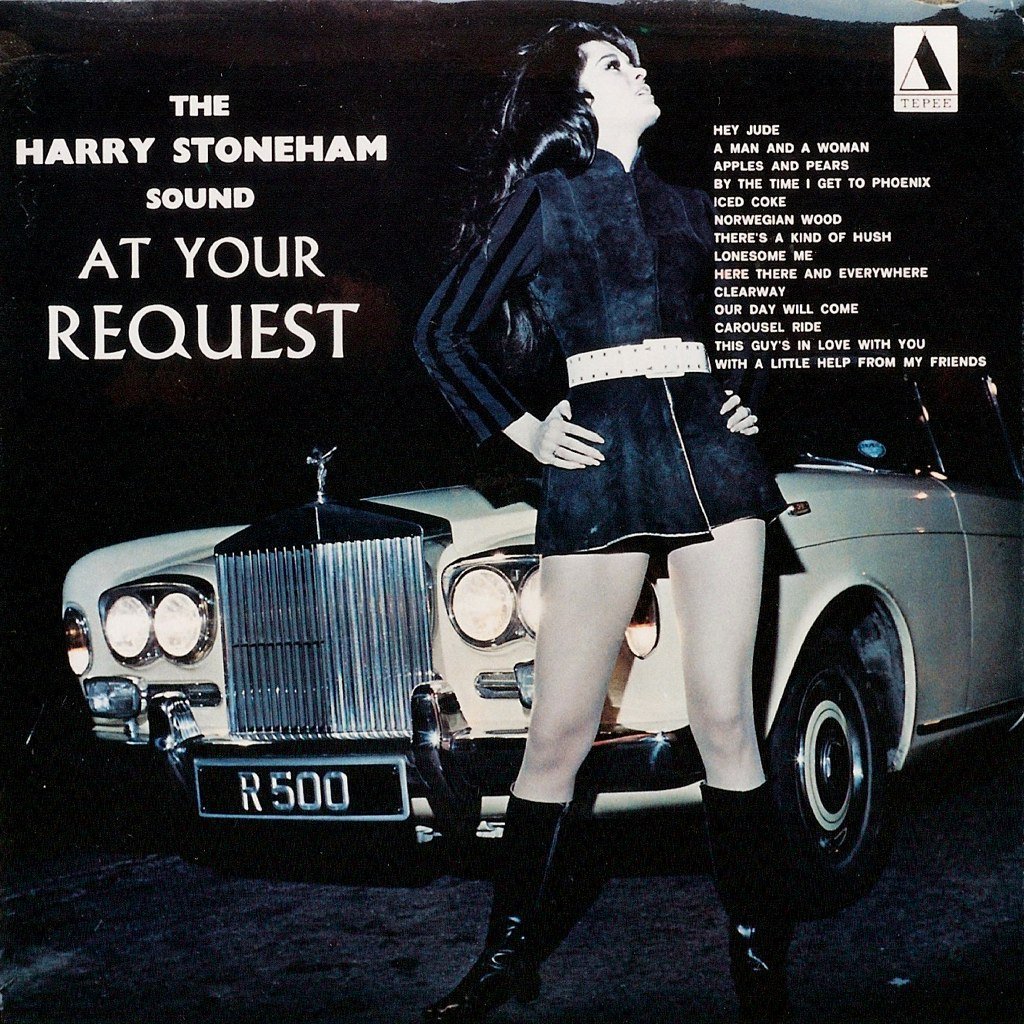
British designer Mary Quant launched the mini skirt, hiking hemlines well above the knee for youthful rebellion. It clashed with post-war modesty expectations. Older generations called it indecent, fueling tabloid frenzy.
Young women embraced it as liberation, boosting London’s swinging scene. The skirt symbolized shifting social mores toward freedom. Knee-grazing lengths now feel standard, thanks to this hemline hike.
Vivienne Westwood’s Punk Explosion in 1976
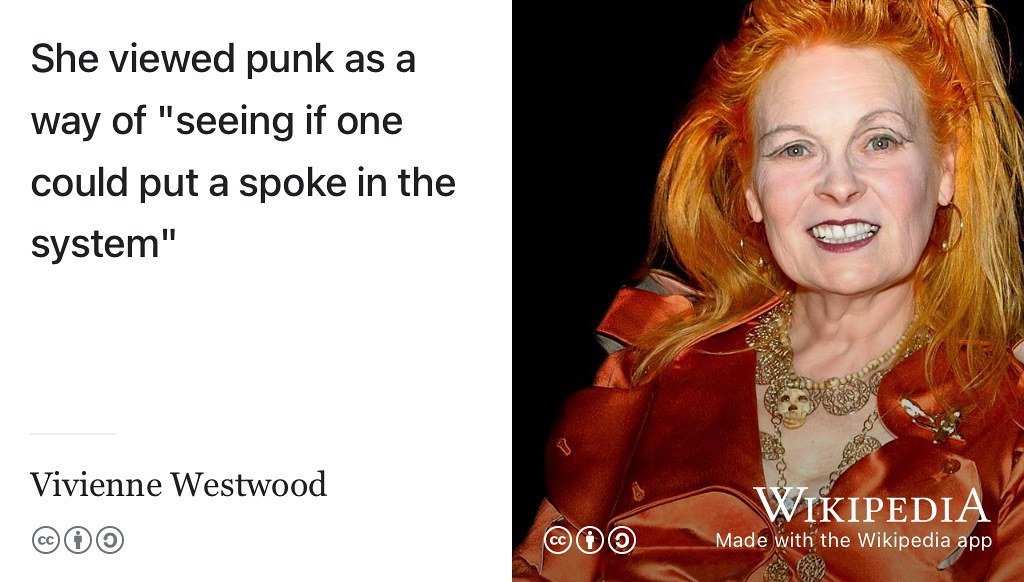
Vivienne Westwood and Malcolm McLaren dressed the Sex Pistols in ripped tees, safety pins, and bondage straps at their anarchic shows. This anti-fashion assaulted polished 1970s glam. Authorities even arrested wearers for obscenity.
Punk’s raw edge infiltrated streets worldwide. It democratized design, valuing DIY over couture. Streetwear’s gritty aesthetic owes much to Westwood’s rule-smashing ethos.
Madonna’s Cone Bra Tour Outfit in 1990
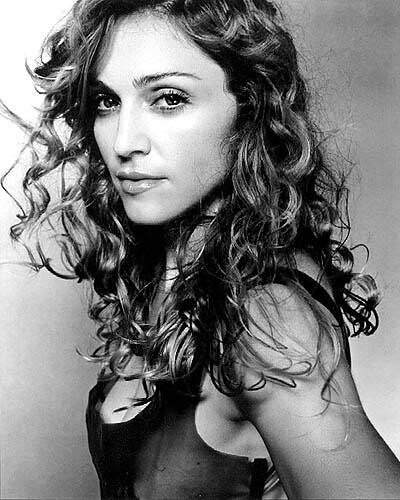
Jean Paul Gaultier crafted Madonna’s conical bra for her Blonde Ambition Tour, thrusting bras into spotlight as outerwear. The exposed, architectural cups mocked demure lingerie norms. Conservatives labeled it vulgar, boycotting performances.
Fans hailed it as bold sexuality. It normalized provocative stage wear. Designers now play with undergarments freely, crediting this pop icon’s fearless flash.
Björk’s Swan Dress at the 2001 Oscars
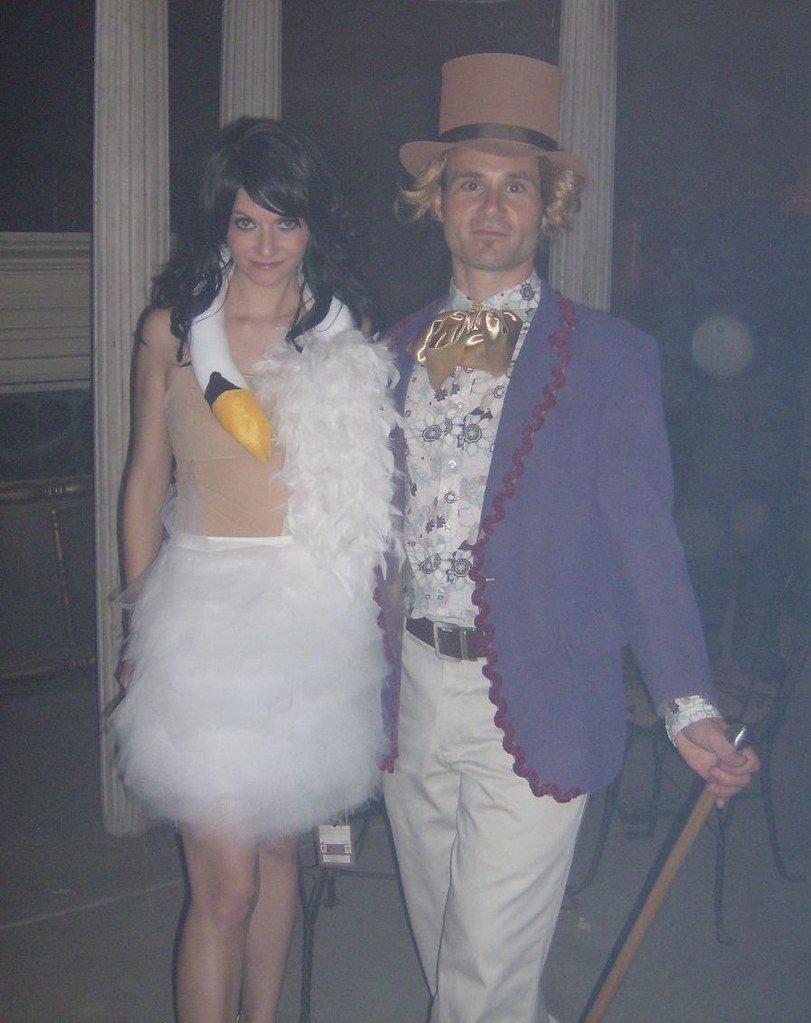
Björk arrived at the Oscars in a Marjan Pejoski dress mimicking a swan, complete with egg purse. It parodied red carpet poise with absurd whimsy. Critics mocked it mercilessly, calling it a feathered fiasco.[6]
The dress birthed memes but inspired avant-garde risks. It loosened Hollywood’s glamour grip. Wearable art now graces carpets, echoing the swan’s wild flight.
Jennifer Lopez’s Versace Dress at the 2000 Grammys
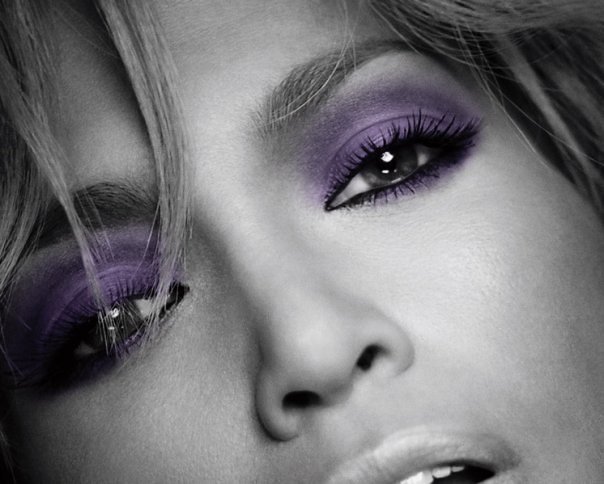
Jennifer Lopez wore a green Versace gown with a deep side slit revealing midriff at the Grammys. The tropical print and skin bared shattered conservative red carpet coverage. Media exploded, dubbing it the most searched image ever.
It skyrocketed Versace sales and celeb visibility. Plunging designs became routine. The dress proved sex appeal sells in fashion’s spotlight.
Lady Gaga’s Meat Dress at the 2010 VMAs
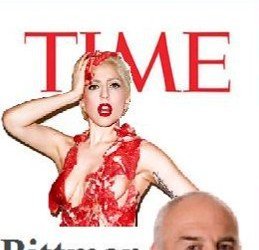
Lady Gaga draped herself in flank steak for the VMAs, protesting “Don’t Ask, Don’t Tell.” Raw meat as couture horrified vegans and networks. PETA slammed it as cruel, demanding dry cleaning.
Yet it amplified her message on rights. Edible fashion sparked debates on activism. Outrageous statements now define award shows.
Rihanna’s Sheer Guo Pei Gown at the 2014 CFDA Awards
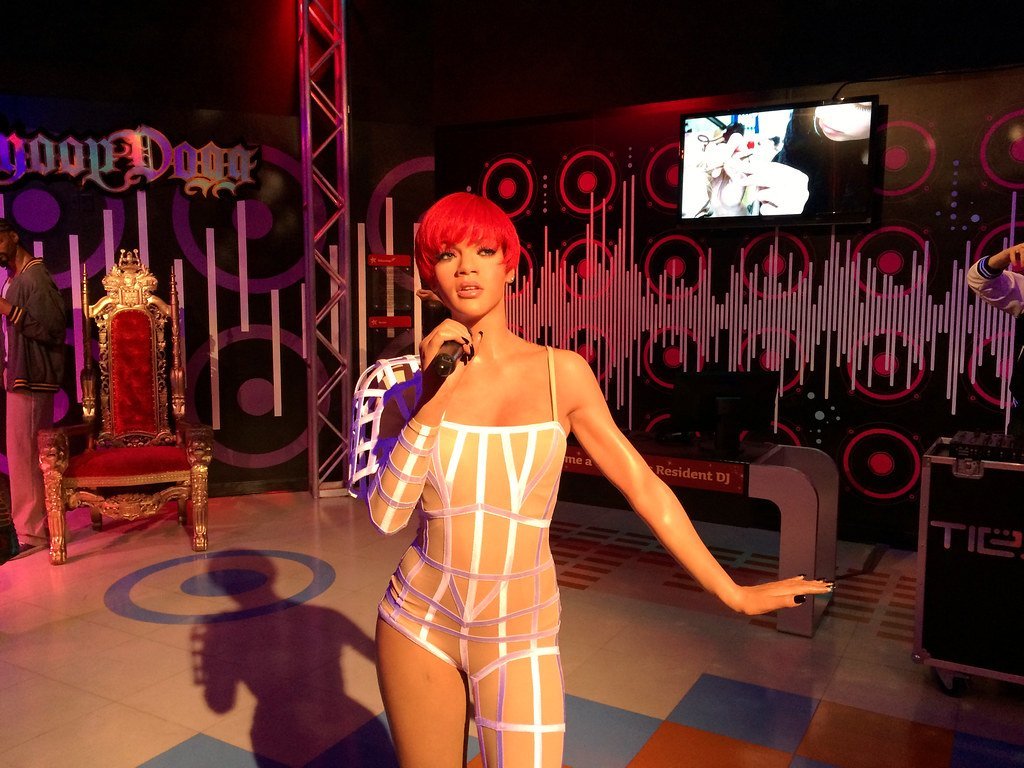
Rihanna accepted CFDA honors in a sheer, beaded Guo Pei gown with strategic pasties. It exposed more than it covered, defying awards show modesty. Fashion elite cheered; traditionalists clutched pearls.
The look cemented transparency trends. Nude illusions dominate runways now. Rihanna’s gamble expanded couture’s daring edges.
Fashion’s Rebel Spirit Endures
These moments reveal fashion’s power as quiet insurgency. Each broke molds not just in cloth, but in culture itself.
What starts as scandal often ends as standard. Style thrives on such defiance, inviting the next wave to push further.


