
- Unsung Heroes of Music History Deserve Their Rightful Place in the Pantheon of Legends - August 18, 2026
- Certain Historical Events Are So Bizarre, They Seem Ripped From the Pages of Fiction - August 18, 2026
- Iconic Cultural Artifacts Are More Than Objects; They Are Time Capsules of Human Experience - August 18, 2026
Festival fashion emerged from the counterculture wave of the 1960s, a time when young people rejected rigid societal dress codes in favor of free-spirited attire. Woodstock in 1969 became its defining moment, where half a million attendees donned handmade, eclectic outfits amid mud and music. This style symbolized peace protests, flower power, and a break from mainstream fashion.[1][2]
Roots lay in hippie ideals that prized natural materials like denim and cotton, ethnic prints from afar, and psychedelic patterns. Practicality mattered too, with layered clothing suited to unpredictable festival weather. These elements set the stage for trends that echo across decades.[3][4]
Tie-Dye Shirts and Fabrics
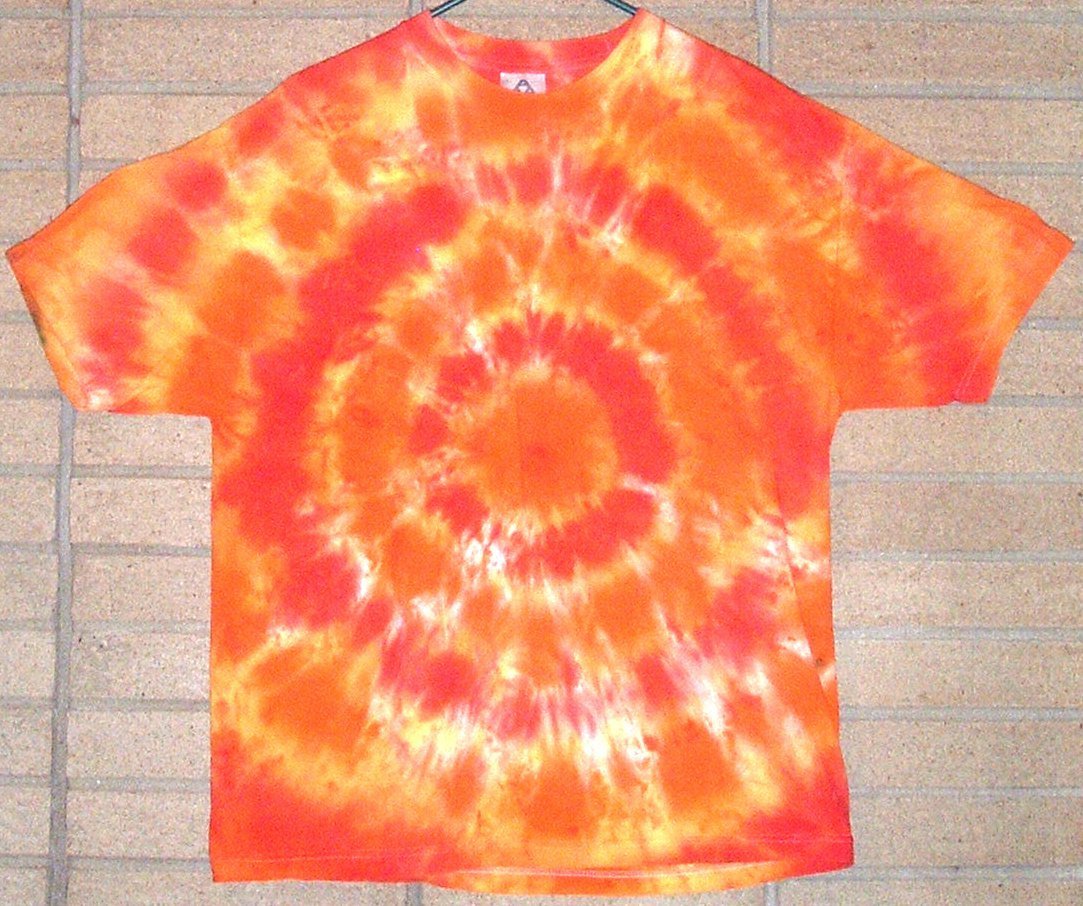
Tie-dye burst onto festival scenes in the late 1960s, especially at Woodstock, where festivalgoers twisted and dyed shirts in vibrant swirls as a DIY rebellion against factory-made clothes. This technique, inspired by ancient practices but revived for counterculture expression, used simple household chemicals for bold, unpredictable colors. Attendees wore them loose over jeans, embodying the era’s casual, anti-establishment vibe.[5][6]
Today, tie-dye reappears at Coachella and Glastonbury, layered under kimonos or cropped for a boho update. Brands mass-produce it now, blending nostalgia with modern streetwear. Festival crowds still grab it for that instant hippie nod, proving its enduring appeal in self-expression.[4][7]
Bell-Bottom Pants
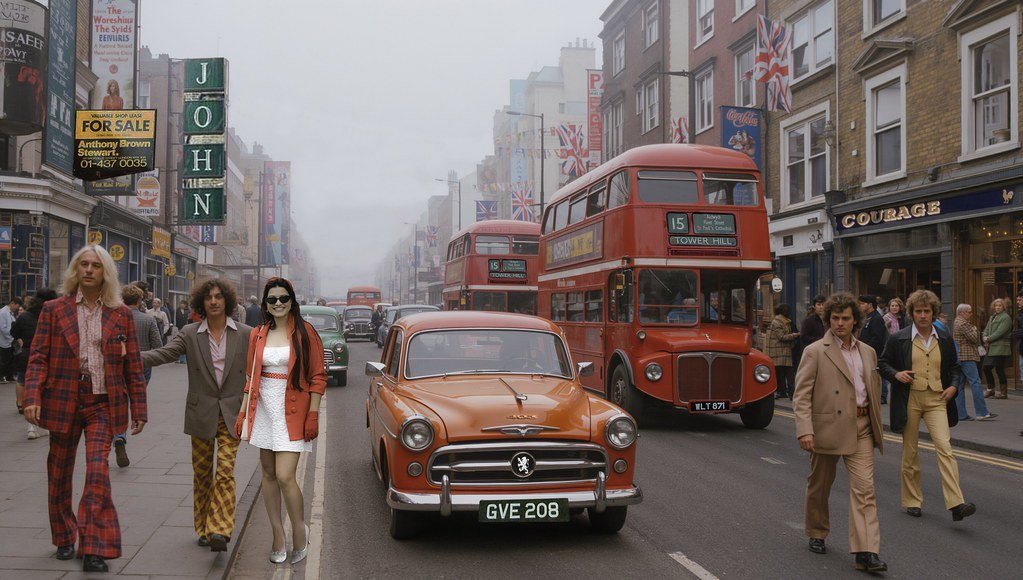
Bell-bottoms defined late 1960s and early 1970s festival legs, flaring dramatically from knee to hem in denim or colorful fabrics. Hippies at events like the Isle of Wight festival paired them with vests, drawing from sailor pants and mod influences for a flowing, unrestricted silhouette. They allowed easy movement through crowds and fields, practical yet flamboyant.[2][8]
Modern revivals hit runways and festivals, with high-waisted flares at Burning Man echoing the original freedom. Coachella attendees stack them with crop tops for a polished boho look. This silhouette persists, bridging eras through comfort and drama.[9]
Fringe Vests and Jackets
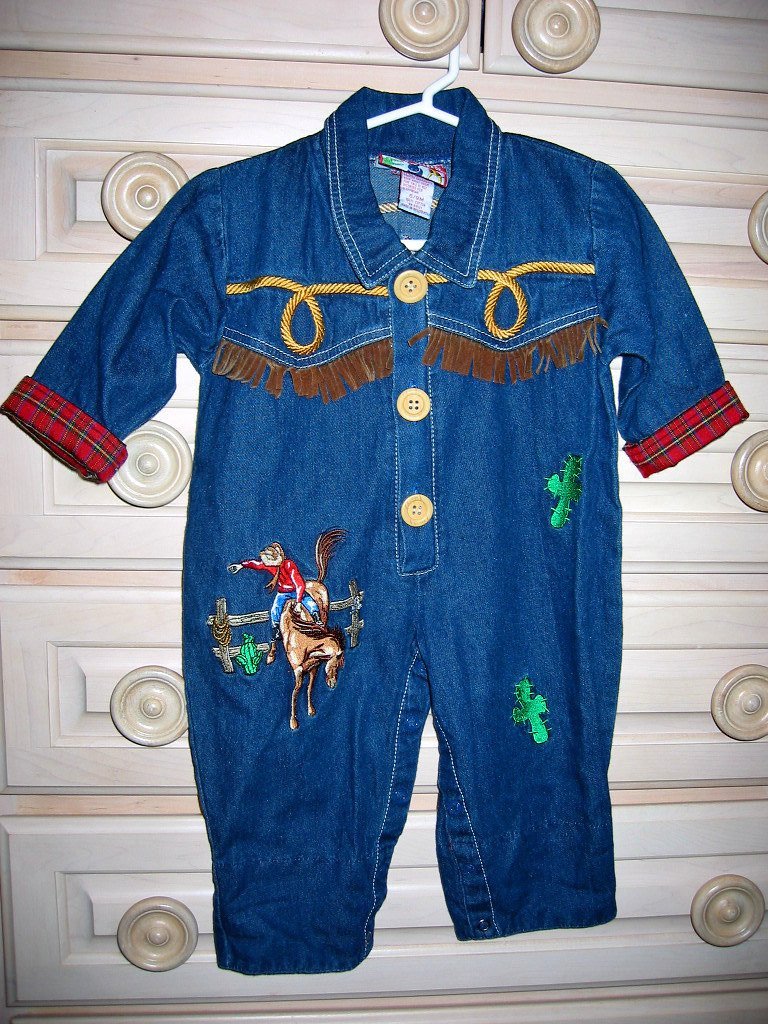
Fringe adorned leather and suede vests in the 1960s Woodstock crowds, swaying with every dance to Jimi Hendrix. This Native American-inspired detail added texture and motion, often layered over tie-dye for a rugged, nomadic feel. It captured the era’s love for handmade, earthy accessories amid the mud-soaked fields.[4][5]
Fringe returns yearly at festivals like Coachella, on denim jackets or suede bags for subtle movement. It pairs with contemporary athleisure, softening structured outfits. The detail keeps alive that sense of wanderlust from decades past.[10][9]
Flower Crowns and Headbands
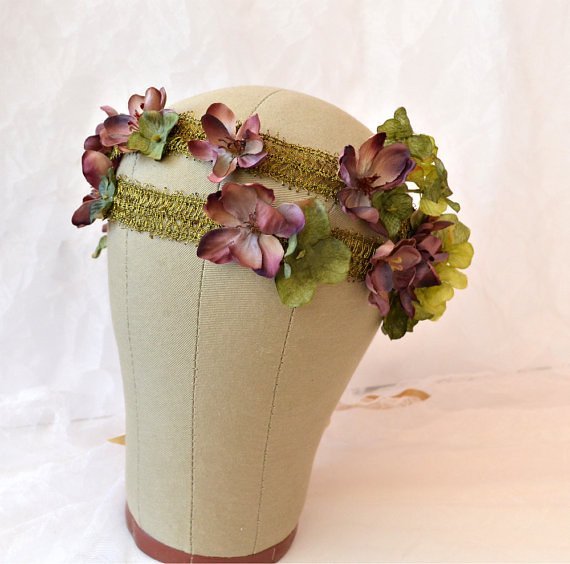
Flowers woven into crowns or tucked behind ears lit up 1960s festivals, symbolizing the flower power movement against war. At Woodstock, they crowned long, flowing hair, often with bandanas or scarves for a pastoral, peaceful aesthetic. These simple adornments turned heads into gardens, blending nature with rebellion.[4][11]
Coachella made flower crowns a staple in the 2010s, with artisans crafting elaborate versions from real blooms or faux. Glastonbury sees them layered with feathers for a modern twist. They evoke timeless joy, connecting wearers to hippie roots.[7]
Peasant Blouses and Kaftans
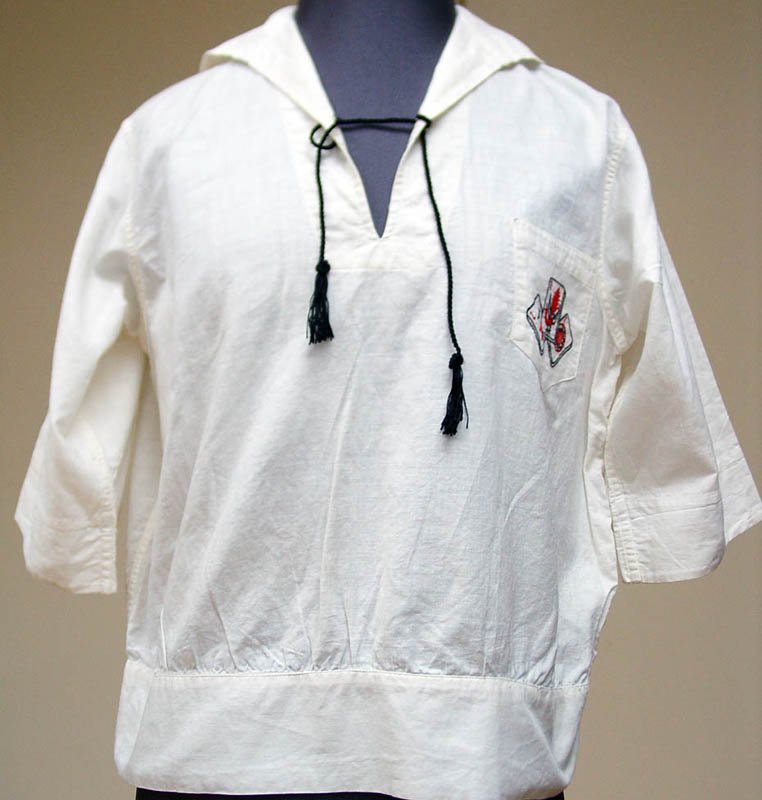
Loose peasant blouses with puffed sleeves and embroidery filled 1960s and 1970s festival wardrobes, often in Indian prints or crochet. Kaftans flowed freely at events like early Glastonbury, offering breathability in summer heat. These romantic tops rejected tailored fits for ethnic, bohemian ease.[1][8]
Today’s versions appear sheer or off-shoulder at Burning Man, belted for shape. They mix with denim shorts at Coachella, updating the silhouette. Comfort remains key, just as in the originals.[4]
Denim Jumpsuits and Overalls
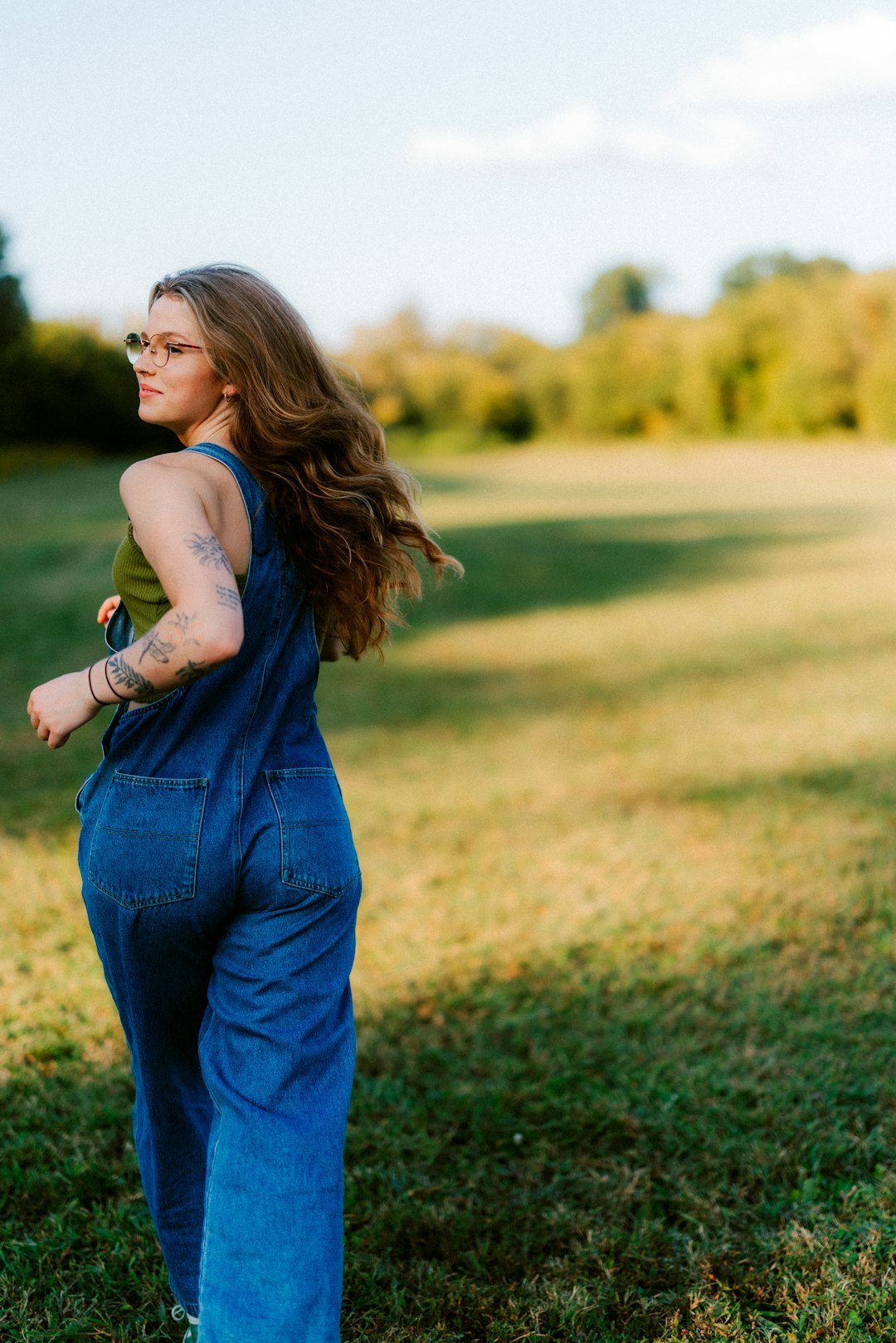
Denim dominated 1970s festivals in jumpsuits, cutoffs, and overalls, patched and painted for personalization. Woodstock-goers layered faded pairs against the chill, valuing durability for three days of camping. This staple bridged workwear and rebellion seamlessly.[4][12]
Modern denim shines distressed at Glastonbury, with rips and embroidery nodding to DIY. Coachella favors cropped jumpsuits over boots. It grounds festival outfits in rugged practicality still.[13]
Psychedelic Prints and Patterns
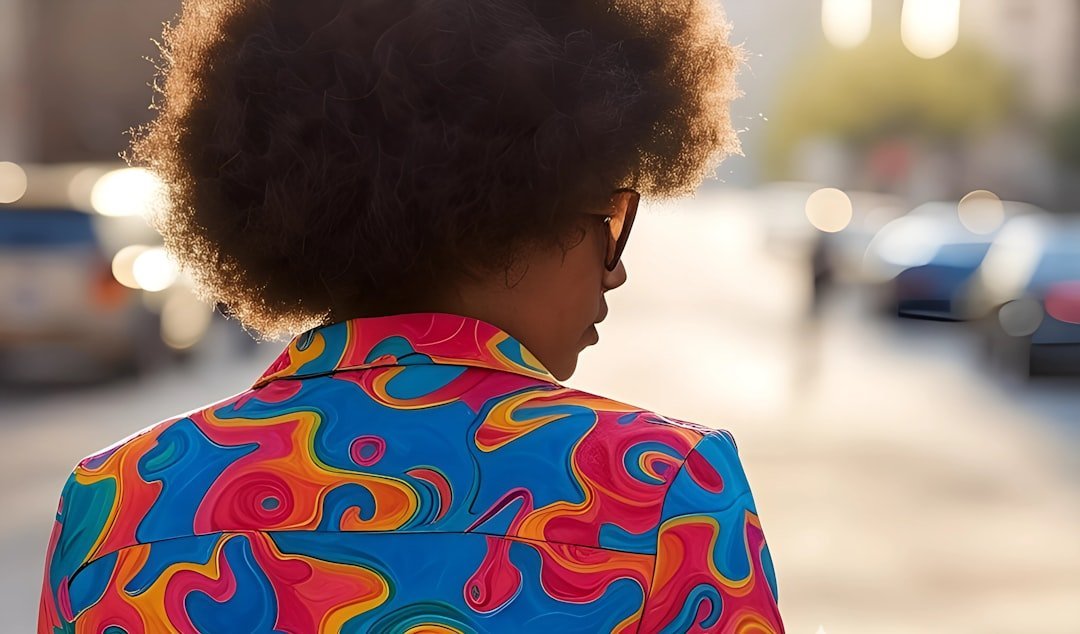
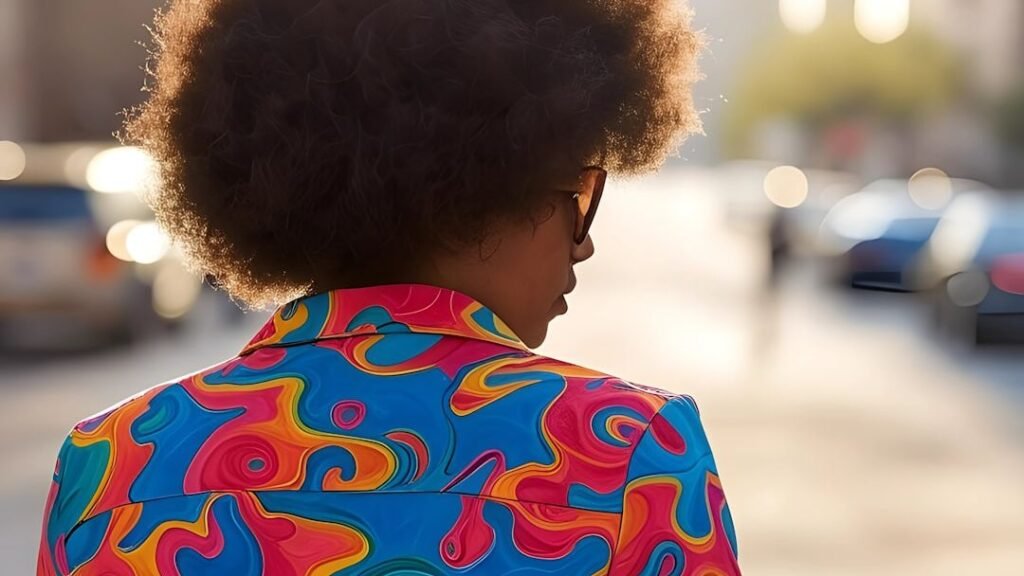
Psychedelic swirls and bold geometrics exploded on shirts and dresses at 1960s festivals, fueled by LSD culture and light shows. Festival fabrics mimicked hallucinations, printed on thin cotton for airy wear. They amplified the sensory overload of music and mud.[14][6]
These prints resurface on scarves and pants at today’s events, toned down or digitalized. Burning Man artists incorporate them into larger installations. The vibrancy captures enduring festival energy.[15]
Crochet and Handmade Tops
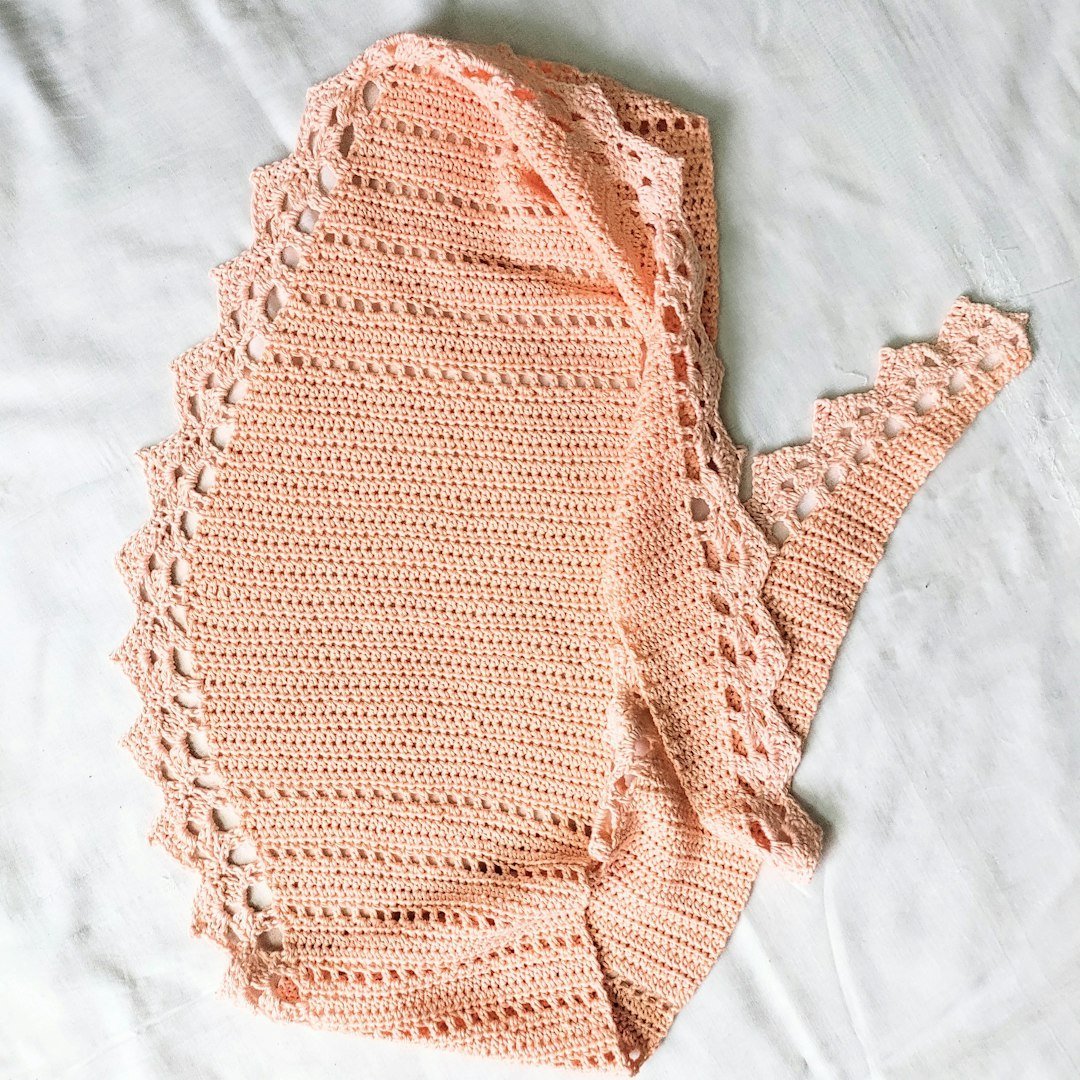
Crochet vests and tops hooked by hand appeared widely in 1970s lineups, showcasing craft skills amid the back-to-the-land ethos. Festivals like Altamont saw them in earthy tones, often with beads. This tactile trend highlighted community and creativity.[6][9]
Coachella crochet comes bikini-style or as cover-ups, machine-made yet artisanal-looking. It layers over swimsuits at desert fests. Handcraft vibes persist in a fast-fashion world.[9]
The Repeating Rhythm of Fashion Cycles
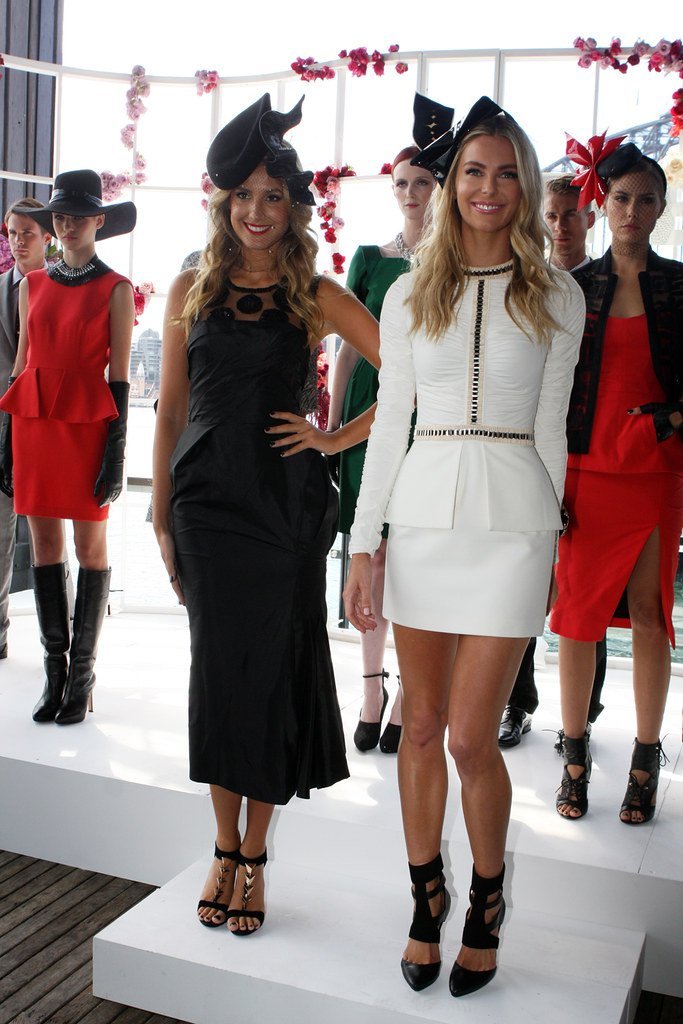
Festival wardrobes circle back every generation, pulling 1960s and 1970s hippie hallmarks into contemporary lineups. Coachella and kin revive fringe and flares not as costume, but as fresh expressions of freedom. This loop shows style’s ties to music’s timeless pull.[9]
Yet each revival adapts to now, blending originals with tech fabrics or sustainability. What started in muddy fields endures on polished stages. Festivals keep these threads alive, one season at a time.[4]

Besides founding Festivaltopia, Luca is the co founder of trib, an art and fashion collectiv you find on several regional events and online. Also he is part of the management board at HORiZONTE, a group travel provider in Germany.
