

- The 7 Underground Music Scenes That Quietly Shaped the Charts - September 20, 2026
- These 8 Currencies Don’t Exist Anymore — But Changed History - September 20, 2026
- 10 Legendary Sports Arenas That Time (Almost) Forgot - September 20, 2026
Classic books stand the test of time because they peel back layers of the human experience. They wrestle with timeless questions about love, power, morality, and what it means to be alive. These stories pull from real emotions and conflicts that anyone can recognize, no matter the era.
Through vivid characters and raw dilemmas, they reveal patterns in our behavior that history keeps repeating. Picking up one of these works feels like holding a mirror to society and yourself. The themes hit universal nerves, showing how people navigate joy, suffering, and everything in between.
Pride and Prejudice by Jane Austen

Jane Austen’s tale centers on the theme of social expectations clashing with personal desire. Elizabeth Bennet navigates a world obsessed with marriage and class, where first impressions often mislead. Her journey highlights how stubborn pride and snap judgments distort relationships.
This book uncovers a key insight into human nature: we build walls from misconceptions that block genuine connection. People cling to biases for comfort, yet growth comes from questioning them. Austen’s characters show that vulnerability leads to deeper understanding and love. In the end, it reminds us how everyday prejudices shape our lives.
1984 by George Orwell
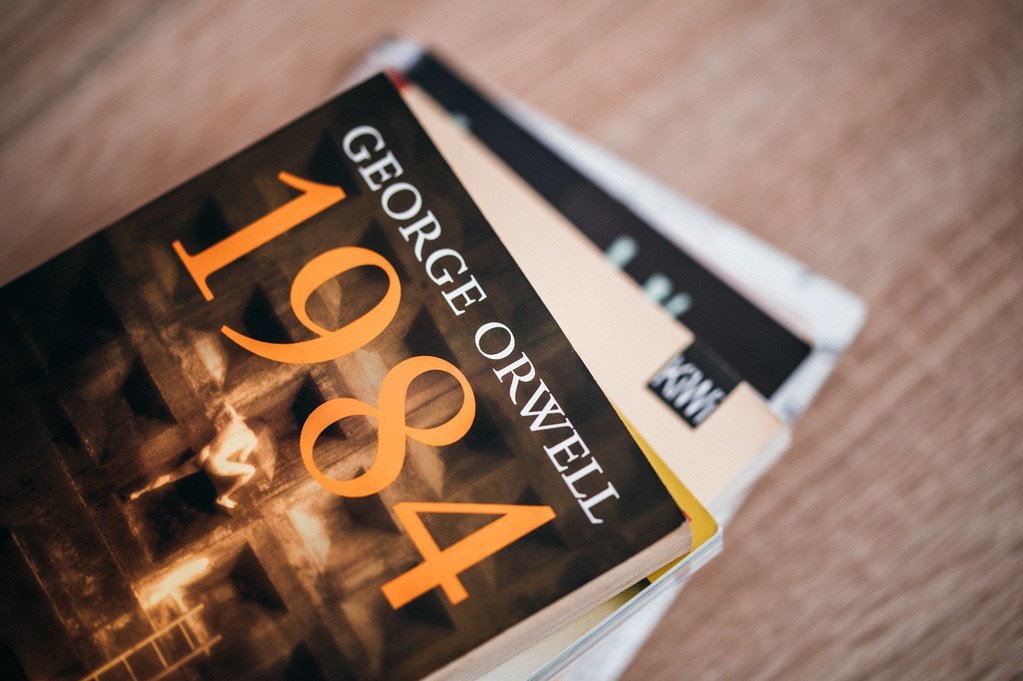
George Orwell explores totalitarianism and the manipulation of truth in a dystopian world. Winston Smith rebels against a regime that rewrites history and crushes individuality. The theme of power reveals how control thrives on fear and distorted reality.
At its core, the novel exposes humanity’s vulnerability to authority and the erosion of personal freedom. We crave certainty, even if it means surrendering our thoughts. Orwell illustrates that without truth, identity unravels. This insight warns how societies can lose their moral compass under pressure.
To Kill a Mockingbird by Harper Lee
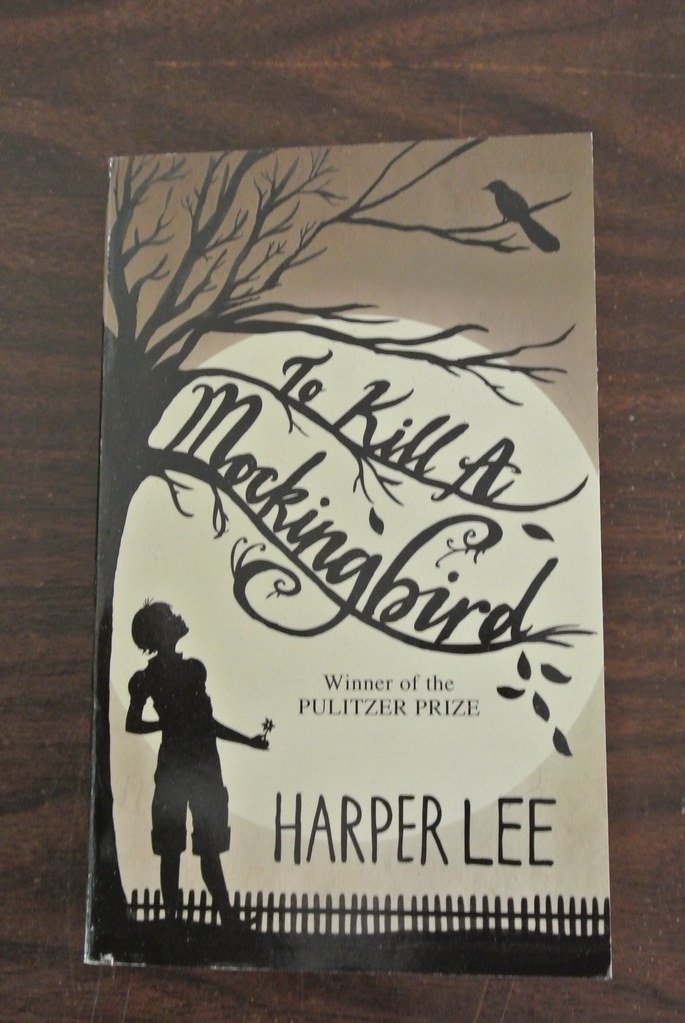
Harper Lee’s story delves into justice, empathy, and racial prejudice through young Scout Finch’s eyes. In a small Southern town, her father Atticus defends an innocent Black man amid bigotry. The theme underscores the fight against ingrained biases.
It offers a profound look at human nature: empathy bridges divides, but ignorance fuels cruelty. Children like Scout learn that walking in others’ shoes dissolves hatred. Lee’s work shows morality as a choice, often tested by community pressure. Ultimately, it reveals our capacity for growth through compassion.
The Great Gatsby by F. Scott Fitzgerald

F. Scott Fitzgerald examines the hollowness of the American Dream amid Jazz Age excess. Jay Gatsby chases lost love through wealth and parties, only to face disillusionment. The theme critiques ambition corrupted by materialism.
This narrative lays bare how humans pursue illusions for fulfillment, ignoring inner voids. Gatsby’s obsession mirrors our tendency to romanticize the past. Fitzgerald shows that status symbols rarely satisfy deeper longings. The insight lingers: true happiness evades those who measure worth by appearances.
Jane Eyre by Charlotte Brontë

Charlotte Brontë’s novel tackles independence, morality, and passionate love. Orphan Jane Eyre seeks self-respect while drawn to the enigmatic Mr. Rochester. The theme of equality in relationships challenges Victorian norms.
It reveals human nature’s drive for autonomy amid emotional turmoil. Jane refuses to sacrifice her principles, even for love. Brontë portrays resilience as a quiet strength against adversity. This story affirms that self-worth anchors us through betrayal and hardship.
Crime and Punishment by Fyodor Dostoevsky
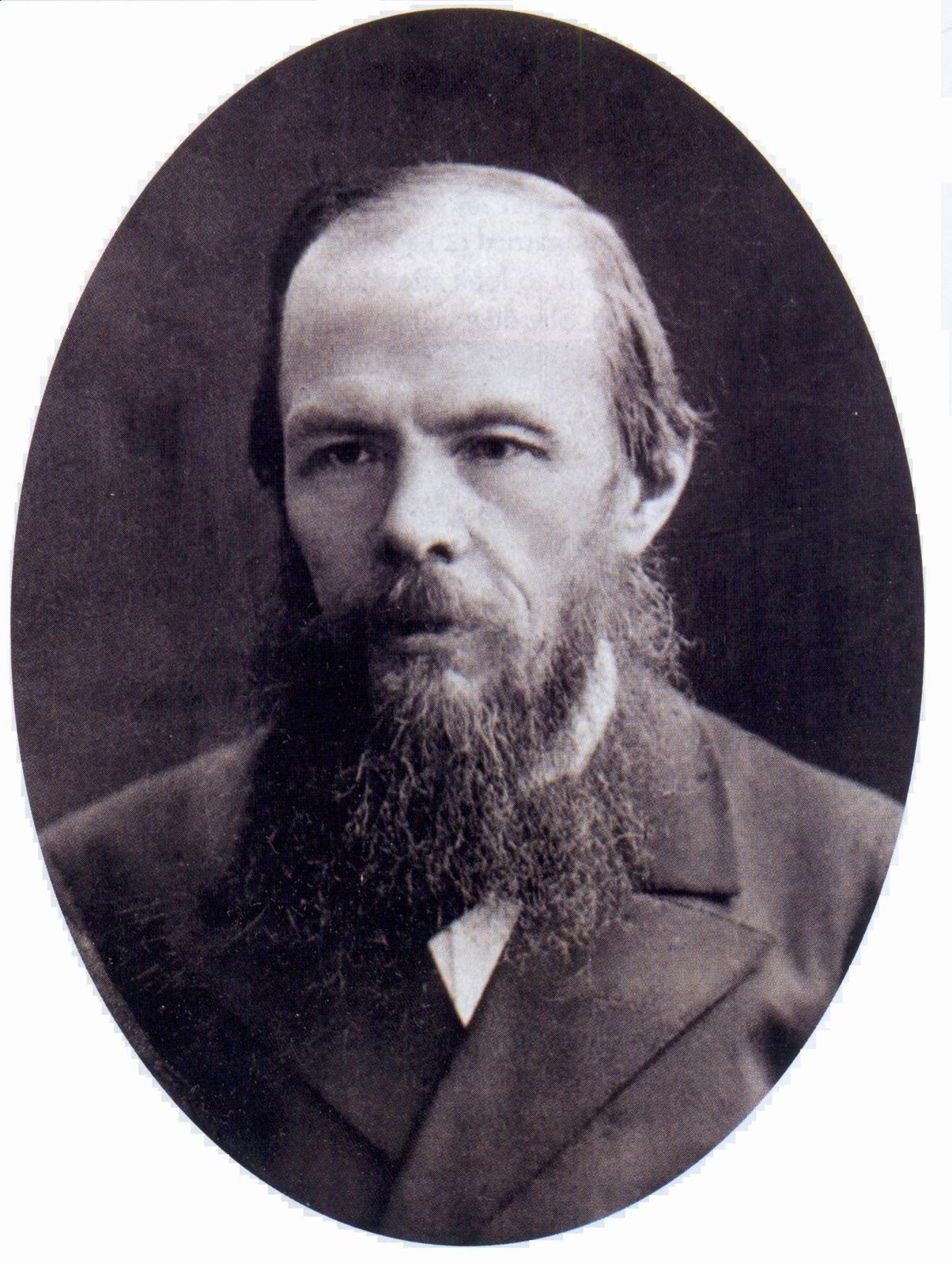
Fyodor Dostoevsky probes guilt, redemption, and the criminal mind through Raskolnikov’s axe murder. Tormented by his “superior man” theory, he spirals into confession. The theme of conscience exposes moral reckoning.
The book illuminates how humans grapple with inner turmoil after wrongdoing. No one escapes self-judgment, no matter the justification. Dostoevsky shows suffering as a path to renewal. It underscores our innate pull toward atonement, however painful.
Hamlet by William Shakespeare
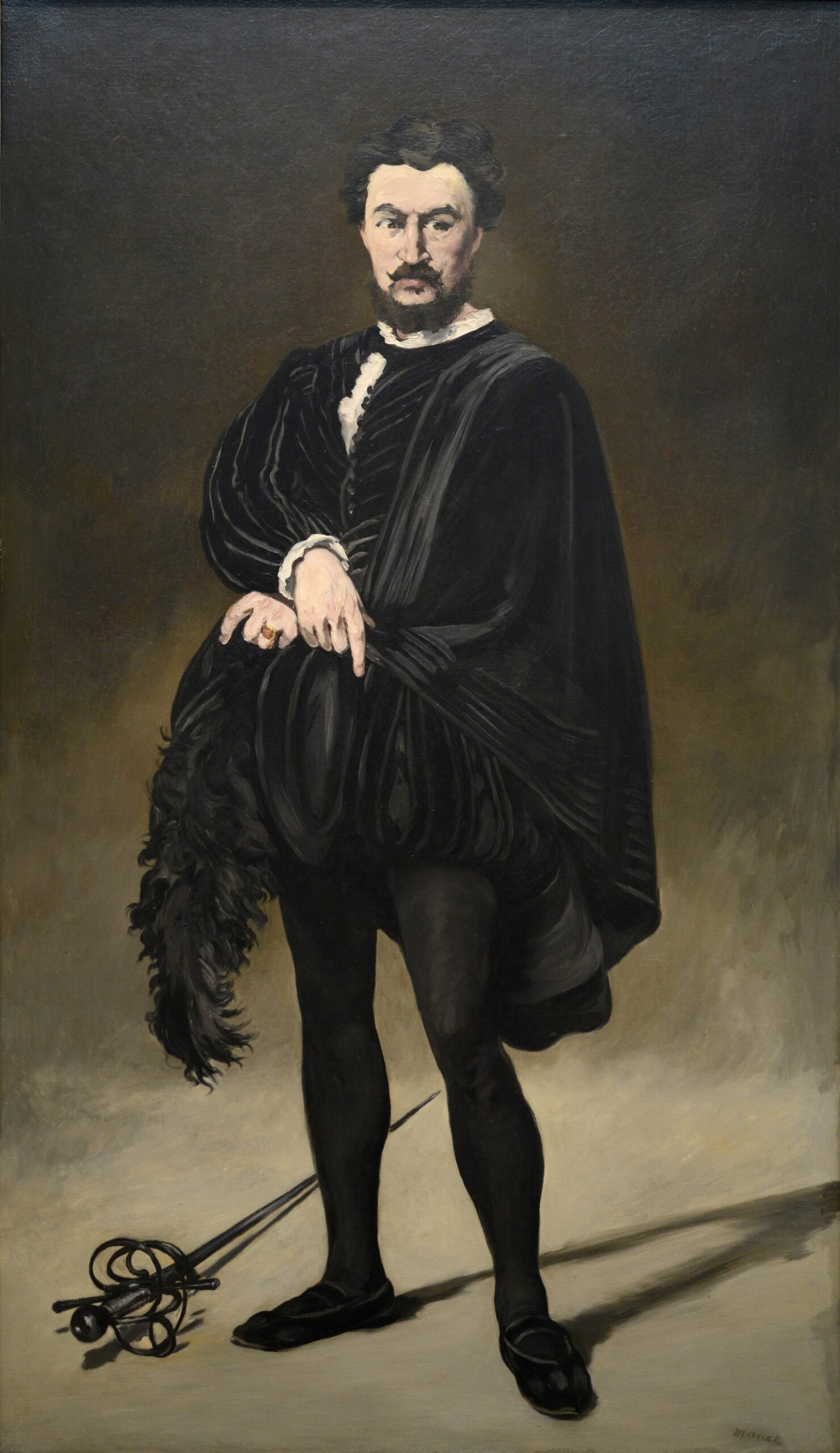
William Shakespeare’s tragedy wrestles with revenge, madness, and mortality. Prince Hamlet delays action against his uncle’s betrayal, lost in doubt. The theme of existential indecision captures the mind’s traps.
This play dissects human hesitation born from overanalysis. Hamlet’s soliloquies reveal fear of the unknown paralyzing resolve. Shakespeare exposes our flirtation with nihilism in crisis. The insight endures: thought without deed breeds tragedy.
Frankenstein by Mary Shelley

Mary Shelley’s gothic tale confronts ambition, creation, and isolation. Victor Frankenstein animates a creature, then abandons it to rage. The theme of responsibility questions the ethics of playing God.
It unveils humanity’s hubris in tampering with nature, leading to unintended horror. The creature’s loneliness mirrors rejection’s toll on the soul. Shelley illustrates empathy’s absence breeding monsters. This warns of our fragile bond with what we bring into existence.
Broadening Perspectives Through Timeless Stories

These classics collectively expand our grasp of human complexity. They show patterns in love, power struggles, and moral choices that persist today. Reading them builds empathy by immersing us in diverse lives and dilemmas.
The real gift lies in recognizing ourselves in these pages. Literature doesn’t just entertain; it sharpens our view of others and the world. Next time you crack one open, notice how it quietly reshapes your understanding. That shift sticks, making everyday interactions richer.
CEO-Co-Founder
