

History remembers leaders, inventors, and artists not just for their achievements, but often for the peculiar habits that colored their personal lives. These quirks, ranging from rigid rituals to outright eccentricities, offer glimpses into the minds behind monumental contributions. They shaped public perceptions and even influenced how posterity views their genius or madness.
Such behaviors frequently became inseparable from their legacies, turning footnotes into defining traits. What starts as a private oddity can echo through biographies and cultural lore, humanizing the extraordinary.
Demosthenes
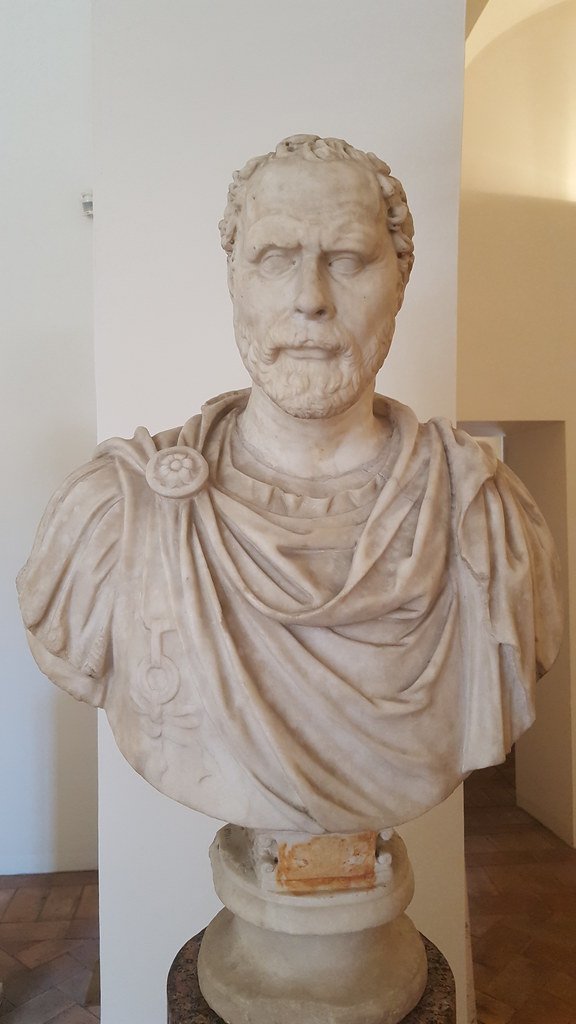
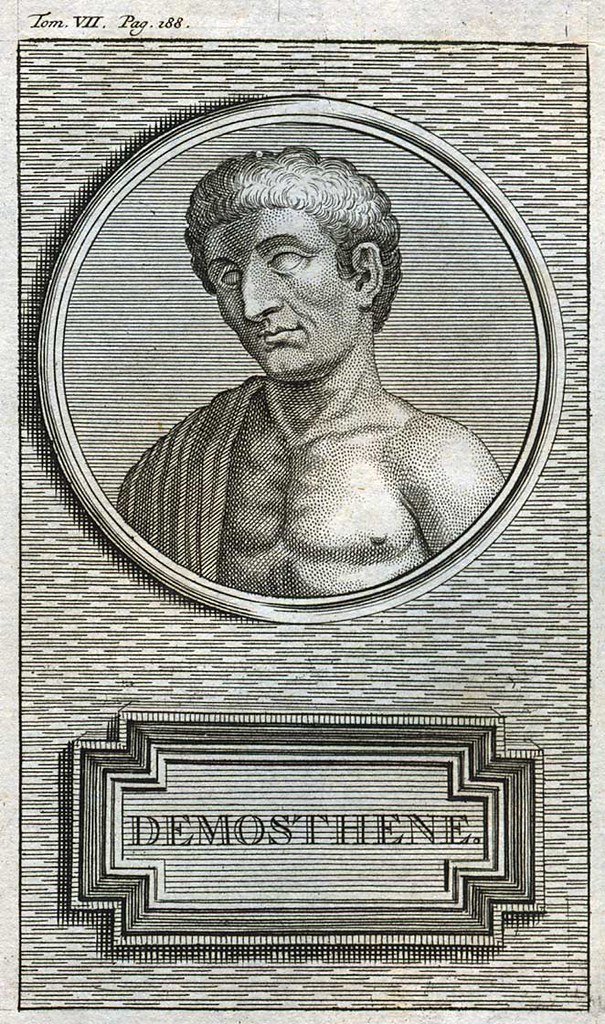
The ancient Greek orator Demosthenes battled a lisp and weak lungs early on. He practiced speeches with pebbles in his mouth to strengthen his voice and shouted over crashing waves at the beach.[1] To fight procrastination, he shaved one side of his head, making himself too ridiculous to go out. He studied rhetoric underground and trained gestures with actors.
These extreme measures transformed him into Athens’ greatest speaker, swaying assemblies against Philip of Macedon. His story inspires oratory training today, proving determination overcomes flaws. The shaved-head tale endures as a symbol of self-discipline in classical lore.
Ludwig van Beethoven
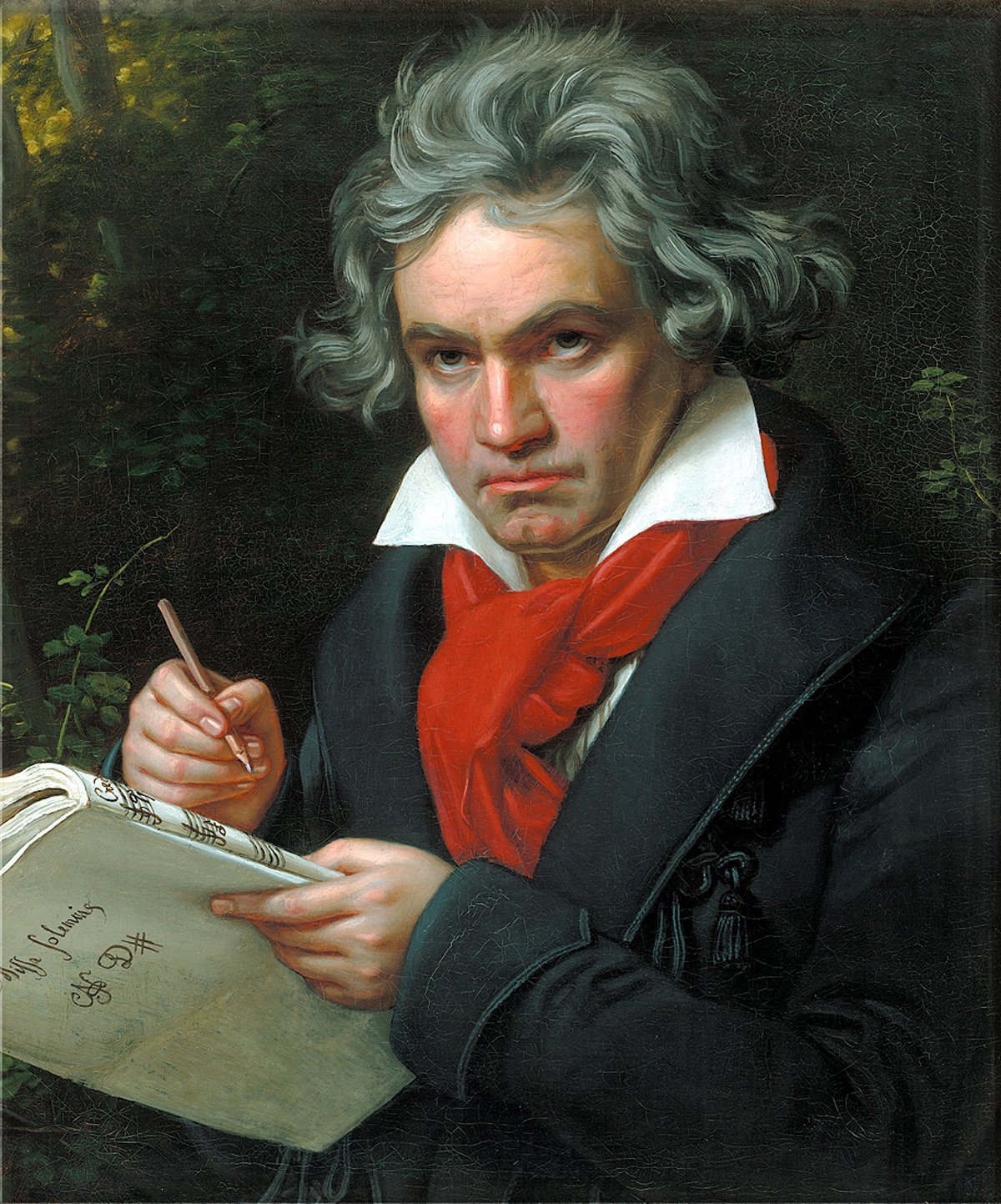
Beethoven started mornings counting exactly 60 coffee beans by hand for his brew. He poured water over his hands while humming, pacing rooms in deep thought. Long walks fueled his compositions, where he sketched ideas amid nature.[1] Even deaf later, these rituals persisted.
They underscored his obsessive precision amid symphonies that reshaped music. The bean-counting quirk humanizes the stormy genius, appearing in countless biographies. It highlights how routine sustained creativity through personal turmoil.
Charles Dickens
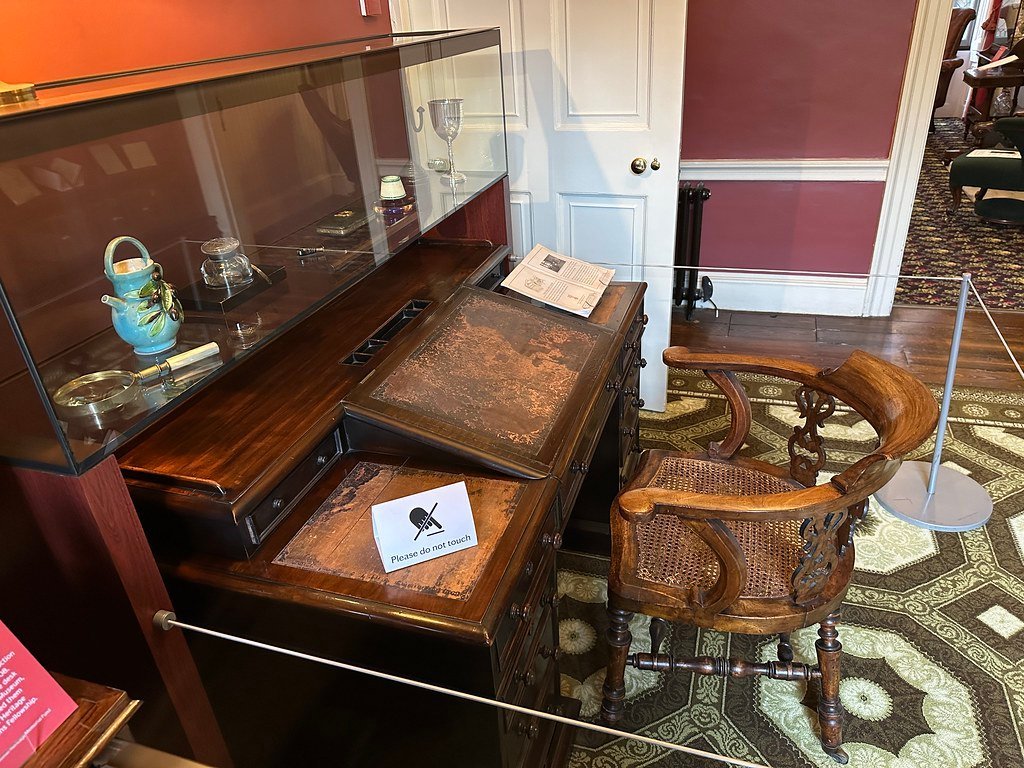
Dickens wrote from 9 a.m. to 2 p.m. in total silence, with pens and statuettes arranged just so on his desk. He carried these items traveling to mimic his study and slept facing north for better brain alignment.[1] Three-hour walks followed work, touching objects repeatedly for luck.
These habits powered novels like “A Christmas Carol,” blending order with vivid storytelling. They paint him as superstitious yet prolific, influencing views of Victorian writers. The compass for north-sleeping remains a quirky hallmark in literary history.
Nikola Tesla
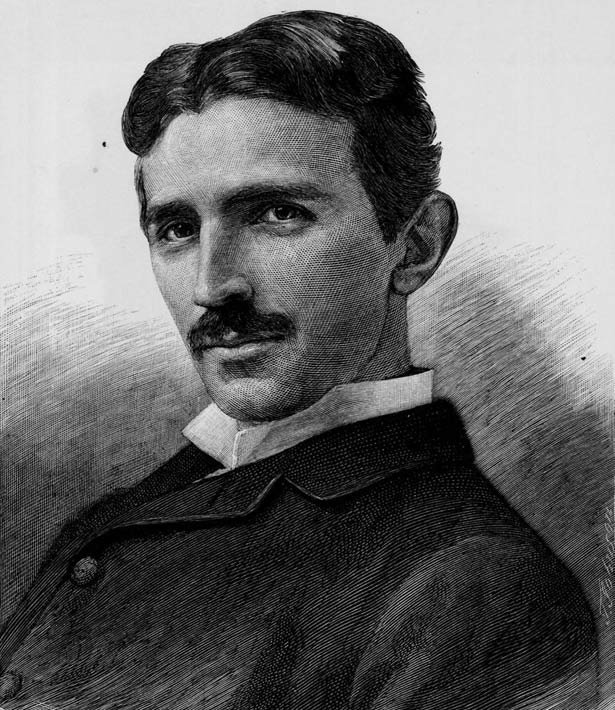
Tesla bonded deeply with pigeons in New York parks, nursing one he called the love of his life. He slept just two hours nightly in polyphasic bursts to maximize invention time. Obsessions with the number three dictated steps and hotel rooms.[2]
Such eccentricities amplified his image as a tormented visionary behind AC electricity. Pigeons symbolize his isolation, featured in films and lore. They contrast his brilliance, fueling myths of madness that eclipse his legacy somewhat.
Winston Churchill

Churchill dictated speeches naked post-bath, keeping schedules amid wartime bombs. He napped afternoons and painted secret landscapes for relief. Up to 10 cigars daily marked his routine.[2]
These quirks fortified his bulldog resolve during World War II, endearing him to the public. Nude dictation tales humanize the leader, blending eccentricity with defiance. They cement his persona as an indomitable, colorful statesman.
Salvador Dalí
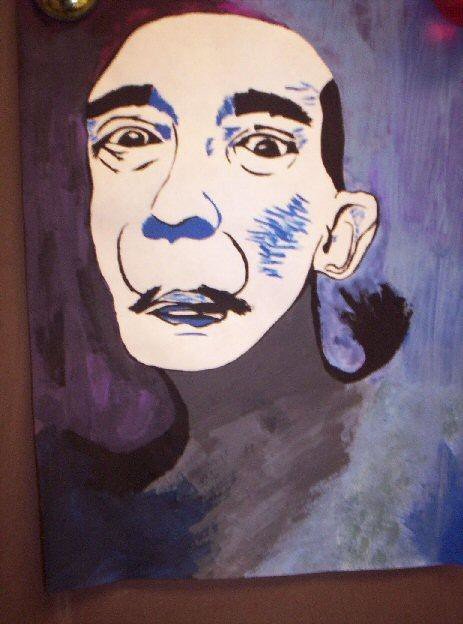
Dalí napped holding a key over a pan, dropping it to wake and capture dream visions. His “Paranoid-Critical” method induced hallucinations via illogical brooding for surreal paintings. He walked anteaters as pets.[1][2]
These fueled masterpieces like melting clocks, defining surrealism. They crafted his flamboyant brand, making him art’s ultimate showman. The antics ensure his legacy thrives beyond canvases in popular imagination.
Pythagoras
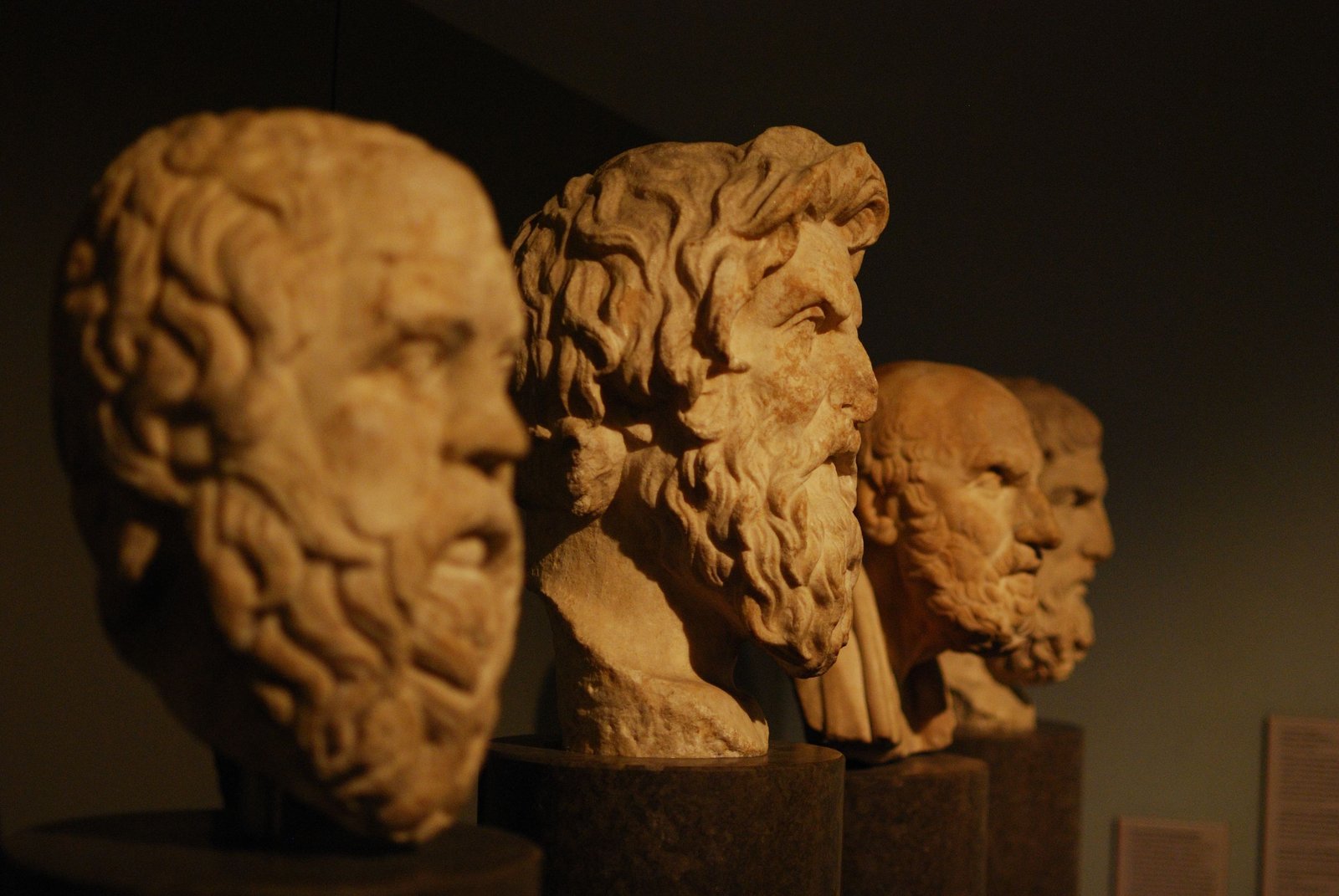
Uploaded by NotFromUtrecht, CC BY 2.0)
Pythagoras banned beans for followers, believing they held souls or disrupted purity. He refused to step over a bean field, leading to his death per legend. Right shoe first and no meat marked his rules.[2][3]
The taboo shaped his cult-like school, blending math with mysticism. It portrays him as philosophy’s first eccentric guru. Bean aversion persists in anecdotes, coloring his theorem’s rational fame with oddity.
Conclusion
Quirks like these reveal the fragile humanity behind history’s giants. They remind us greatness often pairs with peculiarity, etching fuller portraits in memory.
Personality quirks endure because they connect us across time, turning icons into relatable souls. In the end, the bizarre lingers as long as the brilliant.


