

For any feedback please reach out to info@festivalinside.com
- 12 Literary Feuds So Intense, They Changed the Course of Literature - August 11, 2026
- 10 Mysterious Disappearances of Famous Figures That Still Puzzle Experts - August 11, 2026
- 10 Foods We Thought Were American But Were Actually Invented Somewhere Else. - August 11, 2026
Rock music often captures the raw edges of life. Many anthems draw straight from chaos, tragedy, or pivotal moments that shook the world.
These songs turned personal turmoil and historical upheavals into timeless riffs and lyrics. Listeners connect without always knowing the sparks behind them.[1][2]
Smoke on the Water by Deep Purple
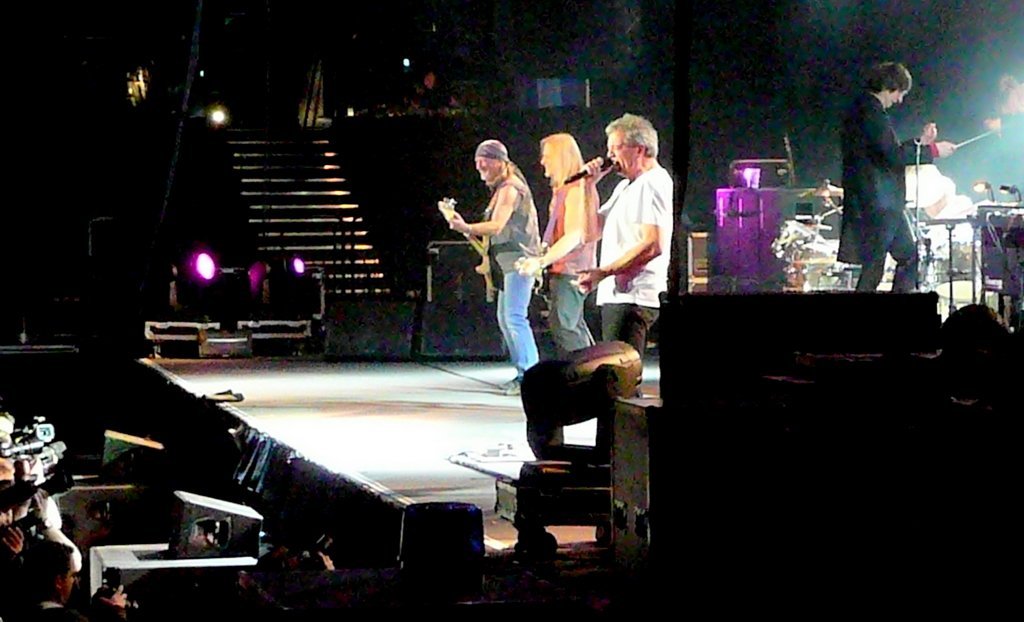
The riff everyone knows came from a real disaster in Switzerland. Deep Purple watched flames engulf the Montreux Casino during a Frank Zappa show. Someone fired a flare gun into the wooden roof, sparking the blaze that destroyed the venue and Zappa’s gear. No one died, but smoke hung over Lake Geneva as the band huddled in their hotel.[1]
They wrote the song right there amid the ashes. A cowbell even survived the fire and made the track. It became Deep Purple’s signature tune, blasting from radios worldwide. The story immortalized “Funky Claude,” casino boss Claude Nobs, who helped fans escape.[1]
Generations air-guitar to that opening. It stands as a rock staple, blending hard luck with heavy sound.
Riders on the Storm by The Doors
Jim Morrison layered menace into this moody closer from their final album. The lyrics nod to serial killer Billy Cook’s 1950-51 rampage. Cook hitchhiked across states, murdering six people, including a whole family of five. Ray Manzarek called it a “filmic” portrait of a predator on the prowl.[1][2]
Morrison whispered his own vocals over rain effects for extra chill. The track blends jazz haze with dark narrative. It hit big posthumously, cementing The Doors’ brooding legacy.
Fans still dissect its storm-soaked dread. Cook’s real crimes added grit that echoes today.
When the Levee Breaks by Led Zeppelin
![When the Levee Breaks by Led Zeppelin (wea00733, Historic NWS Collection, [1], Public domain)](https://festivaltopia.com/wp-content/uploads/2026/04/1776330704239_1776330697876_1927_mississippi_flood_oswego_kansas.jpeg)
Led Zeppelin’s thunderous cover roots in the 1927 Great Mississippi Flood. That catastrophe killed up to 1,000, displaced half a million, and hit Black communities hardest. It sped the Great Migration north. The original blues tune by Kansas Joe McCoy and Memphis Minnie captured the levees giving way.[1][2]
Jimmy Page’s massive drum sound defined the 1971 version. John Bonham pounded on a distant kit for echo. It influenced hip-hop breaks too.
The song evokes floodwaters rising. Its raw power keeps it fresh in Zep sets and samples alike.
Ohio by Crosby, Stills, Nash & Young
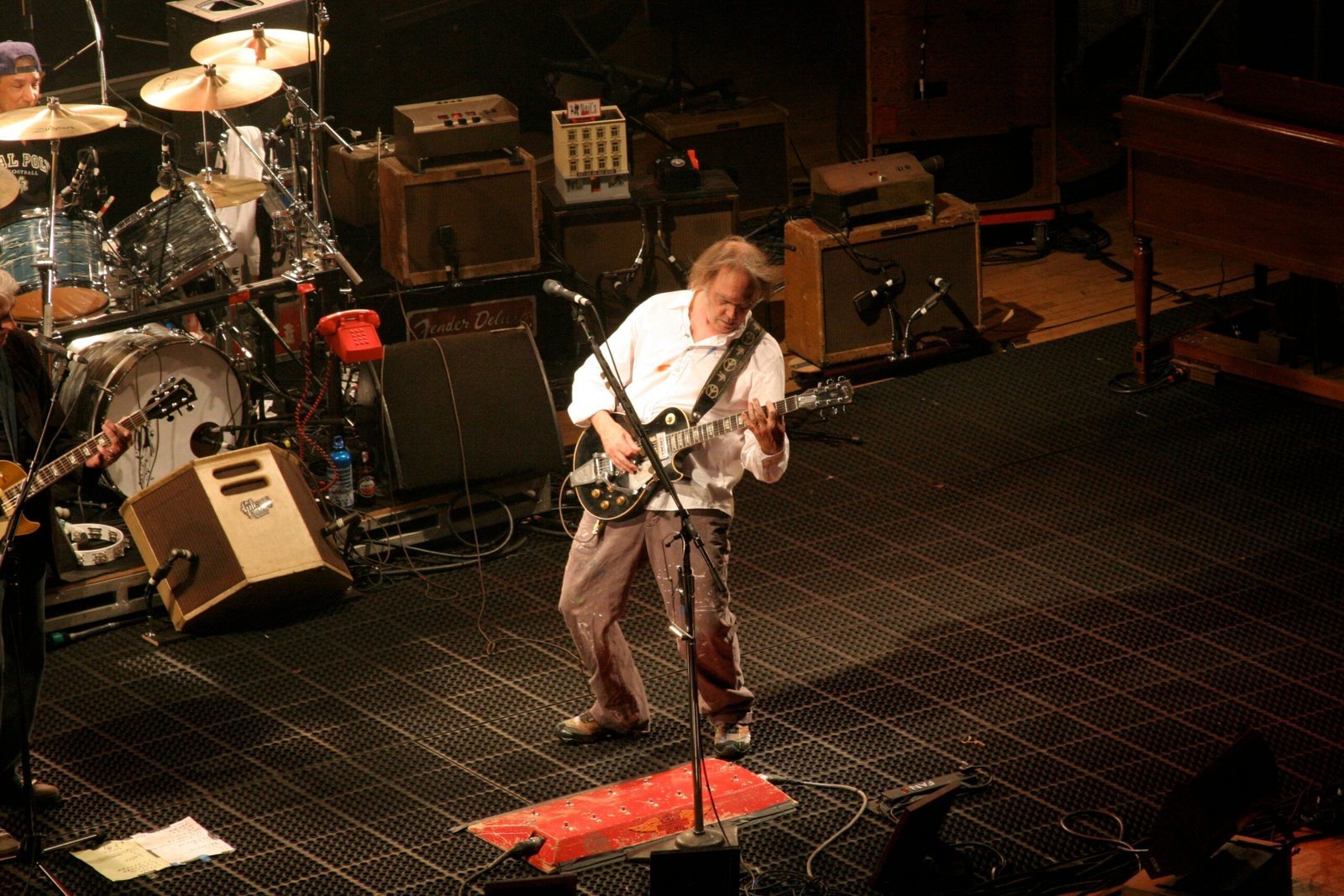
Neil Young penned this fury after newspaper photos of the Kent State massacre. On May 4, 1970, Ohio National Guard troops shot anti-war protesters, killing four students and wounding nine. The band rushed it out as a single, skipping their chart-topper. Graham Nash later reflected on the government’s betrayal in those lines.[3][2]
It became an instant protest cry against authority. Radio play sparked backlash from some stations. Yet it fueled campus rallies nationwide.
Decades on, it resurfaces in tense times. The harmony drives home the human cost of division.
American Pie by Don McLean
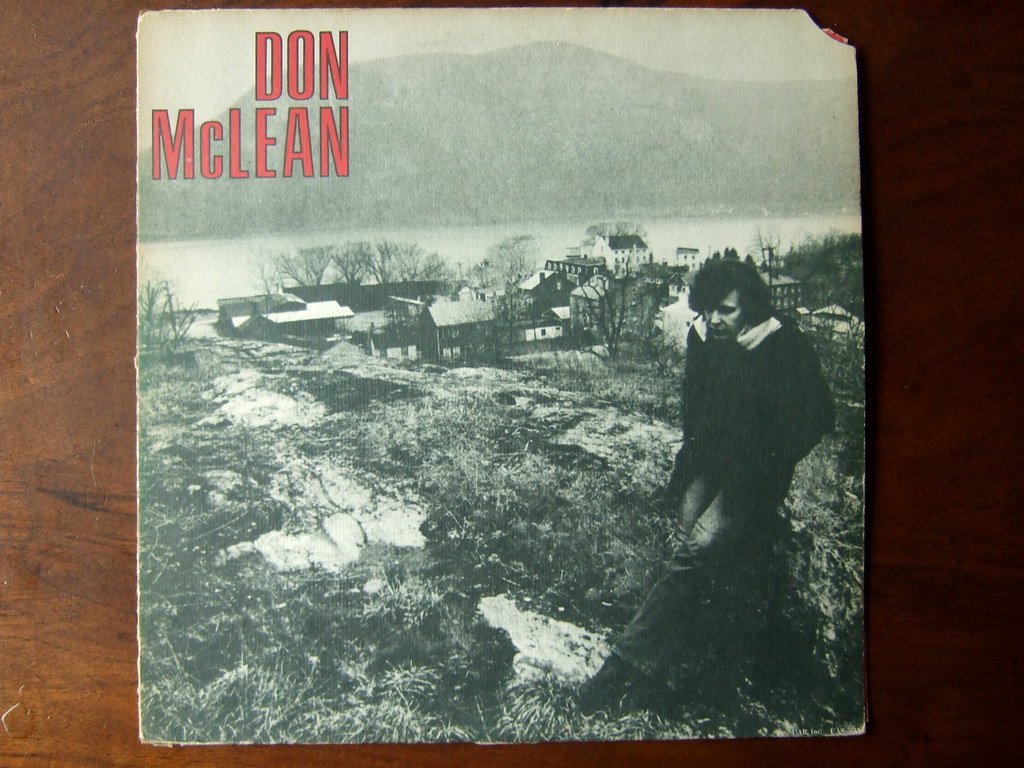
“The day the music died” marks the 1959 plane crash claiming Buddy Holly, Ritchie Valens, and The Big Bopper. McLean wove that loss with his father’s death, plus assassinations of JFK, RFK, MLK, and Vietnam shadows. The eight-minute epic mourns innocence slipping away in rock’s evolution.[2]
It topped charts for months in 1972. Fans pored over symbols like the jester for Dylan. McLean’s plain voice sold the nostalgia.
Reissues and covers keep it alive. It captures a generation’s crossroads perfectly.
Every verse unfolds like chapters in a saga.
I Don’t Like Mondays by The Boomtown Rats

Bob Geldof caught the horror of a 1979 San Diego school shooting on the news. Sixteen-year-old Brenda Spencer killed two adults and wounded nine kids, then shrugged it off with “I don’t like Mondays.” He crafted lyrics around that numb motive, imagining a “silicon chip” glitch in her head.[2]
The single rocketed to UK number one. It stirred debate on violence’s senselessness. Geldof later channeled outrage into Live Aid.
Schools banned it at dances amid controversy. Still, it lingers as a stark reminder of random tragedy.
The Lasting Echo of Rock’s Narratives

These anthems prove rock thrives on truth’s sharp edges. Real fires, floods, and falls fuel riffs that endure.
Storytelling binds artist to listener across years. In chords and cries, history finds its voice. Rock keeps those dramas alive, urging us to listen closer.

Christian Wiedeck, all the way from Germany, loves music festivals, especially in the USA. His articles bring the excitement of these events to readers worldwide.
For any feedback please reach out to info@festivalinside.com
