
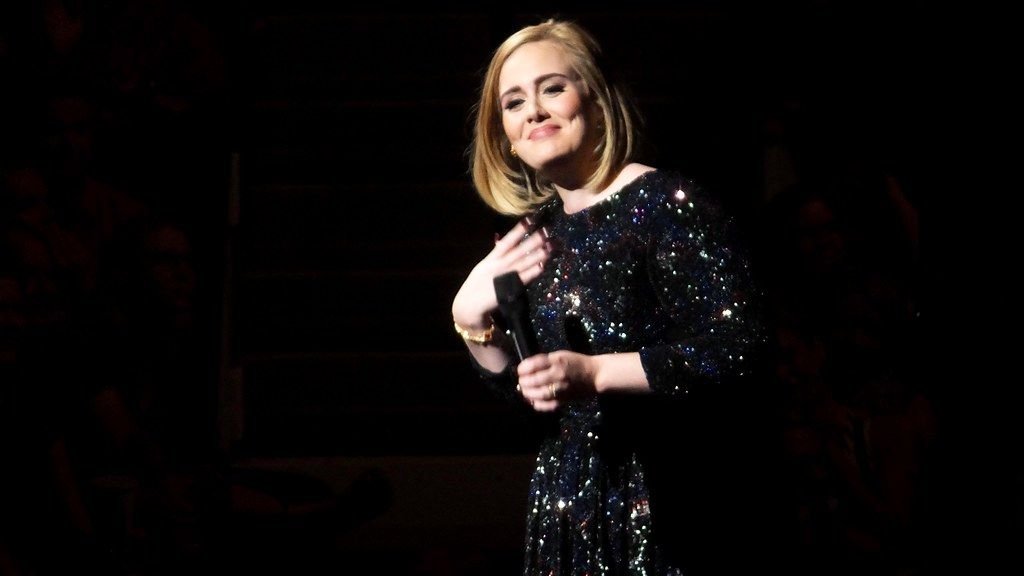

- 15 Rock Anthems That Defined a Generation and Still Sound Amazing Today - August 11, 2026
- 12 Unforgettable Movie Quotes You Can Still Use in Everyday Conversation. - August 11, 2026
- 10 Music Festivals That Changed the World - August 11, 2026
Songs often capture the pulse of a moment, turning personal emotions into shared experiences. They become emotional landmarks, anchoring memories of social movements or the raw energy of youth identity. In times of change, a single track can rally crowds, challenge norms, or simply voice what a generation feels deep down.
These anthems emerge from turmoil or triumph, weaving into protests, parties, or quiet reflections. They define not just sounds but attitudes, lingering across decades as touchstones for who we were.
“Like a Rolling Stone” by Bob Dylan (1965)
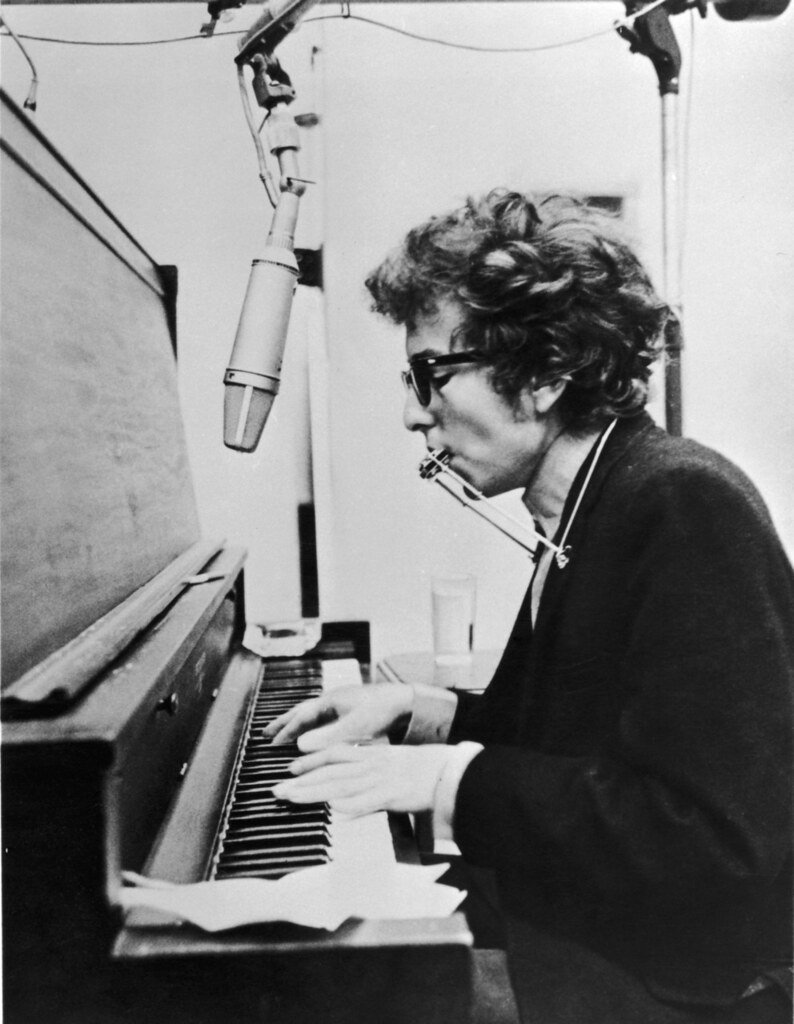
Bob Dylan’s “Like a Rolling Stone” arrived in 1965 amid the rising counterculture of the 1960s. The Vietnam War loomed large, and youth questioned authority, civil rights marches filled streets, and folk music fueled rebellion. At over six minutes long, the track broke radio norms with its electric sound and biting lyrics.
The song became a cornerstone for a generation seeking self-discovery and rejecting societal expectations. Its raw poetry inspired artists and activists, marking a shift toward individualism. Even today, it echoes for those carving paths outside convention.[1][2]
“Imagine” by John Lennon (1971)
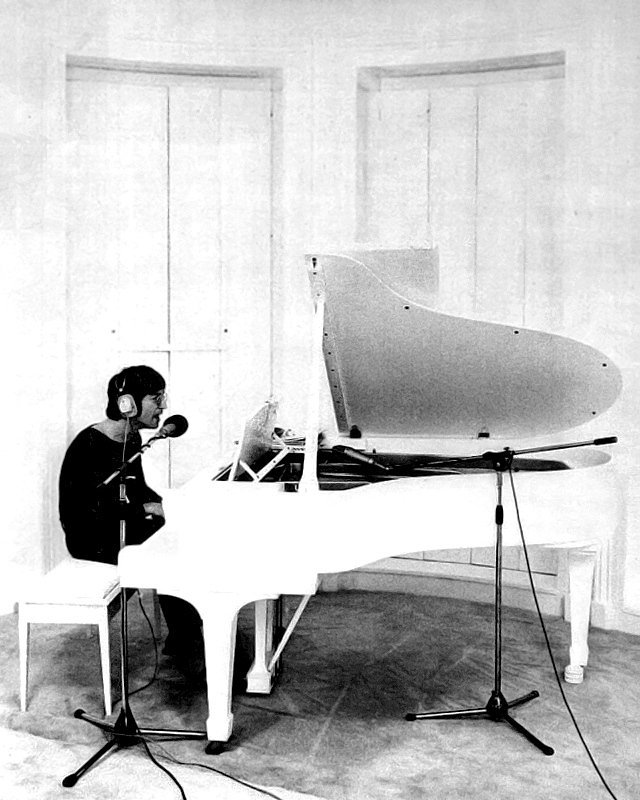
Released in 1971, John Lennon’s “Imagine” came during the winding down of the Vietnam War and a push for global peace. The 1960s upheavals had left scars, with environmental concerns rising and calls for unity growing louder. Lennon’s simple piano ballad offered a vision free from borders or greed.
It struck a chord as an anthem for hope amid division, embraced by activists worldwide. The track shaped a generation’s dreams of harmony, influencing protests and personal ideals. Its message endures, inspiring new waves of dreamers facing their own conflicts.[1][2]
“Bohemian Rhapsody” by Queen (1975)
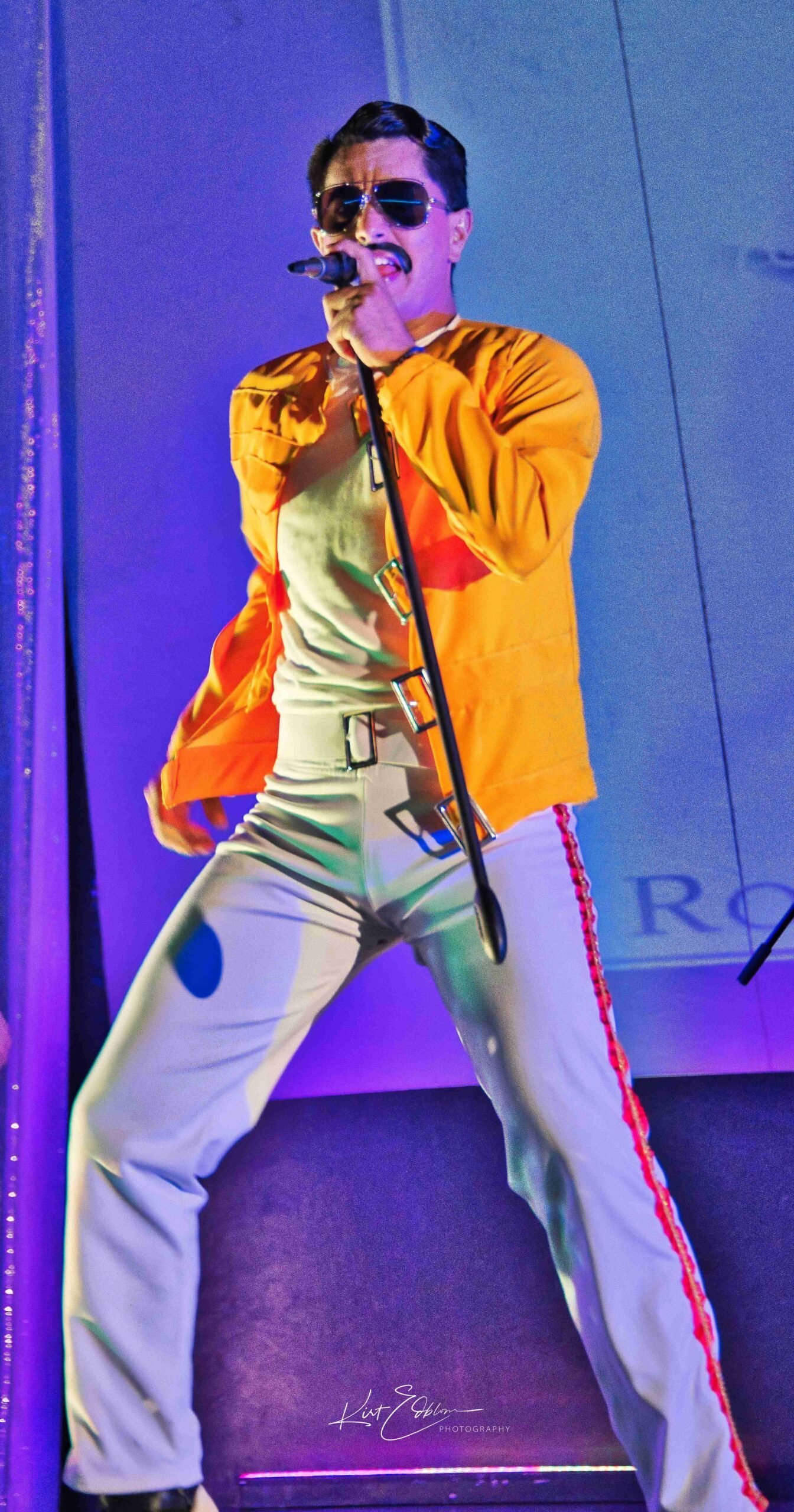
Queen dropped “Bohemian Rhapsody” in 1975, a time when rock experimented boldly and disco flickered on horizons. Freddie Mercury crafted an operatic epic blending ballad, hard rock, and theater over six minutes. Radio hesitated, yet it topped UK charts for weeks.
The song captured the era’s creative daring, defining youth bold enough to defy genre rules. Its emotional layers fueled fan devotion and later film revivals. Generations later, it thrives in sing-alongs, symbolizing unbridled expression.[1]
“Billie Jean” by Michael Jackson (1982)
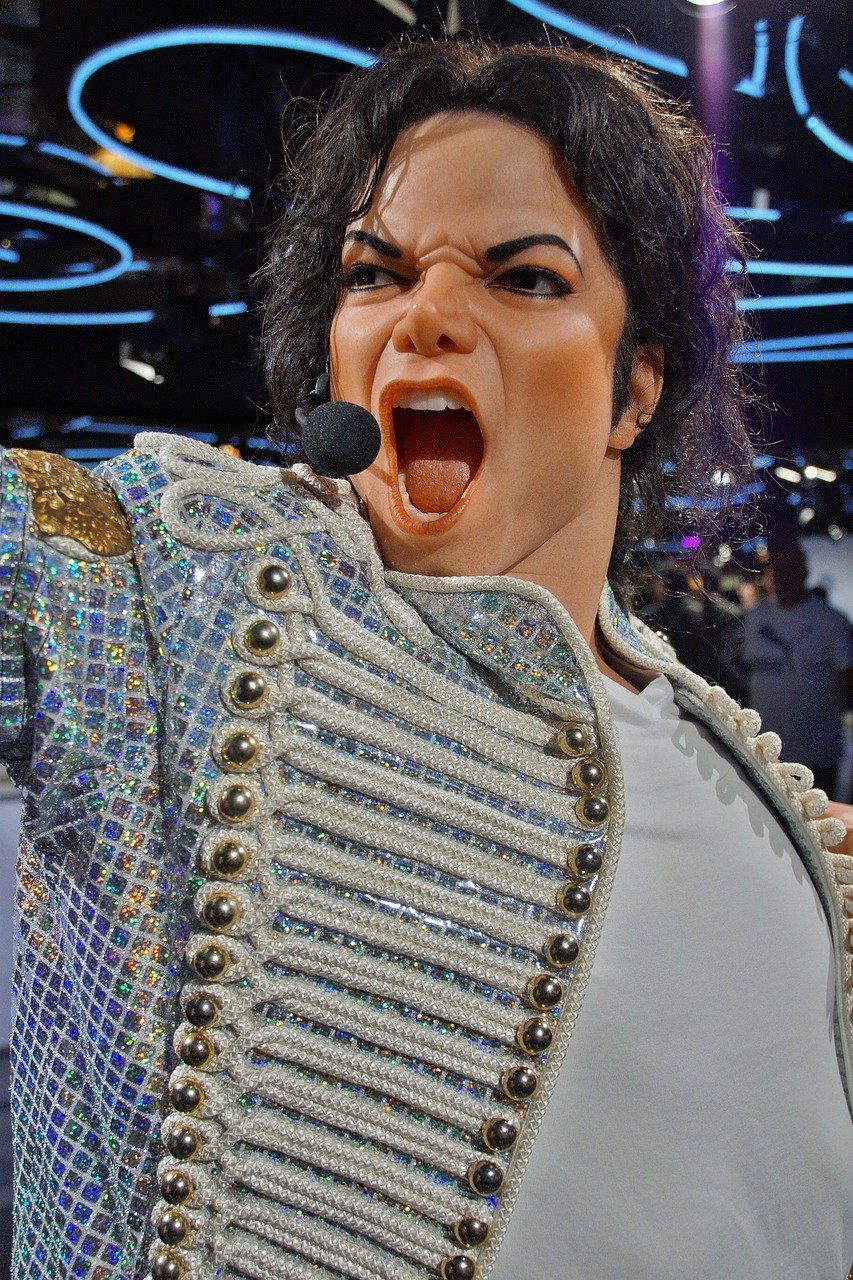
Michael Jackson’s “Billie Jean” hit in 1982, ushering MTV’s visual revolution and 1980s pop excess. Thriller album shattered records as videos became cultural events. The track’s bassline and story of fame’s shadows gripped listeners.
It redefined pop stardom, blending dance, story, and innovation for a consumer-driven age. Jackson became a global icon, influencing style and performance for decades. The song still pulses in clubs, marking individualism’s flashy rise.[1][2]
“Smells Like Teen Spirit” by Nirvana (1991)
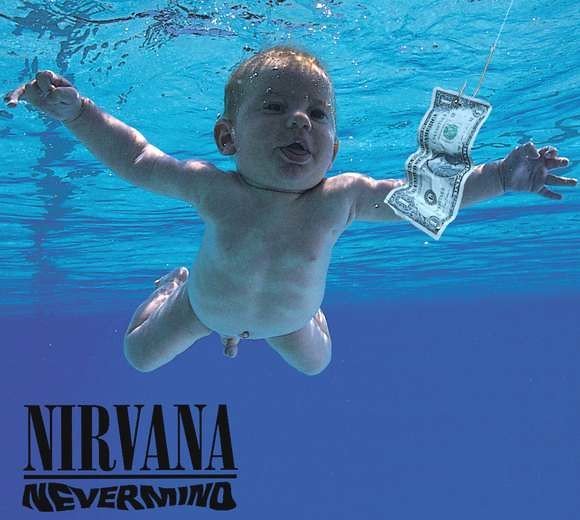
Nirvana unleashed “Smells Like Teen Spirit” in 1991, igniting grunge from Seattle’s rainy scene. Economic woes hit Generation X hard, with skepticism toward glossy 1980s excess. Kurt Cobain’s raw scream shattered mainstream pop.
The anthem voiced disillusioned youth craving authenticity over polish. It propelled alternative rock, shifting industry tides toward indie grit. Its rebellion lingers, a badge for those rejecting conformity.[1][2]
“…Baby One More Time” by Britney Spears (1998)
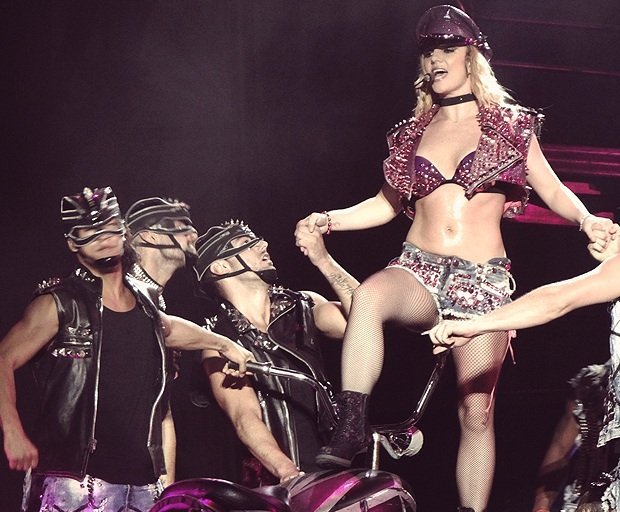
Britney Spears debuted “…Baby One More Time” in 1998, kicking off teen pop’s Y2K boom. Late 1990s saw boy bands rise and MTV rule youth culture. The schoolgirl video launched Spears to superstardom.
It captured adolescent exuberance and heartbreak, becoming a millennial nostalgia staple. The track shaped pop’s glossy revival, influencing fashion and performance. Its hooks endure, evoking first crushes across time.[1]
“Rolling in the Deep” by Adele (2010)
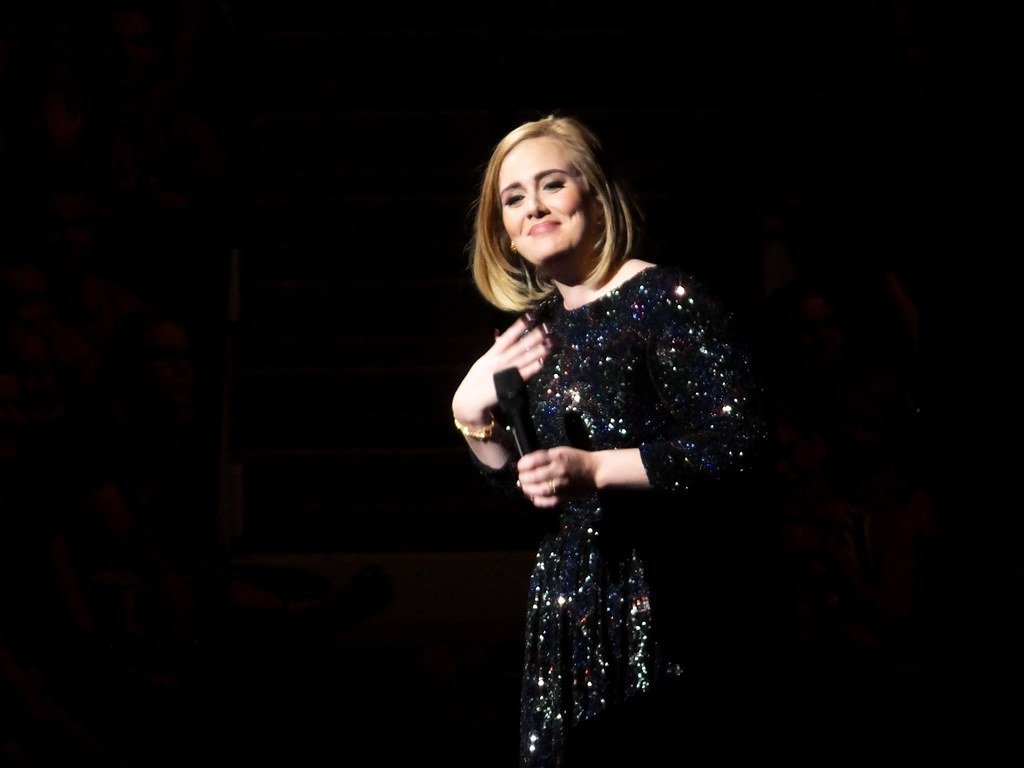
Adele’s “Rolling in the Deep” broke in 2010, amid post-recession soulful comebacks. Her 21 album dominated charts with raw emotion. Bluesy riffs met powerhouse vocals on heartbreak.
The ballad empowered a generation navigating breakups and resilience. It bridged pop and soul, earning global acclaim. Adele’s honesty keeps it fresh for new listeners facing loss.[1]
“Alright” by Kendrick Lamar (2015)

Kendrick Lamar released “Alright” in 2015, during Black Lives Matter’s rise against police violence. Hip-hop tackled injustice head-on as protests spread. The track’s hopeful chant cut through pain.
It rallied activists, becoming a movement soundtrack for resilience. Lamar elevated conscious rap, voicing modern struggles. The song persists as strength amid ongoing fights.[1]
Music’s Enduring Role in Generational Identity

These songs show how music distills a generation’s spirit into melody and words. They bind people through shared soundtracks of joy, rage, or hope. Each era finds its voice, passing anthems forward.
Yet the power lies in their timeless pull, bridging divides long after the moment fades. Music remains the thread tying identities across time, a reminder that one tune can echo forever.
CEO-Co-Founder
