

- 15 Rock Anthems That Defined a Generation and Still Sound Amazing Today - August 11, 2026
- 12 Unforgettable Movie Quotes You Can Still Use in Everyday Conversation. - August 11, 2026
- 10 Music Festivals That Changed the World - August 11, 2026
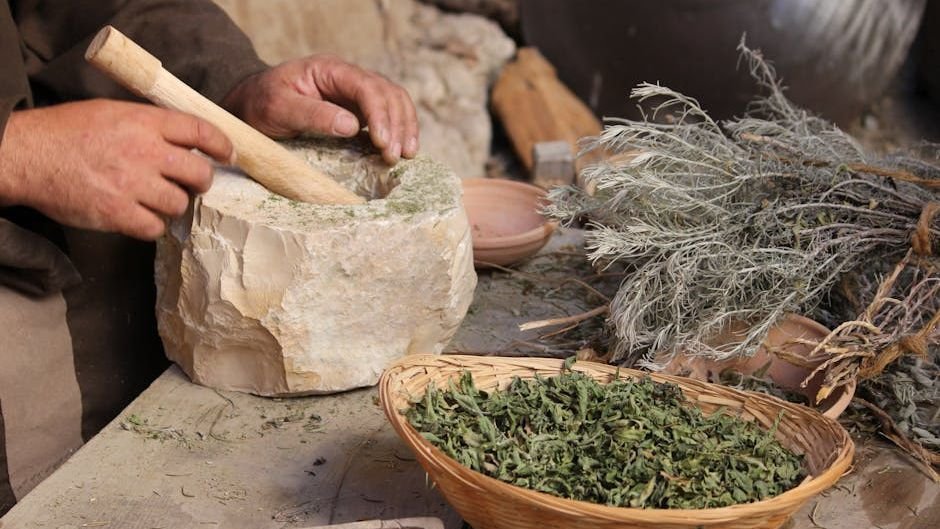
Long before modern laboratories dissected the chemical makeup of plants, early societies honed remarkable skills in identifying and using flora for healing, farming, ceremonies, and sustaining ecosystems. These groups experimented through trial and error, passing down empirical wisdom across generations.
From poultices that soothed wounds to crops engineered for harsh climates, their approaches often rivaled later scientific insights. Today, researchers pore over remnants of this knowledge, seeking clues to lost techniques and potential modern applications.[1]
Ancient Egypt and the Ebers Papyrus

The Ebers Papyrus, dating to around 1550 BCE, lists over 700 remedies drawn mostly from plants like aloe, myrrh, and opium poppy. Egyptian healers crafted mixtures for ailments from diabetes to crocodile bites, blending herbs into salves, enemas, and potions with surprising precision. Surviving scrolls preserve these recipes, revealing a pharmacopeia that targeted inflammation, pain, and infections effectively.[2][3]
Scientists study this text today because many formulations align with known bioactive compounds, hinting at intuitive grasp of pharmacology without distillation tools. Archaeobotanical analysis confirms widespread cultivation of these species along the Nile. The depth of application continues to intrigue, as it suggests systematic observation predating Greek influences.[1]
Mesopotamian Clay Tablet Pharmacies
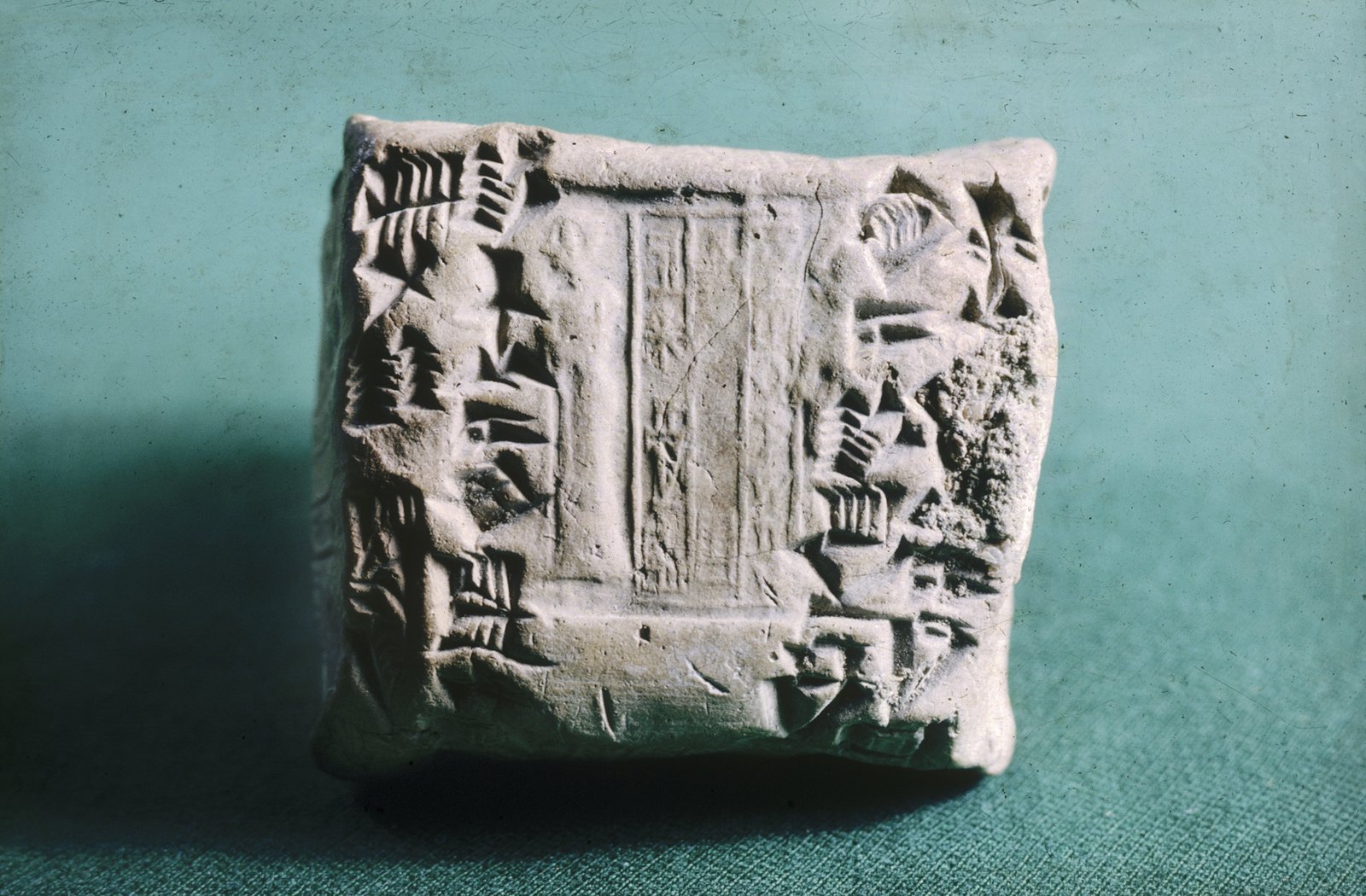
Sumerian and Babylonian healers documented herbal treatments on cuneiform tablets as early as 3000 BCE, prescribing plants like myrrh, thyme, and licorice for digestive issues and wounds. Remedies took forms such as bandages soaked in plant decoctions or ingested brews, often paired with rituals for holistic care. Excavated archives from Nippur detail poultices and salves, showcasing a catalog of hundreds of species.[4]
Modern botanists reference these records to trace plant domestication and efficacy, as some mixtures mirror contemporary antiseptics. The systematic classification baffles given the era’s tools, prompting studies into how scribes identified therapeutic properties. Recent compilations like An Ancient Mesopotamian Herbal highlight enduring relevance in ethnopharmacology.[5]
Indus Valley’s Diverse Crop Innovations
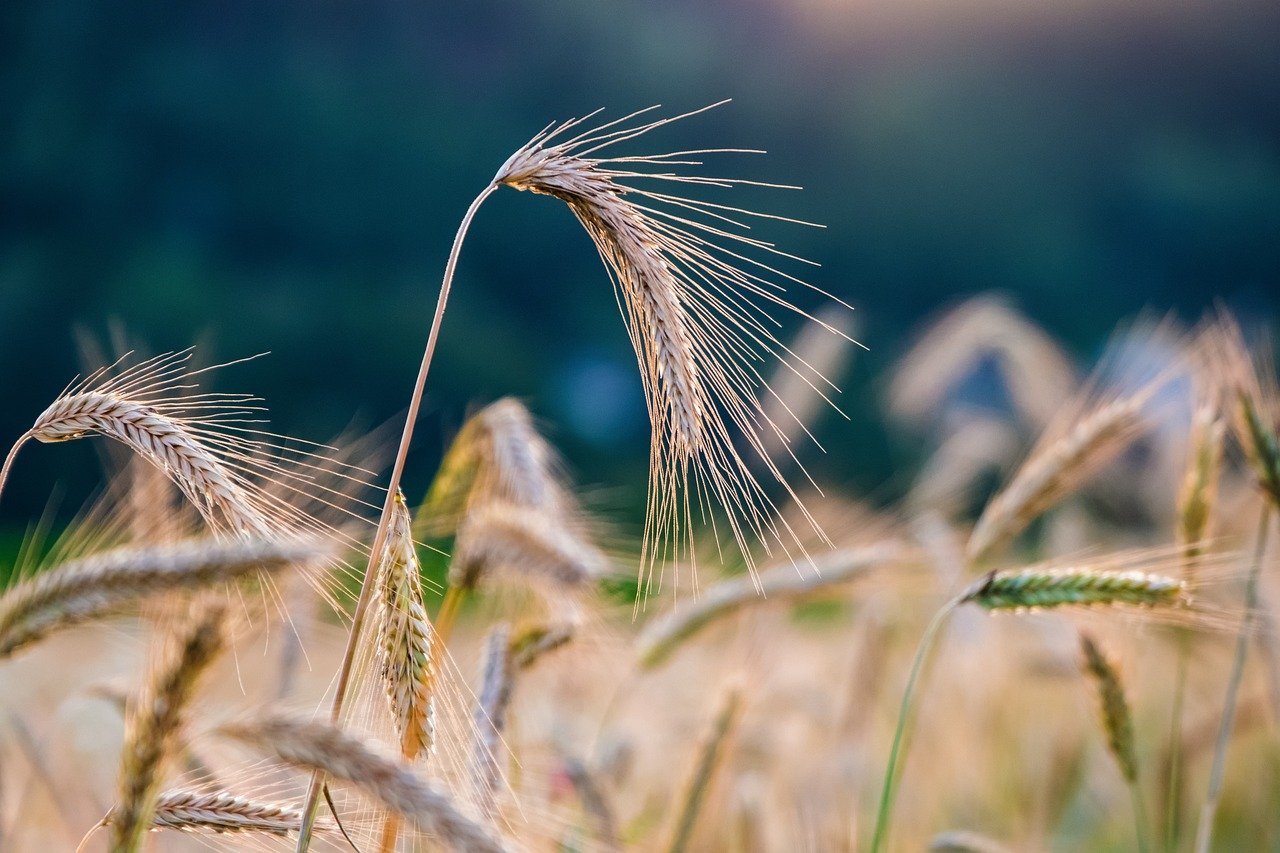
Inhabitants of the Indus Valley Civilization around 2500 BCE cultivated wheat, barley, rice, sesame, and cotton, with evidence of advanced processing from phytolith remains at sites like Harappa. They grew oilseeds, spices, and fruits, suggesting deliberate selection for nutrition and possibly medicine. Archaeobotany reveals sophisticated storage and threshing, supporting urban populations in arid zones.[6]
Researchers examine charred seeds and grinding tools to understand yield optimization without plows, a feat that intrigues agronomists today. Medicinal uses appear in plant diversity, including potential herbs for health. This botanical breadth underscores ecological management that sustained one of the world’s earliest cities.[7]
Ayurveda’s Systematic Plant Lore
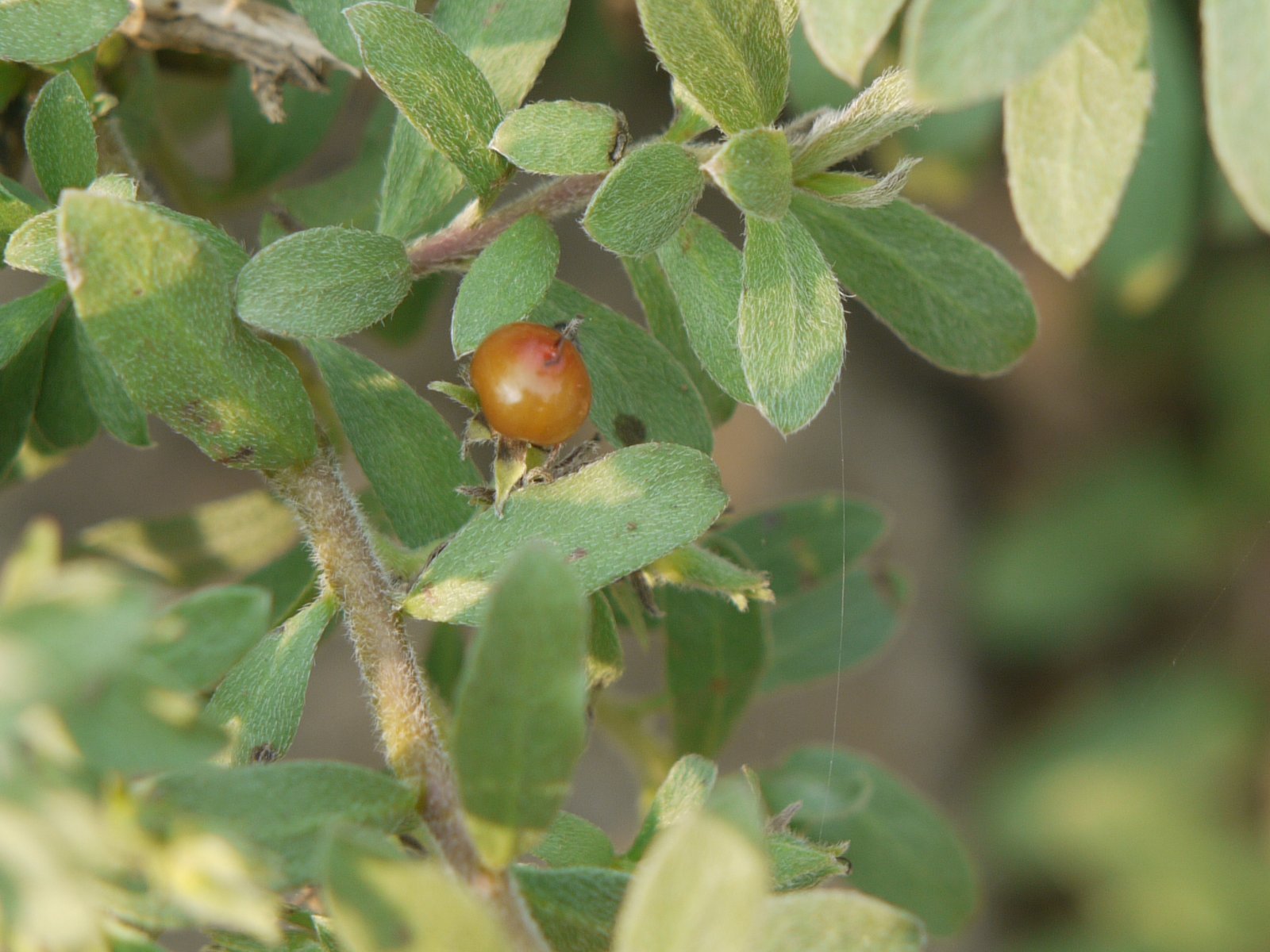
Ancient Indian texts like the Charaka Samhita from around 1000 BCE describe over 1,250 medicinal plants, classifying them by properties for balancing body energies. Remedies from turmeric, ashwagandha, and ginger treated fevers, digestion, and vitality, prepared as decoctions or pastes. This framework integrated agriculture, harvesting at optimal lunar phases for potency.[8]
Contemporary pharmacologists validate many compounds, fueling research into undiscovered synergies. The precision in dosing and combinations puzzles scholars, as it predates chemical analysis. Ayurveda’s legacy persists in global herbal markets, drawing studies on sustainable sourcing.[9]
Maya Healers’ Forest Pharmacy

Maya communities drew from rainforests for plants treating central nervous system disorders, using herbs like eucalyptus and chamomile alongside rituals. Codices and oral traditions detail preparations for pain, infections, and spiritual healing. Excavations at sites like Piedras Negras yield residues confirming diverse medicinal taxa.[10]
Ethnobotanists today document these practices among descendants, testing extracts for modern drugs. The nuanced understanding of psychoactive plants baffles, given reliance on observation alone. This knowledge highlights adaptive ecology in tropical environments.[11]
Aztec Codices of Herbal Mastery
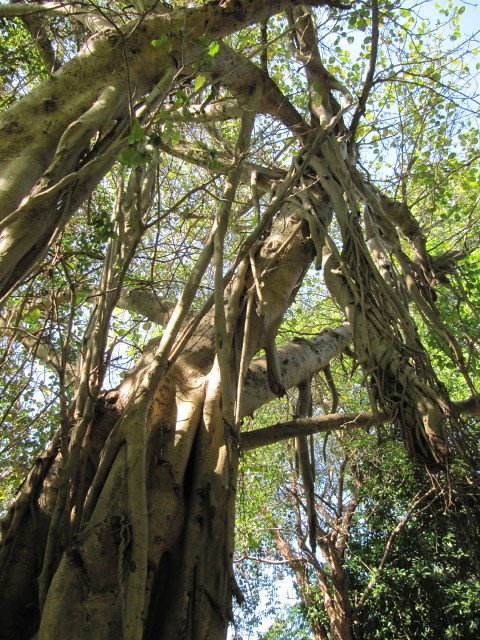
Aztec physicians cataloged over 1,000 plant species in post-conquest codices, prescribing them as teas, salves, and enemas for everything from childbirth to tumors. Plants like cacao, chili, and willow precursors addressed pain and digestion with empirical success. Markets facilitated trade, embedding botany in daily life.[12]
Researchers analyze these texts for bioactive leads, impressed by accurate symptom targeting sans microscopes. Preservation efforts reveal lost recipes worth clinical trials. The scale of knowledge reflects deep environmental attunement.[13]
Inca Andean Plant Engineering
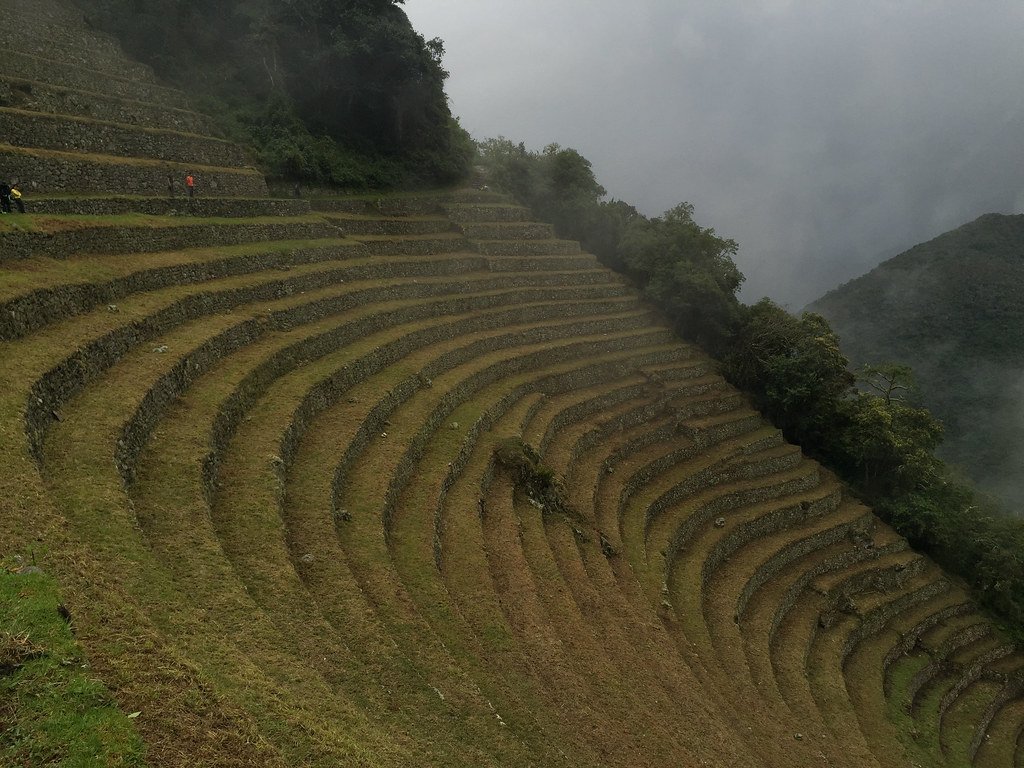
Inca healers harnessed high-altitude flora like quinine bark for malaria and coca leaves for stamina, cultivating thousands of potato varieties through selective breeding. Remedies blended minerals, herbs, and surgery, with plants central to prevention. Terraced farms optimized microclimates for rare species.[14]
Modern studies confirm quinine’s antimalarial power, spurring genomic research on heirloom crops. The engineering of resilient tubers baffles agriscientists amid climate challenges. This botanical prowess sustained an empire across diverse terrains.[15]
The Timeless Echo of Ancient Wisdom
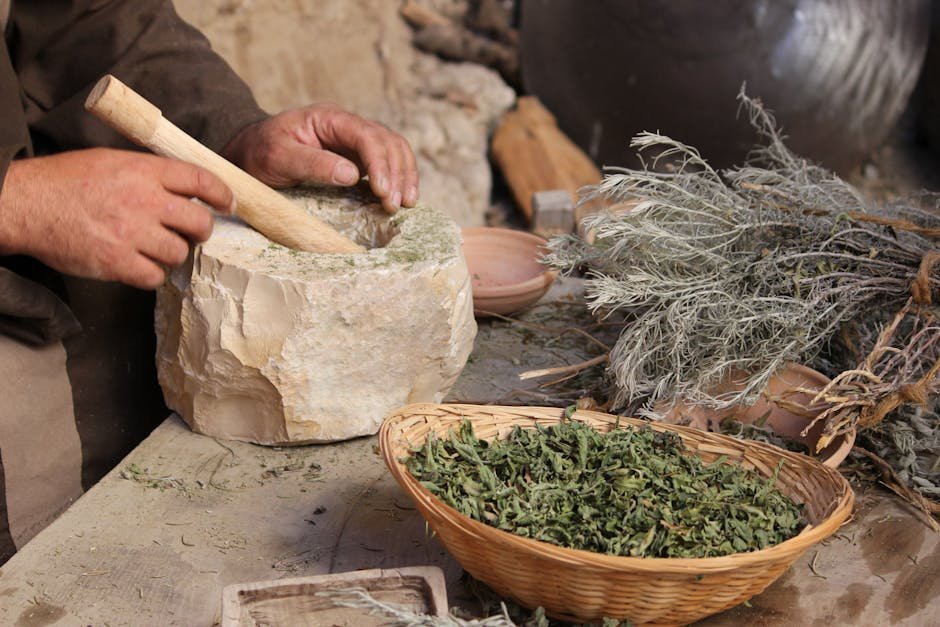
These civilizations’ plant mastery reveals a profound harmony with nature, yielding insights that complement today’s science. From validated remedies to resilient crops, their legacies inform drug discovery and sustainable farming.
While methods evolved without formal experiments, the results endure, reminding us that keen observation once unlocked nature’s secrets as effectively as any lab.
CEO-Co-Founder
