
Many musicians shaped entire genres and touched countless lives through their songs, yet their names slipped from everyday conversation over the decades. Their paths often involved raw talent paired with hardship, isolation, or sudden disappearance from the spotlight.
These twelve figures left behind recordings and stories that still resonate when rediscovered today.
Connie Converse

Connie Converse recorded a handful of intimate folk songs in her New York apartment during the 1950s. She accompanied herself on guitar with a clear, unadorned voice that captured everyday longing and quiet observation. Her work predated the folk revival by several years and showed a songwriter already exploring personal themes that later became common.
She left the city in 1974 without explanation and was never heard from again. Friends and family searched without success, leaving her disappearance as one of music history’s quiet mysteries. Her tapes surfaced decades later and revealed a voice that feels both ahead of its time and deeply human. Listeners today find in her songs a reminder that creative work can endure even when the creator steps away from recognition.
Judee Sill
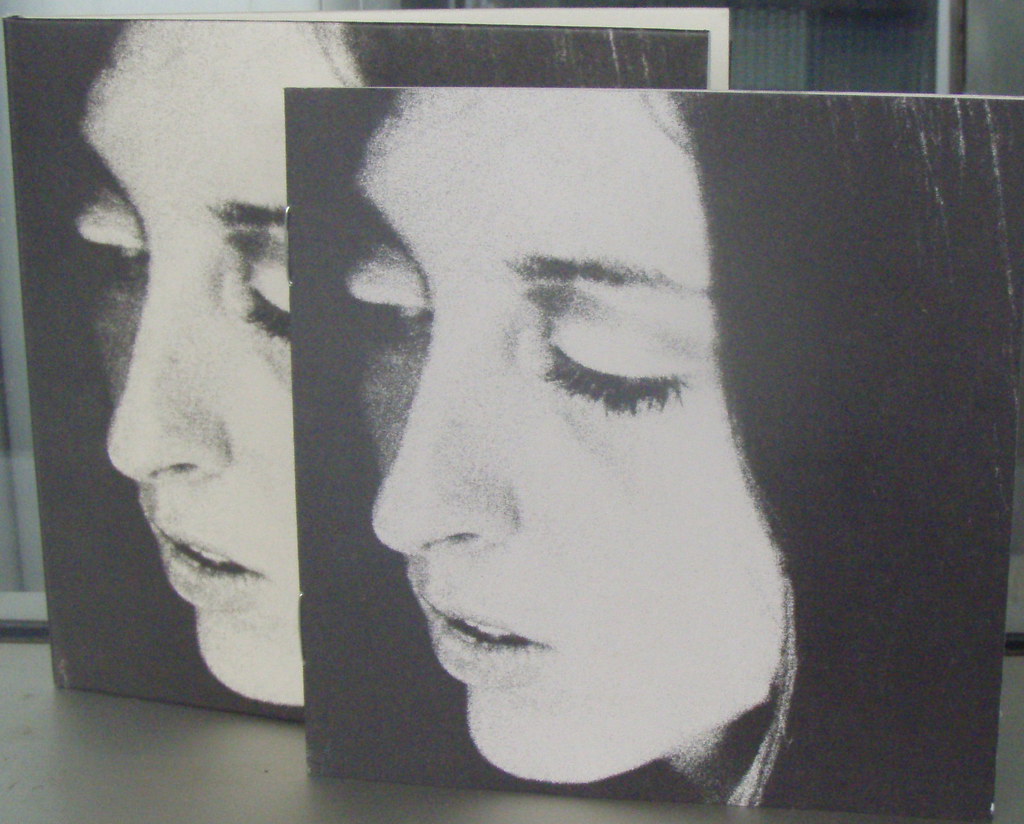
Judee Sill released two albums in the early 1970s that blended country, gospel, and classical influences into something entirely her own. Her songs often explored spiritual questions with precise melodies and unusual chord changes. She played piano and guitar with equal skill and wrote arrangements that stood out among her peers.
Early struggles with addiction and family loss shaped much of her life before music offered a brief window of promise. Record label issues and health problems cut short her career, and she died in 1979 at age thirty-five. Her recordings stayed out of print for years until reissues brought them back. Those albums continue to show how one artist can fuse different traditions into music that feels both personal and timeless.
Karen Dalton

Karen Dalton sang with a weathered voice that carried echoes of Appalachian traditions and early blues. She performed in Greenwich Village clubs during the 1960s alongside better-known figures, yet she released only two albums in her lifetime. Her interpretations of traditional songs and originals stood out for their emotional directness rather than technical flash.
Years of personal difficulties and reluctance to promote herself kept her from wider attention. She lived much of her later life in rural isolation before passing away in 1993. Recent reissues of her work have introduced new listeners to her distinctive style. Her approach reminds audiences that raw feeling in performance can outlast polished production.
Vashti Bunyan
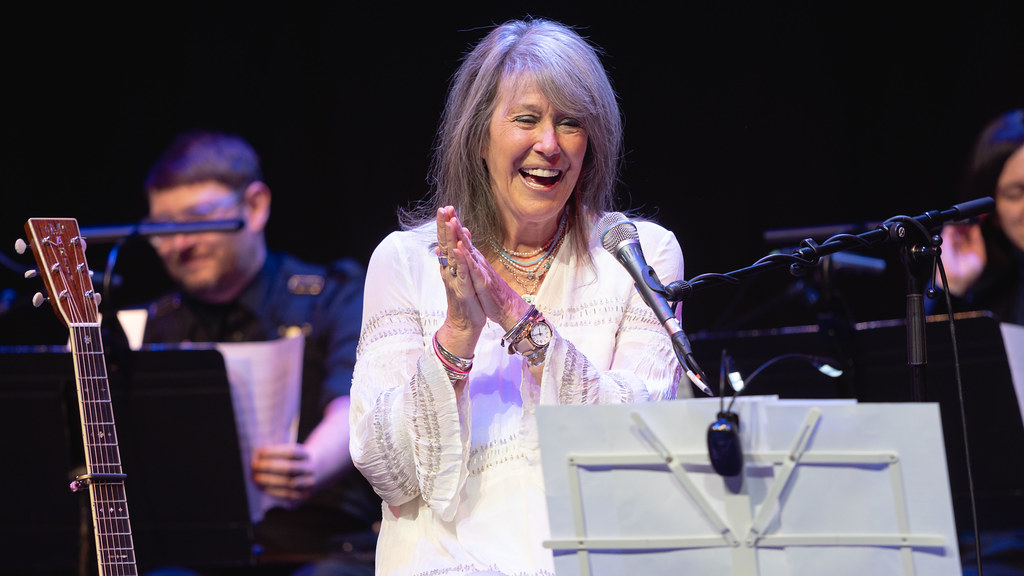
Vashti Bunyan recorded a gentle folk album in 1970 after traveling across Britain with her family in a horse-drawn wagon. Her songs reflected that journey with simple acoustic arrangements and a soft, reflective delivery. The record received little notice at the time and she stepped away from music for decades afterward.
She raised her children and lived quietly until the album resurfaced through word of mouth in the 2000s. New listeners connected with its unhurried pace and sense of place. Bunyan eventually returned to recording with a similar understated style. Her story illustrates how music created without expectation of fame can still find an audience years later.
Jim Sullivan

Jim Sullivan released an album in 1970 that mixed folk, country, and psychedelic touches with lyrics about ordinary life and strange encounters. He played guitar and sang in a warm, conversational tone that suited the material. The record appeared on a small label and received almost no promotion.
Sullivan traveled to Nashville for a follow-up project but vanished after checking into a motel in New Mexico. His car and belongings were found, yet no trace of him emerged despite searches. The mystery surrounding his disappearance added another layer to his already atmospheric songs. Rediscovered recordings now let listeners appreciate the quiet craft he brought to his work.
Elizabeth Cotten
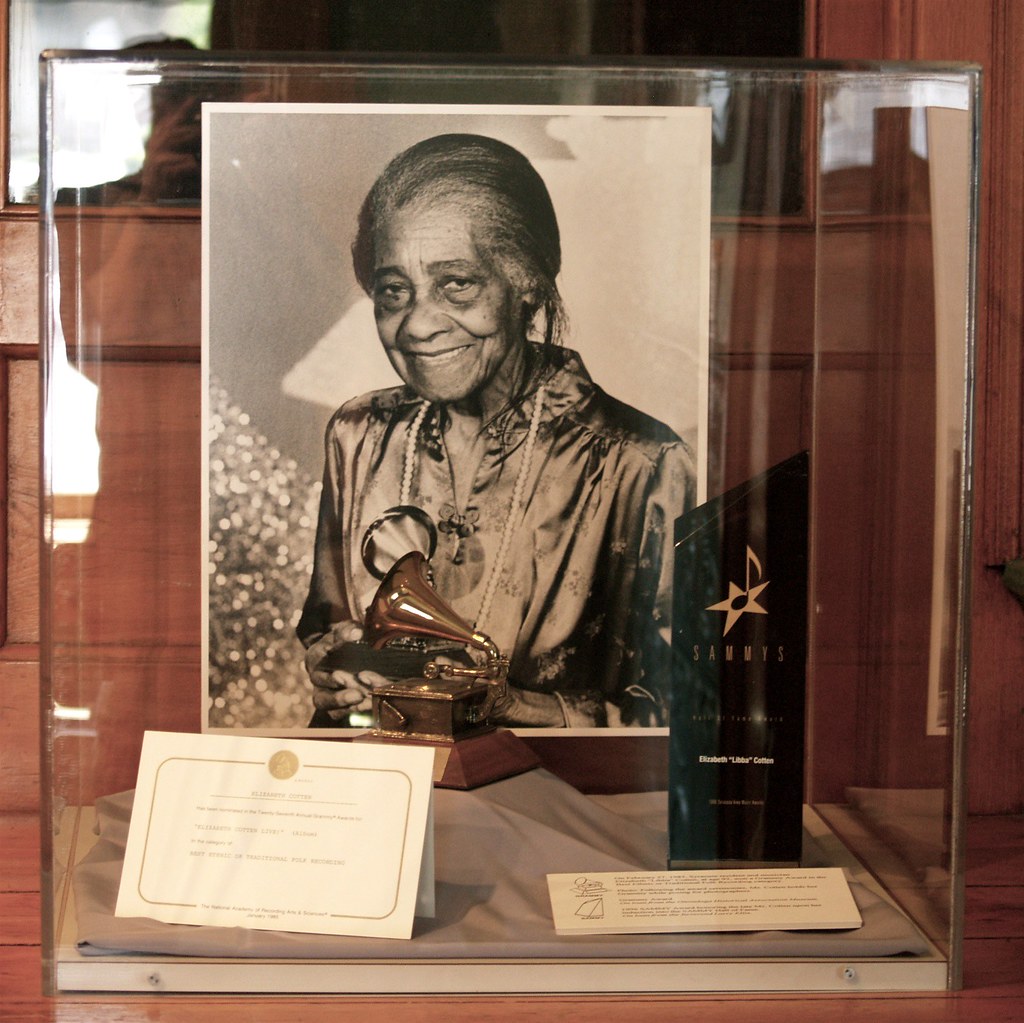
Elizabeth Cotten developed a distinctive fingerpicking style on guitar after teaching herself as a child. She wrote and performed songs such as Freight Train that later became standards in folk circles. Her playing influenced generations of musicians who adopted similar techniques without always knowing the source.
She worked as a housekeeper for much of her life and only began performing publicly in her sixties. A recording session arranged by friends led to her first album in 1958. Cotten continued playing into her nineties and received a Grammy for her contributions. Her late recognition shows how talent can surface and endure regardless of when it receives attention.
Skip James
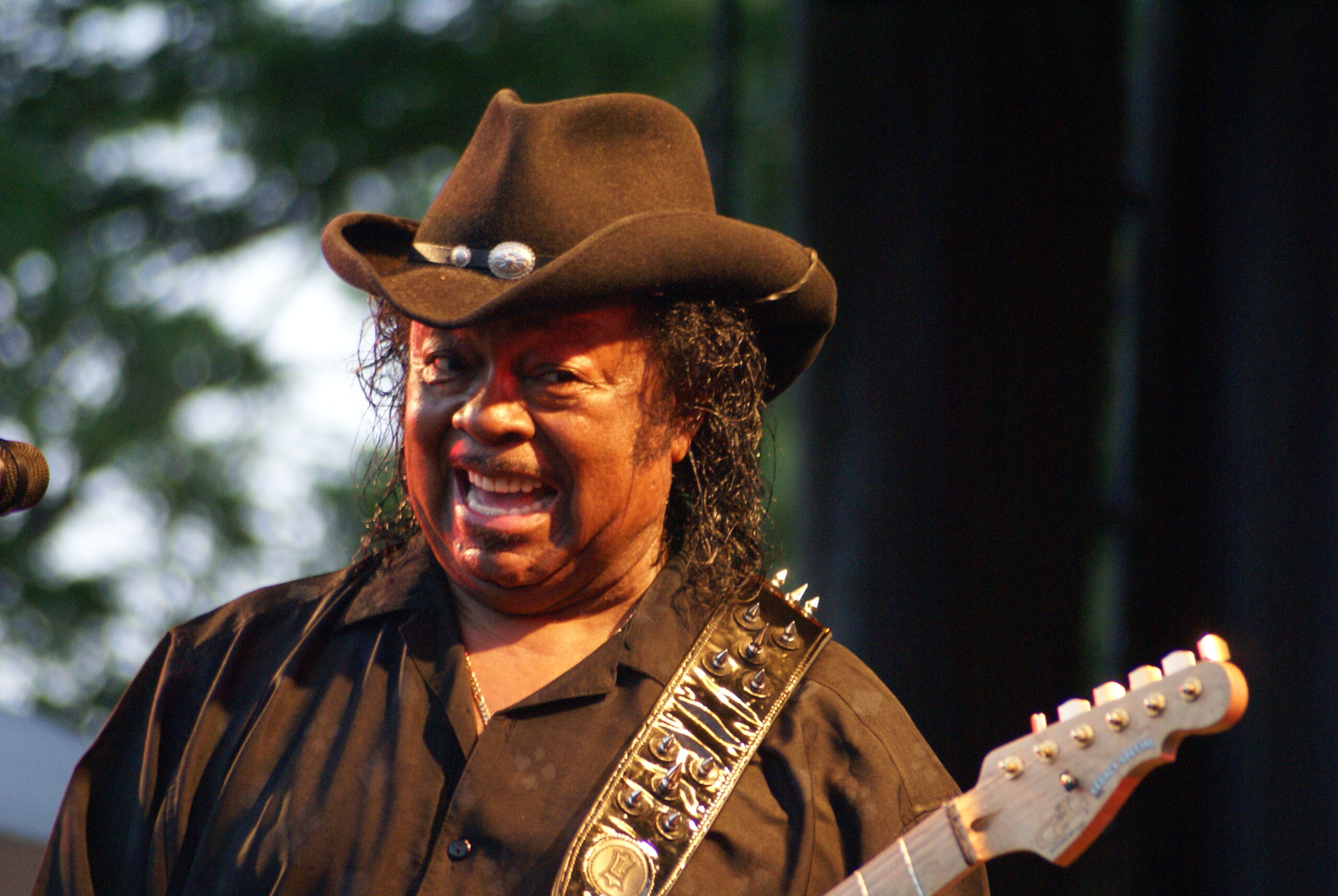
Skip James recorded a small number of blues sides in the 1930s that featured his high, haunting voice and unusual guitar tunings. Songs like Hard Time Killing Floor Blues captured the despair of the era with stark honesty. He played both guitar and piano with equal command.
After those early sessions he largely disappeared from music and worked at various jobs for decades. Rediscovery during the 1960s blues revival brought him back to stages, though health issues limited his time in the spotlight. His original recordings remain touchstones for anyone interested in early blues forms. They continue to demonstrate how personal experience can shape music that feels immediate across generations.
Blind Willie Johnson
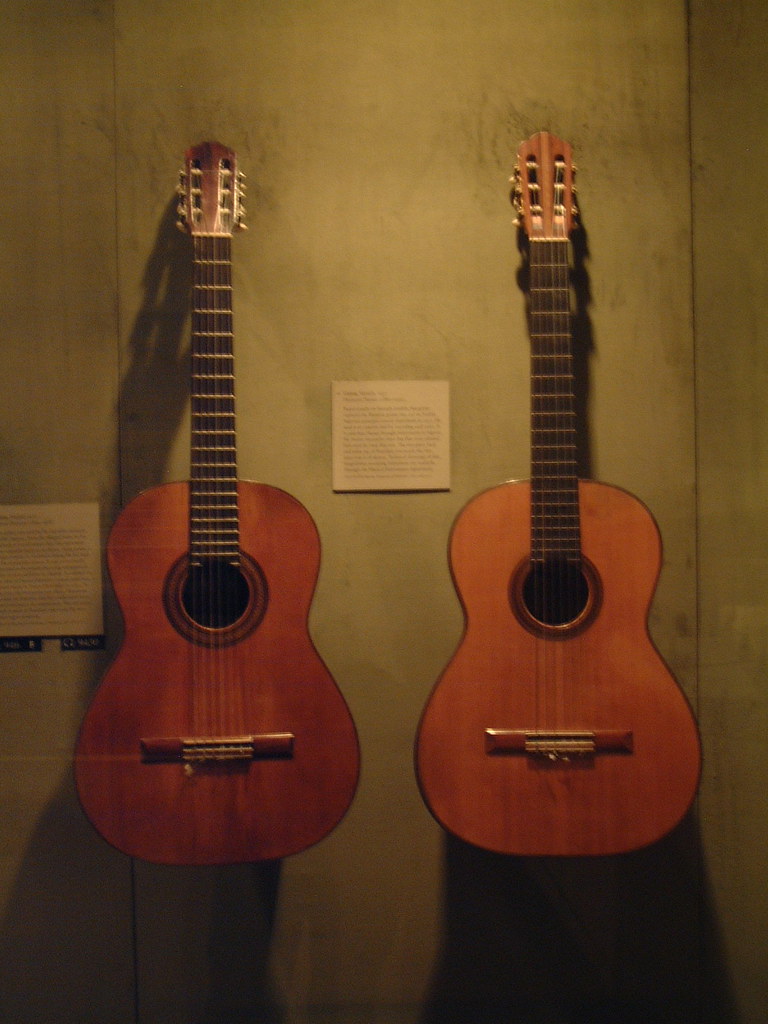
Blind Willie Johnson recorded gospel blues in the late 1920s that combined slide guitar with powerful, raspy vocals. Tracks such as Dark Was the Night, Cold Was the Ground conveyed deep emotion through instrumental passages alone. His work bridged sacred and secular traditions in a way few others matched at the time.
He lost his sight as a child and supported himself through music and preaching. A house fire destroyed his home in later years, and he died without much public notice. His recordings survived and later appeared on compilations that reached new audiences. One of his pieces even traveled into space aboard a Voyager probe, carrying his sound far beyond its original context.
Memphis Minnie
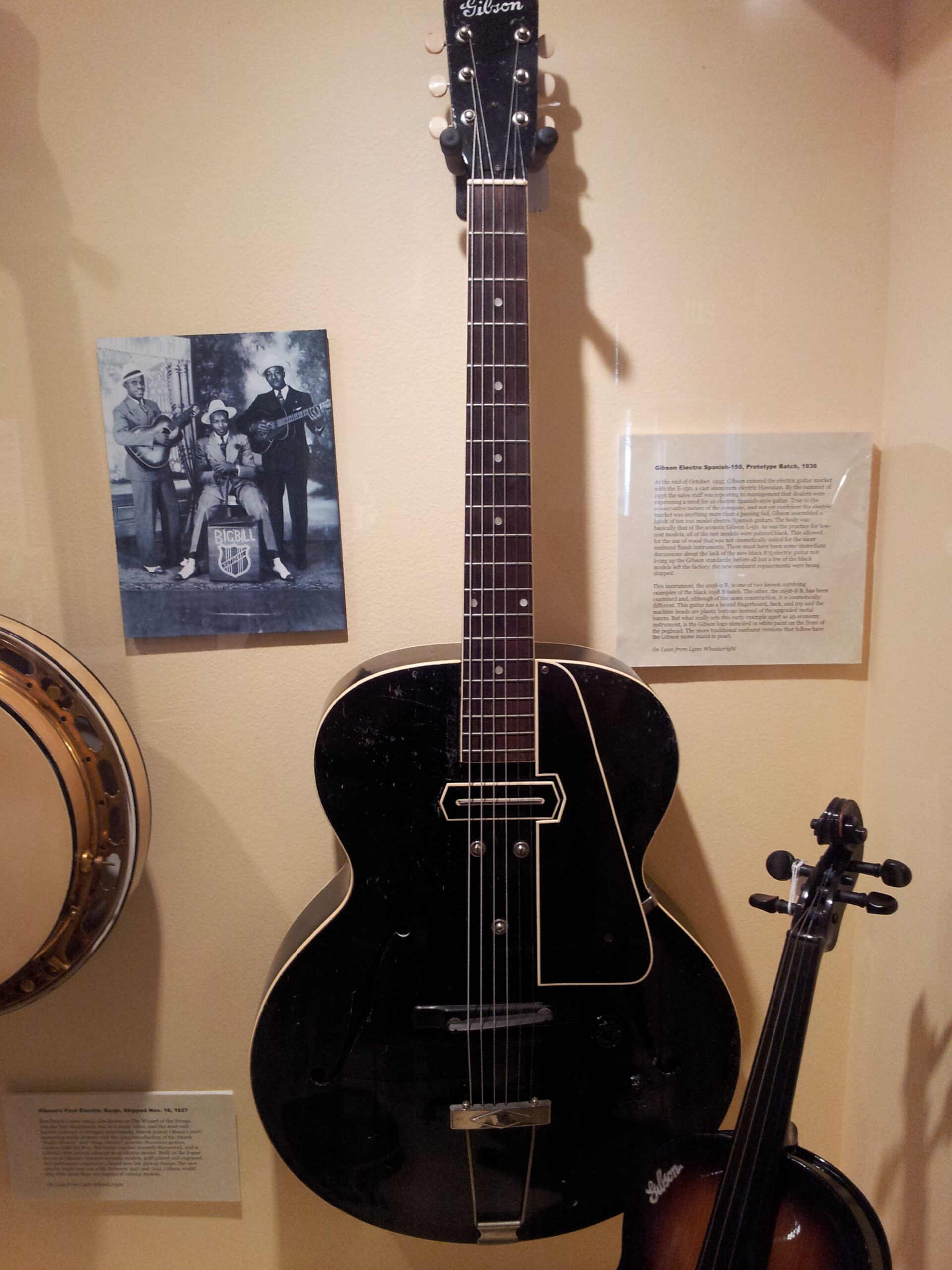
Memphis Minnie wrote and recorded dozens of blues songs in the 1920s and 1930s that addressed everyday struggles and triumphs. She played guitar with a strong, rhythmic style and often performed with her husband at the time. Her song When the Levee Breaks later gained wider fame through other artists.
She faced the typical hardships of touring musicians during the Depression and later dealt with health problems that slowed her career. Minnie continued performing into the 1950s before retiring. Reissues of her catalog have highlighted her songwriting skill and guitar work. Her output stands as evidence of how blues artists shaped popular music long before many of their contributions were widely credited.
Geeshie Wiley
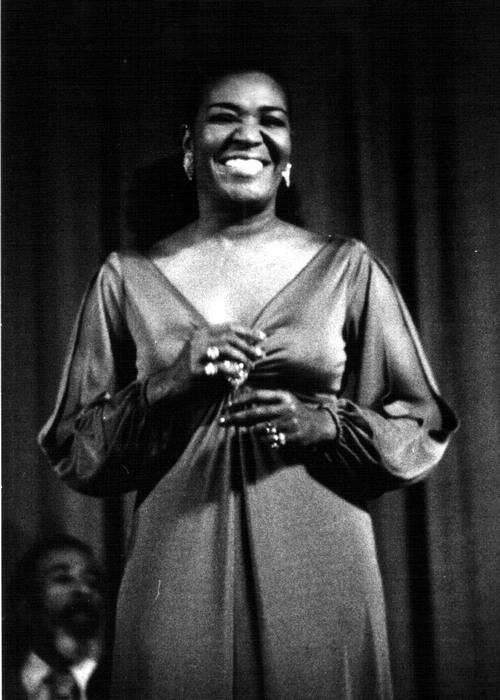
Geeshie Wiley recorded a few sides in the early 1930s that featured her distinctive guitar playing and expressive singing. Songs like Last Kind Words Blues stand out for their sparse arrangements and emotional weight. Very little biographical information exists about her beyond those sessions.
She appears to have performed in the Mississippi Delta region before fading from any documented record. The scarcity of details has only increased interest in the music she left behind. Modern reissues place her work alongside other early blues artists. Her brief catalog shows how even limited recordings can preserve a unique artistic voice.
Son House

Son House delivered intense blues performances in the 1930s with a raw vocal style and powerful slide guitar. His recordings from that period captured the spirit of Delta blues at its most direct. He influenced later players through both his technique and his presence on stage.
After those early sessions he stepped away from music for years and worked outside the industry. Rediscovery in the 1960s brought him to festivals and new recordings. House performed until health concerns ended his career, and he passed away in 1988. His story reflects how blues traditions can persist through long periods of quiet before finding fresh ears.
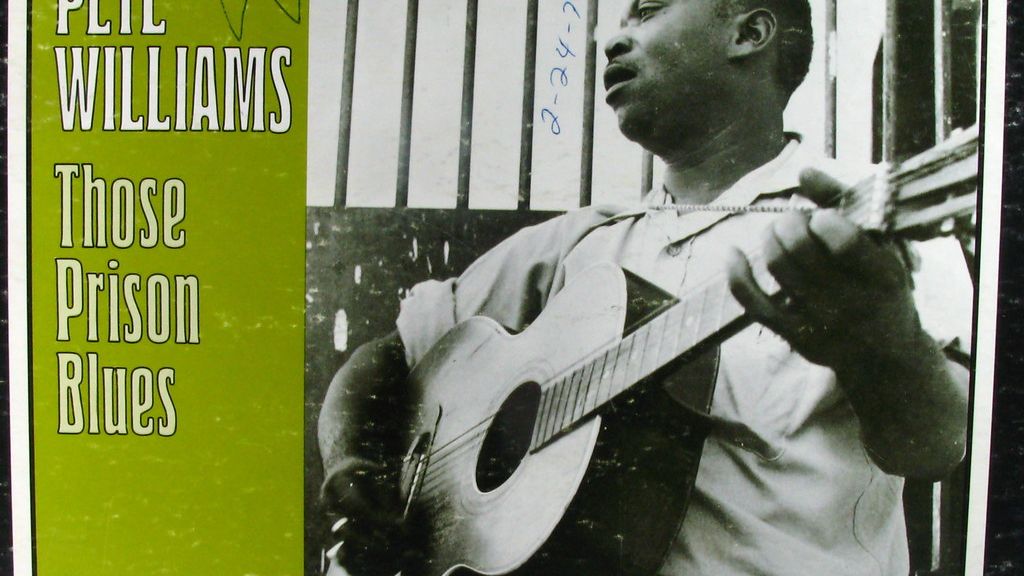
Robert Pete Williams
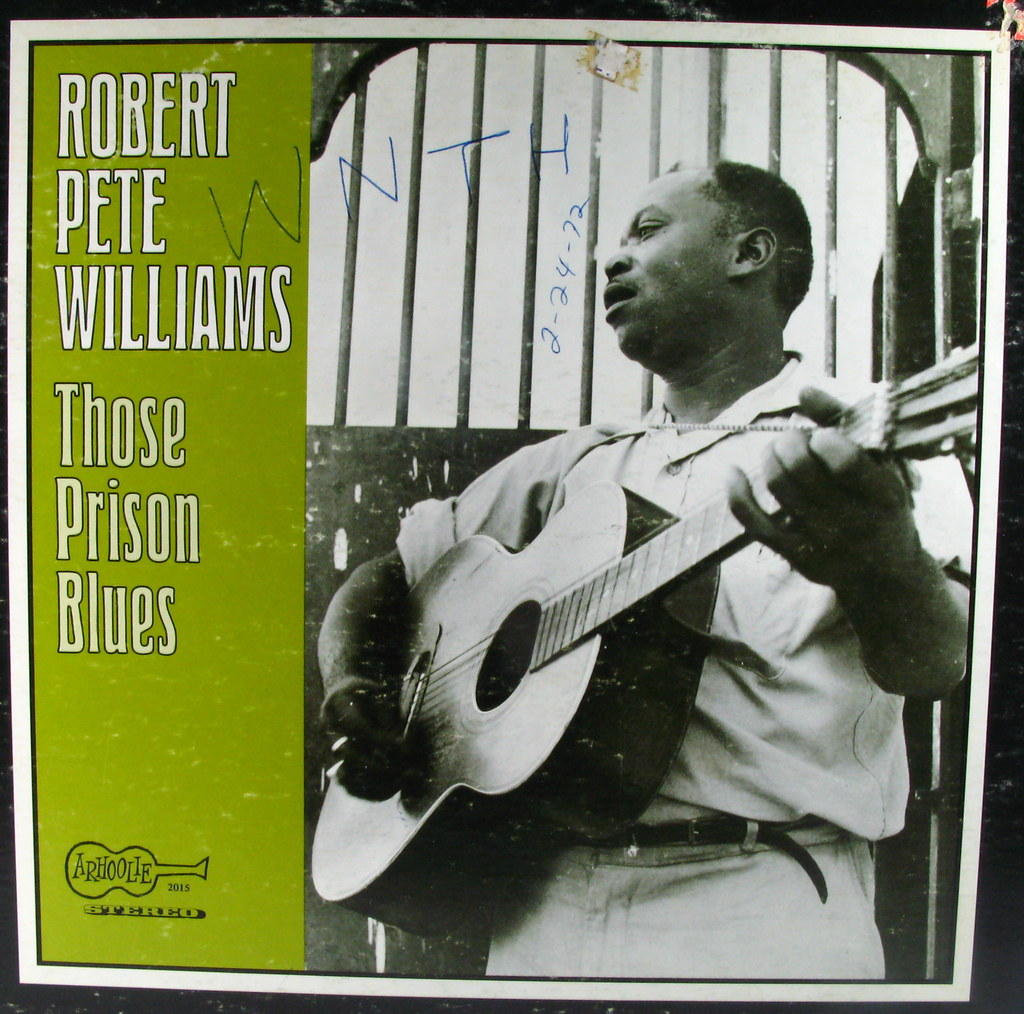
Robert Pete Williams created blues songs while serving time in prison during the 1950s. His recordings from that period feature free-form structures and lyrics drawn from personal hardship. He played guitar in a loose, expressive manner that matched the introspective quality of his voice.
After his release he continued performing at folk festivals and recorded additional material. Williams lived much of his life in Louisiana and supported himself through music and other work. His prison-era songs remain among the most distinctive documents of mid-century blues. They offer a window into experiences that shaped an artist who found expression despite difficult circumstances.
These musicians remind us that influence in music often travels through quiet channels rather than constant spotlight. Their recordings and stories continue to surface because the core of what they created still connects with listeners who take the time to seek it out. In that rediscovery lies a quiet form of continuity across decades.

- 12 Classic TV Shows With Shocking Behind-the-Scenes Dramas You Never Knew - September 10, 2026
- 10 Novels That Were Initially Dismissed, Only to Become Timeless Masterpieces - September 10, 2026
- The ’80s Were a Wild Ride of Style and Sound That Changed Everything - September 10, 2026

