

- Your Dramatic Life Story Told Through 10 Classic Novels (Based on Your Zodiac Sign) - September 9, 2026
- 18 Classic Rock Songs That Change Completely After One Lyric Is Explained - September 9, 2026
- 10 American Festival Traditions With Surprisingly Dramatic Historical Roots - September 8, 2026
One misunderstood lyric can shift an entire song from celebration to critique, from romance to obsession, or from fantasy to harsh reality. Listeners often latch onto the surface sound or a catchy phrase, missing the deeper intent that the artist intended all along.
Born in the U.S.A. by Bruce Springsteen

The repeated line “Born in the U.S.A.” rings out like a proud declaration in the chorus. Many listeners and even politicians treated the track as an upbeat patriotic anthem during the 1980s. The driving beat and anthemic delivery made it easy to overlook the verses that follow a working class veteran’s return from Vietnam.
Those verses describe a man who faced unemployment, loss of purpose, and government neglect after serving his country. The song becomes a pointed indictment of how America treated its soldiers rather than a celebration of national pride. The single lyric flips the whole narrative from triumph to tragedy once the context settles in.
Hotel California by the Eagles

The closing line “You can check out any time you like, but you can never leave” sounds like a spooky hotel rule at first listen. Fans pictured a literal desert resort with dark secrets or a haunted building. The smooth guitar solo and laid back groove reinforced that mysterious vacation vibe.
Don Henley later clarified the lyric refers to the trap of hedonism and excess in 1970s Los Angeles. The song shifts from a ghost story into a warning about addiction and the inability to escape a destructive lifestyle. That one phrase turns the track into a cautionary tale about the price of indulgence.
Every Breath You Take by the Police

The opening line “Every breath you take, every move you make” comes across as tender devotion in a slow ballad. Couples adopted it as a wedding song for years because the melody feels intimate and protective. Sting’s smooth delivery hid the darker edge beneath the surface.
The full lyrics reveal a narrator obsessed with watching and controlling another person after a breakup. The song transforms into a portrait of stalking and possessiveness rather than enduring love. That single repeated phrase now carries an unsettling weight once the true perspective emerges.
Sympathy for the Devil by the Rolling Stones
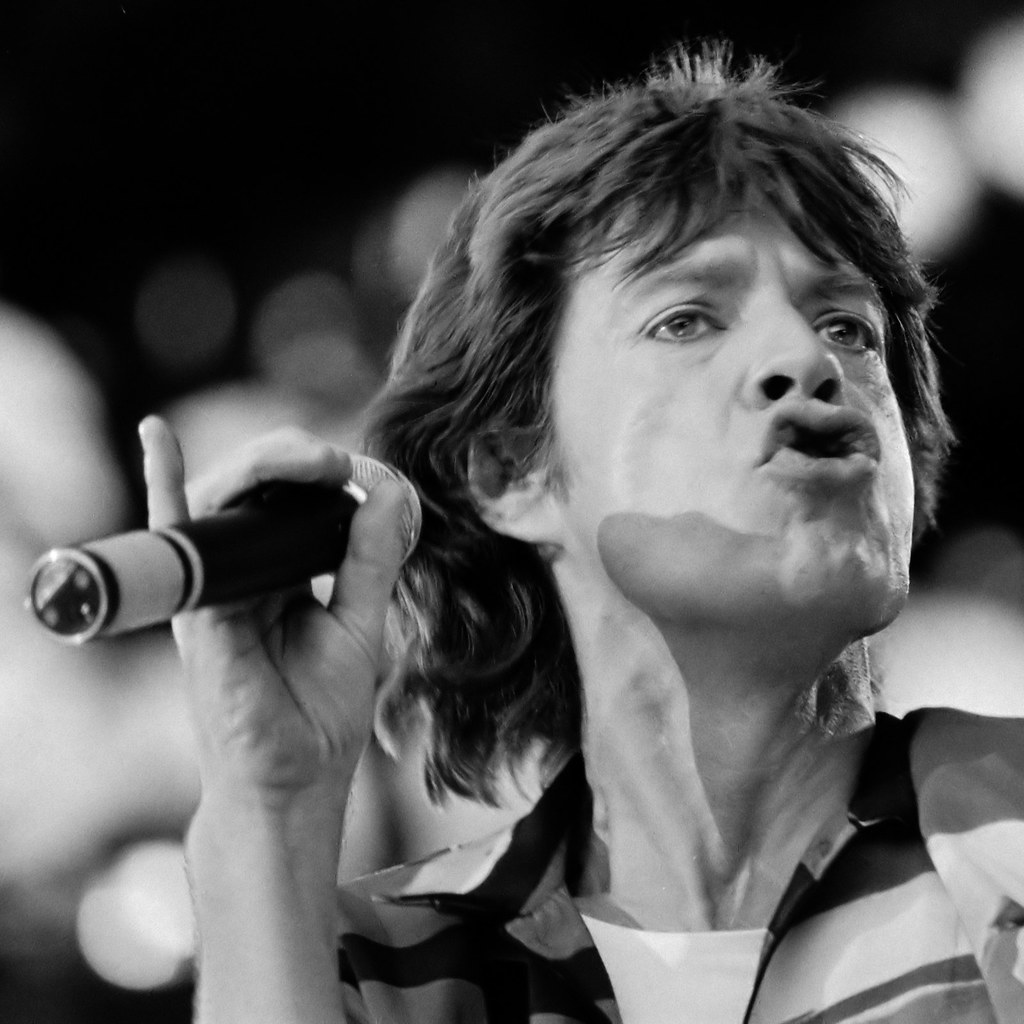
The narrator’s polite introduction “Please allow me to introduce myself, I’m a man of wealth and taste” feels like a charming storyteller at the start. Listeners assumed the track celebrated or glorified Satan himself because of the title and rock energy. The piano driven groove added to the theatrical flair.
Mick Jagger explained the lyrics trace human history’s atrocities from the crucifixion to World War II, showing evil as a product of people rather than a supernatural force. The song becomes a reflection on humanity’s capacity for cruelty instead of a satanic anthem. One opening lyric reframes the entire piece as social commentary.
Brown Sugar by the Rolling Stones
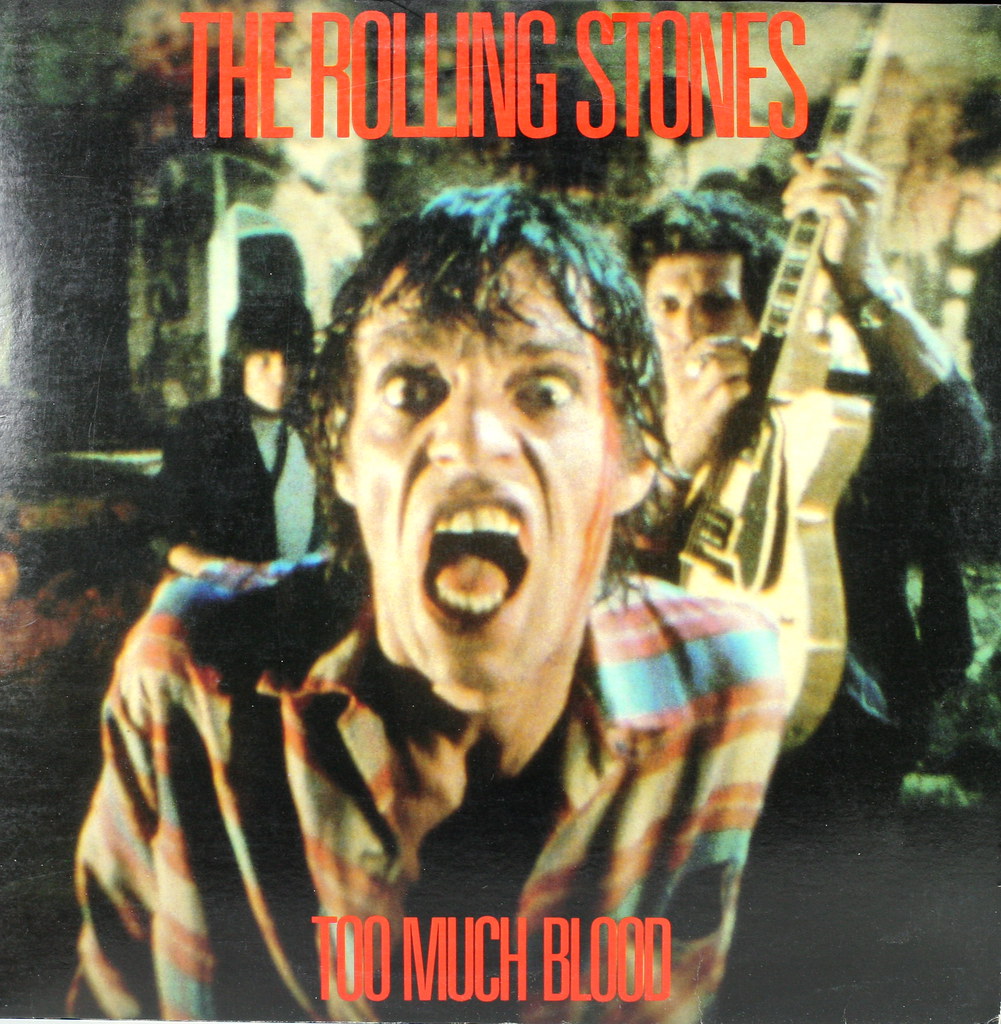
The upbeat chorus “Brown sugar, how come you taste so good” sounds like a playful ode to a woman or a drug. The boogie rhythm and party atmosphere made it a radio staple for decades. Many heard it as harmless rock and roll fun about desire.
The verses actually describe the slave trade, rape of enslaved women, and the sugar plantations that fueled it. The song shifts from lighthearted romp to a disturbing look at historical exploitation and racism. That one catchy hook now carries layers of pain once the context is clear.
You Can’t Always Get What You Want by the Rolling Stones
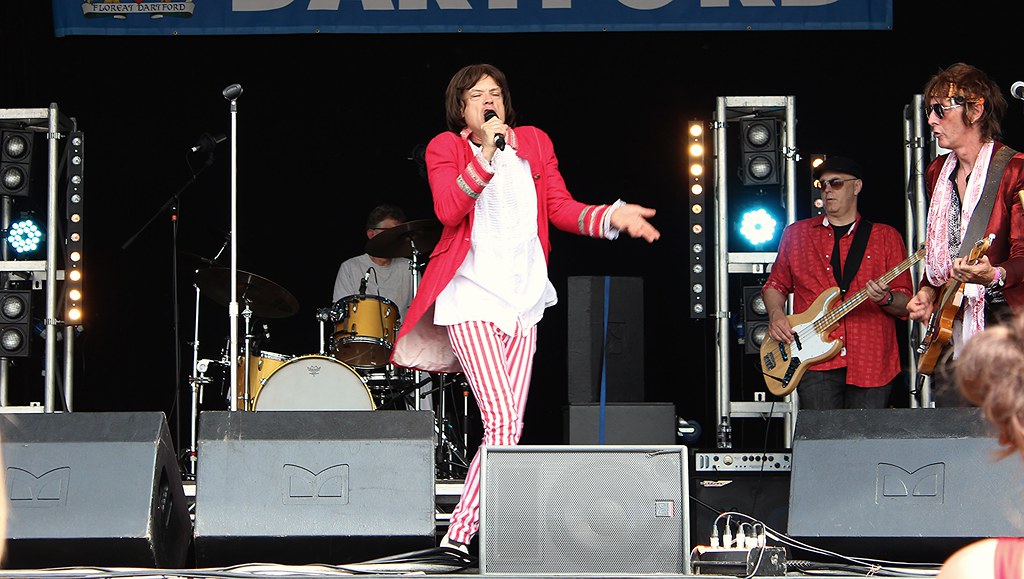
The title line suggests simple disappointment or resignation when things do not go your way. Fans often took it as a shrug about life’s letdowns set to a gospel choir and horns. The long build up made it feel like an uplifting closer.
Keith Richards and Mick Jagger wrote it about accepting reality after personal struggles and excess. The track becomes a mature meditation on compromise and finding unexpected fulfillment instead of a complaint. The lyric gains quiet wisdom once the band’s intent surfaces.
American Woman by the Guess Who
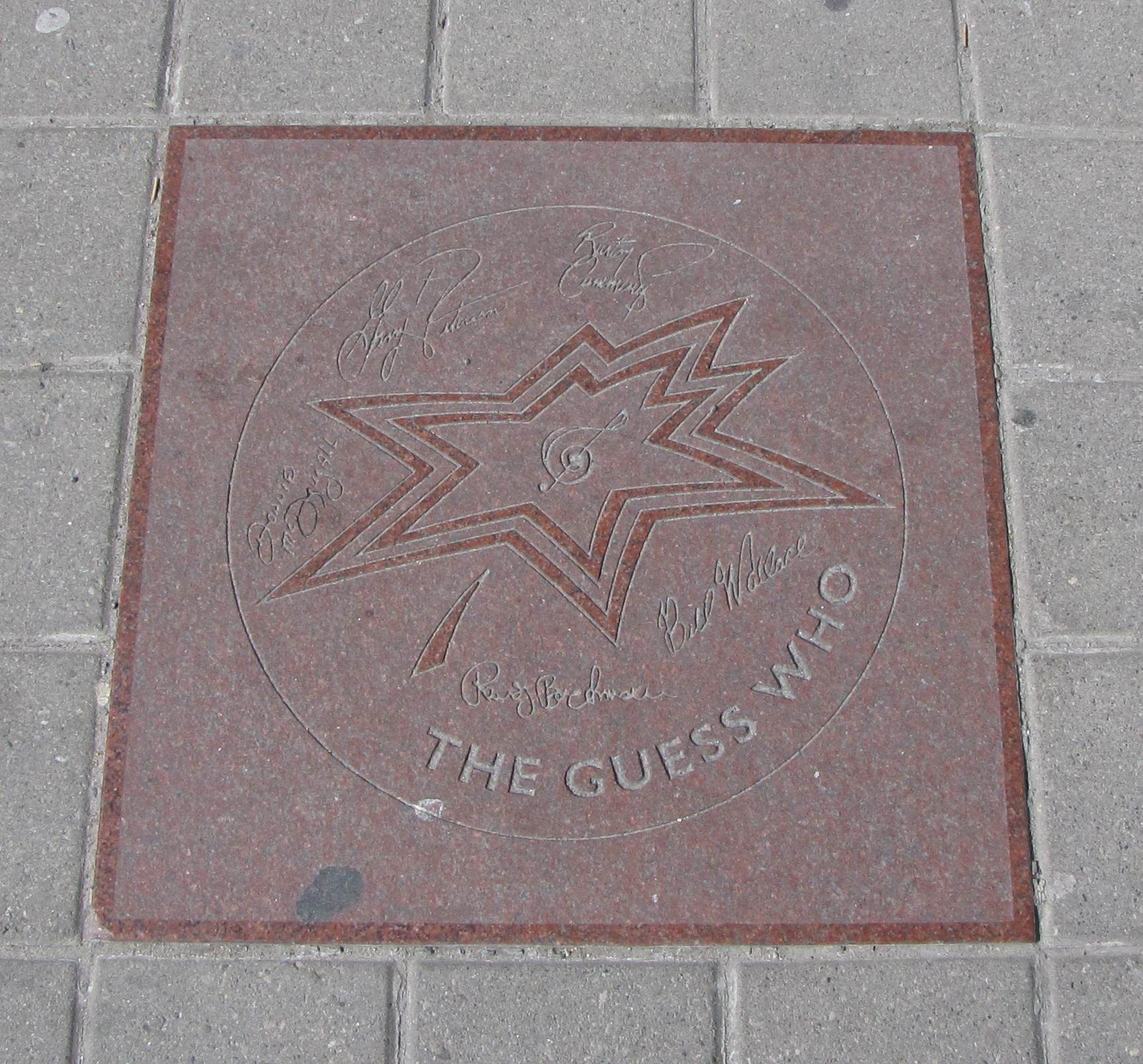
The direct address “American woman, stay away from me” comes across as a rejection of the country itself. Some American listeners felt personally insulted by the blunt chorus during the Vietnam era. The heavy riff amplified the confrontational tone.
Burton Cummings clarified the song warns a man to avoid a manipulative woman who happens to be American. It turns into a personal breakup story rather than political commentary. That one repeated warning flips the meaning from national critique to everyday relationship advice.
Lola by the Kinks
The line “Well I’m not the world’s most masculine man” hints at gender confusion in a lighthearted way. Listeners enjoyed the catchy story of a night out without digging deeper into the details. The sing along chorus kept the focus on fun.
Ray Davies based it on a real encounter with a cross dressing person in a London club. The song becomes a gentle exploration of identity and attraction rather than a simple party tale. One revealing lyric adds unexpected nuance to the narrative.
In the Air Tonight by Phil Collins
The dramatic drum fill after “I can feel it coming in the air tonight” builds tension like an impending storm. Many assumed the song told a story about witnessing a drowning and refusing to help. The sparse production heightened the mystery.
Collins wrote it about the pain of his divorce and the anger that followed. The track shifts from a revenge fantasy into raw emotional processing of heartbreak. That single line of foreboding now points to personal turmoil instead of a crime scene.
Don’t Stop Believin’ by Journey

The chorus “Don’t stop believin’” feels like pure motivational encouragement. Fans sang it at graduations and sports events as an anthem of perseverance. The piano intro and soaring vocals sealed its uplifting reputation.
Steve Perry explained the lyrics follow small town dreamers chasing something bigger on a midnight train. The song becomes a snapshot of ordinary people reaching for hope rather than generic inspiration. One repeated phrase gains specific human stories once the verses are considered.
Carry On Wayward Son by Kansas
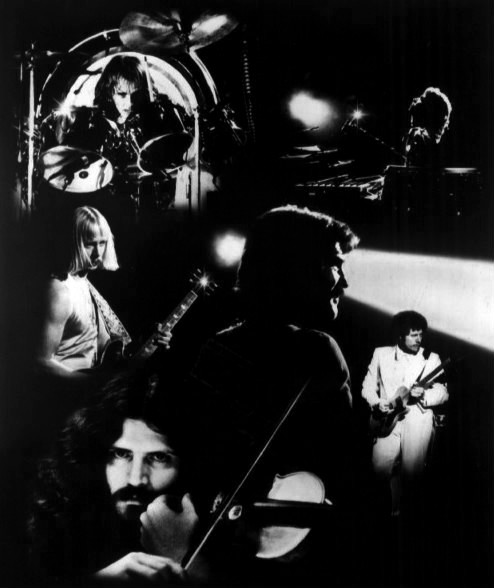
The opening “Carry on my wayward son” sounds like encouragement to keep going despite hardship. Listeners embraced it as a rock power ballad about resilience. The guitar solos and harmonies reinforced the heroic feel.
Kerry Livgren drew from his own spiritual searching and the idea of redemption after wandering. The track turns into a personal journey toward faith and self acceptance. That guiding lyric now carries a deeper spiritual weight.
More Than a Feeling by Boston

The line “I see my Marianne walkin’ away” evokes a lost love in classic rock fashion. Fans related it to their own memories of past relationships. The soaring guitar made the emotion feel universal.
Tom Scholz wrote it about the power of music itself to trigger memories of a girl named Marianne. The song becomes a tribute to how songs connect us to the past rather than a straightforward breakup story. One specific name adds layers of nostalgia and self reference.
Peace of Mind by Boston

The chorus “I don’t want to live my life without peace of mind” reads as a simple desire for calm. Listeners took it as advice to slow down and enjoy life. The melodic rock arrangement supported that relaxed message.
Scholz actually addressed the pressure of corporate life and chasing success at the expense of happiness. The song shifts into a critique of workaholic culture and the need for balance. That one phrase gains urgency as a call to prioritize well being.
Foreplay/Long Time by Boston
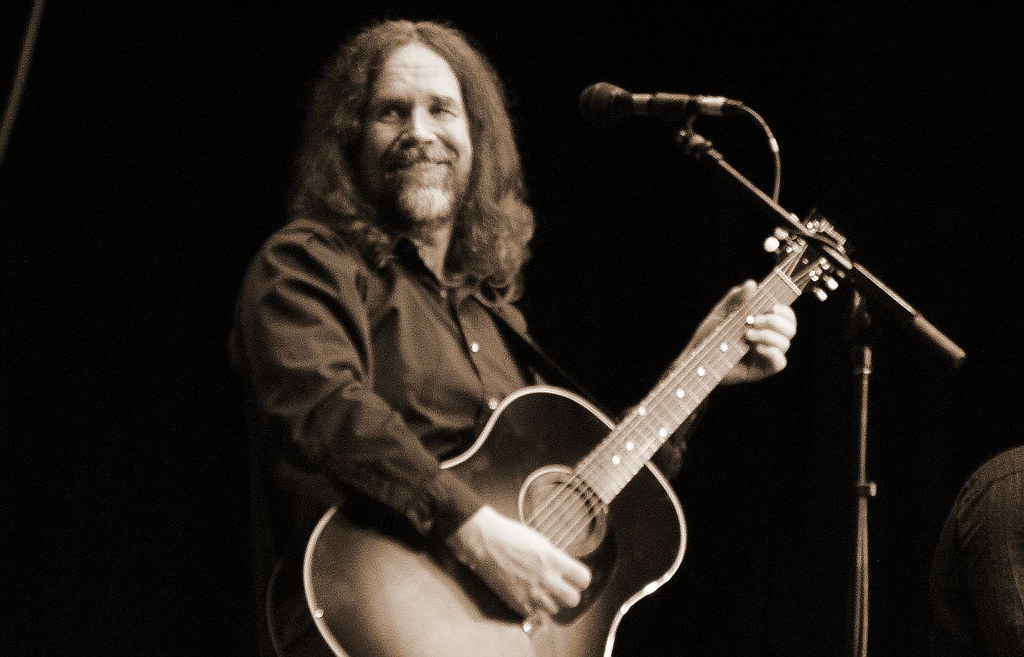
The extended intro and “It’s been a long time” line suggest longing after separation. Fans heard it as a classic tale of missing someone special. The layered guitars created an epic, emotional sweep.
The lyrics reflect the band’s own journey from local clubs to sudden fame and the disorientation that followed. It becomes a reflection on rapid change and staying grounded. One repeated sentiment now ties directly to the group’s real experiences.
Rock and Roll All Nite by Kiss
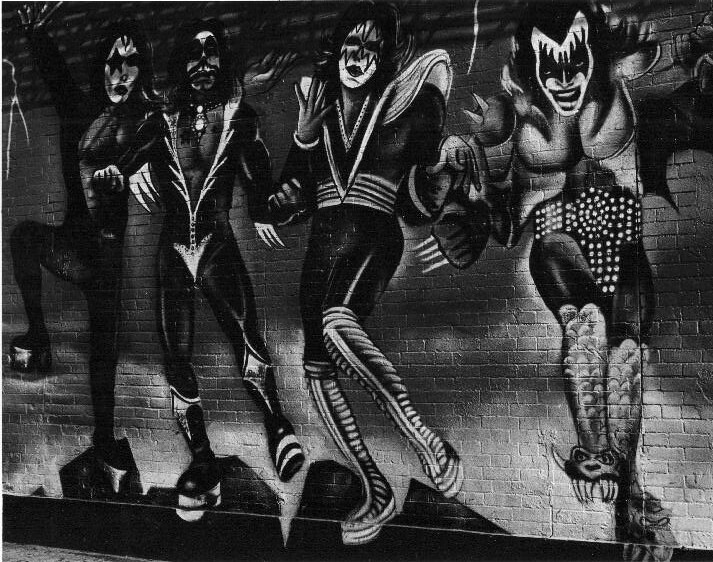
The chant “I wanna rock and roll all night and party every day” sounds like pure hedonistic fun. Audiences treated it as the ultimate party anthem at concerts. The simple, repetitive structure invited everyone to join in.
Gene Simmons and Paul Stanley wrote it as a statement about living fully in the moment without regrets. The song turns into a philosophy of embracing life’s energy rather than mindless excess. That one line now carries a deliberate choice to celebrate existence.
Detroit Rock City by Kiss

The story of a fan heading to a show ends with a fatal car crash in the final verse. Many focused on the high energy riff and missed the dark twist. The title made it feel like a hometown tribute.
The band based it on a real letter from a fan who died in an accident on the way to a Kiss concert. The track becomes a sobering reminder of life’s fragility amid the rock lifestyle. One narrative detail transforms celebration into caution.
Shout by Tears for Fears

The command “Shout, shout, let it all out” feels like an invitation to release emotions freely. Listeners used it as an empowering sing along at events. The synth driven beat kept the mood energetic.
The lyrics stem from primal scream therapy and the idea of confronting inner pain. The song shifts from party release into a tool for emotional healing and self awareness. That repeated call now points to therapeutic breakthrough.
Head Over Heels by Tears for Fears

The title phrase suggests falling deeply in love at first sight. Fans enjoyed the upbeat melody as a romantic declaration. The production gave it a dreamy, optimistic glow.
Curt Smith and Roland Orzabal wrote it about the overwhelming rush of new emotions during personal growth. The track becomes an exploration of vulnerability and change rather than simple infatuation. One title line gains psychological depth once the verses unfold.
Classic rock songwriters often layered meaning beneath catchy hooks, rewarding listeners who look past the first impression. Those hidden depths keep the music alive long after the initial release.
CEO-Co-Founder
