

- The 20 First and Last Sentences of These Books Say Everything - September 22, 2026
- 10 Stories That Are Way Shorter Than You Remember - September 22, 2026
- The 20 Most Quoted Lyrics in Instagram Captions — Ranked - September 22, 2026
Musicians have always done more than fill dance floors or top charts. Their choices in clothing often captured the spirit of an era and gave fans a visual language to adopt in their own lives.
From bold stage looks to everyday streetwear, these moments turned personal expression into lasting trends that crossed from concerts into closets around the world.
Elvis Presley’s Pink Suit in the Mid-1950s
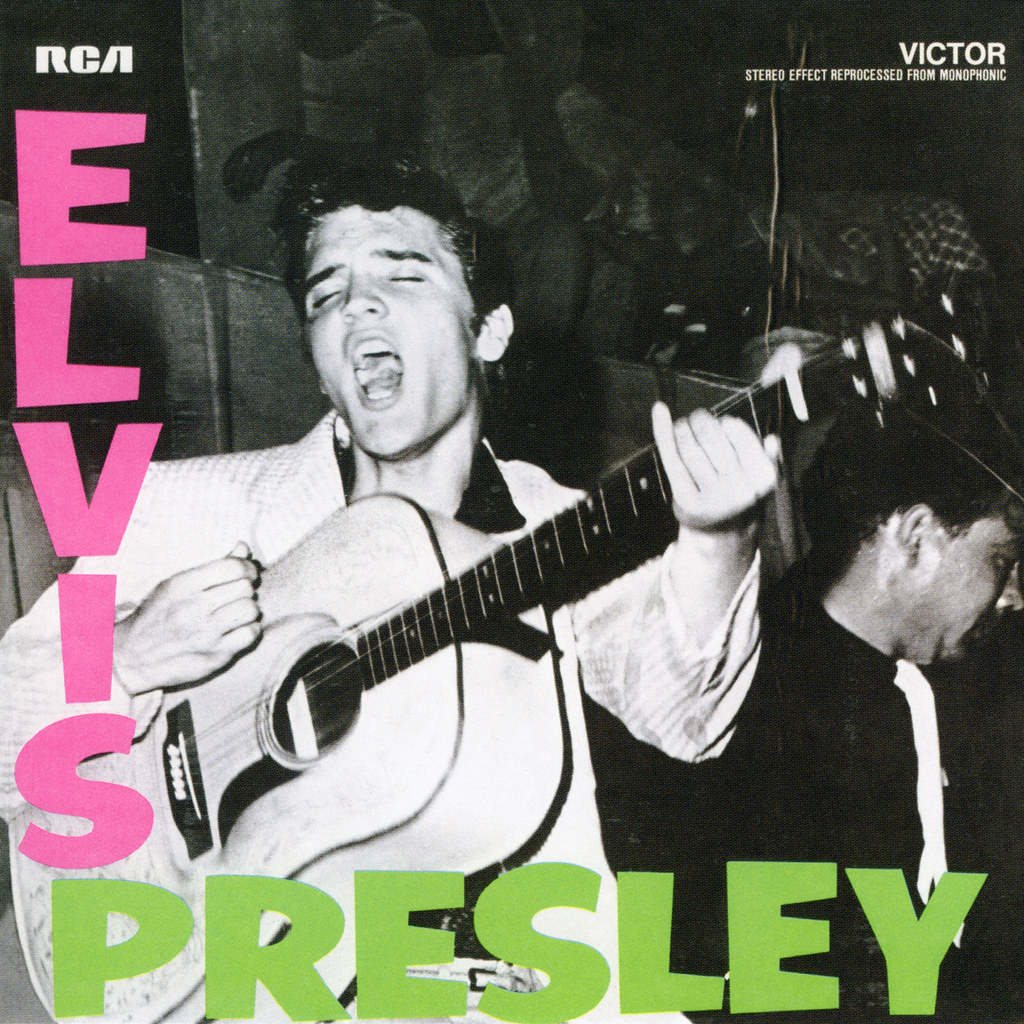
Elvis stepped out in a bright pink suit with matching shoes during his early television appearances and live shows. The outfit stood out against the conservative gray and navy tones common in men’s fashion at the time. It signaled a playful rebellion that matched his energetic performances and rock and roll sound.
Young men soon copied the look with brighter jackets and slim trousers. Tailors began offering similar cuts in department stores, and the suit helped shift menswear away from strict formality toward something more expressive and youthful.
The Beatles’ Collarless Suits in 1963
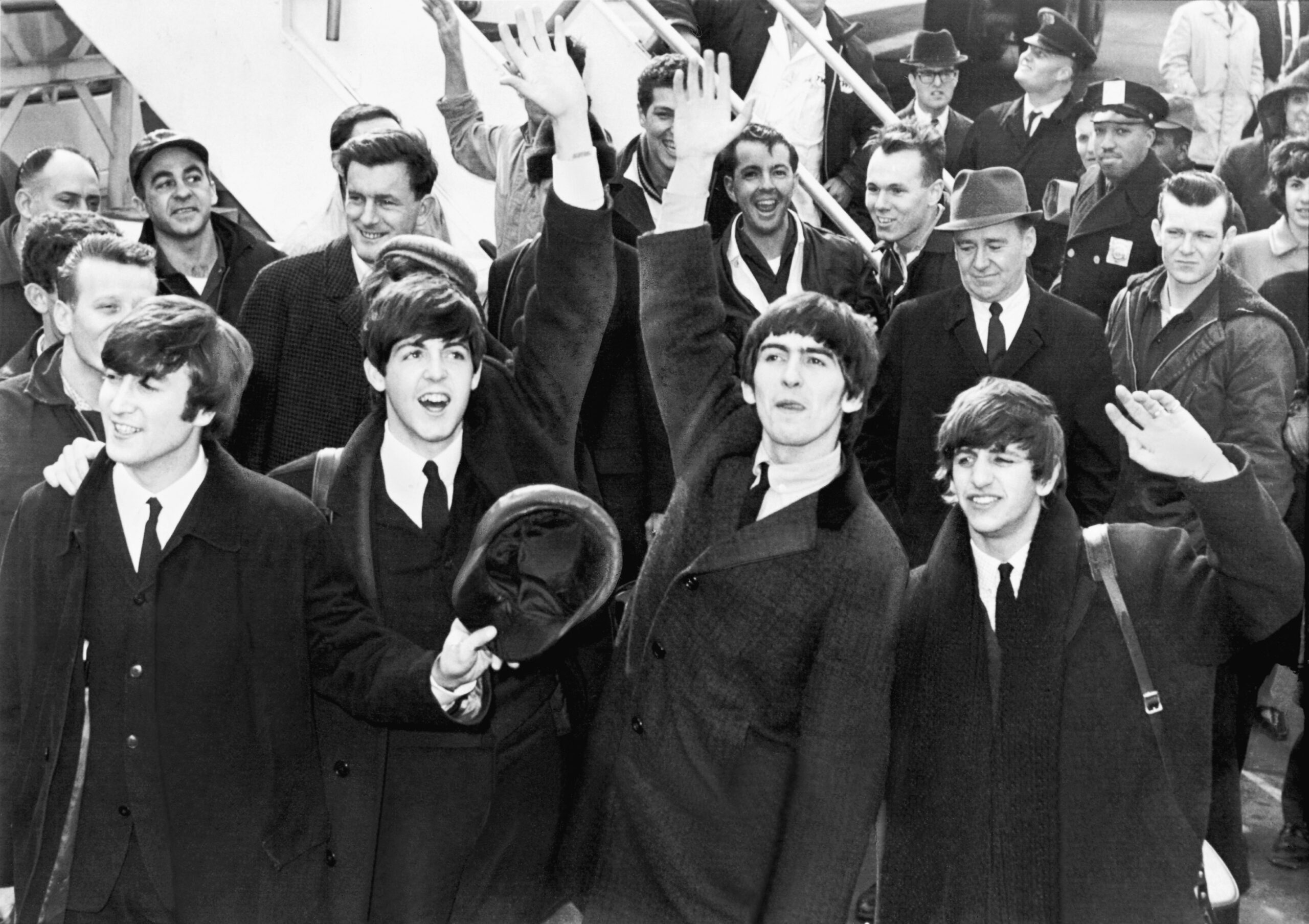
The band appeared in matching collarless jackets during their first major tours and television spots. The clean lines and slim fits contrasted with the boxier suits worn by earlier generations. These outfits became part of their polished yet modern image.
Teenage boys across Britain and the United States started wearing similar jackets to school dances and social events. Designers quickly produced affordable versions, and the style helped popularize the mod look that defined much of the decade’s youth fashion.
Jimi Hendrix’s Psychedelic Prints in 1967
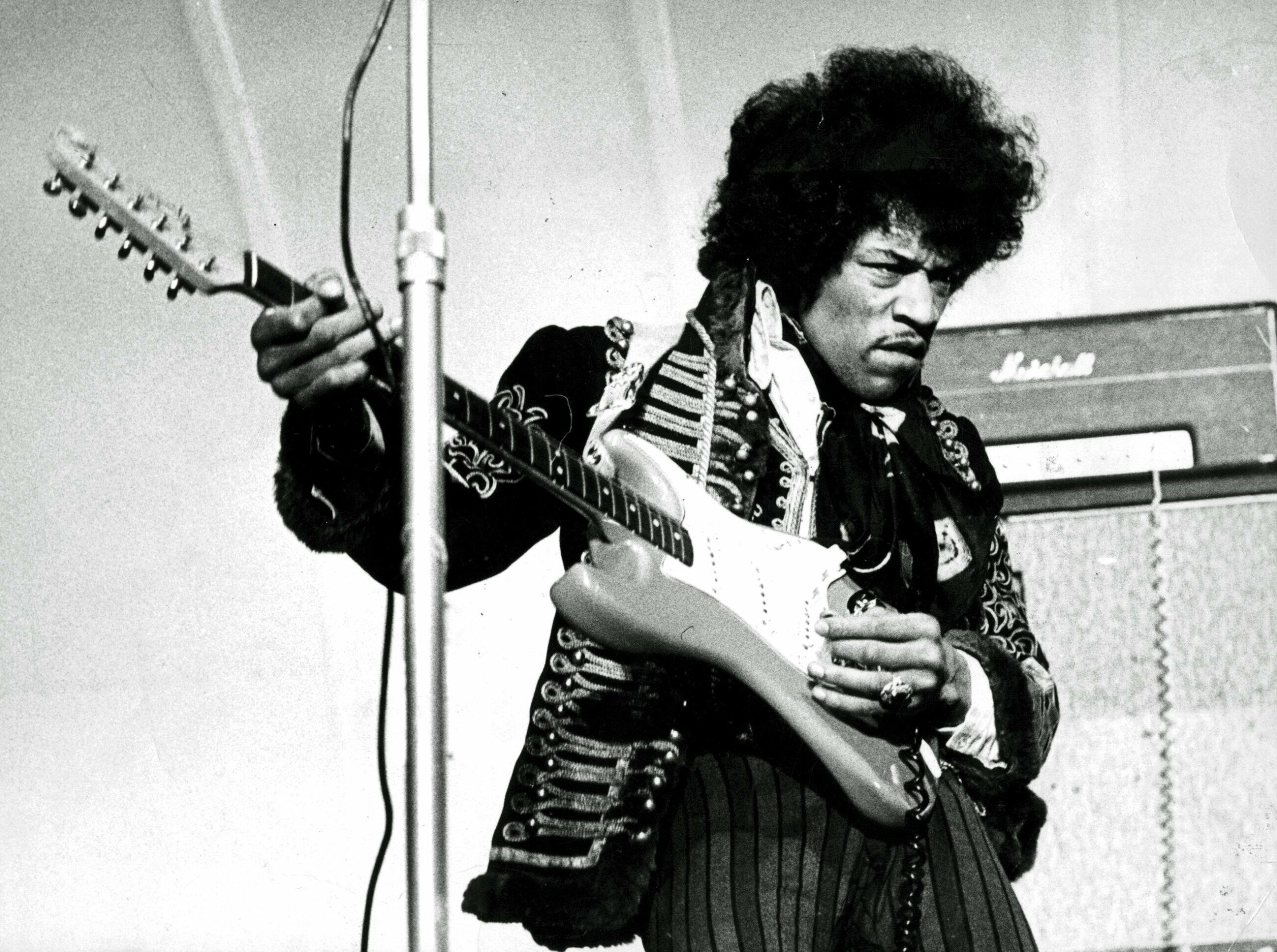
Hendrix performed in fringed vests, bold floral shirts, and military jackets covered in colorful patches. The mix of patterns and textures reflected the counterculture spirit of the summer of love. His stage presence made these pieces feel like extensions of his guitar solos.
Fans began mixing military surplus with bright prints in their daily wardrobes. The approach encouraged a more experimental attitude toward clothing that carried into the 1970s and influenced later festival fashion.
David Bowie’s Ziggy Stardust Outfits in 1972
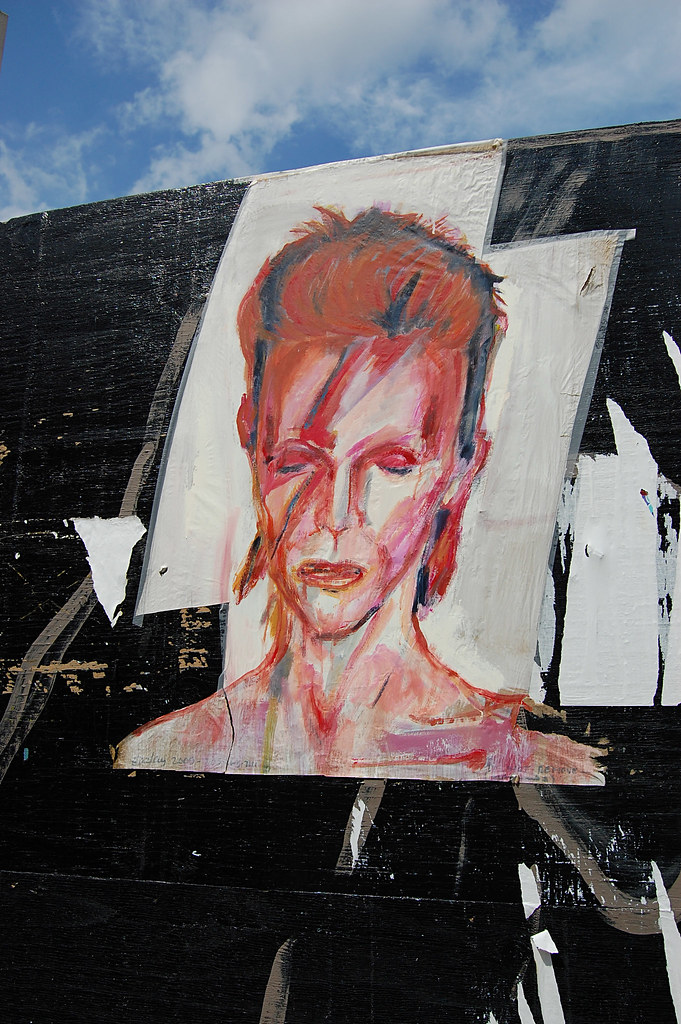
Bowie appeared as Ziggy Stardust wearing tight jumpsuits, platform boots, and dramatic makeup. The androgynous silhouette challenged traditional ideas of masculine dress. Each performance introduced new variations on the same futuristic theme.
Young people started experimenting with glitter, bold colors, and gender-fluid styling in clubs and on city streets. The look opened doors for glam rock fashion and later inspired designers who embraced theatrical elements in ready-to-wear collections.
Michael Jackson’s Red Leather Jacket in Thriller
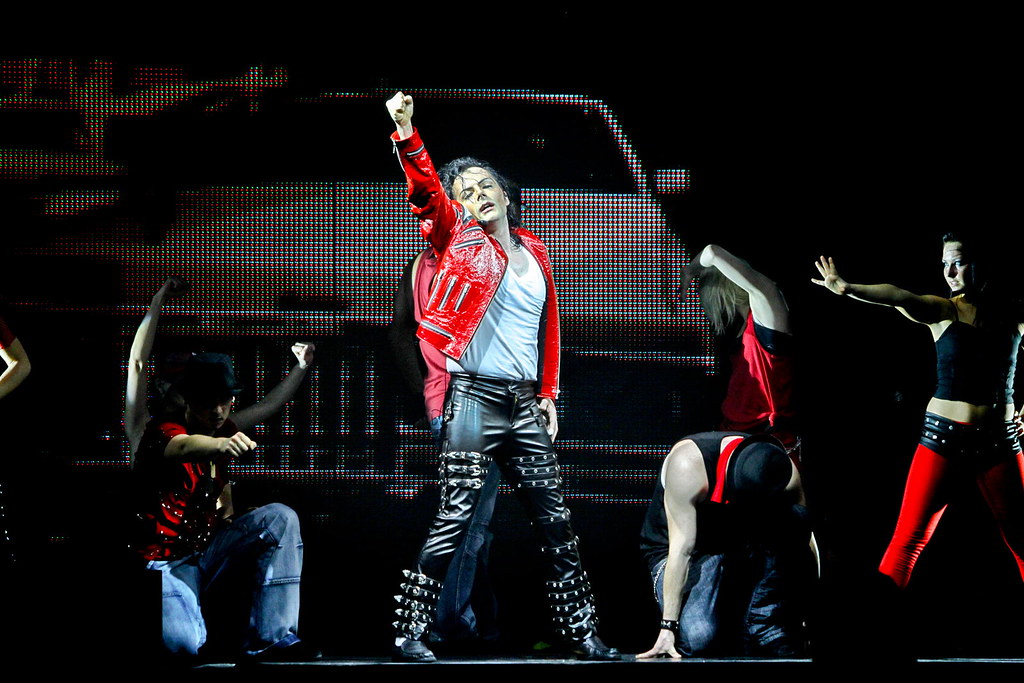
Jackson wore a bright red leather jacket with multiple zippers during the 1983 music video for Thriller. The piece combined street toughness with polished showmanship. It appeared in nearly every frame and became instantly recognizable.
Retailers sold thousands of similar jackets within months of the video’s release. The style influenced both casual outerwear and performance costumes, and it remains a reference point for artists who want to blend pop accessibility with edge.
Madonna’s Cone Bra on the 1990 Blonde Ambition Tour
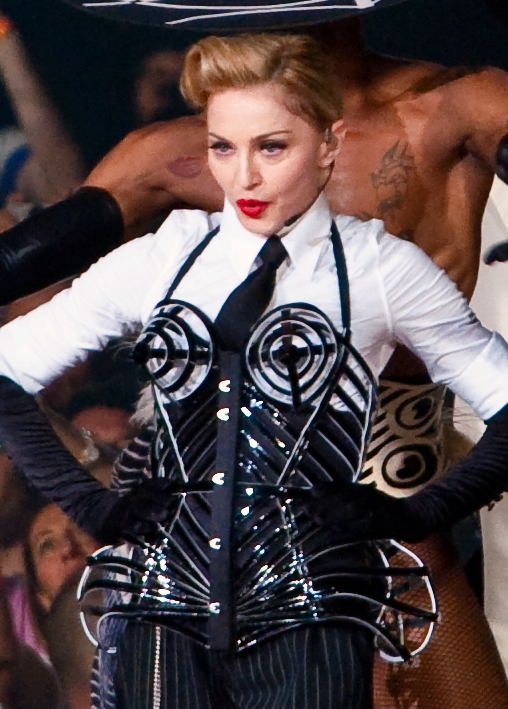
Madonna wore a structured cone-shaped bra designed by Jean Paul Gaultier during her tour performances. The garment turned underwear into outerwear and made a clear statement about female sexuality and power. It appeared in photographs and news coverage worldwide.
Women began pairing corsets and bras with jackets or dresses in everyday outfits. The moment helped normalize the idea that lingerie could be visible and fashionable, shaping trends in both high fashion and mass-market clothing for years afterward.
Prince’s Purple Suits Throughout the 1980s
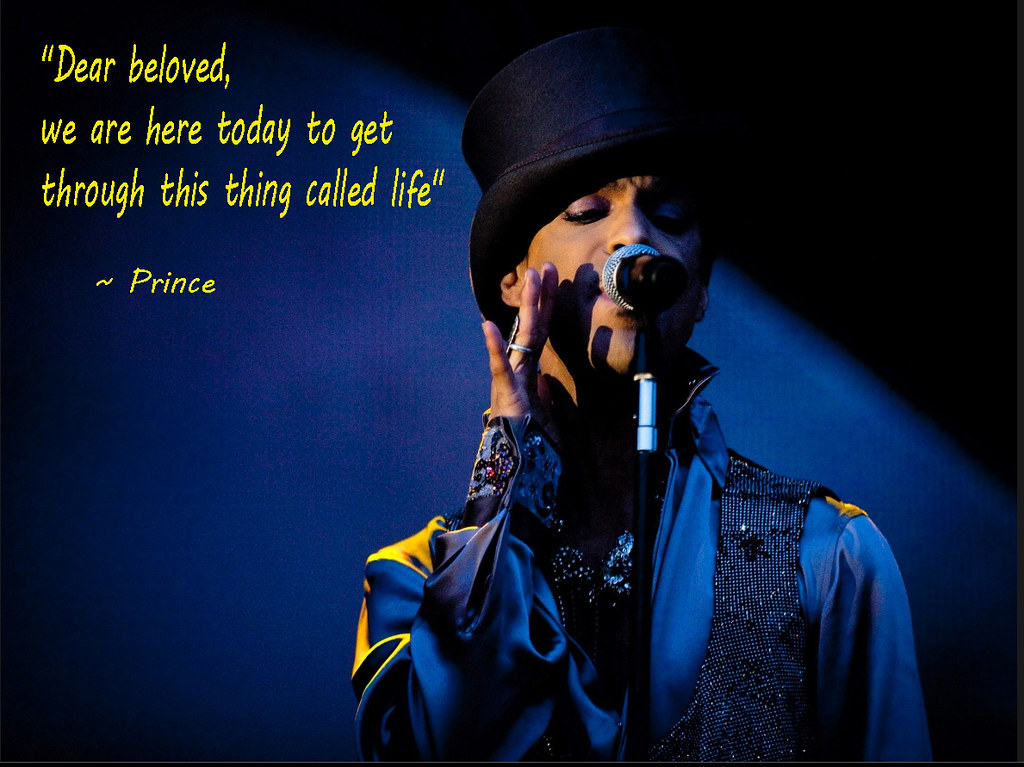
Prince performed in tailored purple suits with high collars, ruffles, and bold accessories. The color and cut became tied to his music and persona. Each album cycle brought fresh variations on the same rich palette.
Fans adopted purple tones and fitted silhouettes in their own wardrobes. The look encouraged a more flamboyant approach to menswear that later appeared in both pop performances and mainstream fashion lines.
Kurt Cobain’s Flannel Shirts in the Early 1990s
Cobain wore oversized flannel shirts over band tees during Nirvana’s rise. The casual, layered look came from thrift stores and Pacific Northwest workwear. It stood in direct contrast to the flashy styles of the previous decade.
Young people started buying flannel and ripped jeans as everyday staples. Retailers responded with grunge-inspired lines, and the aesthetic influenced casual fashion well into the late 1990s and beyond.
Lady Gaga’s Meat Dress at the 2010 MTV Video Music Awards
![Lady Gaga’s Meat Dress at the 2010 MTV Video Music Awards ([1], CC BY 2.0)](https://festivaltopia.com/wp-content/uploads/2026/05/1778496828427_1778496818364_lady_gaga_americano_helsinki.jpeg)
Gaga arrived wearing a dress made entirely of raw meat. The outfit sparked immediate conversation about art, activism, and spectacle. It was photographed from every angle and discussed on news programs the next day.
Designers began exploring unconventional materials in runway collections. The moment reinforced the idea that fashion could serve as performance art and encouraged artists to use clothing as a form of statement.
Rihanna’s Oversized Suit at the 2017 Met Gala
Rihanna wore a dramatically oversized yellow suit with matching headpiece and gloves. The look mixed tailoring with exaggerated proportions. It stood out among more traditional red-carpet gowns.
Street style and high fashion both embraced oversized silhouettes in the following seasons. The choice showed how musicians could still drive conversation around proportion and color even in formal settings.
Music and fashion have always borrowed from each other in quiet, lasting ways. A single stage outfit can ripple outward and reshape what people choose to wear years later. These ten moments show how performers continue to give shape to the clothes that define generations.

Besides founding Festivaltopia, Luca is the co founder of trib, an art and fashion collectiv you find on several regional events and online. Also he is part of the management board at HORiZONTE, a group travel provider in Germany.
