
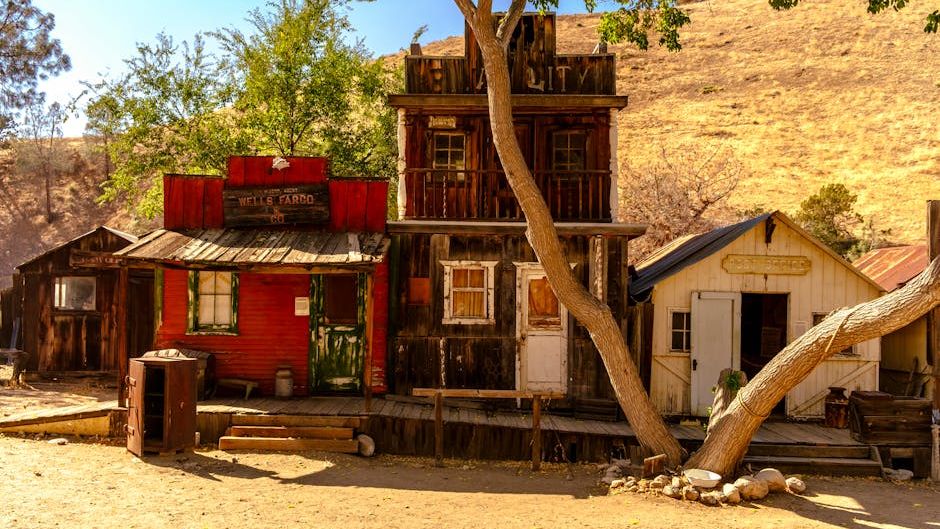
Some places in the United States still preserve the atmosphere, culture, and aesthetics of earlier eras. These spots hold onto their historic character through preserved buildings, traditional ways of life, and a deliberate resistance to modern changes. Travelers often find themselves immersed in settings that echo centuries past without any need for imagination.
Colonial Williamsburg, Virginia
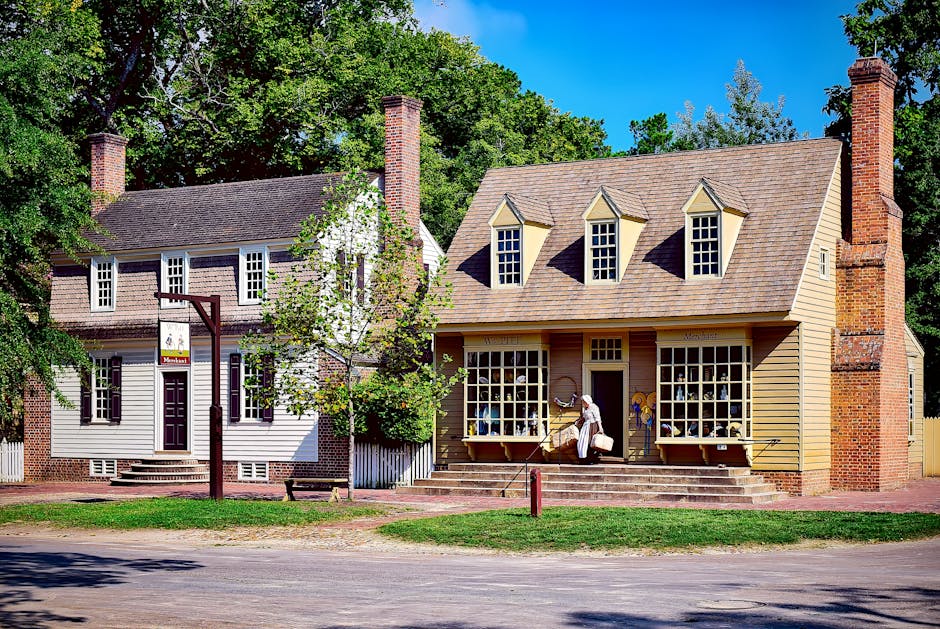
Colonial Williamsburg captures the spirit of 18th century America with its restored homes, shops, and public buildings. The era it resembles centers on the colonial period leading up to the Revolution. Costumed interpreters demonstrate daily tasks like blacksmithing and cooking over open fires, which helps explain why the town feels frozen in time.
Today it remains memorable because visitors can walk the same streets where key historical figures once debated independence. The living history approach turns a simple stroll into an educational experience that highlights early American ingenuity and community life.
Mackinac Island, Michigan
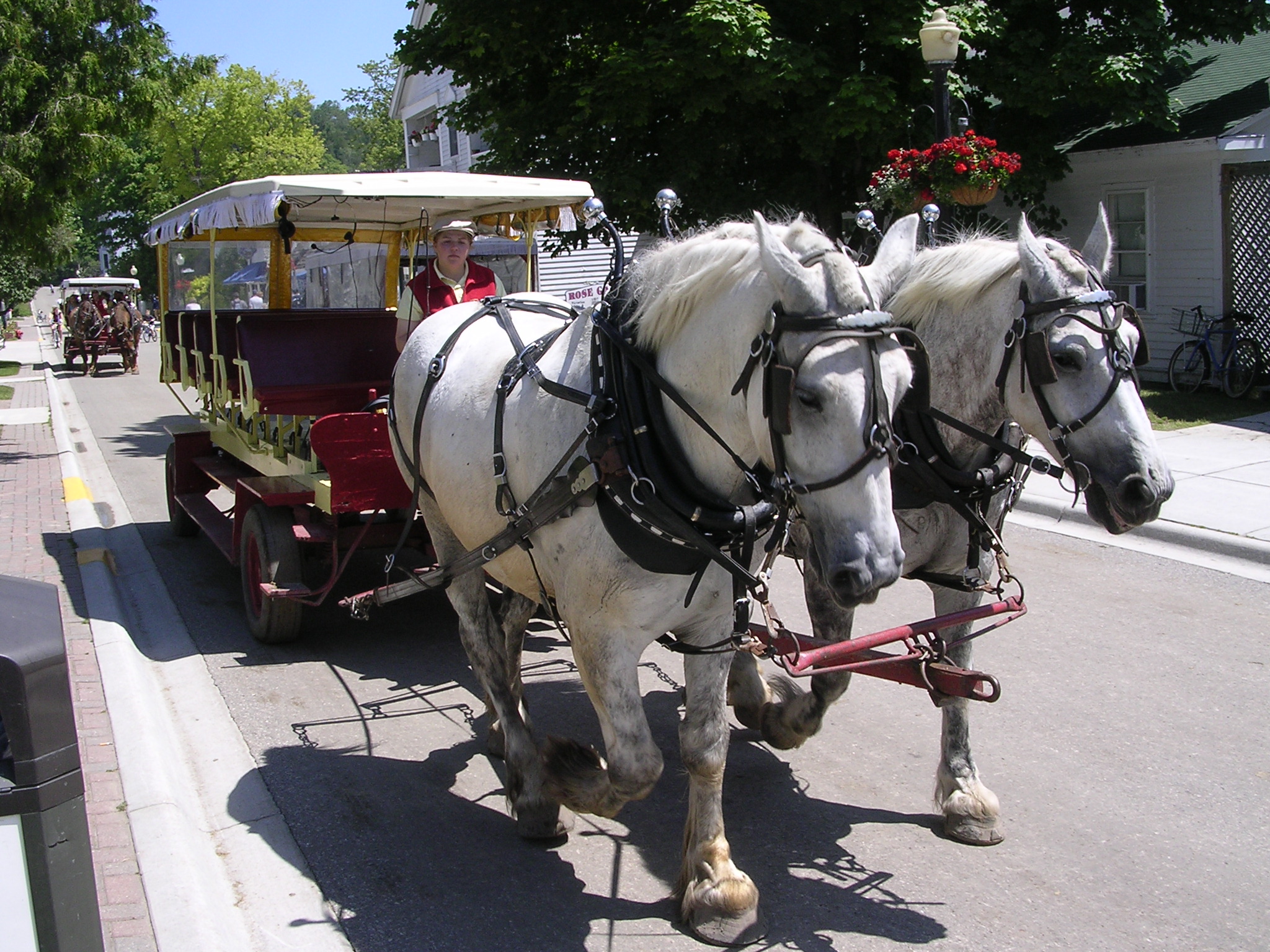
Mackinac Island evokes the Victorian era of the late 1800s through its grand hotels and horse drawn carriages. No cars are allowed, which keeps the pace slow and the streets quiet. This rule, combined with preserved architecture from the Gilded Age, makes the island feel untouched by later decades.
Its memorable quality comes from the blend of natural beauty and historic charm, including the famous Grand Hotel with its long porch overlooking the straits. Visitors enjoy fudge shops and bike rides that reinforce the sense of stepping into a simpler summer retreat from another century.
Deadwood, South Dakota
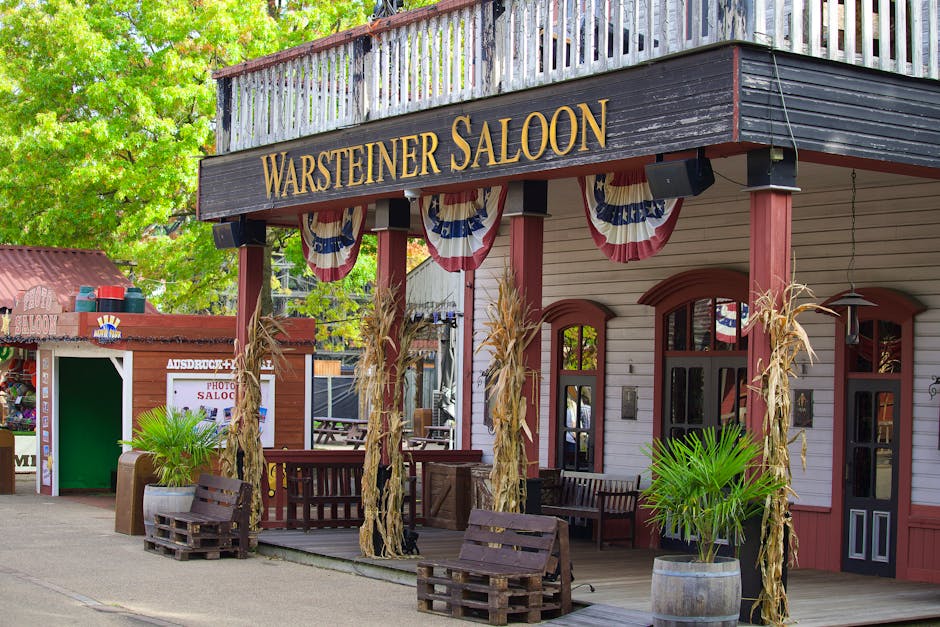
Deadwood brings back the Wild West of the 1870s gold rush days with its saloons and wooden storefronts. The era it resembles includes the lawless mining boom that drew figures like Wild Bill Hickok. Strict historic district rules have kept modern development at bay, leaving the main street looking much as it did then.
What makes it memorable today is the chance to explore original buildings while learning about the rough and tumble history through museums and reenactments. The dramatic Black Hills setting adds to the feeling of an authentic frontier outpost preserved for all to see.
St. Augustine, Florida
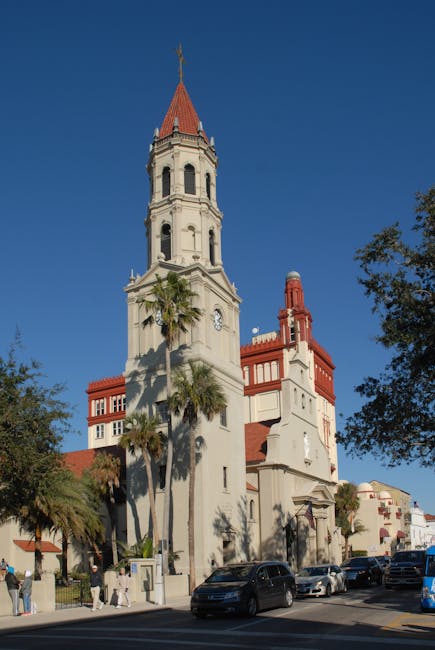
St. Augustine reflects the Spanish colonial period starting in the 1500s with its coquina stone structures and narrow lanes. As the oldest continuously occupied European settlement in the country, it holds onto that early influence through forts and missions. Limited changes to the historic core keep the old world atmosphere intact.
Travelers remember it for the blend of ancient walls and lively plazas where artisans still sell crafts reminiscent of centuries ago. The Castillo de San Marcos stands as a tangible reminder of early defense strategies that shaped the region.
Galena, Illinois
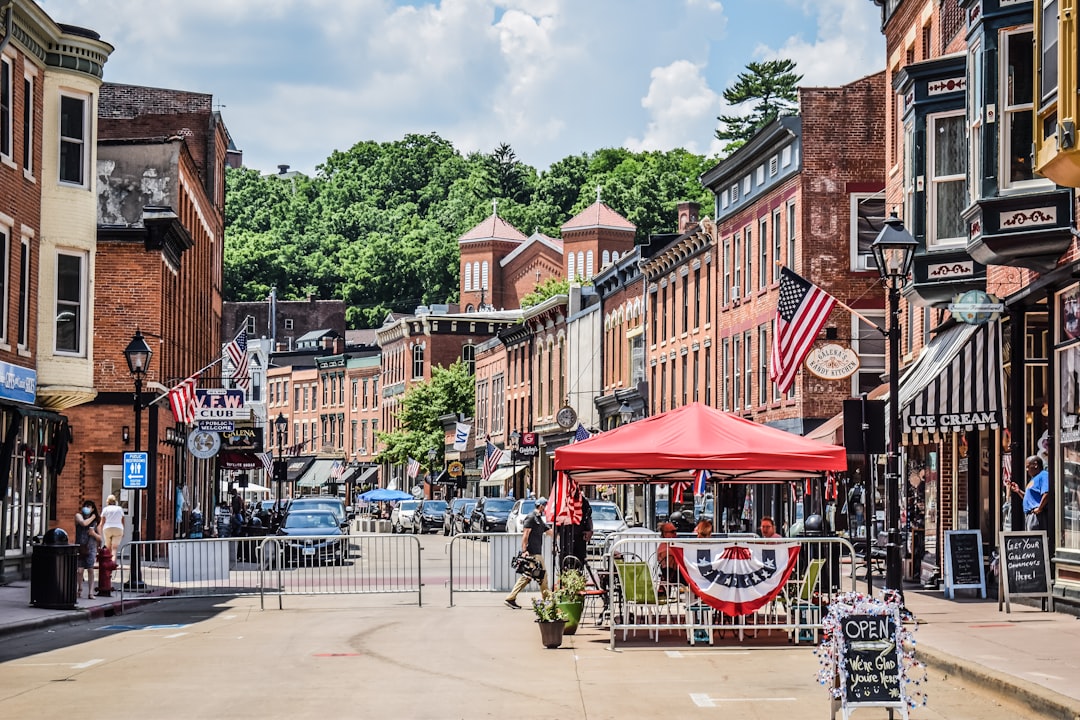
Galena preserves the mid 19th century lead mining boom era through its brick lined streets and Federal style homes. Ulysses S. Grant once lived here, adding to the Civil War era connections. The downtown has stayed largely unchanged since its peak prosperity, which explains the frozen in time quality.
Its appeal today lies in the antique shops and galleries that line the main thoroughfare, offering glimpses into everyday life from that prosperous period. The surrounding hills provide scenic views that enhance the historic immersion.
Eureka Springs, Arkansas
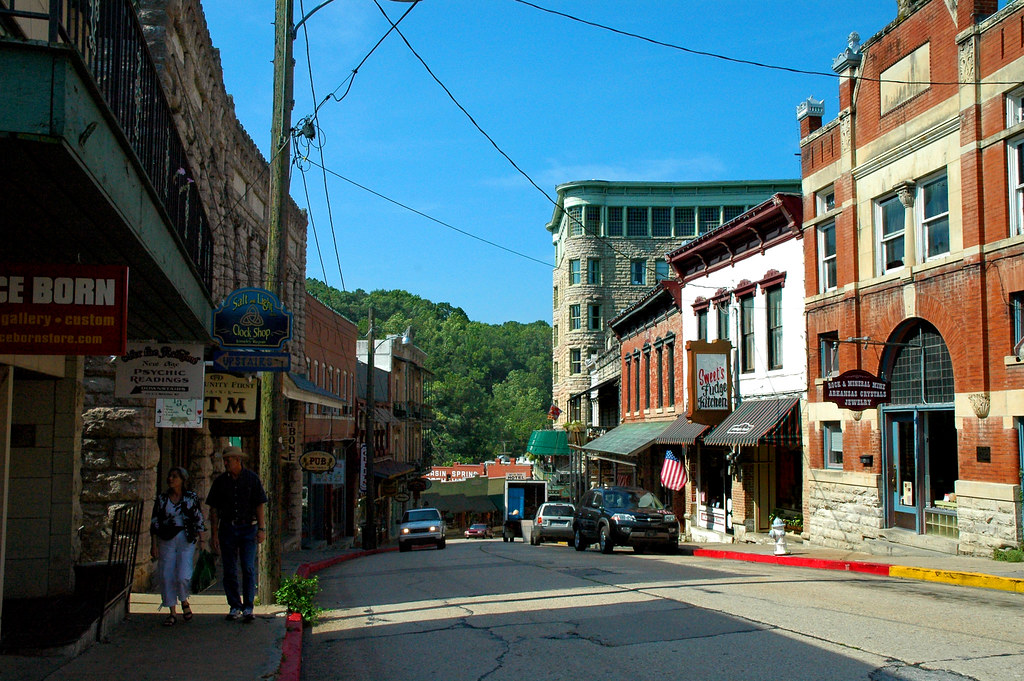
Eureka Springs captures the late Victorian era with its steep streets and ornate bathhouses built around natural springs. The town grew rapidly in the 1880s as a health resort destination. Its winding layout and preserved cottages make it feel like a step back to that healing retreat period.
Visitors find it memorable for the quirky architecture and the ongoing tradition of spring water tastings that echo the original wellness focus. The artistic community keeps the creative spirit of those early days alive in galleries and performances.
Bisbee, Arizona
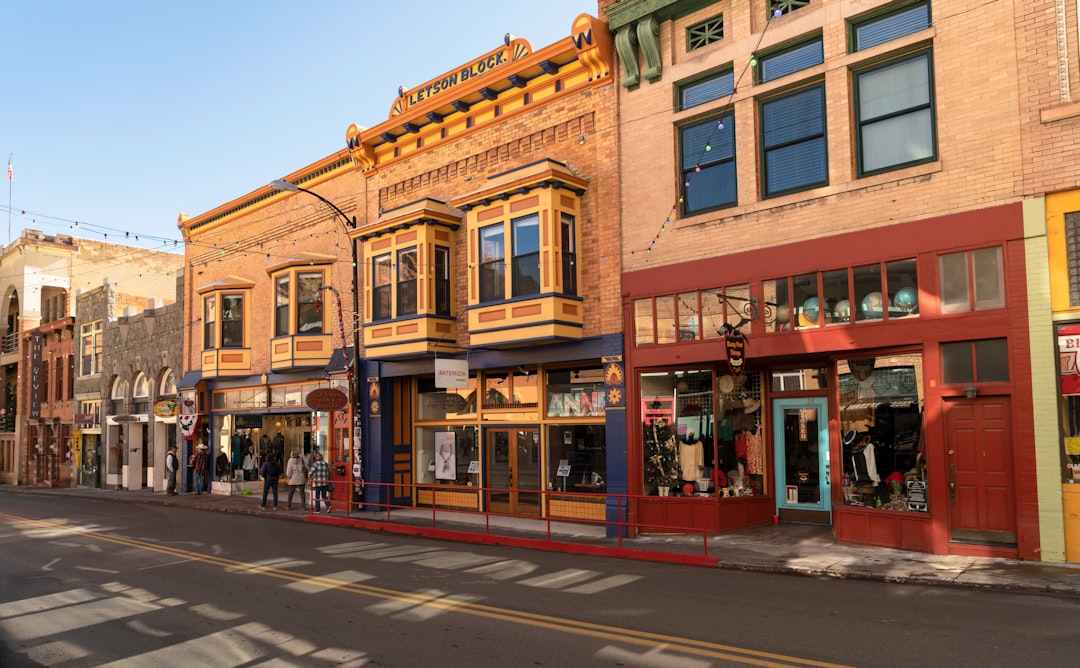
Bisbee recalls the early 20th century mining boom with its colorful hillside homes and vintage storefronts. Once a major copper producer, the town retains its industrial heritage through old mine tours. Economic shifts after the mines closed helped freeze its appearance in that prosperous mining heyday.
Today it stands out for the vibrant arts scene that has taken root in the historic buildings, turning former saloons into cafes and studios. The dramatic canyon setting adds a layer of rugged charm that draws people seeking an authentic Southwest past.
Savannah, Georgia
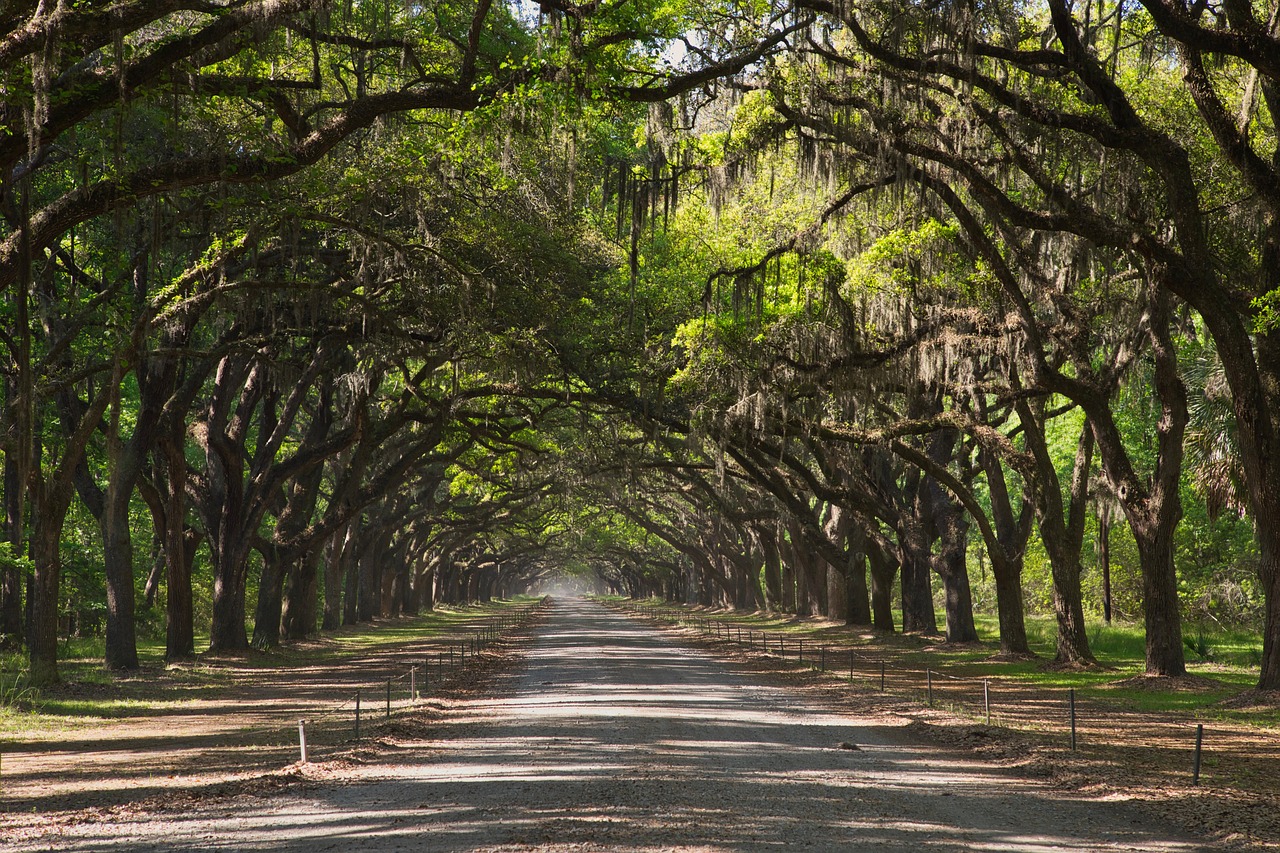
Savannah embodies the antebellum South of the 19th century with its moss draped oaks and elegant squares. The city avoided much destruction during the Civil War, allowing its architecture to remain intact. This preservation effort keeps the gracious Southern lifestyle from that era very much alive.
Its memorable aspects include the historic homes open for tours and the riverfront where trade once thrived. The blend of history and Southern hospitality makes every visit feel like a return to a more refined time.
Charleston, South Carolina
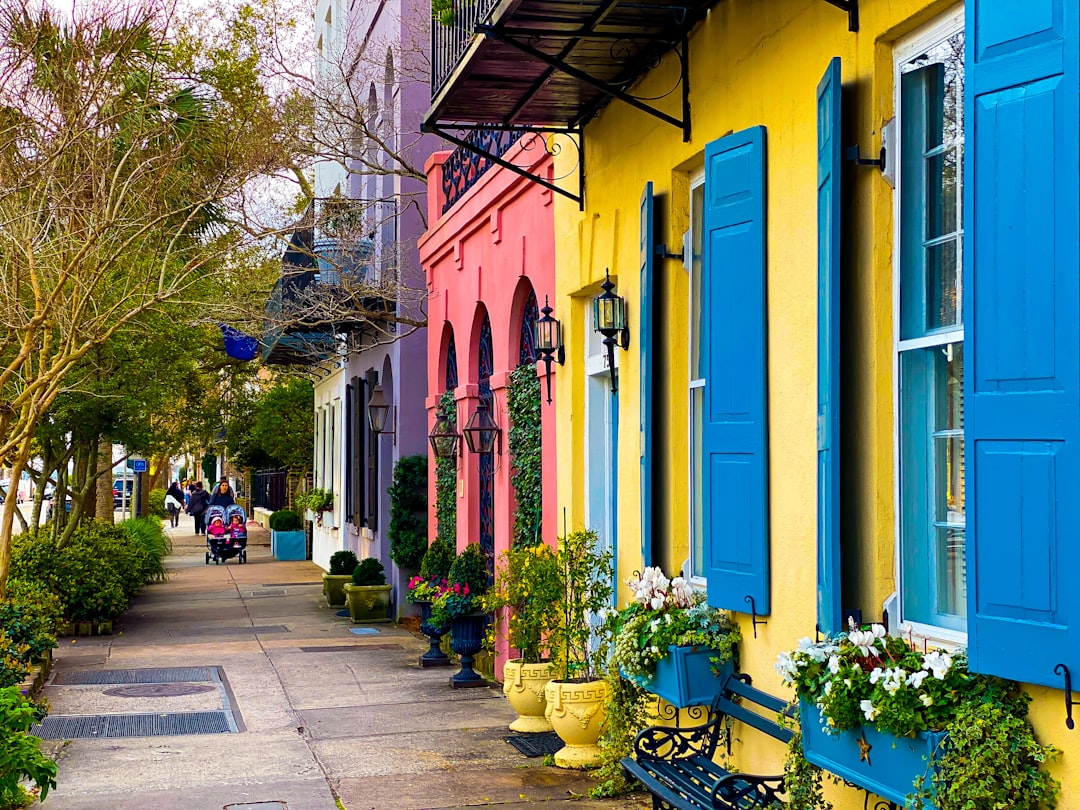
Charleston mirrors the antebellum period through its pastel colored homes and cobblestone streets. Founded in the 17th century, it grew into a wealthy port city whose buildings survived into the present. Careful zoning has protected the old world feel against rapid change.
People remember it for the carriage tours that wind past landmarks and the markets where local crafts continue traditions from earlier generations. The waterfront views tie directly to its maritime past, creating a layered sense of history.
Salem, Massachusetts
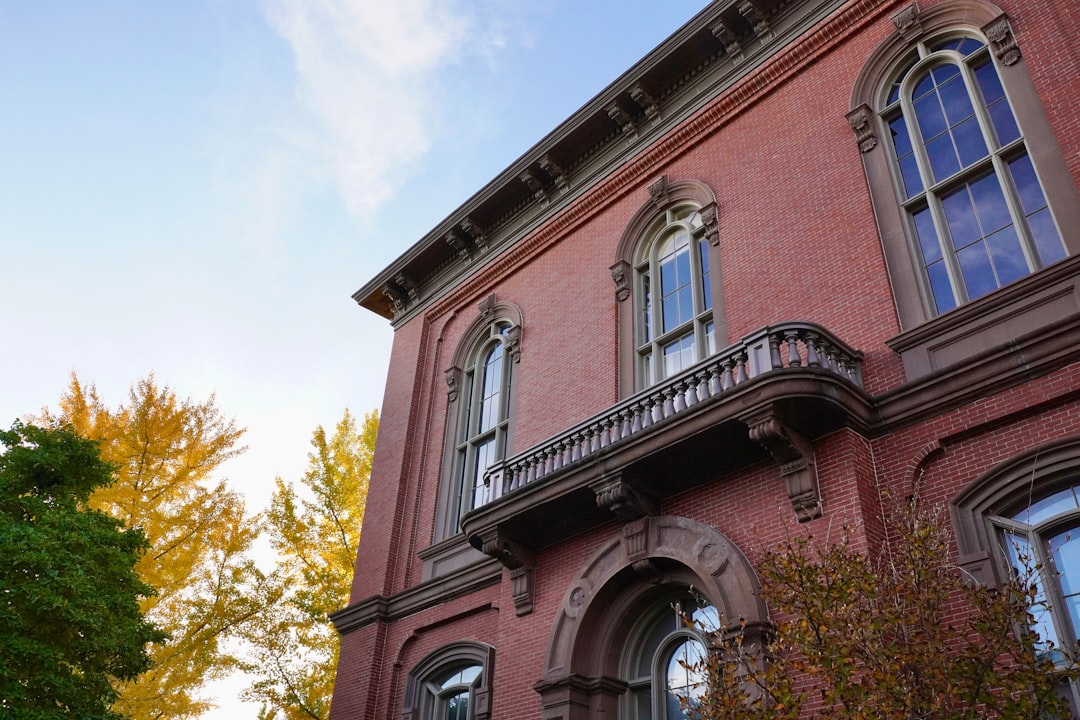
Salem evokes the colonial and maritime eras of the 17th and 18th centuries with its witch trial sites and seafaring museums. The town built its fortune on trade, and many original structures still stand. This continuity of architecture and stories keeps the early American coastal life vivid.
Its draw today comes from the detailed exhibits on both the infamous trials and the prosperous shipping days that followed. Walking the historic district offers a direct connection to the complex beginnings of New England society.
Bardstown, Kentucky
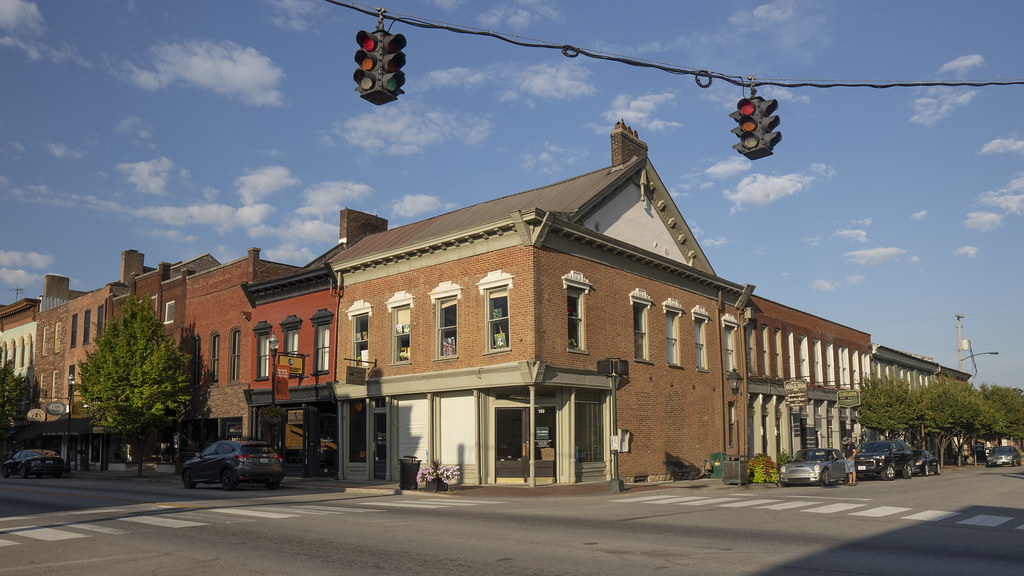
Bardstown reflects the 19th century Southern charm through its Federal style buildings and bourbon distilleries. Known as one of the most beautiful small towns, it maintains a classic square and family run establishments. Limited commercial growth has allowed its historic core to stay intact.
Visitors appreciate the distillery tours that showcase traditional methods still in use, along with the peaceful atmosphere that recalls simpler rural life. The surrounding countryside adds to the timeless appeal of this Kentucky gem.
Jerome, Arizona
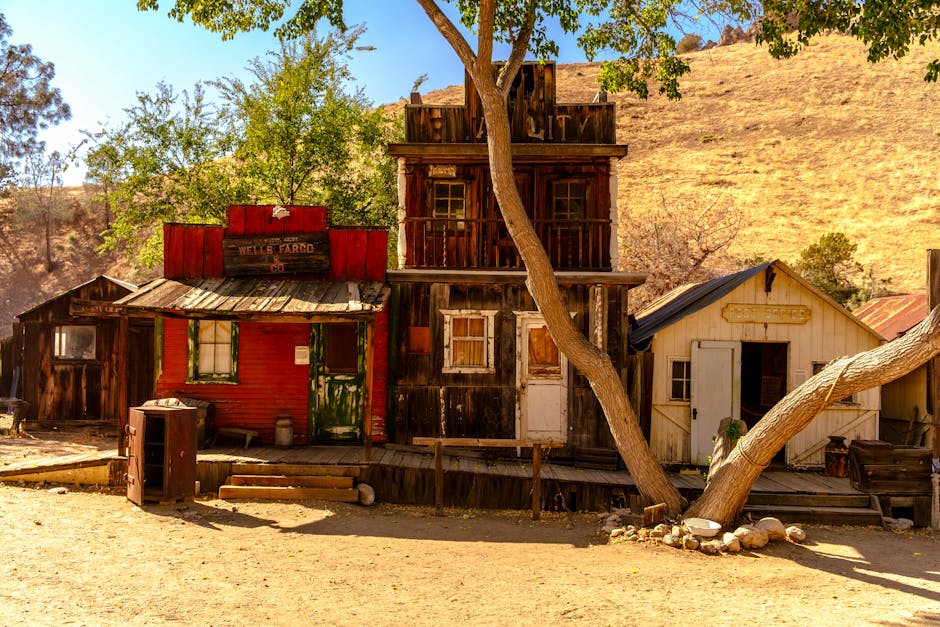
Jerome brings to mind the early 20th century mining era with its clinging hillside buildings and ghost town remnants. Once a booming copper camp, it nearly faded away before artists revived it. The steep terrain and preserved structures create a dramatic sense of isolation from modern times.
Its memorable quality stems from the panoramic views and the galleries that now occupy old mining offices. The rugged history of boom and bust comes alive through walking tours that highlight the tough lives of early residents.
Bandera, Texas

Bandera captures the late 19th century cowboy culture with its Western storefronts and rodeo grounds. Known as the Cowboy Capital, it grew from cattle drive routes and retains that frontier spirit. The small size and focus on ranching traditions keep the old West alive.
Today it feels memorable through the live music venues and museums that celebrate Texas ranching heritage. Horseback rides and chuckwagon dinners provide hands on experiences that connect directly to that rugged past.
Astoria, Oregon
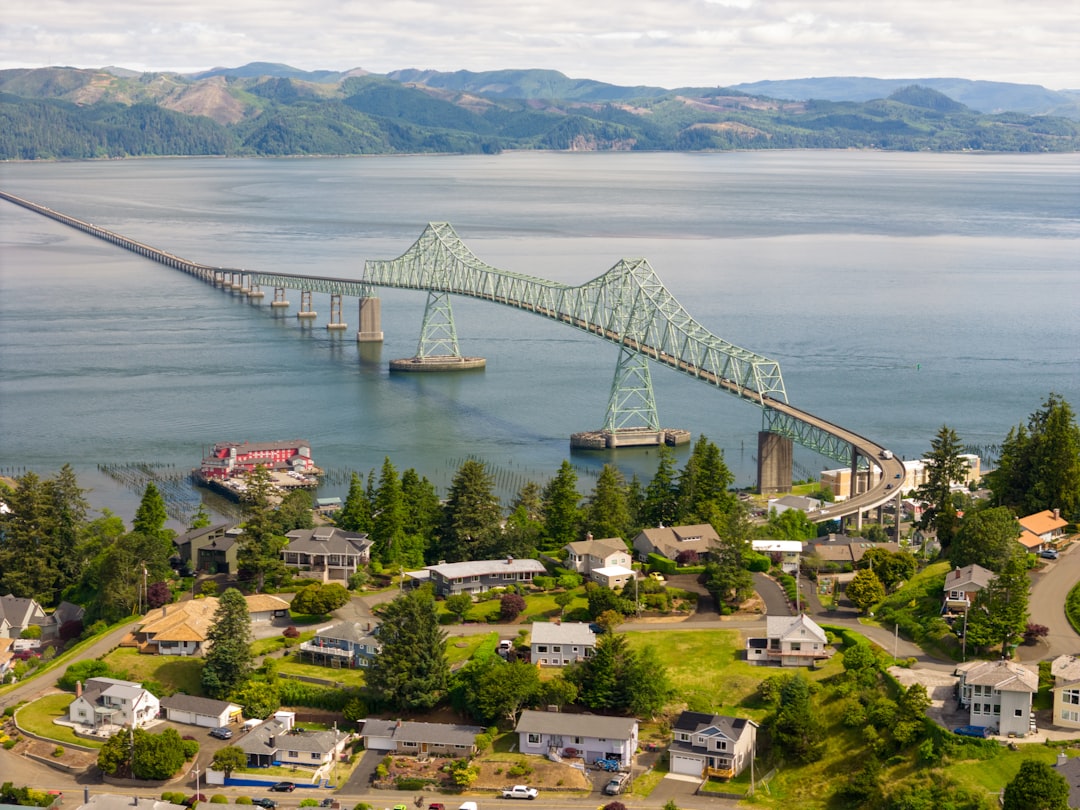
Astoria preserves the early 20th century maritime era with its Victorian homes and working waterfront. As one of the oldest settlements in the Pacific Northwest, it built its identity around fishing and shipping. The unchanged port activities and historic buildings maintain that seafaring atmosphere.
Its appeal lies in the film locations and museums that highlight the adventurous spirit of those early days. The dramatic river views and bridge crossings reinforce the sense of a place where history still shapes daily rhythms.
Mount Dora, Florida
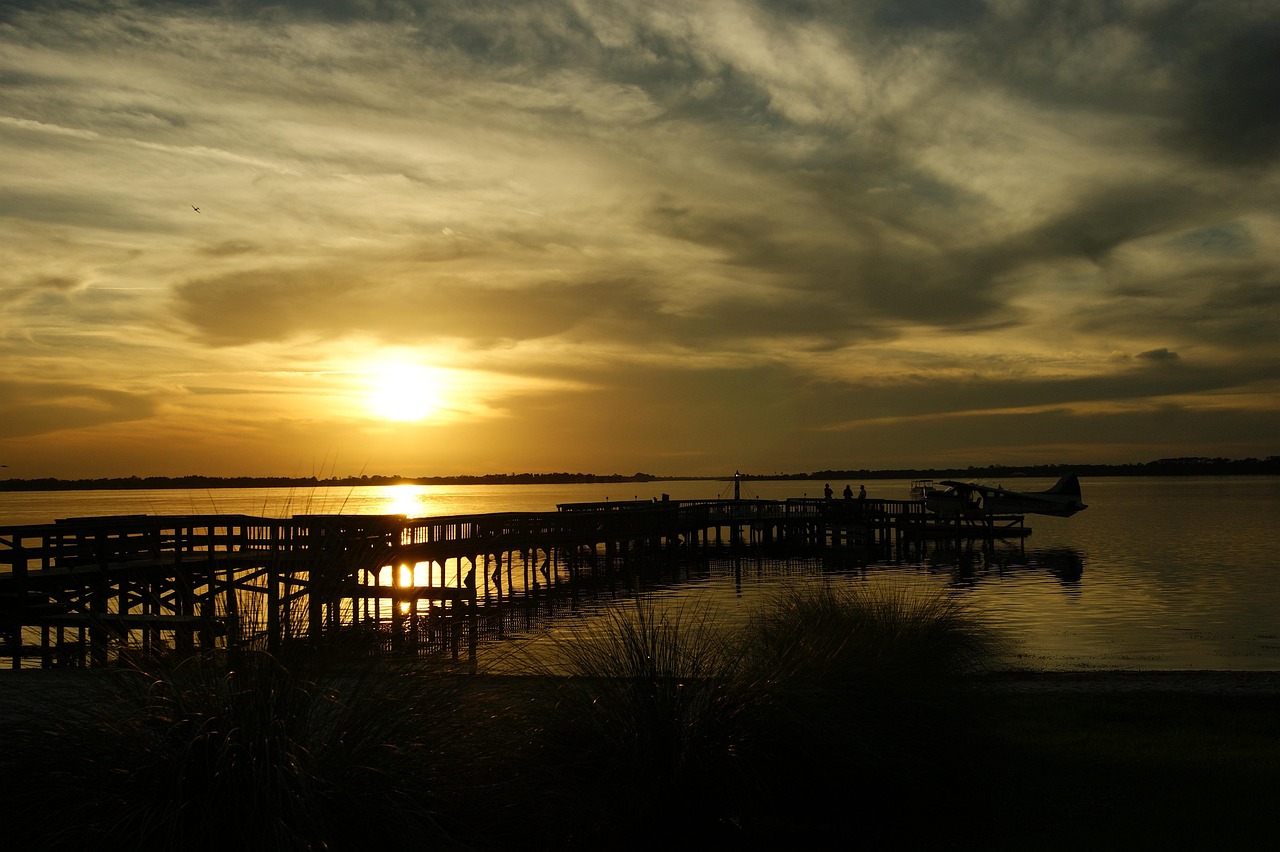
Mount Dora echoes the early 20th century with its lakeside charm and antique shops in a small town setting. Developed as a winter retreat, it kept its quaint streets and Victorian influenced homes. The emphasis on preserving the original layout makes it feel like a step back to that leisurely resort period.
Visitors remember the boat tours on the lake and the festivals that celebrate its heritage without modern intrusions. The gentle pace and scenic hills create a peaceful contrast to busier Florida destinations.
Conclusion
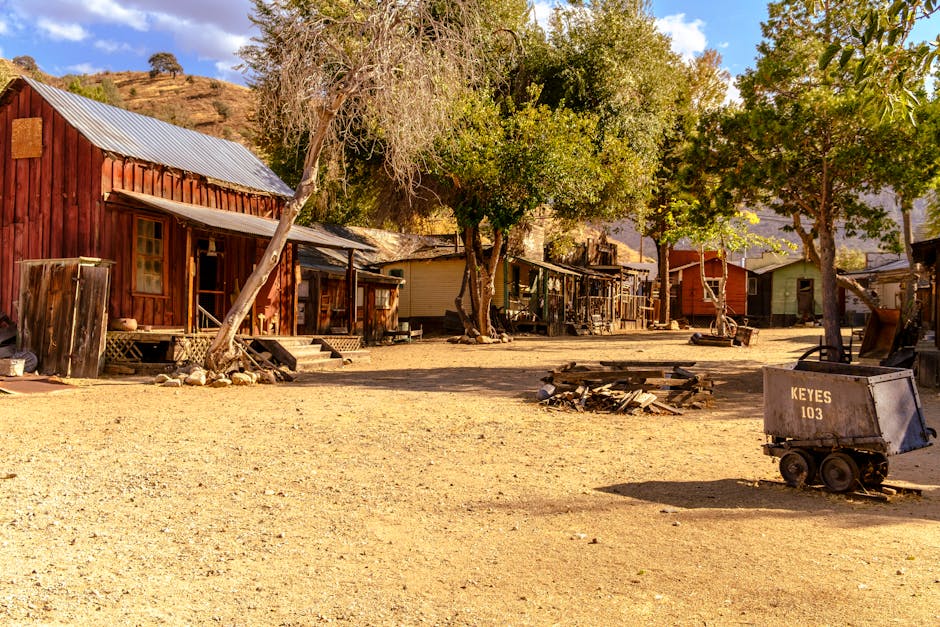
These destinations remind us that history lives on when communities choose to protect their roots. They offer more than scenery. They provide a tangible link to the people and events that shaped the nation.
Preserving such places ensures future generations can experience the same sense of wonder and connection to the past. In a fast changing world, these spots stand as quiet guardians of cultural memory.

- 12 Classic TV Shows With Shocking Behind-the-Scenes Dramas You Never Knew - September 10, 2026
- 10 Novels That Were Initially Dismissed, Only to Become Timeless Masterpieces - September 10, 2026
- The ’80s Were a Wild Ride of Style and Sound That Changed Everything - September 10, 2026

