

For any feedback please reach out to info@festivalinside.com
- 12 Gardening Myths That Are Dramatically Hurting Your Plants (and How to Fix Them) - September 9, 2026
- 22 Bruce Springsteen Lyrics That Were Never About What People Thought - September 9, 2026
- 15 Famous Authors Whose Real Lives Were Dramatically Stranger Than Fiction - September 8, 2026
Many gardening practices have been passed down through generations, yet some of them quietly undermine plant health instead of supporting it. These persistent ideas often stem from good intentions but overlook how plants actually grow and respond to their environment. Understanding the difference can lead to stronger, more resilient gardens without extra effort.
Myth 1: Wilting Leaves Always Mean the Plant Needs Water
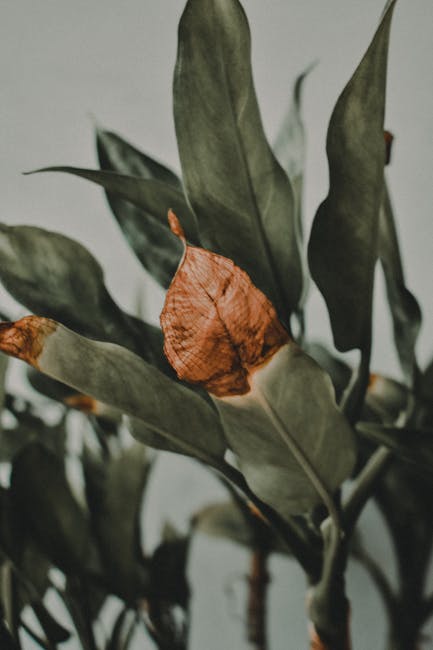
Gardeners often assume drooping foliage signals immediate thirst because that is the most visible sign of stress in many plants. This belief persists from simple observation without checking other factors like soil conditions or root issues. In reality, wilting can result from overwatering, poor drainage, or even root rot, which drowns the roots and prevents water uptake.
The harm comes when extra water is added to already saturated soil, worsening decay and inviting fungal problems. Instead, check the soil moisture a few inches down with a finger or tool before watering. Allow the top layer to dry slightly between sessions, and improve drainage if the soil stays soggy for long periods.
Myth 2: Watering Plants Every Day Keeps Them Healthy
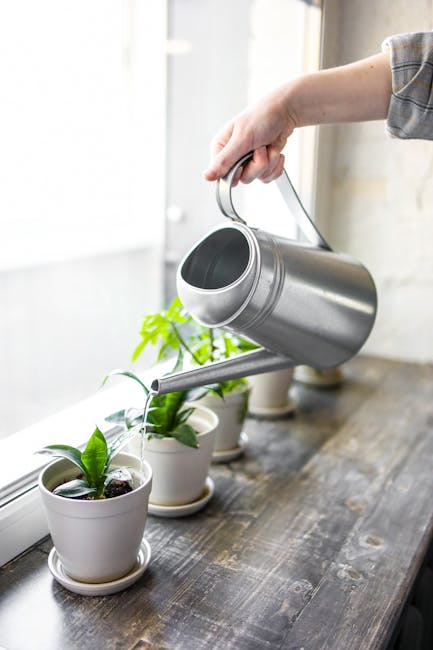
Daily watering seems like attentive care, especially during warm weather when surfaces dry quickly. People follow this routine because it feels consistent and prevents any chance of drought. Yet frequent shallow watering encourages weak, shallow roots that struggle during dry spells and makes plants more vulnerable to disease.
Deep, infrequent watering builds stronger root systems that reach farther for moisture and nutrients. Water thoroughly until it drains from the bottom, then wait until the soil feels dry at the appropriate depth for the plant type. Adjust frequency based on weather, soil, and plant needs rather than a fixed schedule.
Myth 3: Adding Gravel or Rocks at the Bottom of Pots Improves Drainage
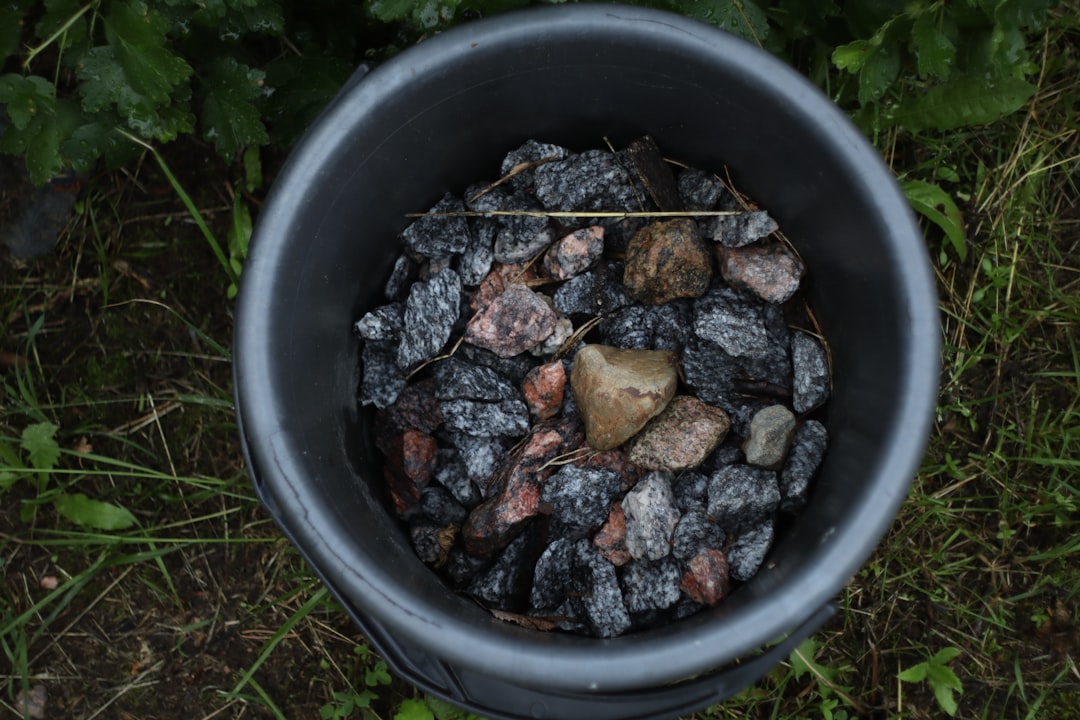
Many gardeners place a layer of gravel in containers believing it creates better water flow and prevents soggy roots. This practice comes from older advice that treated pots like miniature raised beds. In truth, the gravel creates a perched water table where moisture collects above the layer, keeping soil wetter longer and promoting root rot.
Plants suffer from reduced oxygen around the roots and increased risk of fungal infections. Skip the gravel entirely and choose pots with ample drainage holes instead. Use a well-draining potting mix suited to the plant, and water only when the top inch or two feels dry.
Myth 4: Coffee Grounds Make a Universal Fertilizer for Every Plant
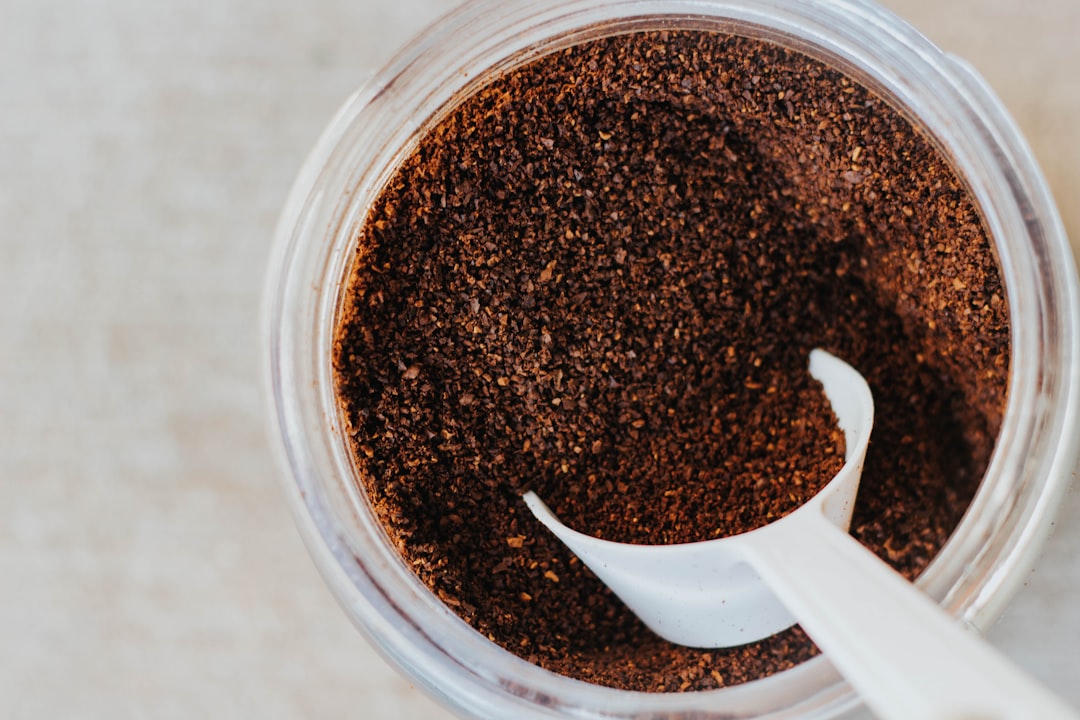
Used coffee grounds appear as a free, natural boost because they contain some nitrogen and improve soil texture. Gardeners spread them widely after hearing they acidify soil or feed microbes. Fresh grounds can be acidic, but used ones are nearly neutral and may compact over time, limiting air and water movement.
Overapplication can stunt growth in plants that prefer alkaline conditions or create uneven nutrient balance. Apply grounds sparingly as a thin mulch around acid-loving plants like blueberries, or compost them first to break them down safely. Test soil pH before adding any amendment in quantity.
Myth 5: More Fertilizer Always Produces Bigger, Better Plants
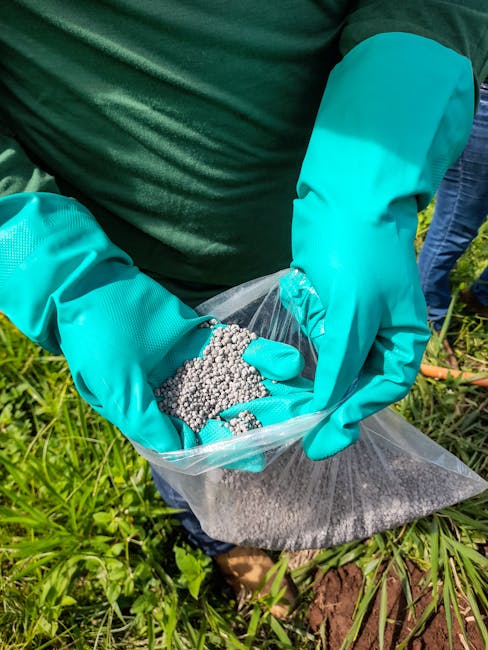
Extra fertilizer seems logical when growth slows, as nutrients are essential for development. This idea lingers from commercial product marketing that promises dramatic results. Excess salts build up in the soil, burning roots and disrupting the natural microbial life that supports healthy plants.
Plants may show lush leaves at first but then weaken, with poor flowering or fruiting and increased pest susceptibility. Follow label rates exactly and feed only during active growth periods. Consider soil tests to identify real deficiencies rather than guessing with blanket applications.
Myth 6: Watering Leaves in Sunlight Causes Burn Spots
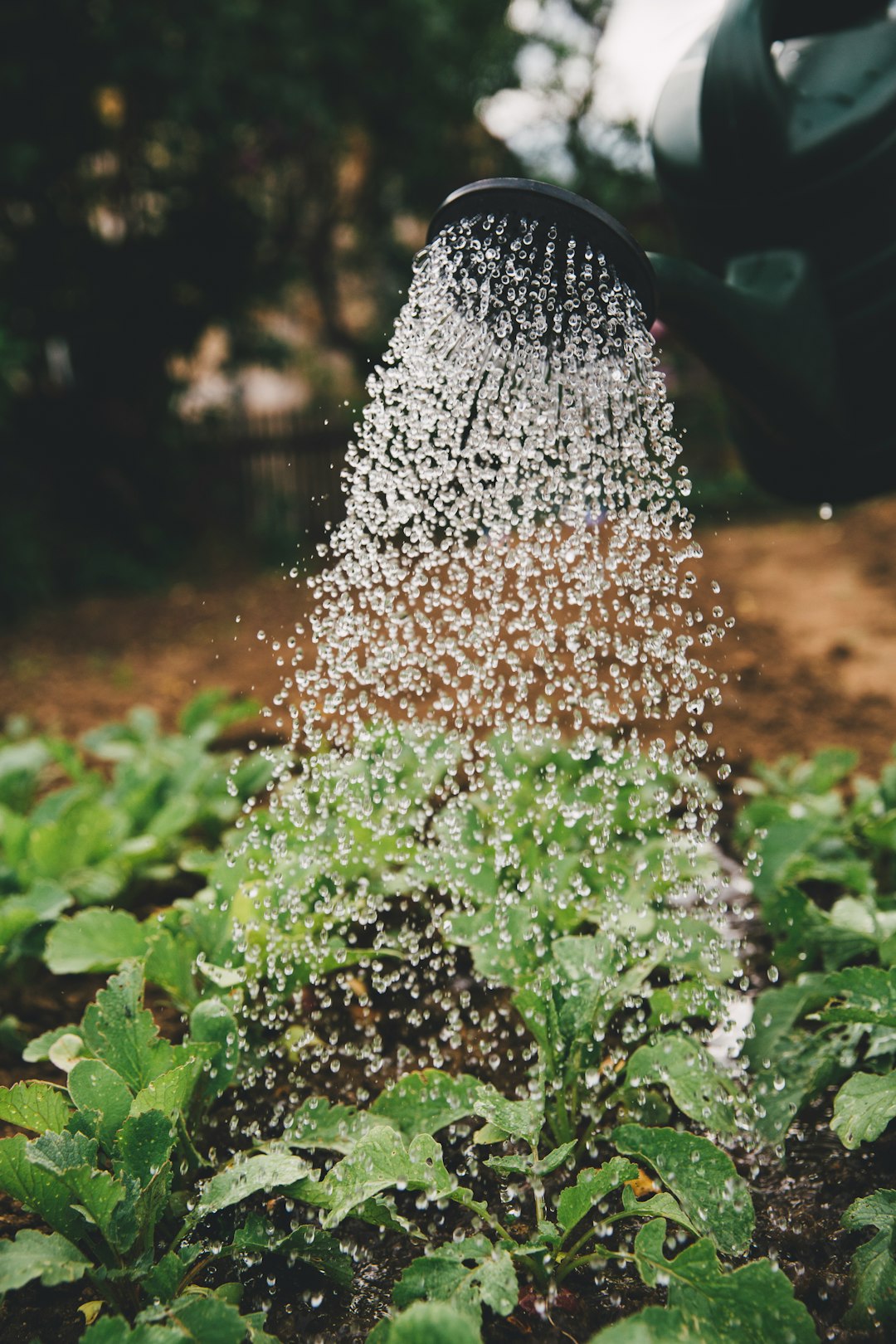
The notion that droplets act like magnifying glasses on sunny days has circulated for decades. Gardeners avoid midday watering to prevent supposed damage to foliage. Research shows this rarely happens on most plants, though prolonged wet leaves can encourage fungal diseases if humidity stays high overnight.
The real issue arises from watering late in the day rather than from sunlight itself. Water early in the morning so leaves dry quickly, focusing moisture at the soil level. This approach reduces disease pressure while delivering water where roots need it most.
Myth 7: Pine Needles Will Make Soil Too Acidic for Most Plants
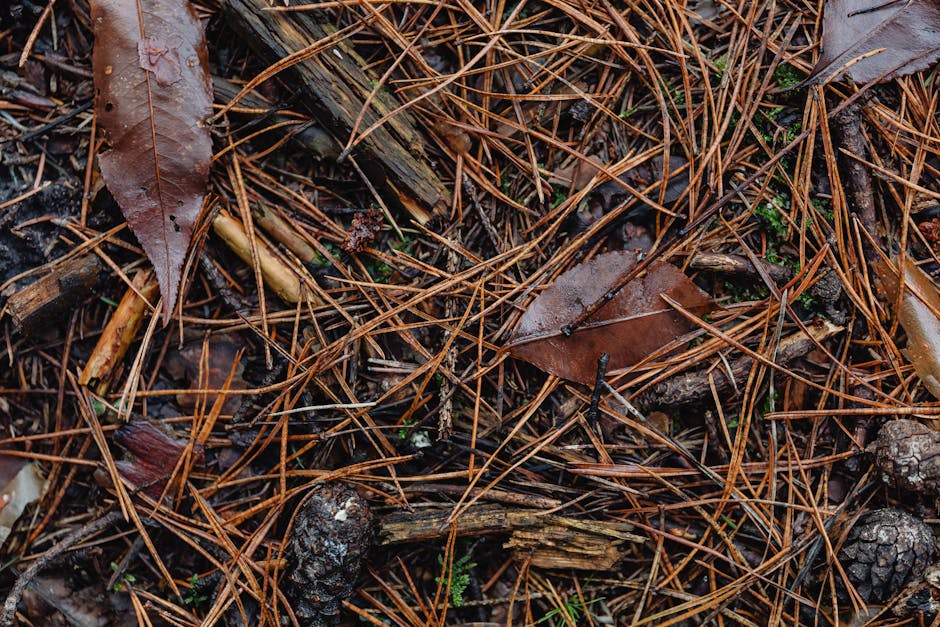
Fresh pine needles test acidic, leading many to avoid them as mulch around neutral or alkaline-loving plants. The concern stems from visible needle color and texture. As needles break down, soil microbes neutralize the acidity, so the effect on overall pH remains minimal in most garden settings.
Plants rarely suffer from this myth, yet avoiding pine needle mulch wastes a free, long-lasting material that suppresses weeds and conserves moisture. Use pine needles freely as mulch, mixing them with other organic matter if desired. Monitor soil pH every few years with a simple test kit for peace of mind.
Myth 8: Burying Banana Peels Adds Valuable Potassium to the Soil
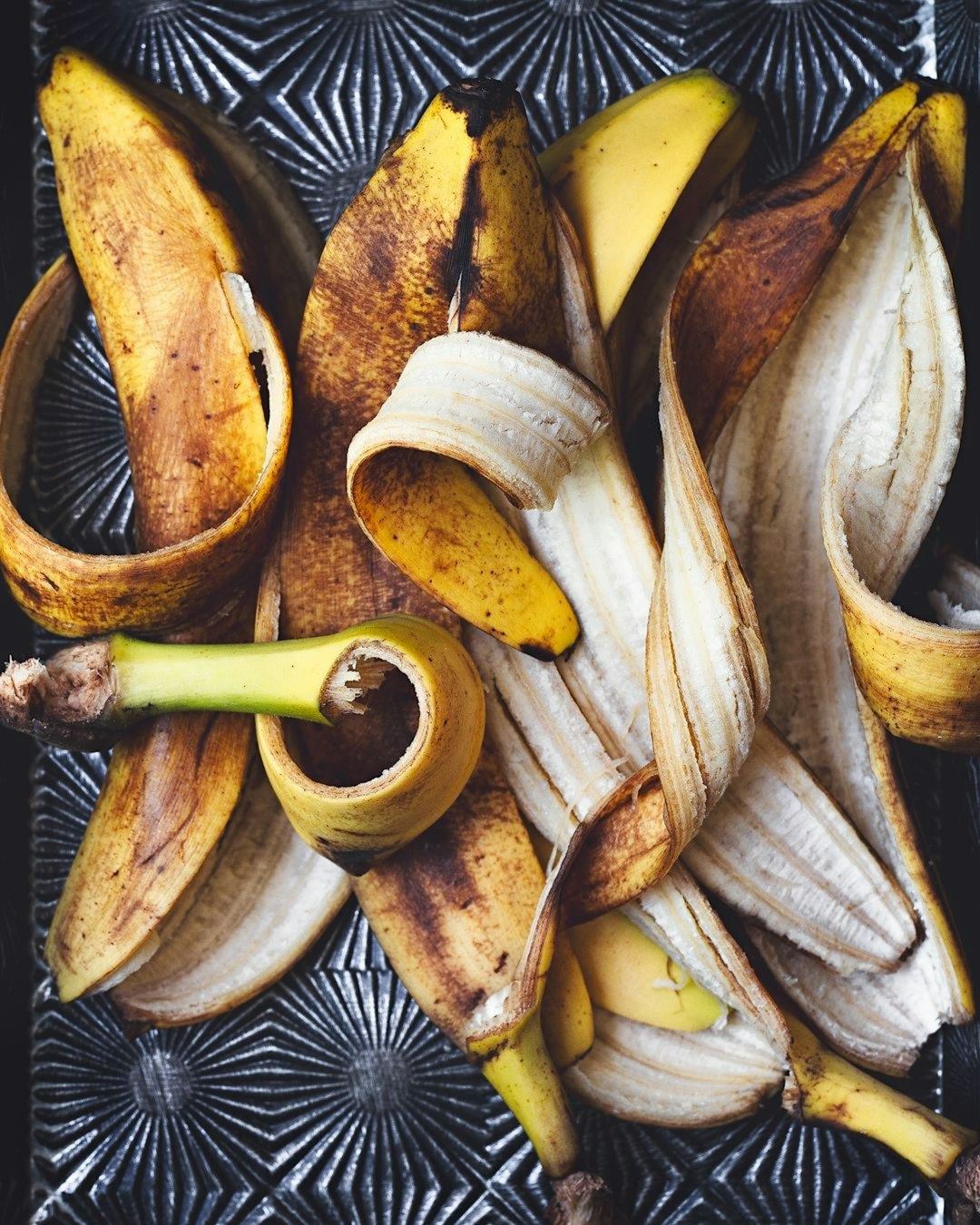
Banana peels contain potassium, so gardeners bury them near plants expecting stronger blooms and fruit. This practice feels resourceful and ties into home composting habits. The peels break down slowly and may attract pests or create uneven nutrient pockets without delivering meaningful amounts to roots.
Plants gain little benefit while the soil around the peels can become compacted or anaerobic. Compost peels properly with other kitchen scraps instead, then apply the finished compost evenly across beds. Rely on balanced organic fertilizers or soil amendments when potassium tests low.
Myth 9: Topping Trees Controls Their Height Effectively
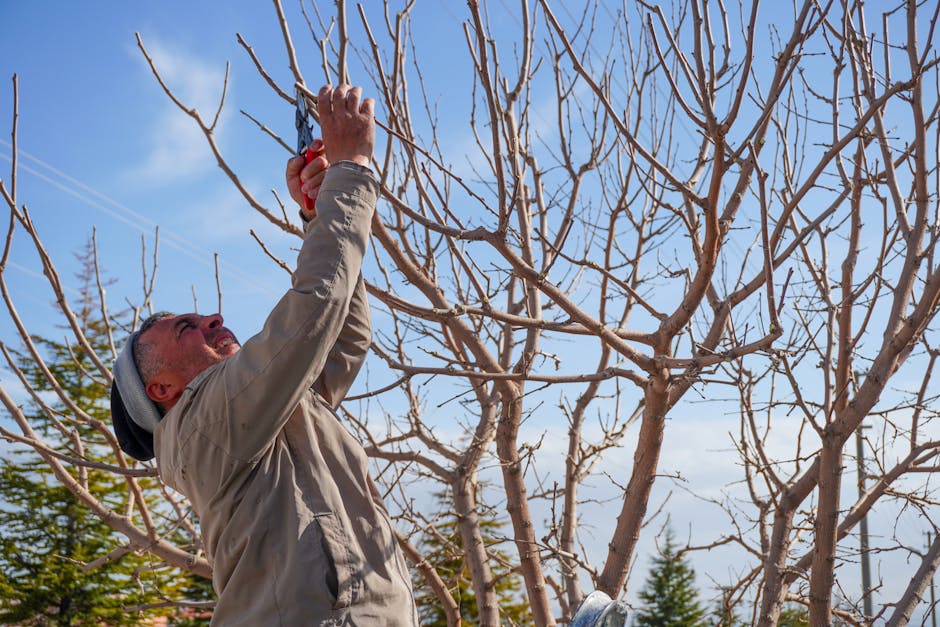
Topping seems like a quick way to manage tall trees near structures or power lines. Homeowners choose this method because it appears to reduce size immediately. The cuts trigger rapid, weak regrowth that is more prone to breakage and disease, ultimately making the tree less stable and more hazardous.
Repeated topping stresses the tree and shortens its lifespan. Hire an arborist for proper pruning that removes branches at the branch collar while preserving the natural shape. Choose smaller tree varieties at planting time if space is limited.
Myth 10: You Can Never Add Too Much Compost to Garden Soil
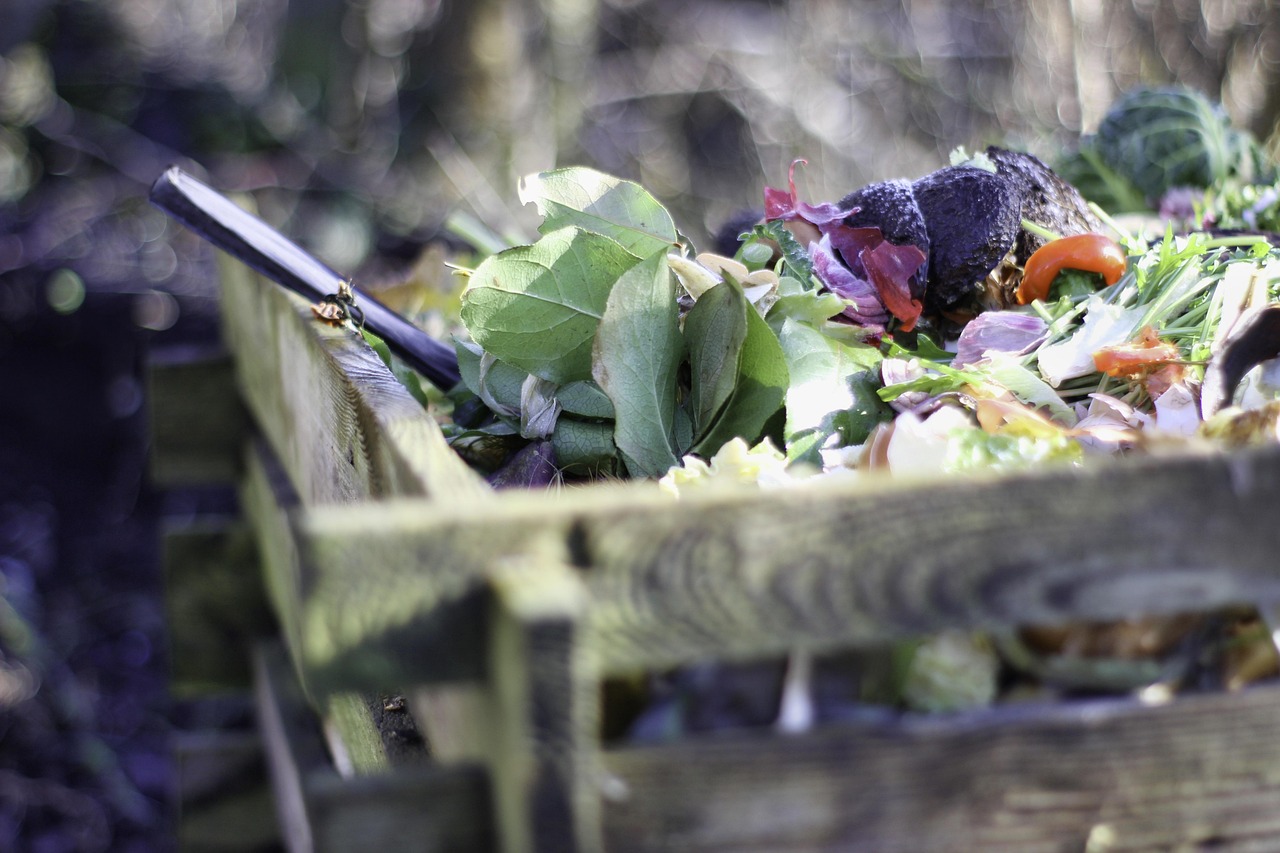
Compost improves structure and fertility, so more appears better for tired beds. Gardeners pile it on generously after learning about its benefits. Excessive amounts can create nutrient imbalances, raise salinity, or alter pH in ways that hinder certain plants.
Roots may struggle in overly rich mixes, and beneficial microbes can become overwhelmed. Mix compost at a ratio of one part to two or three parts existing soil when amending beds. Apply a thin layer as top dressing annually rather than burying large quantities at once.
Myth 11: Wood Chip Mulch Robs Nitrogen from the Soil
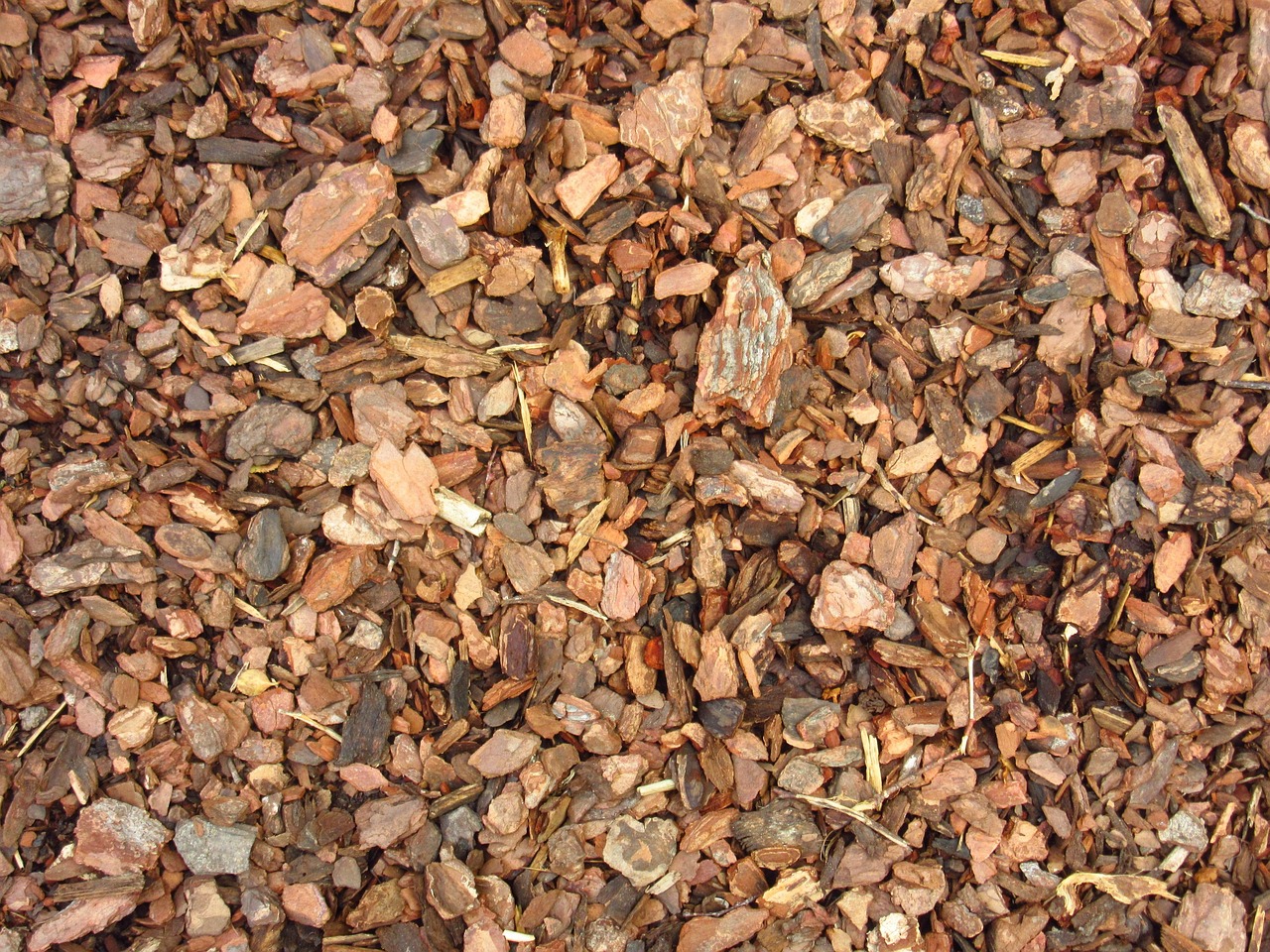
Fresh wood chips can temporarily tie up nitrogen as they decompose, leading gardeners to avoid them near plants. This observation comes from early stages of breakdown in some soils. The effect stays localized and short-lived, while the mulch ultimately improves soil health and moisture retention over time.
Plants rarely show deficiency when chips are used correctly, yet many skip this valuable material. Keep chips a few inches away from stems and trunks, and add a light nitrogen fertilizer only if new plantings show yellowing. Replenish the layer as it breaks down naturally.
Myth 12: All Fallen Leaves Must Be Raked and Removed in Autumn
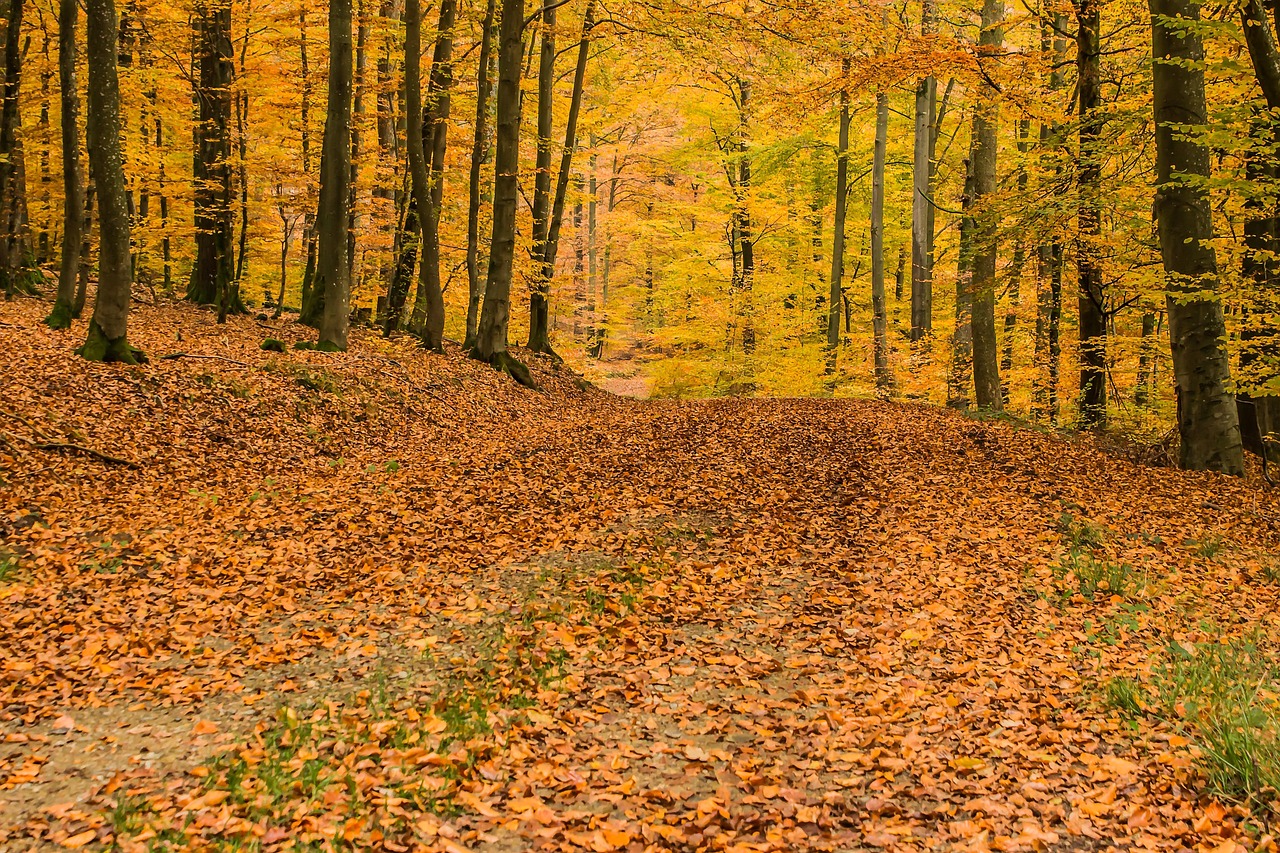
Neat gardens prompt complete leaf cleanup each fall to prevent perceived mess or disease. This habit developed from traditional lawn care standards. Leaving some leaves in place protects soil life, adds organic matter, and provides winter habitat for beneficial insects and amphibians.
Complete removal strips away free nutrients and disrupts the garden ecosystem. Shred leaves lightly and spread them back as mulch around trees and shrubs, or compost the excess. Keep pathways and turf clear while preserving leaf cover in beds and borders.
Smart gardening grows from questioning old habits and observing what actually works in each yard. Small adjustments based on how plants respond often yield healthier results than following every piece of advice that sounds helpful. Over time, these changes create gardens that thrive with less intervention and more satisfaction.

Christian Wiedeck, all the way from Germany, loves music festivals, especially in the USA. His articles bring the excitement of these events to readers worldwide.
For any feedback please reach out to info@festivalinside.com
