

- 15 Classic Movie Endings That Left Audiences Absolutely Speechless for Decades - September 9, 2026
- The Most Dramatic Feuds in Classic Rock History That Shook the Music World - September 9, 2026
- 10 Literary Masterpieces That Were Dramatically Misunderstood by Their First Readers - September 8, 2026
Johnny Cash wrote songs that sounded straightforward at first listen. Beneath the steady rhythms and plainspoken words sat layers of pain, regret, faith, and hard-won wisdom drawn straight from his own life. Those hidden depths turn familiar tracks into something far more personal once the stories behind them come into view.
Hurt
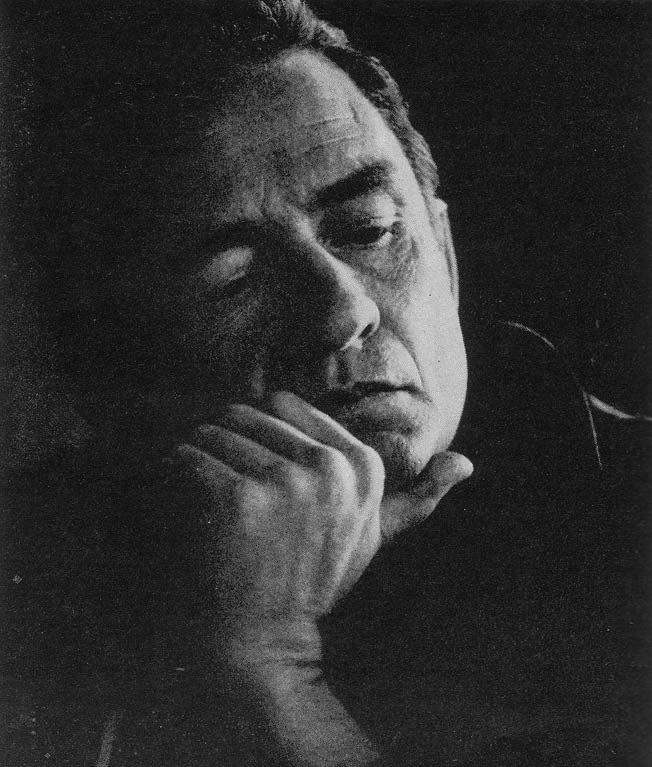
The lyric “Everyone I know goes away in the end” lands like a quiet admission of loss. Cash recorded the song late in life, his voice cracked and weary, turning Trent Reznor’s original into a reflection on addiction and fading strength.
His own decades of pill dependence and the deaths of close friends and family gave every line extra weight. The video, filmed in his own museum, showed him surrounded by memories and trophies that suddenly felt empty. Listeners who know the timeline of his health struggles hear a man taking stock of everything he could not fix.
The Man Comes Around
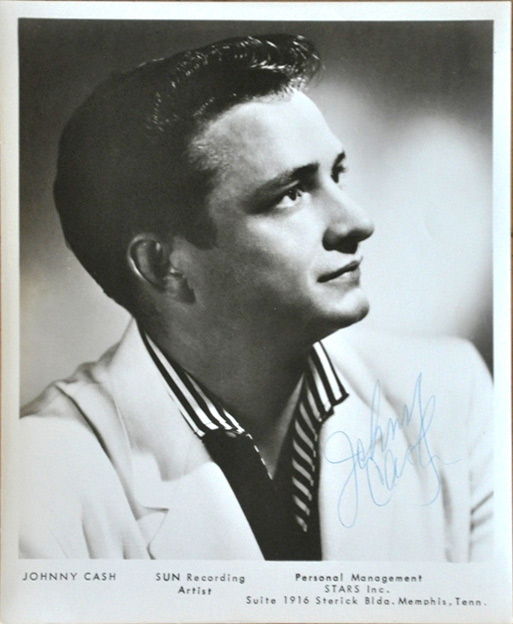
Cash opens with biblical imagery of judgment and redemption. He spent more time writing this song than any other, drawing directly from the Book of Revelation.
The deeper message is a personal warning to choose faith before time runs out. Recorded during his final years, the track carries the urgency of someone who had faced death more than once. It feels less like a sermon and more like a friend sharing hard-won truth.
A Boy Named Sue

The story of a father who gives his son a girl’s name to toughen him up seems like pure comedy at first. Shel Silverstein wrote the words, yet Cash’s live delivery at San Quentin made them feel lived-in.
The song actually mirrors Cash’s own rough childhood and the absence of his father during long tours. Once you know how often Cash spoke about needing grit to survive, the punchline becomes a lesson in resilience rather than just a joke.
Sunday Morning Coming Down
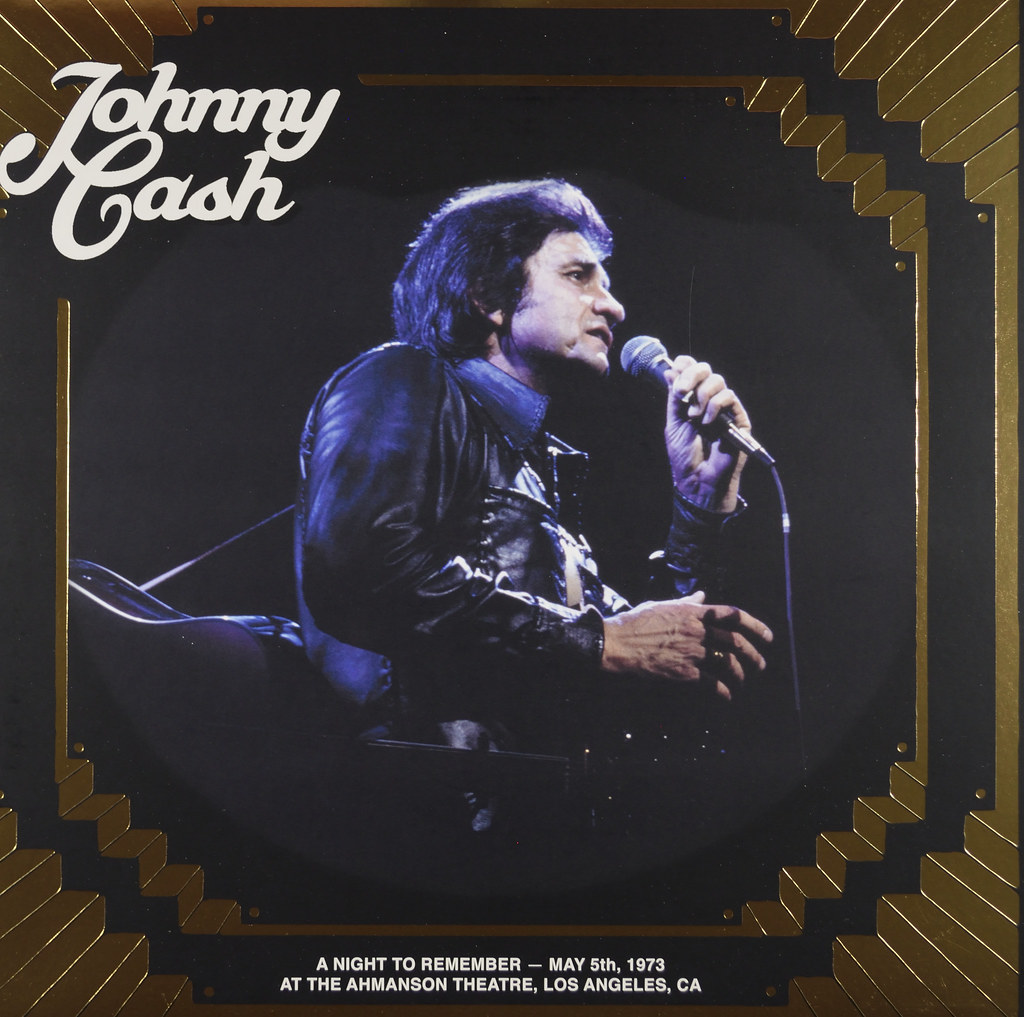
Kris Kristofferson’s words describe waking up alone after a night of excess, the smell of Sunday cooking drifting through an empty apartment. Cash chose to sing the original line about wishing he was stoned, refusing network censorship.
The track captures the quiet aftermath of addiction that Cash knew too well. Hearing it now, the loneliness feels less like a story and more like a diary entry from someone who had been there many times.
Ring of Fire
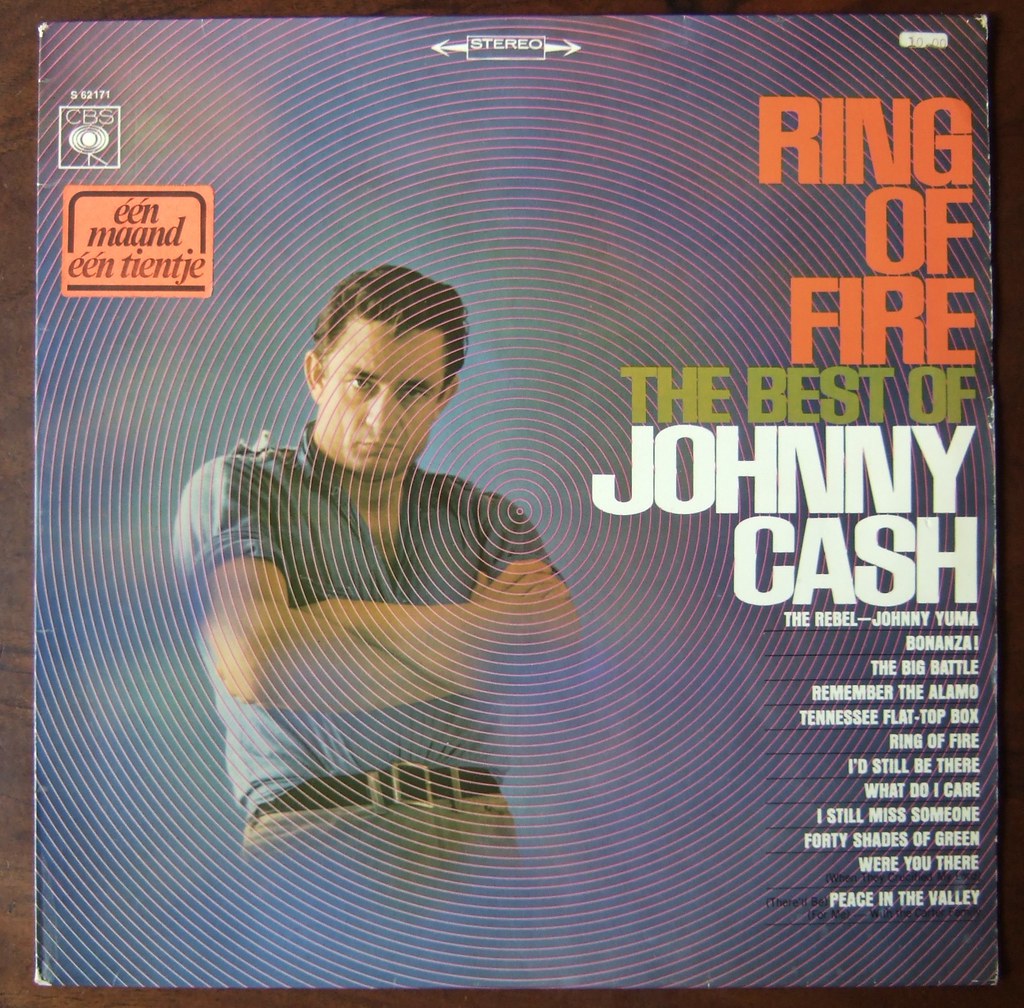
The image of falling into a burning ring captures the overwhelming pull of new love. June Carter and Merle Kilgore wrote it, and Cash’s version turned it into one of his signature hits.
Behind the romance sits the real story of Cash leaving his first marriage and battling the chaos that followed. The fire represents both passion and the pain that came with it. Once that context is clear, the upbeat horns sound almost defiant.
Folsom Prison Blues
“I shot a man in Reno just to watch him die” is delivered with chilling calm. Cash never committed that crime, yet he recorded the song live inside actual prisons twice.
The line grew from his empathy for inmates and his own brushes with the law during addiction years. Listeners who know those prison concerts hear genuine solidarity rather than mere storytelling.
I Walk the Line
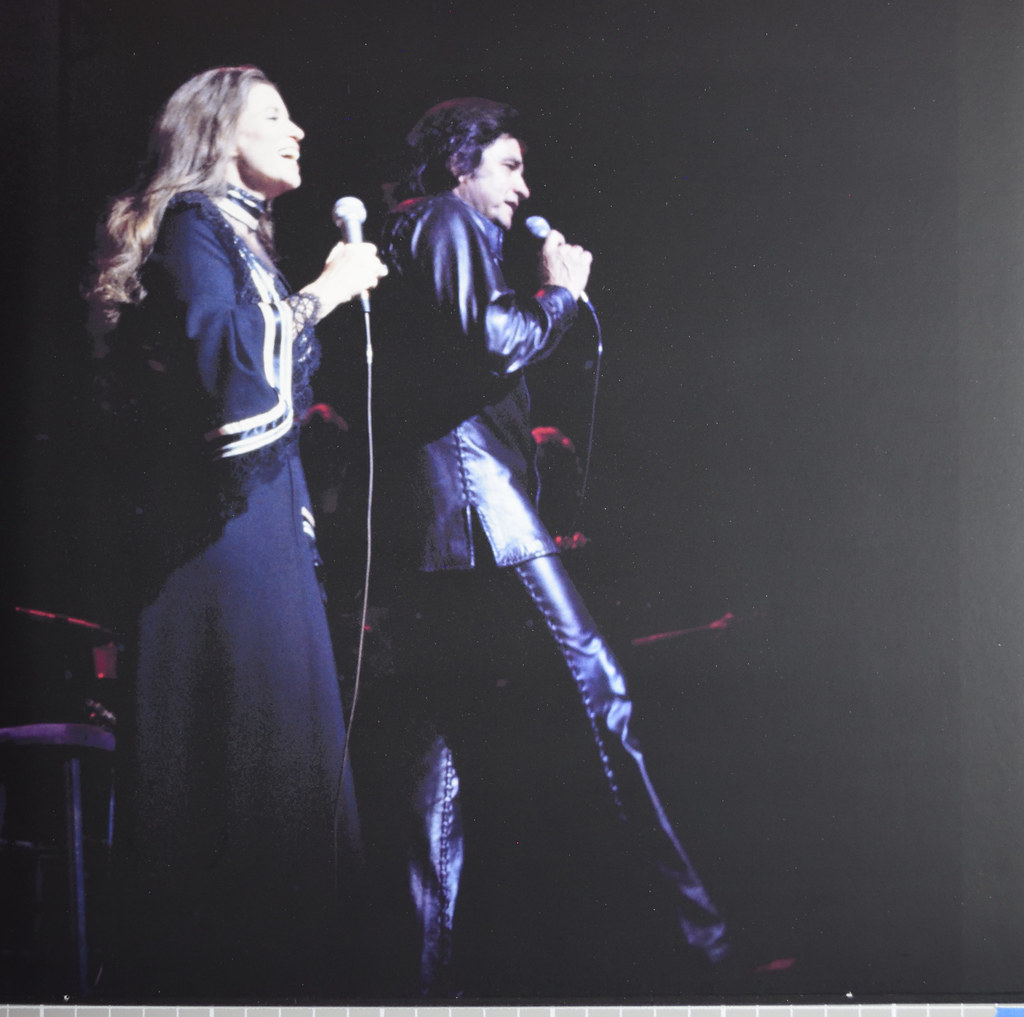
The simple vow to stay faithful was written as a reassurance to Cash’s first wife while he toured. He used a unique tape-loop trick to create the steady rhythm that feels like a heartbeat.
Years later the song reads as both promise and confession, given how many times Cash struggled to keep that line. The steady beat now carries the weight of repeated attempts at redemption.
Give My Love to Rose
A dying prisoner asks a stranger to carry a message to his wife back home. Cash wrote it after meeting an ex-con outside San Quentin who made the same request.
The quiet dignity in the request reflects Cash’s respect for men society had written off. Knowing the real encounter turns the song into an act of witness rather than fiction.
What Is Truth
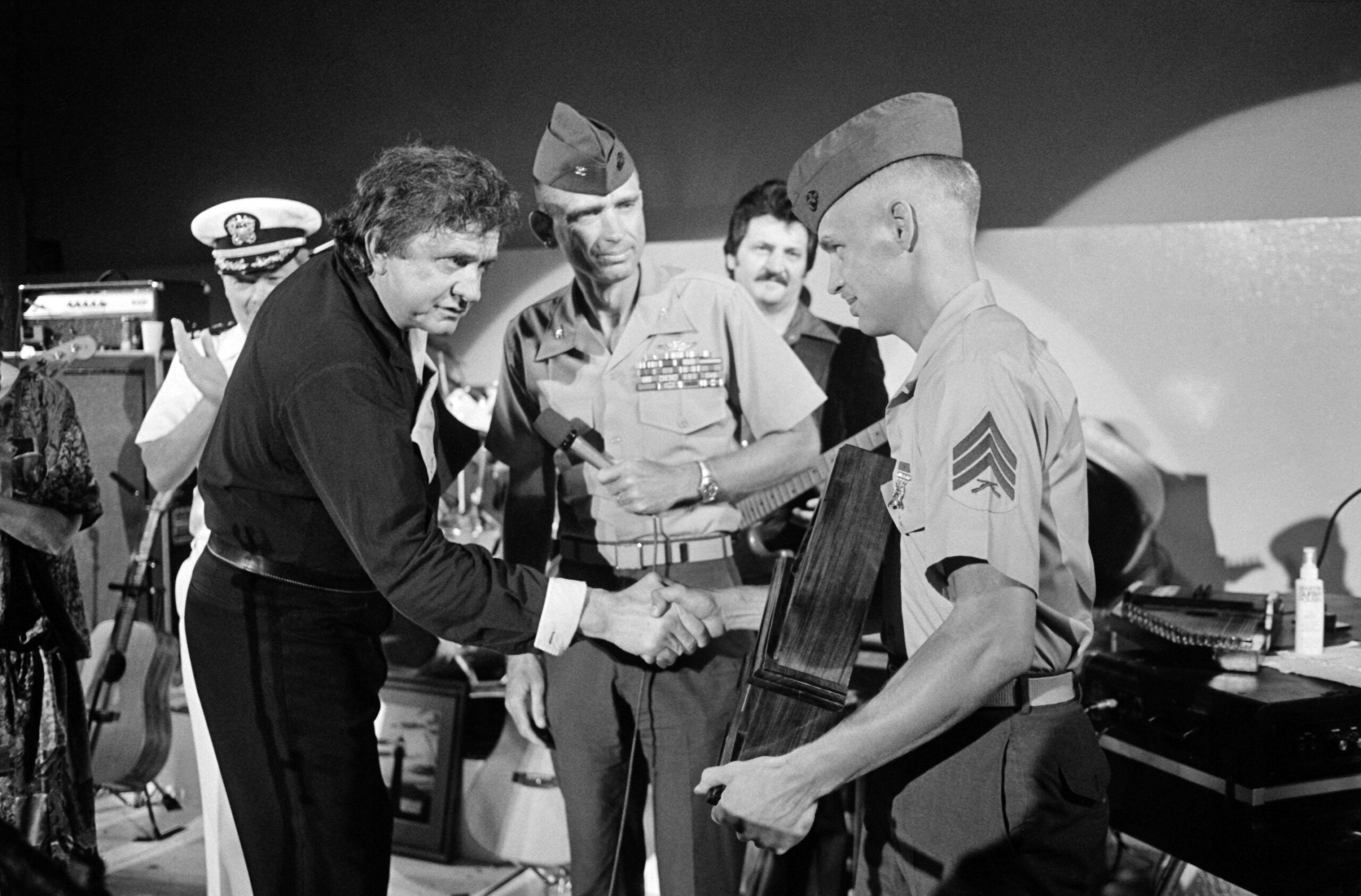
Cash questions authority and defends young people questioning the Vietnam War. He performed it on his television show despite network pressure.
The song grew from his own evolving views on war and justice after visiting troops and prisons. Once you place it in that era, the lyrics feel like a direct challenge rather than abstract commentary.
God’s Gonna Cut You Down
The warning that no one escapes judgment comes with a driving beat and stark imagery. Cash recorded it during his American Recordings sessions with Rick Rubin.
His lifelong wrestling with faith and failure gives the threat real urgency. The track now sounds like a man who had stared at his own ledger and accepted the final accounting.
Cocaine Blues
A man shoots his unfaithful wife and ends up on the run. Cash sang it with dark humor that masked the real cost of the lifestyle he knew firsthand.
The song draws from his own arrests and the cycle of using and regretting. Hearing it after learning about those years makes the laughter in his voice feel like gallows humor.
Long Black Veil
A man hangs for a murder he did not commit because he refuses to reveal an affair. The narrator’s silence protects the woman he loved.
Cash’s delivery carries the weight of loyalty and sacrifice he valued in his own relationships. The mystery becomes more moving once you connect it to his code of honor.
The Beast in Me

Nick Lowe wrote the song about inner demons that never fully leave. Cash made it his own during the later American sessions.
The beast represents the addiction and anger that followed him for decades. Knowing how close Cash came to losing everything makes the plea for control feel deeply personal.
Jackson
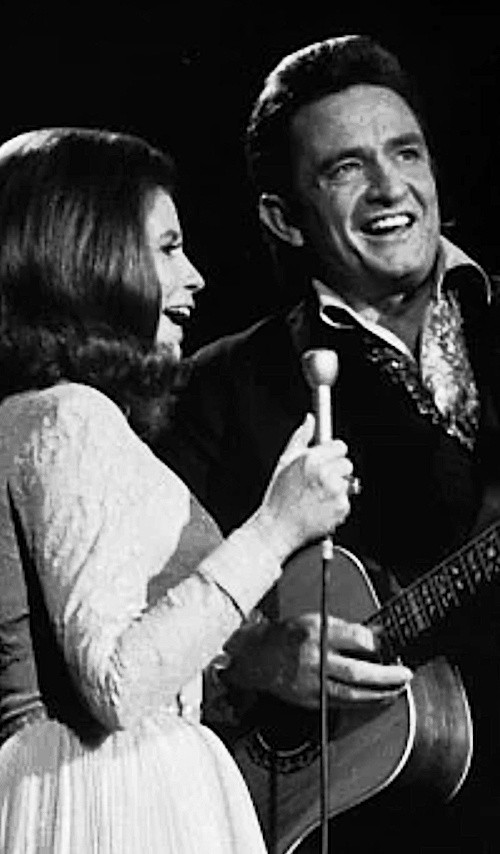
The playful duet with June Carter about heading to Jackson to “mess around” hides real marital tension. They recorded it while their own relationship was still new and complicated.
The back-and-forth banter now carries the spark of two people who had already lived through plenty of fire. Their chemistry turns the song into a snapshot of hard-won partnership.
One
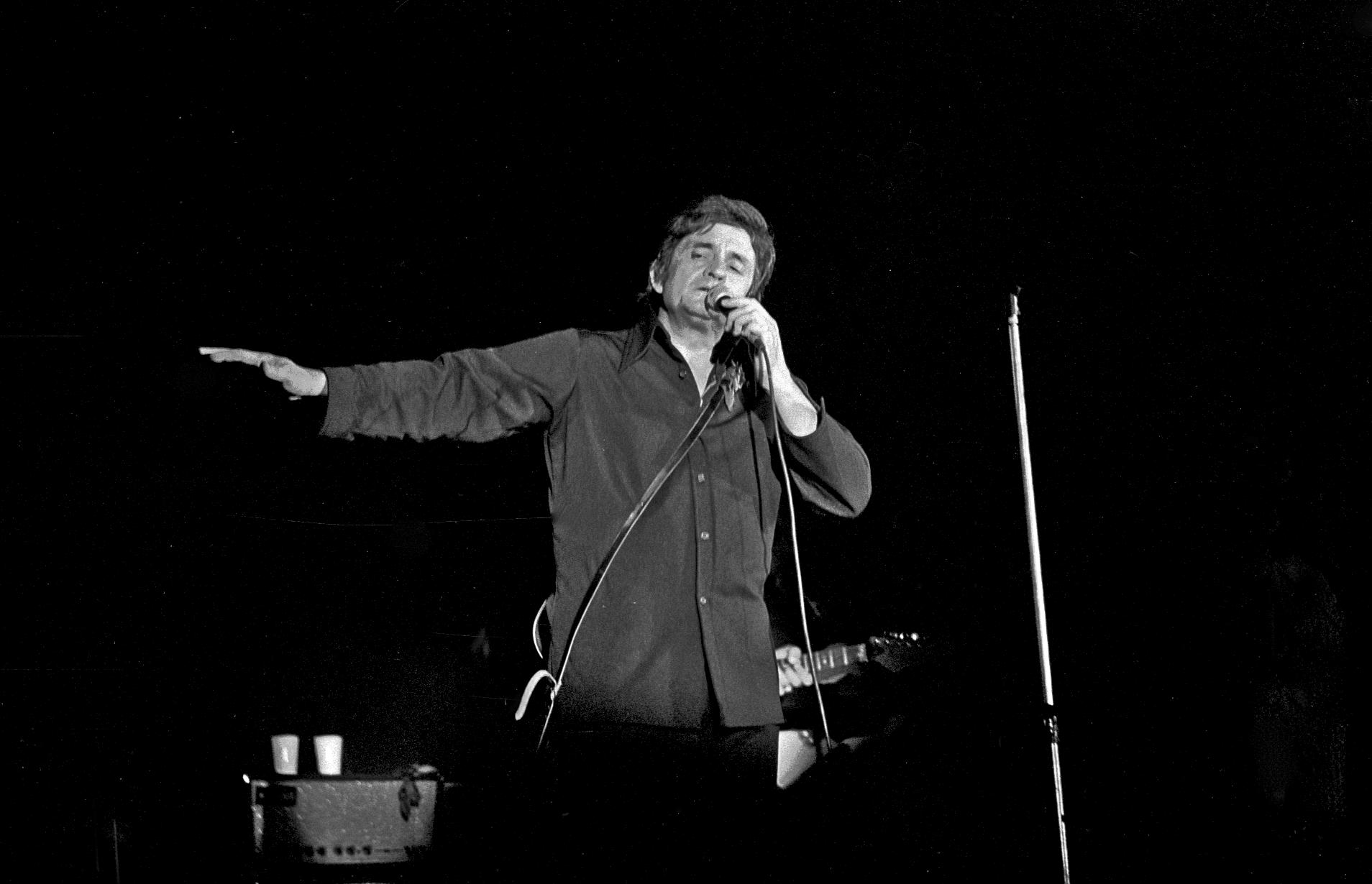
Cash covered the U2 song about fractured love and the difficulty of starting over. His version strips away the original’s energy and leaves only regret.
Recorded near the end of his life, it echoes the many restarts he attempted after addiction and divorce. The spare arrangement lets every word land like a final reflection.
Hey Porter
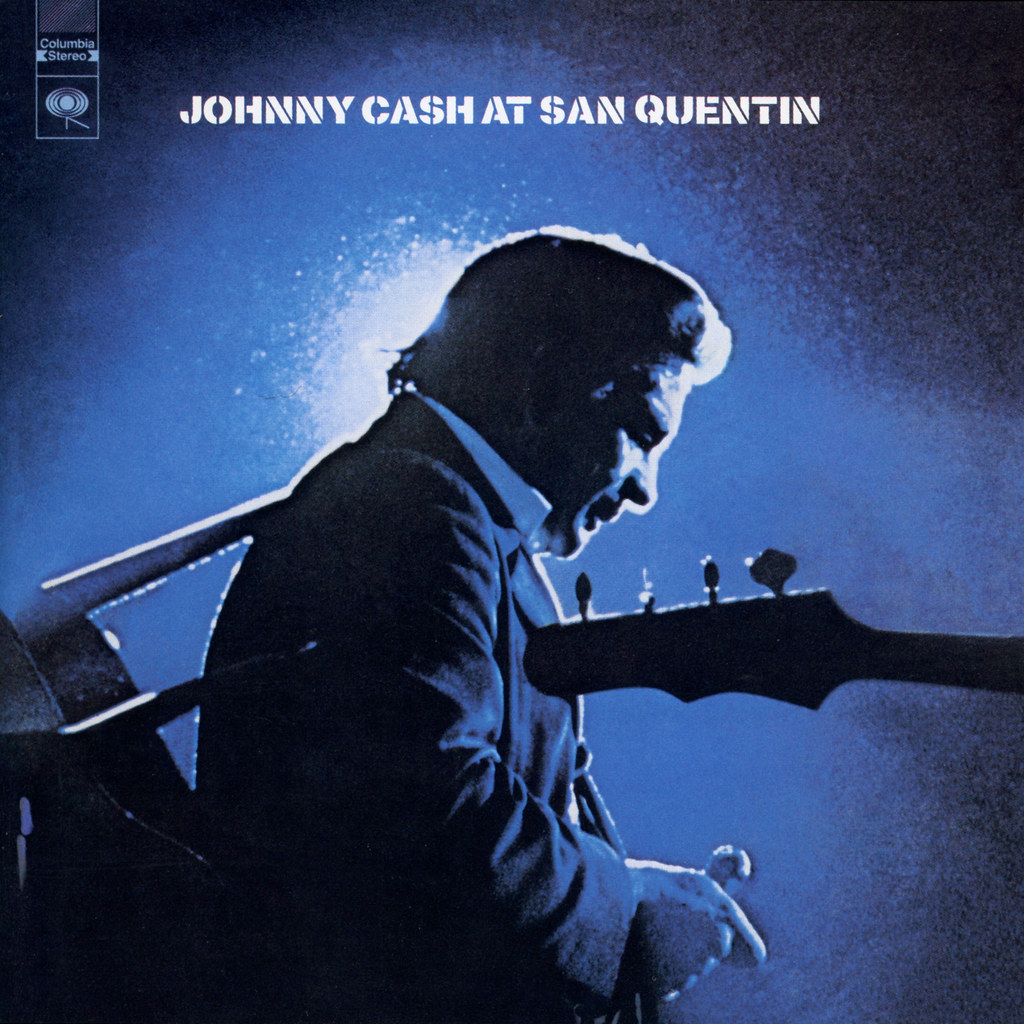
A homesick traveler asks the porter when the train will reach the South. Cash wrote it while serving in the Air Force overseas.
The longing for home mirrors the rural Arkansas childhood he often returned to in song. The simple request gains warmth once you know how far he had traveled from those roots.
Home of the Blues
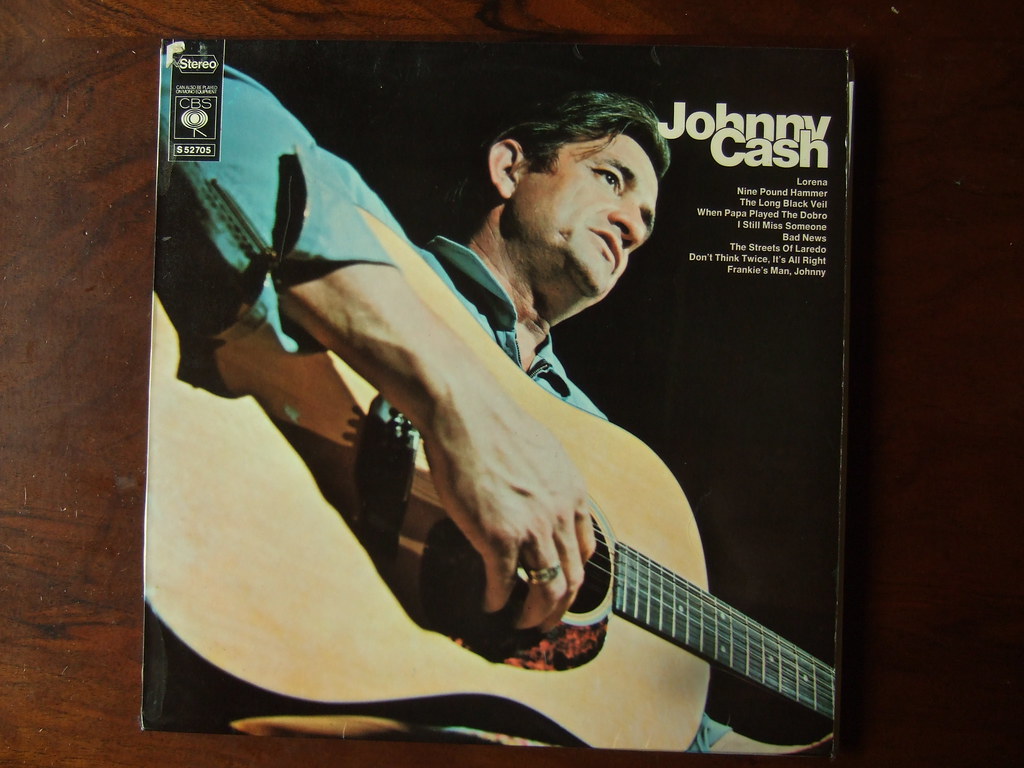
The song describes a place where broken hearts gather. Cash drew the title from a real Memphis record shop he visited often.
It captures the emotional low points he experienced during early career struggles and personal losses. The address now feels like a map of his own heartaches.
I Got Stripes

The narrator counts the stripes on his prison uniform and the years ahead. Cash performed it for inmates who recognized the reality behind the words.
His own short jail stays and empathy for prisoners give the count a heavier toll. The upbeat tempo contrasts with the grim future the lyrics describe.
Man in Black

Cash explains why he wears black: for the poor, the imprisoned, and the forgotten. He wrote it as a statement of purpose during the height of his fame.
The choice of color became his lifelong uniform after personal tragedies and social awareness grew. The explanation now reads as both fashion and moral stance.
Ragged Old Flag
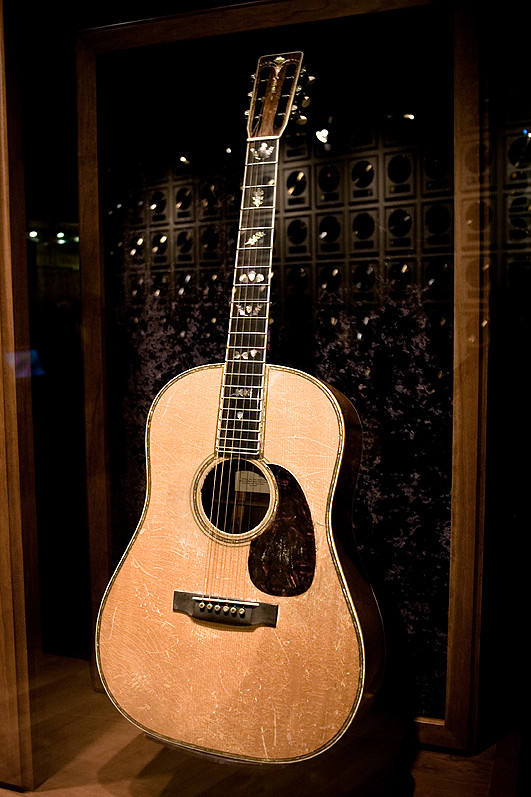
An old flag tells its story of surviving wars and neglect. Cash wrote it during the bicentennial as a tribute to resilience.
The flag’s voice carries echoes of his own survival through addiction and loss. The patriotic tone gains depth when you remember how often Cash questioned authority.
The Wanderer

U2 wrote the song for Cash, about a man searching for meaning on the road. He recorded it with the band in his later years.
The wandering mirrors Cash’s own restless touring life and spiritual seeking. The final lines about finding no answers feel like quiet acceptance rather than defeat.
We’ll Meet Again
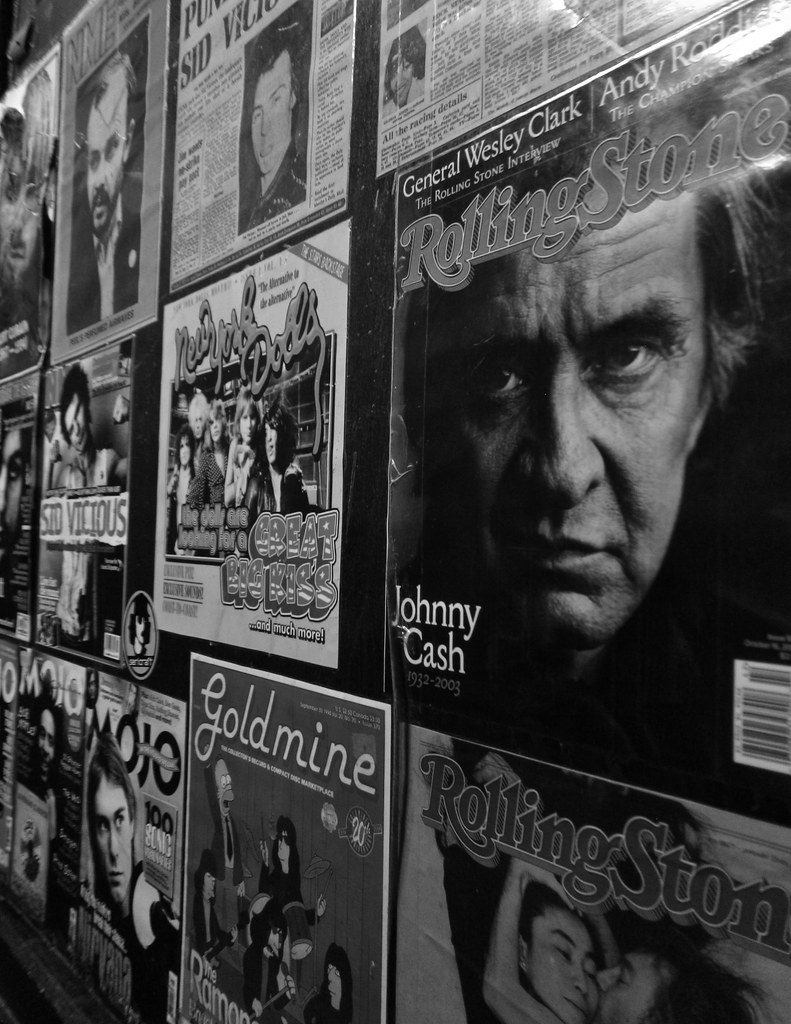
The wartime standard about reunion takes on new meaning in Cash’s frail voice. He placed it at the end of his final album.
Knowing he was saying goodbye to fans and family makes the promise of meeting again feel like a farewell. The gentle delivery turns nostalgia into grace.
Oh Bury Me Not
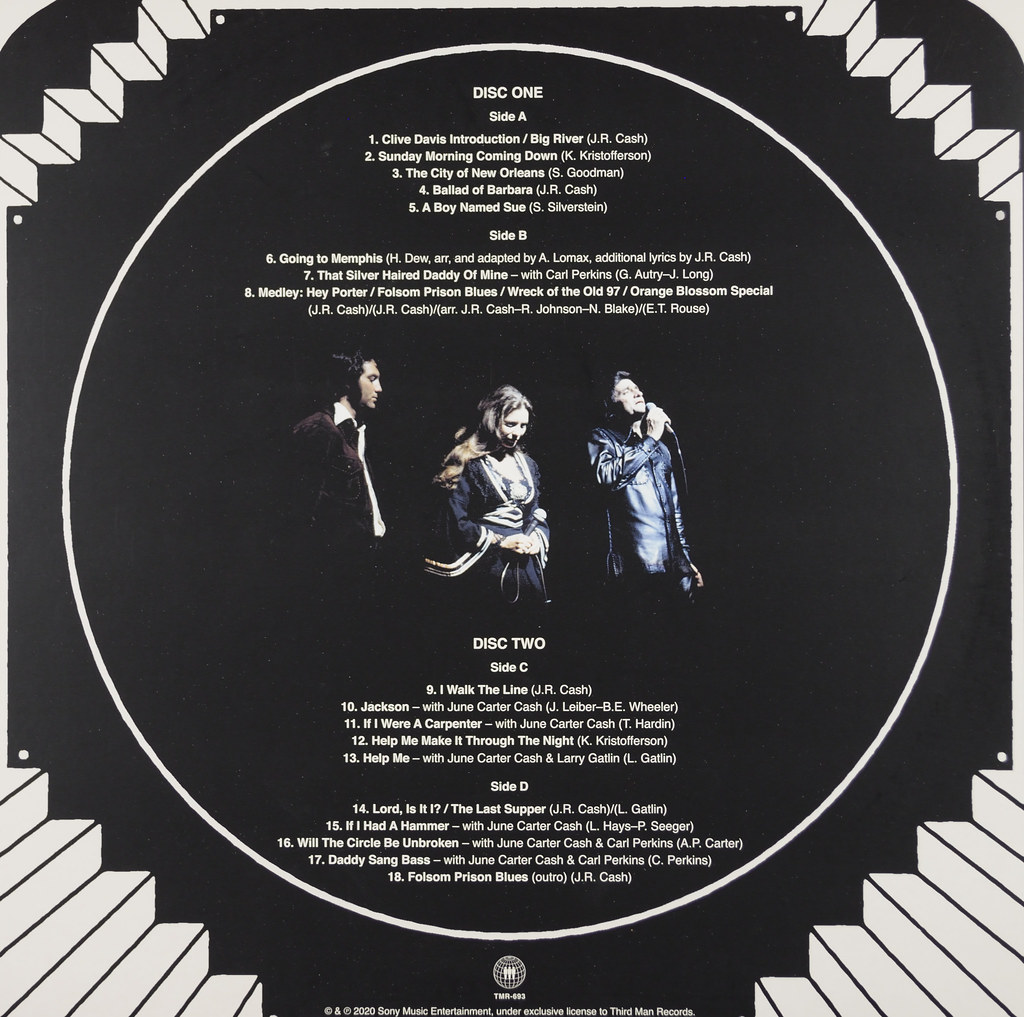
The cowboy plea to be buried on the lone prairie comes from an old folk song Cash revived. He recorded it during the American Recordings series.
The desire for a simple resting place reflects his roots and the peace he sought after a turbulent life. The request gains quiet dignity once you know how close he was to the end. Johnny Cash never hid his flaws, and that honesty is what keeps his songs alive. His willingness to sing about the darkest corners of his life turned ordinary words into lasting company for anyone who has faced their own struggles.

Besides founding Festivaltopia, Luca is the co founder of trib, an art and fashion collectiv you find on several regional events and online. Also he is part of the management board at HORiZONTE, a group travel provider in Germany.
