

For any feedback please reach out to info@festivalinside.com
- 15 Famous Authors Whose Real Lives Were Dramatically Stranger Than Fiction - September 8, 2026
- 12 Classic Rock Album Covers With Hidden Meanings That Dramatically Alter Perception - September 8, 2026
- 21 Eagles Lyrics That Sound Different Once You Know the Backstory - September 7, 2026
Many legendary authors lived lives filled with scandal, danger, obsession, or tragedy. Their personal experiences often shaped the stories they told in ways that feel larger than the pages they wrote.
Edgar Allan Poe
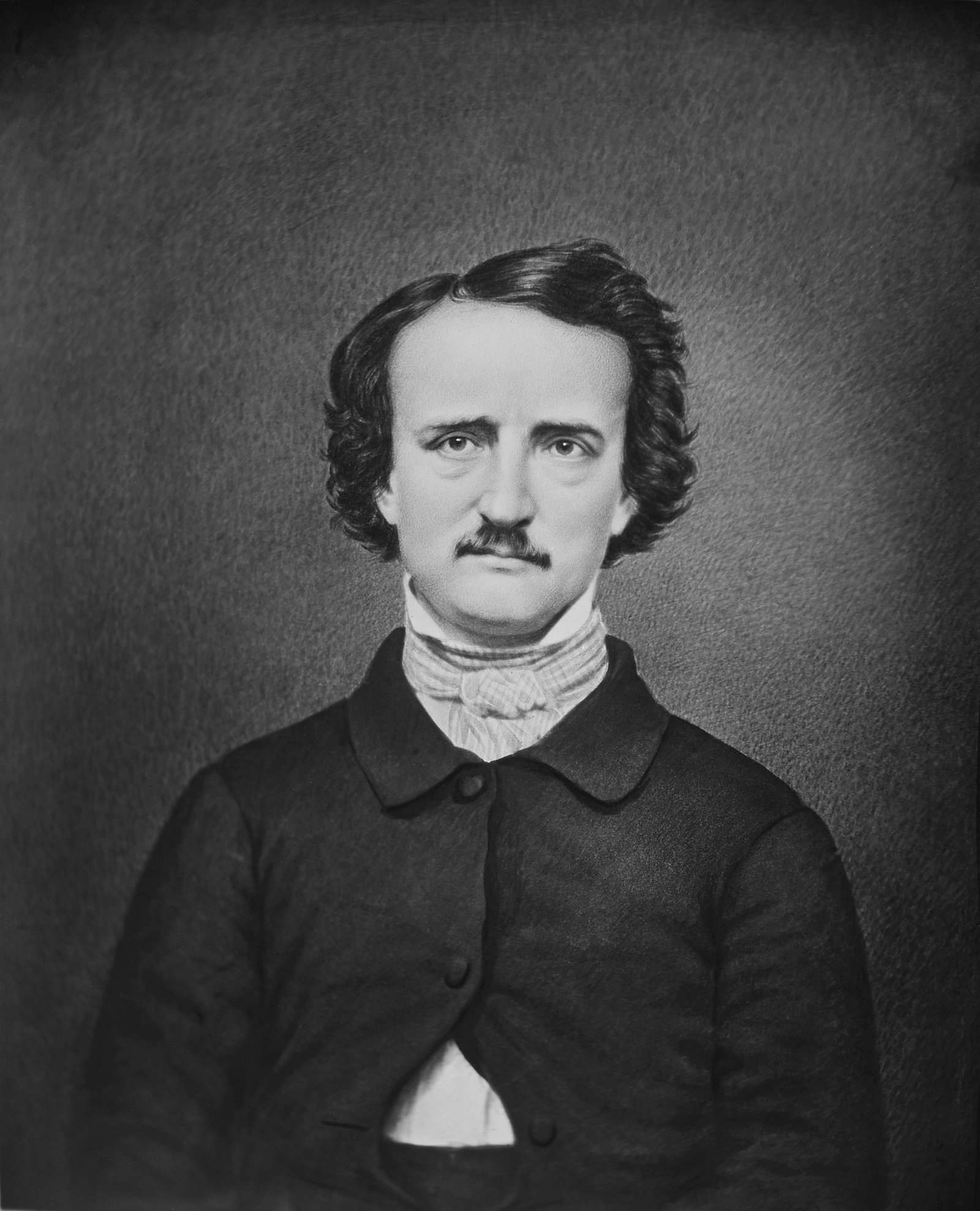
Edgar Allan Poe endured repeated financial hardship and personal loss throughout his adult years. He lost his wife to tuberculosis at a young age and struggled with alcohol use that affected his reputation and opportunities. These hardships fed directly into his gothic tales and poems, where themes of death, madness, and isolation recur with striking intensity.
Readers today remain drawn to Poe because his own story mirrors the eerie atmosphere of his fiction. His mysterious death in Baltimore still sparks debate among historians and fans alike. The contrast between his literary genius and his troubled existence keeps his biography compelling across generations.
Ernest Hemingway
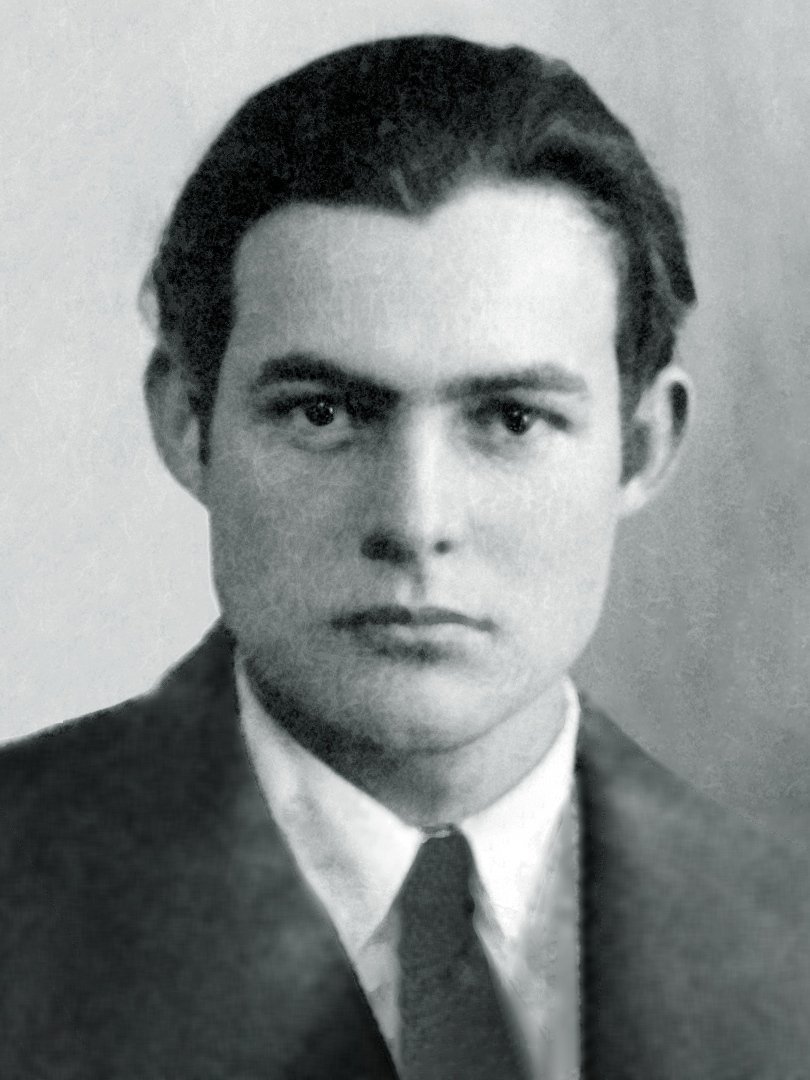
Ernest Hemingway survived multiple wars, plane crashes, and serious injuries that left lasting physical marks. He reported from the front lines in Europe and Africa while developing a distinctive writing style marked by brevity and understatement. His adventures supplied raw material for novels that explored courage, loss, and masculinity under pressure.
His larger than life persona continues to fascinate because it blurs the line between the man and the myth he helped create. People still visit the places he lived and wrote about, seeking traces of the experiences that informed his work. The tension between his public image and private struggles adds depth to his legacy.
Mary Shelley
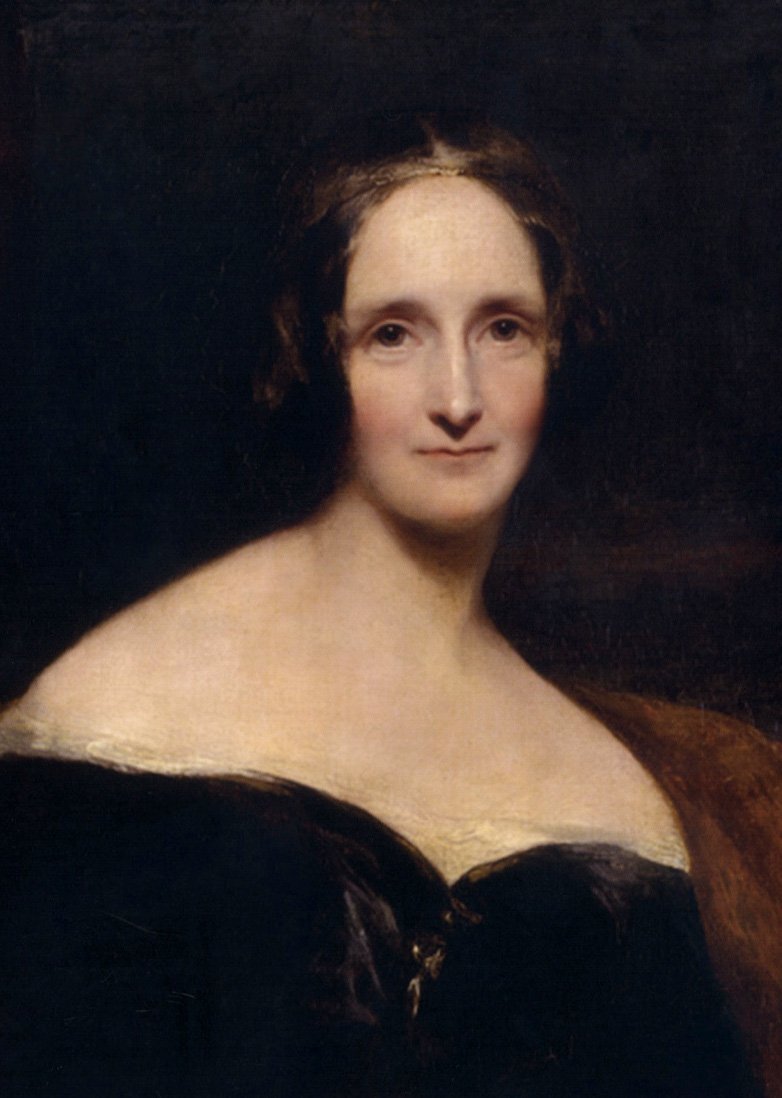
Mary Shelley conceived the idea for Frankenstein during a stormy summer spent with poets and intellectuals in Switzerland. She had already faced the death of her first child and would later lose her husband Percy Shelley at sea. These events infused her novel with questions about creation, abandonment, and the limits of human ambition.
Her life story draws ongoing interest because it combines intellectual brilliance with profound personal grief at a young age. Shelley navigated a male dominated literary world while raising a family alone after her husband death. The enduring power of her creation myth keeps her biography alive in popular culture.
Oscar Wilde
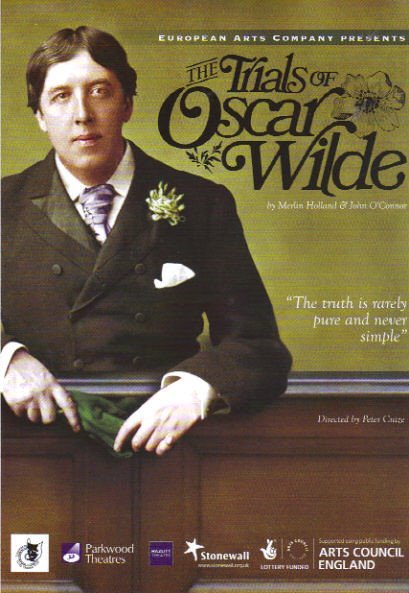
Oscar Wilde faced public trial and imprisonment for his relationship with Lord Alfred Douglas under laws that criminalized homosexuality at the time. His fall from celebrated playwright to convict reshaped the final years of his life and writing. The experience produced works that examined society hypocrisy and personal freedom with sharp wit.
Modern audiences find his story compelling because it highlights the cost of living openly in a restrictive era. Wilde wit and elegance remain quotable, yet his imprisonment adds a layer of tragedy that deepens appreciation for his earlier comedies. His biography serves as a reminder of how personal courage can intersect with artistic achievement.
F. Scott Fitzgerald
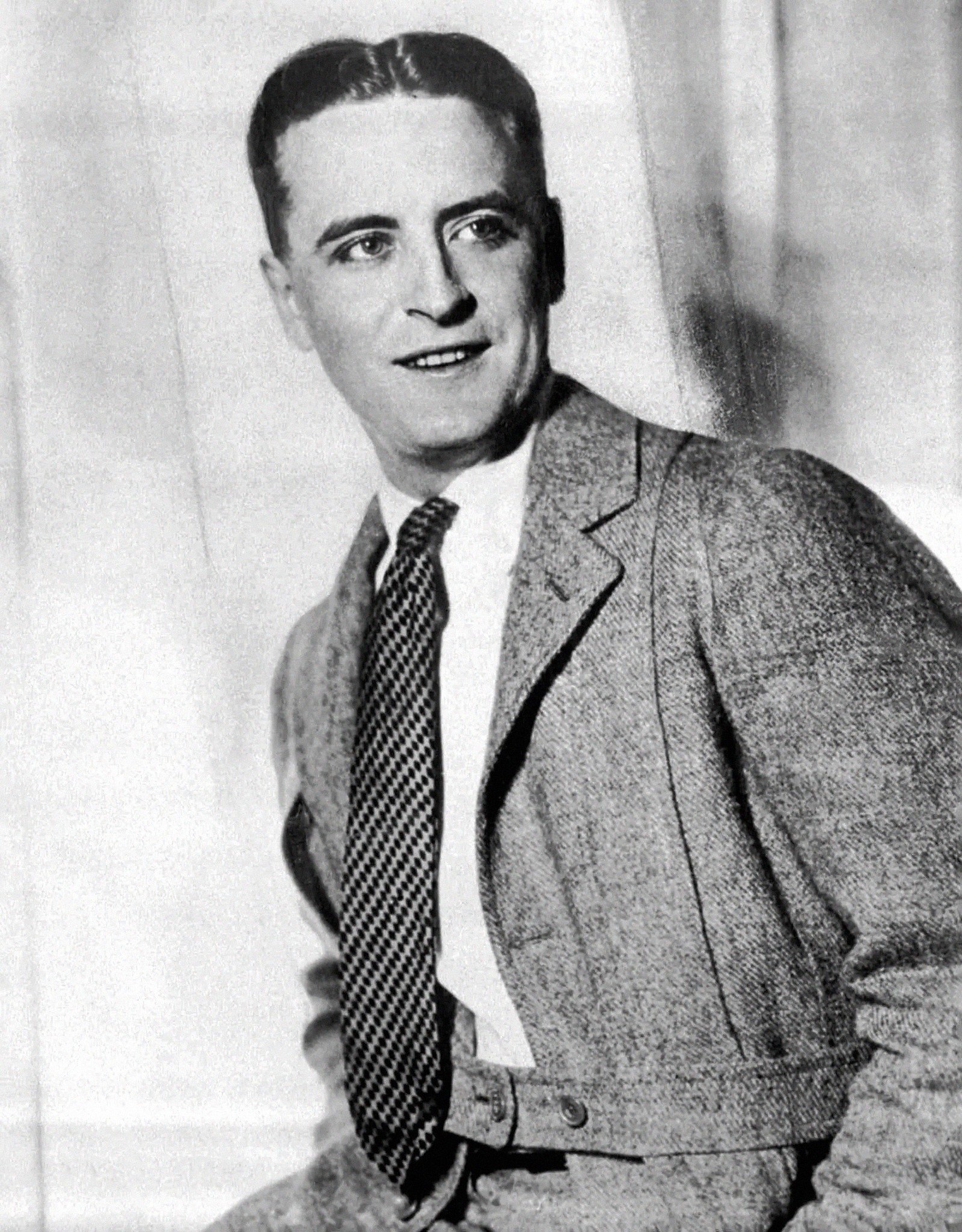
F. Scott Fitzgerald watched his wife Zelda descend into mental illness while he battled his own struggles with alcohol and debt. Their glamorous yet unstable life in the 1920s provided the backdrop for novels that captured the excesses and disillusionment of the Jazz Age. The personal turmoil directly informed the emotional undercurrents in his most famous works.
His story continues to resonate because it captures both the allure and the emptiness of chasing the American dream. Readers recognize echoes of his own marriage in the characters he created. The mix of early success and later hardship makes his life feel like one of his own cautionary tales.
Virginia Woolf
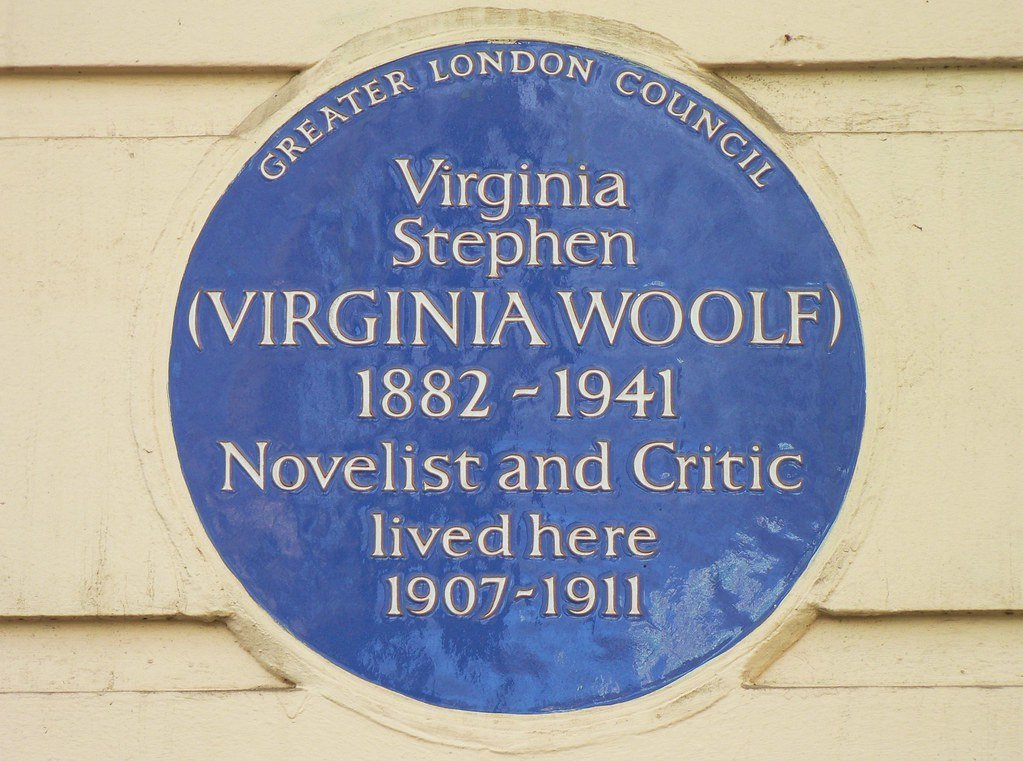
Virginia Woolf experienced recurring mental health challenges that required periods of rest and treatment throughout her life. She channeled these difficulties into innovative narrative techniques that explored consciousness and time in groundbreaking ways. Her essays and novels often reflected the constraints placed on women in her social circle.
Interest in her biography persists because her writing anticipated modern discussions about mental health and gender roles. Woolf life offers insight into the creative process under pressure and the value of intellectual independence. Her story encourages readers to see literature as a space for processing inner experience.
Jack London
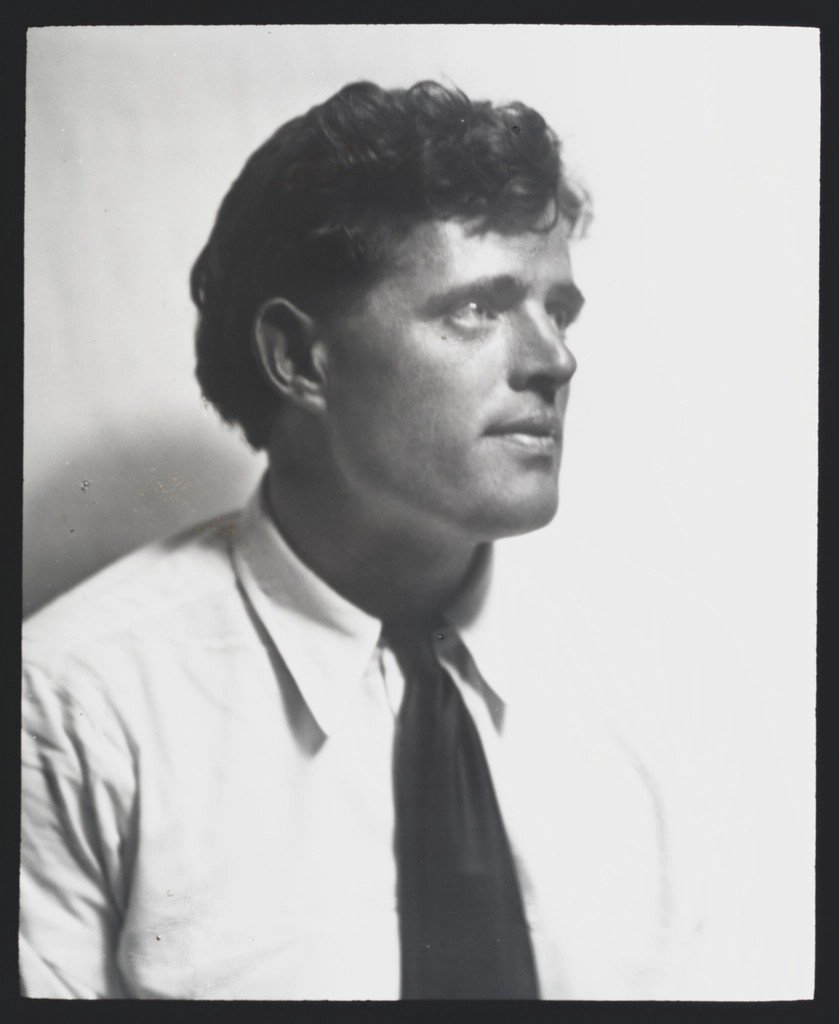
Jack London worked as a sailor, gold prospector, and war correspondent before turning to writing full time. He survived harsh conditions in the Klondike and later faced health problems linked to his demanding lifestyle. These experiences supplied authentic detail for adventure stories that celebrated resilience and the natural world.
His life fascinates because it embodies the self made writer who drew from real hardship rather than imagination alone. London commitment to social causes also adds dimension to his rugged public image. The blend of physical adventure and literary output keeps his biography vivid for new readers.
Hunter S. Thompson
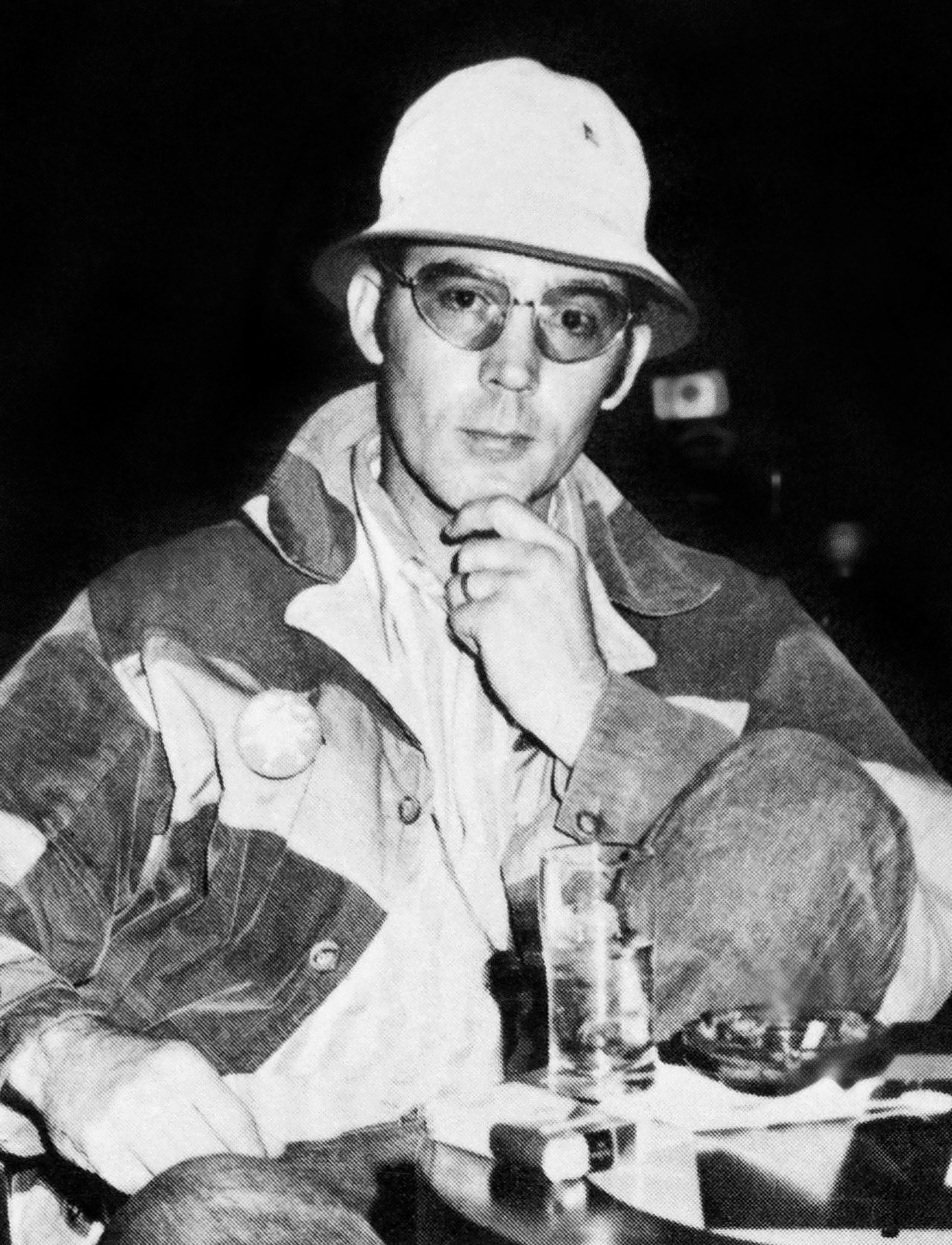
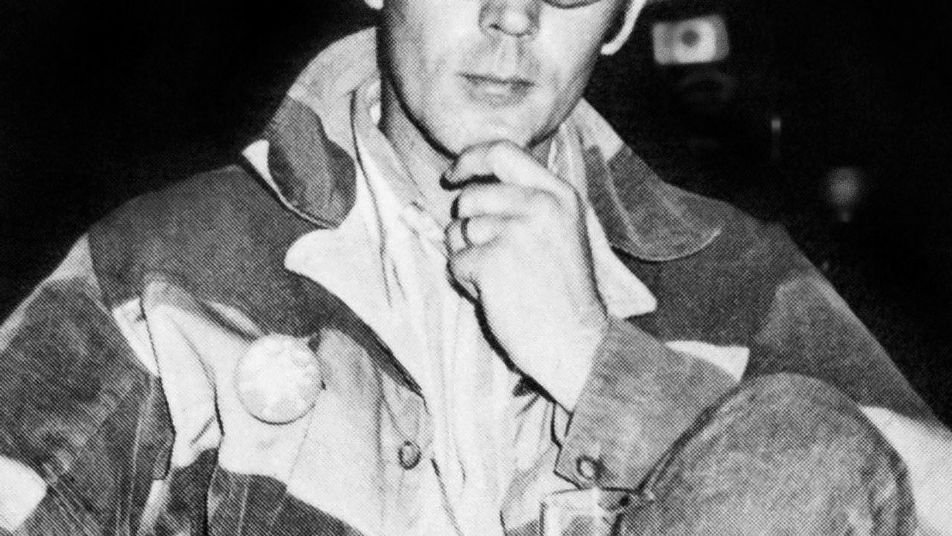
Hunter S. Thompson embedded himself in the worlds he wrote about, from motorcycle gangs to political campaigns. His gonzo style blurred reporting and personal participation, often fueled by substances that became part of his legend. This approach produced books that captured the chaos of American culture in the late twentieth century.
People remain intrigued by Thompson because his life seemed to match the wild energy of his prose. His later years included both continued influence and personal decline, adding complexity to his reputation. The boundary pushing nature of his work and existence continues to inspire writers who seek unconventional paths.
Truman Capote
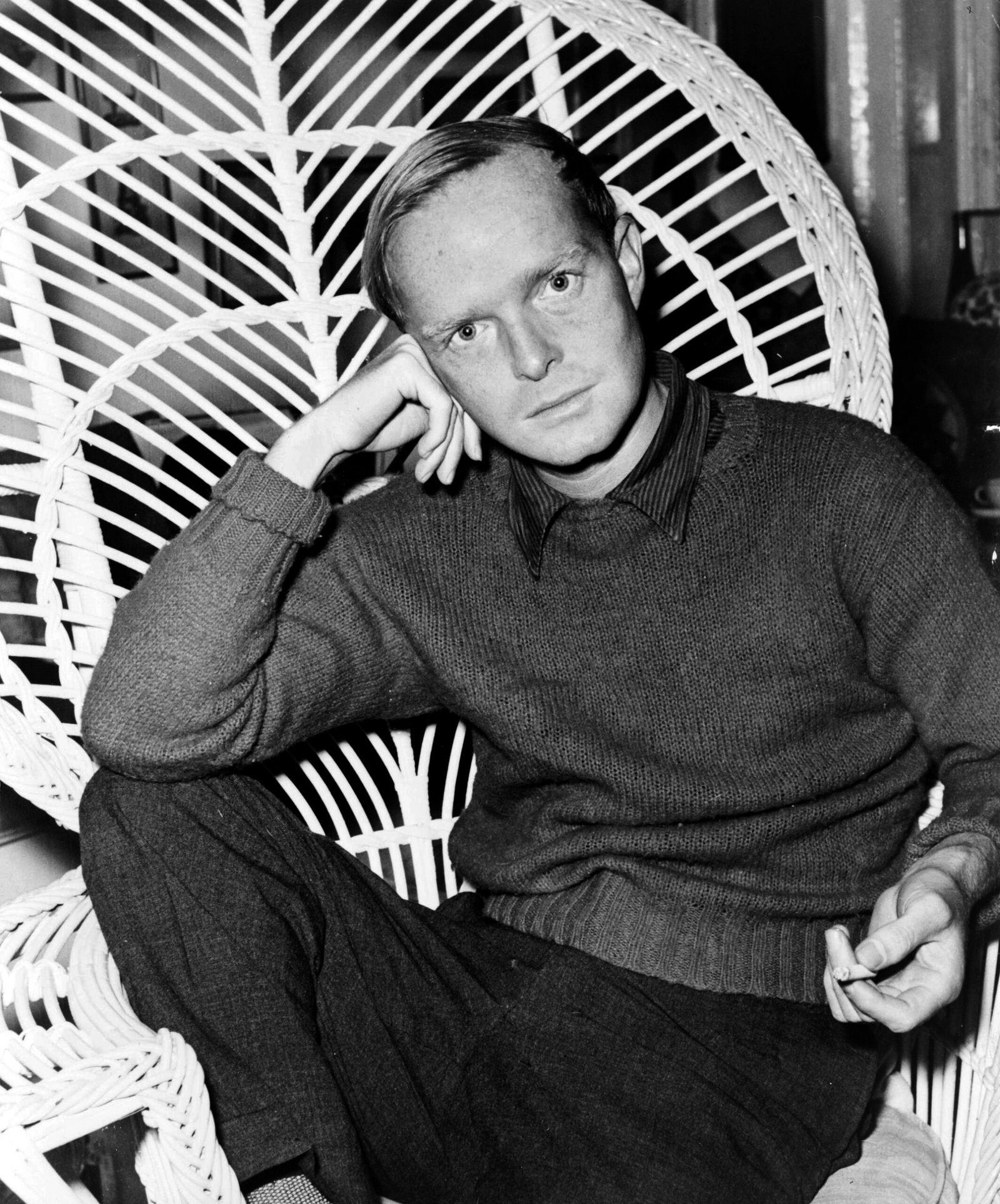
Truman Capote spent years researching a Kansas murder case for his nonfiction novel In Cold Blood. The project required close contact with killers and victims families, which took an emotional toll on him. The resulting book helped define a new form of narrative journalism while revealing his own fascination with darkness.
His story holds attention because it shows the risks of immersing oneself so deeply in real events. Capote later struggled with the success and isolation that followed the book release. The tension between his socialite image and his darker creative impulses adds lasting appeal to his biography.
Sylvia Plath

Sylvia Plath wrote The Bell Jar while navigating a difficult marriage and the demands of motherhood in the early 1960s. Her poetry and prose explored themes of identity, depression, and societal expectations with unflinching honesty. The intensity of her inner life found expression in work that still feels immediate decades later.
Her biography continues to draw readers because it confronts mental health struggles without romanticizing them. Plath determination to write despite obstacles offers a model of artistic persistence. The clarity of her voice keeps her life story relevant to new generations facing similar pressures.
Charles Bukowski
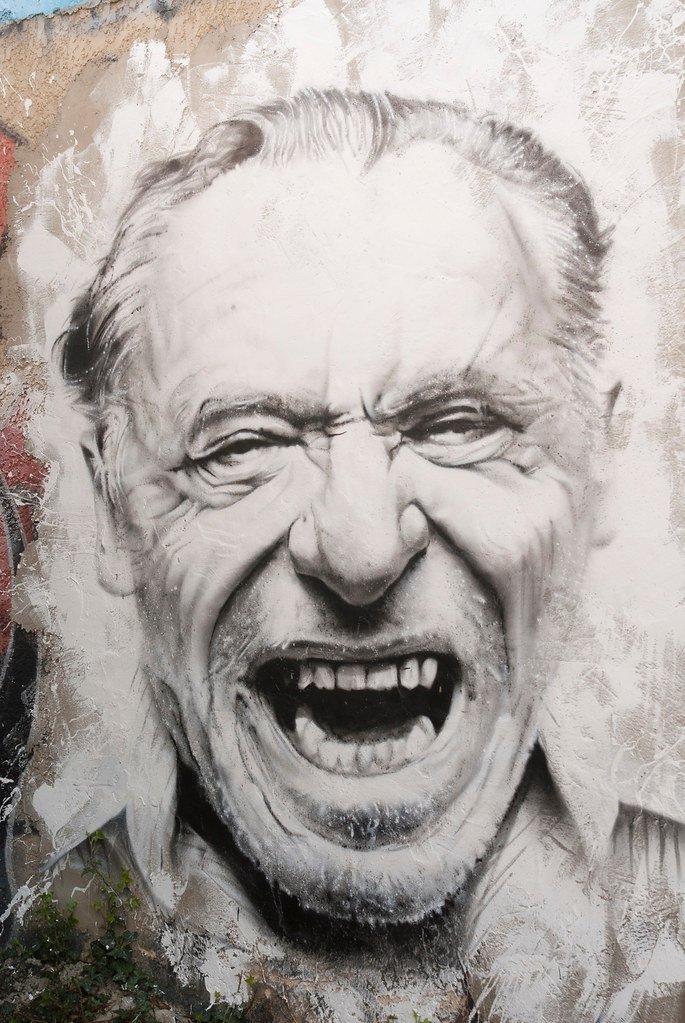
Charles Bukowski held a series of low paying jobs and spent years in poverty before his writing gained recognition. He documented his experiences with drinking, relationships, and manual labor in raw, direct prose and poetry. These details became the core of his semi autobiographical novels and stories.
His life interests readers because it rejects conventional success in favor of unfiltered honesty. Bukowski work shows how ordinary struggles can fuel distinctive art. The contrast between his modest beginnings and eventual cult status adds a layer of inspiration to his story.
William S. Burroughs
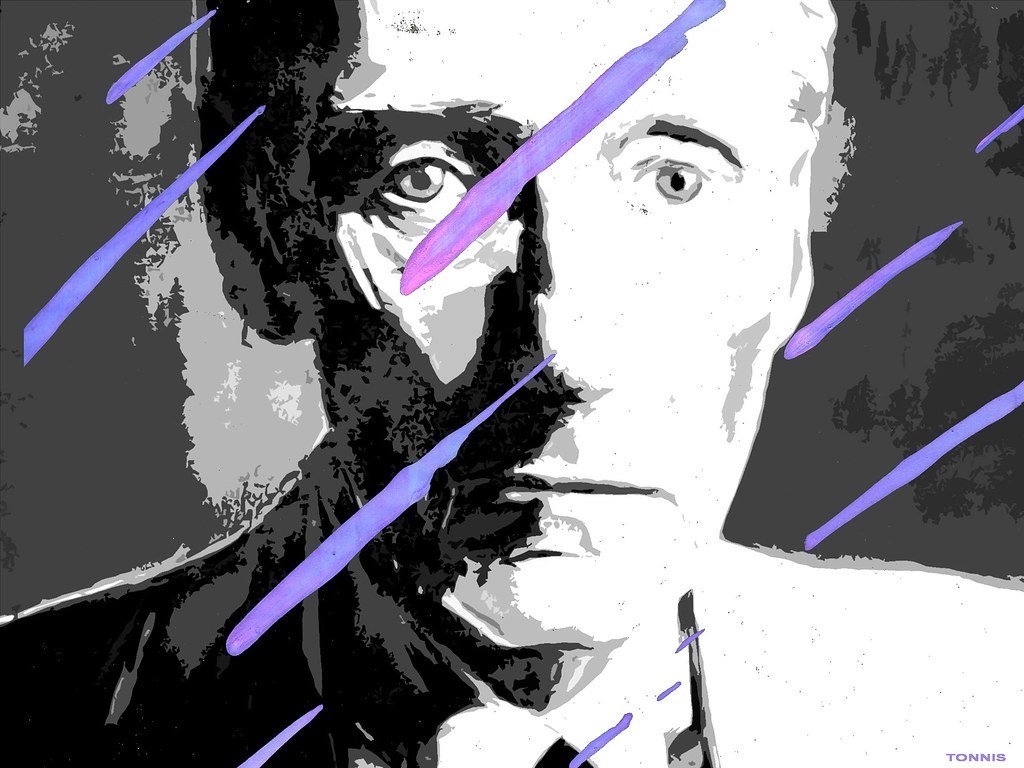
William S. Burroughs accidentally shot and killed his wife during a game in Mexico, an event that haunted him for decades. He traveled widely and experimented with drugs while developing a fragmented writing style that challenged traditional narrative. His experiences shaped novels that examined control, addiction, and outsider perspectives.
The fascination with Burroughs stems from the way his life tested the limits of personal freedom and artistic experimentation. His later years included both continued productivity and reflection on earlier choices. Readers appreciate how his biography illustrates the costs and rewards of living outside societal norms.
Lord Byron
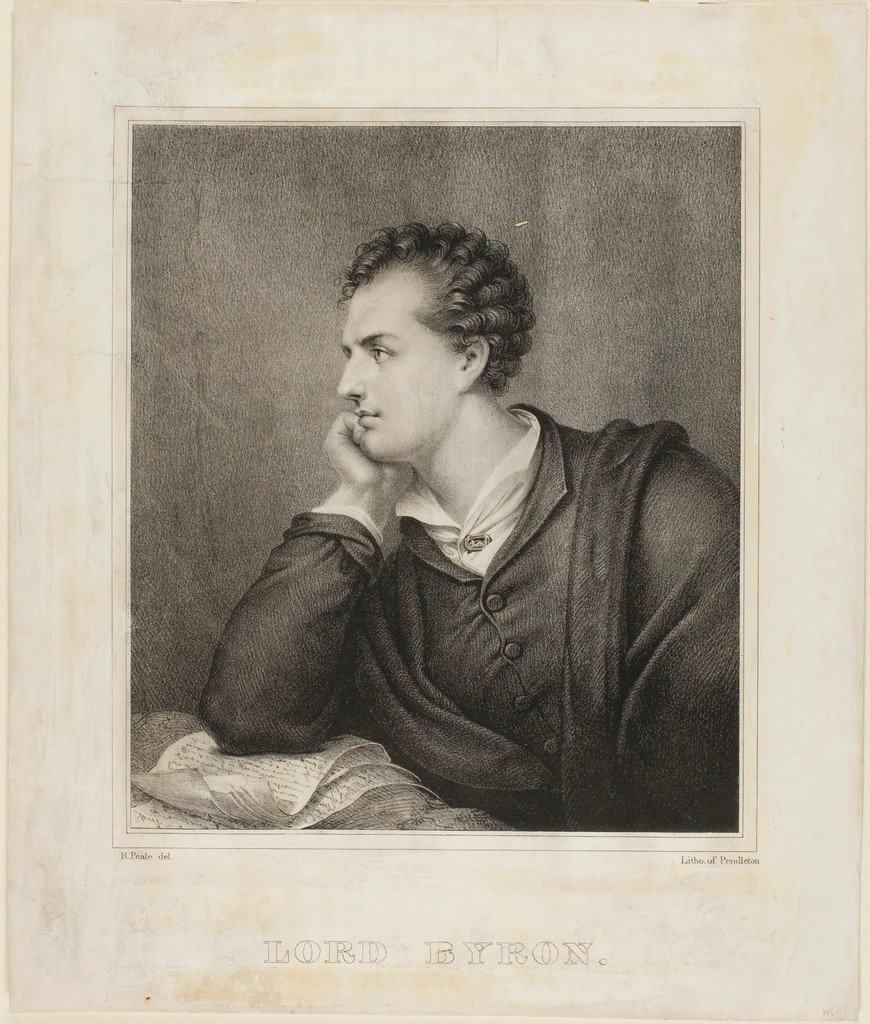
Lord Byron engaged in numerous affairs and political involvements across Europe while managing a complicated family background. He fought for Greek independence and died from illness during that campaign. His romantic exploits and travels supplied material for poems that blended personal emotion with sweeping adventure.
His story endures because it combines aristocratic privilege with genuine risk taking and early death. Byron life helped define the image of the brooding romantic poet for later generations. The mix of scandal and idealism keeps his biography vivid in literary history.
Alexandre Dumas
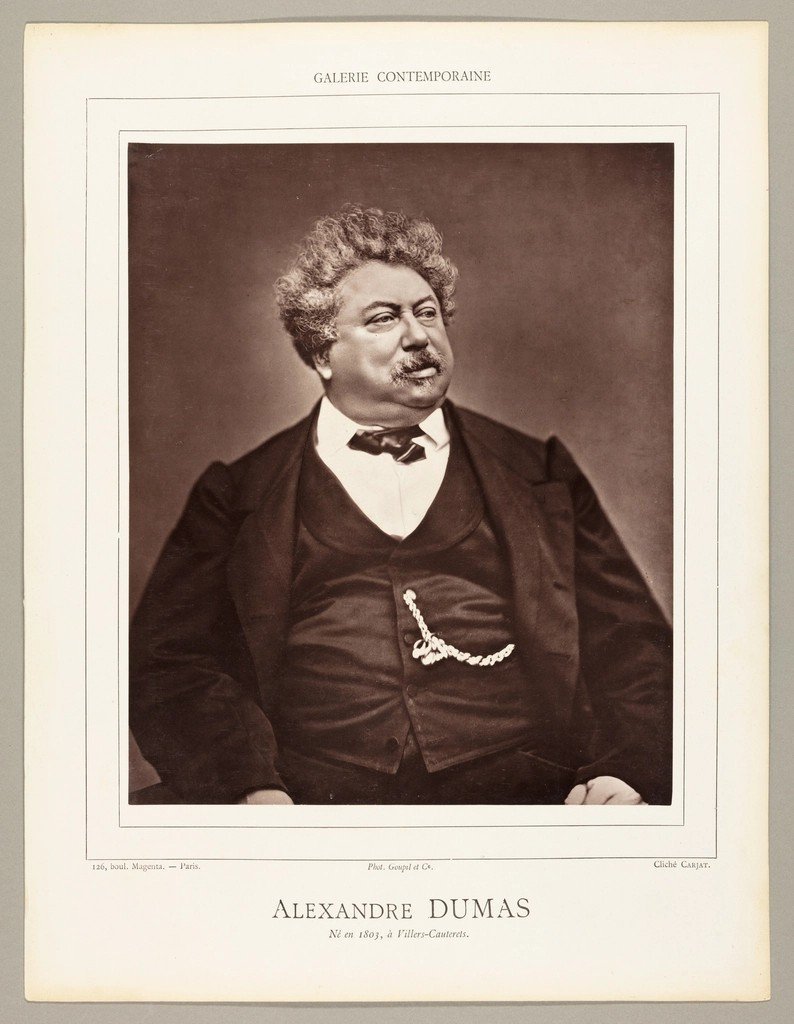
Alexandre Dumas rose from modest origins to wealth through prolific writing while navigating political upheavals in nineteenth century France. He faced financial troubles despite enormous success and maintained an active social life that included many children. His adventures and family dynamics informed the swashbuckling tales that made him famous.
Interest in Dumas persists because his life mirrored the dramatic plots of his novels. He built a career on energy and imagination rather than formal education alone. The scale of his output and personal escapades continues to surprise new readers of his work.
Agatha Christie
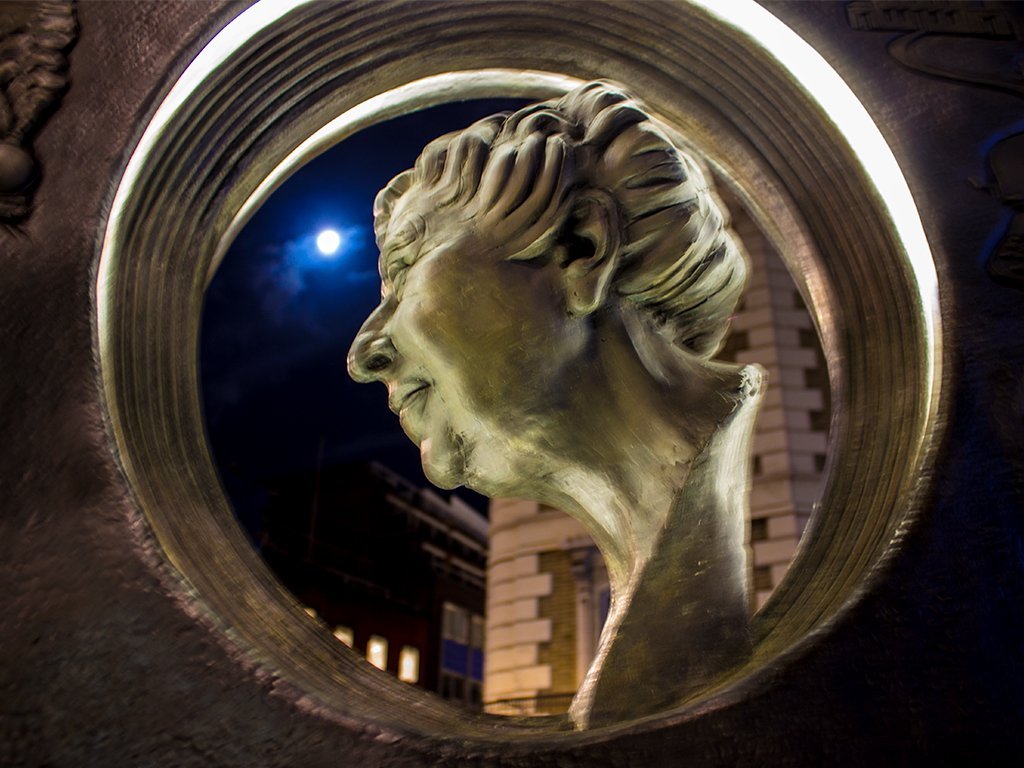
Agatha Christie disappeared for eleven days in 1926, prompting a nationwide search that ended with her discovery at a hotel under an assumed name. The episode occurred during a period of marital strain and remains unexplained in full detail. She later channeled her interest in puzzles and human behavior into detective stories that became global classics.
Her biography fascinates because the real life mystery adds an extra layer to her fictional ones. Christie maintained a private existence even as her books sold in record numbers. The contrast between her quiet demeanor and the intricate plots she created keeps her story engaging today.
Reality has always supplied literature with its most vivid material. These authors turned personal upheaval into lasting work that continues to speak across time. Their stories remind us that the most compelling narratives often begin outside the page.

Christian Wiedeck, all the way from Germany, loves music festivals, especially in the USA. His articles bring the excitement of these events to readers worldwide.
For any feedback please reach out to info@festivalinside.com
