

- 12 Bestselling Books That Were Initially Rejected by Dozens of Publishers - September 9, 2026
- Your Dramatic Life Story Told Through 10 Classic Novels (Based on Your Zodiac Sign) - September 9, 2026
- 18 Classic Rock Songs That Change Completely After One Lyric Is Explained - September 9, 2026
Many popular American festival traditions trace back to moments of hardship, migration, or upheaval rather than simple fun. These customs often started as ways for people to cope with loss, assert identity, or mark survival in uncertain times.
Trick or Treating
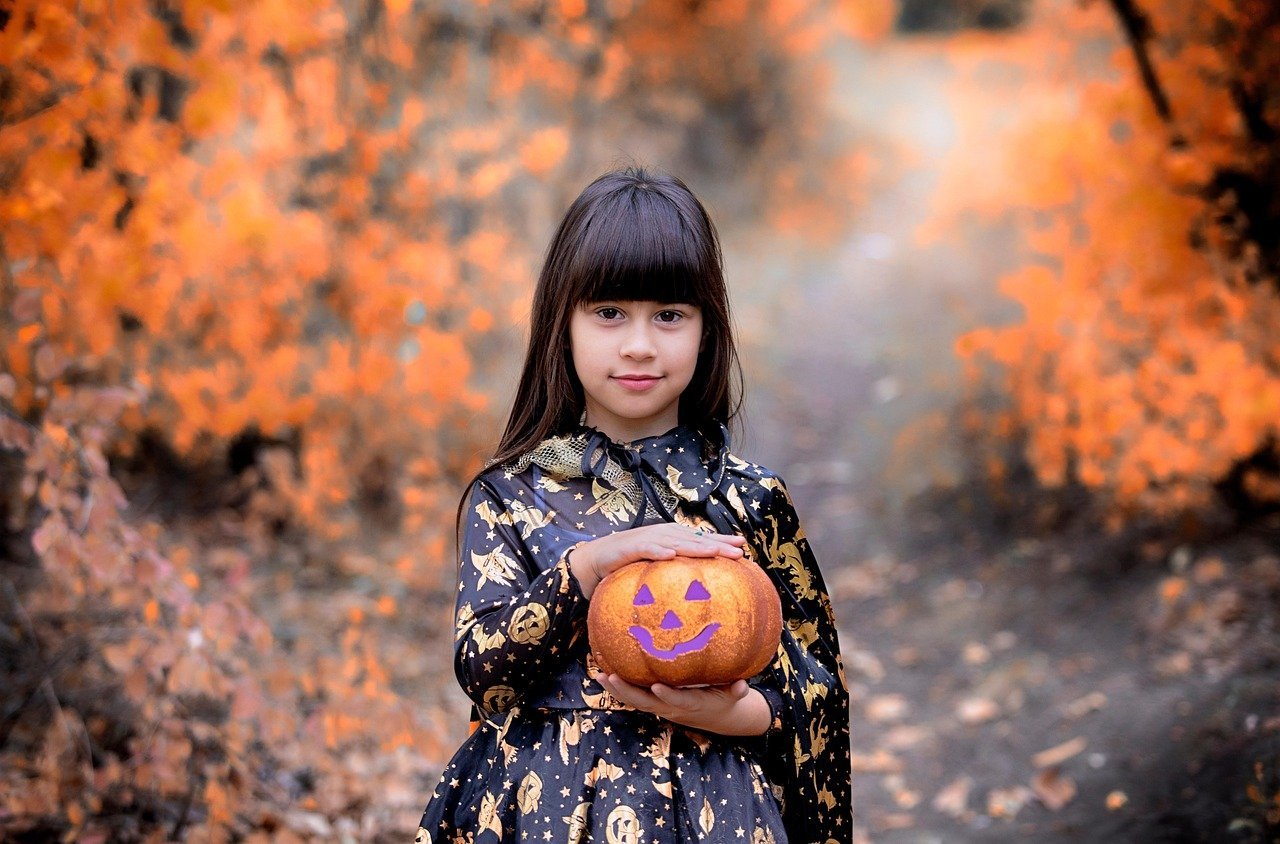
Children heading door to door for candy on Halloween grew out of old European customs brought by Irish and Scottish immigrants in the 1800s. Those newcomers faced the potato famine and arrived with stories of guising, where people dressed up to ward off spirits or ask for food in exchange for prayers. The practice took hold in American cities as a safer outlet for rowdy pranks that had previously involved tipping outhouses or smashing windows.
By the early 1900s community groups promoted it to keep kids off the streets. Over decades it shifted from homemade treats and simple costumes to mass produced candy and themed outfits sold in stores. Today the ritual still carries echoes of those early immigrant struggles even as it fills neighborhood sidewalks each fall.
Thanksgiving Turkey Dinners
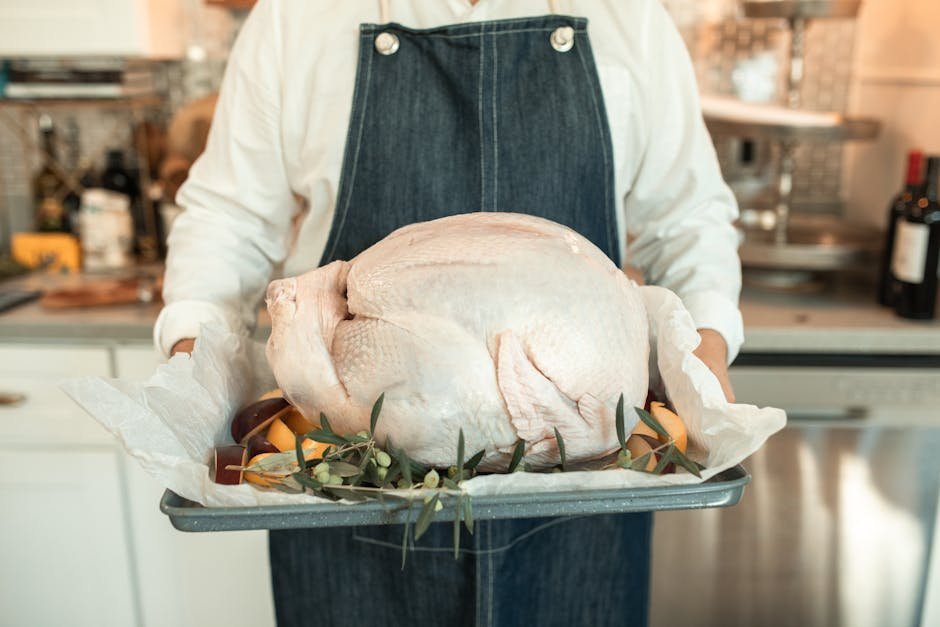
The centerpiece turkey at Thanksgiving tables started with the 1621 harvest meal shared by Pilgrims and Wampanoag people after a brutal first winter that killed half the settlers. That gathering was less a planned feast than a practical celebration of crops that finally came in after months of near starvation. The story spread through 19th century magazines and helped President Lincoln declare it a national holiday during the Civil War to foster unity.
Families adopted the turkey because it was plentiful and large enough to feed many guests. Over time the meal added football games, parades, and canned cranberry sauce while the original survival theme faded into background history. The dinner still brings relatives together each November even when the deeper story of hardship gets overlooked.
Fourth of July Fireworks
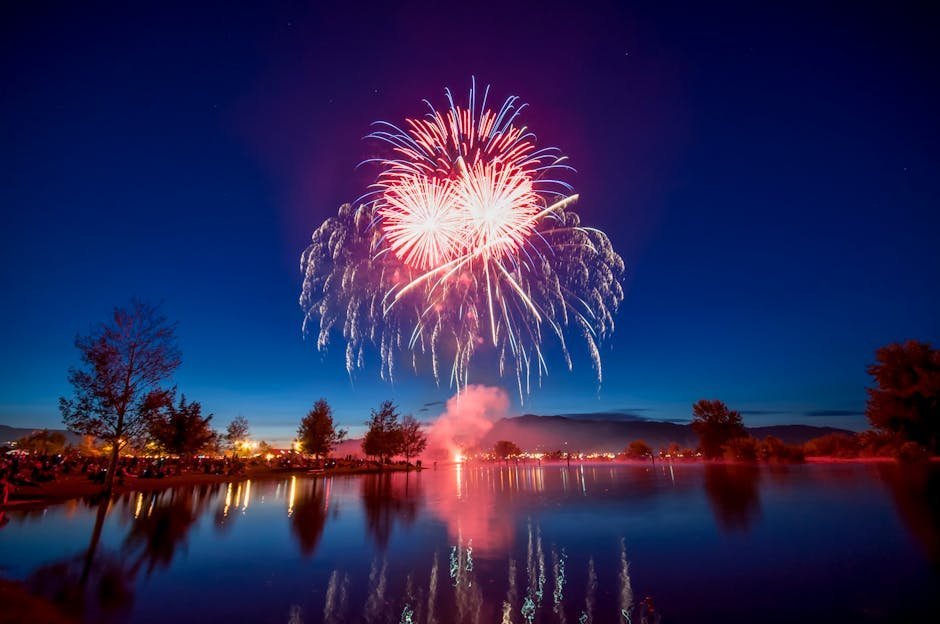
Explosive displays lighting up the sky on Independence Day trace to 18th century British celebrations that colonists adapted after the Revolutionary War. Gunpowder had long marked royal birthdays and military victories, yet Americans turned the same tool into a symbol of breaking free from that rule. Early displays were modest because materials were scarce and dangerous to handle.
Communities embraced them as a way to mark the new nation without needing words. Over two centuries the shows grew from small town bonfires to massive synchronized events funded by cities and corporations. The bright bursts still carry the original tension between celebration and the cost of conflict.
Groundhog Day Forecasts
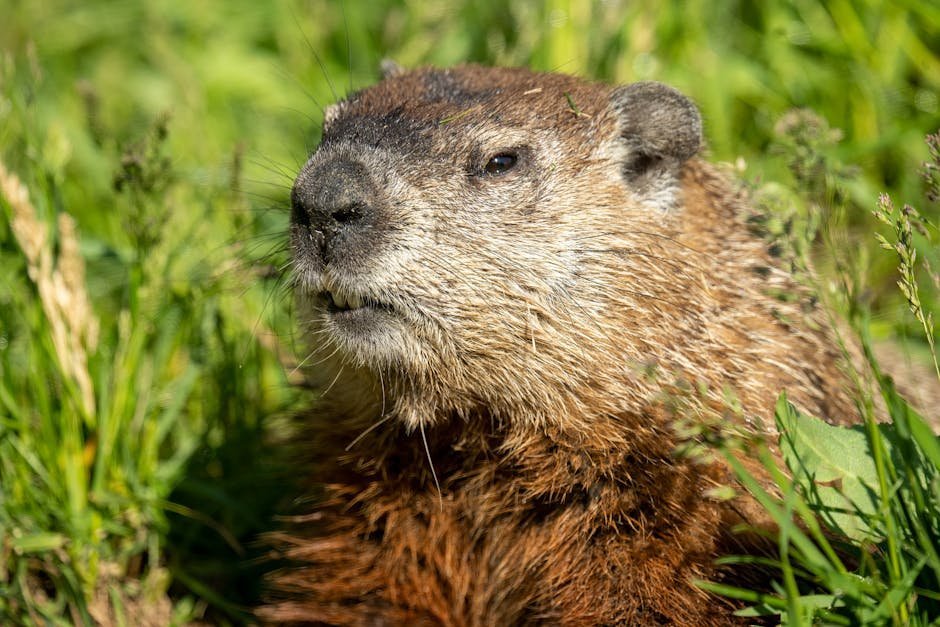
A groundhog named Punxsutawney Phil emerging to predict spring weather came from German immigrants who settled in Pennsylvania in the 1700s. They had observed Candlemas, a Christian feast day tied to older beliefs that clear skies on February 2 meant six more weeks of winter. The animal choice replaced the European badger or bear because groundhogs were common in the new landscape.
Local newspapers turned the event into a yearly spectacle in the late 1800s to draw visitors during slow winter months. It evolved into a media event with live broadcasts and souvenir shops while the forecast accuracy stayed low. The ritual keeps a quiet link to those early settlers who watched the sky for signs of relief after long voyages.
Mardi Gras Parades in New Orleans
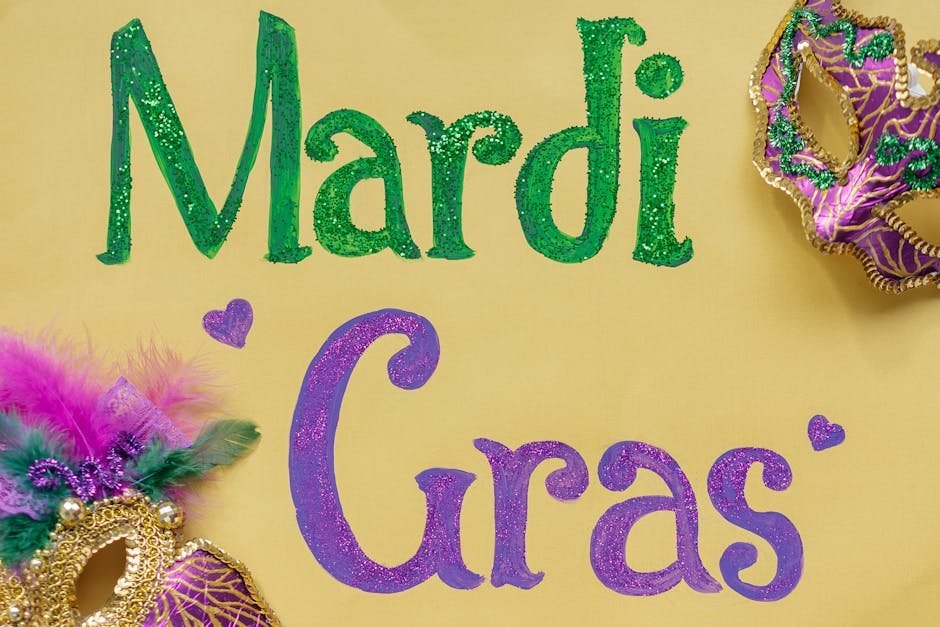
Masked floats and bead throws during Mardi Gras began with French Catholic colonists in the 1700s who brought pre Lent celebrations from Europe. The events allowed people to indulge before the fasting season and also gave enslaved and free Black residents rare moments of public expression through music and costume. Early parades faced bans and restrictions yet kept returning each year.
After the Civil War the tradition expanded with organized krewes that added elaborate themes and throws. It grew into a major tourist draw while retaining the original mix of excess and community release. The beads and masks still hint at those centuries of layered social tensions beneath the party atmosphere.
St. Patrick Day Parades
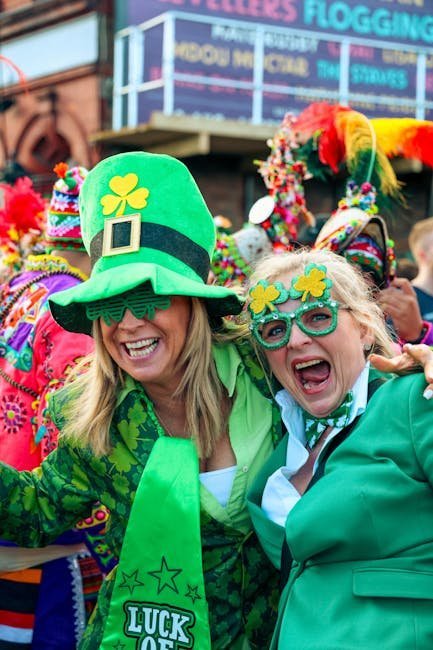
Green clad marches on March 17 started among Irish immigrants in the 1800s who faced discrimination and poverty in American cities. The parades let them display Catholic heritage and cultural pride at a time when many employers posted signs against hiring the Irish. Early events were small and sometimes met with hostility from other groups.
Over generations the marches became city wide spectacles that welcomed everyone regardless of background. They added marching bands, politicians, and corporate sponsors while the original focus on immigrant resilience remained in the background. The green beer and shamrocks today sit atop a history of hard won acceptance.
Cinco de Mayo Street Festivals
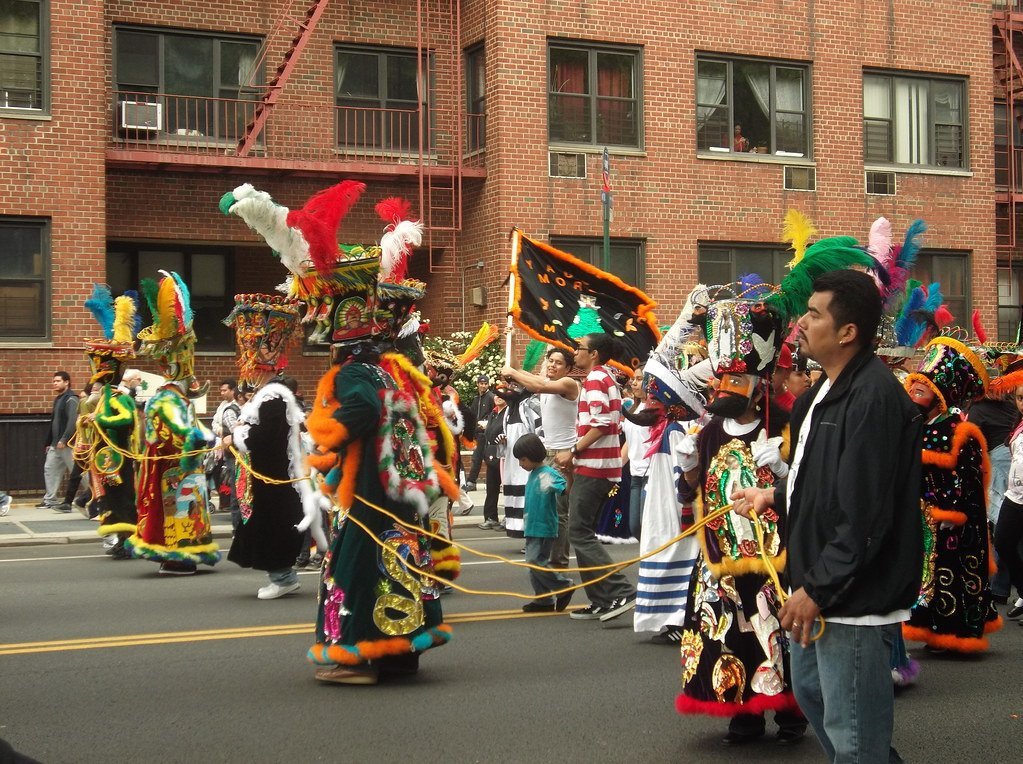
Street parties and mariachi music on May 5 grew from Mexican American communities honoring the 1862 Battle of Puebla where outnumbered forces defeated a larger French army. The date held little official weight in Mexico yet gained traction in California and the Southwest during the 1960s civil rights era as a symbol of resistance. Early gatherings stayed local and tied to farmworker networks.
Beer companies later promoted the day nationwide to sell products, turning it into a broader celebration of Mexican culture. It evolved into parades, food trucks, and school events that often blend history with general festivity. The roots in that unlikely military victory still surface in speeches even when the focus shifts to tacos and music.
Valentine Day Card Exchanges
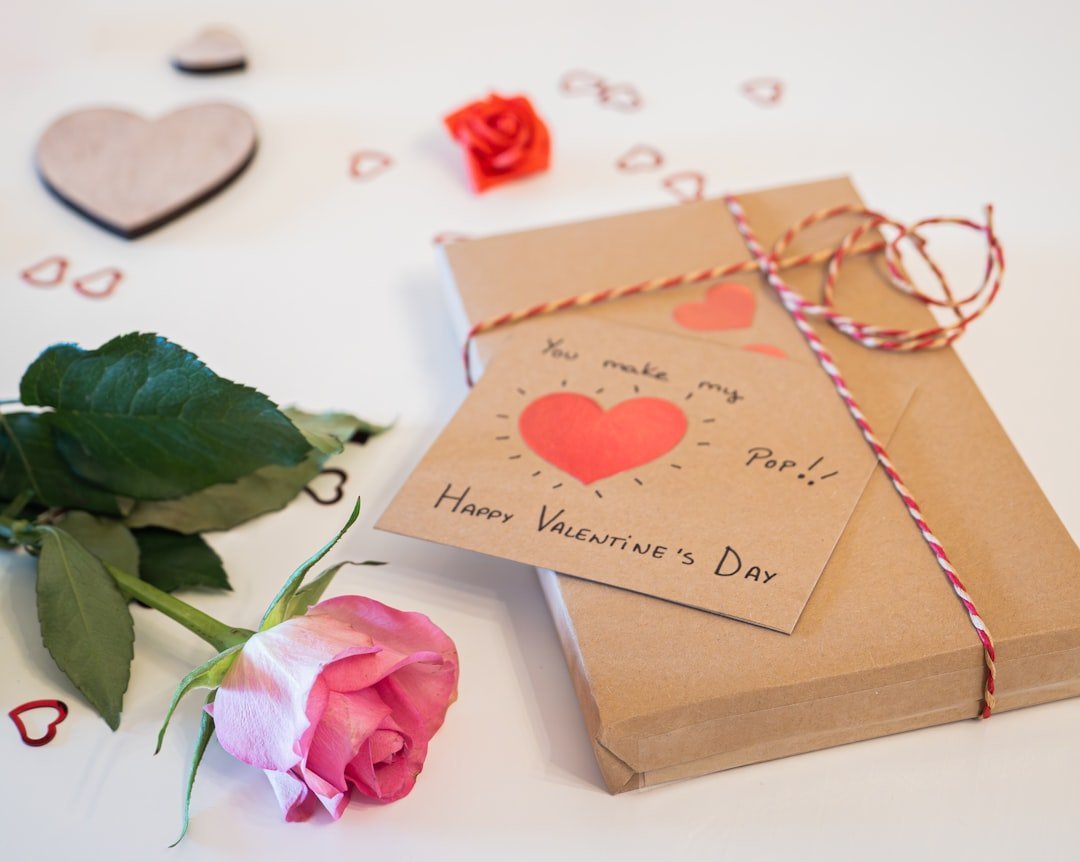
Paper cards and candy hearts on February 14 trace to 19th century American printers who mass produced valentines during the Civil War era. Soldiers and sweethearts separated by battle used the cards to send affection when letters took weeks to arrive. The practice filled a gap left by wartime distance and loss.
Department stores expanded the custom with boxed chocolates and jewelry in the early 1900s. It grew into a billion dollar industry while the original handwritten notes gave way to printed messages and digital greetings. The simple exchange still carries quiet reminders of those long ago separations.
Easter Egg Hunts
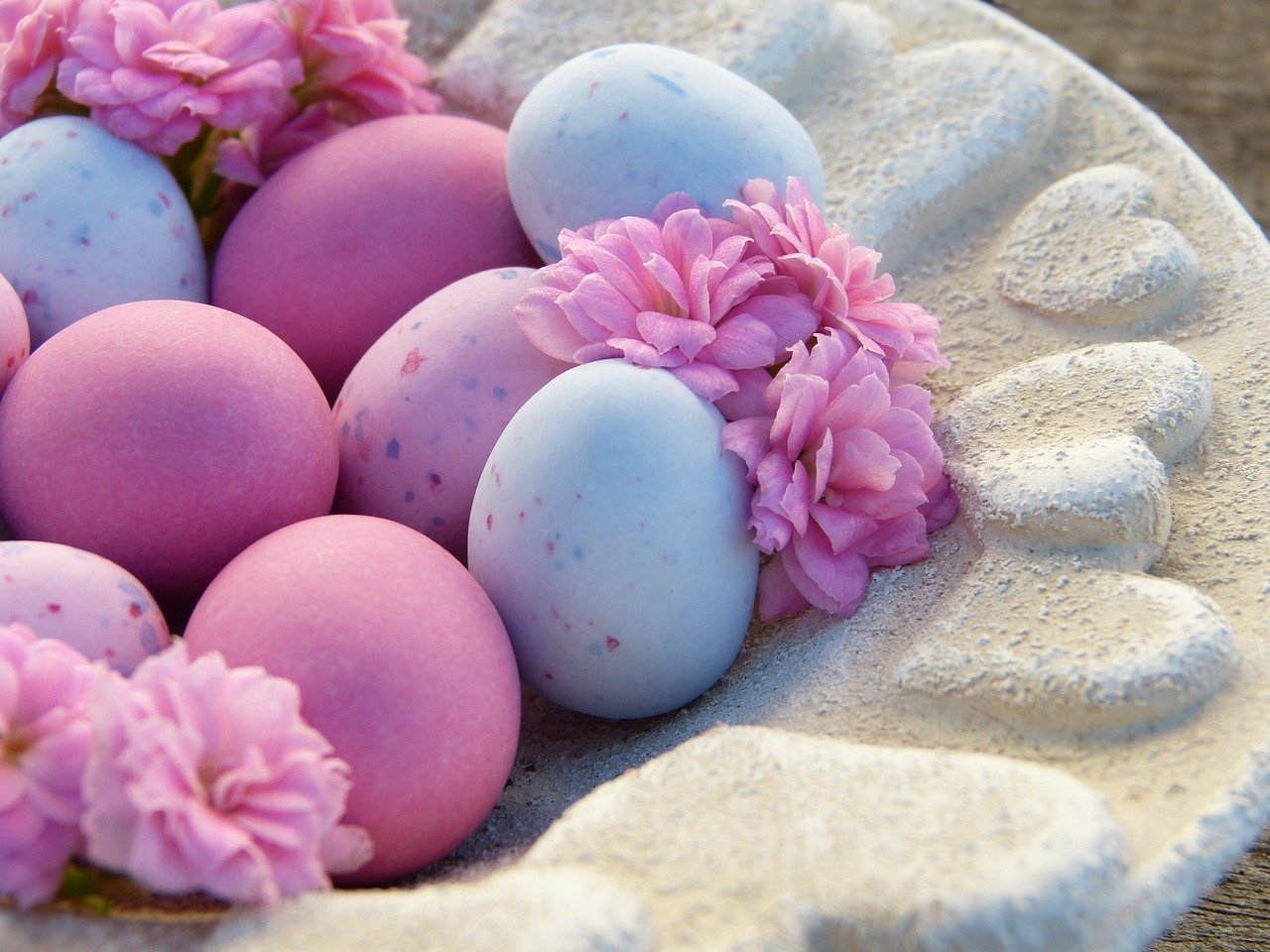
Children searching for hidden eggs at Easter began with German immigrants who brought the custom of dyeing eggs to represent new life in the 1700s. The White House egg roll started in 1878 after Congress banned rolling on Capitol grounds, giving families a public space during spring. Early versions used real eggs that often broke during the scramble.
Plastic eggs and candy fillings appeared after World War II as manufacturing changed. The hunts spread to churches, parks, and schools while the original religious symbols mixed with commercial treats. The annual chase keeps a thread to those immigrant families who marked the season with simple painted shells.
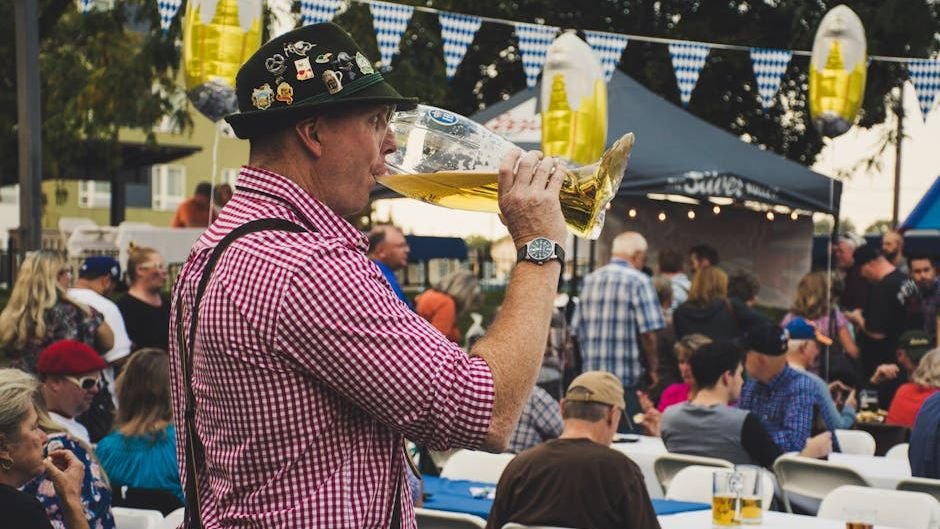
Oktoberfest Beer Gardens
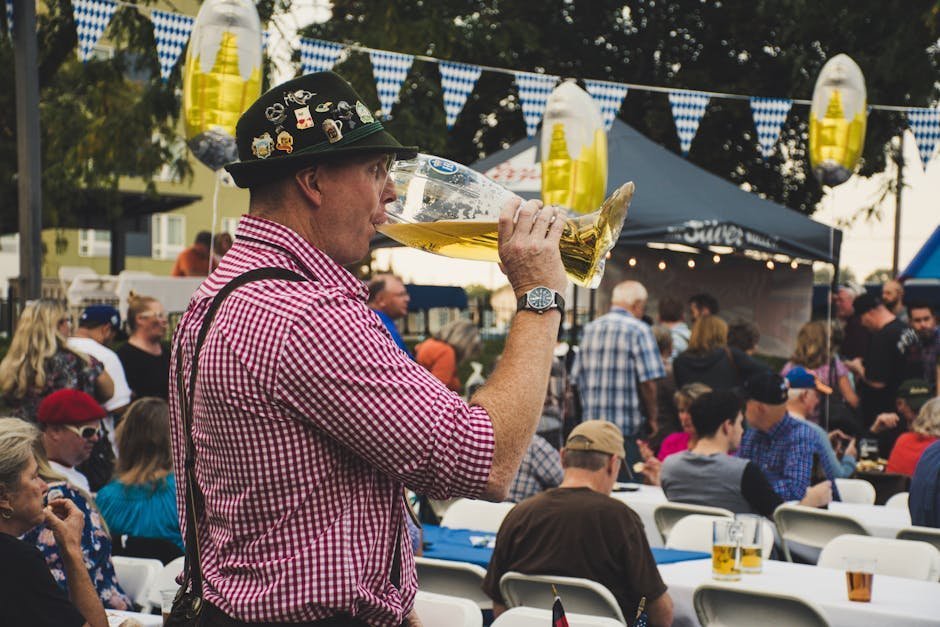
Large tents serving beer and sausages in American cities started with German immigrants in the mid 1800s who recreated harvest festivals from their homeland. The events offered community and comfort amid waves of anti immigrant sentiment and economic hardship. Early gatherings stayed small and family focused in places like Cincinnati and Milwaukee.
After World War II the tradition revived with bigger crowds and corporate sponsorship. It added rides, music stages, and themed merchandise while the core of shared tables and toasts remained. The festivals still echo those first arrivals who used food and drink to build new lives far from home.
Many of these customs carry quiet traces of the struggles that first shaped them. Looking closer at the parades, dinners, and games reveals layers of history that continue to shape how people gather and celebrate today.
CEO-Co-Founder
