

- 10 Legendary Summer Anthems That Defined a Generation of Festival-Goers - August 31, 2026
- True Art Transcends Generations, Speaking to Every Soul That Encounters It. - August 31, 2026
- 10 Fashion Trends From the Past That Deserve a Dramatic Comeback - August 31, 2026
Many well known tracks carry layers of history that listeners rarely encounter on the surface. These details often stem from personal events, creative accidents, or industry decisions that shaped the final recordings in unexpected ways.
1. Yesterday by The Beatles
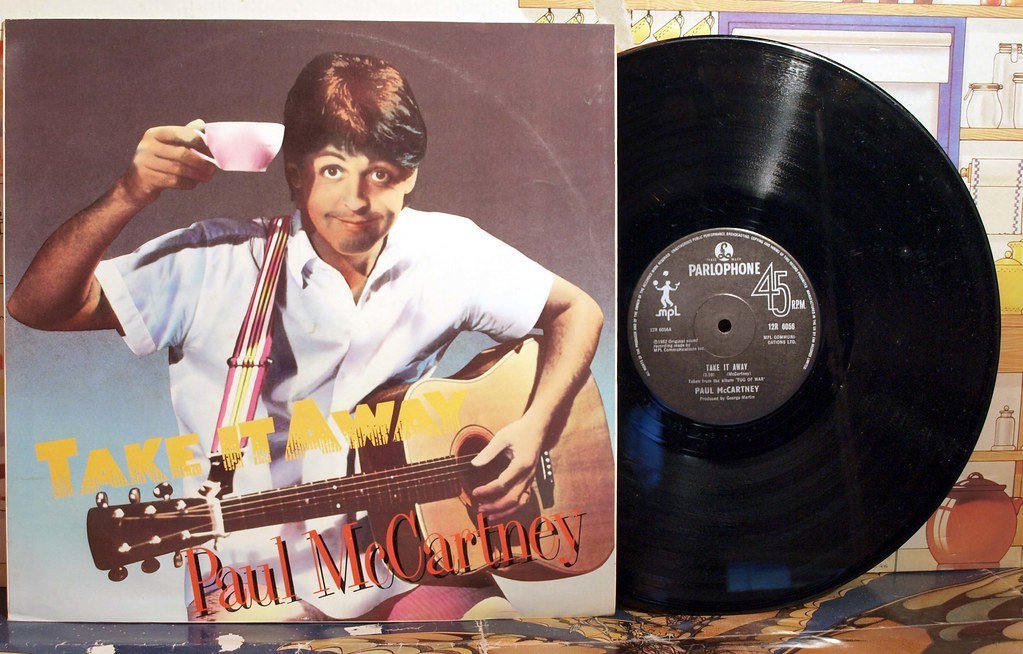
Paul McCartney woke up one morning with the melody fully formed in his head. He spent weeks convinced the tune belonged to someone else before realizing it was original. The song took shape quickly once he added lyrics about a breakup that never actually happened to him.
That origin story shifts the listening experience because the gentle acoustic arrangement now feels like a direct window into sudden inspiration rather than polished craftsmanship. The simplicity gains weight when you realize it emerged almost fully formed from a dream state. Listeners often report hearing new emotional nuance in the strings and vocal delivery after learning this detail.
2. Smells Like Teen Spirit by Nirvana

Kurt Cobain chose the title after seeing the phrase on a deodorant can belonging to his friend Kathleen Hanna. The line had no deeper meaning at first and simply stuck because it sounded catchy. The band recorded the track in a single day during sessions that felt chaotic and unplanned.
Knowing this background turns the explosive chorus into something more accidental than intentional rebellion. The raw energy comes across as even more spontaneous once you picture the title originating from a bathroom product. Fans frequently notice fresh irony in the lyrics about teenage apathy after absorbing that casual beginning.
3. I Will Always Love You by Whitney Houston

Dolly Parton wrote the song as a farewell to her former business partner Porter Wagoner. She recorded her own version first and later offered it to Elvis Presley, who declined. Houston transformed the country ballad into a soaring pop power anthem years later.
The shift in perspective makes the vocal performance feel like a complete reinvention rather than a straightforward cover. Listeners gain appreciation for the emotional restraint in Parton original version when contrasted with Houston dramatic delivery. The track now registers as a story of two very different artists claiming the same words across decades.
4. Hotel California by The Eagles
The band crafted the lyrics around a sense of inescapable excess in California life during the 1970s. No single member claims the song tells one specific story, leaving the meaning deliberately open. The famous guitar solo at the end was pieced together from multiple takes in the studio.
This ambiguity changes how the closing lines land because they feel less like a riddle to solve and more like a shared mood. The music gains a timeless quality once you accept that the band wanted listeners to project their own experiences onto it. Many people report the song feels heavier and more atmospheric after learning about its collaborative and vague roots.
5. Stairway to Heaven by Led Zeppelin
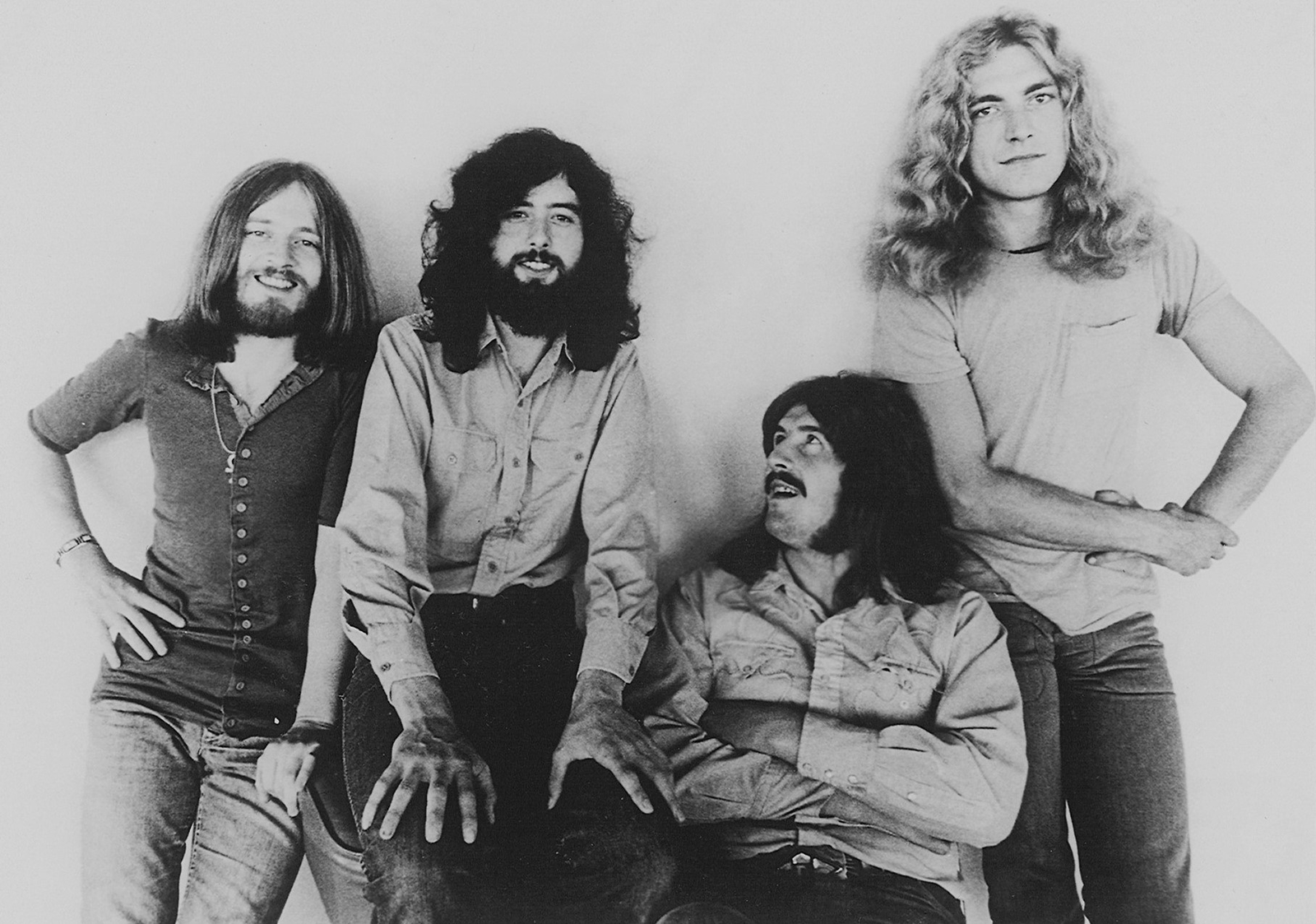
Jimmy Page and Robert Plant wrote the song during a stay at a remote cottage in Wales. The track was never issued as a single because the band preferred fans to experience the full album sequence. The opening acoustic section took shape first and grew into the epic arrangement over several weeks.
Understanding the deliberate choice against single release makes the gradual build feel intentional rather than radio friendly. The song now registers as a complete journey instead of a hit chopped into parts. Listeners often pick up on the folk influences more clearly once they know the rural writing environment.
6. Like a Rolling Stone by Bob Dylan

Dylan wrote the song after a period of creative frustration and personal upheaval. The original recording ran over six minutes, which radio stations initially resisted playing. The track marked a sharp turn toward electric instrumentation that surprised his folk audience.
That context turns the biting lyrics into a reflection of Dylan own transition rather than pure social commentary. The organ riff gains extra punch when you picture it as part of a risky studio experiment. Fans describe the song feeling more urgent and personal after absorbing the story of its creation.
7. Purple Rain by Prince
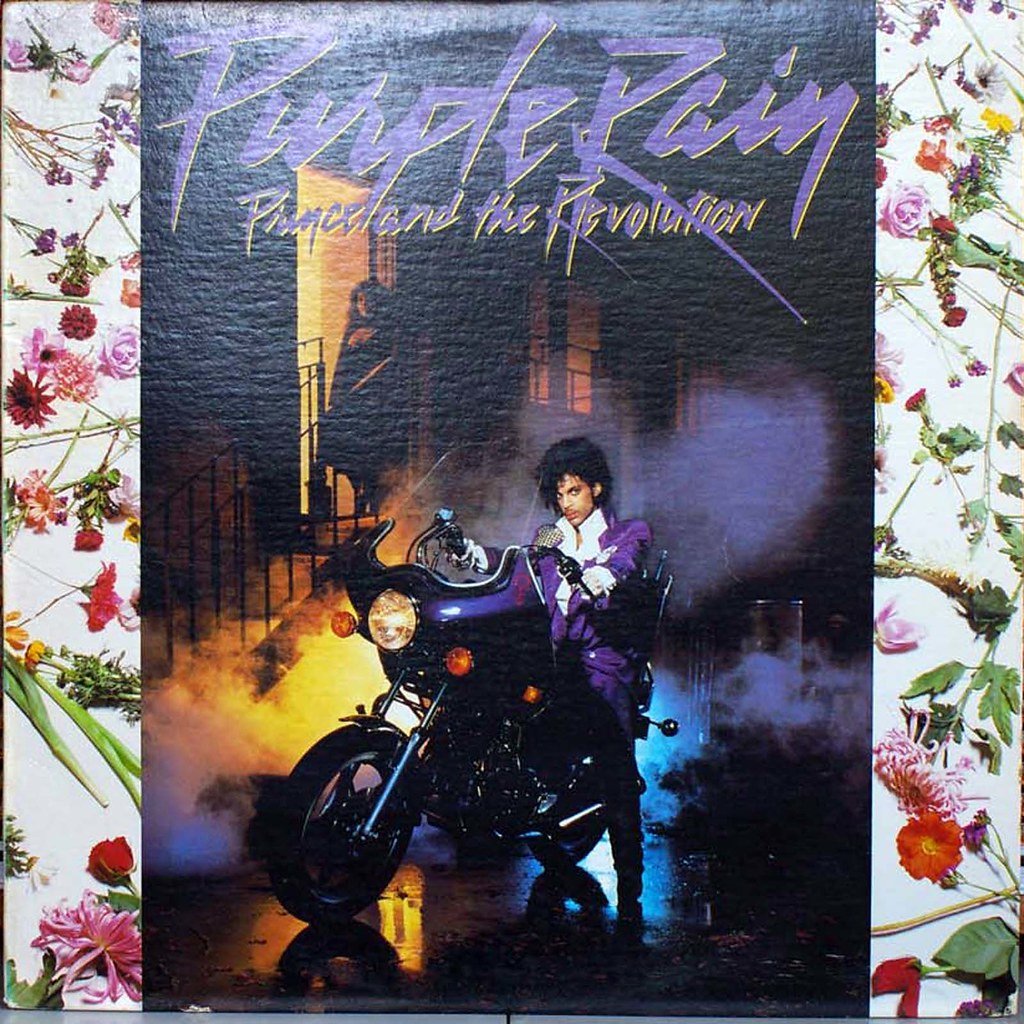
Prince wrote the song as a tribute to his band members and the Minneapolis music scene. He performed it live for the first time during a benefit concert shortly after his father passed away. The recording blends live band energy with studio overdubs to create its sweeping sound.
Learning the personal timing adds tenderness to the grand arrangement that might otherwise feel purely theatrical. The lyrics about forgiveness now carry a layer of private grief. Listeners often hear the closing guitar solo as more emotional once they connect it to that specific moment in Prince life.
8. Billie Jean by Michael Jackson
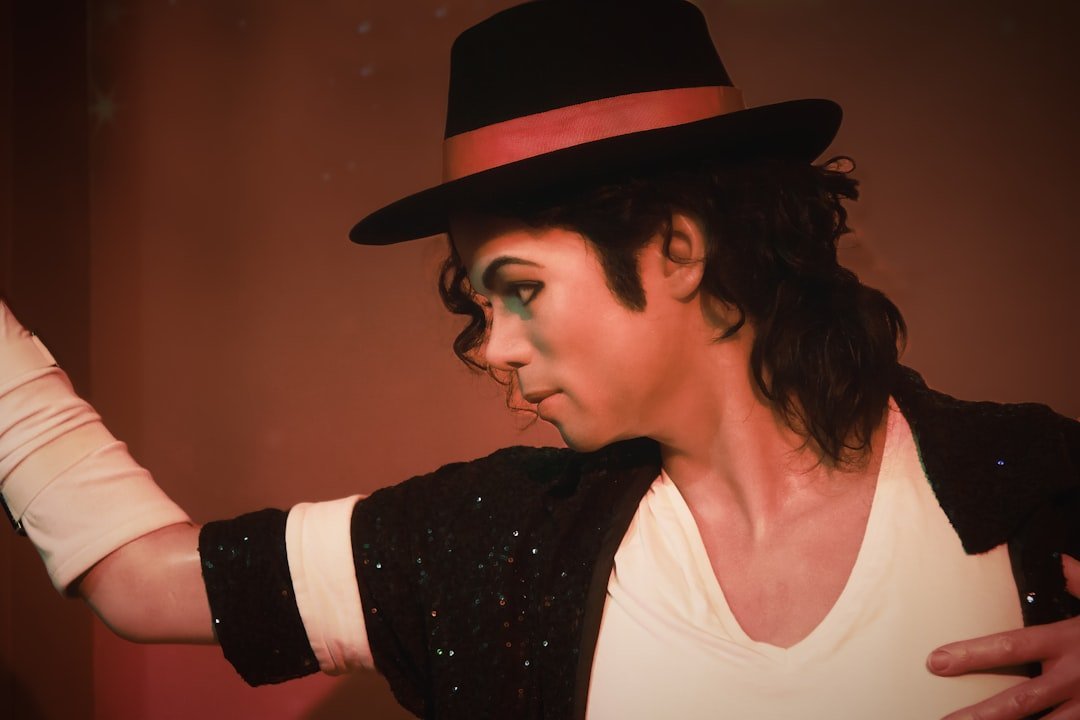
Jackson based the track on real encounters with women who claimed he fathered their children. He wrote the bass line first and built the rest of the song around it in his home studio. The famous drum beat came from a drum machine he programmed himself.
This origin makes the defensive tone in the vocals feel grounded in actual events rather than abstract storytelling. The crisp production stands out more when you realize how much Jackson handled alone. Many listeners notice new tension in the repeated chorus after learning the personal inspiration.
9. Sweet Child O Mine by Guns N Roses

Slash came up with the opening guitar riff as a warm up exercise during band practice. Axl Rose later added lyrics inspired by his then girlfriend Erin Everly. The song almost did not make the album because the band felt it was too different from their harder material.
Knowing the riff started as casual noodling turns the soaring melody into something accidental and joyful. The lyrics gain sweetness when viewed as a direct love letter rather than rock posturing. Fans report the track feels lighter and more playful after hearing how it nearly stayed off the record.
10. Wonderwall by Oasis

Noel Gallagher wrote the song quickly while the band was on tour in the United States. The title refers to a 1960s film poster that hung in his home. The band recorded it in a single session that captured a raw, live feel.
This quick creation makes the anthemic chorus sound more spontaneous than carefully engineered. The lyrics about support and connection register as more intimate once you picture the rushed writing process. Listeners often pick up on the slight imperfections in the mix that add character after learning the story.
11. Hallelujah by Leonard Cohen
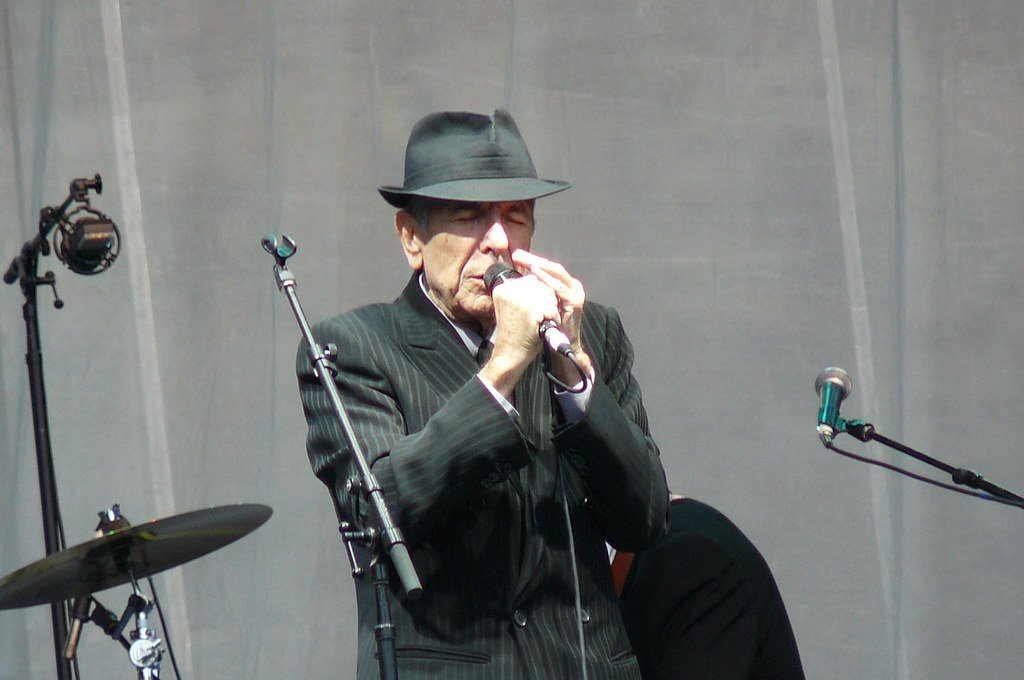
Cohen spent years revising the song and recorded multiple versions before settling on one. The track appeared on an album that initially sold poorly and received little attention. John Cale later covered it and helped bring wider recognition through Jeff Buckley famous take.
The long development period turns the repeated word into a meditation rather than a simple hook. The sparse arrangement feels more deliberate when you know how many drafts preceded it. Many people describe the song gaining quiet power once they understand its slow path to popularity.
12. Born to Run by Bruce Springsteen
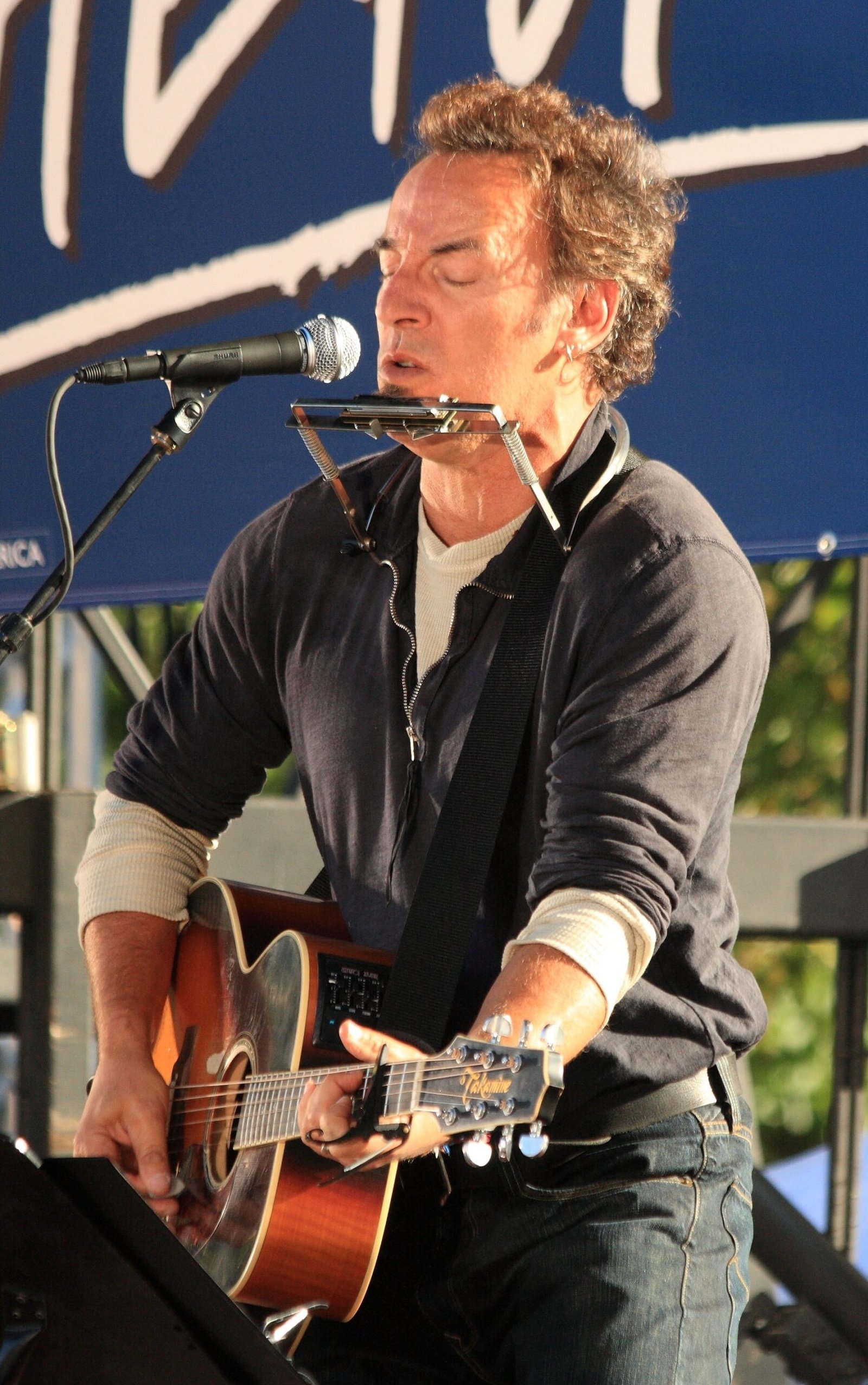
Springsteen wrote the song as an attempt to capture the feeling of escape from small town life. He spent months perfecting the arrangement with his band in the studio. The track became the title song of an album that nearly bankrupted him financially.
That background makes the driving rhythm feel like a literal push toward freedom. The lyrics about cars and highways now carry the weight of real financial risk. Listeners often sense extra urgency in the vocals after learning how much the song represented for Springsteen career at the time.
13. Losing My Religion by R.E.M.

The title comes from a Southern expression meaning frustration rather than any religious crisis. Michael Stipe wrote the lyrics around a mandolin riff that Peter Buck played during rehearsals. The band almost left the song off the album because it felt too different from their usual sound.
Understanding the expression shifts the chorus into something everyday and relatable instead of dramatic. The mandolin adds an unexpected texture that stands out more once you know its accidental start. Fans report the song feels more conversational after absorbing that detail.
14. Blackbird by The Beatles
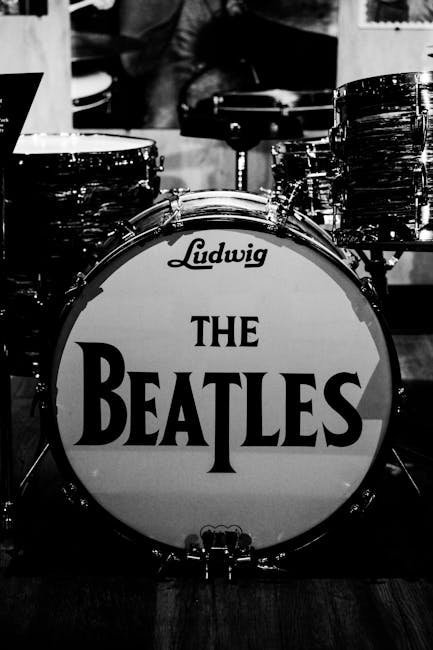
Paul McCartney wrote the song in response to racial tensions in the United States during the 1960s. He recorded it alone in the studio using a simple acoustic guitar and tape loops for the bird sounds. The track appeared on the White Album with minimal production.
This inspiration turns the gentle melody into a quiet statement of hope. The bird sounds now feel like a deliberate nod to freedom rather than random effects. Listeners often hear new layers of empathy in the lyrics after learning the historical context.
15. The Sound of Silence by Simon and Garfunkel
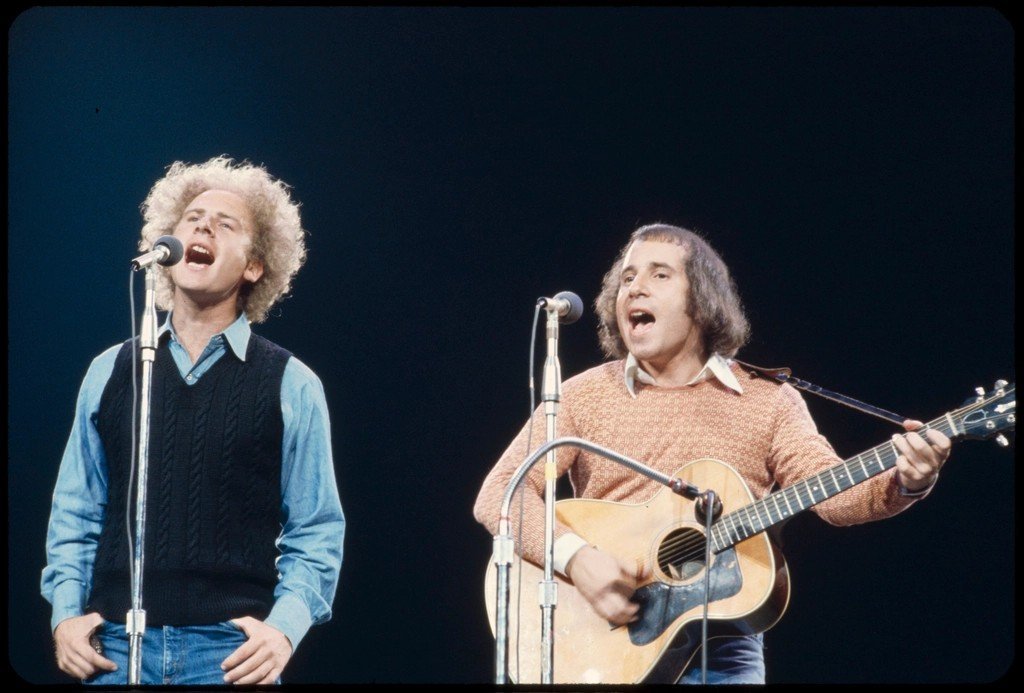
Paul Simon wrote the song after the assassination of John F. Kennedy. The duo recorded an acoustic version first that went unnoticed. A producer later added electric instruments and re released it, turning the track into a hit years after its creation.
The delayed success makes the haunting arrangement feel like it found its moment rather than forcing one. The lyrics about disconnection gain extra resonance when tied to that national tragedy. Many people describe the song feeling more timeless once they know how it evolved from quiet folk to studio production.
Knowing these details turns familiar songs into richer experiences that reward repeated listening. The music stays the same, yet the stories behind it open new ways to connect with each track.
CEO-Co-Founder
