
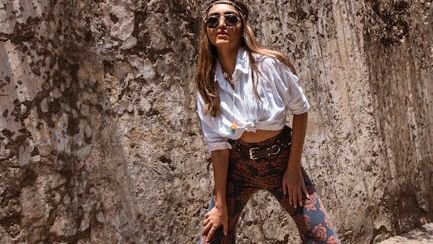
The 1960s brought a wave of music festivals that turned everyday clothing into bold statements of freedom and community. Those looks still echo in how young people approach style at events today, mixing old techniques with fresh fabrics and cuts.
Tie Dye Patterns
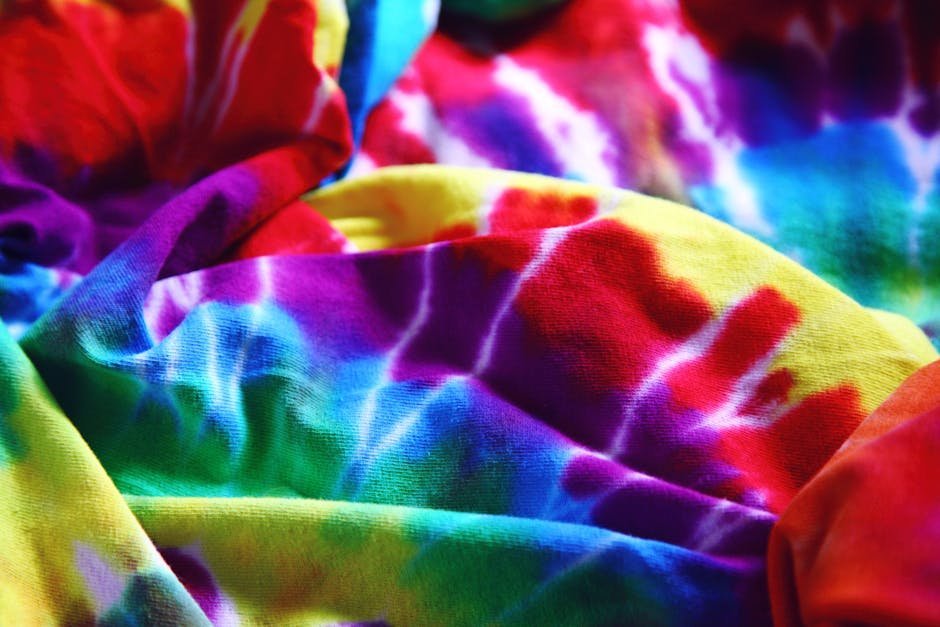
Tie dye shirts and dresses stood out in the 1960s as a hands on craft that captured the spirit of festivals like Woodstock. People soaked fabric in bright dyes after twisting and binding it, creating swirls that felt personal and rebellious at the same time. This approach let wearers express individuality without spending much money on store bought items.
The look stepped back when mainstream fashion favored clean lines and solid colors through the 1970s and 1980s. It returned at modern festivals when brands began offering pre dyed pieces alongside do it yourself kits that encourage customization. Attendees now layer tie dye under denim jackets or pair it with high waisted shorts for a balanced silhouette that feels both nostalgic and current.
Fringe Details
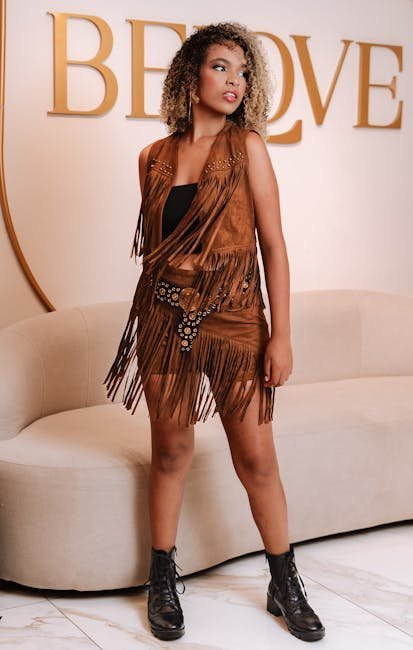
Fringe on vests and jackets became a signature 1960s festival element because the movement added energy to every step during outdoor concerts. Suede or leather pieces with long strands swayed with the music and gave performers and fans alike a sense of motion. The detail drew from Native American influences that gained popularity in counterculture circles at the time.
Fringe lost ground as disco and power dressing took over later decades and favored polished surfaces instead. It reappeared in festival settings through lightweight versions made from recycled materials that move easily in crowds. Today people combine fringe vests with simple tees and boots to keep the playful vibe without overwhelming the rest of an outfit.
Bell Bottom Pants
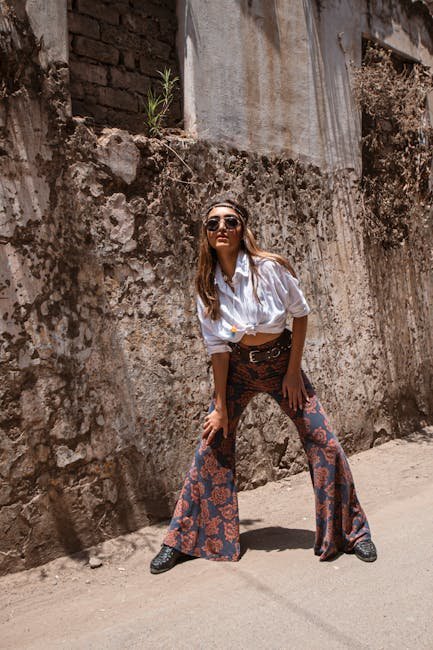
Bell bottom pants flared dramatically at the hem in the 1960s and became everyday wear at festivals where comfort and movement mattered most. The wide legs allowed air flow during long days outdoors and paired naturally with platform shoes or bare feet. This cut grew from earlier sailor styles but found new life among young people seeking relaxed silhouettes.
The shape disappeared from daily fashion when slim fits dominated the 1980s and 1990s. It returned through high rise versions in stretch denim that modern festival goers wear with crop tops or oversized sweaters. The revival keeps the original flow while adding practical details like pockets and adjustable waists for all day comfort.
Floral Headbands
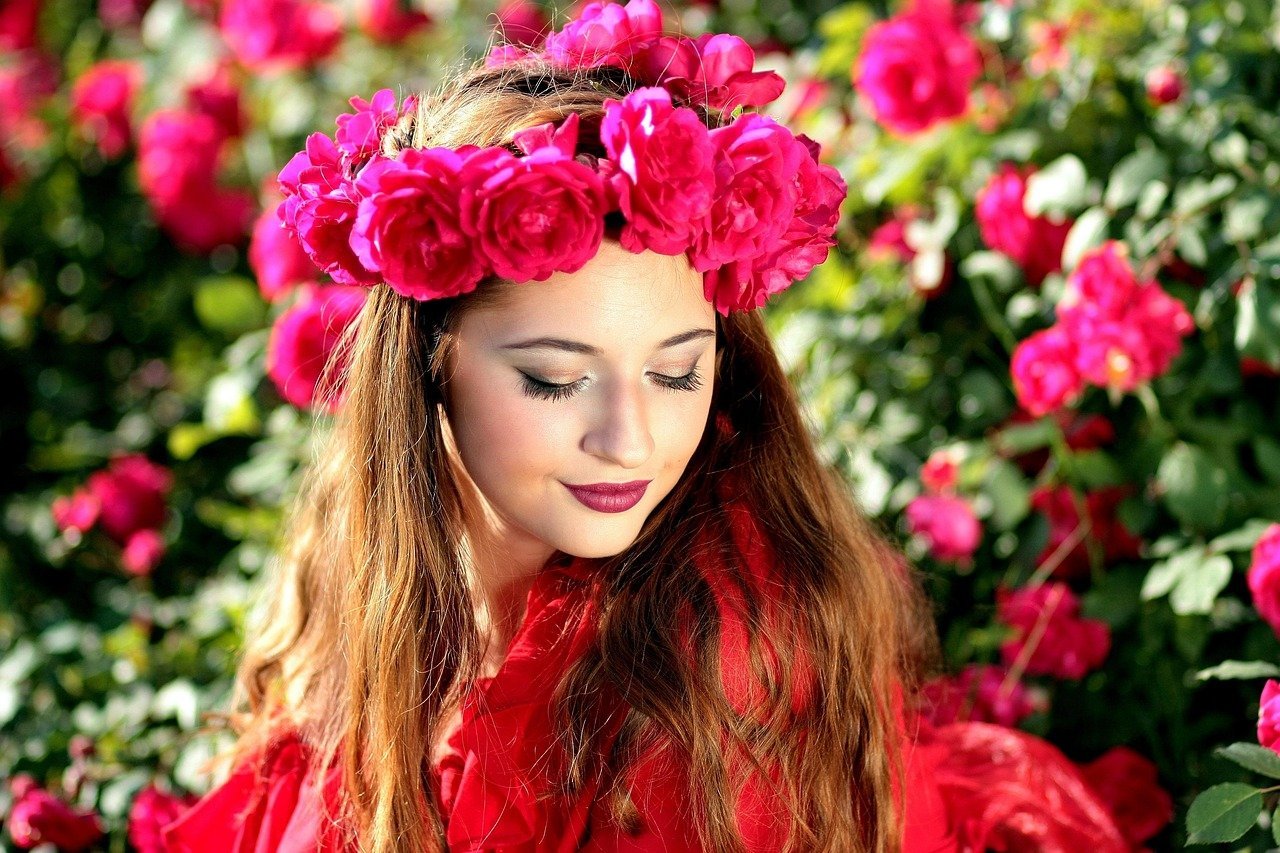
Floral headbands and flower crowns served as quick accessories in the 1960s that brightened hair during sunny festival afternoons. Wearers twisted real or fabric blooms into simple bands that matched the natural surroundings of many events. The style reflected a broader interest in peace and garden inspired motifs that defined the era.
Headbands faded when hair trends shifted toward volume and structure in following years. They resurfaced at contemporary festivals as adjustable fabric versions that stay secure during dancing and activities. People now mix them with braids or loose waves to add color without needing elaborate styling.
Crochet Tops
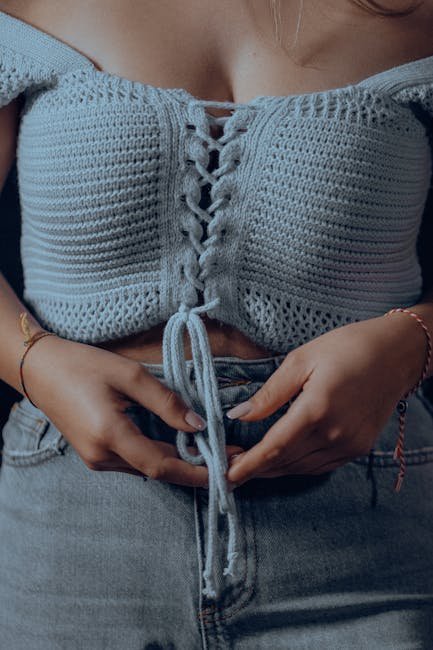
Crochet tops and vests appeared frequently in the 1960s because the open weave kept wearers cool at crowded outdoor shows. Handmade pieces often featured simple patterns that allowed skin to breathe while still covering enough for modesty. This technique spread through craft circles that valued personal creation over mass production.
The open knit look stepped aside when synthetic fabrics and tight fits became popular later. It returned via machine made versions in breathable cotton blends that festival attendees layer over bikinis or tanks. Modern takes include longer lengths and neutral tones that blend easily with jeans or shorts for versatile day to night wear.
Suede Boots
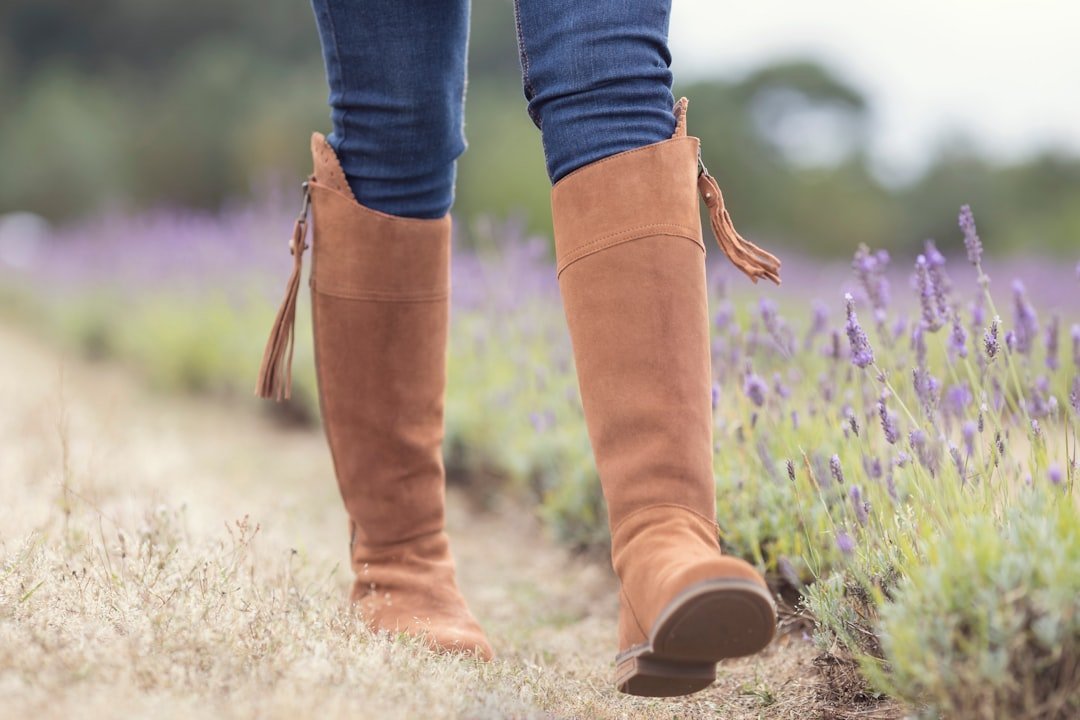
Suede boots with fringe or embroidery defined 1960s festival footwear because they handled dusty fields and uneven ground with ease. The soft material molded to feet over time and offered a grounded contrast to flowing dresses and pants. These boots drew from Western and bohemian roots that aligned with the era’s exploratory mood.
Suede lost favor when sleek leather and athletic styles took precedence in the 1970s onward. It returned through updated ankle and mid calf heights made with water resistant treatments for festival conditions. Wearers pair them now with socks or bare legs depending on weather, keeping the original rugged appeal intact.
Peace Sign Motifs
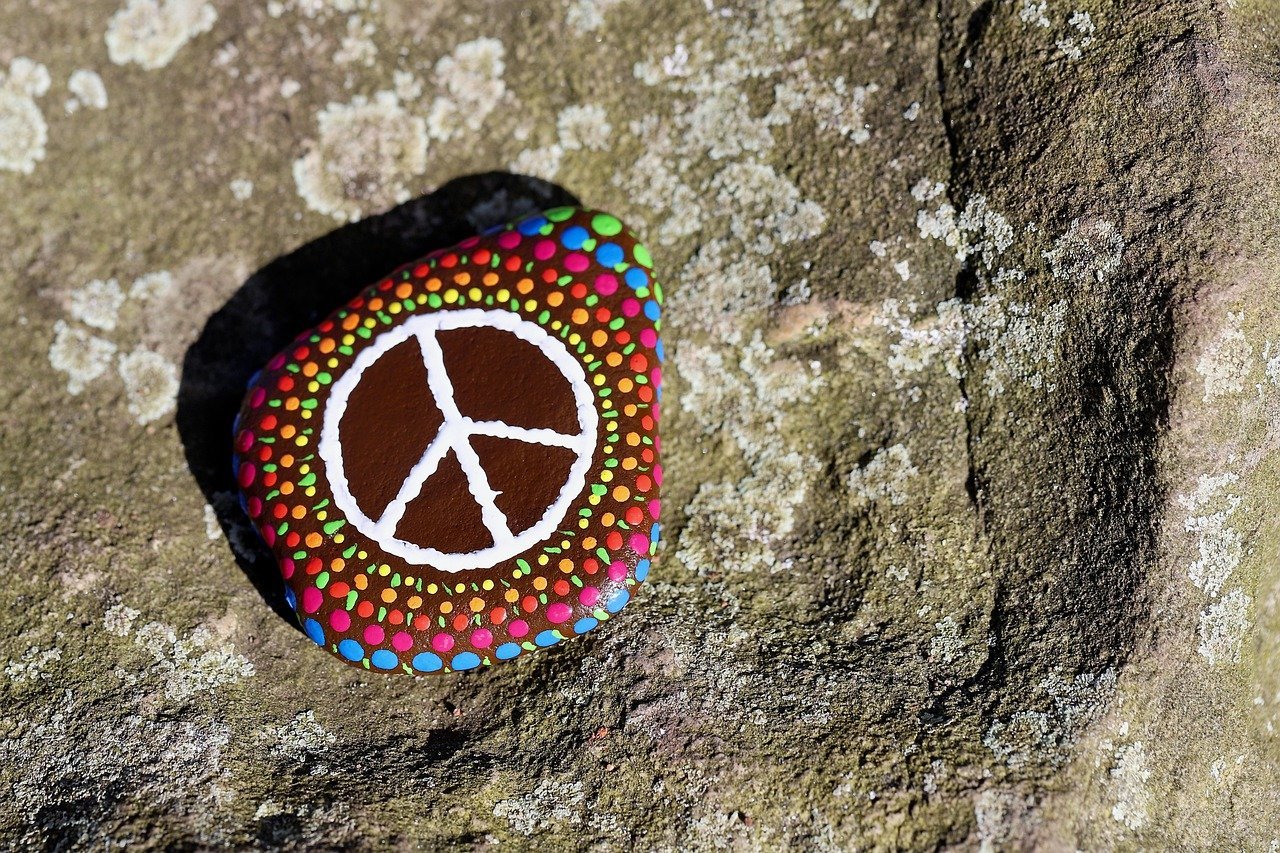
Peace sign motifs on patches, buttons, and prints marked 1960s festival clothing as a quiet nod to social messages of the time. The simple circle and lines appeared on everything from jackets to bags and helped create instant connections among strangers. This symbol grew directly from anti war sentiments that shaped youth gatherings.
The motif receded when political fashion cooled in later decades. It reemerged through subtle placements on modern festival pieces like hats and backpacks that feel personal rather than loud. Attendees combine them with neutral basics so the message stays visible without dominating an entire look.
Maxi Dresses
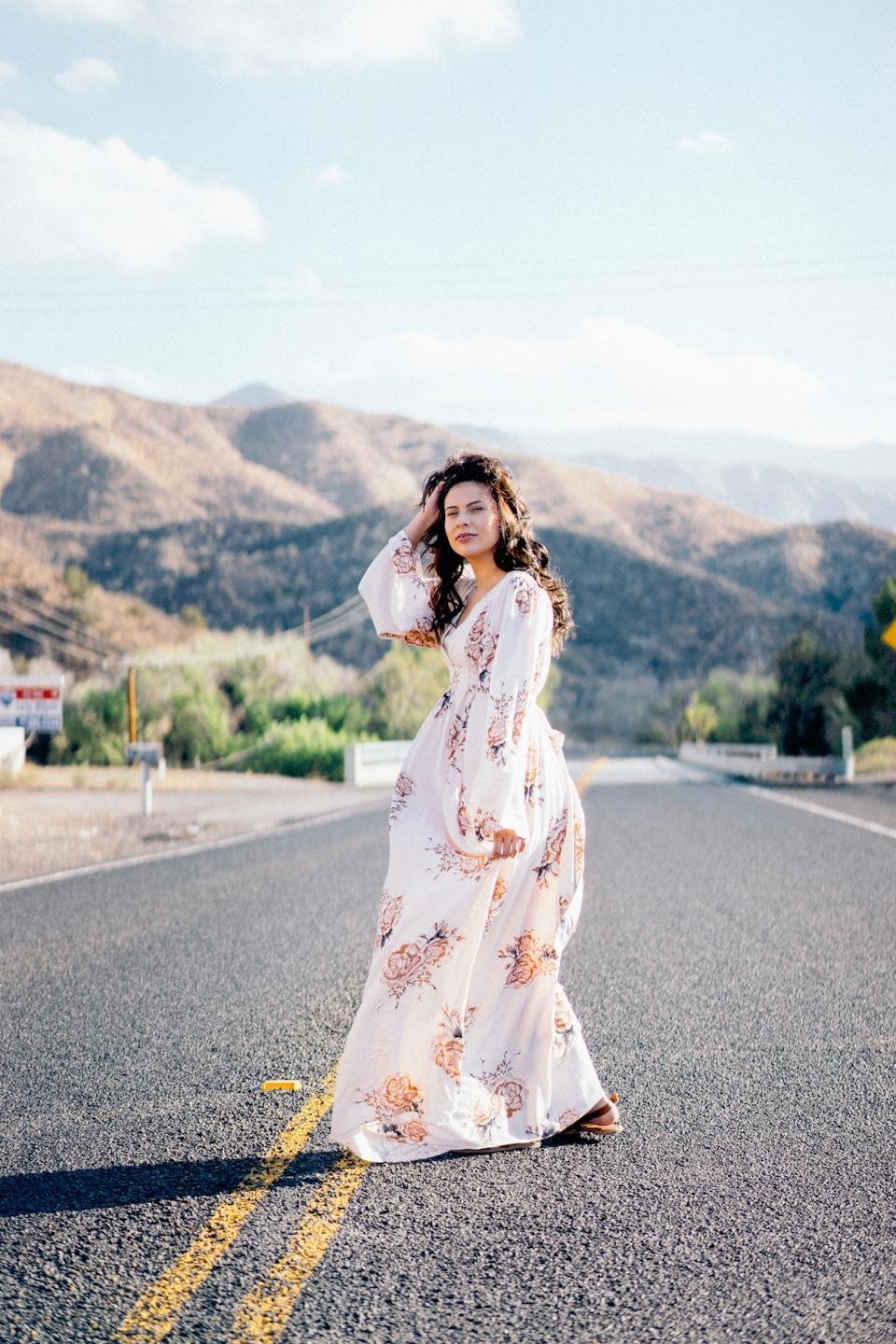
Maxi dresses with flowing skirts became staples at 1960s festivals for their ease during long days of music and movement. Lightweight fabrics allowed the hem to trail gently while still permitting walking and dancing. The length offered coverage yet remained practical in warm weather settings.
Long dresses gave way to shorter cuts when sporty and minimalist styles rose in popularity. They returned via updated prints and fabrics that include built in shorts or adjustable straps for active festival use. People now style them with boots or sneakers to balance the romantic shape with everyday function.
Denim Overalls
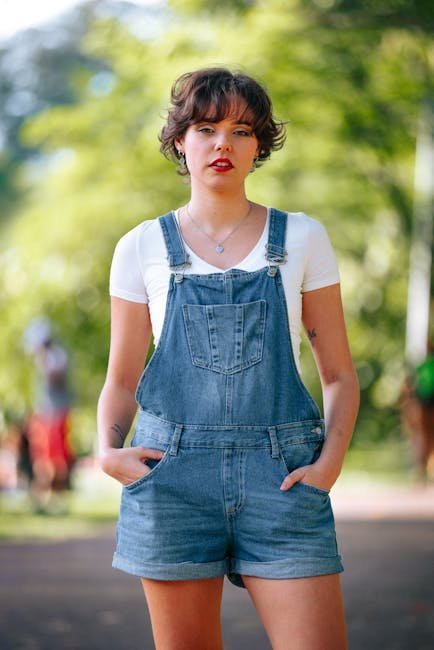
Denim overalls provided a practical uniform for 1960s festival goers who needed pockets and durability across multiple days. The bib front and adjustable straps let wearers layer tees underneath while keeping hands free for activities. This workwear origin found new expression among young people embracing casual rebellion.
Overalls faded from casual fashion when tailored pieces became the norm. They returned through cropped and wide leg versions that fit current proportions and pair with graphic tees or tanks. Festival attendees appreciate the built in utility for carrying small items without extra bags.
Embroidered Patches
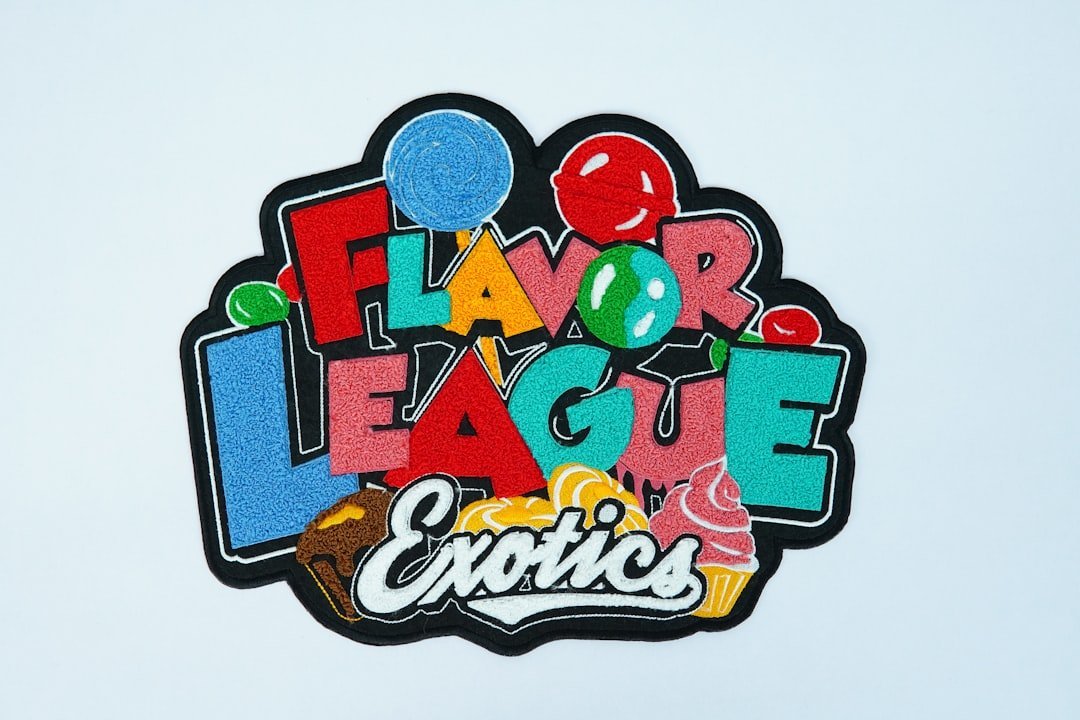
Embroidered patches on jackets and bags served as personal storytelling tools in the 1960s festival scene. Wearers collected or created designs that reflected travels, music tastes, or beliefs and sewed them on as they went. The handmade quality added texture and history to otherwise simple garments.
Patches lost visibility when clean, logo driven clothing took over later decades. They returned through iron on and sew on options that let modern festival fans customize quickly before events. Attendees mix vintage finds with new designs to create layered looks that evolve over multiple festivals.
Fashion trends often circle back because each generation finds fresh ways to connect with the past while meeting present needs. The 1960s festival styles continue this pattern by offering simple, expressive options that still feel relevant today.

- 12 Classic TV Shows With Shocking Behind-the-Scenes Dramas You Never Knew - September 10, 2026
- 10 Novels That Were Initially Dismissed, Only to Become Timeless Masterpieces - September 10, 2026
- The ’80s Were a Wild Ride of Style and Sound That Changed Everything - September 10, 2026

