

- 7 Movie Endings That Were Changed at the Last Minute - September 20, 2026
- Why Some Songs Hit Harder at Night - September 20, 2026
- The 20 Authors Who Predicted the Future Without Trying - September 20, 2026
Music often serves as a soundtrack to our lives. It captures the hopes, rebellions, and dreams of those who come of age during specific times. Songs become shared memories that bind people together across years.
Each generation finds anthems that echo their struggles and triumphs. These tracks rise above charts to shape identities. They mark turning points in culture and society.[1][2]
Silent Generation: “My Way” by Frank Sinatra
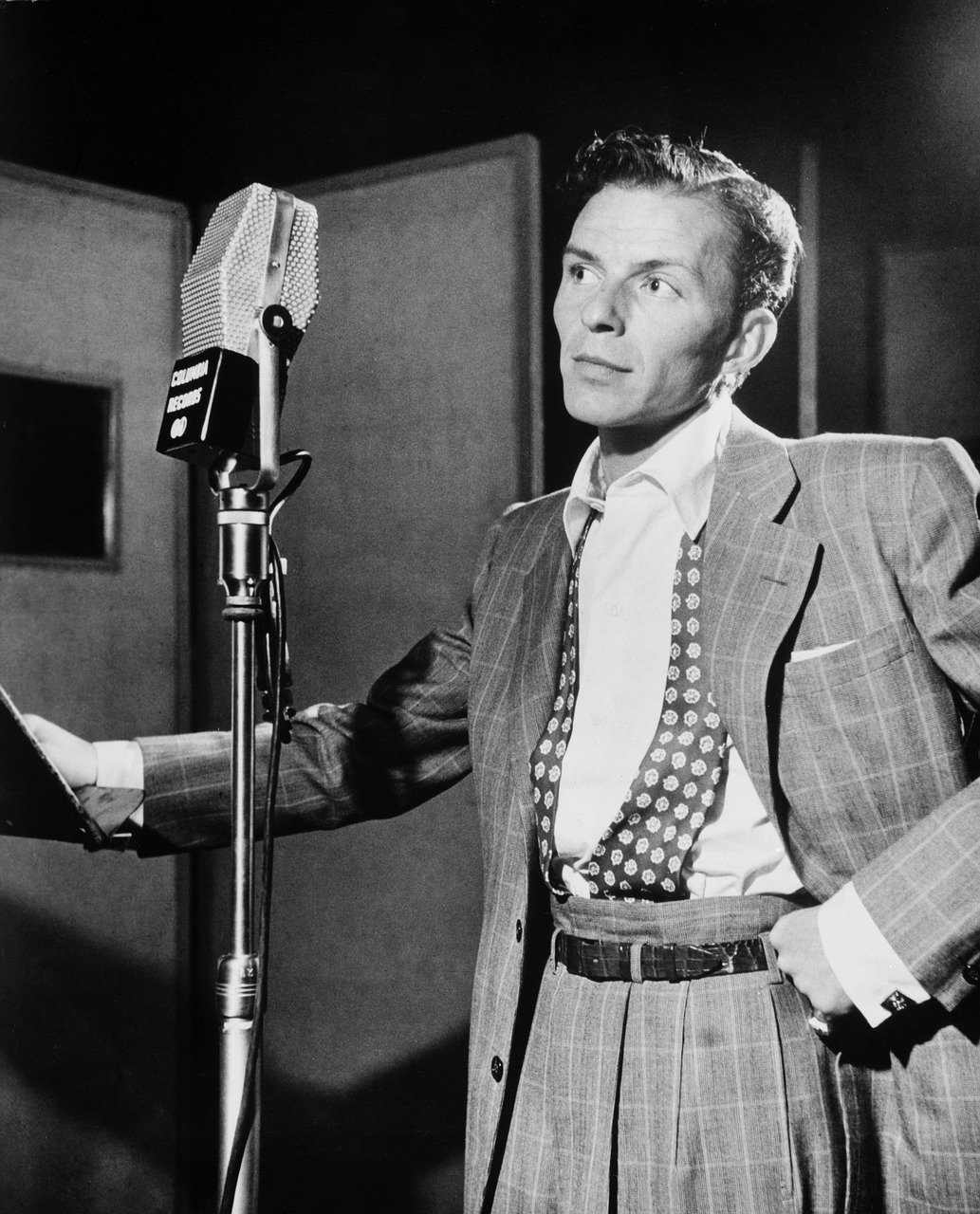
The Silent Generation, born between 1928 and 1945, grew up amid world wars and economic hardship. They valued conformity and hard work. “My Way,” released in 1969, reflected their later years with a look back on life lived independently.
This song’s lyrics about facing the end with no regrets captured their quiet determination. It became a staple for those who endured silently but on their own terms. Even today, it evokes resilience in tough times.[2]
Baby Boomers: “Johnny B. Goode” by Chuck Berry
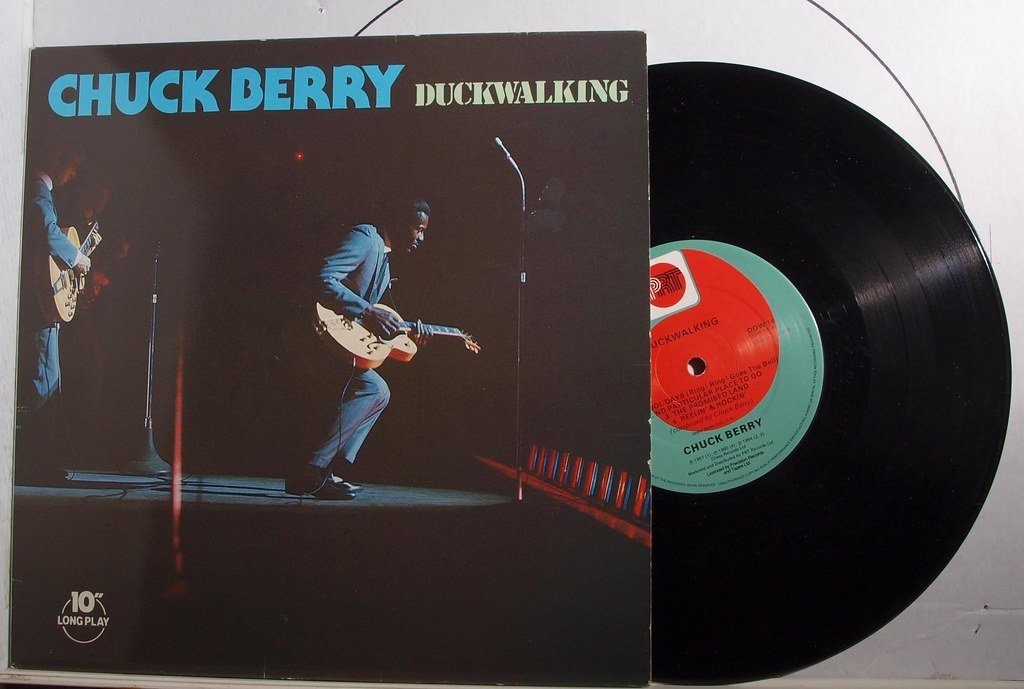
Baby Boomers, born from 1946 to 1964, entered youth during the rock ‘n’ roll explosion of the 1950s. They challenged post-war norms with energy and freedom. Chuck Berry’s 1958 hit “Johnny B. Goode” celebrated a kid strumming guitar over schoolbooks.
The riff drove teens to pick up instruments and rebel through music. It symbolized raw talent trumping formal education. Boomers still nod to its role in birthing rock culture.[2]
This track fueled the shift from crooners to electric guitars. Kids saw themselves in Johnny’s story of rising through rhythm.
Baby Boomers: “Like a Rolling Stone” by Bob Dylan
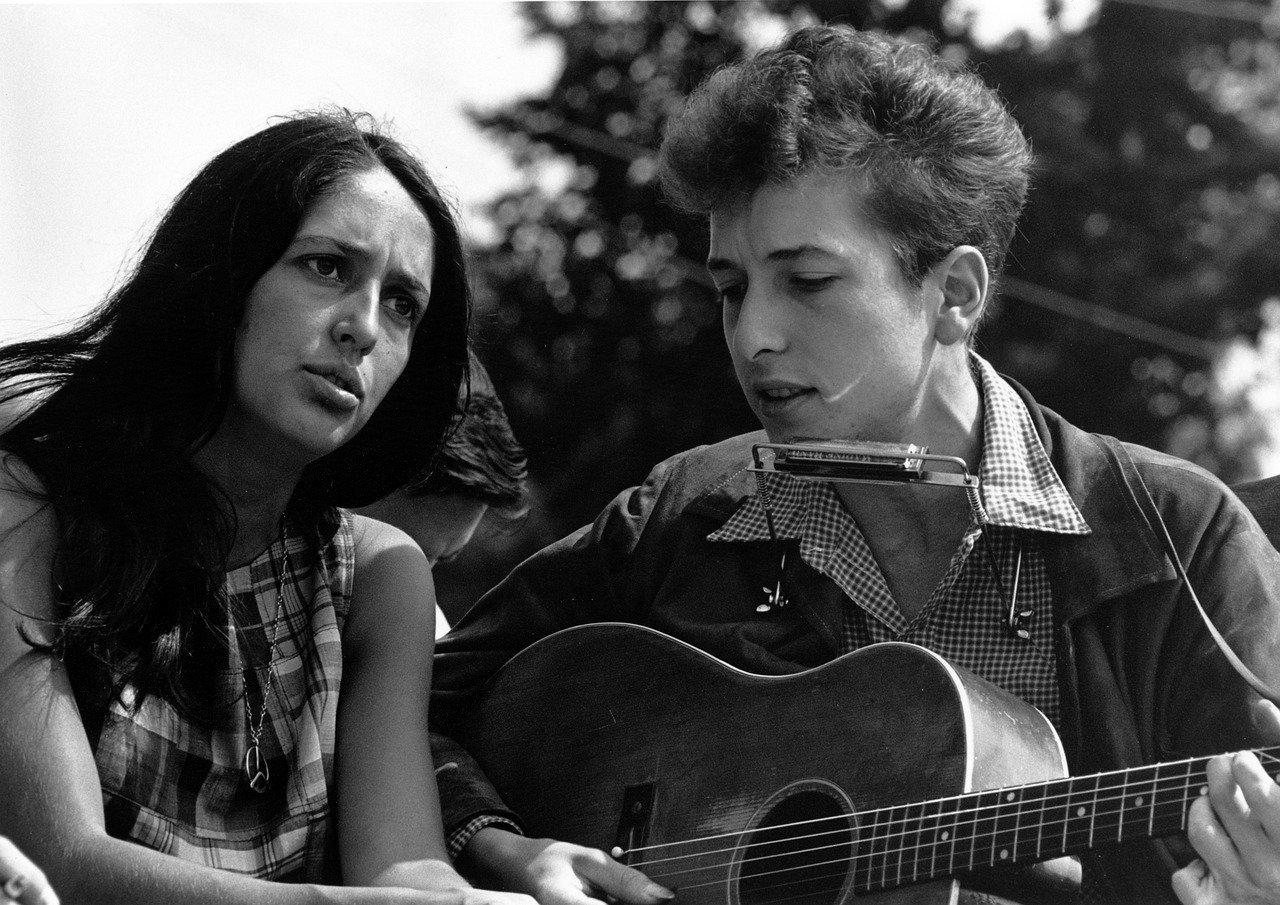
As Boomers hit their teens in the 1960s, counterculture bloomed. Dylan’s 1965 release broke pop rules with its six-minute length and biting words. It questioned privilege and pushed for self-discovery.[1]
The song marked a pivot to folk-rock protest music. Listeners felt the sting of lines about losing direction. It inspired a generation to rethink society.
Its influence lingers in how we value authenticity over conformity. Boomers credit it with sparking their revolutionary spirit.[2]
Generation X: “Fast Car” by Tracy Chapman
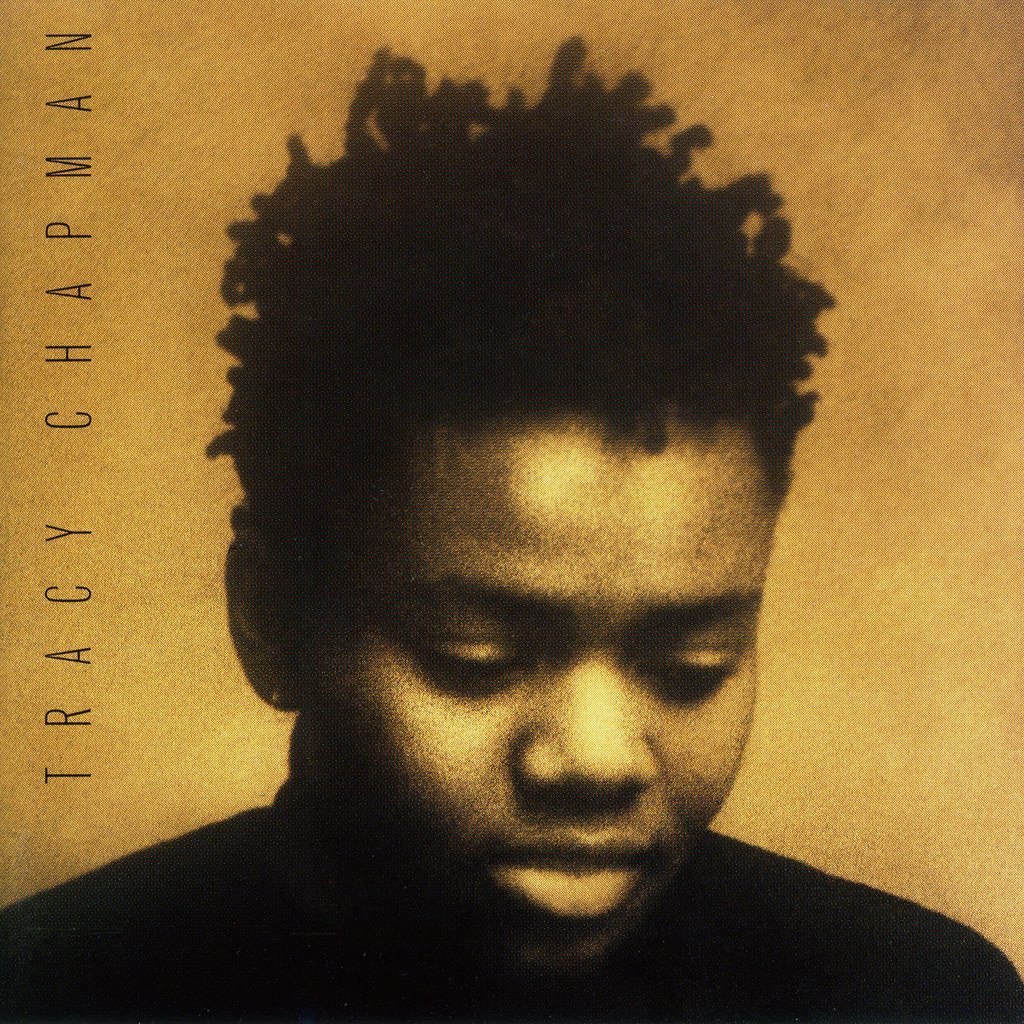
Gen X, born 1965 to 1980, faced latchkey childhoods and economic shifts in the 1980s. Tracy Chapman’s 1988 ballad spoke to dreams amid poverty. It painted escape through a beat-up car and hope for better.
The raw storytelling hit home for those doubting upward mobility. Her voice carried quiet ambition against odds. This track became their understated cry for change.[2]
Generation X: “Smells Like Teen Spirit” by Nirvana
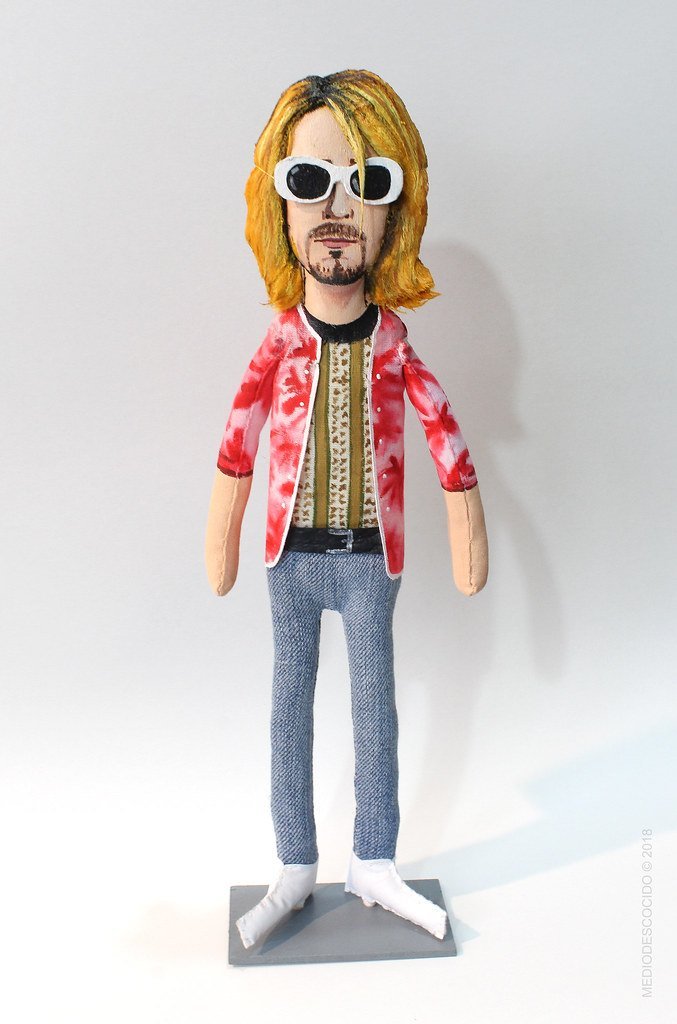
By early 1990s, Gen X channeled anger into grunge. Nirvana’s 1991 smash exploded from Seattle garages to global stages. Its raw noise and apathy lyrics voiced disillusionment with shiny 80s excess.[1]
Kurt Cobain’s snarl demanded entertainment over pretense. Teens in flannel found catharsis in the chaos. It killed hair metal and birthed alternative rock.
The song defined slacker rebellion. Gen X still blasts it to reclaim their edge.[2]
Millennials: “Hey Ya!” by OutKast
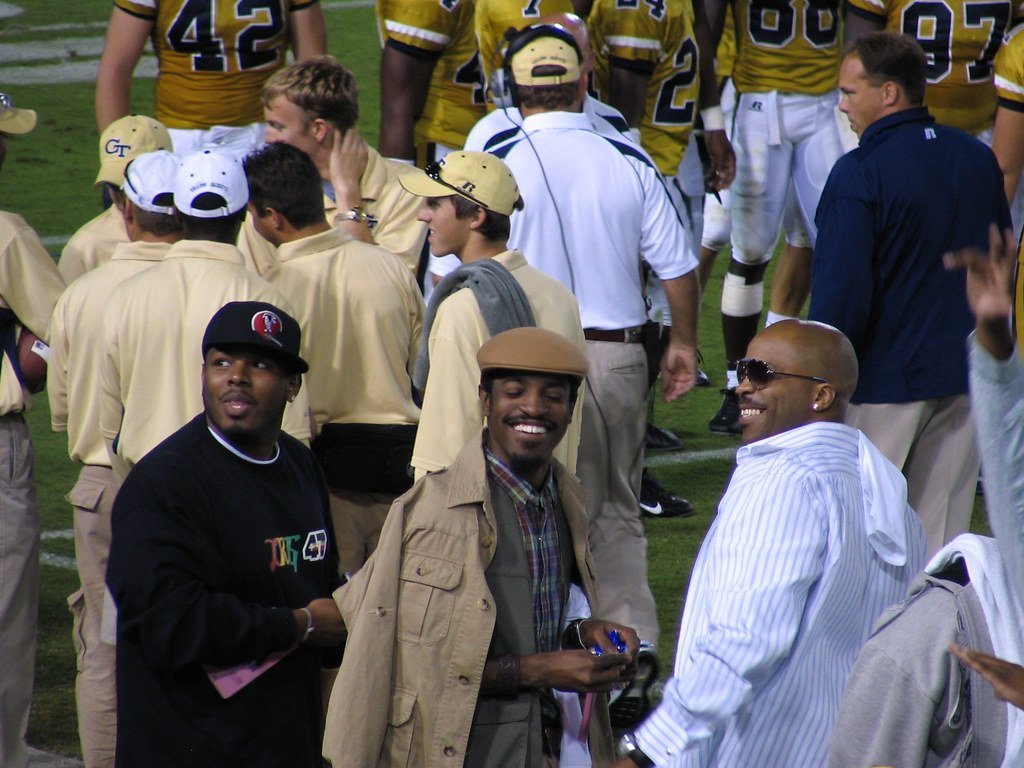
Millennials, born 1981 to 1996, navigated 2000s irony and digital dawn. OutKast’s 2003 hit masked deep questions under party beats. Andre 3000 pondered love’s fragility amid shake-it vibes.
It thrived on MTV and radio, blending hip-hop with pop. The track captured fleeting connections in a wired world. Millennials danced through existential vibes.
Years later, it resurfaces in memes and playlists. This anthem nailed their blend of fun and doubt.[2]
Gen Z: “Alright” by Kendrick Lamar
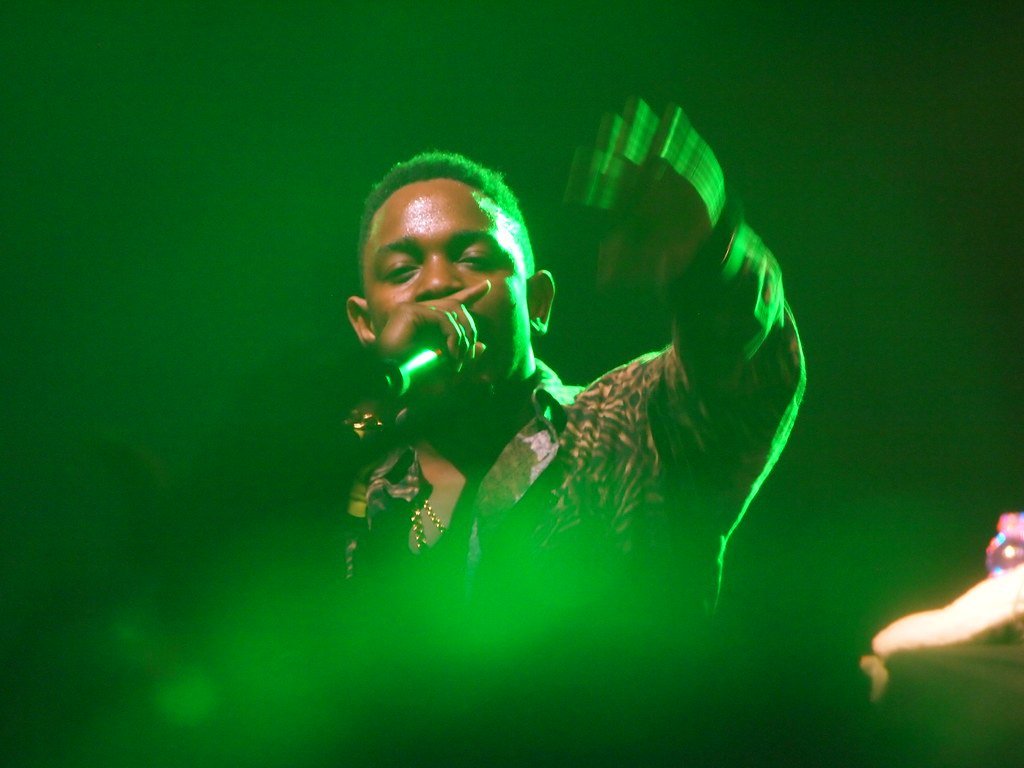
Gen Z, born 1997 onward, grew up with social media and activism in the 2010s. Kendrick Lamar’s 2015 track rose as a Black Lives Matter beacon. Its chorus promised endurance despite pain.
Protests chanted it for hope amid injustice. Lamar wove jazz and rap into urgent pleas. This became their resilient soundtrack.[1]
The song’s power lies in turning struggle into strength. Gen Z carries it forward in fights for equity.[2]
How Music Continues to Shape Us

These anthems outlive their eras. They connect us through shared soundtracks. Each generation passes the torch with new beats.
Listen close, and you’ll hear your story in the notes. Music doesn’t just play. It defines who we become together.

Besides founding Festivaltopia, Luca is the co founder of trib, an art and fashion collectiv you find on several regional events and online. Also he is part of the management board at HORiZONTE, a group travel provider in Germany.
