


For any feedback please reach out to info@festivalinside.com
- 15 Forgotten TV Show Theme Songs That Are Still Incredibly Catchy - August 31, 2026
- Every Masterpiece Holds a Secret Story of Its Creation Within Its Depths. - August 31, 2026
- 10 Groundbreaking Scientific Discoveries That Revolutionized Daily Life - August 31, 2026
Television once churned out mostly light episodic fare, formulaic plots resetting week after week. Cable networks like HBO changed that starting in the late 1990s. They poured resources into ambitious series that treated viewers to novel-like depth and cinematic polish.
This shift marked the modern Golden Age, roughly spanning 1999 to the early 2020s.[1]) Serialization took hold, weaving intricate arcs across seasons. Complex characters grappled with moral gray areas, pulling audiences into worlds rivaling feature films.[1])
The Sopranos
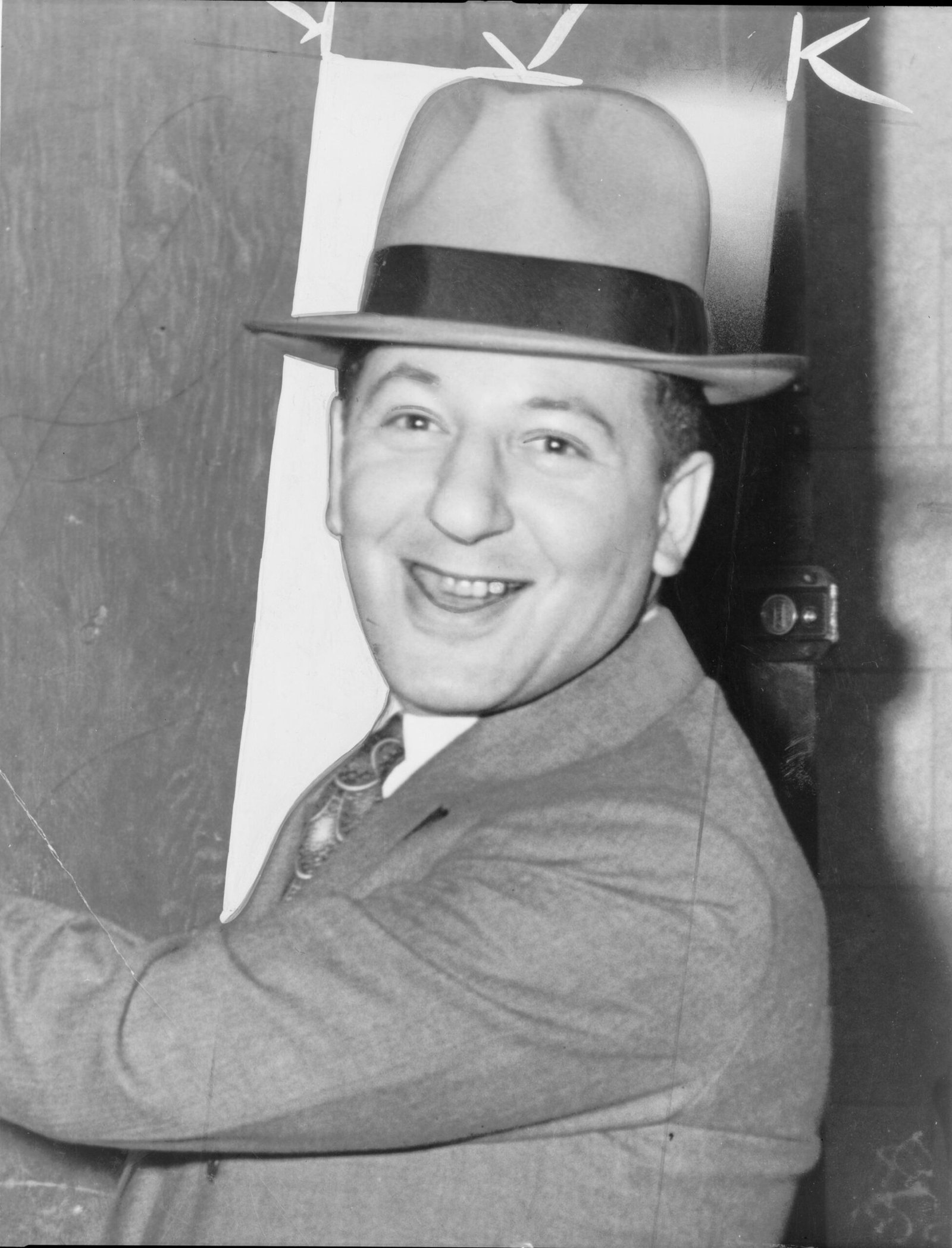
The Sopranos aired from 1999 to 2007, kicking off the prestige era on HBO. It introduced Tony Soprano, a mob boss wrestling with panic attacks and family woes in therapy sessions. This anti-hero blueprint shattered old TV norms, blending raw violence with intimate psychology.[1])
Viewers followed his fractured psyche over six seasons, a format that demanded commitment. The show pioneered tasteful handling of mature themes, elevating dialogue to literary levels. Its influence rippled through cable, proving audiences craved unflinching character studies.
The Wire

Running from 2002 to 2008, The Wire dissected Baltimore’s underbelly across institutions like police, schools, and ports. Each season shifted focus, building a tapestry of interconnected lives without tidy resolutions. This ensemble approach mirrored real societal failures, demanding sharp attention from viewers.[1])
Writers layered diverse viewpoints, avoiding heroes or villains. The result felt like urban sociology in dramatic form. It set a benchmark for authentic, plot-driven realism that later shows emulated.
Critics hailed its narrative ambition as a storytelling pinnacle.
Six Feet Under
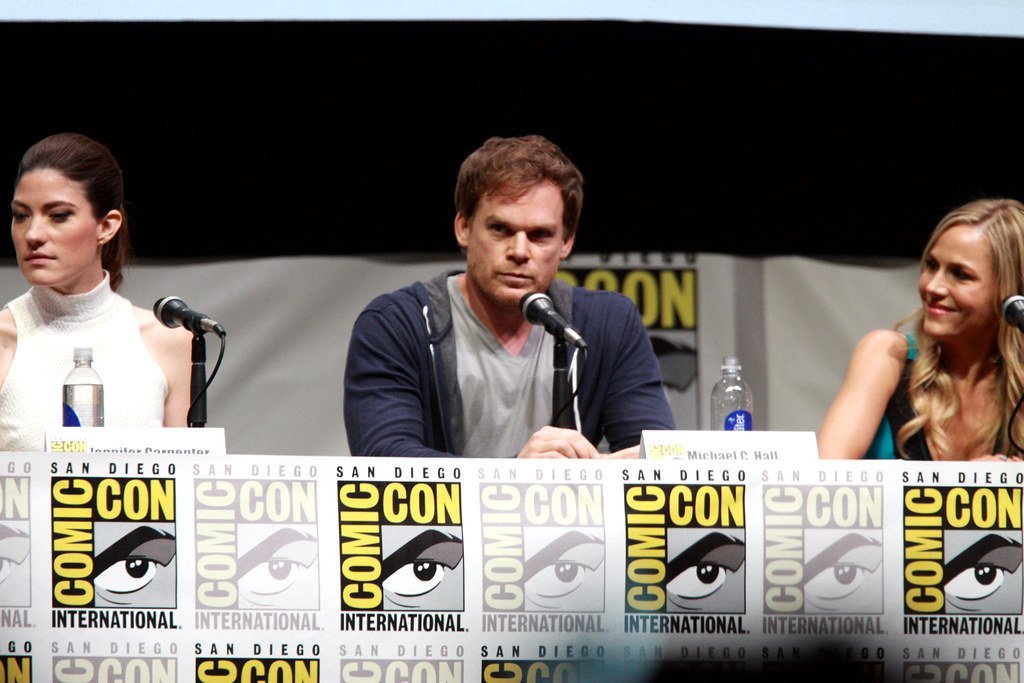
Six Feet Under spanned 2001 to 2005, centering a dysfunctional family running a funeral home. Death framed every episode, prompting raw explorations of grief and identity. Flash-forwards to characters’ ends added a haunting inevitability, rare for its time.[1])
Relationships evolved organically, with humor cutting through melancholy. The series humanized taboo topics, fostering emotional investment over years. Its intimate scale showcased how serialization could deepen personal stakes.
Deadwood

Deadwood unfolded from 2004 to 2006 in HBO’s gritty Western camp. Profane dialogue and moral ambiguity defined its lawless frontier. Long, unbroken takes immersed viewers in tense standoffs and power plays.[1])
Characters schemed in Shakespearean bursts, blending history with invention. The show revived the genre through adult complexity, proving TV could handle R-rated ambition. Its brevity intensified every conflict.
Later films extended its world, cementing the legacy.
Mad Men
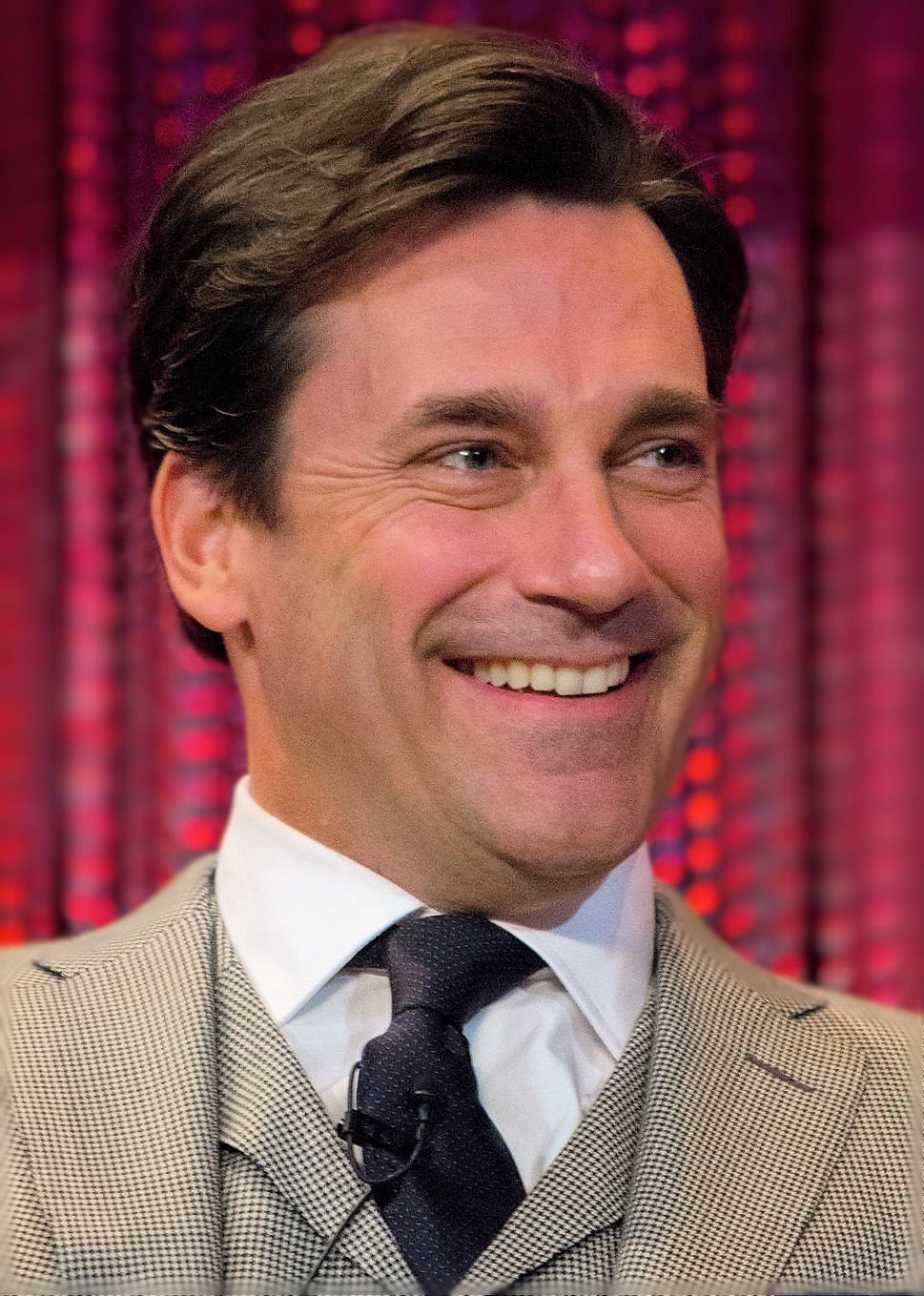
Mad Men captured 2007 to 2015 Madison Avenue, chronicling ad men amid cultural upheaval. Don Draper’s elusive past fueled slow-burn revelations. Meticulous period details grounded emotional turmoil in era-specific tensions.[1])
Subtle shifts in fashion and politics mirrored inner changes. The writing favored implication over exposition, rewarding rewatches. It demonstrated prestige TV’s power in quiet, character-led evolution.
Breaking Bad
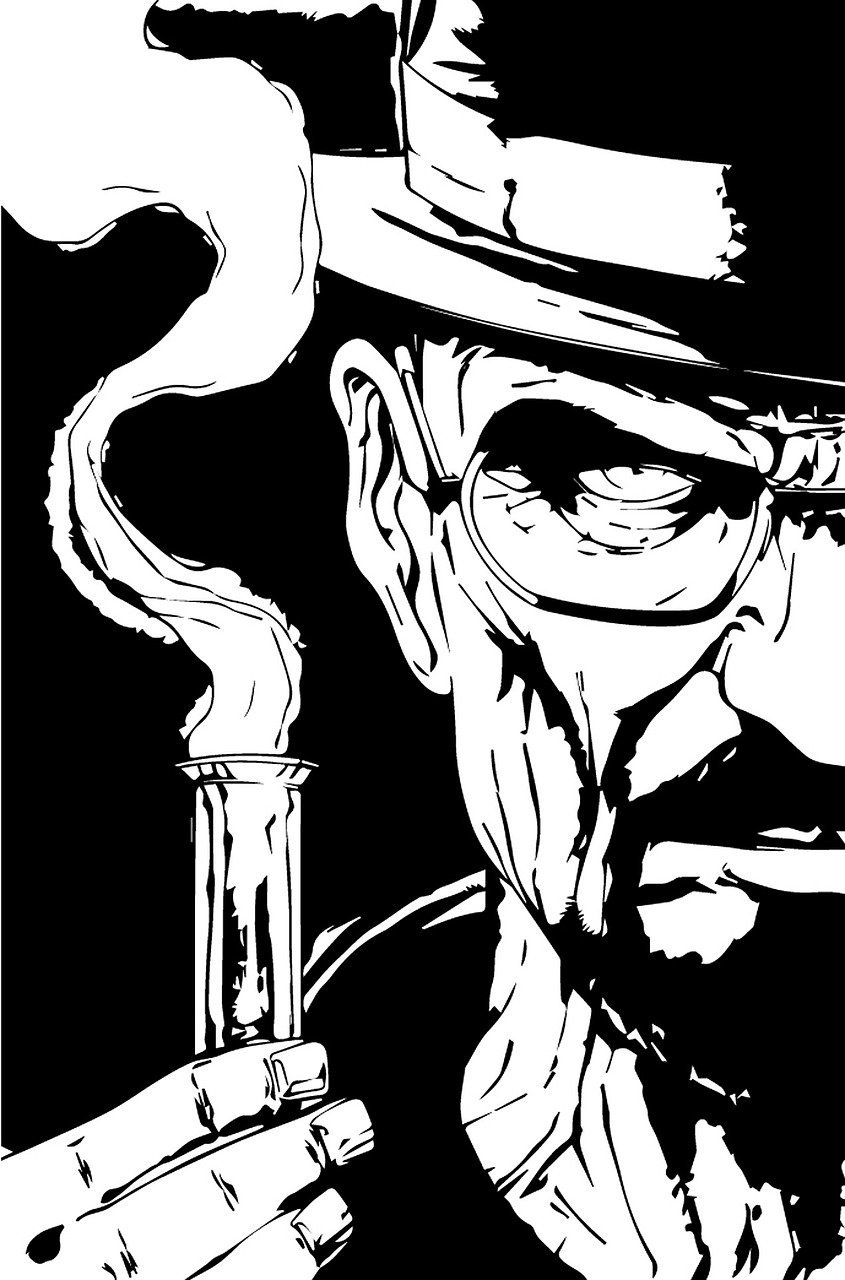
From 2008 to 2013, Breaking Bad tracked chemistry teacher Walter White’s meth empire descent. Moral slides built tension episode by episode, turning sympathy to dread. Visual metaphors, like vast deserts, amplified isolation.[1])
Hyper-serialized plots twisted unpredictably yet logically. Ensemble growth kept stakes personal amid escalating chaos. The finale delivered cathartic payoff, validating long-arc mastery.
Game of Thrones

Game of Thrones ruled from 2011 to 2019, adapting epic fantasy with brutal politics. Multiple houses vied for power in a sprawling world. Shocking twists upended expectations, fueling watercooler debates.[1])
Scale matched films, with battles and dragons pushing effects boundaries. Moral complexity permeated every alliance. Though divisive later, it popularized ambitious world-building on TV.
The Lasting Legacy of Prestige Television

This era transformed TV into a novelist’s canvas, where seasons unfolded like chapters. Storytelling standards soared, with cable and streaming chasing cinematic heights. Even as production peaked and waned by the early 2020s, the blueprint endures.[1])
Viewers now expect nuance and continuity. What began with mobsters in therapy sessions proved television could rival any medium in depth. The screen stays lit, inviting the next bold tale.

Christian Wiedeck, all the way from Germany, loves music festivals, especially in the USA. His articles bring the excitement of these events to readers worldwide.
For any feedback please reach out to info@festivalinside.com
