

- 8 Gardening Hacks That Will Make Your Roses Bloom Like Never Before - August 11, 2026
- 8 Incredible Beaches Around the World You Won’t Believe Are Real - August 11, 2026
- 10 Classical Music Masterpieces That Will Transport You Through Time - August 11, 2026
Television in the late 1940s through the 1950s burst into American homes with raw energy and ambition. Live broadcasts ruled the airwaves, especially in New York studios where crews pulled off hour-long dramas under intense pressure. Anthology series dominated, each episode a fresh story drawn from plays, novels, or original scripts that often tackled social issues head-on.[1]
These shows drew top talent from Broadway and launched careers amid the thrill of no retakes. Families gathered around bulky sets to watch tales unfold in real time, creating shared moments that felt urgent and alive. This era set a high bar for creativity before filmed series took over.
Kraft Television Theatre
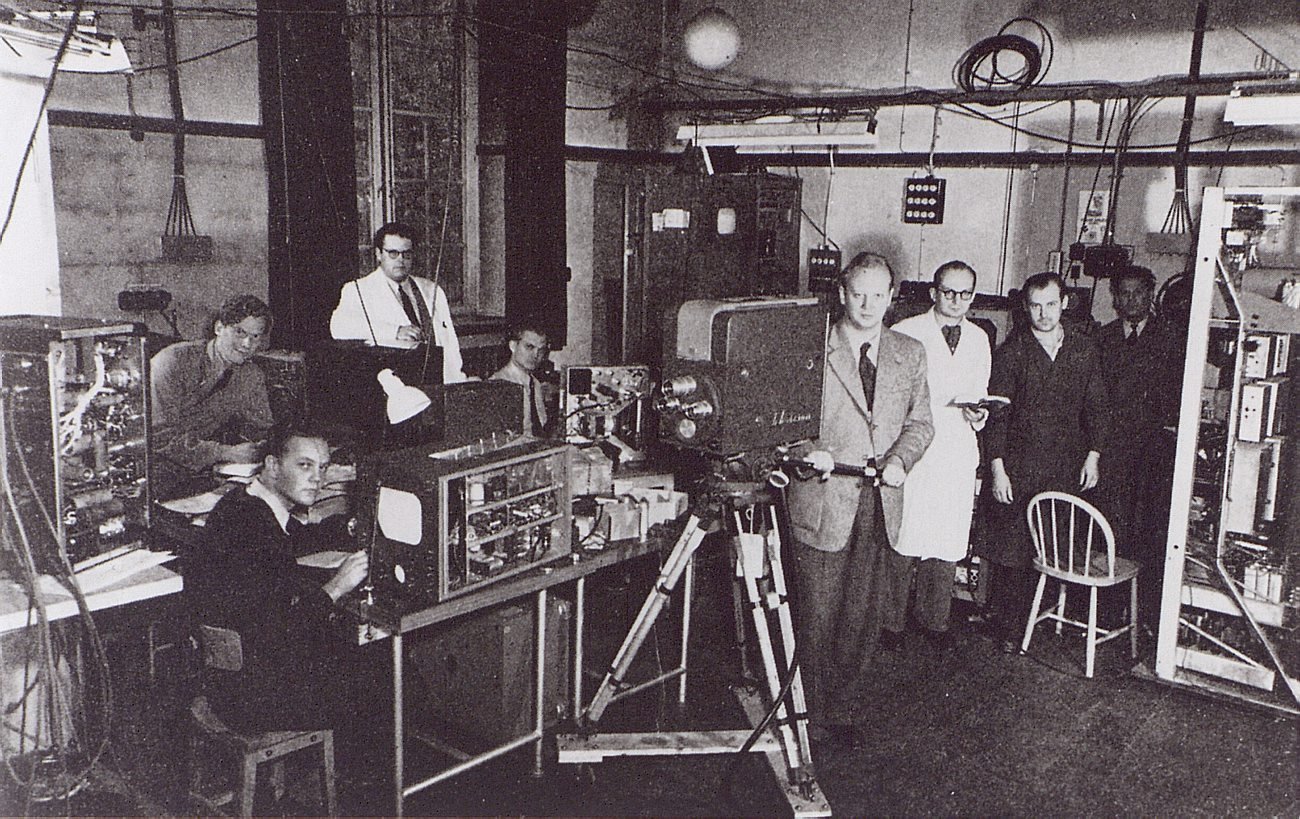
Kraft Television Theatre aired from 1947 to 1958 on NBC. It kicked off the Golden Age with its debut episode on May 7, 1947, as the first major hour-long live anthology drama.[1][2]
The series adapted classic works and new plays, pulling in stars like James Dean early in their paths. Its live format demanded precision, turning living rooms into theaters for millions. Kraft helped legitimize TV as a serious medium, blending sponsor money with artistic risks that paid off in viewer loyalty.
Episodes often explored human struggles, setting a tone for thoughtful storytelling. The show’s success showed networks what audiences craved beyond simple variety acts.
Westinghouse Studio One
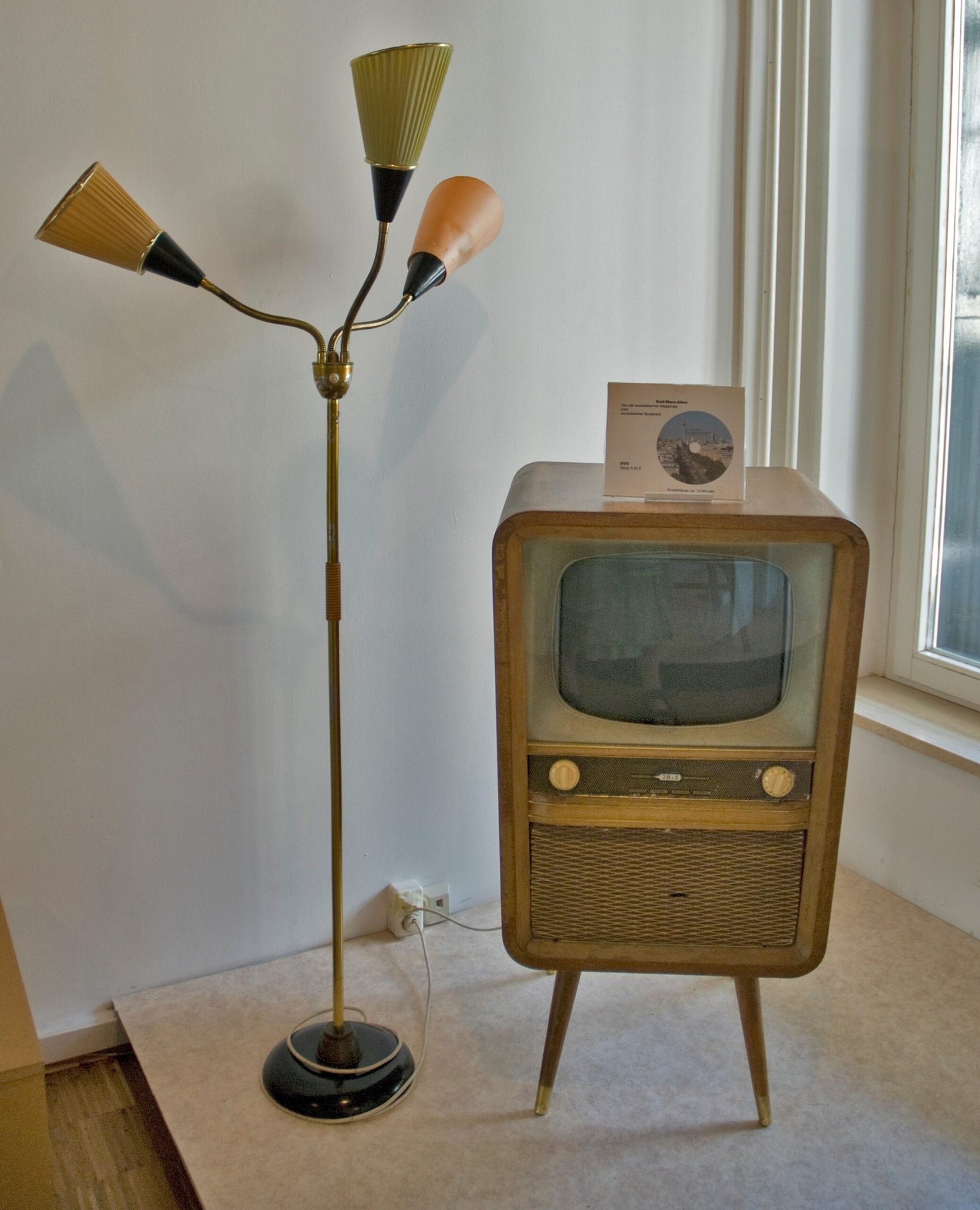
Westinghouse Studio One ran on CBS from 1948 to 1958, delivering 467 live episodes over a decade.[3])
Produced by Worthington Miner, it featured adaptations like George Orwell’s Nineteen Eighty-Four and Reginald Rose’s Twelve Angry Men, both later big-screen hits. The pressure of live TV shone through in tense productions, such as a near-disaster with water and electrical sets. It earned Emmys yearly and introduced actors like Ed Asner and Warren Beatty.
Studio One mixed literature with timely dramas, pushing boundaries on jury bias and dystopias. Its legacy lies in proving TV could handle complex narratives without Hollywood polish.
Viewers tuned in for the unpredictability, making it a ratings staple into the early 1950s.
The Philco Television Playhouse
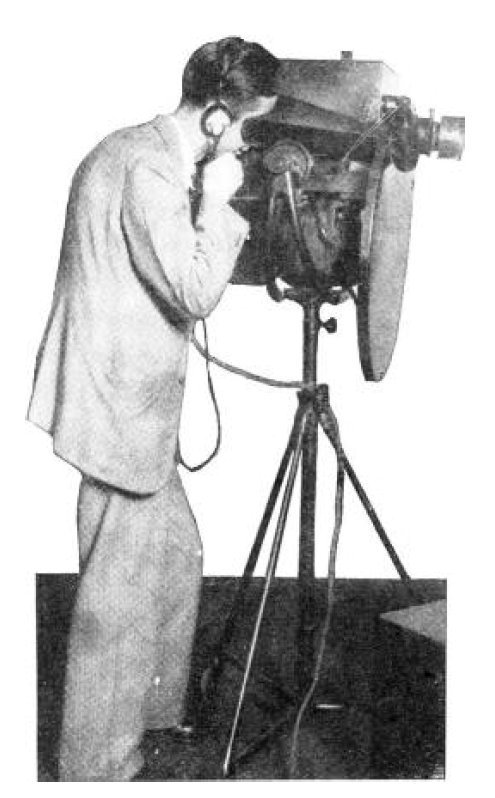
The Philco Television Playhouse broadcast from 1948 to 1955, another cornerstone live anthology.[1]
It spotlighted writers like Paddy Chayefsky and Reginald Rose, whose scripts delved into everyday tensions and moral dilemmas. Live from New York, episodes captured raw performances that felt immediate and unfiltered. The show nurtured talents who shaped future TV and film.
Its focus on original American stories gave voice to postwar anxieties. Philco stood out for quality amid rising competition, influencing how networks chased prestige.
Playhouse 90
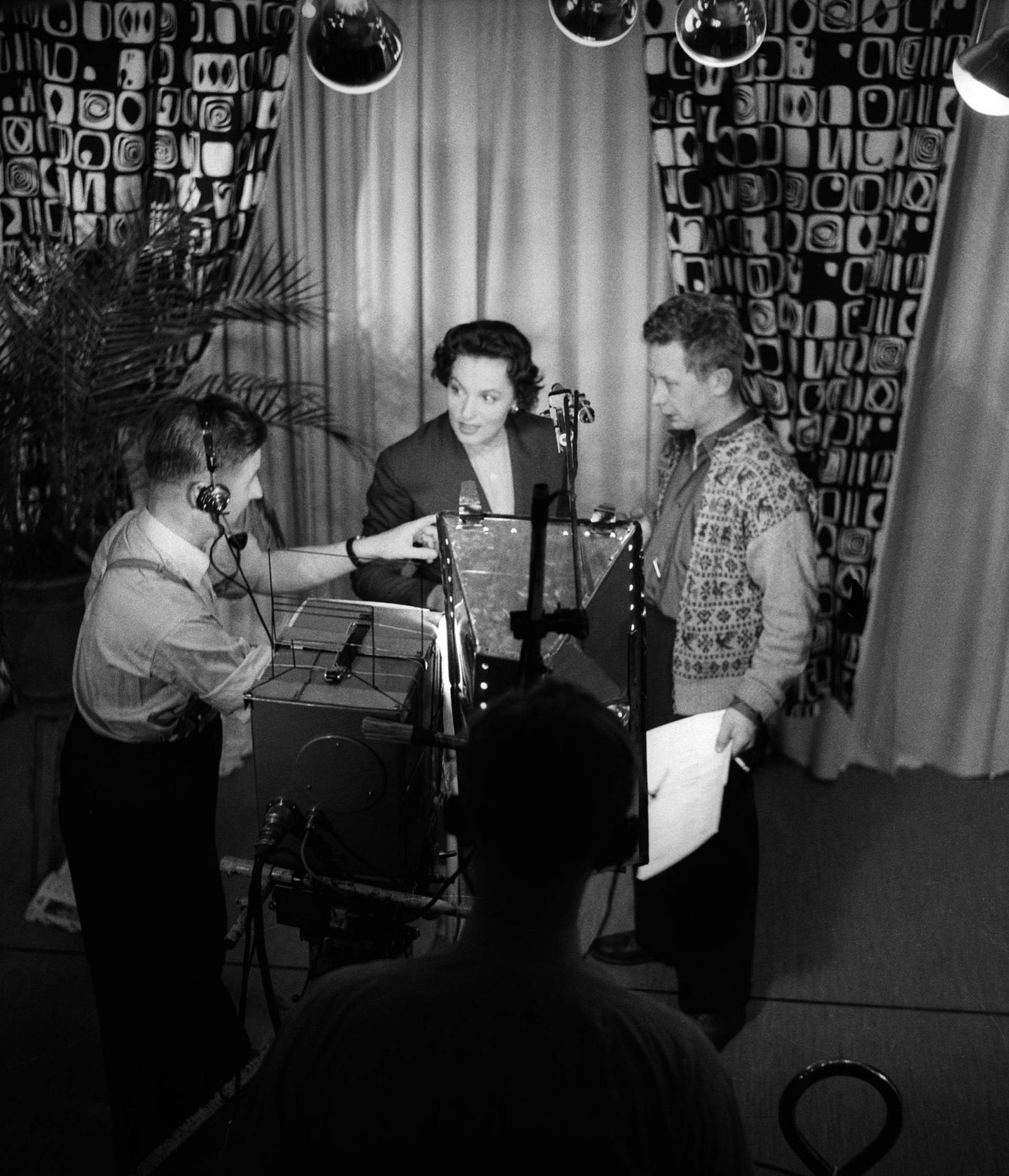
Playhouse 90 aired on CBS from 1956 to 1960, stretching to 90 minutes per episode.[4][1]
Rod Serling’s Requiem for a Heavyweight won multiple Emmys and a Peabody, highlighting faded boxers with stark realism. Other standouts included The Miracle Worker and Judgment at Nuremberg, many remade as films. It blended live and filmed segments as tech evolved.
The series marked the era’s ambitious close, with top directors and casts drawing huge audiences. Playhouse 90 earned top honors like Golden Globes for its dramatic heft.
Its episodes linger as benchmarks for television’s artistic peak.
I Love Lucy
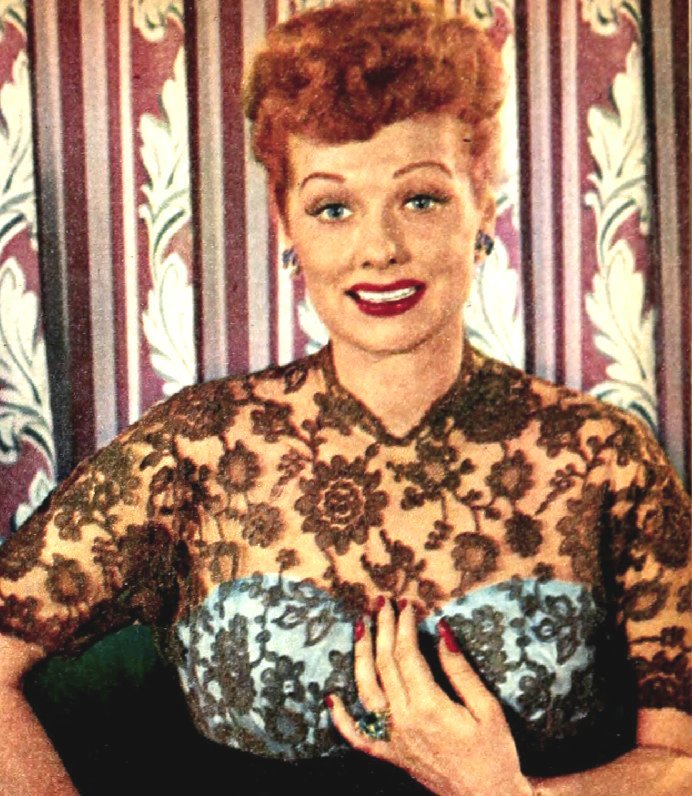
I Love Lucy ran from 1951 to 1957 on CBS, starring Lucille Ball and Desi Arnaz.[2]
Unlike pure live dramas, it pioneered multi-camera filming on 35mm before a studio crowd, perfect for reruns. The show topped ratings for years, blending slapstick with a fresh take on marriage. It broke ground with its Cuban-American lead, reflecting changing America.
Lucy redefined sitcoms through technical smarts and relatable chaos. Its syndication success proved TV could profit long-term.
Families laughed together at Lucy’s schemes, cementing her as a comedy icon.
The Twilight Zone
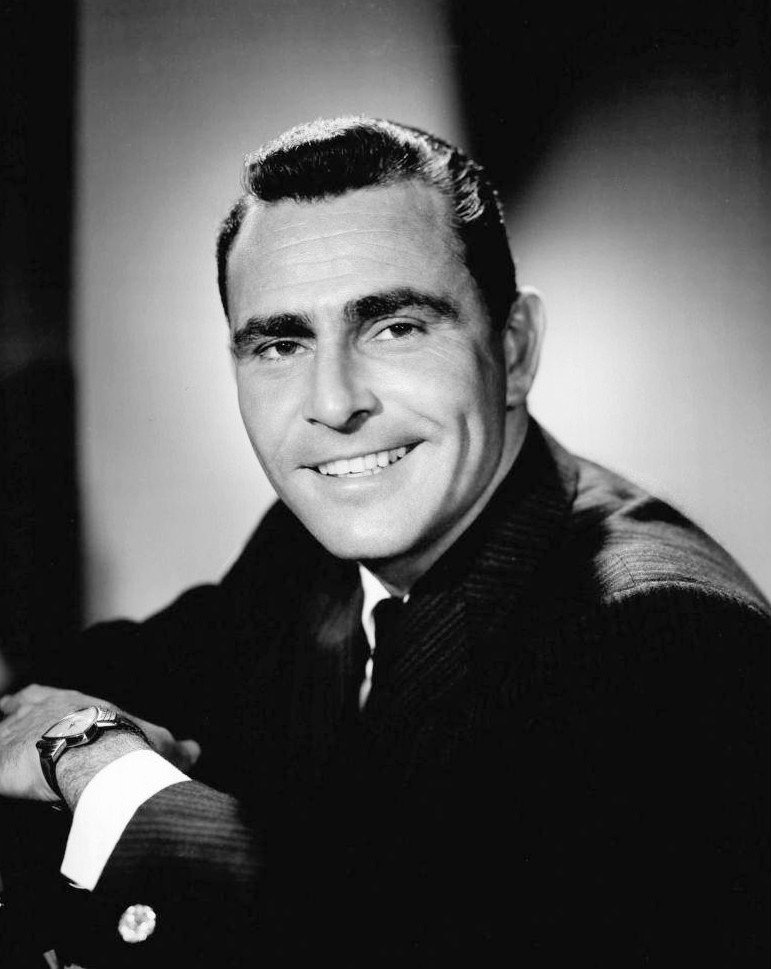
The Twilight Zone aired from 1959 to 1964, created by Rod Serling.[1]
This filmed anthology twisted sci-fi and fantasy into moral lessons, often warning about prejudice or technology. Episodes like invading aliens or time travelers hooked viewers with surprise endings. Serling narrated, framing tales with poetic flair.
It bridged live era innovation to taped production, influencing countless stories. The Zone’s brevity packed punches that echoed in pop culture.
Its themes feel fresh even now, proving timeless storytelling endures.
Lasting Influence of Classic TV
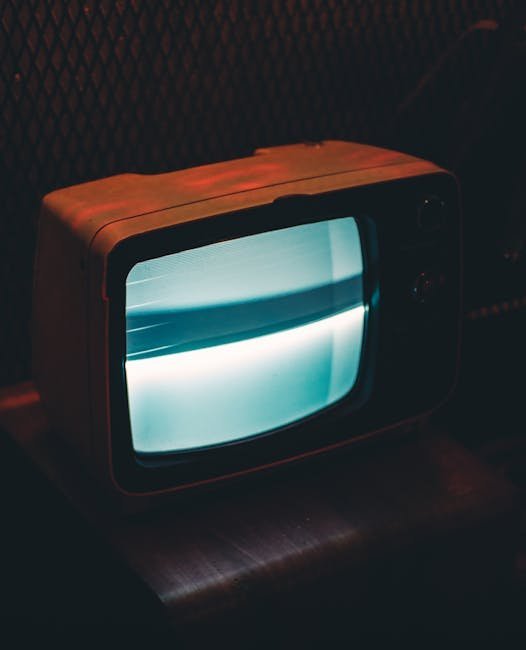
The Golden Age forged television’s soul through live risks and bold narratives. Anthology formats inspired later prestige series, while tech like multi-camera lives on in studios today. Shows from this time shaped genres from sitcoms to sci-fi, drawing families into shared worlds.[2]
They proved a new medium could rival theater and film in depth. Reruns keep these stories alive, reminding us how TV first captured imaginations. That spark still lights up screens decades later.

Besides founding Festivaltopia, Luca is the co founder of trib, an art and fashion collectiv you find on several regional events and online. Also he is part of the management board at HORiZONTE, a group travel provider in Germany.
