

For any feedback please reach out to info@festivalinside.com
Album covers do more than protect vinyl or stream thumbnails. They pull you into a band’s world before the first note hits. From spontaneous snapshots to elaborate stunts, these images often carry tales as gripping as the music they frame.
Over decades, artwork has fueled myths, sparked outrage, and defined genres. Certain covers stand out for their bizarre origins. Their legends endure, proving visuals can rival songs in lasting power.
The Beatles’ Abbey Road (1969)
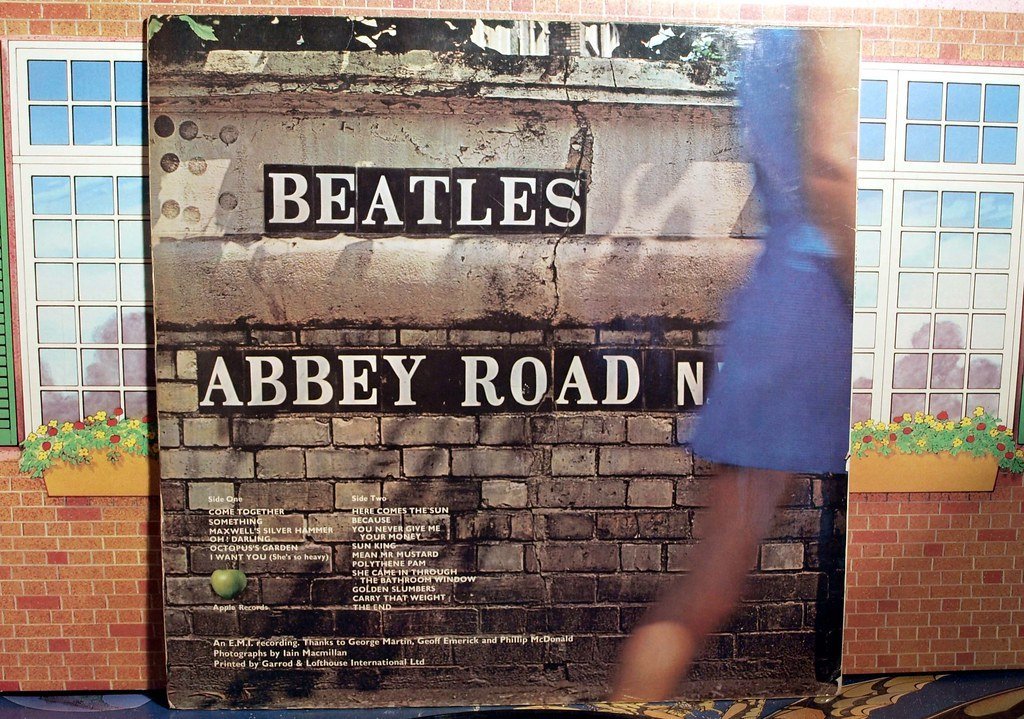
The Beatles crossed a London zebra crossing outside their studio for this cover. Paul McCartney went barefoot, held a cigarette, and stepped slightly out of sync. That simple walk ignited “Paul is Dead” rumors, with fans claiming it symbolized his corpse carried by the band.[1][2]
Conspiracy theorists pored over details like the license plate “28IF” for Paul’s supposed age if alive. The image marked the band’s final studio album era. Today, fans flock to the spot, recreating the stroll endlessly. It remains rock’s most parodied cover, embedding itself in pop culture.[1]
Nirvana’s Nevermind (1991)
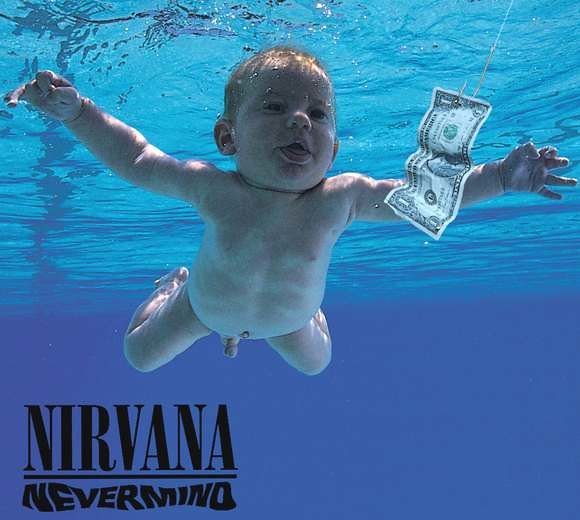
A four-month-old baby, Spencer Elden, swam toward a dollar bill on a fishhook in a pool. Kurt Cobain drew inspiration from a documentary on water births. The image captured grunge’s ironic take on chasing the American dream.[1][3]
Worries over the baby’s nudity prompted a sticker warning. Elden later posed nude as an adult recreating it. The cover propelled Nirvana into the mainstream. Its stark symbolism still defines ’90s alternative rock, reproduced on endless merchandise.
Led Zeppelin’s Houses of the Holy (1973)
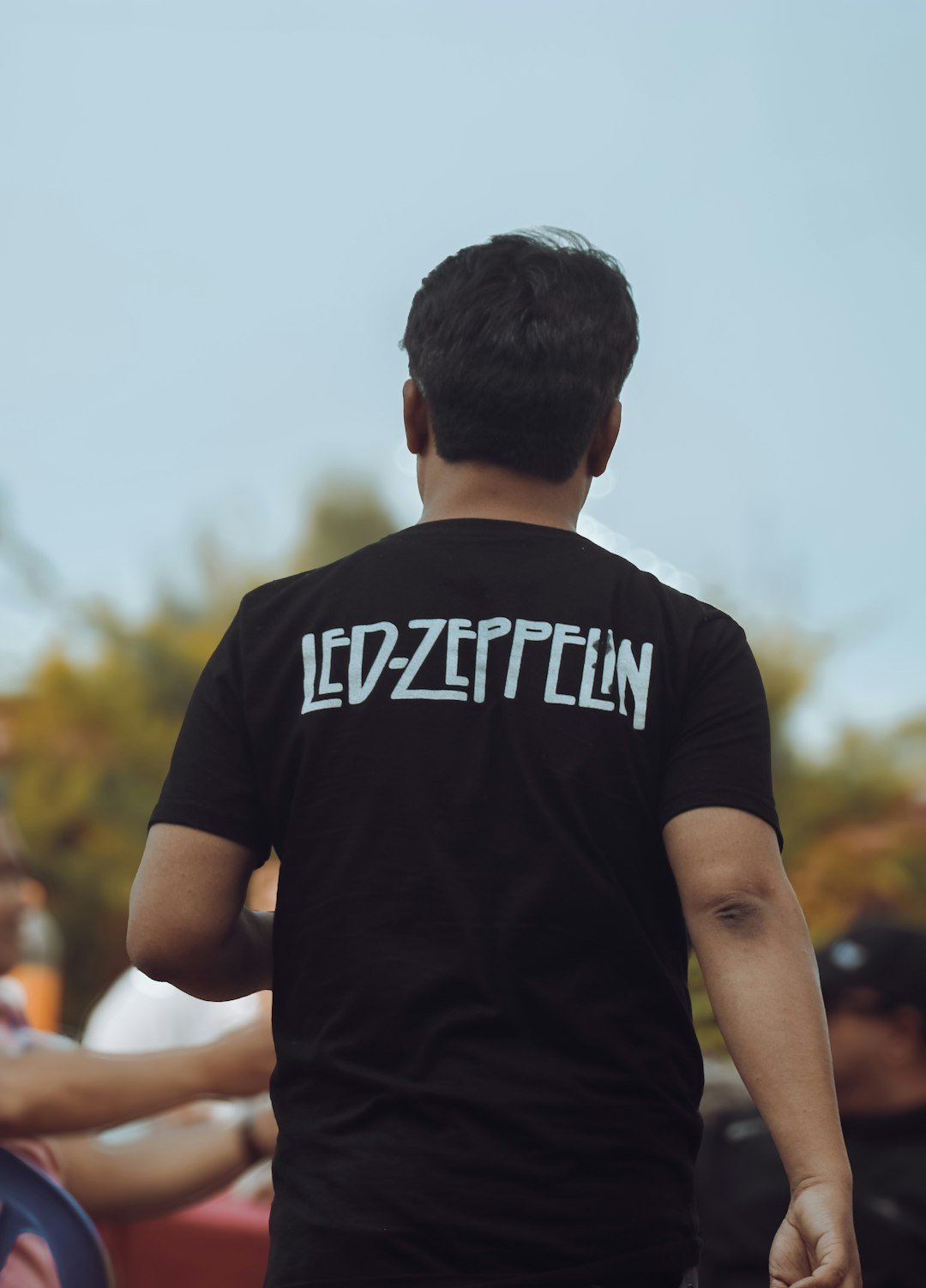
Photographer Aubrey Powell layered images of nude children climbing Giant’s Causeway rocks in Ireland. Harsh weather forced dawn and dusk shoots for ethereal glow. The kids, painted gold, evoked mysticism matching the band’s sound.[1][4]
One model sued years later over unauthorized use. The surreal scene contrasted the band’s hard rock image. It became a staple of prog-rock visuals. Fans debate its meaning, from innocence lost to occult vibes.
Joy Division’s Unknown Pleasures (1979)
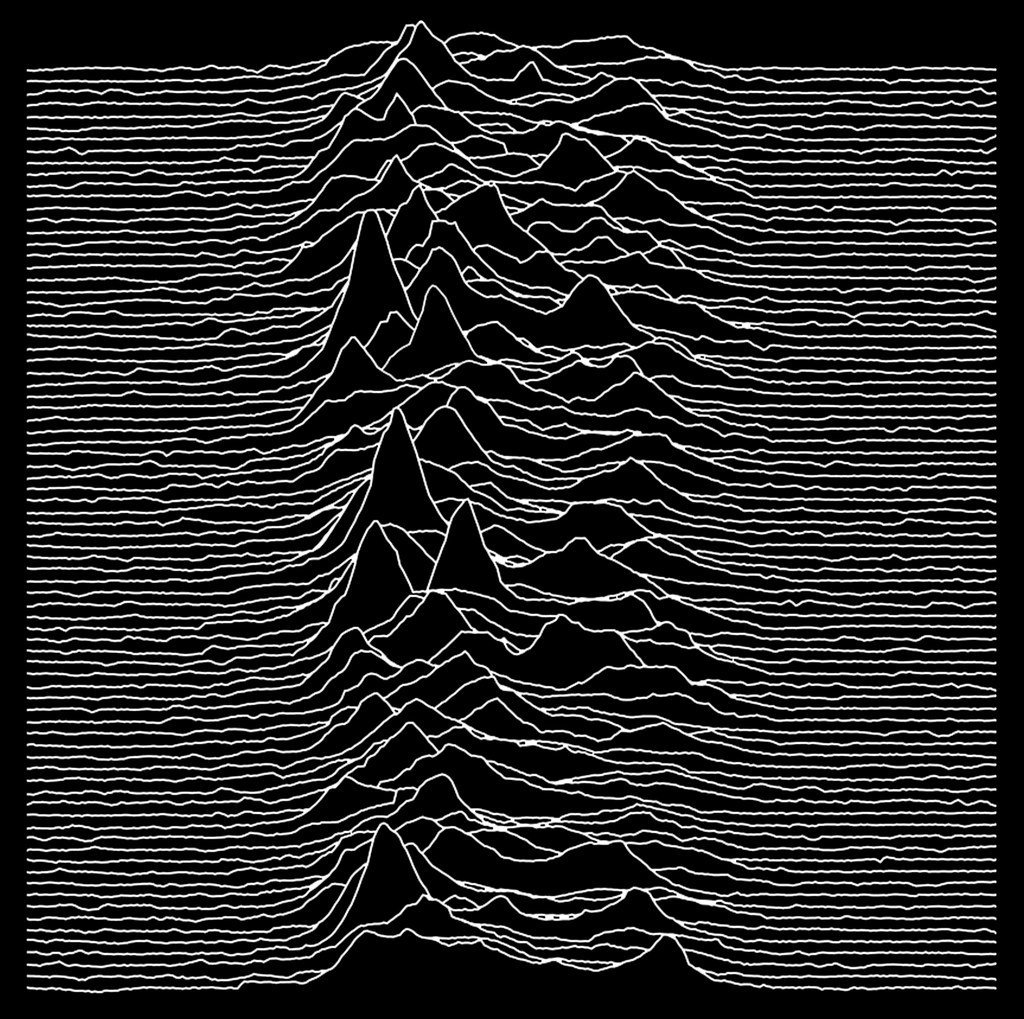
Designer Peter Saville flipped a radio telescope image of a pulsar from an astronomy book. No band name or title appeared, just white waves on black. The band initially disliked the stark minimalism.[1][5]
That anonymity amplified post-punk mystery. The pattern exploded on T-shirts worldwide. It symbolizes alienation and endures as indie goth’s blueprint. Saville’s choice turned science into enduring iconography.
Pink Floyd’s Animals (1977)
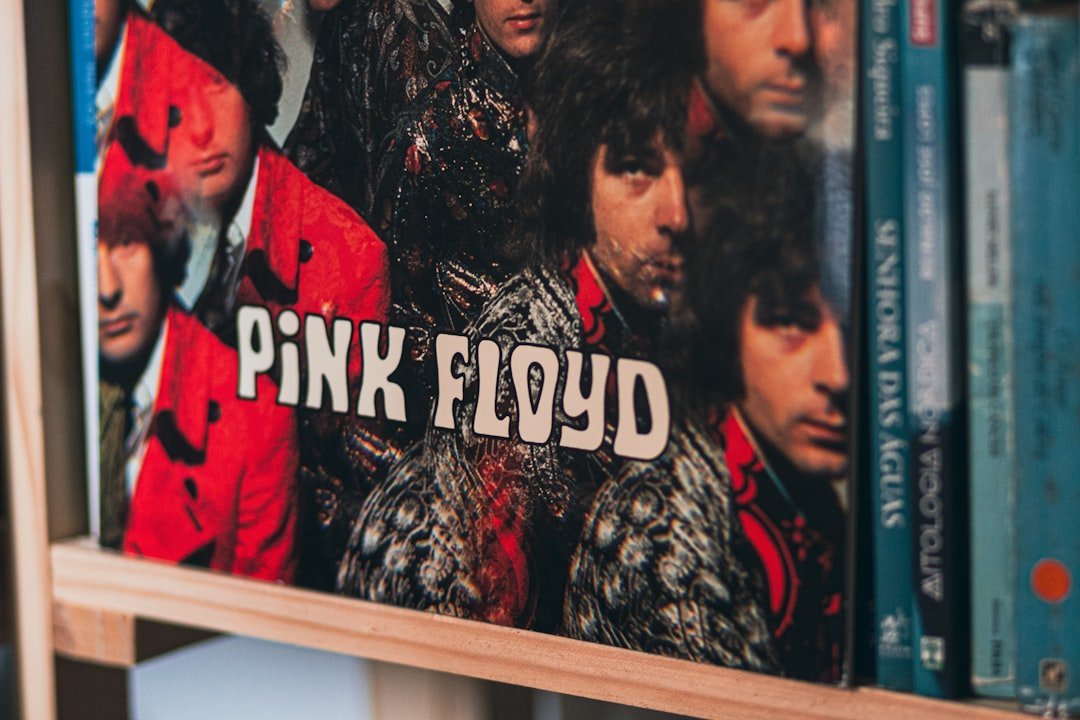
A massive inflatable pig floated above Battersea Power Station. It broke free, drifted over London, and halted Heathrow flights. Ground crew found it in a Kent field after the mishap.[1][6]
The chaos mirrored the album’s anti-capitalist bite. Hipgnosis designers captured punky rebellion in prog form. The incident boosted the cover’s notoriety. Pigs still appear at Floyd shows, nodding to the legend.
Supertramp’s Breakfast in America (1979)
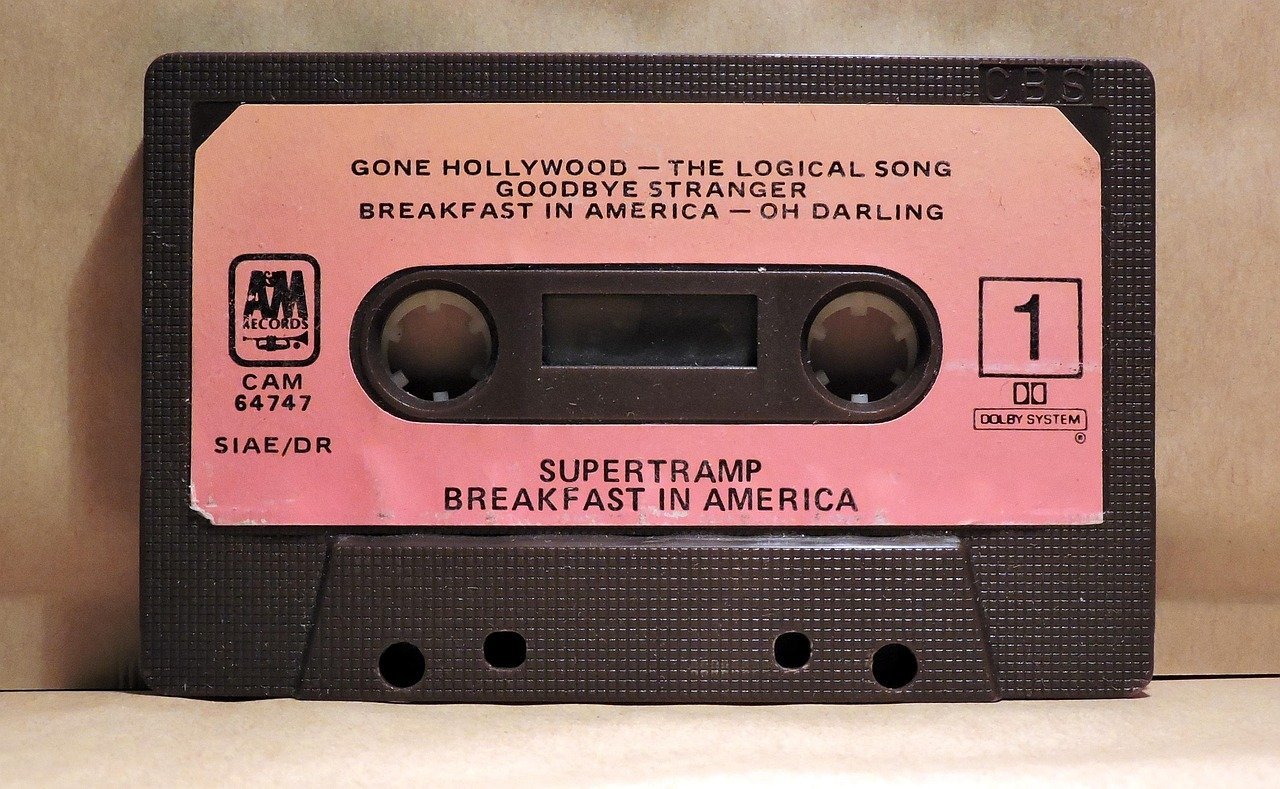
Artist Mike Doud built a faux New York skyline from breakfast items like juice cartons and egg holders. Actress Kate Murtagh posed as the Statue of Liberty with an orange juice glass. Mirrored Twin Towers hinted at doom for some, sparking wild theories.[1]
The playful irony suited the band’s soft rock hit. It topped charts and won Grammys. Conspiracy fans still dissect the “prophecy.” The cover evokes homesick whimsy for American dreams abroad.
The Beatles’ Yesterday and Today (1966)
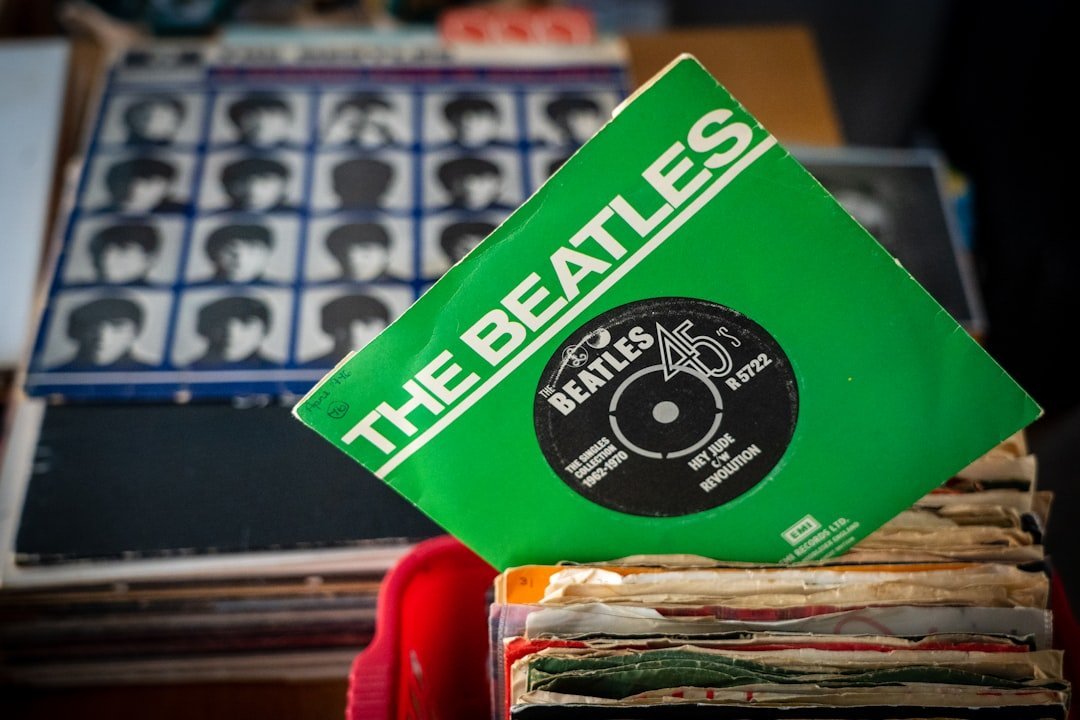
The band posed in butcher coats amid raw meat and decapitated dolls. It mocked Capitol Records for “butchering” their albums into singles. Distributors recoiled, yanking copies fast.[1]
Replaced with a tame trunk shot, originals became rare treasures. The “butcher cover” shocked ’60s sensibilities. Collectors pay fortunes for peel-back versions. It highlighted the era’s push against sanitized pop.
Pink Floyd’s Wish You Were Here (1975)
Two suited men shook hands, one ablaze, symbolizing industry “burns.” Stuntman in fire gear got singed by wind on the key take. Hipgnosis flipped the image after minor injuries.[1]
Sold in black shrink-wrap to hide the art. It nodded to Syd Barrett’s absence. The poignant stunt elevated Floyd’s conceptual art. Fans see it as a metaphor for lost connections.
The Clash’s London Calling (1979)
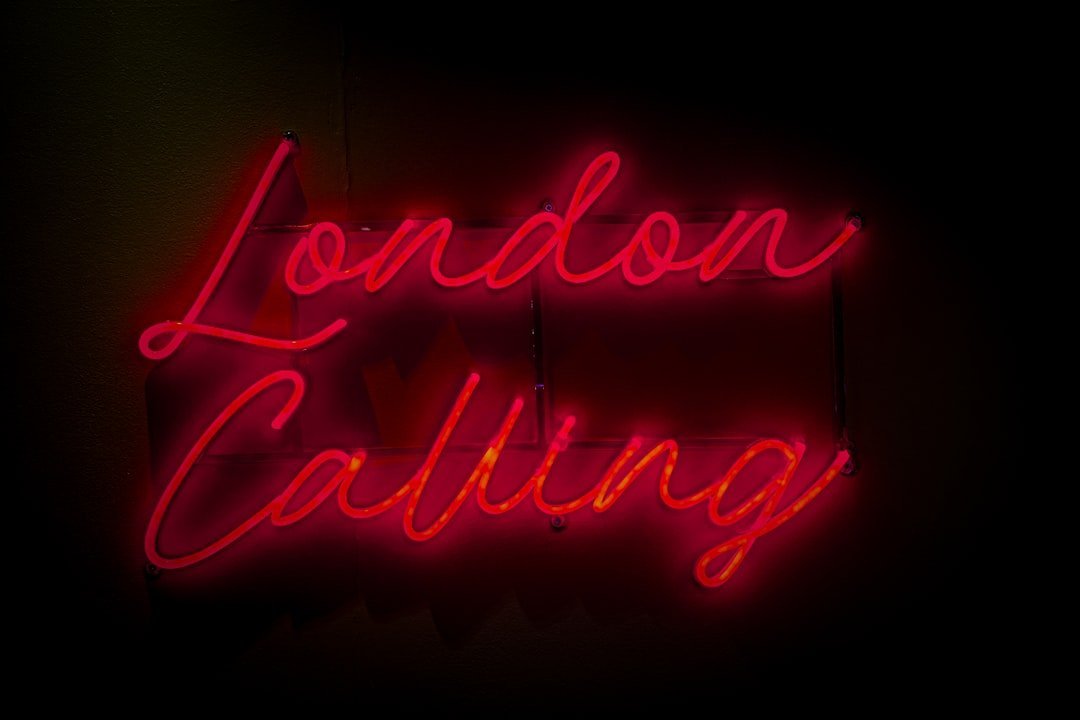
Bassist Paul Simonon smashed his bass at a New York gig, furious at bouncers. Pennie Smith snapped the blurry rage. Designer Ray Lowry added Elvis-style lettering.[7]
Smith hated the out-of-focus shot at first. The guitar entered the Rock Hall. It captured punk’s fury perfectly. Honored on UK stamps, it defines rebellion.
King Crimson’s In the Court of the Crimson King (1969)
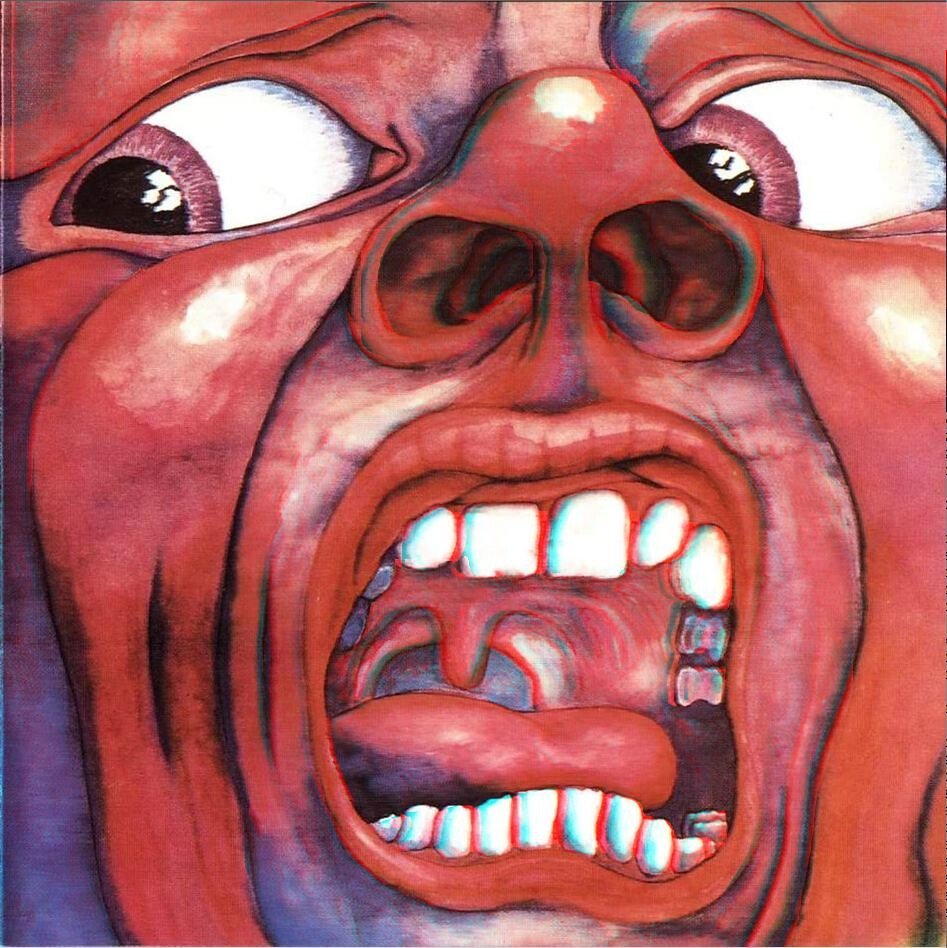
Barry Godber painted the screaming face in a feverish burst. It was his sole album art; he died of a heart attack soon after. The image screamed prog-rock paranoia.[1]
Godber’s brief talent left a haunting mark. Paired with epic tracks, it launched prog. The face terrifies and intrigues still. A tragic origin fuels its legend.
The Byrds’ The Notorious Byrd Brothers (1968)
After ousting David Crosby, they photoshopped a horse’s head into the band photo. The stable shot jabbed at his firing slyly. That “fifth Byrd” became folklore.[1]
It captured ’60s psych-rock drama. The horse outlasted lineup changes. Fans chuckle at the pettiness. A cheeky precursor to modern memes.
Captain Beefheart’s Trout Mask Replica (1969)
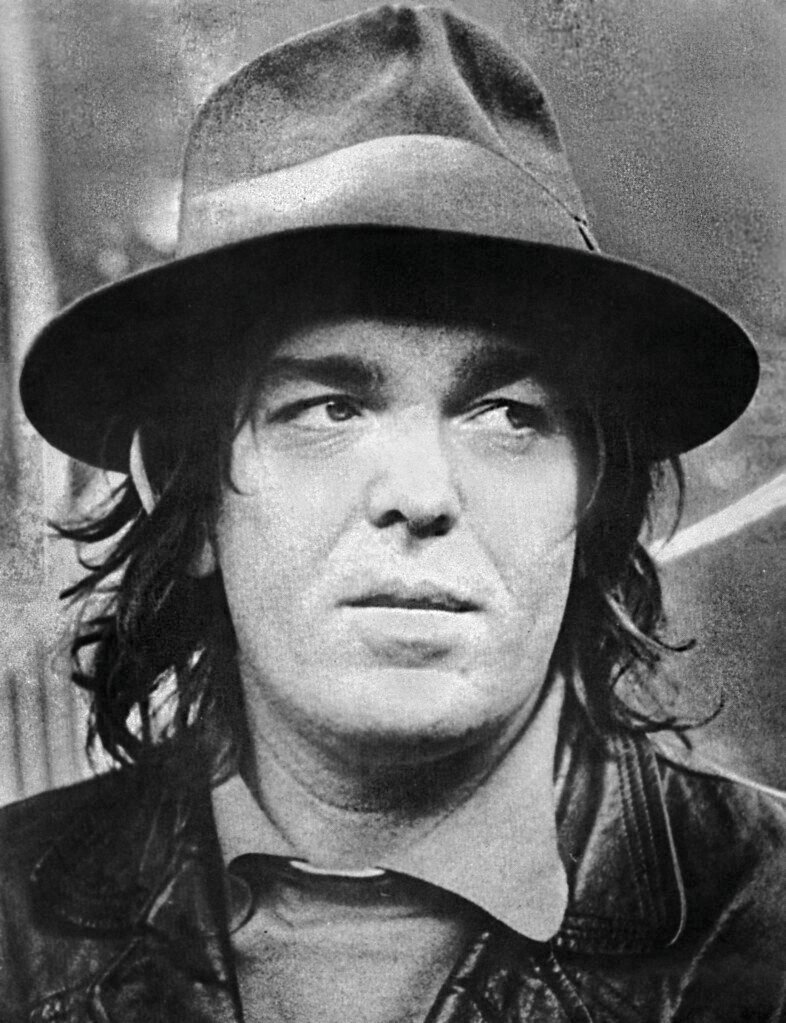
Cal Schenkel shot Don Van Vliet holding a market-fresh trout over his face. The fish started stinking mid-shoot. Absurdity matched the album’s free-jazz madness.[1]
Van Vliet’s hat added battered charm. Cult favorite for outsiders. The replica mask lives on in avant-garde lore. Smelly prop, eternal weirdness.
Visuals as Musical Identity
These covers prove artwork weaves into a record’s soul. Wild backstories amplify the music’s pull. They spark endless talk, from conspiracies to stunts.
Long after spins fade, images linger. Bands live through sleeves as much as songs. In a streaming age, that visual grip holds firm, reminding us art shapes legacy.

Christian Wiedeck, all the way from Germany, loves music festivals, especially in the USA. His articles bring the excitement of these events to readers worldwide.
For any feedback please reach out to info@festivalinside.com
