
Few elements in cinema pack as much lasting power as a masterful ending. These final moments can redefine everything that came before, turning a solid film into a cultural touchstone that fans dissect for years. They linger in conversations, spawn endless theories, and cement a movie’s place in history.
Directors who nail these twists often reshape audience expectations, leaving theaters buzzing with shock and awe. Such endings don’t just surprise; they elevate the entire narrative, ensuring the film endures beyond its initial release.[1][2]
The Sixth Sense (1999)
M. Night Shyamalan’s supernatural thriller builds to a revelation that psychologist Malcolm Crowe has been dead since the film’s opening scene. Every interaction and clue snaps into devastating clarity, forcing viewers to reexamine the entire story. The dead see what they want to see, but audiences saw only misdirection until the end.
Theaters across the country filled with collective gasps as the truth hit, followed by stunned silence. People stumbled out debating every detail, with the film’s box office surging from word-of-mouth shock. It became a benchmark for twist endings, proving one reveal could launch a director’s career.[3]
Fight Club (1999)
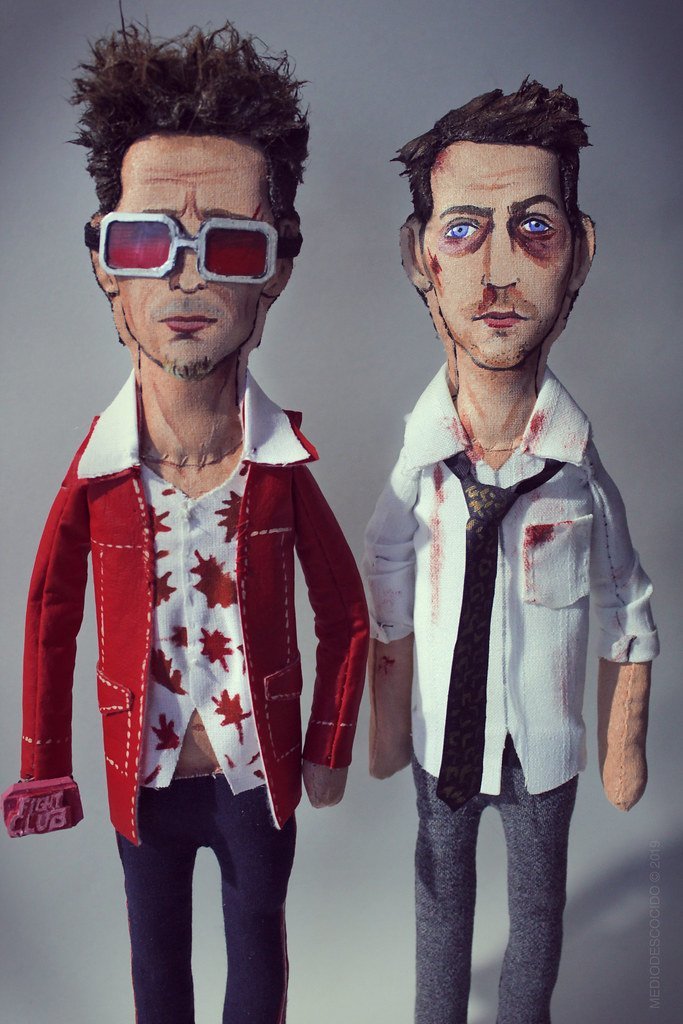
David Fincher’s anarchic tale culminates in the unnamed narrator realizing he and soap salesman Tyler Durden are the same person, a split personality fueling Project Mayhem’s chaos. Buildings crumble as the alter ego’s illusion shatters in a brutal high-rise confrontation. The credit song underscores the madness perfectly.
Audiences leaned forward in disbelief, then erupted in murmurs as the pieces clicked. Fight clubs formed in real life partly from the buzz, with theaters reporting waves of shocked laughter and arguments. The ending’s raw punch made it iconic, still quoted decades later.[1]
The Usual Suspects (1995)
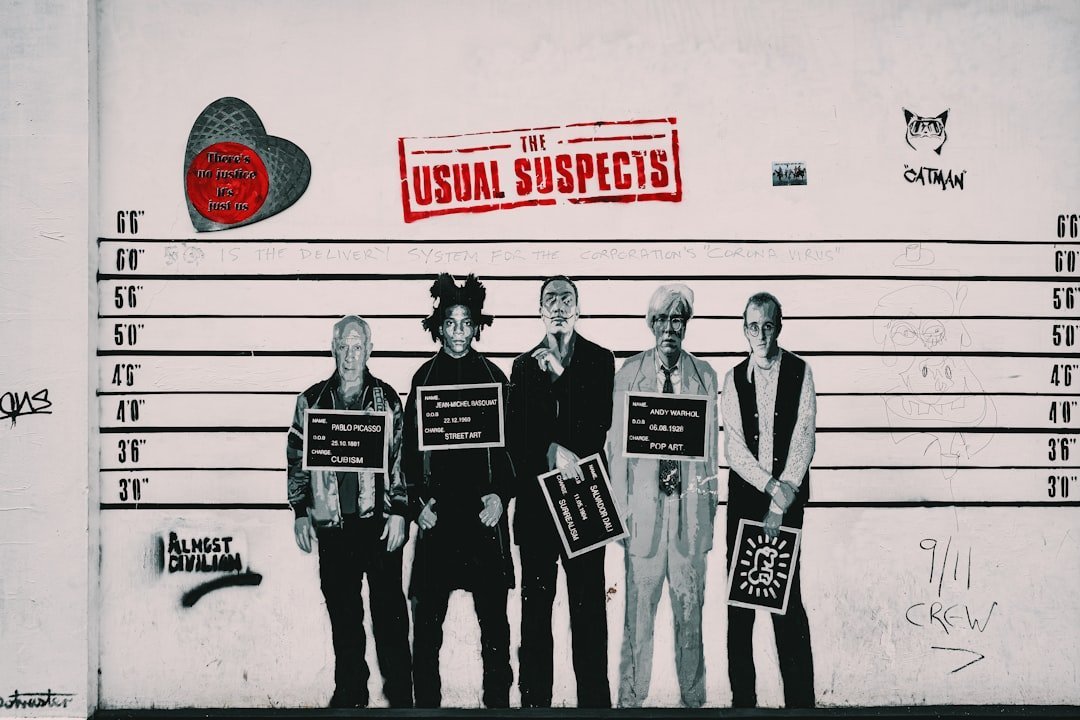
Bryan Singer’s crime saga ends with con man Verbal Kint exposed as the mythic crime lord Keyser Söze, improvising his entire story from office bulletin board scraps. He limps away transformed, leaving detective Kujan holding fabricated tales. The devil vanishes in plain sight.
Viewers sat frozen as the coffee mug clue unraveled the narrative, prompting immediate rewatches. The film’s Oscar win for Kevin Spacey’s performance amplified the stunned reactions in multiplexes. It set a standard for unreliable narrators that few have matched.[4]
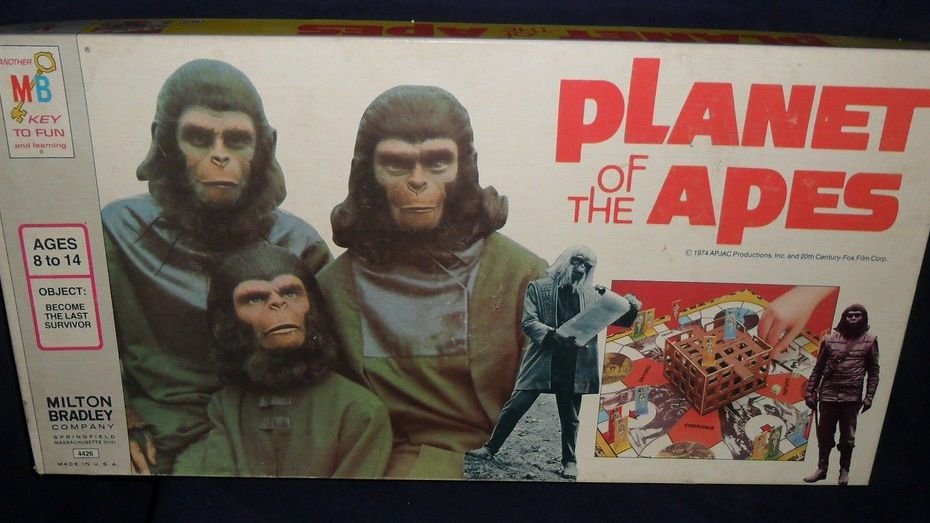
Planet of the Apes (1968)
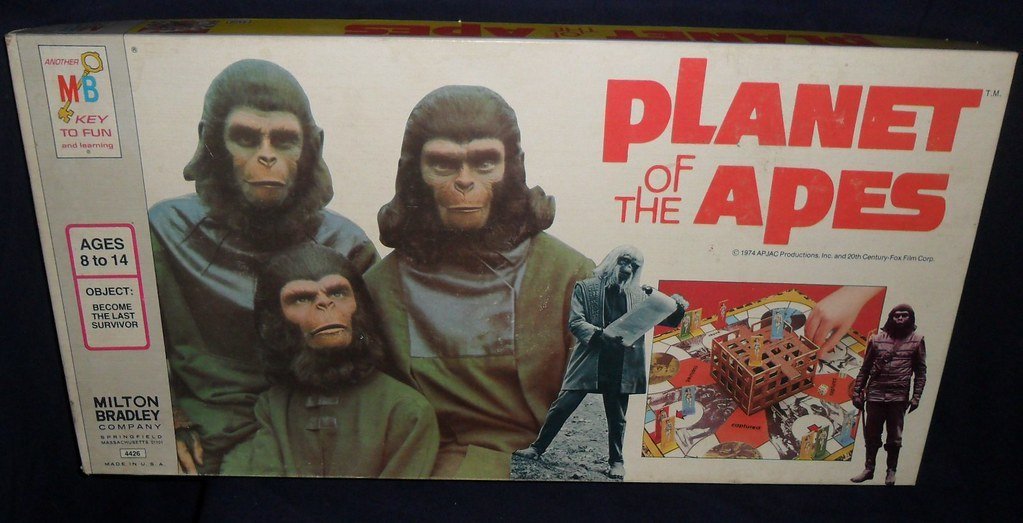
Charlton Heston’s astronaut discovers a ruined Statue of Liberty half-buried in sand, revealing the planet is a future Earth devastated by nuclear war. His scream of rage echoes the horror of humanity’s fall. The twist flips the sci-fi adventure on its head.
1968 audiences reeled from the patriotic icon’s desecration, gasping in unison at the beach reveal. Protests over the ending’s bleakness even reached studios, yet it boosted the franchise’s legacy. The shock value endures in remakes and homages.
Psycho (1960)
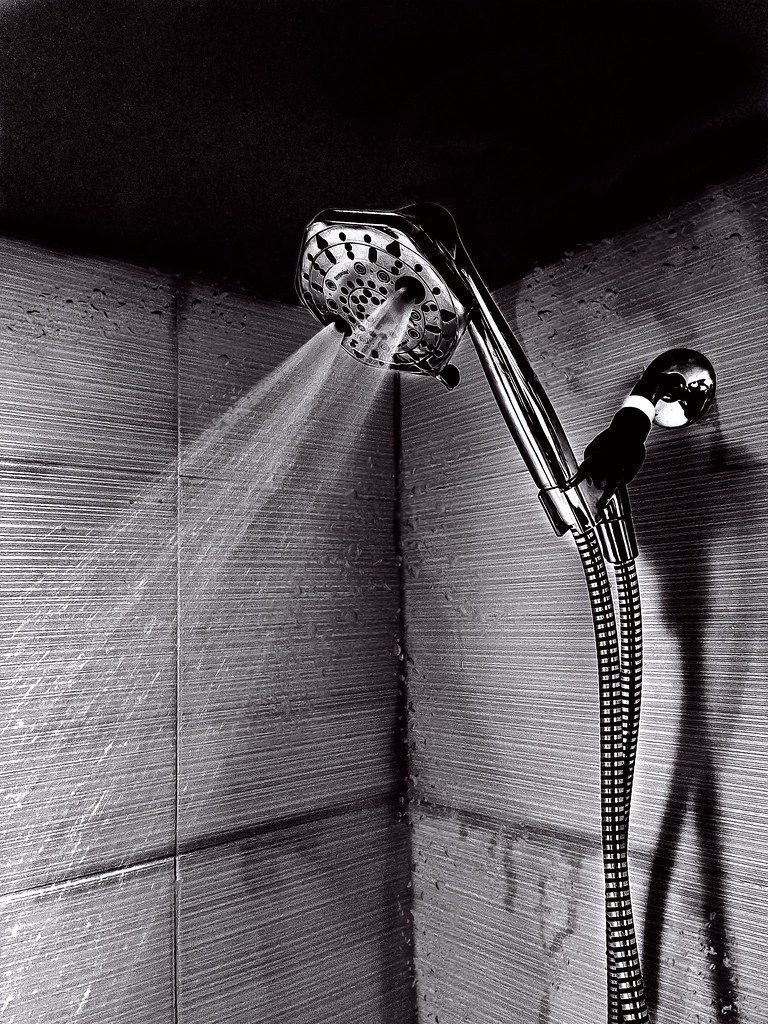
Alfred Hitchcock’s horror classic unveils Norman Bates as his domineering mother, preserved corpse in the cellar, through a hallucinatory confession. The shower murder pales next to this psychological abyss. Marion Crane’s theft seems trivial now.
Theaters hushed during the fruit cellar descent, exploding in horror at the reveal. Walkouts happened, but praise followed for Hitchcock’s daring. It redefined slasher tropes, with the ending’s unease haunting viewers long after.
Se7en (1995)

David Fincher delivers the ultimate sin with Detective Mills opening a box containing his wife’s severed head, fulfilling John Doe’s envy. Rain pours as vengeance completes the seven deadly sins cycle. Justice twists into tragedy.
Audiences held their breath, then gasped sharply at the deliveryman’s arrival. The raw final scream left theaters somber, fueling debates on morality. Its influence on dark thrillers stems from that unblinking close.[2]
The Prestige (2006)
Christopher Nolan’s magician rivalry peaks with Alfred Borden’s twin brother secret and the Tesla machine cloning Angier endlessly. Drowned clones pile up in a water tank graveyard. Obsession drowns them both.
Viewers pieced together “are you watching closely” anew, murmuring in awe at the layers. Theaters buzzed with theory-sharing post-credits. Nolan’s puzzle-box finale solidified his twist-master reputation.
Primal Fear (1996)
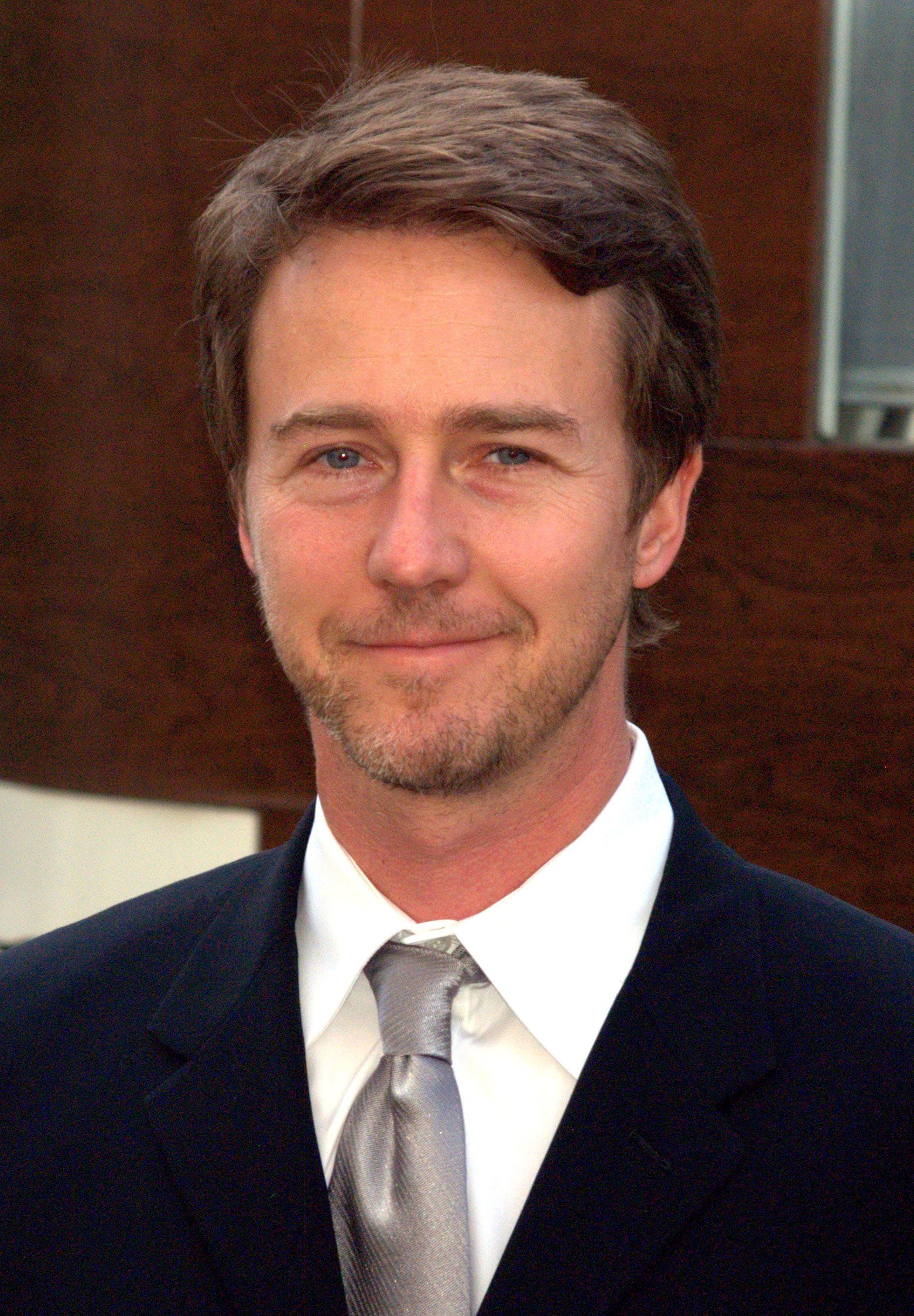
Edward Norton’s altar boy Aaron reveals his innocent stutter as an act, smirking after murdering the archbishop in cold calculation. Defense attorney Vail stands defeated by the sociopath he freed. Innocence crumbles.
Jaws dropped at Norton’s grin, launching his career amid theater whispers. The switch from vulnerable to vicious stunned, earning Oscar nods. It remains a masterclass in performance-driven shocks.[1]
Shutter Island (2010)
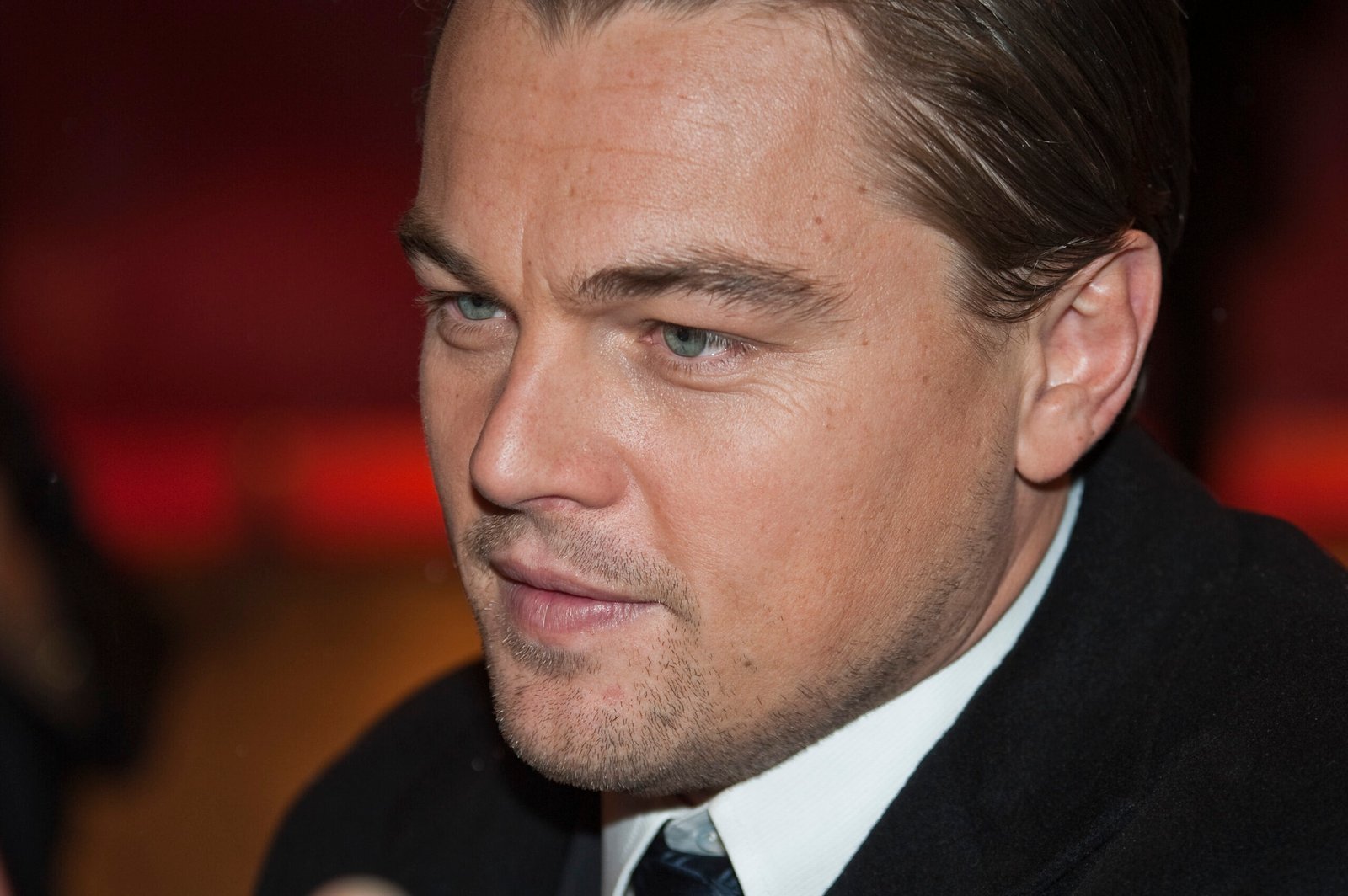
Martin Scorsese’s mystery closes with U.S. Marshal Teddy Daniels exposed as patient Andrew Laeddis, guilty of his wife’s murders and rechosen for lobotomy. The lighthouse hides the truth. Sanity slips away.
Audiences gasped at the role reversal, replaying clues in hushed discussions. Leonardo DiCaprio’s layered turn amplified the theater chill. The ambiguous final line keeps debates alive.
Memento (2000)

Christopher Nolan’s nonlinear tale reveals Leonard engineering his own endless revenge cycle, tattooing lies to forget killing his wife’s murderer. Sammy Jankis blurs with his reality. Memory betrays.
The timelines converging drew sharp intakes of breath, leaving crowds dazed. Polaroids and notes mirrored viewer confusion turned clarity. It pioneered backward storytelling’s grip.[5]
The Lasting Power of a Perfect Ending
Strong final scenes anchor a film’s legacy, sparking rewatches and cultural ripples long after premiere. They challenge perceptions, much like these ten did in packed theaters worldwide. A great twist doesn’t just end a movie; it restarts the conversation.
In 2026, with endless streaming options, these moments still command attention. They remind us why cinema thrives on surprise, turning passive viewers into passionate advocates. The best endings prove film’s timeless magic.

- 37 Songs From the ’60s and ’70s With Meanings No One Caught the First Time - August 31, 2026
- 12 Legendary Concert Venues That Witnessed Unforgettable Musical Moments - August 31, 2026
- 10 Iconic Speeches That Dramatically Shaped Modern History - August 31, 2026

