
- Iconic Cultural Moments Are Not Planned; They Simply Erupt and Resonate. - August 31, 2026
- 10 Classic TV Commercials That Are More Memorable Than the Products They Sold - August 31, 2026
- The Echoes of Past Eras Resurface in Our Modern World in Surprising Ways. - August 30, 2026
Fashion goes beyond fabric and fit. It captures personal values and social ties in every stitch and silhouette. People choose outfits that signal their beliefs, roles, and dreams.
Designers and movements have long turned clothing into a canvas for identity. They challenge norms and reflect cultural shifts. These influences linger in wardrobes today.[1][2]
Coco Chanel: Emancipating Women’s Style
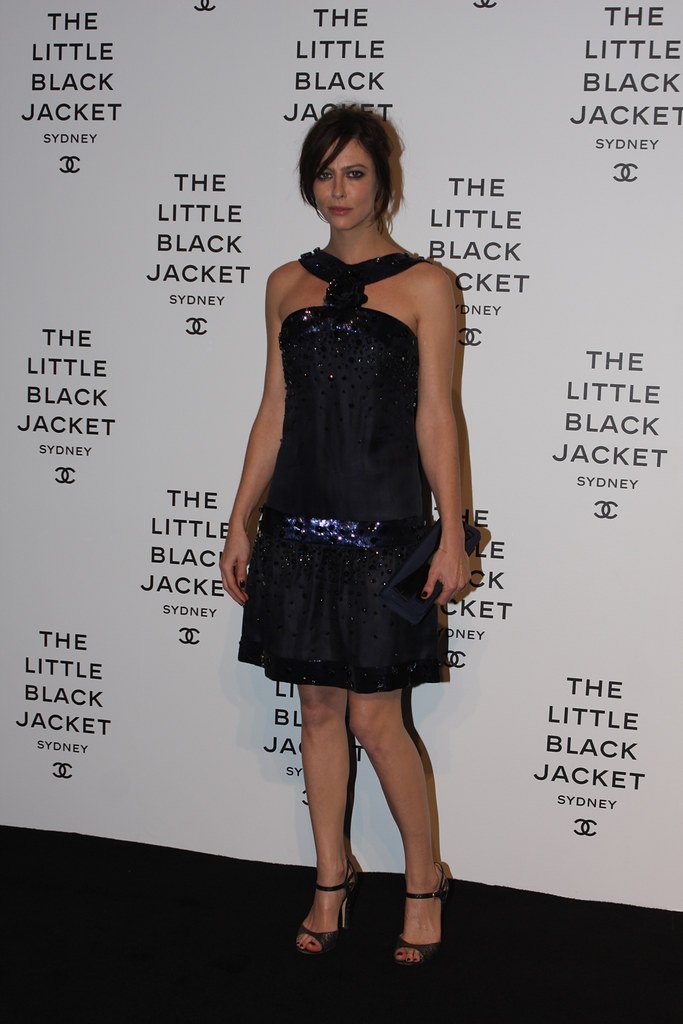
Coco Chanel rose in the early 1900s, peaking through the 1920s and 1930s. She pushed for practical clothes that freed women from corsets and heavy layers. Her designs borrowed from menswear, like jersey fabrics and straight lines, to convey independence and modernity.[3][4]
This message of liberation reshaped gender roles in fashion. Women embraced the little black dress and Chanel No. 5 perfume as symbols of elegance on their terms. Her work influenced global tastes, making simplicity a hallmark of chic style for decades.[5]
Hippie Movement: Peace and Free Spirits
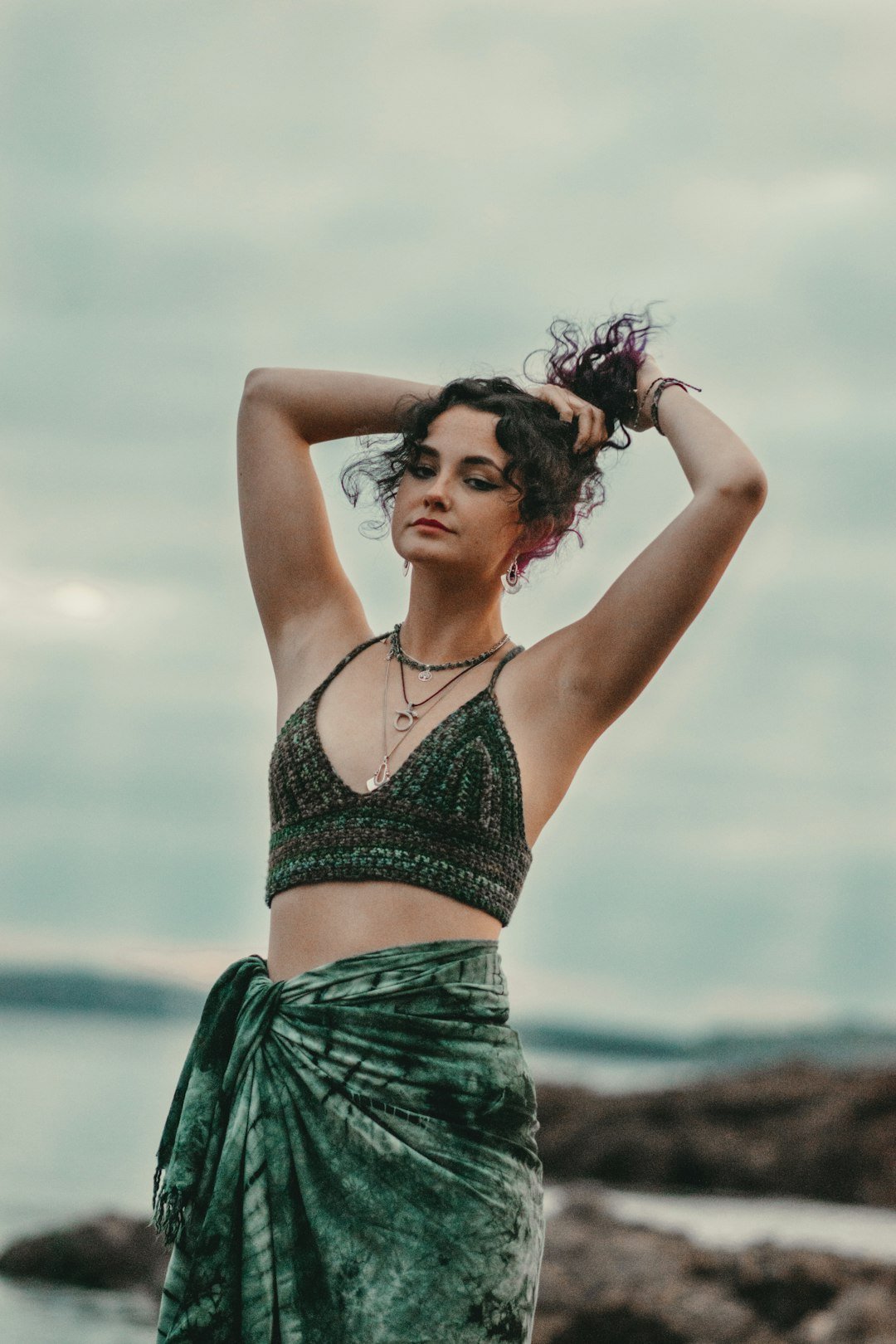
The hippie movement bloomed in the 1960s and stretched into the 1970s. It favored loose, flowing garments in earthy tones and bold patterns drawn from nature. Tie-dye shirts, bell-bottom jeans, and fringe details expressed anti-war sentiments and communal harmony.[6][7]
Wearers rejected consumerism for handmade, eclectic looks. This style promoted individuality within a collective ethos of love and freedom. Its cultural ripple brought casual comfort into mainstream closets, from festivals to everyday life.[8]
Jeans evolved from workwear to universal symbols of rebellion and ease.
Vivienne Westwood and Punk Rebellion
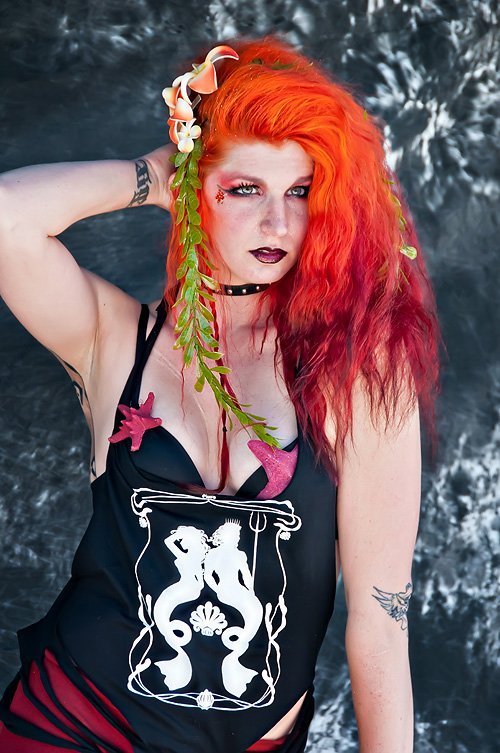
Vivienne Westwood defined punk fashion in the 1970s alongside Malcolm McLaren. Her shop SEX sold ripped tees, safety pins, and leather with provocative slogans. This raw aesthetic screamed defiance against authority and conformity.[9]
Punk outfits embodied outsider identity, blending fetish wear with DIY ethos. Westwood later fused it with high fashion, proving subcultures could go mainstream. Her influence sparked ongoing waves of street rebellion in design and activism.[10]
The movement altered music scenes and challenged polite society norms.
Christian Dior’s New Look: Post-War Femininity
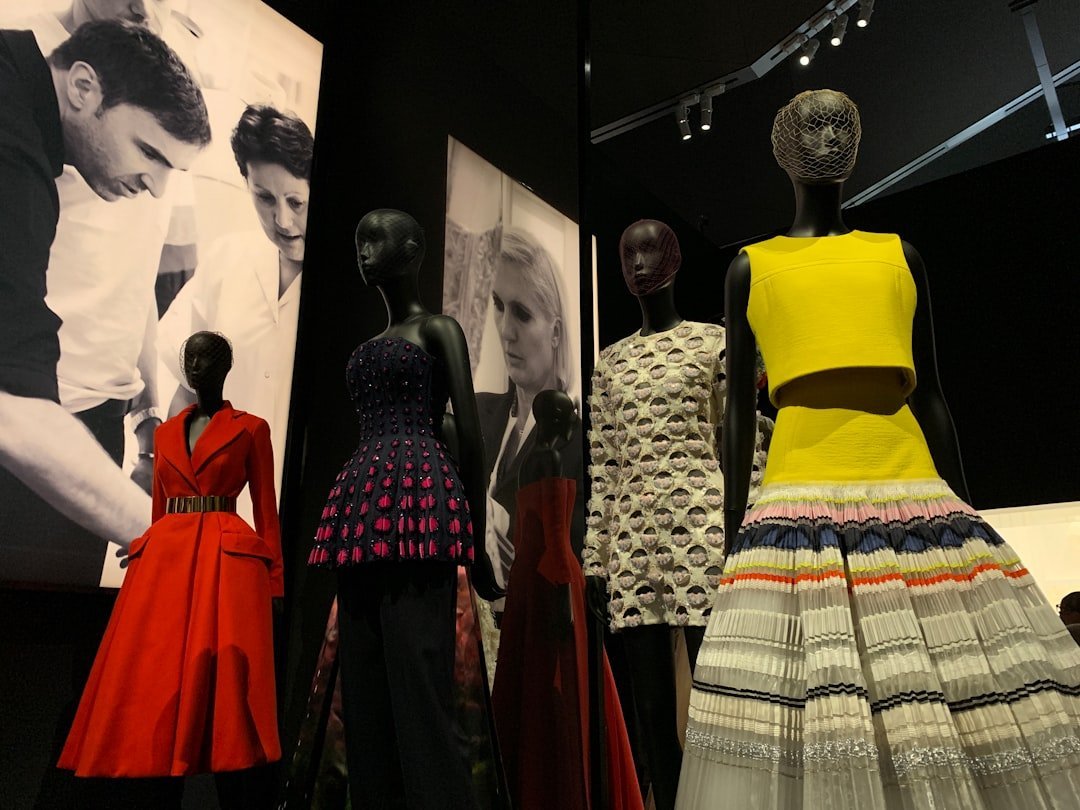
Christian Dior launched the New Look in 1947, right after World War II. Full skirts, nipped waists, and soft shoulders celebrated revived luxury and womanhood. It signaled optimism and a return to traditional gender expressions amid recovery.[11]
This era’s message restored confidence through opulent silhouettes. Dior’s designs boosted the fashion industry and inspired global trends in structured elegance. They marked a cultural pivot from wartime austerity to prosperity.[12]
Women worldwide adopted variations, blending them with daily life.
Yves Saint Laurent: Ready-to-Wear Empowerment
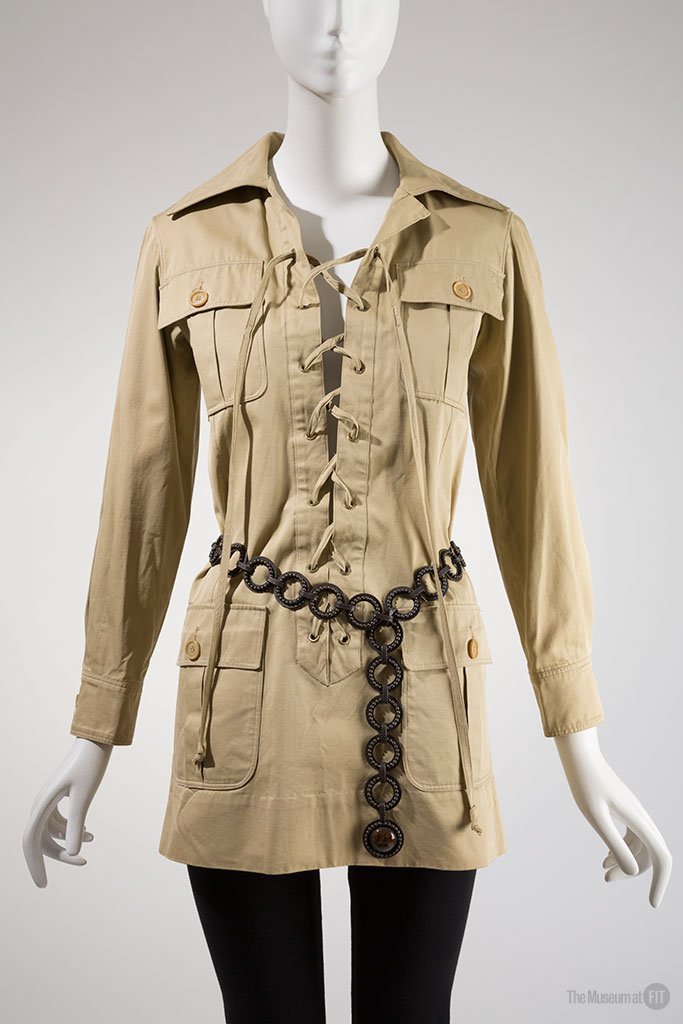
Yves Saint Laurent transformed fashion in the 1960s with ready-to-wear lines. He introduced trouser suits and safari jackets for women, blurring gender lines further. These pieces asserted professional equality and versatile selfhood.[13]
His Le Smoking tuxedo became an icon of bold femininity. By democratizing couture, he made high style accessible, shifting cultural views on luxury. Saint Laurent’s legacy endures in inclusive, empowered wardrobes today.[14]
Grunge: 1990s Anti-Glamour
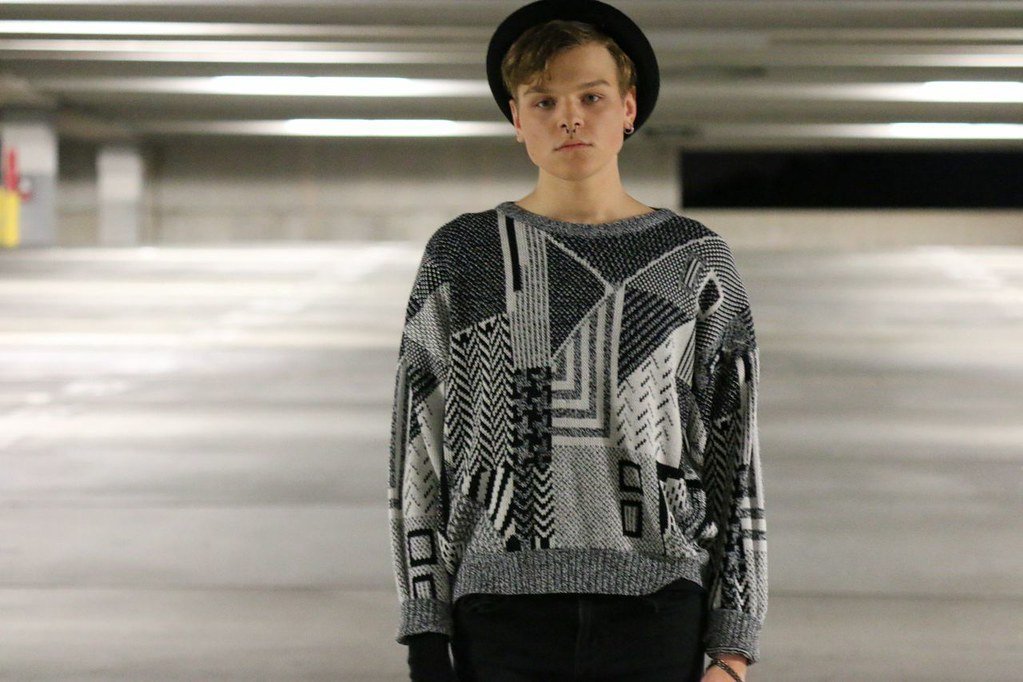
Grunge emerged in the early 1990s, led by designers like Marc Jacobs for Perry Ellis. Flannel shirts, ripped jeans, and Doc Martens defined the look. It rejected glossy 1980s excess for raw, unpolished authenticity.[15]
This movement voiced youthful disillusionment and outsider pride. Bands like Nirvana amplified its spread, influencing music and youth culture worldwide. Grunge normalized comfort over perfection, paving ways for casual dominance.[16]
Its thrift-store vibe reshaped retail and self-presentation.
Fashion’s Timeless Role in Self-Expression
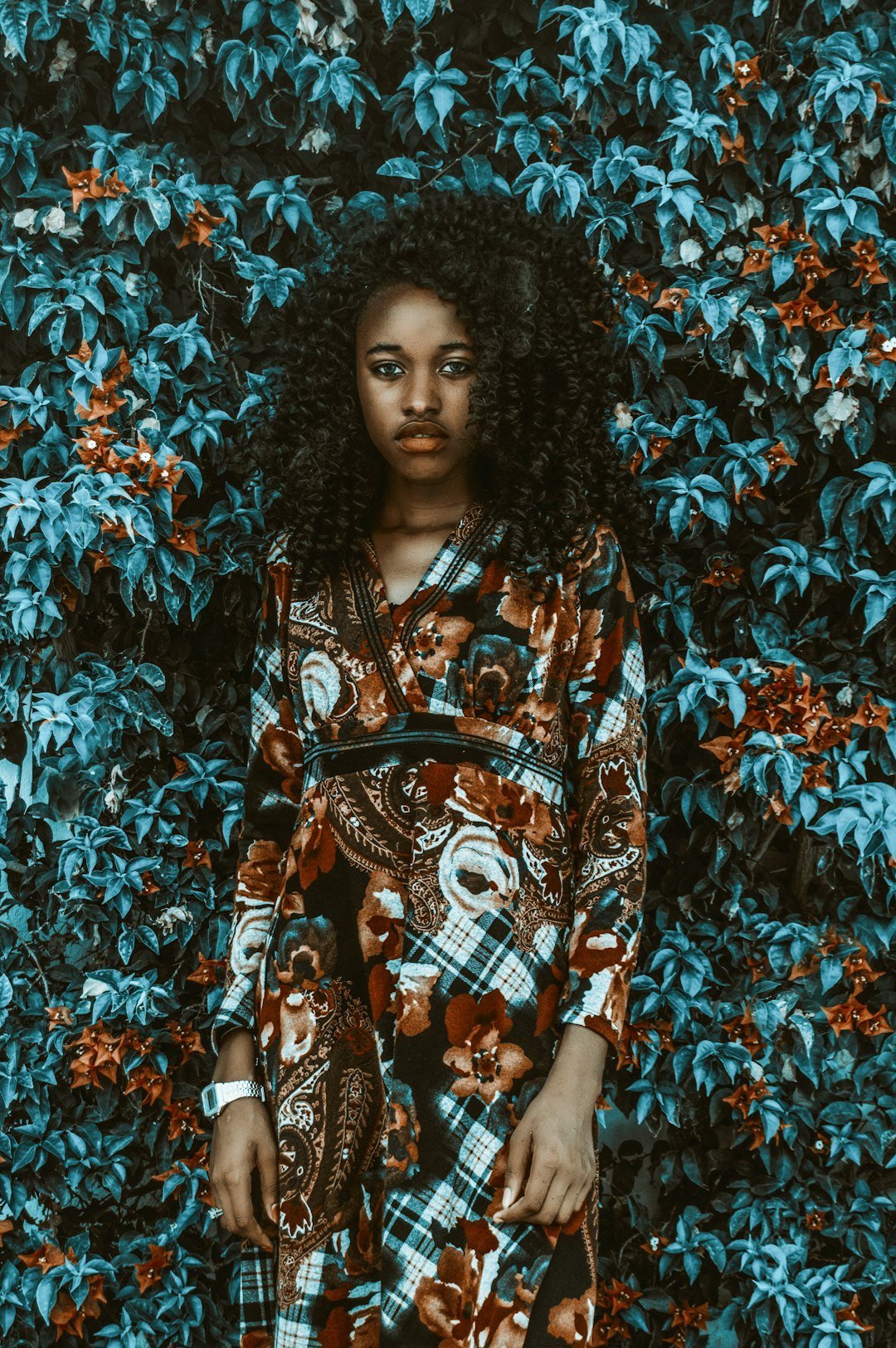
Across eras, these designers and movements prove fashion’s power to mirror and mold identity. From Chanel’s freedom to punk’s rage, each wave adapts to its time yet echoes forward. They remind us that clothes carry stories of change and personal truth.
Generations continue this tradition, blending past boldness with new voices. Style remains a quiet revolution, one outfit at a time. In 2026, it still invites everyone to claim their space through what they wear.[17]

Besides founding Festivaltopia, Luca is the co founder of trib, an art and fashion collectiv you find on several regional events and online. Also he is part of the management board at HORiZONTE, a group travel provider in Germany.
