
Classical composers often poured their souls into operas filled with passion, betrayal, and tragedy. Yet for many, their own existences overflowed with real turmoil that rivaled or surpassed the plots they set to music. These stories reveal how personal storms shaped some of the most enduring works in the repertoire.
Financial woes, lost loved ones, illnesses, and scandals marked their paths. Their art became a mirror to these struggles, turning private pain into public catharsis.
Claudio Monteverdi
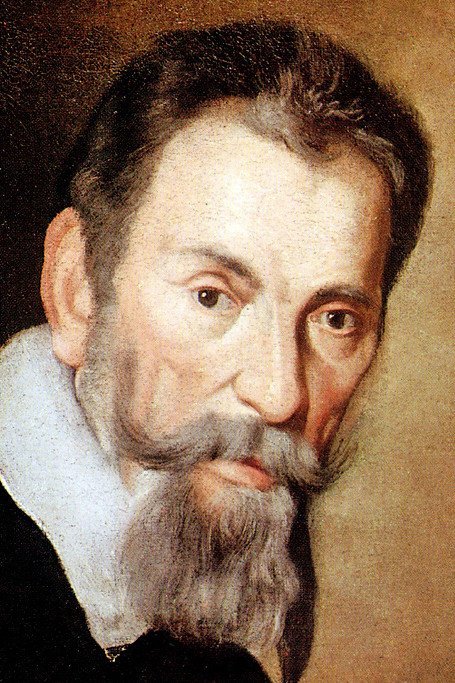
Monteverdi pioneered opera with masterpieces like L’Orfeo and L’incoronazione di Poppea. He served courts in Mantua and Venice, blending Renaissance polyphony with bold new expressiveness. His wife Claudia died young in 1607 after eight years of marriage, leaving him to raise two sons amid grueling demands.
Overworked and underpaid in Mantua’s damp climate, he faced bitter disputes with employers over finances. These hardships fueled his innovative style, where music captured raw human emotions. His operas pulsed with dramatic intensity drawn straight from life’s harsh turns.[1][2]
George Frideric Handel
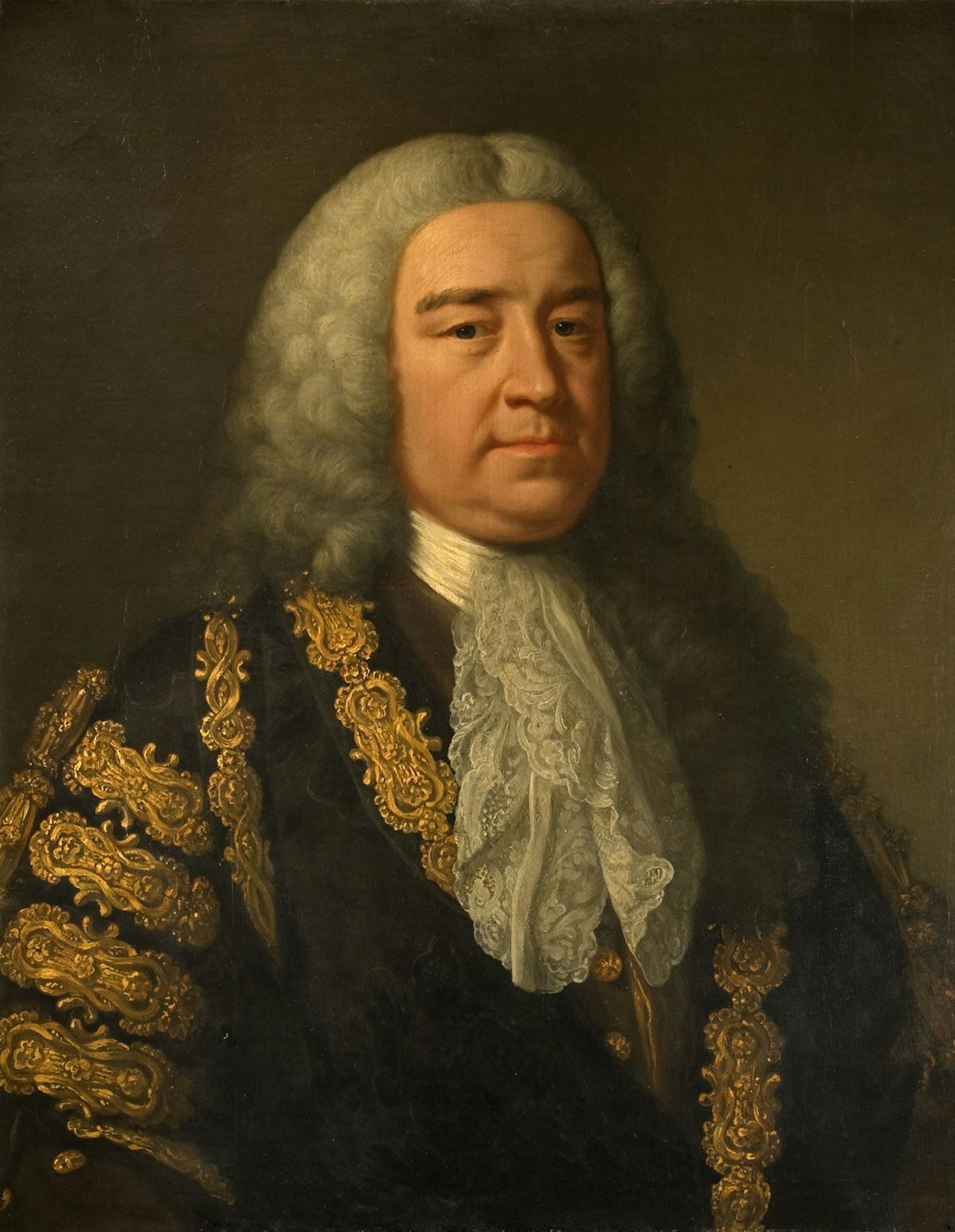
Handel composed dozens of operas such as Rinaldo and Alcina before shifting to oratorios like Messiah. Born in Germany, he defied his father’s law ambitions to pursue music in Italy and London. Rivalries sparked “opera wars” that bankrupted his company, forcing reinvention.
A stroke at 52 left him blind in one eye, then fully blind later. Despite surgeries and accidents, he conducted from memory. This resilience echoed in his triumphant choruses, transforming personal defeats into soaring victories.[3]
Wolfgang Amadeus Mozart
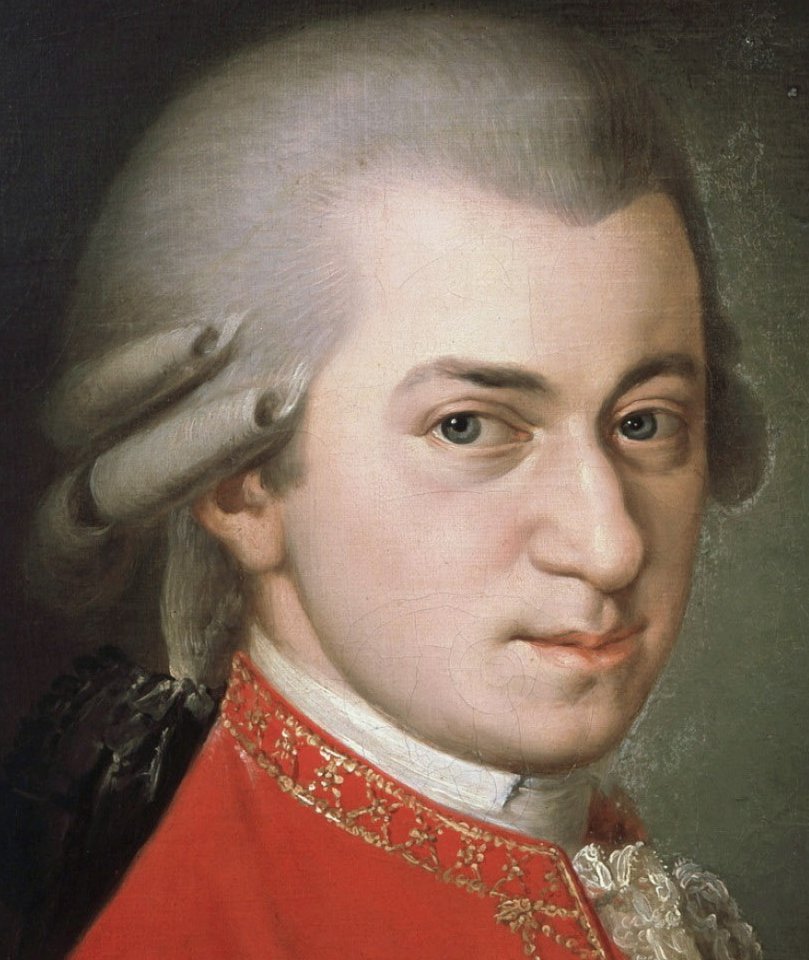
Mozart’s operas include The Marriage of Figaro, Don Giovanni, and The Magic Flute. Pushed as a child prodigy by father Leopold, he faced court intrigues and rivalries. Debts piled from lavish habits and failed ventures, landing him in poverty.
Buried in a pauper’s grave at 35, his life shadowed his vibrant scores. Operas brimmed with human frailty, moral chaos, and unfinished anguish like his Requiem. Personal pressures lent sparkle and depth to his melodies.[4]
Gioachino Rossini
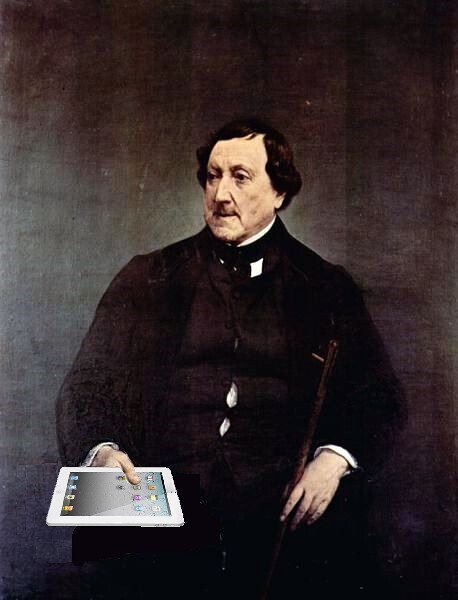
Rossini dashed off 39 operas, hits like The Barber of Seville and William Tell. Fame came young, but he retired at 37 from exhaustion. His first wife, Isabella Colbran, a star soprano, went deaf and insane, straining their bond.
His longtime companion Olympe died abruptly, and cancer claimed him later. Mother’s death devastated him, prompting his opera farewell. These losses sharpened his vivacious style, blending comedy with underlying pathos.[5][6]
Vincenzo Bellini
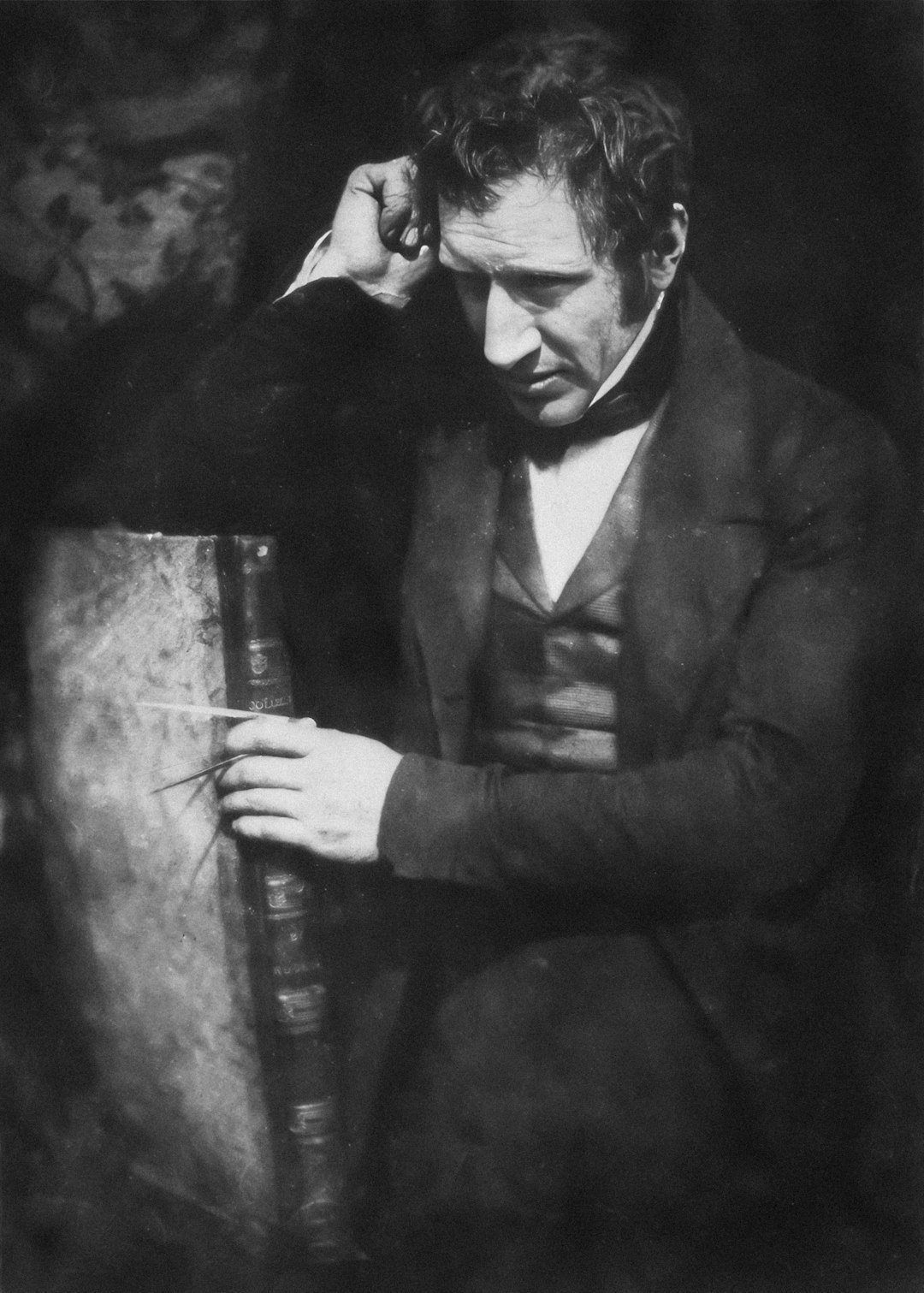
Bellini crafted bel canto gems Norma, La sonnambula, and I puritani. From Sicily, he conquered Milan and Paris young. A passionate affair with Giuditta Turina fueled rumors and rivalries.
Heavy living led to sudden illness; he died at 33 from liver inflammation. His brief blaze influenced Verdi and Chopin. Long, graceful melodies evoked fleeting romance and tragedy from his own rushed life.[7]
Gaetano Donizetti
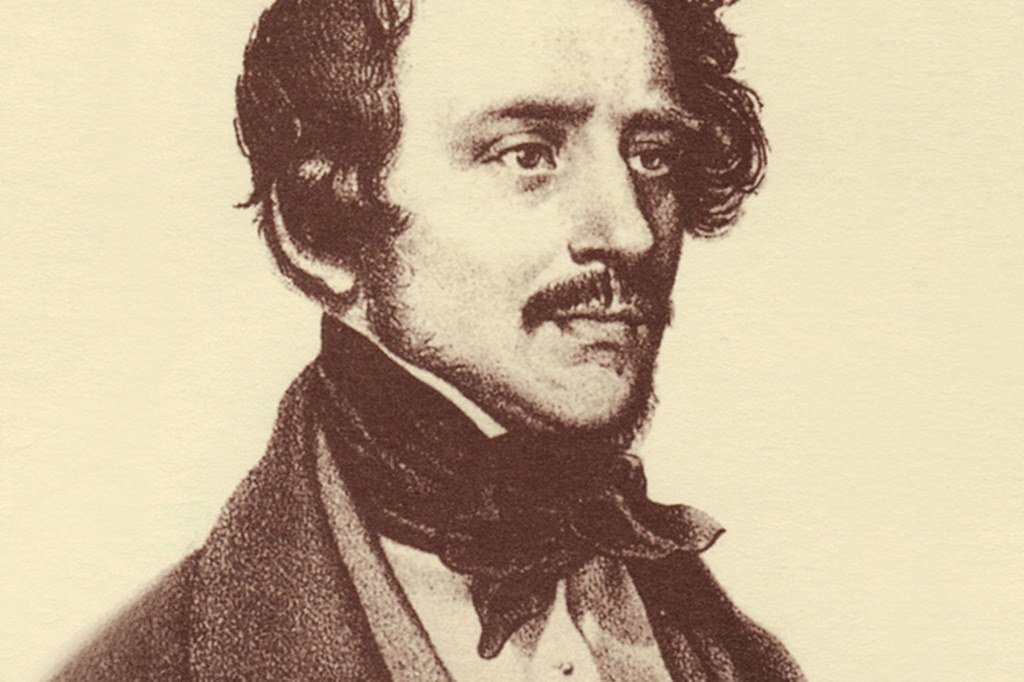
Donizetti penned 75 operas, including Lucia di Lammermoor, L’elisir d’amore, and Don Pasquale. Born poor in Bergamo, he rose through Naples and Paris. Ironically, his mad scenes haunted him as syphilis eroded his health.
Fevers, paralysis, and psychosis confined him to asylums; he died emaciated at 50. Brain damage mirrored the deranged heroines he scored with glass harmonica tones. Personal decline deepened his portrayals of fragility.[8]
Giuseppe Verdi
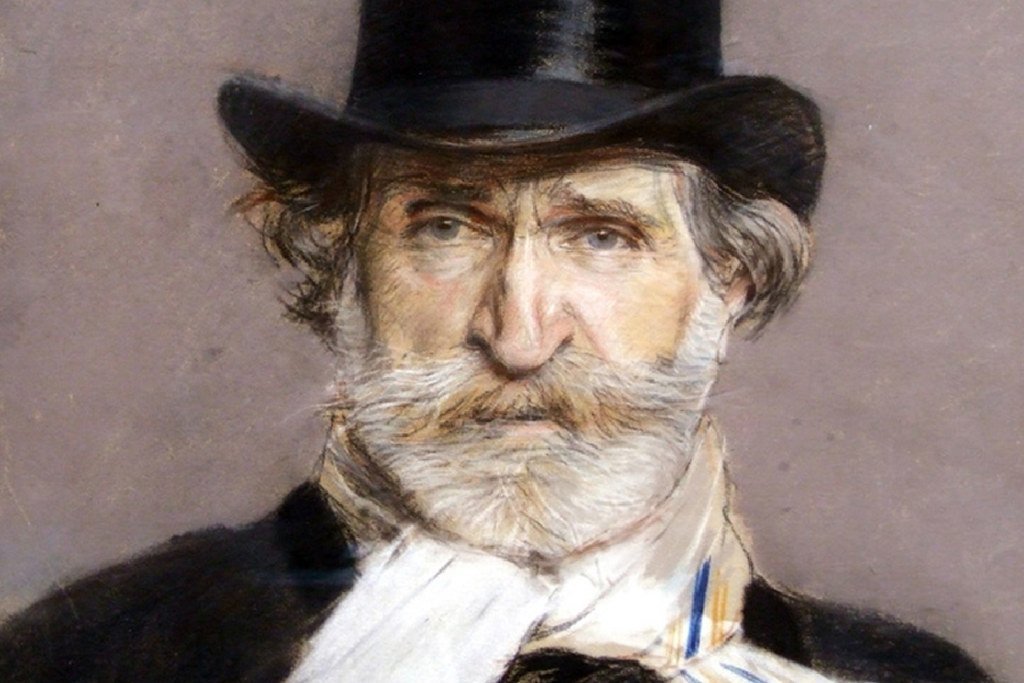
Verdi dominated with Rigoletto, Il trovatore, La traviata, and Aida. Early blows struck hard: two children and wife Margherita died young. A flop opera nearly ended his career before Nabucco‘s triumph.
Grief infused tragedies of untimely deaths and lost love. La traviata echoed Margherita’s fate amid secrecy. Heartbreak birthed sympathetic figures and choruses of longing.[9]
Hector Berlioz
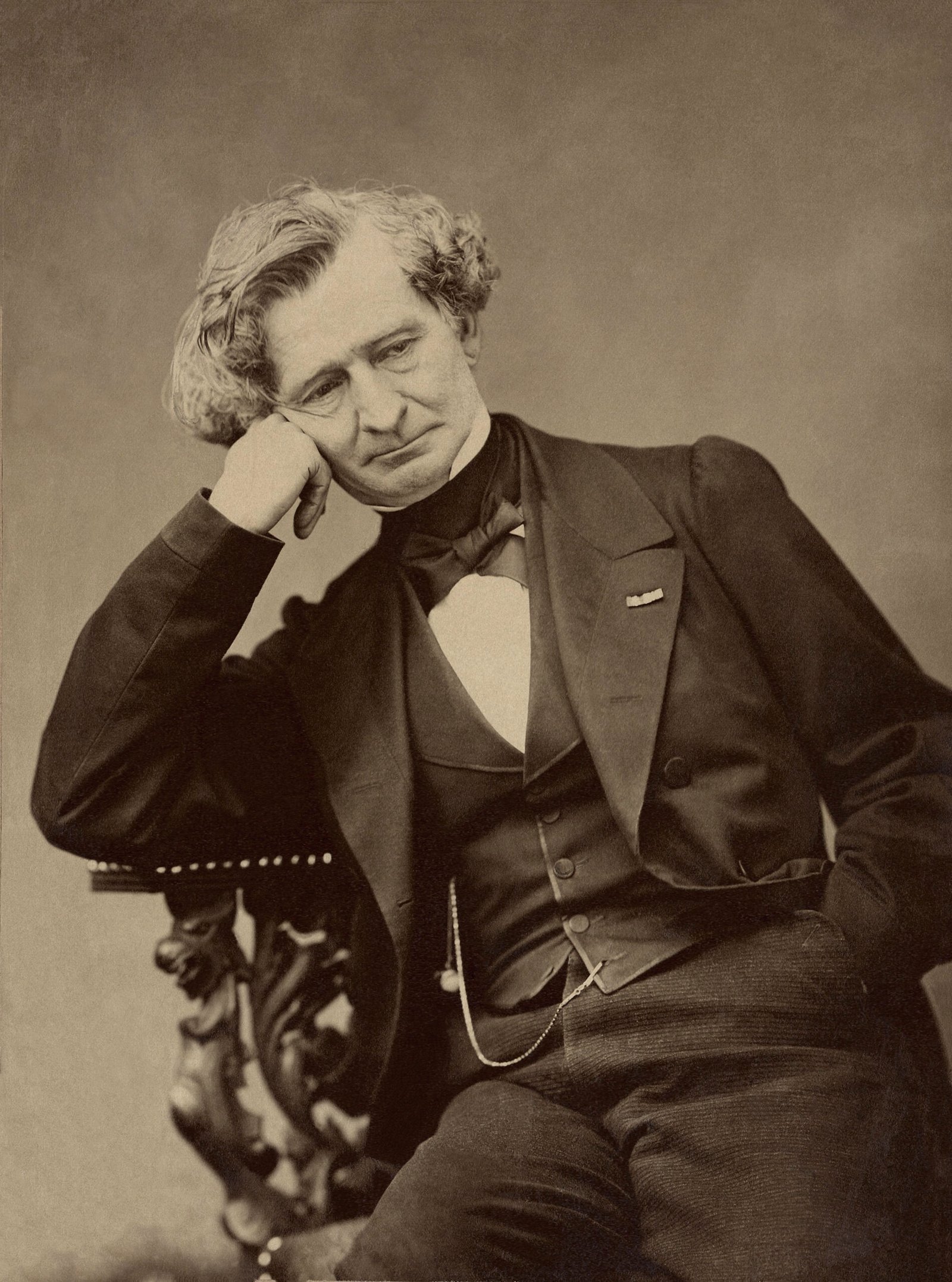
Berlioz innovated with operas like Les Troyens and Benvenuto Cellini, plus Symphonie fantastique. Obsessed with actress Harriet Smithson, rejection drove an opium overdose attempt. Poverty and failed medicine studies forced wandering as critic.
Marriages crumbled in jealousy; he crisscrossed Europe. Romantic fever birthed orchestral boldness and feverish narratives. Life’s excesses colored his dramatic soundscapes.[4]
Richard Wagner
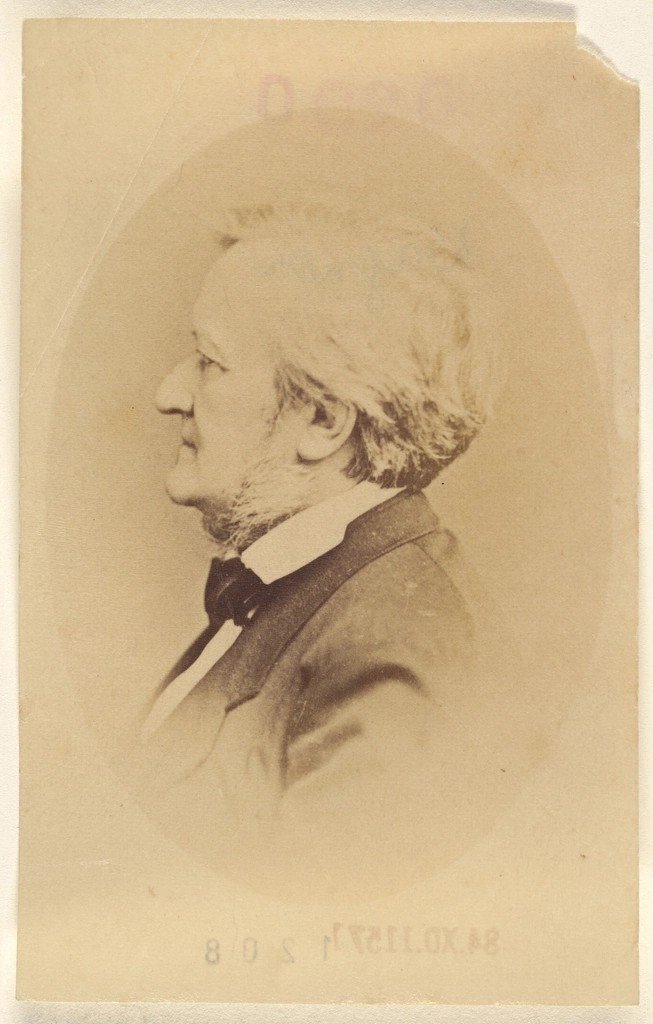
Wagner revolutionized opera via The Ring Cycle, Tristan und Isolde, and The Flying Dutchman. Exiled after 1849 revolts, he dodged arrest amid debts. Affairs peaked eloping with Liszt’s daughter.
Extravagance and anti-Semitism marked his path. Turbulence forged epic leitmotifs weaving fate. Music-drama form reflected his tangled existence.[4]
Pyotr Ilyich Tchaikovsky
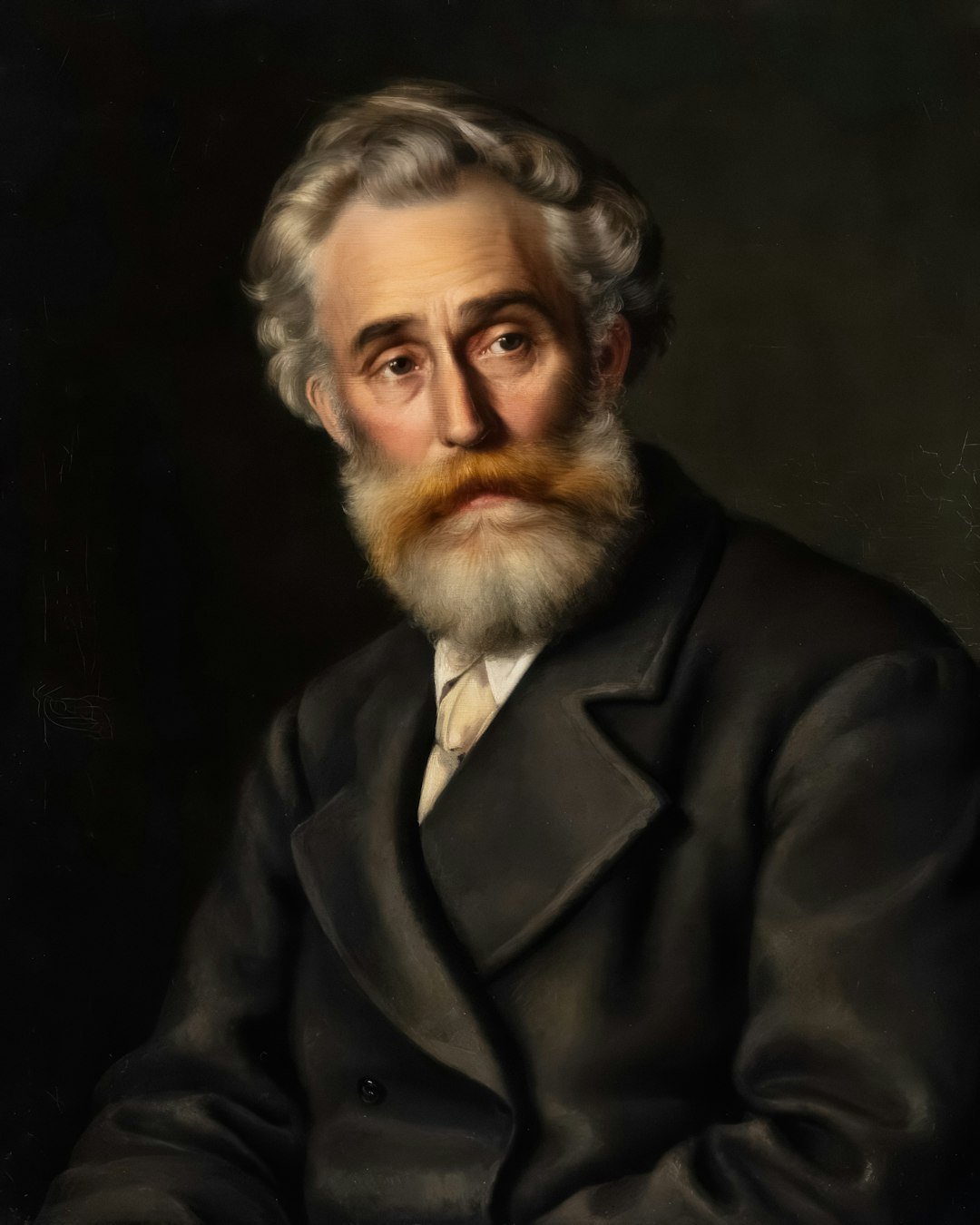
Tchaikovsky’s operas feature Eugene Onegin and The Queen of Spades. Mother’s cholera death at 14 scarred him forever. A sham marriage to hide sexuality sparked breakdowns.
Family tragedies and scandals fueled depression; cholera ended him amid rumors. Inner storms deepened lyrical confessions. Works evoked tragic beauty from grief.[4]
Giacomo Puccini
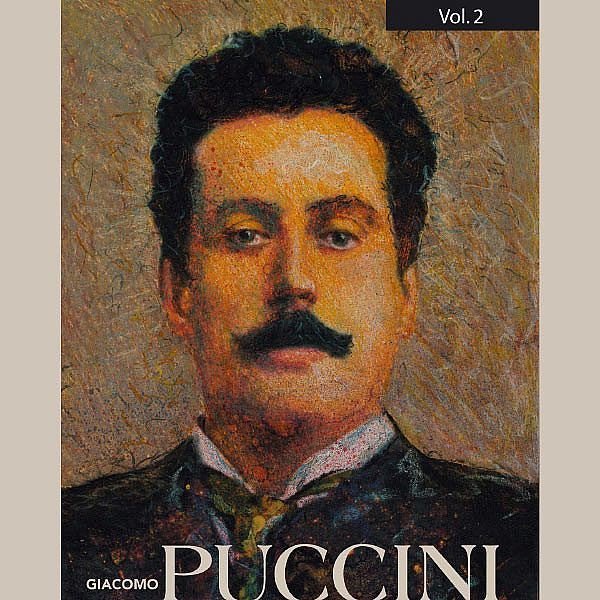
Puccini ruled verismo with La bohème, Tosca, Madama Butterfly, and Turandot. Marriage to Elvira Gemignani brewed scandal; her jealousy drove false accusations and a maid’s suicide. Affairs with divas added fuel.
Throat cancer from smoking killed him unfinished. Tumult shaped heroine psyches and orchestral depth. Realism sprang from his indulgences.[10]
Ludwig van Beethoven
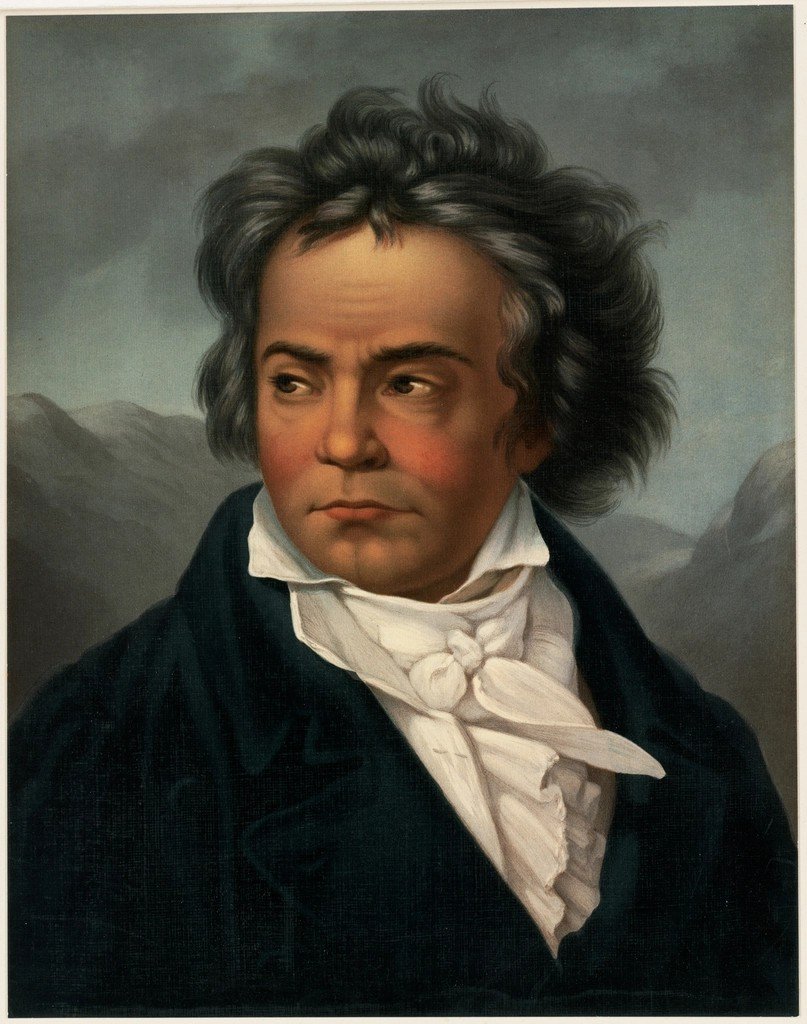
Beethoven’s sole opera Fidelio champions rescue and fidelity. Tyrannical father drilled him harshly; deafness crept from twenties. The Heiligenstadt Testament revealed suicide thoughts as he shouldered family.
Heroic struggle infused symphonies and quartets with defiance. Inner depths mirrored unyielding fight. Music roared personal torment into triumph.[4]
Life’s Echo in the Score
These composers turned chaos into chords that still stir audiences. Their operas thrive not just on stagecraft, but on echoes of endured trials.
Drama offstage honed the very intensity we cherish onstage. In the end, their legacies prove art’s power to alchemize suffering into something eternal.

- 15 Forgotten TV Shows From the 70s and 80s That Deserve a Dramatic Reboot - August 30, 2026
- 10 Unsung Heroes of Music History Who Deserve More Recognition - August 30, 2026
- 15 Movie Quotes So Powerful, They Became Part of Our Everyday Language - August 30, 2026

