
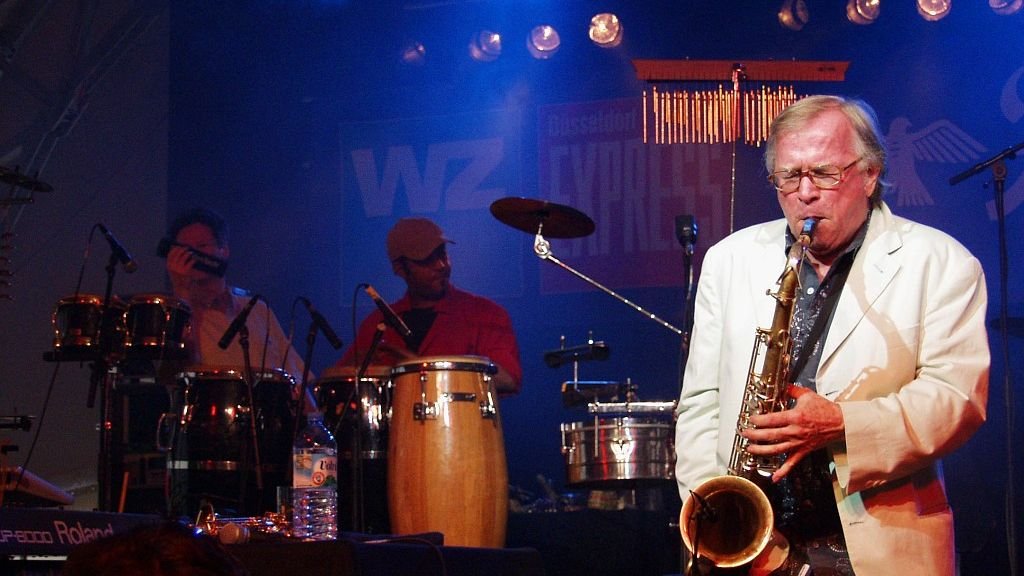
Music history brims with stars who grab the spotlight, yet countless others labored in studios and behind consoles to craft the sounds we cherish. These contributors fine-tuned grooves, pioneered techniques, and laid foundational tracks without chasing fame. Their work quietly elevated genres from Motown soul to electronic experimentation.
Spotlight often falls on performers, leaving producers, session players, and innovators in the shadows. Still, their ingenuity turned raw ideas into timeless hits. Exploring these figures reveals how music’s backbone relies on such dedicated craftspeople.[1][2]
Carol Kaye

Carol Kaye served as a premier session bassist in the Wrecking Crew, the elite Los Angeles studio musicians of the 1960s and 1970s. She played on over 10,000 recordings, including Sonny and Cher’s “The Beat Goes On,” The Beach Boys’ “Good Vibrations,” and The Monkees’ “I’m a Believer.” Her melodic basslines, played with a pick for precision, brought harmony and rhythm to pop tracks in a field dominated by men.[1]
Kaye also contributed to TV themes like Mission: Impossible and M*A*S*H. She redefined the electric bass’s role, moving it beyond mere root notes to active melodic partner. Today, her approach influences bassists across rock, pop, and funk, proving one player’s vision can reshape an instrument’s place in ensembles.[1]
James Jamerson

James Jamerson anchored the Funk Brothers, Motown’s legendary session band, as their innovative bassist. He crafted unforgettable lines for hits by The Supremes, Marvin Gaye, and Stevie Wonder, often using only his fingers for a warm, fluid tone. His subtle syncopation and melodic fills drove the Motown sound, powering more number-one singles than The Beatles, Elvis, or The Rolling Stones combined.[1]
Jamerson rarely read charts, improvising in the studio to capture live energy. His style blended jazz sophistication with R&B drive, influencing bass playing worldwide. Modern artists from Pino Palladino to Thundercat draw from his pocket grooves, ensuring his legacy pulses in contemporary music.[1]
Tom Dowd

Tom Dowd worked as a pioneering engineer and producer, especially at Atlantic Records. With a physics background from the Manhattan Project, he championed 8-track recording and perfected splicing for tracks like Derek and the Dominos’ “Layla.” He shaped albums for Ray Charles, Aretha Franklin, and John Coltrane, blending technical mastery with musical intuition.[1]
Dowd’s innovations in multitrack laid groundwork for modern production workflows. His calm studio presence fostered creativity among volatile talents. Those techniques endure in today’s digital environments, a testament to his forward-thinking engineering.[1]
Jack Mullin
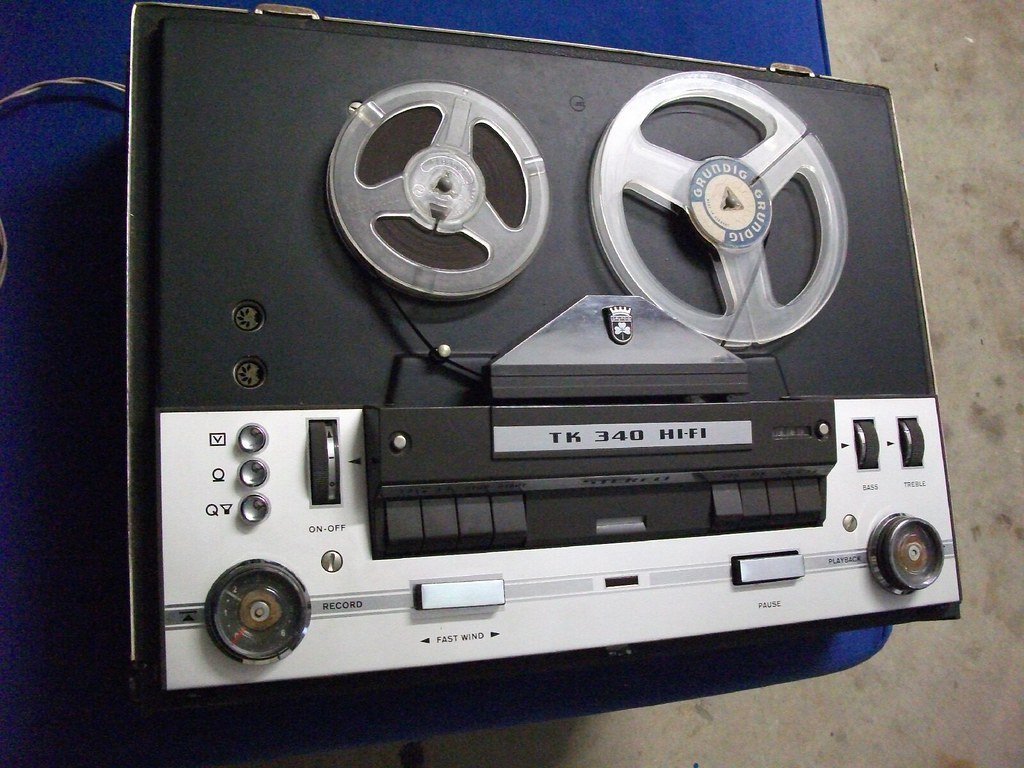
Major Jack Mullin innovated as an audio engineer after World War II. He recovered German magnetophone tape recorders, introducing high-fidelity reel-to-reel technology to America alongside Bing Crosby. This enabled editing, overdubs, and multitracking, revolutionizing how music got captured beyond live takes.[2]
Mullin’s work spurred Ampex’s development and Les Paul’s experiments with sound-on-sound recording. Studios shifted from rigid performance spaces to creative labs. His tape tech paved the way for effects like echo and reverb, foundational to rock and pop production ever since.[2]
Grady Martin
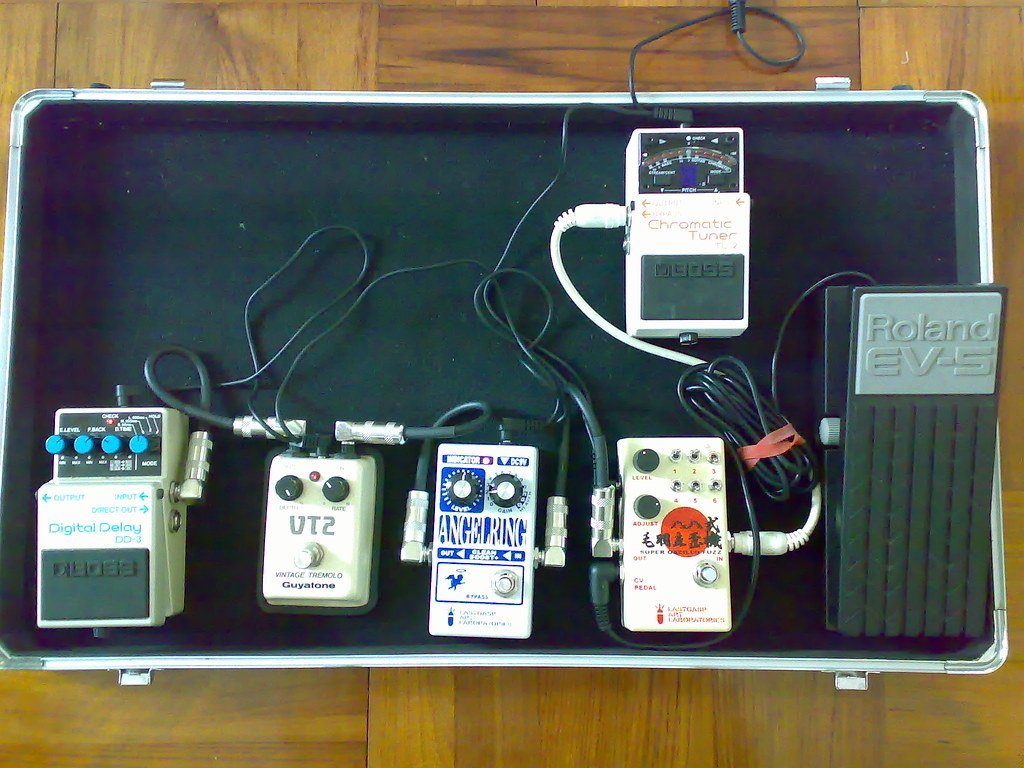
Grady Martin excelled as a Nashville session guitarist. During a 1960 Marty Robbins track, a faulty amp connection produced the fuzzy distortion on “Don’t Worry,” which became a hit. He helped develop the Maestro Fuzz-Tone pedal, the first commercial distortion effect.[2]
Martin’s happy accident influenced pedals like Fuzz Face and Big Muff. Keith Richards later used similar tones for Rolling Stones riffs. This sparked the distorted guitar sound central to rock, from garage bands to stadium anthems.[2]
Teo Macero
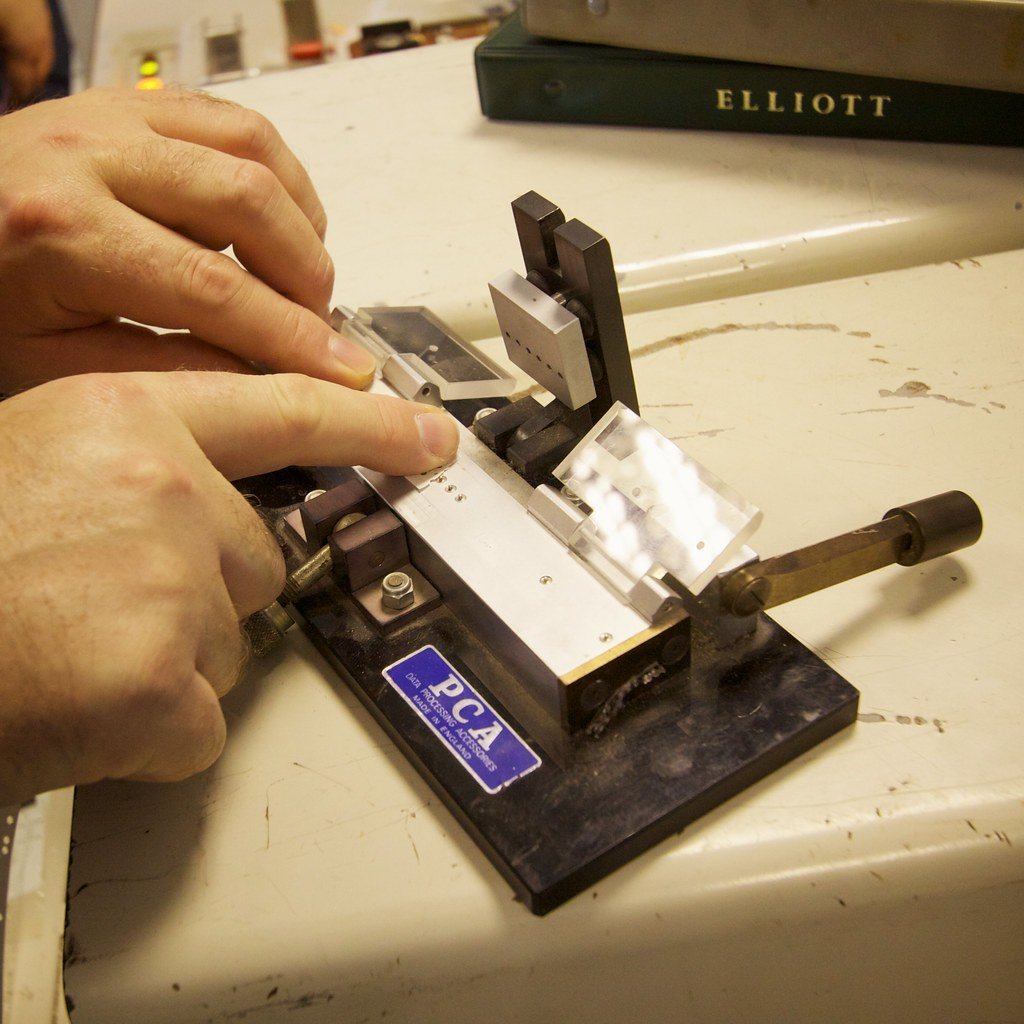
Teo Macero acted as producer and editor for Miles Davis’s electric era. He transformed hours of studio jams into landmark albums like Bitches Brew through radical splicing and looping. His post-production shaped jazz-fusion’s experimental edge.[1]
Macero treated tape like an instrument, layering and rearranging for cohesion. This approach influenced hip-hop sampling and electronic music. Jazz evolved into broader fusion partly due to his editorial wizardry.[1]
Delia Derbyshire
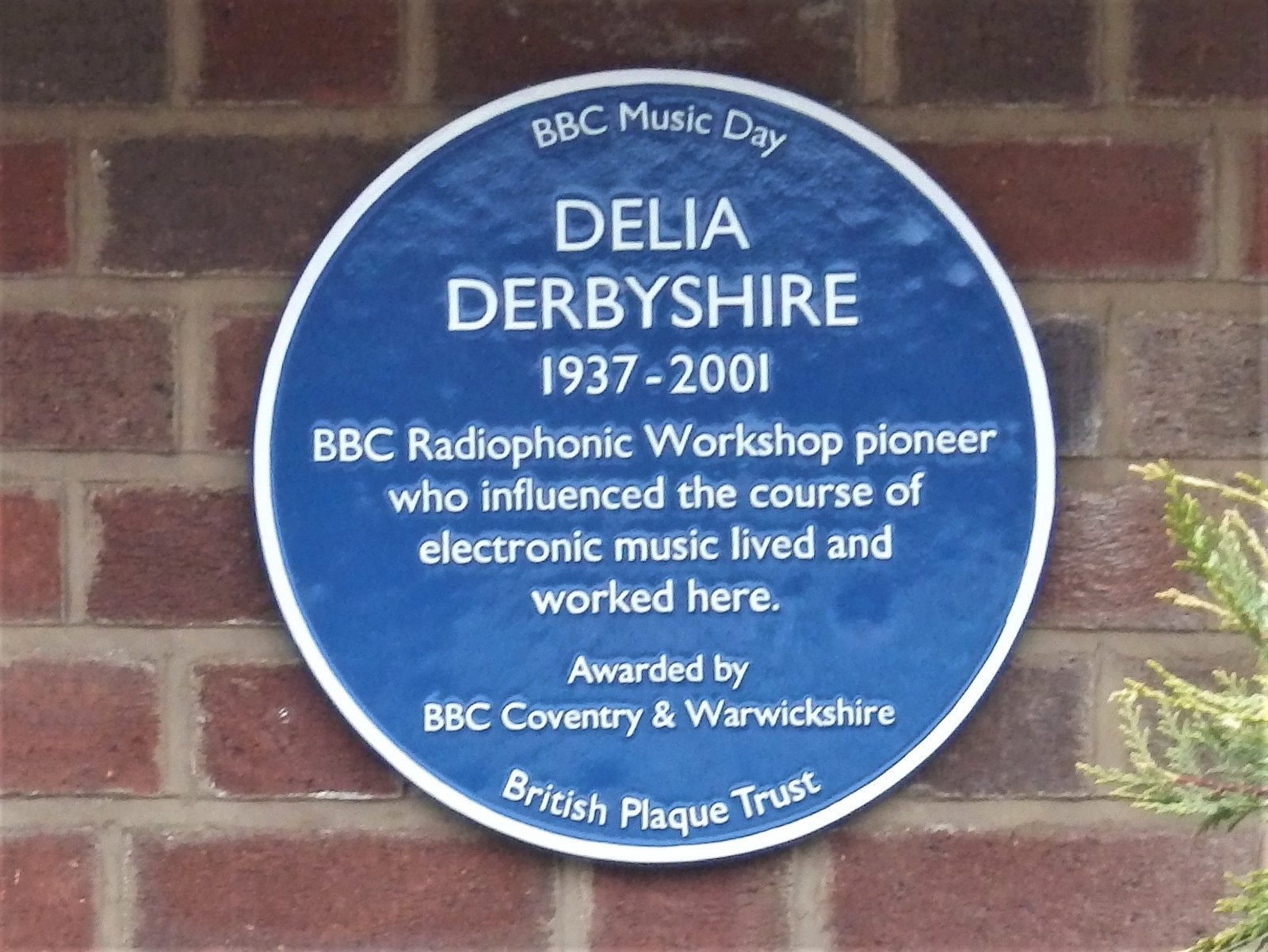
Delia Derbyshire composed electronic music at the BBC Radiophonic Workshop. She realized the iconic Doctor Who theme using pure waveforms, tape loops, and oscillators. Her method turned raw electronics into haunting atmospheres.[1]
Derbyshire viewed the studio as a composition tool, inspiring The Beatles and Aphex Twin. She advanced musique concrète for broadcast. Her techniques echo in synth-pop and ambient genres today.[1]
Sylvia Robinson

Sylvia Robinson founded Sugar Hill Records and produced hip-hop’s breakthrough. She oversaw “Rapper’s Delight” by The Sugarhill Gang, the first commercial rap single. Later, she guided “The Message” by Grandmaster Flash, adding social depth.[1]
Robinson spotted rap’s pop potential amid Bronx parties. Her productions bridged disco to hip-hop. This launched rap as a viable genre, influencing its global rise.[1]
Raphael Ravenscroft

Raphael Ravenscroft shone as a session saxophonist and reed player. His aching solo defined Gerry Rafferty’s “Baker Street,” a staple of 1978. He also graced tracks by Pink Floyd, Robert Plant, and ABBA.[3]
Ravenscroft’s emotive phrasing elevated soft rock and prog. His versatility spanned sessions without seeking solo fame. That iconic riff still evokes late-70s airwaves for generations.[3]
Johnnie Johnson
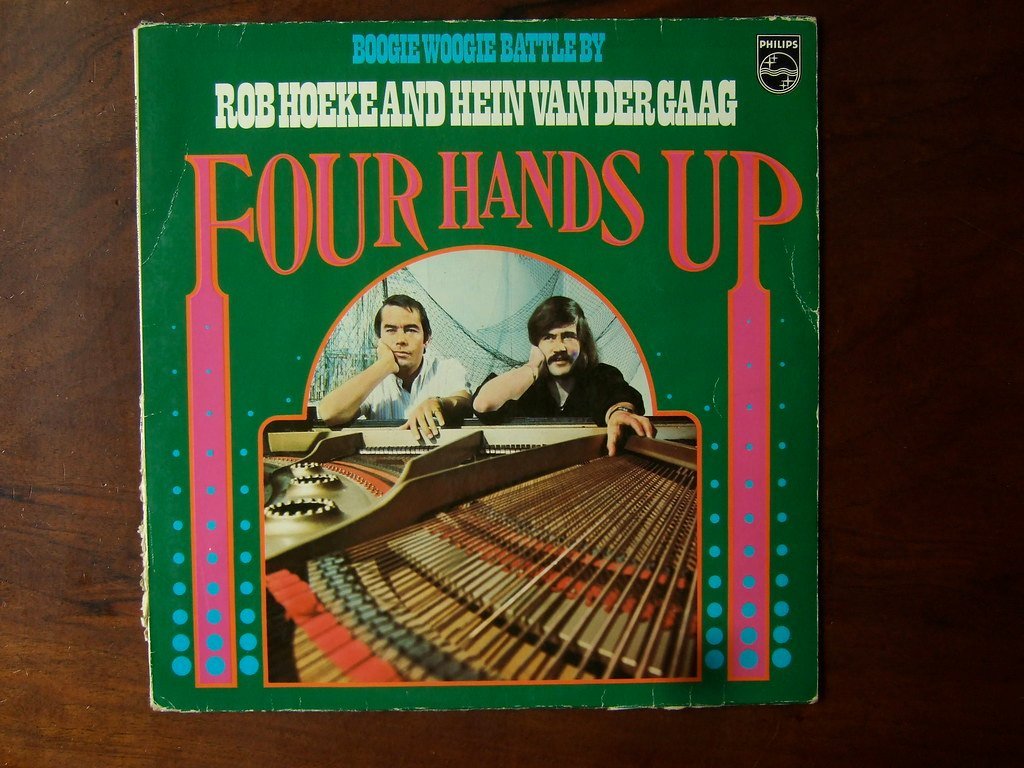
Johnnie Johnson played piano on Chuck Berry’s early hits as his longtime collaborator. His left-hand riffs in odd keys drove songs like “Roll Over Beethoven” and “Johnny B. Goode.” Johnson provided the rolling boogie foundation beneath Berry’s guitar flash.[3]
Often uncredited, his style shaped rock piano from Jerry Lee Lewis onward. Johnson bridged boogie-woogie to rock and roll. His influence lingers in bar-band keys worldwide.[3]
Why Hidden Contributors Matter
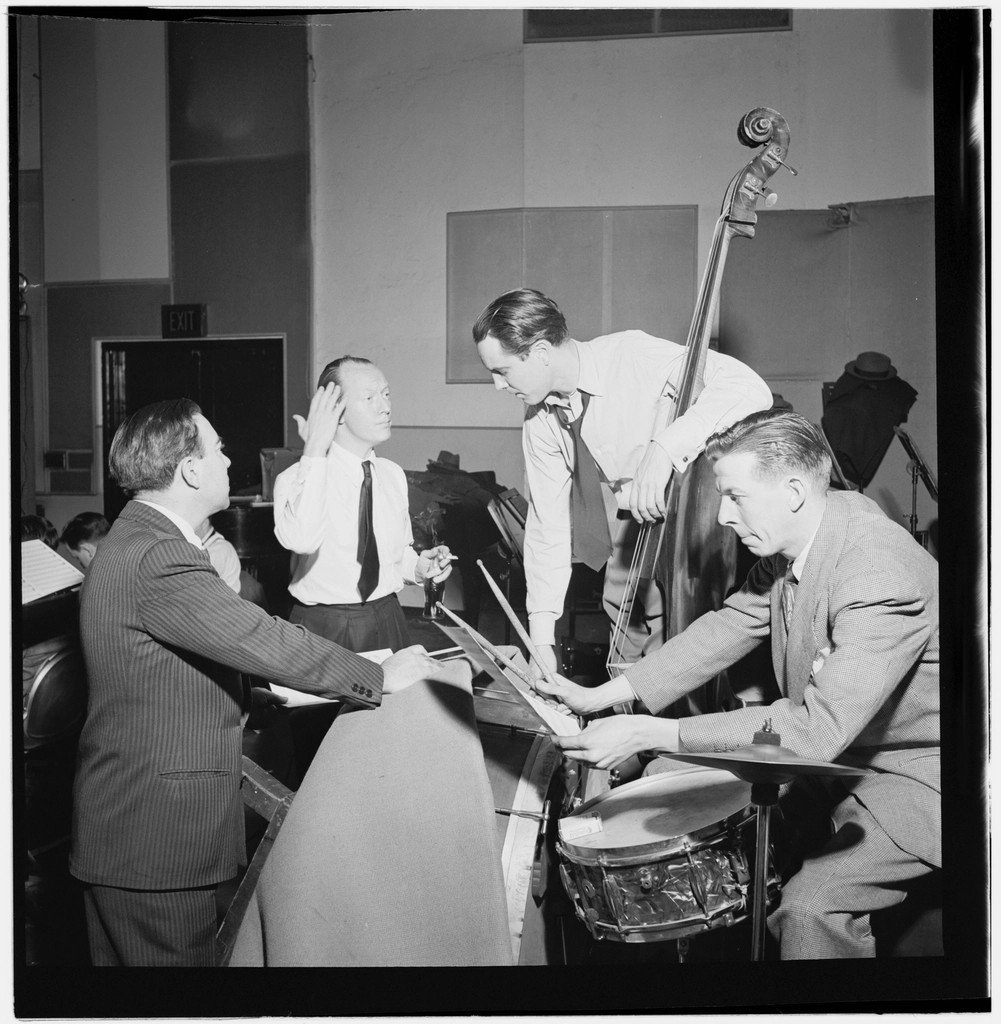
These figures remind us that music thrives on collaboration beyond the marquee names. Producers splice magic from chaos, session hands lock in grooves, innovators unlock new tools. Without them, hits dissolve into forgotten demos.
Recognizing such talents honors the full creative chain. Their stories encourage today’s makers to value craft over celebrity. Music’s richest layers emerge from those patient shadows.[1]


