

Movies often capture universal truths in a handful of words. A well-timed line can resonate so deeply that it slips into daily chatter, far beyond the screen. These moments stick because they mirror life’s highs, lows, and absurdities.
Over decades, such dialogue spreads through repetition and shared culture. Friends quote them in jest. Families weave them into traditions. Soon enough, the origin fades, leaving just the phrase to carry on.[1][2]
1. “May the Force Be with You”

The line “May the Force be with you” originates from Star Wars (1977), spoken by General Jan Dodonna to rally the rebels.[1] It quickly became a staple farewell among fans.
Today, people drop it before exams, job interviews, or risky ventures as a shorthand for good luck. Its mystical vibe adds a touch of epic optimism to ordinary moments. The franchise’s enduring popularity keeps it alive in memes and casual talk. Even non-fans recognize its hopeful ring.[2][3]
2. “I’ll Be Back”
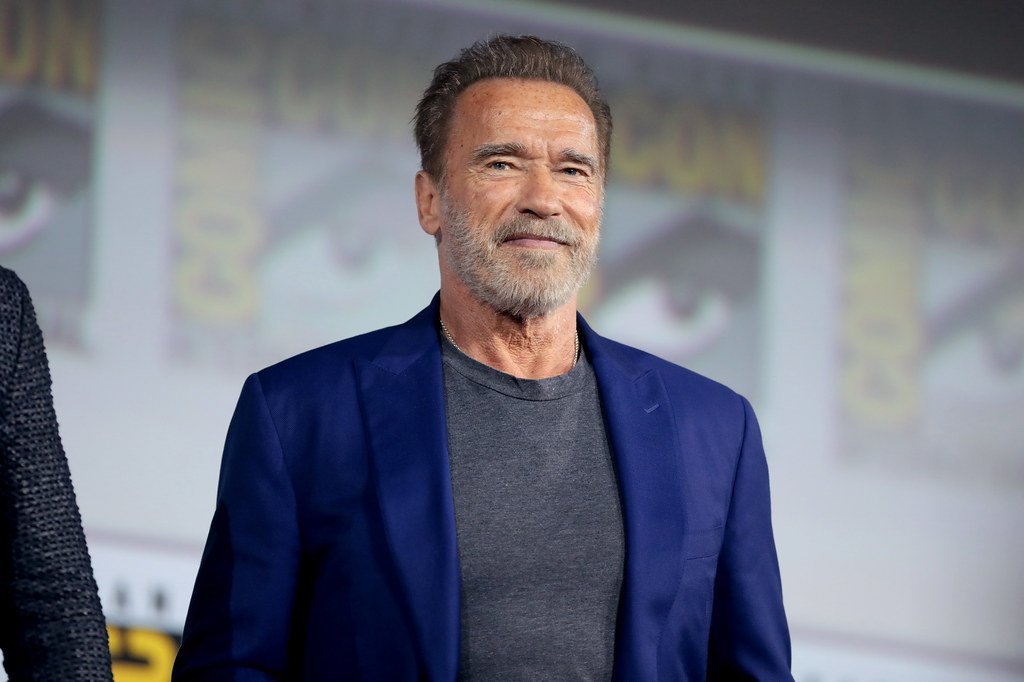
In The Terminator (1984), Arnold Schwarzenegger’s cyborg utters “I’ll be back” before storming a police station.[1] The deadpan delivery turns a simple promise into menace.
Folks now use it playfully when stepping away from a debate or chore, implying unfinished business. It pops up in office banter or family spats with a dramatic flair. Schwarzenegger himself leaned into it politically. The phrase’s versatility spans threats to lighthearted exits.[2]
Its cultural footprint shows in parodies across TV and ads.
3. “You Can’t Handle the Truth!”

Jack Nicholson’s Col. Nathan R. Jessup bellows “You can’t handle the truth!” in A Few Good Men (1992) during a tense courtroom showdown.[1] The outburst captures defiance under pressure.
In everyday arguments, it serves as a dramatic dodge when facts get uncomfortable. Friends tease it during gossip sessions or debates. The line underscores how truth can overwhelm. Its raw intensity makes it perfect for heightened emotions.[4]
Movies and shows reference it endlessly, cementing its place.
4. “There’s No Place Like Home”
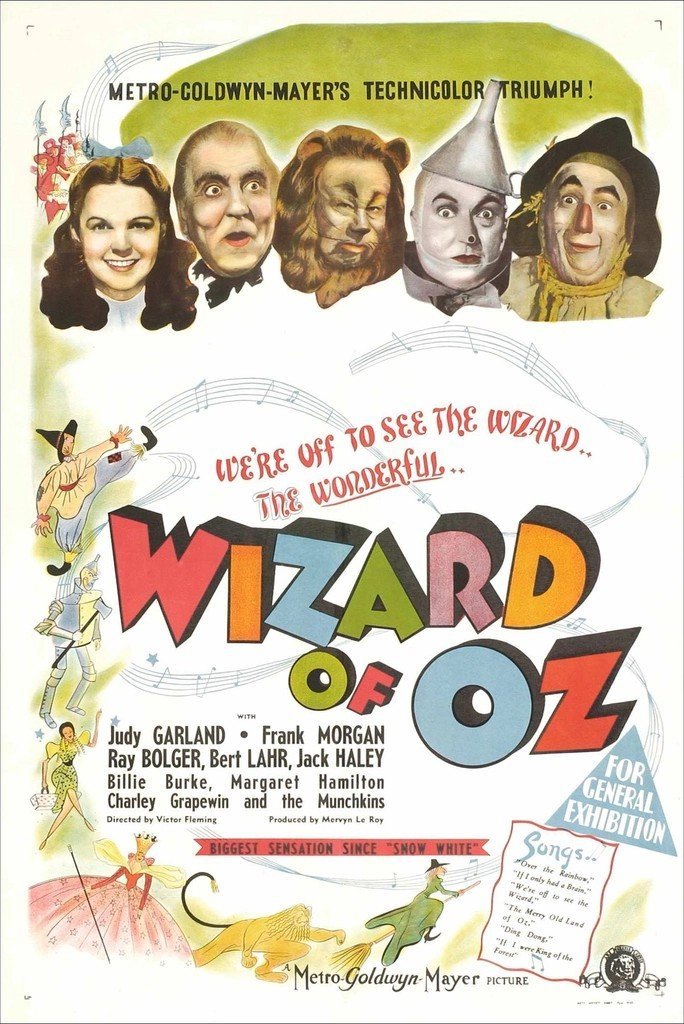
Dorothy Gale, played by Judy Garland, clicks her heels and says “There’s no place like home” in The Wizard of Oz (1939).[1] It marks her realization after fantastical adventures.
Travelers utter it upon returning from trips, evoking comfort over chaos. Holiday gatherings bring it out as families reunite. The sentiment taps into a deep yearning for familiarity. Even in tough times, it reminds us of roots.[4][3]
5. “Life Is Like a Box of Chocolates, You Never Know What You’re Gonna Get”
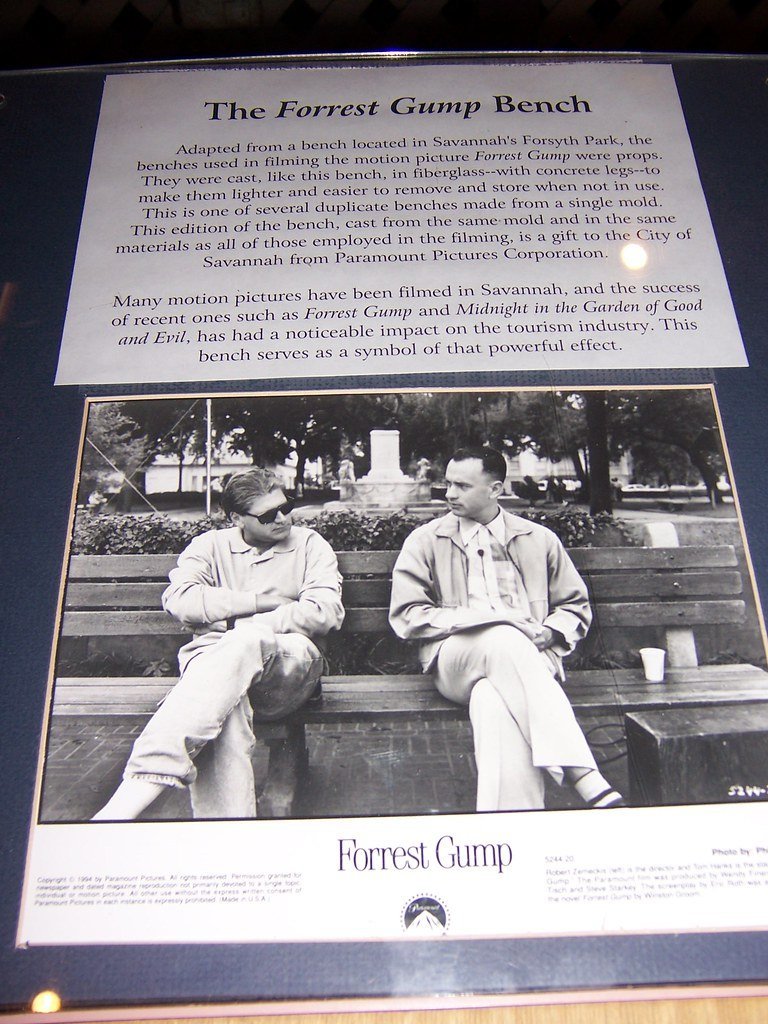
Forrest Gump shares this wisdom from his mother in Forrest Gump (1994), voiced by Tom Hanks.[1] It sums up life’s unpredictability early on.
People invoke it facing surprises, from job changes to bad dates. Its folksy charm fits casual philosophy chats. The film’s heartfelt tone makes the line stick. It encourages embracing the unknown with grace.[2]
Memes keep it circulating online.
6. “You’re Gonna Need a Bigger Boat”

Chief Martin Brody, portrayed by Roy Scheider, mutters “You’re gonna need a bigger boat” in Jaws (1975) upon spotting the shark.[1] Panic mixes with understatement.
Now it signals when plans fall short against a big challenge. Work crises or home repairs prompt it. The humor softens dread. Its ad-libbed origin adds authenticity.[4]
Parodies in media amplify its reach.
7. “Show Me the Money!”
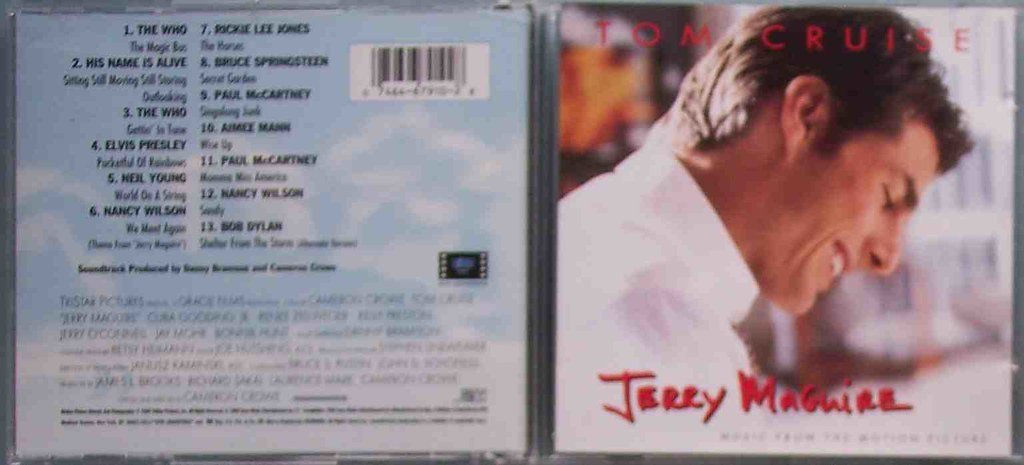
Rod Tidwell, played by Cuba Gooding Jr., demands “Show me the money!” in Jerry Maguire (1996).[3] Passion fuels the plea for commitment.
In negotiations, it cuts through talk to demand proof. Sports fans chant it during games. Business deals echo its urgency. The energy makes it motivational.[2]
8. “I’m Gonna Make Him an Offer He Can’t Refuse”
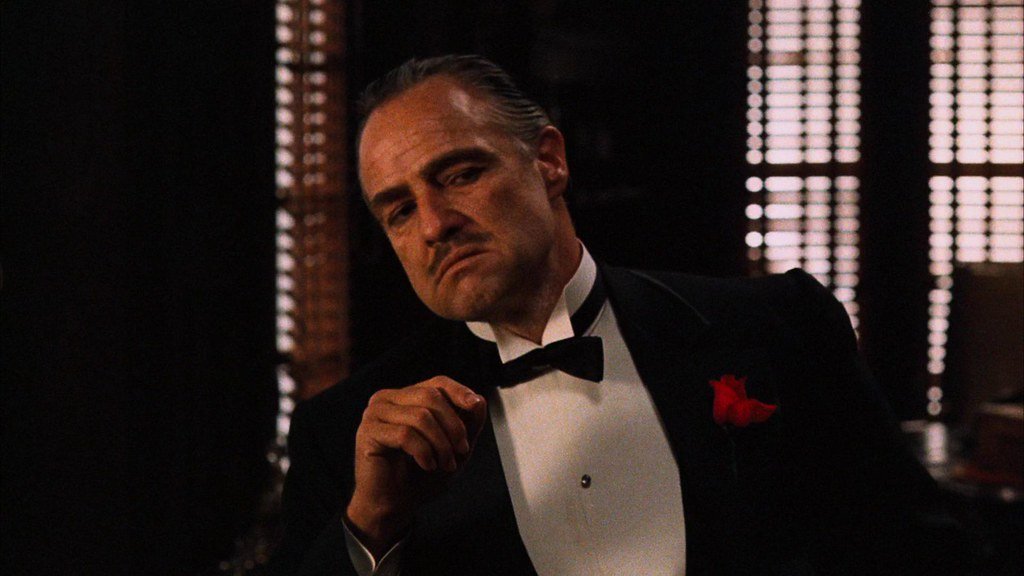
Vito Corleone, Marlon Brando’s character, delivers “I’m gonna make him an offer he can’t refuse” in The Godfather (1972).[2] Subtle threat hides in politeness.
Deals too good to pass get this label today. Sales pitches borrow its swagger. Power dynamics in life nod to it. The mafia mystique endures.[4][3]
It shapes how we view persuasion.
9. “Go Ahead, Make My Day”

Clint Eastwood’s Harry Callahan taunts “Go ahead, make my day” in Sudden Impact (1983).[2] Grit defines the challenge.
Confrontations use it to dare opposition. Road rage or playground spats feature it lightly. Tough-guy persona lingers. It empowers the underdog.[3]
10. “You Talking to Me?”
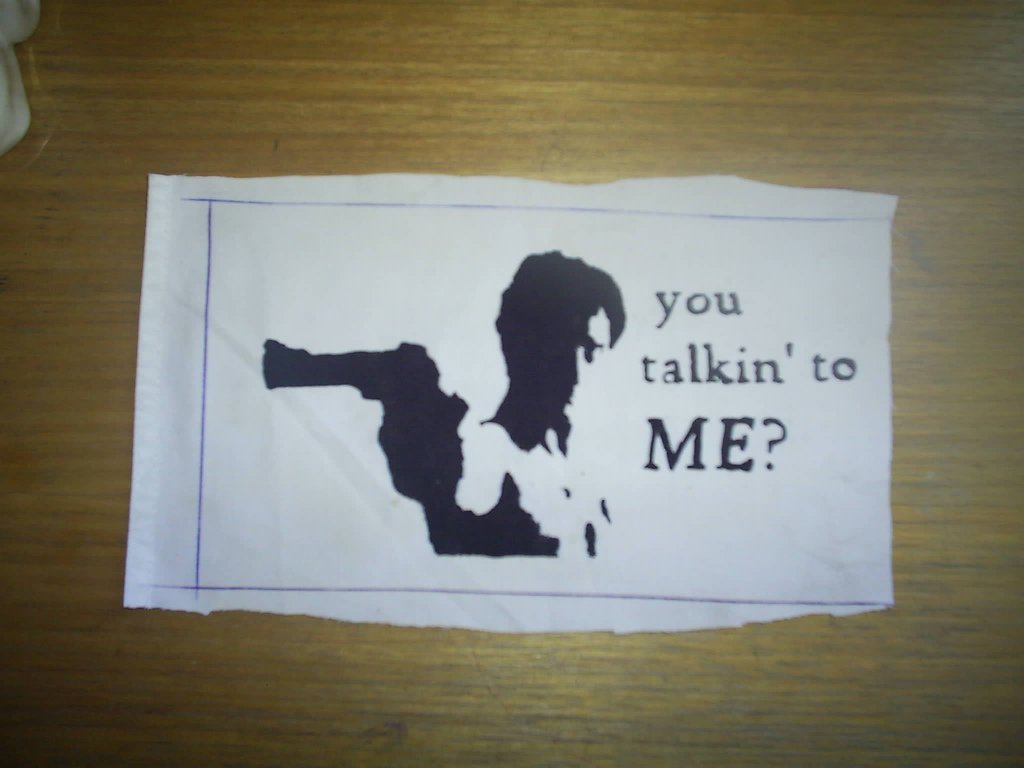
Travis Bickle, Robert De Niro’s loner, practices “You talking to me?” in Taxi Driver (1976) before a mirror.[4] Paranoia builds tension.
Today, it escalates banter or seeks clarification aggressively. Bar arguments or online trolls wield it. The improvised feel adds edge. It questions intent sharply.[3]
Culture parodies it often.
11. “Houston, We Have a Problem”
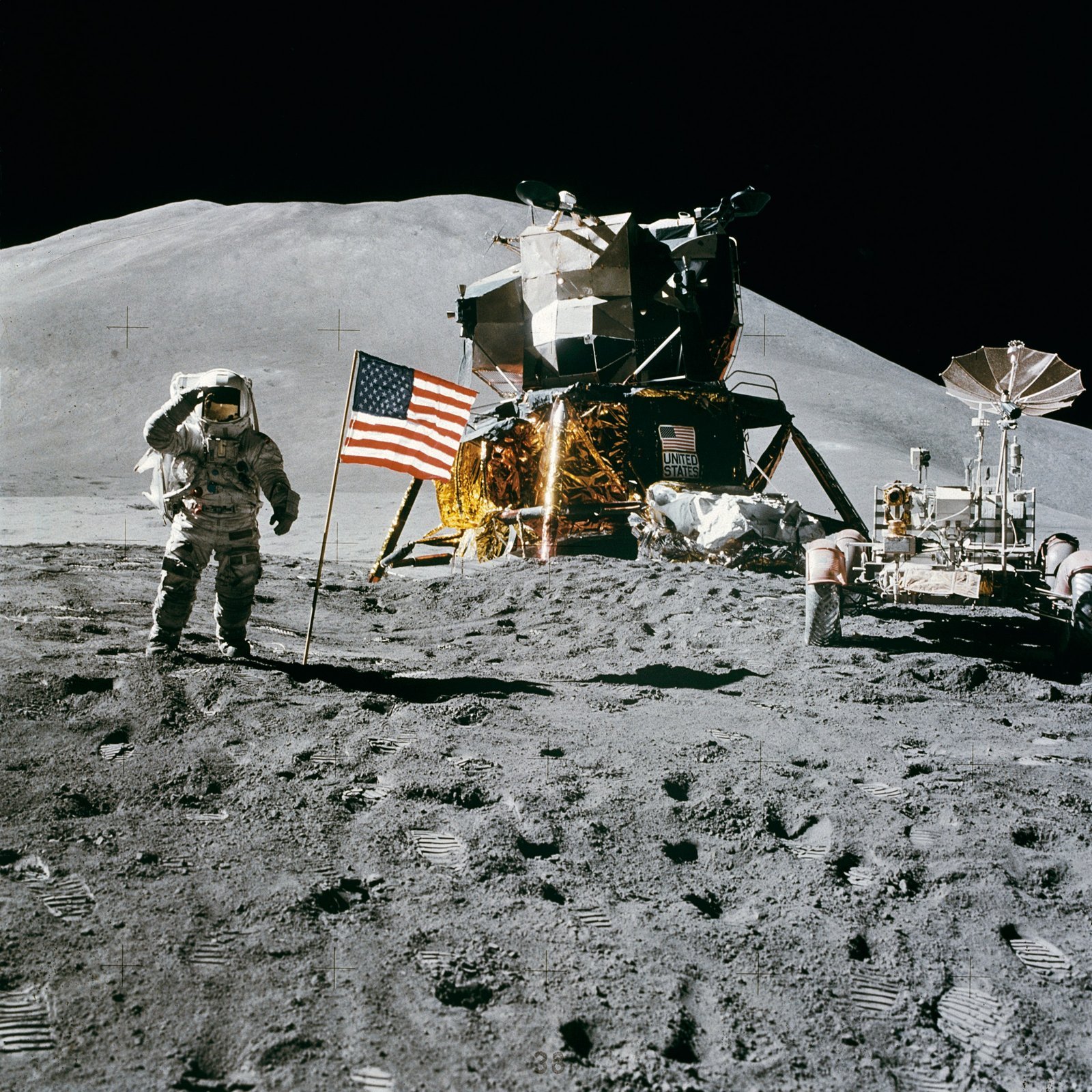
Jim Lovell, Tom Hanks’ astronaut, reports “Houston, we have a problem” in Apollo 13 (1995).[4] Crisis hits mid-mission.
Tech glitches or daily mishaps trigger it now. Car breakdowns or deadlines invoke the calm alert. Real history grounds its drama. Teamwork undertones persist.[3]
12. “Elementary, My Dear Watson”
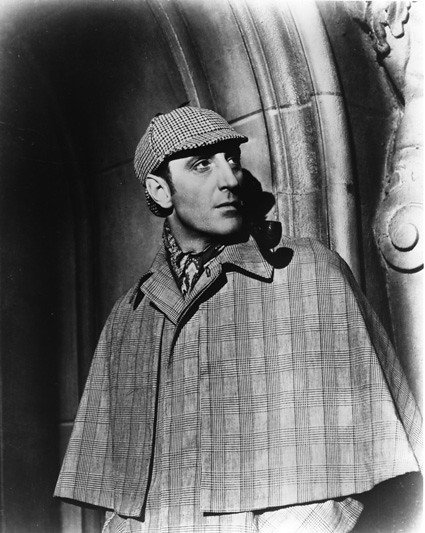
Sherlock Holmes quips “Elementary, my dear Watson” in The Adventures of Sherlock Holmes (1939).[1] Obvious solutions amuse him.
Simple puzzles get this smug response today. Trivia nights or riddles call it out. Detective trope endures. Wit shines through.[4]
13. “Keep Your Friends Close, but Your Enemies Closer”
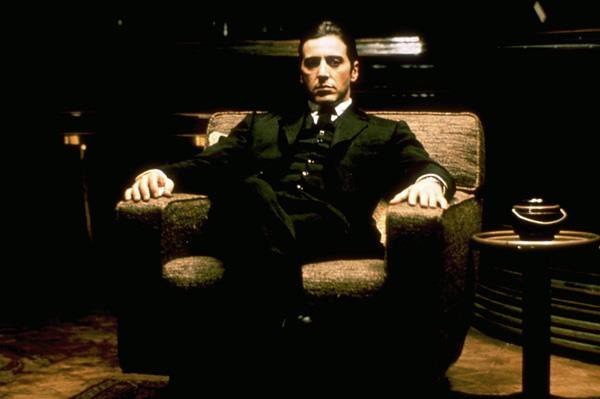
Michael Corleone advises “Keep your friends close, but your enemies closer” in The Godfather Part II (1974).[1] Strategy rules his world.
Office politics or rivalries borrow this caution. Trust issues highlight its wisdom. Global adaptations spread it wide. Ruthlessness tempers relations.[2]
It guides wary alliances.
14. “Hasta la Vista, Baby”

The Terminator bids “Hasta la vista, baby” in Terminator 2: Judgment Day (1991).[3] Cool menace precedes action.
Partings gain flair with this bilingual twist. Friends use it for dramatic goodbyes. Action-hero vibe lingers. Playful threats employ it.[3]
15. “There’s No Crying in Baseball”

Jimmy Dugan, Tom Hanks’ coach, snaps “There’s no crying in baseball” in A League of Their Own (1992).[3] Tough love motivates.
Whining kids or adults hear it to toughen up. Sports and life demand resilience. Humor softens the pep talk. Gender barriers fade in its echo.[3]
Why Memorable Dialogue Lasts
Great lines endure because they nail emotions we all feel. Simplicity lets them adapt to new contexts without losing punch. Films replay them, embedding deeper into memory.
Shared references build community. A quote bridges generations, sparking nods of recognition. In a noisy world, these words cut through, offering shorthand for complex truths. Their legacy proves cinema’s quiet power over language.[1][2]


